fbpx

Understanding Ovarian Reserve Testing: When Should You Start Planning?

Ovarian Reserve Testing

Understanding Ovarian Reserve Testing: When Should You Start Planning?

When it comes to planning a family, your fertility health is key. One of the most important things to consider is your ovarian reserve. Ovarian reserve testing helps to check the number and not the quality of your eggs. Ovarian reserve refers to the number and quality of a woman’s remaining eggs, which naturally decline with age. By assessing ovarian reserve, you can make informed decisions about your reproductive health and timing for pregnancy. 

In this blog, we will cover everything you need to know about ovarian reserve testing, its importance, and when to start planning. We will also talk about why you should go to the best IVF Specialist in Delhi.

Why is Ovarian Reserve Important?

Women are born with a fixed number of eggs; thereafter, these eggs die due to degeneration in the ovaries. As we age, the number of eggs decreases, and the quality of those eggs also deteriorates. Thus, knowing your ovarian reserve is important if you are planning to delay pregnancy or are facing difficulty getting pregnant. 

Ovarian reserve is important for the following reasons:

  • Predicts fertility
  • Decide when to start a family
  • Plans for assisted reproductive techniques like IVF

Ovarian reserve declines at different rates in every woman. While it starts to decline in the mid-30s for an average woman, it can start earlier for some.

Key Tests for Ovarian Reserve

Understanding your ovarian reserve involves a few tests. These tests are simple, non-invasive, and can give you a clear picture of your fertility health.

  • Anti-Müllerian Hormone (AMH) Test

The AMH test measures the levels of Anti-Müllerian hormone in your blood. This hormone is produced by cells in your ovarian follicles, which house the eggs. The higher the AMH level, the greater the number of remaining eggs.

  • Normal AMH Level: 1.5 to 4.0 ng/mL
  • Low AMH Level: Below 1.0 ng/mL (indicating diminished ovarian reserve)
AMH Level (ng/mL) Interpretation
Above 4.0 High (May indicate PCOS)
1.5 – 4.0 Normal
1.0 – 1.5 Low-Normal
Below 1.0 Low (Diminished ovarian reserve)
  • Antral Follicle Count (AFC)

The Antral Follicle Count test is performed via an ultrasound scan. This test counts the small follicles in your ovaries that contain immature eggs. A higher AFC number means more eggs are available.

Age Range (Years) Average AFC Count
20 – 30 16 – 30 follicles
31 – 35 12 – 20 follicles
36 – 40 8 – 15 follicles
41 and above 4 – 10 follicles
  • Follicle Stimulating Hormone (FSH) Test

FSH is a hormone that promotes the development of eggs within the ovaries. The FSH test is typically performed during the second or third day of your period. A high level of FSH can indicate that you may have a decreased ovarian reserve.

  • Normal FSH Level: Below 10 mIU/mL
  • Elevated FSH Level: Above 10 mIU/mL (indicating reduced fertility)
FSH Level (mIU/mL) Interpretation
Below 10 Normal Ovarian Reserve
10 – 15 Reduced Ovarian Reserve
Above 15 Poor Ovarian Reserve

What is the Right Time to Start Ovarian Reserve Testing?

If the test results show a low ovarian reserve, it doesn’t mean pregnancy is impossible; it simply means you may need to plan sooner rather than later. Several fertility preservation and treatment options are available, including IVF and egg freezing. Now that you understand what ovarian reserve is and the tests involved, the next question is: When should you start? Here are some factors to consider before beginning the testing:

  • Age

Age is the biggest factor in determining ovarian reserve. Fertility declines with age, and the quality of eggs decreases, making it harder to conceive. If you’re in your early 30s and want to delay having a family, get tested for ovarian reserve.

  • Family History and Medical Conditions

Certain medical conditions like endometriosis or a family history of early menopause can impact your ovarian reserve. If any of these apply to you, it is advised to get tested earlier.

  • Unable to Conceive

If you’ve been trying to conceive for more than 6-12 months without success, ovarian reserve testing can help identify the underlying issue. Many women visit the best IVF specialist in Delhi after this timeframe to explore fertility treatment options.

Why Choose Nandi IVF?

If you’re concerned about your fertility or ovarian reserve, consult with our experienced IVF specialists at Nandi IVF Centre in Delhi. Our team will guide you through all testing results and provide personalized advice on your health, lifestyle, and future family planning. At our top IVF centre in Delhi, we ensure complete care for all our patients, and no fertility problem goes unsolved.

Testing your ovarian reserve is crucial for understanding your fertility. It helps you make informed decisions about whether to start planning for pregnancy sooner or consider postponing.

Take the first step towards a successful and healthy pregnancy by consulting with the best IVF specialists in Delhi at Nandi IVF Centre.

Natural Cycle IVF Procedure, Benefits, and Success Rate: A Comprehensive Guide

Infertility treatments have come a long way, and among the various options available, Natural Cycle IVF (NC-IVF) offers a unique approach to assisted reproduction. Unlike traditional IVF, which involves stimulating the ovaries to produce multiple eggs, Natural Cycle IVF focuses on using the body’s natural menstrual cycle to retrieve and fertilize a single egg. This method appeals to many who are looking for a less invasive and more cost-effective alternative to conventional IVF. In this blog, we’ll delve into the Natural Cycle IVF procedure, its benefits, and its success rates, providing a detailed overview of what you can expect.

What is Natural Cycle IVF?

Natural Cycle IVF is a variation of in vitro fertilization that aims to maximize the natural fertility cycle of a woman. Instead of using hormone injections to stimulate the ovaries to produce multiple eggs, this approach retrieves and fertilizes the single egg that is naturally selected during the menstrual cycle. The process is less invasive and can be more cost-effective compared to traditional IVF.

The Natural Cycle IVF Procedure

Initial Consultation and Evaluation: The first step in the Natural Cycle IVF process involves a comprehensive evaluation of your reproductive health. This includes a review of your medical history, fertility assessments, and discussions about your specific needs and goals. Your fertility specialist will determine if Natural Cycle IVF is suitable for you based on factors like your age, ovarian reserve, and overall health.

Monitoring the Menstrual Cycle: Natural Cycle IVF relies on precise timing, so monitoring your menstrual cycle is crucial. This involves regular ultrasound scans and hormonal tests to track the development of the ovarian follicle. The goal is to identify the optimal time for egg retrieval, typically when the follicle is mature and ready for ovulation.

Egg Retrieval: Once the follicle is mature, the egg retrieval procedure is scheduled. This is a minimally invasive procedure performed under sedation or anesthesia. A thin needle is inserted through the vaginal wall and into the ovary to collect the egg. Since only one egg is retrieved, this procedure is generally less complex compared to conventional IVF, which may involve retrieving multiple eggs.

Fertilization: After retrieval, the egg is immediately taken to the laboratory where it is fertilized with sperm. This can be done using conventional insemination or ICSI (Intracytoplasmic Sperm Injection) if there are male fertility issues. The fertilized egg is then monitored as it develops into an embryo.

Embryo Transfer: Once the embryo reaches a suitable stage of development (usually blastocyst stage), it is transferred into the uterus. This procedure is relatively simple and typically does not require sedation. The embryo is gently placed into the uterine cavity using a thin catheter.

Pregnancy Test: After the embryo transfer, you will undergo a pregnancy test to determine if implantation has occurred. This is usually done about two weeks after the transfer. If successful, an early ultrasound will be scheduled to confirm the pregnancy and monitor its progress.

Benefits of Natural Cycle IVF

Reduced Medication Use: One of the primary benefits of Natural Cycle IVF is the minimal use of medications. Traditional IVF requires ovarian stimulation with hormone injections to produce multiple eggs, which can lead to side effects such as ovarian hyperstimulation syndrome (OHSS). Natural Cycle IVF eliminates or significantly reduces the need for these medications, minimizing potential side effects.

Lower Cost: Natural Cycle IVF is generally less expensive than traditional IVF. The reduction in medication and the simpler procedure result in lower overall costs. This makes it an appealing option for those who are concerned about the financial burden of fertility treatments.

Reduced Risk of OHSS: Since Natural Cycle IVF involves no or minimal ovarian stimulation, the risk of OHSS is greatly reduced. OHSS is a condition where the ovaries become swollen and painful due to overstimulation, and avoiding this risk is a significant advantage of Natural Cycle IVF.

Simpler Procedure: The Natural Cycle IVF procedure is less invasive than traditional IVF. With fewer medications and a single egg retrieval, the process is often perceived as simpler and less stressful. Additionally, the embryo transfer procedure is typically straightforward and less complicated.

Focus on Quality Over Quantity: Natural Cycle IVF emphasizes the quality of the single egg retrieved rather than the quantity. This can be beneficial for women with a high quality of eggs but a limited number, as the focus is on achieving the best possible outcome with the available egg.

Reduced Risk of Multiple Pregnancies: Traditional IVF can sometimes lead to multiple pregnancies due to the transfer of multiple embryos. Natural Cycle IVF, with its focus on a single embryo transfer, reduces the risk of multiple pregnancies, which can be associated with higher health risks for both the mother and the babies.

Success Rates of Natural Cycle IVF

The success rates of Natural Cycle IVF can vary based on several factors, including the age of the woman, the quality of the egg, and the overall health of both partners. Generally, Natural Cycle IVF has a lower success rate compared to conventional IVF, primarily because it involves the retrieval and fertilization of a single egg.

Age Factor: Age is a significant factor influencing the success rates of Natural Cycle IVF. Women under 35 tend to have higher success rates compared to older women, as egg quality typically declines with age. For women over 40, success rates may be lower, and additional fertility treatments or interventions might be necessary.

Ovarian Reserve: Women with a good ovarian reserve, meaning they have a healthy number of high-quality eggs, are more likely to achieve success with Natural Cycle IVF. A thorough evaluation of ovarian reserve through tests such as AMH (Anti-Müllerian Hormone) levels and antral follicle count can help determine the likelihood of success.

Overall Health: The general health and fertility of both partners play a role in the success of Natural Cycle IVF. Addressing any underlying health issues and optimizing lifestyle factors can improve the chances of a successful outcome.

Success Rate Estimates: On average, Natural Cycle IVF has success rates ranging from 5% to 15% per cycle. These rates can vary based on individual circumstances and the specific clinic’s experience with Natural Cycle IVF. It’s essential to consult with your fertility specialist to understand what success rates might be expected in your particular case.

Considerations and Limitations

While Natural Cycle IVF offers several benefits, it’s important to consider its limitations:

Lower Egg Yield: The primary limitation of Natural Cycle IVF is the reliance on a single egg. If the egg does not fertilize successfully or if the resulting embryo does not implant, the cycle may be unsuccessful. This is in contrast to conventional IVF, which aims to increase the number of eggs and embryos, thereby improving the chances of success.

Limited Applicability: Natural Cycle IVF may not be suitable for everyone. Women with irregular menstrual cycles, poor ovarian reserve, or other fertility issues may find that conventional IVF or additional treatments are more effective.

Repeated Cycles: Since Natural Cycle IVF focuses on one egg per cycle, it may require multiple cycles to achieve a successful pregnancy. This can be time-consuming and may affect overall treatment costs.

Conclusion

Natural Cycle IVF presents a compelling alternative to traditional IVF for those seeking a less invasive, more cost-effective approach to assisted reproduction. By focusing on the body’s natural menstrual cycle and minimizing medication use, this method offers several advantages, including reduced risk of OHSS, lower costs, and a simpler procedure.

However, it’s important to carefully consider the success rates and limitations of Natural Cycle IVF. Factors such as age, ovarian reserve, and overall health play a crucial role in determining the likelihood of success. Consulting with a fertility specialist at Nandi IVF can provide valuable insights into whether Natural Cycle IVF is the right option for you and help tailor a treatment plan that aligns with your individual needs and goals.

At Nandi IVF, we are dedicated to supporting you through every step of your fertility journey. Our team of experienced specialists is here to provide personalized care, answer your questions, and guide you in exploring all available options. If you’re considering Natural Cycle IVF or want to learn more about other fertility treatments, contact us today to schedule a consultation.

Remember, every path to parenthood is unique, and finding the right approach involves understanding your options and working closely with a knowledgeable team. Let us help you navigate this journey with confidence and hope.


For further information or to discuss your fertility options, reach out to Nandi IVF. We’re here to assist you in making the best choices for your future family.

Why Natural IVF Could Be the Best Option for You?

In recent years, advancements in reproductive technology have provided many couples with various options to conceive. One such option that has gained increasing attention is Natural IVF. At Nandi IVF, we believe that Natural IVF could be the best choice for many individuals and couples navigating the complex journey of assisted reproduction. This post will explore the concept of Natural IVF, its benefits, and why it might be the ideal path for you.

What is Natural IVF?

Natural IVF (In Vitro Fertilization) is a modified form of traditional IVF that aims to achieve pregnancy using minimal or no medication to stimulate the ovaries. Unlike conventional IVF, which often involves hormone injections to produce multiple eggs, Natural IVF focuses on using the body’s natural cycle to retrieve a single egg or sometimes even multiple eggs if they are available in a given cycle.

The Basic Process of Natural IVF Includes:

  1. Monitoring: Tracking the natural menstrual cycle with ultrasound and hormone tests.
  2. Egg Retrieval: Harvesting the mature egg(s) from the ovary once they are ready.
  3. Fertilization: Combining the egg(s) with sperm in the laboratory.
  4. Embryo Transfer: Implanting the fertilized embryo(s) into the uterus.

The Rationale Behind Natural IVF

Natural IVF emerges from a growing understanding of the complexities of traditional IVF treatments and the desire to minimize the associated risks and complications. Here’s why Natural IVF could be a preferred option:

1. Reduced Hormonal Exposure

Traditional IVF often requires hormonal medications to stimulate the ovaries, which can lead to a range of side effects, including mood swings, headaches, and ovarian hyperstimulation syndrome (OHSS). Natural IVF eliminates or significantly reduces the need for these medications, which means fewer side effects and a more natural approach to conception.

2. Lower Risk of Ovarian Hyperstimulation Syndrome (OHSS)

OHSS is a potentially dangerous condition caused by an excessive response to ovarian stimulation drugs. By avoiding or minimizing the use of these medications, Natural IVF significantly reduces the risk of OHSS, making it a safer option for many women.

3. Simplified Procedure

Natural IVF is less invasive compared to traditional IVF. The process involves fewer interventions and can be less stressful for the body and the mind. This simplicity can also translate into lower overall costs since there are fewer medications and monitoring procedures involved.

4. Improved Egg Quality

There is evidence suggesting that fewer hormonal interventions might lead to better egg quality. Natural IVF focuses on retrieving eggs that are naturally mature, potentially leading to higher quality embryos. This can be crucial for couples where egg quality is a concern.

5. Personalized Treatment

Natural IVF allows for a more tailored approach to each individual’s natural reproductive cycle. By focusing on the body’s own rhythms and responses, the treatment can be more aligned with an individual’s specific needs, potentially leading to higher success rates in certain cases.

Is Natural IVF Right for You?

While Natural IVF offers numerous benefits, it’s important to understand whether it is the right choice for your specific situation. Here are some factors to consider:

1. Age and Ovarian Reserve

Natural IVF is often most effective for women who have a good ovarian reserve and are under 35 years of age. Women with diminished ovarian reserve may not produce enough eggs to make Natural IVF a viable option, making traditional IVF with stimulation protocols a more suitable choice.

2. Previous IVF Experience

For women who have undergone multiple cycles of traditional IVF without success or have experienced adverse reactions to fertility medications, Natural IVF may offer a less stressful alternative. However, it is important to consult with a fertility specialist to determine the best approach based on previous treatments and outcomes.

3. Health Considerations

Women with certain health conditions or those who are sensitive to hormone medications might benefit from Natural IVF. By avoiding these medications, Natural IVF can be a gentler option for those who need to minimize their exposure to drugs.

4. Financial Considerations

Natural IVF can sometimes be more cost-effective compared to traditional IVF due to the reduced need for medications and monitoring. However, it is crucial to evaluate all potential costs and consult with your clinic to understand the financial implications fully.

Success Rates and Outcomes

The success rates of Natural IVF can vary based on several factors, including the age of the woman, the quality of the eggs and sperm, and the overall health of the reproductive system. Studies indicate that while Natural IVF may have lower success rates compared to conventional IVF, the outcomes can be promising, especially for women with a good ovarian reserve and overall reproductive health.

Key Factors Influencing Success Rates Include:

  • Egg Quality: Higher quality eggs often lead to better fertilization rates and embryo development.
  • Embryo Transfer: The timing and quality of the embryo transfer play a crucial role in achieving pregnancy.
  • Reproductive Health: Overall uterine and reproductive health significantly impacts the success of Natural IVF.

Preparing for Natural IVF

Preparing for Natural IVF involves several steps to ensure the best possible outcome:

  1. Consultation with a Fertility Specialist: A thorough evaluation of your reproductive health, including hormonal assessments and ultrasound imaging, will help determine if Natural IVF is suitable for you.
  2. Lifestyle Adjustments: Maintaining a healthy lifestyle, including a balanced diet, regular exercise, and avoiding harmful substances, can improve overall fertility and enhance the chances of success.
  3. Monitoring and Testing: Regular monitoring of your menstrual cycle and ovarian function is crucial. This may involve blood tests and ultrasounds to track follicle development and ensure the timing of egg retrieval.
  4. Emotional Preparation: The process of IVF, whether natural or conventional, can be emotionally taxing. Support from loved ones, counseling, and stress management techniques can help you navigate the journey with greater resilience.

The Future of Natural IVF

As reproductive technology continues to evolve, Natural IVF represents a promising direction towards more personalized and less invasive fertility treatments. Ongoing research and advancements in techniques are likely to further enhance the effectiveness and accessibility of Natural IVF.

Potential Future Developments Include:

  • Improved Monitoring Technologies: Enhanced imaging and monitoring tools could provide more precise information about egg development and optimize the timing of retrieval.
  • Genetic Screening: Advances in genetic screening may help identify the most viable embryos and increase the success rates of Natural IVF.
  • Personalized Medicine: Customized treatment plans based on individual genetic and hormonal profiles could further improve outcomes and reduce the need for interventions.

Conclusion

Natural IVF offers a compelling alternative to traditional fertility treatments, with numerous benefits including reduced hormonal exposure, lower risk of OHSS, and a more personalized approach. While it may not be the right choice for everyone, it represents an innovative and patient-centered option for many individuals and couples struggling with infertility.

At Nandi IVF, we are dedicated to helping you explore all available options and choose the best path for your unique needs. Our team of experienced fertility specialists is committed to providing personalized care and support throughout your journey. If you are considering Natural IVF, we encourage you to schedule a consultation with us to discuss your options and develop a tailored plan that aligns with your goals and circumstances.

Remember, the journey to parenthood is unique for everyone, and finding the right path is crucial for achieving the best possible outcome. Natural IVF might just be the ideal solution for you, offering a more natural, less invasive approach to conception with the potential for successful results.

Contact Nandi IVF today to learn more about Natural IVF and how we can support you in your fertility journey. Your dream of building a family is within reach, and we are here to help you every step of the way.

Exploring the Benefits of Natural IVF Over Traditional Methods

Introduction to Natural IVF: Understanding the Basics

Natural IVF, put simply, is fertility treatment with a gentle touch. Unlike standard IVF treatment where the ovaries get pumped full of hormones to churn out multiple eggs, Natural IVF works with a woman’s regular cycle.

Here the focus is on the quality of the egg, not the quantity. There’s no aggressive hormone therapy, making it a less invasive process. You might be wondering, what’s the big deal with fewer hormones? The answer’s pretty straightforward – less medication means fewer side effects, a more comfortable experience, and potentially lower costs. It’s like choosing a quiet walk in the park over a loud, crowded concert.

This approach can be especially appealing if you’re sensitive to medication or you’re keen on a more body-friendly fertility treatment. So, in short, Natural IVF is all about taking the simpler road on your journey to parenthood, one that’s more in tune with your body’s natural rhythms.

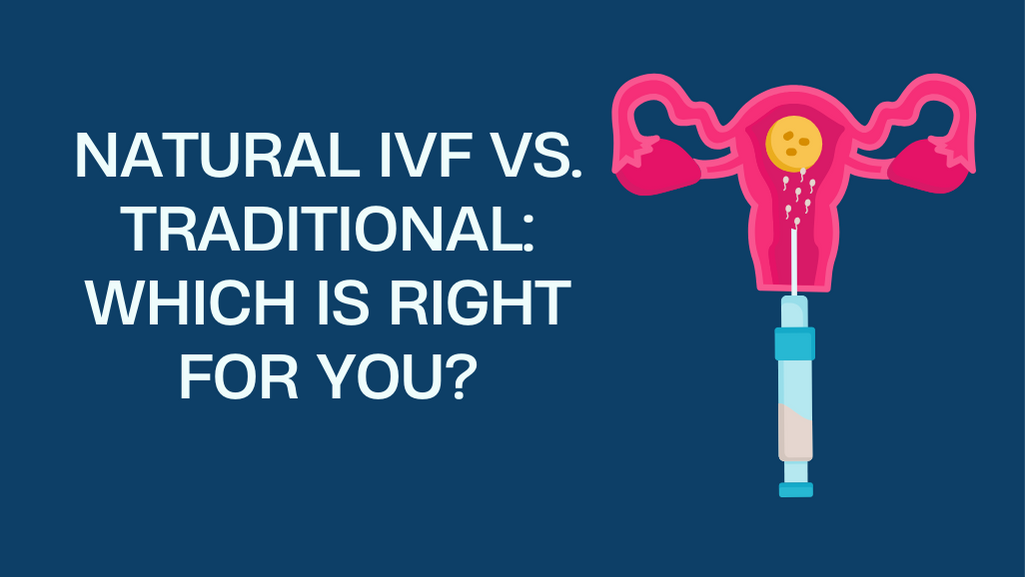
natural IVF process

The Distinct Approach of Natural IVF Compared to Traditional Methods

Natural IVF stands apart because it tunes into your body’s natural cycle. It doesn’t rely on heavy medications to stimulate the ovaries. Instead, doctors monitor your natural menstrual cycle and collect the egg that your body decides to release that month.

Traditional IVF bombards your system with hormones to produce multiple eggs, which can be harsh and more demanding on your body. Natural IVF’s gentler approach means fewer drugs, fewer side effects, and often a quicker recovery.

It’s a more organic way to assist your fertility journey, aligning closer with your body’s rhythms. Choose natural IVF, and you embrace a less invasive process, potentially making your path to pregnancy more in tune with you.

Key Benefits of Natural IVF for Patients

Natural IVF, leaning on the body’s own rhythms, skips the heavy hormone medications typically associated with conventional IVF. This means fewer drugs and fewer side effects, a big win for anyone. Because it’s a more gentle approach, it’s especially kind to those with a needle phobia or a dislike for daily injections.

Another upside? It’s generally more affordable. Imagine slashing your IVF bill since you’re not buying all those pricey hormones. Moreover, if you’re eco-conscious or into organic living, natural IVF aligns well with those values since it’s a less invasive, more body-friendly option. And for women who may produce only a few high-quality eggs regardless of stimulation, natural IVF means not subjecting your body to unnecessary stress.

It’s a matter of quality over quantity, and for some patients, that’s a crucial advantage.

Reduced Medication and Hormonal Intervention in Natural IVF

Natural IVF is easier on your body compared to traditional IVF since it skips most of the heavy medications. You see, in regular IVF, you take lots of hormones to stimulate your ovaries to produce multiple eggs.

But in natural IVF, your body’s single, naturally selected egg is used. This means you avoid the side effects and risks that come with high hormone doses. It’s especially good news if you’re not a fan of needles because there will be fewer injections.

Plus, it’s a more holistic approach, working with your body’s normal cycle. This can be a real game changer for women who prefer a less medicalized process or for those who respond poorly to fertility drugs. Simple, less invasive, and it respects your body’s rhythm.

The Psychological Advantages of a More Natural Process

Choosing Natural IVF can have a positive impact on your mental health. The process is less stressful since it involves fewer drugs and injections. This means you’re not constantly worrying about the next medication or side effect.

With traditional IVF, the cocktail of drugs can take a toll on your emotions, causing mood swings or anxiety. But with Natural IVF, your body follows its own cycle more closely, and that can feel empowering. It gives you a sense of control and aligns with your body’s rhythms, allowing for a more organic experience.

There’s also the financial relief because Natural IVF is often less expensive due to the reduced need for medications and monitoring. This aspect alone can ease the psychological burden significantly. In short, Natural IVF can offer a calmer, more grounded journey to pregnancy, making a big difference in how you feel throughout the process.

Cost Implications: Natural IVF vs. Traditional IVF

Natural IVF often comes with a lower price tag than traditional IVF. Think about it — without all the fertility drugs and less monitoring, you’re cutting down on costs.

Traditional IVF might set you back about Rs. 10,00, 000 to Rs. 15,00, 000, but Natural IVF can cost you significantly less, somewhere in the ballpark of Rs. 4,00, 000 to Rs. 6,00, 000.

However, one thing to keep in mind, you might need more cycles with Natural IVF since it’s less aggressive. So, while each cycle is cheaper, the total cost can add up if multiple cycles are needed to succeed. And remember, not all clinics offer Natural IVF, so make sure to check with your local fertility centers.

Suitability Criteria for Natural IVF Candidates

Before you get all set for natural IVF, know this – it’s not for everyone. Ideal candidates are usually women under 38 with decent ovarian reserve and regular menstrual cycles.

If you’ve got a male partner, his sperm needs to be in good shape too. This road’s best for folks looking for a less invasive, drug-free approach. But, heads up: if you’ve got severe male infertility, significant tubal damage, or are of a more advanced maternal age, traditional IVF might be your ticket instead.

Remember, having a chat with a fertility doc is the way to go to see if you and natural IVF could be a match.

Success Rates of Natural IVF versus Conventional Treatments

When we talk about the success rates of Natural IVF as compared to conventional treatments, it’s crucial to understand that they can differ substantially based on personal factors like age and fertility issues.

Natural IVF, which doesn’t rely on aggressive hormone stimulation, generally has lower success rates per cycle. However, it’s a less invasive and more cost-effective option, especially for those wanting to avoid excess medications.

Traditional IVF has higher success rates mainly because it results in more eggs being retrieved. But remember, it’s not just about quantity. Natural IVF focuses on the quality of the egg, and for some, it can be the right choice.

When making your decision, consider both the physical and emotional toll, alongside the success rates. Each path has its merit, and the best choice differs from person to person.

Potential Drawbacks and Considerations of Natural IVF

Natural IVF might sound like a walk in the park, but hold your horses, it’s got its drawbacks. Firstly, you’ve got fewer eggs being collected, since you’re not using those high-powered drugs to rev up your ovaries. This means you’re putting all your eggs, well, into one basket – or one cycle. If that egg doesn’t fertilize or implant, you’re back to square one.

Next, the success rates can throw you for a loop. Because you’re working with fewer eggs, the success rates for Natural IVF can be lower compared to the pumped-up traditional methods. Age is a sly factor too – if you’re over 35, your chances with Natural IVF might not be as good as a young buck in her 20s.

Now, if we’re talking money, Natural IVF can be cheaper per cycle because you’re skipping the costly meds. But since you might need more cycles, your wallet might not end up cheering in the long run. And let’s not forget, it’s not all about the dollars and cents; it’s an emotional rollercoaster, and some folks find the lower success rates a tough pill to swallow.

So, when you’re weighing up Natural IVF, consider all these angles – it’s not a decision to take lightly.

Concluding Thoughts: Is Natural IVF Right for You?

The question of whether Natural IVF is your best bet hinges on personal circumstances and preferences. It’s less invasive than traditional IVF, with no heavy drugs involved, and generally costs less.

It’s a boon for those seeking a more organic approach to conception. However, it’s not a one-size-fits-all solution. Your fertility history, age, and specific medical conditions play crucial roles in this decision. Some find lower success rates with Natural IVF a dealbreaker, while others may be willing to accept a more gradual process for the sake of fewer side effects.

Reflect on the pros and cons and chat with a fertility specialist to make an informed choice. Your path to parenthood is as unique as you are.

Bring A Baby Into Your Home With Nandi IVF

    Call Now Whatsapp Email
    //