fbpx

AMH Testing and IVF: How It Influences Treatment Plans

AMH Test Plan

AMH Testing and IVF: How It Influences Treatment Plans

In India, about 27.5 million couples face infertility, with many turning to IVF for help. One of the key factors in IVF success is understanding a woman’s ovarian reserve. That’s where Anti-Müllerian Hormone (AMH) testing comes in. This simple blood test measures AMH levels, giving doctors important insights into a woman’s egg count and fertility potential. Amh Test Price In Delhi typically ranges around ₹1,500 to ₹1,800, depending on the diagnostic center.

AMH testing helps fertility specialists create personalized treatment plans. It predicts how the ovaries will respond and guides doctors in choosing the Best IVF Centre In Delhi approach. With this information, they can adjust medication doses, optimize stimulation protocols, and improve the chances of a successful pregnancy.

In this blog, we’ll explore how AMH testing plays a role in IVF treatment. We’ll look at its importance and how it helps doctors tailor treatment plans to increase the chances of success. Let’s dive into how this small test can make a big difference on your journey to parenthood.

What is AMH Testing?

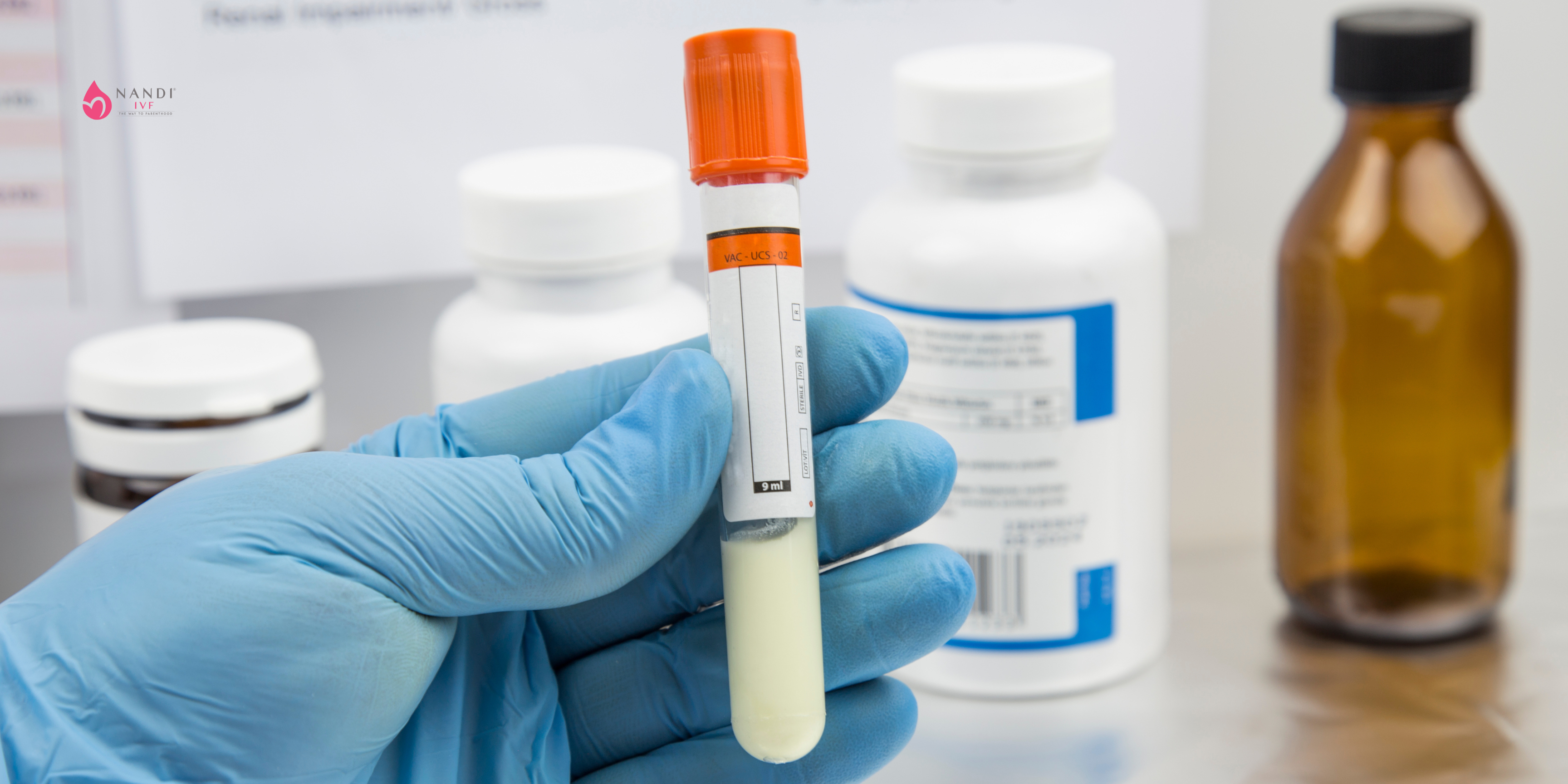
AMH stands for Anti-Müllerian Hormone. It is a protein made by the cells in ovarian follicles. This hormone plays an important role in assessing your ovarian reserve, which refers to how many eggs you have left. The AMH test is a simple blood test that measures the level of this hormone. 

Your AMH levels can be low, normal, or high. Low levels mean a reduced ovarian reserve, while high levels could suggest polycystic ovary syndrome (PCOS) or a higher number of follicles. This test is especially helpful in fertility treatments, as it helps doctors predict how your body will respond to ovarian stimulation during procedures like IVF.

How AMH Testing Helps in IVF Treatment

AMH testing is important in IVF treatment because it helps predict how your ovaries will react to stimulation. Higher AMH levels often mean a better response to stimulation, while lower levels suggest that doctors may need to adjust their approach. 

By understanding your ovarian response, doctors can tailor your treatment plan. They can adjust medication doses to get the best results and reduce risks, such as Ovarian Hyperstimulation Syndrome (OHSS). AMH testing also helps set realistic expectations for IVF success, giving you and your doctor a clearer idea of what to expect based on your ovarian reserve.

Combining AMH Testing with Other Factors

AMH is an important indicator of ovarian reserve, but it’s not the only factor to consider. Doctors combine your AMH levels with other tests, such as your antral follicle count, hormone levels, age, and medical history. These factors help create a full picture of your fertility. 

This complete assessment is key in choosing the right treatment plan and increasing your chances of IVF success. By looking at all aspects of your fertility, your doctor can make sure they’re considering everything that might affect your chances.

Key Takeaways

AMH testing is an important tool for checking ovarian reserve and understanding a woman’s fertility. By measuring AMH levels, doctors can adjust IVF treatment plans to better suit each patient. This helps ensure the most personalized care possible. Knowing your AMH levels helps doctors decide on the best way to approach stimulation, egg retrieval, and embryo transfer. This can improve the chances of a successful outcome.

At Nandi IVF, we use advanced diagnostic tools like AMH testing to create treatment plans tailored to your needs. We focus on providing personalized care with the latest technology. Our goal is to guide you through each step of the IVF process, offering the support and expertise you need to achieve your dream of becoming a parent.

Exploring the Facilities and Services of the IVF Centre

Over 27 million couples in India face infertility, and the demand for treatments like IVF keeps growing. IVF centres are responding by offering a wide range of services designed to meet the needs of couples looking to start or grow their families. These centres are more than just places for medical treatment—they provide comprehensive care, from your first consultation to post-treatment support, ensuring a complete approach to fertility.

The success of IVF depends heavily on the advanced technology and personalized care available at these centres. From state-of-the-art lab equipment to experienced specialists and counselling services, every part of the IVF process aims to increase your chances of success. Understanding the facilities offered and how they align with your needs will help you make the best choices for your fertility treatment.

In this blog, we’ll walk you through the different services offered by IVF centres in Delhi and explain why choosing the right one matters for your unique needs.

The Role of IVF Centers in Fertility Treatment

In vitro fertilization (IVF) helps couples who face difficulty in getting pregnant. IVF centres focus on more than just medical treatments—they provide support at every step of your fertility journey. These centres offer care that’s tailored to your unique needs. Their goal is to make the process as smooth and successful as possible, using both advanced technology and emotional support.

Advanced Technology at IVF Centres

IVF treatment relies on the latest technology. IVF centres use top-quality lab equipment and diagnostic tools to boost your chances of success. Technologies like genetic screening and cryopreservation can improve the odds of a healthy pregnancy. Experienced specialists guide you through each step of the process, ensuring you receive the best care.

Personalized Care and Support Services

Personalized care is at the heart of IVF. You’ll have one-on-one consultations with specialists who create treatment plans designed just for you. IVF centres also offer emotional support, recognizing how important mental well-being is throughout the process. Additional services, like nutritional advice and lifestyle guidance, ensure you have a well-rounded approach to your fertility care.

Post-Treatment Support and Follow-Up Care

After IVF, you’ll receive continued care. IVF centres monitor your progress and offer follow-up consultations to check on both your health and your baby’s well-being. This support helps ease any worries and ensures a smooth transition into parenthood.

Choosing the Right IVF Centre

When choosing an IVF centre, think about its location, the services it offers, and the experience of its specialists. Doing your research will help you find a centre that matches your needs, giving you the best chance for a successful outcome.

Summing Up

A well-equipped IVF center improves your chances of success and takes care of your emotional and physical well-being. These services offer thorough care from your first consultation to post-treatment care. They help bring comfort and peace of mind during what can be a stressful time.

Nandi IVF is a standout choice. Their experienced specialists provide personalized support every step of the way. Nandi IVF focuses on specialized treatment plans and stays up-to-date with the latest IVF advancements. They are committed to giving you the highest quality care in a comfortable setting.

How Delhi’s Fertility Centers Are Making Parenthood Possible for All

Infertility affects 10-15% of couples in India, according to the National Institute of Health. If you’re one of them, you know how overwhelming it can feel. But thanks to advancements in reproductive technology, there’s real hope for families like yours. Delhi, known for its top-notch healthcare, is home to fertility centers that are making parenthood possible for many.

Fertility Centers In Delhi offer treatments like IVF, IUI, egg freezing, and surrogacy. You’ll find experienced specialists working together to meet your needs. They focus on the medical and emotional aspects. IVF Centers In Delhi break down stigmas and ensure their services are accessible. These centers are helping more people start families.

In this blog, we’ll walk you through what these centers do and the treatments you can expect. Let’s take a closer look at how Delhi is leading the way in fertility care.

The Growing Need for Fertility Care in India

The pressure to conceive can feel overwhelming, with many couples dealing with societal expectations and stigma. It’s easy to feel isolated. However, the growing demand for fertility care offers new hope. IVF Centers In Delhi have become a leader in advanced fertility treatments. They provide specialized services to help couples overcome infertility.

Services Available at Fertility Centres in Delhi

Fertility centres in Delhi offer a variety of treatments, including IVF (in vitro fertilization), IUI (intrauterine insemination), egg freezing, and surrogacy. These centres use the latest technology and have experienced specialists to support you. What makes these centres stand out is their focus on personalized care. They create treatment plans designed for your specific needs, ensuring the best possible chances of success while keeping your comfort and emotional well-being in mind.

Emotional Support and Holistic Care

Delhi’s fertility centres also provide emotional and psychological support. Couples struggling with fertility issues can benefit from counseling, group sessions, and one-on-one therapy. Creating a compassionate and supportive atmosphere helps patients deal with the emotional challenges that come with fertility treatments. By offering holistic care, these centres make sure you receive both the physical and emotional strength needed on your journey.

Breaking Stigmas and Making Care Accessible

Fertility centres in Delhi are working hard to break the stigma surrounding infertility and assisted reproduction. Through education and advocacy, they aim to make these treatments more normal and accessible. Efforts to reduce financial barriers and raise awareness are helping more people access fertility care.

One Step toward Success

Delhi’s fertility centers offer hope to many individuals and couples on their path to parenthood. They provide solutions to a wide range of fertility challenges. The growing acceptance of assisted reproductive techniques is helping many people achieve their dream of starting a family.

Nandi IVF is one such trusted center. It stands out for its dedication to providing excellent, patient-centered care. If you’re looking for expert advice, Nandi IVF offers the support and resources you need to make parenthood a reality. You’ll find a team that understands you and is ready to help.

Nandi IVF: A Holistic Approach to Fertility and Wellness

Are you looking for the best IVF clinic in Delhi? Then you have come to the right place with Nandi IVF. It is the best medical center in the national capital that boasts the highest IVF success rates. Most importantly, the doctors and medical staff at Nandi IVF are known for their compassionate approach to fertility and wellness. Several individuals and couples alike visit the clinic every year to get rid of their fertility issues and embrace parenthood soon.

Treatments at the Best IVF Centre in Delhi

Nandi IVF specializes in offering the best treatment options for several fertility issues:

  • Low or Nil Sperm Count: Reduced production of sperm in men often makes natural conception difficult. The experts at Nandi IVF offer treatments like ICSI (Intracytoplasmic Sperm Injection) and other advanced fertility techniques to resolve this health problem. 
  • Low Egg Reserve: This refers to a reduced number or quality of eggs in women. Low egg reserves are common in women aged more than 30 years. Fertility treatments like ovarian stimulation and IVF at the best IVF clinic in Delhi can improve the chances of conception.
  • Blocked Fallopian Tube: Blocked fallopian tubes prevent eggs from meeting sperm which blocks the natural fertilization processes. The medical staff at Nandi IVF apply procedures like laparoscopy or direct IVF to bypass the blockage and encourage conception.
  • Multiple Failed IVF: Repeated, unsuccessful IVF cycles may be frustrating for expecting parents. This usually happens because of poor egg or sperm quality and implantation issues. Nandi IVF is the best IVF center in Delhi that provides personalized protocols, genetic testing, and advanced techniques like ERA (Endometrial Receptivity Analysis) to improve outcomes.
  • Recurrent Abortion: Recurrent miscarriages may happen due to genetic, hormonal, or uterine abnormalities. At Nandi IVF, doctors and medical staff provide proper diagnostics and treatments to address the underlying causes. This usually involves providing genetic counseling or uterine correction techniques. 
  • Uterine Defects: Abnormalities in the uterus can affect implantation or pregnancy.  Fibroids, polyps, or septum often lead to such abnormalities. Nandi IVF suggests surgical procedures like hysteroscopy to correct these defects and improve fertility.

Additional Facilities Available at Nandi IVF

On that note, here is a list of services provided by Nandi IVF for individuals and couples who cannot conceive naturally due to underlying health issues:

  • Infertility Workup (Male and Female)
  • Laparoscopy and Hysteroscopy Surgery
  • Third-party reproduction
  • Laser-Assisted Hatching (LAH)
  • Cryopreservation of Embryos, Sperm, and Oocytes
  • Preimplantation Genetic Diagnosis (PGD) and Preimplantation Genetic Screening (PGS)
  • Transvaginal Ultrasound (TVS)
  • Blastocyst culture and transfer

Why Choose Nandi IVF?

Nandi IVF is the best IVF clinic in Delhi. It focuses on delivering happiness to patients with comprehensive healthcare. Its team of expert fertility specialists leverages state-of-the-art tools and technologies to provide the best possible treatment plans.

The clinic is also equipped with the latest technology and equipment to enhance the treatment processes further. It also has a variety of resources to help patients better understand their respective fertility options. This helps them make informed decisions and choose the right treatment plans. So, if you are looking for individualized care and support during your journey to parenthood, contact Nandi IVF now.

The Role of the Best IVF Specialist in Ensuring a Smooth Treatment Journey

Several couples dream of embracing parenthood at a point in their lives. However, many of them may find it difficult to welcome a baby naturally because of various fertility issues. An IVF specialist in Delhi can help with these problems. These specialists can easily guide couples in choosing advanced treatments such as in vitro fertilization and embryo freezing. Moreover, they can provide tailored solutions and compassionate care for patients who want to embrace parenthood.

So, what is the role of these specialists to fulfill this treatment journey individualized for everyone?

Role of a Best IVF Specialist in Delhi

An IVF specialist has the necessary education and skills to understand the complexities of fertility issues, human reproductive systems, and various other techniques used to achieve pregnancy. They also have experience in treating several infertility issues over the past years. The best IVF specialist in Delhi usually plays the following roles:

Initial Consultation and Evaluation

The IVF specialist will evaluate patients’ medical histories and perform some diagnostic tests comprehensively. This usually happens during the initial consultation, during which they may also ask the patients several questions. The questions can be about previous surgeries, medications, or pre-existing medical conditions. Most of these are the reasons behind infertility.

Personalized Treatment Plans

The IVF specialist in Delhi is responsible for providing personalized treatment plans to every couple. This treatment plan for infertility depends on the evaluation results. The IVF doctor will further explain every step in detail to address the couple’s concerns or queries.

Administration of Fertility Medications

Fertility medications are necessary for a female partner to stimulate the ovaries, which usually prompts the development of multiple mature eggs. An IVF specialist in Delhi uses ultrasounds and hormone level assessments to monitor the entire process. This makes it easier to ensure optimal egg maturity and timely retrieval to help couples embrace parenthood. 

Egg Retrieval and Embryo Transfer

The IVF specialist in Delhi performs egg retrieval and embryo transfer. These procedures assist the female partner in embracing parenthood. Egg retrieval is conducted under sedation or anesthesia, during which the specialist retrieves the mature eggs from the ovaries using a thin needle. Embryo transfer, on the other hand, involves placing one or more healthy embryos into the woman’s uterus so that she becomes pregnant soon. 

Emotional Support and Counselling

Many individuals and couples may find it emotionally challenging to take IVF treatments and other procedures. They may experience anxiety, hope, and uncertainty during this time. The best IVF specialist in Delhi understands that all these people place their dreams of parenthood in the hands of medical intervention. That is why they also provide emotional support to help all couples cope with stress during IVF treatment.

Follow-up Care

The IVF specialist in Delhi will conduct frequent hormone-level tests and other ultrasounds to check the growth of the ovarian follicles, which usually contain the eggs. This monitoring process enables them to determine the optimal time for egg retrieval at the right stage of maturity.

Find the Best IVF Specialist in Delhi

Several IVF clinics in Delhi provide treatment plans for individuals and couples who want to embrace parenthood. However, every clinic present in the national capital cannot provide advanced treatments or emotional support. So, if you are looking for the best IVF specialist in Delhi to help with your fertility issues, visit Nandi IVF today. They provide excellent IVF treatments through some of the most ethical and evidence-based approaches to make your journey a smooth one.

The Importance of Choosing an Experienced IVF Doctor in Delhi

In India, about 27.5 million couples are affected by infertility, and the demand for IVF treatments has been steadily increasing. With such a large number of people seeking solutions, the experience of the IVF doctor you choose can significantly impact the chances of a successful pregnancy. 

An experienced IVF doctor brings medical expertise and a deep understanding of the emotional and psychological aspects of fertility treatments. They can offer personalized care, ensure accurate diagnoses, and provide a comprehensive treatment plan that suits your individual needs. The right doctor can guide you through every step of the IVF journey, giving you the support and reassurance you need during such a crucial time.

Let’s explore why selecting an experienced IVF doctor in Delhi is so important and what factors you should keep in mind when making this important decision.

The Impact of an Experienced IVF Doctor

Choosing an experienced IVF doctor can greatly increase your chances of a successful pregnancy. An expert doctor has the knowledge and skill to handle complicated cases, such as genetic issues or low sperm count. They also provide personalized care, creating treatment plans that fit your needs. 

This helps reduce emotional stress and boosts your chances of success. Experienced doctors also offer compassionate support throughout your IVF journey, making them an invaluable part of the process.

Factors to Consider When Choosing an IVF Doctor

When selecting an IVF doctor, look at their qualifications and years of experience. These factors are important for handling IVF cases effectively. Patient reviews and success stories can also help you assess a doctor’s ability to deliver results. It’s also key to choose a doctor who offers emotional and psychological support since IVF can be a stressful experience. Finally, pick a doctor who uses the latest IVF technologies to improve your chances of success.

Choosing the Right Specialist

Choosing an experienced IVF doctor is key to a successful and safe treatment journey. An expert doctor knows how to diagnose complex issues, recommend the best treatment, and provide emotional support throughout the process. With their deep knowledge, they can help you navigate challenges and increase your chances of success.

Nandi IVF is a trusted clinic, known for its skilled doctors and top-notch facilities. They offer personalized care, designed specifically for your needs. Their proven track record of successful IVF treatments shows their commitment to providing the best care. If you choose Nandi IVF, you’re making a confident step toward achieving your dream of parenthood with the support you deserve.

The Role of Hormonal Treatments in IVF Success at Delhi Fertility Centers

In India, about 1 in 6 couples struggle with infertility, making IVF (In Vitro Fertilization) an important option for those who have difficulty conceiving. But IVF success doesn’t just depend on the procedure itself. It also relies heavily on hormonal treatments that prepare the body for embryo implantation. Hormones are key to stimulating the ovaries, regulating the menstrual cycle, and getting the endometrial lining ready for the embryo. Studies show that these treatments can boost the chances of IVF success by 50-60%.

For couples undergoing IVF, understanding these treatments is important. Hormonal therapies are customized to meet each person’s unique needs. They address specific fertility issues and improve the chances of pregnancy. From ovarian stimulation to luteal phase support, each stage plays a vital role. In this blog, we’ll dive into how hormonal treatments improve IVF outcomes, the types of hormones used, and how fertility experts at Delhi fertility centers create the best treatment plans for their patients.

Let’s take a closer look at how hormonal treatments help IVF success and what you can expect throughout the process.

The Role of Hormones in IVF

Hormones are key to the success of in vitro fertilization (IVF). They prepare your body for embryo implantation. Important hormones like FSH (Follicle-Stimulating Hormone), LH (Luteinizing Hormone), estrogen, and progesterone help regulate your menstrual cycle and create the right conditions for pregnancy. FSH and LH stimulate your ovaries to produce eggs. Estrogen helps thicken your uterine lining, and progesterone supports embryo implantation. Hormonal treatments can boost IVF success rates, with studies showing they increase success by 50-60%.

Types of Hormonal Treatments in IVF

  • Ovarian Stimulation: FSH helps stimulate your ovaries to produce multiple eggs. This increases the chances of successful fertilization.
  • Progesterone Support: After egg retrieval, progesterone is given to support your uterine lining and help with embryo implantation.
  • Other Hormonal Therapies: Estrogen may be used to prepare your endometrium. GnRH agonists are used to prevent premature ovulation.
  • Tailored Treatment: Your IVF treatment is personalized. Your hormone regimen will be adjusted based on your unique needs to ensure the best results.

Success with Hormonal Treatments

At Delhi Fertility Centers, experts create personalized hormone treatments for each patient. They use advanced monitoring techniques, like ultrasounds and blood tests, to track your hormone levels. This helps adjust dosages to get the best results. The centers also focus on your care, offering support and guidance throughout the IVF process. You’ll have a comprehensive, reassuring experience every step of the way.

IVF is the Future of Family Planning

Hormonal treatments are key to increasing your chances of success with IVF. They help regulate your reproductive cycle, improve egg quality, and support healthy embryo development. With personalized hormone therapy, fertility specialists customize every step of the IVF process to meet your specific needs, boosting the chances of a successful pregnancy.

At Nandi IVF, our experienced fertility experts understand the importance of these treatments. We offer complete care to support your fertility journey. By combining advanced hormonal therapies with the latest technology, we ensure that you have the best options for IVF success. Whether you’re just starting or have been trying for a while, Nandi IVF is here to provide the personalized and compassionate care that can help make your dream of parenthood come true.

How Does IVF Work for Men with Low Sperm Count?

Male infertility is a common challenge faced by couples trying to conceive. One of the most frequent causes of male infertility is low sperm count, or oligospermia, which can make natural conception difficult. Fortunately, advancements in assisted reproductive technology (ART) have provided hope to couples dealing with infertility. One of the most effective treatments for male infertility, particularly low sperm count, is in vitro fertilisation (IVF). This process, often combined with specialised techniques like intracytoplasmic sperm injection (ICSI), has helped countless couples achieve pregnancy.

In this blog, we will dive into the details of how IVF works for men with low sperm count, the techniques used to improve the chances of success, and the factors that can affect the outcomes.

Understanding Low Sperm Count

Low sperm count, or oligospermia, means that a man produces fewer sperm than what is considered normal. A healthy sperm count is typically over 15 million sperm per millilitre of semen, and anything below this is considered low. In some cases, men may have severe oligospermia, where the sperm count is even lower than 5 million per millilitre.

A low sperm count reduces the likelihood of sperm reaching and fertilising an egg naturally. However, it doesn’t eliminate the possibility of conception entirely. IVF, combined with advanced techniques, can significantly improve the chances of fertilisation, even when sperm count is low.

How Does IVF Help Men with Low Sperm Count?

IVF can be highly effective for couples where male infertility is an issue, including low sperm count. Here’s how the process works:

  • Sperm Collection

For men with low sperm count, the first step in the IVF process is sperm collection. This can be done through a regular semen sample or more advanced methods if necessary:

  • Ejaculation: In many cases, even men with low sperm counts can produce enough viable sperm for IVF through a semen sample provided by ejaculation.
  • Surgical Sperm Retrieval: For men with extremely low sperm count or no sperm in their ejaculate (a condition known as azoospermia), surgical methods like Testicular Sperm Extraction (TESE) or Percutaneous Epididymal Sperm Aspiration (PESA) may be used to extract sperm directly from the testicles or epididymis.
  • Egg Retrieval from the Female Partner

While sperm is collected from the male, the female partner undergoes ovarian stimulation to produce multiple eggs. Medications are given to stimulate the ovaries, and the eggs are retrieved through a minor surgical procedure called follicular aspiration.

  • Intracytoplasmic Sperm Injection (ICSI)

For men with low sperm count, a specialised technique called Intracytoplasmic Sperm Injection (ICSI) is often used during IVF. In a traditional IVF process, sperm are mixed with eggs in a lab dish, allowing fertilisation to occur naturally. However, with ICSI, a single healthy sperm is injected directly into the egg using a fine needle. This ensures that even when sperm count is low or motility is poor, the sperm has a higher chance of fertilising the egg.

ICSI is a game-changer for men with low sperm counts, as it bypasses the need for large quantities of sperm and directly facilitates fertilisation.

  • Embryo Development

Once the sperm fertilises the egg, the resulting embryo is monitored for several days in a laboratory. Typically, the embryo is observed for 3 to 5 days to ensure it is developing properly before it is ready for transfer.

  • Embryo Transfer

Once a healthy embryo has developed, it is transferred into the female partner’s uterus in a simple, painless procedure. After this, the hope is that the embryo will implant in the uterine lining and result in a successful pregnancy.

What Are the Success Rates of IVF for Men with Low Sperm Count?

The success rates of IVF with ICSI for men with low sperm count are generally positive, as this technique dramatically increases the chances of fertilisation. Studies show that fertilisation rates with ICSI can be as high as 70-80%, even when the sperm count is low. The overall success rate of IVF depends on several factors, such as the woman’s age, the quality of the eggs, and other health factors. However, ICSI has proven to be an effective solution for couples dealing with male infertility.

IVF Cost and Charges in Delhi

For couples considering IVF in Delhi, it’s essential to understand the potential costs involved. IVF Cost in Delhi can vary depending on the clinic, the specific procedures used, and whether techniques like ICSI or sperm retrieval are required. On average, IVF Charges in Delhi range from INR 1,20,000 to INR 2,50,000 per cycle. However, additional procedures like ICSI, TESE, or PESA may increase the total cost.

Conclusion

For men with low sperm counts, IVF offers a promising solution. This advanced reproductive technology allows even a single healthy sperm to fertilise an egg, overcoming the barriers posed by male infertility. IVF has helped millions of couples achieve their dreams of parenthood, even when faced with the challenge of low sperm count.

While IVF is highly effective, the process can be emotionally and financially demanding. It’s essential to consult with a fertility specialist to determine the best course of action based on your individual situation. With the right approach, many couples dealing with male infertility can experience the joy of a successful pregnancy.

If you’re considering IVF and want expert advice, contact Nandi IVF. We are one of the leading IVF centers in Delhi. Visit us today for a consultation!

The Role of Genetic Testing in IVF Success

Infertility is a challenge many couples face when trying to start a family. In vitro fertilization (IVF) has been a groundbreaking solution, offering hope to millions of people. Over the years, advancements in technology have significantly improved the success rates of IVF, and one of the most crucial innovations is genetic testing. 

Genetic testing in IVF plays a vital role in increasing the chances of a successful pregnancy and ensuring the health of the baby.  For couples with a history of infertility, recurrent miscarriages, or genetic conditions, genetic testing can be a valuable tool in achieving a healthy pregnancy. IVF centers in Delhi offer comprehensive fertility services, including advanced genetic testing options, to improve your chances of a healthy pregnancy.

This article explores the role genetic testing plays in IVF, how it works, and why it’s a vital tool for improving the chances of a successful pregnancy.

What is Genetic Testing in IVF?

IVF is a multi-step procedure in which eggs are retrieved from the ovaries, fertilized by sperm in a laboratory, and then implanted into the uterus. Not all embryos created during this process will be healthy or result in a viable pregnancy. This is where genetic testing comes in.

Genetic testing in IVF involves analyzing the genetic makeup of embryos to detect any abnormalities or disorders before they are transferred to the uterus. By identifying potential problems early on, doctors can select the healthiest embryos, increasing the likelihood of a successful pregnancy.

There are three primary forms of genetic testing used in IVF:

  • Preimplantation Genetic Testing for Aneuploidy (PGT-A): This is the most common form of genetic testing in IVF. It checks for an abnormal number of chromosomes in embryos. Human cells typically contain 46 chromosomes (23 pairs). If an embryo has too many or too few chromosomes, it may not develop properly or lead to conditions such as Down syndrome. PGT-A helps ensure that only embryos with the correct number of chromosomes are selected for implantation, reducing the risk of miscarriage and genetic disorders.
  • Preimplantation Genetic Testing for Monogenic Disorders (PGT-M): PGT-M is used when one or both parents carry a known genetic mutation that could be passed on to their offspring. Conditions like cystic fibrosis, sickle cell anaemia, and Tay-Sachs disease are examples of monogenic disorders. PGT-M screens embryos to identify whether they carry these genetic mutations, ensuring that only healthy embryos without the disorder are transferred.
  • Preimplantation Genetic Testing for Structural Rearrangements (PGT-SR): This type of testing is for individuals with a structural rearrangement in their chromosomes, such as translocations or inversions, which can lead to infertility or miscarriages. PGT-SR helps identify embryos that carry balanced chromosomal rearrangements, reducing the chances of miscarriage and increasing the likelihood of a successful pregnancy.

Who Should Consider Genetic Testing?

Genetic testing offers numerous benefits, particularly for couples who have experienced repeated IVF failures, miscarriages or have known genetic issues. Genetic testing allows doctors to select embryos that have the correct number of chromosomes, increasing the likelihood of a successful pregnancy. While genetic testing offers clear benefits, it may not be necessary for everyone undergoing IVF. Some specific groups of people may benefit more from genetic testing than others, including:

  • Women over 35: The likelihood of chromosomal abnormalities increases with age, making genetic testing particularly valuable for women over 35 who are undergoing IVF.
  • Couples with a history of miscarriages: Recurrent miscarriage is often caused by chromosomal abnormalities in the embryo. Genetic testing can help identify healthy embryos and reduce the risk of future pregnancy loss.
  • Couples with multiple failed IVF attempts: If previous IVF cycles have failed, genetic testing may help identify embryos with a higher chance of success.
  • Couples with a family history of genetic disorders: PGT-M is recommended for couples at risk of passing on a genetic condition to their children. It can prevent the transmission of inherited disorders, providing a healthy start for their baby.
  • Individuals with chromosomal rearrangements: For those with known structural chromosome abnormalities, genetic testing can help avoid miscarriages and unsuccessful pregnancies caused by unbalanced chromosomal rearrangements.

Conclusion

Genetic testing in IVF has revolutionized fertility treatments by increasing the chances of successful pregnancies, reducing the risk of miscarriage, and preventing genetic disorders. While it may not be necessary for every couple, those with a higher risk of chromosomal abnormalities or genetic conditions may benefit greatly from genetic screening. Additionally, genetic testing allows for single embryo transfers, lowering the chances of multiple births while maintaining high success rates.

Genetic testing offers a more tailored and precise approach to IVF, providing couples with a greater sense of control over their reproductive journey and helping them achieve their dream of having a healthy baby. If you are considering IVF, discussing genetic testing with your IVF specialist in Delhi can help you make informed decisions and increase your chances of having a healthy pregnancy.

At Nandi IVF, we are at the forefront of providing personalized, cutting-edge fertility treatments to help couples realize their dreams of starting a family. Contact us today!

Mild IVF vs. Conventional IVF: What’s the Difference?

With advancements in medical science, couples who cannot conceive can experience parenthood through IVF or In-vitro fertilisation. However, the evolution of IVF approaches is focusing on getting positive results in an optimized way. Hence, couples who are interested in the IVF process might find themselves in a dilemma about which approach is better, got instance, mild IVF vs. conventional IVF. 

If you are looking for an IVF in North Delhi, you must understand that conventional IVF uses high-dose hormone stimulation to encourage the production of a large number of eggs (10-15 eggs for retrieval) in a single cycle. The number of eggs increases, which increases the chances of fertilization. 

However, in mild IVF is in contrast with conventional IVF, as it requires a low dose of fertility drugs and aims for fewer but high-quality eggs (3-8 eggs for retrieval). Let’s understand more about the mild IVF vs. conventional IVF, and what factors decide which method should be preferred. 

What is Conventional IVF?

Conventional IVF is the most common way of fertility treatment and has been practised for many years. The process involves the use of a large number of drugs, usually gonadotropins (FSH and LH), that stimulate the ovaries to release several eggs in one cycle for a period of 10-14 days. 

The intent is to retrieve as many eggs as possible to make as many embryos, increasing the chances of conception. One cycle of IVF takes around 2-3 weeks, and it is suitable for women with high ovarian reserve. 

Traditional IVF allows the collection of a higher number of eggs, which makes it more successful, especially for women under 35. The success rate ranges from 25% to 40%.

What is Mild IVF?

The relatively new concept in fertility treatment is Mild IVF, minimal stimulation IVF, or Gentle IVF. It uses a gentler ovarian stimulation protocol that requires low doses of fertility medications. The process is highly safe as it reduces the risk of hyperstimulation and lowers the cost of medications required.

This method works with the body’s natural cycle rather than against it, which results in the collection of higher-quality eggs. The treatment time for mild IVF is two weeks, and it has equivalent success rates as conventional IVF. 

Although the number of eggs retrieved is lower than that in standard IVF, mild IVF can also be quite successful, primarily where the woman has healthy ovaries. Nevertheless, mild IVF seems to be more appropriate for women who cannot tolerate high doses of hormones or have low levels of ovarian reserve. 

Which is Better: Mild or Conventional IVF?

Traditionally, the focus of IVF treatment has been on collecting more eggs to maximise success rates. The ovary produces several follicles that are capable of producing and releasing eggs in a normal cycle. At some point, one follicle becomes dominant and uses the body’s resources to grow and release eggs, and the other follicles will shrink and ultimately die. 

The stimulating drugs used in conventional IVF don’t create new follicles; rather, they encourage the other follicles to grow instead of shrinking and dying. However, the body does not choose these as the front runners. This indicates that collecting more eggs doesn’t guarantee success because the final number of eggs that are actually viable and will create a baby is the same, regardless of the dose of fertility drugs. 

Especially in the cases of women who have gone through several IVF cycles and failed, a high dose of stimulation drug will not be helpful as extra follicles cannot be created. 

That’s why new approaches, like mild IVF, focus on the follicle, which is selected by the body to produce eggs and collect them at the right time to increase the chances of successful fertilization. In mild IVF, there is no down-regulation or ovarian suppression, which leads to temporary menopause. The low-dose of stimulating hormone gently stimulates the ovary to produce few but high-quality eggs, which leads to a more natural cycle with less hormonal impact. 

Wrapping up, 

When it comes to understanding which method to choose, a number of factors come into play. For instance, ovarian reserve, age, ovarian response to stimulation, medical conditions, fertility goals, and personal preference will affect the decision on which method to choose for IVF. 

If you are diagnosed with PCOS (Polycystic Ovarian Syndrome) or want to take a lower amount of drugs and reduce the physical and emotional burden that comes with conventional IVF, then you can go with mild IVF. 

However, if the ovarian reserve is diminished, doctors might suggest conventional IVF. A consultation with a doctor will clear all the clouds of confusion, and Nandi IVF, a reliable IVF in North Delhi with an over 80% IVF fertility success rate, can help! 

We strive to make couples’ dreams of becoming parents come true. At the IVF clinic in Pitampura, we are a team of experienced doctors and fertility specialists committed to providing you with the best possible results. Schedule an appointment today to get expert advice.

Bring A Baby Into Your Home With Nandi IVF

    Call Now Whatsapp Email
    //