fbpx

Nandi IVF: A Holistic Approach to Fertility and Wellness

A Holistic Approach to Fertility and Wellness

Nandi IVF: A Holistic Approach to Fertility and Wellness

Are you looking for the best IVF clinic in Delhi? Then you have come to the right place with Nandi IVF. It is the best medical center in the national capital that boasts the highest IVF success rates. Most importantly, the doctors and medical staff at Nandi IVF are known for their compassionate approach to fertility and wellness. Several individuals and couples alike visit the clinic every year to get rid of their fertility issues and embrace parenthood soon.

Treatments at the Best IVF Centre in Delhi

Nandi IVF specializes in offering the best treatment options for several fertility issues:

  • Low or Nil Sperm Count: Reduced production of sperm in men often makes natural conception difficult. The experts at Nandi IVF offer treatments like ICSI (Intracytoplasmic Sperm Injection) and other advanced fertility techniques to resolve this health problem. 
  • Low Egg Reserve: This refers to a reduced number or quality of eggs in women. Low egg reserves are common in women aged more than 30 years. Fertility treatments like ovarian stimulation and IVF at the best IVF clinic in Delhi can improve the chances of conception.
  • Blocked Fallopian Tube: Blocked fallopian tubes prevent eggs from meeting sperm which blocks the natural fertilization processes. The medical staff at Nandi IVF apply procedures like laparoscopy or direct IVF to bypass the blockage and encourage conception.
  • Multiple Failed IVF: Repeated, unsuccessful IVF cycles may be frustrating for expecting parents. This usually happens because of poor egg or sperm quality and implantation issues. Nandi IVF is the best IVF center in Delhi that provides personalized protocols, genetic testing, and advanced techniques like ERA (Endometrial Receptivity Analysis) to improve outcomes.
  • Recurrent Abortion: Recurrent miscarriages may happen due to genetic, hormonal, or uterine abnormalities. At Nandi IVF, doctors and medical staff provide proper diagnostics and treatments to address the underlying causes. This usually involves providing genetic counseling or uterine correction techniques. 
  • Uterine Defects: Abnormalities in the uterus can affect implantation or pregnancy.  Fibroids, polyps, or septum often lead to such abnormalities. Nandi IVF suggests surgical procedures like hysteroscopy to correct these defects and improve fertility.

Additional Facilities Available at Nandi IVF

On that note, here is a list of services provided by Nandi IVF for individuals and couples who cannot conceive naturally due to underlying health issues:

  • Infertility Workup (Male and Female)
  • Laparoscopy and Hysteroscopy Surgery
  • Third-party reproduction
  • Laser-Assisted Hatching (LAH)
  • Cryopreservation of Embryos, Sperm, and Oocytes
  • Preimplantation Genetic Diagnosis (PGD) and Preimplantation Genetic Screening (PGS)
  • Transvaginal Ultrasound (TVS)
  • Blastocyst culture and transfer

Why Choose Nandi IVF?

Nandi IVF is the best IVF clinic in Delhi. It focuses on delivering happiness to patients with comprehensive healthcare. Its team of expert fertility specialists leverages state-of-the-art tools and technologies to provide the best possible treatment plans.

The clinic is also equipped with the latest technology and equipment to enhance the treatment processes further. It also has a variety of resources to help patients better understand their respective fertility options. This helps them make informed decisions and choose the right treatment plans. So, if you are looking for individualized care and support during your journey to parenthood, contact Nandi IVF now.

The Role of the Best IVF Specialist in Ensuring a Smooth Treatment Journey

Several couples dream of embracing parenthood at a point in their lives. However, many of them may find it difficult to welcome a baby naturally because of various fertility issues. An IVF specialist in Delhi can help with these problems. These specialists can easily guide couples in choosing advanced treatments such as in vitro fertilization and embryo freezing. Moreover, they can provide tailored solutions and compassionate care for patients who want to embrace parenthood.

So, what is the role of these specialists to fulfill this treatment journey individualized for everyone?

Role of a Best IVF Specialist in Delhi

An IVF specialist has the necessary education and skills to understand the complexities of fertility issues, human reproductive systems, and various other techniques used to achieve pregnancy. They also have experience in treating several infertility issues over the past years. The best IVF specialist in Delhi usually plays the following roles:

Initial Consultation and Evaluation

The IVF specialist will evaluate patients’ medical histories and perform some diagnostic tests comprehensively. This usually happens during the initial consultation, during which they may also ask the patients several questions. The questions can be about previous surgeries, medications, or pre-existing medical conditions. Most of these are the reasons behind infertility.

Personalized Treatment Plans

The IVF specialist in Delhi is responsible for providing personalized treatment plans to every couple. This treatment plan for infertility depends on the evaluation results. The IVF doctor will further explain every step in detail to address the couple’s concerns or queries.

Administration of Fertility Medications

Fertility medications are necessary for a female partner to stimulate the ovaries, which usually prompts the development of multiple mature eggs. An IVF specialist in Delhi uses ultrasounds and hormone level assessments to monitor the entire process. This makes it easier to ensure optimal egg maturity and timely retrieval to help couples embrace parenthood. 

Egg Retrieval and Embryo Transfer

The IVF specialist in Delhi performs egg retrieval and embryo transfer. These procedures assist the female partner in embracing parenthood. Egg retrieval is conducted under sedation or anesthesia, during which the specialist retrieves the mature eggs from the ovaries using a thin needle. Embryo transfer, on the other hand, involves placing one or more healthy embryos into the woman’s uterus so that she becomes pregnant soon. 

Emotional Support and Counselling

Many individuals and couples may find it emotionally challenging to take IVF treatments and other procedures. They may experience anxiety, hope, and uncertainty during this time. The best IVF specialist in Delhi understands that all these people place their dreams of parenthood in the hands of medical intervention. That is why they also provide emotional support to help all couples cope with stress during IVF treatment.

Follow-up Care

The IVF specialist in Delhi will conduct frequent hormone-level tests and other ultrasounds to check the growth of the ovarian follicles, which usually contain the eggs. This monitoring process enables them to determine the optimal time for egg retrieval at the right stage of maturity.

Find the Best IVF Specialist in Delhi

Several IVF clinics in Delhi provide treatment plans for individuals and couples who want to embrace parenthood. However, every clinic present in the national capital cannot provide advanced treatments or emotional support. So, if you are looking for the best IVF specialist in Delhi to help with your fertility issues, visit Nandi IVF today. They provide excellent IVF treatments through some of the most ethical and evidence-based approaches to make your journey a smooth one.

The Importance of Choosing an Experienced IVF Doctor in Delhi

In India, about 27.5 million couples are affected by infertility, and the demand for IVF treatments has been steadily increasing. With such a large number of people seeking solutions, the experience of the IVF doctor you choose can significantly impact the chances of a successful pregnancy. 

An experienced IVF doctor brings medical expertise and a deep understanding of the emotional and psychological aspects of fertility treatments. They can offer personalized care, ensure accurate diagnoses, and provide a comprehensive treatment plan that suits your individual needs. The right doctor can guide you through every step of the IVF journey, giving you the support and reassurance you need during such a crucial time.

Let’s explore why selecting an experienced IVF doctor in Delhi is so important and what factors you should keep in mind when making this important decision.

The Impact of an Experienced IVF Doctor

Choosing an experienced IVF doctor can greatly increase your chances of a successful pregnancy. An expert doctor has the knowledge and skill to handle complicated cases, such as genetic issues or low sperm count. They also provide personalized care, creating treatment plans that fit your needs. 

This helps reduce emotional stress and boosts your chances of success. Experienced doctors also offer compassionate support throughout your IVF journey, making them an invaluable part of the process.

Factors to Consider When Choosing an IVF Doctor

When selecting an IVF doctor, look at their qualifications and years of experience. These factors are important for handling IVF cases effectively. Patient reviews and success stories can also help you assess a doctor’s ability to deliver results. It’s also key to choose a doctor who offers emotional and psychological support since IVF can be a stressful experience. Finally, pick a doctor who uses the latest IVF technologies to improve your chances of success.

Choosing the Right Specialist

Choosing an experienced IVF doctor is key to a successful and safe treatment journey. An expert doctor knows how to diagnose complex issues, recommend the best treatment, and provide emotional support throughout the process. With their deep knowledge, they can help you navigate challenges and increase your chances of success.

Nandi IVF is a trusted clinic, known for its skilled doctors and top-notch facilities. They offer personalized care, designed specifically for your needs. Their proven track record of successful IVF treatments shows their commitment to providing the best care. If you choose Nandi IVF, you’re making a confident step toward achieving your dream of parenthood with the support you deserve.

How Does IVF Work for Men with Low Sperm Count?

Male infertility is a common challenge faced by couples trying to conceive. One of the most frequent causes of male infertility is low sperm count, or oligospermia, which can make natural conception difficult. Fortunately, advancements in assisted reproductive technology (ART) have provided hope to couples dealing with infertility. One of the most effective treatments for male infertility, particularly low sperm count, is in vitro fertilisation (IVF). This process, often combined with specialised techniques like intracytoplasmic sperm injection (ICSI), has helped countless couples achieve pregnancy.

In this blog, we will dive into the details of how IVF works for men with low sperm count, the techniques used to improve the chances of success, and the factors that can affect the outcomes.

Understanding Low Sperm Count

Low sperm count, or oligospermia, means that a man produces fewer sperm than what is considered normal. A healthy sperm count is typically over 15 million sperm per millilitre of semen, and anything below this is considered low. In some cases, men may have severe oligospermia, where the sperm count is even lower than 5 million per millilitre.

A low sperm count reduces the likelihood of sperm reaching and fertilising an egg naturally. However, it doesn’t eliminate the possibility of conception entirely. IVF, combined with advanced techniques, can significantly improve the chances of fertilisation, even when sperm count is low.

How Does IVF Help Men with Low Sperm Count?

IVF can be highly effective for couples where male infertility is an issue, including low sperm count. Here’s how the process works:

  • Sperm Collection

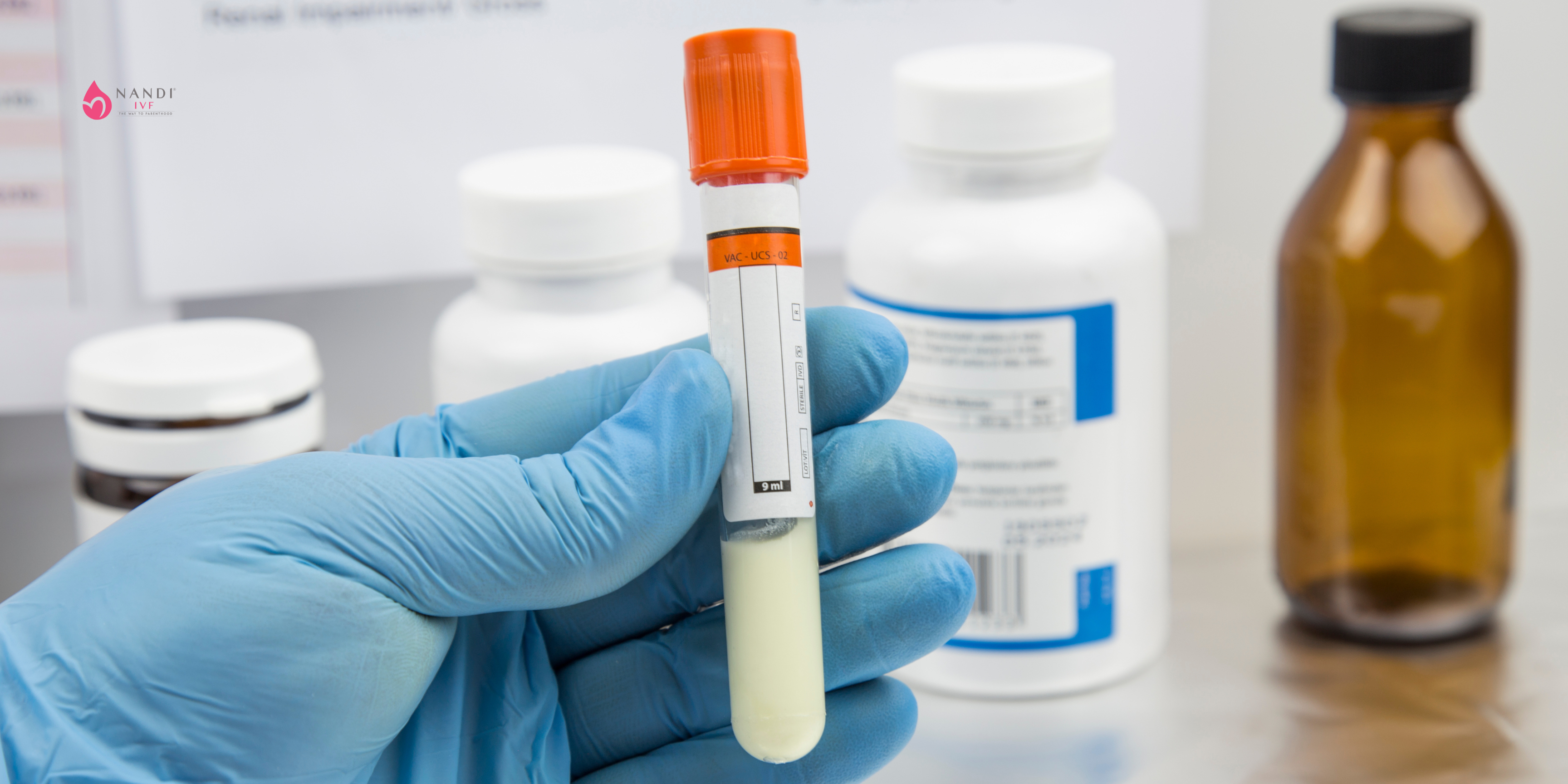
For men with low sperm count, the first step in the IVF process is sperm collection. This can be done through a regular semen sample or more advanced methods if necessary:

  • Ejaculation: In many cases, even men with low sperm counts can produce enough viable sperm for IVF through a semen sample provided by ejaculation.
  • Surgical Sperm Retrieval: For men with extremely low sperm count or no sperm in their ejaculate (a condition known as azoospermia), surgical methods like Testicular Sperm Extraction (TESE) or Percutaneous Epididymal Sperm Aspiration (PESA) may be used to extract sperm directly from the testicles or epididymis.
  • Egg Retrieval from the Female Partner

While sperm is collected from the male, the female partner undergoes ovarian stimulation to produce multiple eggs. Medications are given to stimulate the ovaries, and the eggs are retrieved through a minor surgical procedure called follicular aspiration.

  • Intracytoplasmic Sperm Injection (ICSI)

For men with low sperm count, a specialised technique called Intracytoplasmic Sperm Injection (ICSI) is often used during IVF. In a traditional IVF process, sperm are mixed with eggs in a lab dish, allowing fertilisation to occur naturally. However, with ICSI, a single healthy sperm is injected directly into the egg using a fine needle. This ensures that even when sperm count is low or motility is poor, the sperm has a higher chance of fertilising the egg.

ICSI is a game-changer for men with low sperm counts, as it bypasses the need for large quantities of sperm and directly facilitates fertilisation.

  • Embryo Development

Once the sperm fertilises the egg, the resulting embryo is monitored for several days in a laboratory. Typically, the embryo is observed for 3 to 5 days to ensure it is developing properly before it is ready for transfer.

  • Embryo Transfer

Once a healthy embryo has developed, it is transferred into the female partner’s uterus in a simple, painless procedure. After this, the hope is that the embryo will implant in the uterine lining and result in a successful pregnancy.

What Are the Success Rates of IVF for Men with Low Sperm Count?

The success rates of IVF with ICSI for men with low sperm count are generally positive, as this technique dramatically increases the chances of fertilisation. Studies show that fertilisation rates with ICSI can be as high as 70-80%, even when the sperm count is low. The overall success rate of IVF depends on several factors, such as the woman’s age, the quality of the eggs, and other health factors. However, ICSI has proven to be an effective solution for couples dealing with male infertility.

IVF Cost and Charges in Delhi

For couples considering IVF in Delhi, it’s essential to understand the potential costs involved. IVF Cost in Delhi can vary depending on the clinic, the specific procedures used, and whether techniques like ICSI or sperm retrieval are required. On average, IVF Charges in Delhi range from INR 1,20,000 to INR 2,50,000 per cycle. However, additional procedures like ICSI, TESE, or PESA may increase the total cost.

Conclusion

For men with low sperm counts, IVF offers a promising solution. This advanced reproductive technology allows even a single healthy sperm to fertilise an egg, overcoming the barriers posed by male infertility. IVF has helped millions of couples achieve their dreams of parenthood, even when faced with the challenge of low sperm count.

While IVF is highly effective, the process can be emotionally and financially demanding. It’s essential to consult with a fertility specialist to determine the best course of action based on your individual situation. With the right approach, many couples dealing with male infertility can experience the joy of a successful pregnancy.

If you’re considering IVF and want expert advice, contact Nandi IVF. We are one of the leading IVF centers in Delhi. Visit us today for a consultation!

The Role of Genetic Testing in IVF Success

Infertility is a challenge many couples face when trying to start a family. In vitro fertilization (IVF) has been a groundbreaking solution, offering hope to millions of people. Over the years, advancements in technology have significantly improved the success rates of IVF, and one of the most crucial innovations is genetic testing. 

Genetic testing in IVF plays a vital role in increasing the chances of a successful pregnancy and ensuring the health of the baby.  For couples with a history of infertility, recurrent miscarriages, or genetic conditions, genetic testing can be a valuable tool in achieving a healthy pregnancy. IVF centers in Delhi offer comprehensive fertility services, including advanced genetic testing options, to improve your chances of a healthy pregnancy.

This article explores the role genetic testing plays in IVF, how it works, and why it’s a vital tool for improving the chances of a successful pregnancy.

What is Genetic Testing in IVF?

IVF is a multi-step procedure in which eggs are retrieved from the ovaries, fertilized by sperm in a laboratory, and then implanted into the uterus. Not all embryos created during this process will be healthy or result in a viable pregnancy. This is where genetic testing comes in.

Genetic testing in IVF involves analyzing the genetic makeup of embryos to detect any abnormalities or disorders before they are transferred to the uterus. By identifying potential problems early on, doctors can select the healthiest embryos, increasing the likelihood of a successful pregnancy.

There are three primary forms of genetic testing used in IVF:

  • Preimplantation Genetic Testing for Aneuploidy (PGT-A): This is the most common form of genetic testing in IVF. It checks for an abnormal number of chromosomes in embryos. Human cells typically contain 46 chromosomes (23 pairs). If an embryo has too many or too few chromosomes, it may not develop properly or lead to conditions such as Down syndrome. PGT-A helps ensure that only embryos with the correct number of chromosomes are selected for implantation, reducing the risk of miscarriage and genetic disorders.
  • Preimplantation Genetic Testing for Monogenic Disorders (PGT-M): PGT-M is used when one or both parents carry a known genetic mutation that could be passed on to their offspring. Conditions like cystic fibrosis, sickle cell anaemia, and Tay-Sachs disease are examples of monogenic disorders. PGT-M screens embryos to identify whether they carry these genetic mutations, ensuring that only healthy embryos without the disorder are transferred.
  • Preimplantation Genetic Testing for Structural Rearrangements (PGT-SR): This type of testing is for individuals with a structural rearrangement in their chromosomes, such as translocations or inversions, which can lead to infertility or miscarriages. PGT-SR helps identify embryos that carry balanced chromosomal rearrangements, reducing the chances of miscarriage and increasing the likelihood of a successful pregnancy.

Who Should Consider Genetic Testing?

Genetic testing offers numerous benefits, particularly for couples who have experienced repeated IVF failures, miscarriages or have known genetic issues. Genetic testing allows doctors to select embryos that have the correct number of chromosomes, increasing the likelihood of a successful pregnancy. While genetic testing offers clear benefits, it may not be necessary for everyone undergoing IVF. Some specific groups of people may benefit more from genetic testing than others, including:

  • Women over 35: The likelihood of chromosomal abnormalities increases with age, making genetic testing particularly valuable for women over 35 who are undergoing IVF.
  • Couples with a history of miscarriages: Recurrent miscarriage is often caused by chromosomal abnormalities in the embryo. Genetic testing can help identify healthy embryos and reduce the risk of future pregnancy loss.
  • Couples with multiple failed IVF attempts: If previous IVF cycles have failed, genetic testing may help identify embryos with a higher chance of success.
  • Couples with a family history of genetic disorders: PGT-M is recommended for couples at risk of passing on a genetic condition to their children. It can prevent the transmission of inherited disorders, providing a healthy start for their baby.
  • Individuals with chromosomal rearrangements: For those with known structural chromosome abnormalities, genetic testing can help avoid miscarriages and unsuccessful pregnancies caused by unbalanced chromosomal rearrangements.

Conclusion

Genetic testing in IVF has revolutionized fertility treatments by increasing the chances of successful pregnancies, reducing the risk of miscarriage, and preventing genetic disorders. While it may not be necessary for every couple, those with a higher risk of chromosomal abnormalities or genetic conditions may benefit greatly from genetic screening. Additionally, genetic testing allows for single embryo transfers, lowering the chances of multiple births while maintaining high success rates.

Genetic testing offers a more tailored and precise approach to IVF, providing couples with a greater sense of control over their reproductive journey and helping them achieve their dream of having a healthy baby. If you are considering IVF, discussing genetic testing with your IVF specialist in Delhi can help you make informed decisions and increase your chances of having a healthy pregnancy.

At Nandi IVF, we are at the forefront of providing personalized, cutting-edge fertility treatments to help couples realize their dreams of starting a family. Contact us today!

Mild IVF vs. Conventional IVF: What’s the Difference?

With advancements in medical science, couples who cannot conceive can experience parenthood through IVF or In-vitro fertilisation. However, the evolution of IVF approaches is focusing on getting positive results in an optimized way. Hence, couples who are interested in the IVF process might find themselves in a dilemma about which approach is better, got instance, mild IVF vs. conventional IVF. 

If you are looking for an IVF in North Delhi, you must understand that conventional IVF uses high-dose hormone stimulation to encourage the production of a large number of eggs (10-15 eggs for retrieval) in a single cycle. The number of eggs increases, which increases the chances of fertilization. 

However, in mild IVF is in contrast with conventional IVF, as it requires a low dose of fertility drugs and aims for fewer but high-quality eggs (3-8 eggs for retrieval). Let’s understand more about the mild IVF vs. conventional IVF, and what factors decide which method should be preferred. 

What is Conventional IVF?

Conventional IVF is the most common way of fertility treatment and has been practised for many years. The process involves the use of a large number of drugs, usually gonadotropins (FSH and LH), that stimulate the ovaries to release several eggs in one cycle for a period of 10-14 days. 

The intent is to retrieve as many eggs as possible to make as many embryos, increasing the chances of conception. One cycle of IVF takes around 2-3 weeks, and it is suitable for women with high ovarian reserve. 

Traditional IVF allows the collection of a higher number of eggs, which makes it more successful, especially for women under 35. The success rate ranges from 25% to 40%.

What is Mild IVF?

The relatively new concept in fertility treatment is Mild IVF, minimal stimulation IVF, or Gentle IVF. It uses a gentler ovarian stimulation protocol that requires low doses of fertility medications. The process is highly safe as it reduces the risk of hyperstimulation and lowers the cost of medications required.

This method works with the body’s natural cycle rather than against it, which results in the collection of higher-quality eggs. The treatment time for mild IVF is two weeks, and it has equivalent success rates as conventional IVF. 

Although the number of eggs retrieved is lower than that in standard IVF, mild IVF can also be quite successful, primarily where the woman has healthy ovaries. Nevertheless, mild IVF seems to be more appropriate for women who cannot tolerate high doses of hormones or have low levels of ovarian reserve. 

Which is Better: Mild or Conventional IVF?

Traditionally, the focus of IVF treatment has been on collecting more eggs to maximise success rates. The ovary produces several follicles that are capable of producing and releasing eggs in a normal cycle. At some point, one follicle becomes dominant and uses the body’s resources to grow and release eggs, and the other follicles will shrink and ultimately die. 

The stimulating drugs used in conventional IVF don’t create new follicles; rather, they encourage the other follicles to grow instead of shrinking and dying. However, the body does not choose these as the front runners. This indicates that collecting more eggs doesn’t guarantee success because the final number of eggs that are actually viable and will create a baby is the same, regardless of the dose of fertility drugs. 

Especially in the cases of women who have gone through several IVF cycles and failed, a high dose of stimulation drug will not be helpful as extra follicles cannot be created. 

That’s why new approaches, like mild IVF, focus on the follicle, which is selected by the body to produce eggs and collect them at the right time to increase the chances of successful fertilization. In mild IVF, there is no down-regulation or ovarian suppression, which leads to temporary menopause. The low-dose of stimulating hormone gently stimulates the ovary to produce few but high-quality eggs, which leads to a more natural cycle with less hormonal impact. 

Wrapping up, 

When it comes to understanding which method to choose, a number of factors come into play. For instance, ovarian reserve, age, ovarian response to stimulation, medical conditions, fertility goals, and personal preference will affect the decision on which method to choose for IVF. 

If you are diagnosed with PCOS (Polycystic Ovarian Syndrome) or want to take a lower amount of drugs and reduce the physical and emotional burden that comes with conventional IVF, then you can go with mild IVF. 

However, if the ovarian reserve is diminished, doctors might suggest conventional IVF. A consultation with a doctor will clear all the clouds of confusion, and Nandi IVF, a reliable IVF in North Delhi with an over 80% IVF fertility success rate, can help! 

We strive to make couples’ dreams of becoming parents come true. At the IVF clinic in Pitampura, we are a team of experienced doctors and fertility specialists committed to providing you with the best possible results. Schedule an appointment today to get expert advice.

Nutrition and Lifestyle Tips for Improving IVF Outcomes

The couple struggling to conceive now has an example of hope created through in-vitro fertilization. Even if these people were not able to attain this naturally, a practical route to parenting is provided to them. The medical aspect of IVF is very important but, by no means, overlooked is nutrition and lifestyle in its role. Many studies confirm the real impact of nutritional intake, exercise, and lifestyle choices on reproductive health, as well as IVF treatment results. However hard gaining access to IVF could be on such emotional and physical levels, people and couples must behave in a way that increases their chance of success. 

This article offers critical nutrition and lifestyle guidance that can help these patients undergoing IVF and support them in making the right choices that can lead them along their path to parenthood. 

Nutritional Tips to Support IVF Success

A balanced diet can help improve egg quality, sperm health, and overall reproductive role. Here are some dietary references:

1. Consume a Balanced Diet: A healthy diet must consist of a variety of fruits, vegetables, whole grains, lean proteins, and healthy fats. It is also rich in foods with high vitamins and minerals, like dark green leafy vegetables, berries, nuts, and seeds, which provide all the essential nutrients that help keep one’s reproductive health at its prime.

2. Healthy Weight: Both underweight and overweight conditions have negative effects on fertility. Maintaining the ideal weight balance through a healthy diet and exercise ensures hormonal balance and continues to maintain reproductive function. Calculate your BMI and reach a suitable value to increase the efficacy of your chances at IVF.

3. Increase Omega-3 Fatty Acids: Omega-3 fatty acids in seafood, walnuts, and flaxseeds reduce inflammation and improve egg quality. Many studies have proved that healthy fatty acids improve blood flow to the reproductive organs and thus support reproductive health; regular consumption of omega-3s may establish a healthy environment for the embedding of an embryo.

4. Hydration: Adequate hydration plays an important role in maintaining general health and well-being. Hydration takes care of healthy bodily functions, such as nutrient transportation and hormone balance. Drinking at least 8-10 cups of water with herbal teas every day can be beneficial for improving overall health. Proper hydration will keep cervical mucus at optimal levels and be helpful for sperm transport and fertilization.

5. Minimize Processed Foods and Sugars: Processed foods and high sugar intakes cause inflammation and hormonal imbalances. Unhealthy fats, preservatives, and additives in such foods are detrimental to fertility. Cooking at home is a way of controlling the ingredients you consume. Reading labels and opting for whole-food alternatives can make significant leaps in your overall nutrient intake.

6. Additional Supplements: Some supplements will actually help you conceive in the case of deficiencies, and there are certain supplements that everyone should take if their diet is not sufficient. Supplementation with folic acid is indispensable for women of childbearing age since it should be supplemented well before pregnancy. Such supplements include vitamin D, CoQ10, and multivitamins.

Consult your IVF doctor in Delhi to discuss suitable supplements based on your individual needs. Personalized supplementation can support and address specific deficiencies that may impact fertility.

Lifestyle Changes for Optimal IVF Outcomes

In addition to nutrition, specific and important lifestyle changes can improve the effectiveness of IVF treatments:

1. Manage Stress: High-stress levels can impact hormone levels and fertility. Exercises such as yoga, meditation, and mindfulness practices can help manage stress and relaxation. Engaging in hobbies or activities you enjoy can serve as an excellent stress remover during the IVF process. Maintaining a support system of friends and family can also offer emotional stability during hard times.

2. Exercise Regularly: Proper exercise and physical activity contribute immensely to maintaining a healthy weight, reducing tension, and improving blood circulation, which is fundamental for reproductive health. Target at least 150 minutes of moderate-intensity exercise per week, which may include brisk walking, cycling, swimming, or even strength training exercises for overall fitness and body shape.

3. Avoid Smoking and Heavy Alcohol: Smoking and heavy alcohol consumption are generally bad for fertility. Smoking can damage the quality of eggs and sperm produced, lowering fertility. Too much drinking can also disrupt hormonal balance. These can be huge positives in quitting smoking and limiting alcohol intake to reasonable levels. Research indicates that even second-hand smoke exposure harms fertility in both partners.

4. Get Proper Rest: Quality sleep correlates with overall health and, therefore, with reproductive health. A fair amount of 7 to 9 hours of restful sleep can alleviate hormonal imbalance, stress levels, and energy. Controlling the sleep schedule right from the beginning and seeking a soothing bedtime routine is sure to improve one’s sleep. Bad sleeping habits have been linked to hormonal imbalances that may suppress ovulation or fertility in women.

5. Limit Caffeine: Higher levels of caffeine harm fertility. The general recommended daily intake limit is less than 200-300 mg, which is equivalent to a minimum of 1 to 2 cups of coffee. Alternatives should be herbal teas and decaffeinated drinks. Most studies recommend avoiding high levels of caffeine as it is harmful and also linked to an increased risk of miscarriage.

Conclusion

Improving IVF Outcomes can be approached through medical therapy, nutrition, and lifestyle modification. Individuals with a well-balanced diet, a healthy weight level, and beneficial lifestyle habits are helped to improve their reproductive health and grow opportunities for successful IVF.

Nandi IVF resources and support on your way: Focusing nutritionally and lifestyle is helpful for reproductive health, but it can also be helpful for life. By making informed decisions and seeking our professional guidance, you can take active steps toward attaining your dream of becoming a parent.

Does IVF Work for Unexplained Infertility?

Dealing with unexplained infertility can be very difficult and emotionally demanding. A frustrating diagnosis is that of unexplained infertility, which occurs in 15-30% of all cases of infertility. However, after such a medical evaluation, a specific reason cannot be found to determine why a couple has been unable to conceive. 

For such couples, IVF from the best IVF centre in Delhi often becomes a promising hope. This article explains whether IVF works in treating unexplained infertility, offering insights into its potential as a solution.

Unexplained Infertility and Its Nature

Unexplained infertility is a condition where standard tests for infertility don’t indicate any particular cause for a couple’s infertility. 

Many reasons, in both men and women, can cause infertility. Infertility issues in women include uterine fibroids, endometriosis, PCOS, uterus abnormalities, and age. In males, the reasons could be low sperm count, poor sperm motility, testicular problems, hormonal imbalances, and ejaculation problems. 

Now, these issues can be easily diagnosed using standard tests. For women, it involves hormone tests, checking ovulation, fallopian tubes, and uterine assessment. For males, semen analysis is typically done through sperm count, motility, and morphology checks.

In some cases, after such extensive testing and visits to fertility clinics, the couples still come out with no clear explanation of why they are not able to conceive. Unlike all other causes of infertility, the cause cannot be targeted upon treatment, which makes it even more frustrating for couples. 

How is Unexplained Infertility Ensured?

Doctors usually ensure the following four things, and if all of them are normal and still a couple is unable to conceive, then it is regarded as unexplained infertility. 

  1. Regular and healthy ovulation in the woman.  
  2. Open fallopian tubes that allow sperm to meet the egg. 
  3. Adequate sperm count, motility, and morphology, in the male partner. 
  4. A healthy uterus in a female partner with no abnormalities, like fibroids or polyps, could prevent implantation. 

If all these parameters are available, then here are some possible reasons that are leading to unexplained infertility: 

  • Ovulation problems, like low-quality eggs are produced or irregular ovulation timing. 
  • Unclear fertilization issues, which prevent the sperm from penetrating the egg. 
  • Issues in the uterine environment can prevent the embryo from implanting in the uterine lining, even though it is healthy. 
  • The uterus lining is not optimally receptive during embryo implantation. 
  • Immune system dysfunction and genetic issues might be hindering the process of conception. 

How IVF Can Overcome Unexplained Infertility? 

In a situation where infertility in the couple cannot be explained, IVF offers a chance to overcome unexplained obstacles that cannot be detected by simple fertility tests. Here’s how it works:

  • Overcoming Natural Obstacles to Fertilisation

IVF lets fertilisation take place in a controlled environment outside the human body instead of working around the natural obstacles to fertilisation. The most apparent benefit for infertile couples who do not know the cause of their infertility is that IVF can overcome any unknown barriers that may exist and yet prevent their fertilisation through natural intercourse. 

For example, although sperm and egg have been ascertained to be normal, subtle issues might still exist with sperm or egg quality or even the interaction between the two. Such problems are very difficult to detect with standard testing yet bypassed through IVF, where eggs are fertilised in a lab.

  • Less Quality Problem of Egg or Sperms

The cause of unexplained infertility may be linked to the egg or sperm of poor quality, which could not be identified. IVF provides the fertility expert with adequate ability to monitor the stages of an embryo’s developmental progress closely. 

The fertility experts at the best IVF Clinic in Delhi select the most healthy ones to implant during transfer. Even normal sperm can be injected for fertilisation purposes into the egg using intracytoplasmic sperm injection (ICSI) techniques.

  • Improved Control Over Time and Circumstance

The advantage of IVF is that the timing of fertilisation and embryo transfer into the uterus can be controlled and optimised. In natural conception, the exact timing of ovulation and conception is pivotal but impossible to predict with complete accuracy. 

IVF allows clinicians to monitor every step of the course of events, from egg pick-up at optimal timing to fertilisation under ideal conditions. This level of control may be especially useful to couples experiencing unexplained infertility since it eliminates guesswork.

  • Chance of Genetic Screening

Another plus of IVF is the chance of genetic testing of the embryos before implantation. Genetic Testing can identify any chromosomal defect that causes infertility, even when the fertility evaluation of a woman is at its best. 

Of course, not all cases of unexplained infertility are caused by a genetic problem; still, the fact that embryos can be screened for such defects gives way to more possibilities of a successful pregnancy. This procedure is optional, and it is only recommended in specific situations, like a couple with repeated IVF failures or miscarriages and known genetic disorders in the family. 

A number of studies suggest that IVF is an effective treatment for unexplained infertility. Evidence of this belief was in a 2019 Fertility and Sterility report, where they found that IVF proved more effective in conceiving as compared to intrauterine insemination (IUI) in couples with unexplained infertility. 

This study also went ahead to reveal that in two IVF cycles, 40% of couples with unexplained infertility can conceive and also obtain a live birth. This thus proves that IVF is possible in those cases where couples are not able to conceive through other fertility treatments.

The Bottom Line

For many couples, unexplained infertility can be a confusing and heartbreaking diagnosis. IVF has opened the way to parenthood, though the definite cause of infertility was not discerned. The process of bypassing the natural fertilisation barriers, improving the selection of viable embryos, and offering control over the fertilisation process has helped many couples overcome the uncertainty that unexplained infertility poses to them. While success is not assured, IVF is a rather well-researched and proven treatment that drastically increases the possibilities for conception.

While it calls for guidance from the Best IVF Specialist in Delhi, expert care makes a difference in such treatment whereby unexplained infertility calls for. IVF is not a solution, but it’s a beacon of hope to those who sail through such a challenging journey of unexplained infertility.

A couple dealing with unexplained infertility can get a consultation with specialists at the best IVF centres, like Nandi IVF

Our best IVF specialists in Delhi can avail of advanced techniques and personalised care according to the individual’s needs. All cutting-edge technologies that could increase the chances of success, more especially in people experiencing unexplained infertility, will also be accessible at the best IVF centre in Delhi.

Understanding Donor Sperm: What You Need to Know

Donor sperm may become a ray of hope for couples struggling with infertility issues. When natural conception is impossible, couples can take it as an alternative to conceive successfully. It can be a solution to infertility problems resulting from genetics, male fertility problems, or single parenthood. 

Men (sperm donors) donate sperm for procreation. Sperm can be used in conditions such as infertility treatments involving intrauterine insemination or in vitro fertilization. The donor can be anonymous, a known person (friend or relative), or a donor in a sperm bank. This blog helps readers understand more about donor sperm. 

How Donor Sperm Can Help in Infertility Treatments?

Donor sperm can be used in a variety of circumstances, for instance, if a couple is unable to conceive due to fertility problems in a male partner or a couple doesn’t want to pass on a genetic disorder. Sometimes, in cases of single parents and lesbian couples, they can go for donor sperm to conceive. 

Let’s see how a donor sperm can help in fertility treatments:  

  • Intrauterine Insemination (IUI): In this process, the sperm from the donor is placed in the uterus during the time of ovulation. IUI is less complicated, and it is less expensive when compared to many other treatments of fertility. It is often best for people who do not have fertility problems but may be in need of sperm.
  • In-vitro fertilization (IVF): It involves inducing the ovaries to generate several eggs, which are then fertilized in a lab using donor sperm. Later, the embryos are transferred inside the uterus. This strategy is commonly employed when male infertility poses a significant challenge.
  • Intracytoplasmic Sperm Injection (ICSI): In this technique, a single sperm is injected into an egg to help it fertilize. This process can be used when there are issues with sperm quality or previous inadequacy of fertilization.

Overall, in sperm donation, the entire process remains the same in artificial insemination treatment, but the only difference is that it is conducted with a third-party donor (AID). The donor becomes the biological father, but the donor will not be considered the legal or social father of the child. 

Sperm Donation

Types of Sperm Donation

When it comes to sperm donors, couples can rest assured that a sperm bank, a facility that collects and stores sperm, screens the sample to ensure it is safe to use. The screening is done for infections like chlamydia, syphilis, hepatitis, gonorrhea, and HIV, and genetic disorders. So, it is best to consult with licensed and certified fertility clinics and sperm banks by ICMR (Indian Council of Medical Research).

Here are the two main types of sperm donation: unsolicited donation and designated donation.

  • Anonymous Donation: The sperm donor does not know the recipient of the sperm sample that is taken to the clinic for insemination. Usually, straw sperm is obtained from an undescribed donor using a sperm bank. These banks usually give very long descriptions of the donors, including issues around their health, education, interests, and even temperaments.
  • Directed donation: The donor and the recipient of the donated sperm are known to one another, for example, being friends or relatives.

Medical Requirements for Donor Sperm

To conceive through donor sperm, the medical aspect has to be considered for a healthy pregnancy and a healthy child. The important medical considerations involved are:

  • Genetic Testing: The donors should screen the donor for hereditary diseases such as cystic fibrosis, sickle cell anemia, and others. This helps prevent the transfer of these diseases to the offspring.
  • Physical Health Requirements: The most common conditions governing sperm donors concern their general health, with many facilities rejecting individuals with a history of diseases or disabilities. Sperm banks may impose age restrictions; some companies have restrictions between 18 and 39 years, as age may decrease sperm quality.
  • Infectious Disease Testing: Blood is screened for infections such as HIV, hepatitis B and C, syphilis, chlamydia, gonorrhea, etc. The idea is to have the sperm clear of infections that can be transmitted to the recipient or the fetus.
  • General Health Check: Before being accepted, recipients are also subjected to a number of tests to confirm their health, including blood, urine, and sometimes psychological tests.

Selecting the Sperm Banks: Factors to Consider

You must consider the following important factors before selecting the sperm banks. 

  • Reputation and Accreditation: Choose sperm banks that follow the legal obligations based on the Assisted Reproductive Technology (ART) Act, 2021, and have proper licenses. These accreditations can also guarantee compliance with safety and quality standards. 
  • Success Rates: Find out the sperm bank’s effectiveness rate. Many banks also disclose ART success rates, making them an important key to judging the service’s efficiency.
  • Donor Screening and Testing: Make sure the sperm bank has stringent criteria regarding the donors, including the family and personal history, genetic profile, and infectious disease test results. This is important when considering the child’s physical well-being. 

The Bottom Line

Using donor sperm can be a life-changing decision for individuals and couples looking to start or grow their families. With the latest medical processes, infertility can be treated. The only thing you have to keep in mind is that the sperm bank or donor you choose must be examined properly. 

Are you searching for the Best  IVF Centre in Delhi and want consultations with some experienced professionals regarding sperm donors? The Best IVF Clinic In Delhi is there to guide you on your path to parenthood. We have a sperm cryopreservation facility, and you can schedule a consultation today to get more information.

12 Tips for Finding the Most Affordable IVF Options in Delhi-NCR

Navigating the world of IVF can be challenging, especially when considering the financial aspects. For those seeking affordable IVF options in Delhi-NCR, it’s important to gather insights that can help you make informed decisions. This guide is dedicated to providing you with practical tips that can lead you toward budget-friendly IVF treatments without compromising quality. Let’s explore how you can achieve your dreams of parenthood more affordably.

1. Understanding IVF Costs in Delhi-NCR

IVF costs can vary significantly depending on several factors, including the clinic’s location and reputation, the specific services included in the treatment plan, and any additional medical procedures that might be necessary. To gain a clearer understanding, it’s wise to ask detailed questions during initial consultations. Many patients immediately focus on the base rate for IVF, but this can be misleading. It’s important to consider what these rates include: will you have access to a dedicated fertility specialist? What about medication and consultations? Understanding this breakdown will help you assess affordability more accurately.

Moreover, be aware that some clinics may advertise lower base fees, but the final cost can rise sharply due to add-ons such as laboratory fees, embryo freezing, or genetic testing. Thus, before committing, request a complete breakdown of potential costs. This transparency will arm you with the knowledge to compare clinics squarely. Plus, learning about standard pricing in the area can further empower your negotiations.

2. Researching Fertility Clinics Thoroughly

Selecting the right fertility clinic is crucial when searching for affordable IVF options. This process should extend beyond checking out the prices. Look for clinics that have been accredited by appropriate health authorities and boast positive patient reviews. Curating a list of potential clinics is a productive first step. Next, delve into their success rates, which can indicate the quality of care you can expect. Affordability shouldn’t come at the expense of quality, after all.

Researching Fertility Clinics Thoroughly

Moreover, consider reaching out to past patients through forums or social media groups. Their first-hand experiences can offer invaluable insights about the clinic’s services, honesty in billing, and overall patient care. Also, inquire about any complementary services that the clinic might offer, such as counseling or wellness programs, which could further enhance your IVF journey.

3. Exploring Financial Options and Packages

Many clinics offer financial packages or bundled services, which can lead to significant cost savings. As you explore your options, take time to ask about specific financial assistance programs. Some clinics may provide moderate-interest loans or payment plans tailored to suit your budget. Inquire whether they have any partnerships with organizations that can provide financial support for fertility treatments.

Additionally, keep an eye out for promotional rates or seasonal discounts offered by clinics. For example, some might offer package deals for multiple cycles or discounted rates for first-time patients. Embracing this proactive stance when exploring financial packages can lead to finding a deal that aligns perfectly with your financial capabilities.

4. Considering Government-Approved Clinics

Government-approved clinics often provide quality care at a fraction of the cost, making them a smart option for many seeking affordable IVF. These clinics tend to have standardized procedures and prices regulated by government bodies, which can offer additional peace of mind. Take the time to research which clinics in your area have this accreditation, and consider the services they offer in relation to your needs.

While considering these clinics, it’s essential to balance cost and quality. Schedule consultations to gauge their facilities, staff, and overall treatment methodologies. Use this opportunity to ask about waiting times and potential obstacles. By making informed decisions, you may find that a government-approved clinic meets your budgetary requirements without sacrificing care.

5. Inquiring About Payment Plans

One of the best ways to manage IVF costs is by taking advantage of available payment plans. Many facilities recognize the financial burden associated with these treatments and offer structured payment options to make costs more manageable. Don’t hesitate to bring this topic up during your initial consultations. Understanding the payment options upfront can guide your ability to navigate the financial landscape.

Payment Plans

Be sure to explore all aspects of these plans. Some clinics may offer low-interest financing or deferred payment plans, allowing you to begin treatment without an immediate large financial outlay. Also, check if they provide support in terms of budgeting advice, which can help you better manage ongoing costs associated with IVF. Clarifying these details early on can empower you in making informed financial choices as your journey unfolds.

6. Checking for Hidden Costs

In the quest for affordable IVF, it’s advisable to stay vigilant about potential hidden costs that can pile on financial strain. While basic treatment fees might seem reasonable at first glance, additional expenses can arise, such as the costs of medications, blood tests, and monitoring ultrasounds. Asking about these items beforehand can prevent nasty surprises further along in your treatment journey.

It’s worth confirming whether follow-up consultations or additional procedures, like cryopreservation of embryos, are included in the initial quote. Transparency is vital when selecting a clinic. Before finalizing your decision, make sure another consultation is available to iron out any uncertainties about the fee structure, ensuring you’re fully informed of the total anticipated expenses.

7. Seeking Recommendations from Other Patients

Seeking recommendations from former or current patients can provide invaluable insights as you search for affordable IVF options. Online forums or local support groups are excellent platforms for gathering information and hearing first-hand accounts about different clinics. By actively involving yourself in these communities, you can obtain firsthand knowledge about what to expect, giving you a better sense of which healthcare providers are truly committed to affordability and quality.

Additionally, don’t shy away from directly contacting patients who have undergone IVF treatments recently. Many individuals are more than willing to share their experiences, including clinics to consider and those to avoid based on financial transparency and overall care. This grass-roots level of insight can significantly aid in narrowing down your choices as you move forward with your journey.

8. Utilizing Online Resources and Reviews

The internet is a treasure trove of information, especially when it comes to research on fertility clinics. Utilize online resources, including clinic websites, medical forums, and review platforms dedicated to fertility treatment. Many have sections specifically aimed at discussing the costs, treatments, and personal experiences of various clinics in Delhi-NCR.

Online Resources and Reviews

When reviewing patient testimonials, look for consistent themes, particularly with respect to both affordability and care quality. However, it’s important to approach these reviews critically. If a clinic consistently receives high marks from patients for its financial practices and service quality, it’s a strong indicator to consider that facility for your treatment.

9. Attending IVF Seminars and Workshops

Attending IVF seminars or workshops in your area can equip you with valuable information and help you connect with professionals in the field. Often, clinics sponsor these educational events, providing insights into their services and therapies. Take advantage of the opportunity not just to learn, but also to ask questions about affordability options during these sessions.

Additionally, these events often serve as networking platforms where you can meet others experiencing similar challenges. Sharing personal experiences with others can lead to discovering lesser-known clinics offering affordable IVF. Knowledge gained from these workshops can be an excellent resource as you lay the foundation for your treatment plan.

10. Building a Support Network

Building a support network during your IVF journey can be both emotionally and financially beneficial. Join local or online support groups with individuals undergoing similar challenges. Talk openly about your experiences and exchange tips about clinics, navigating costs, or emotional well-being. This kind of camaraderie can greatly lighten your emotional load while also providing practical tips for lowering costs.

Furthermore, feel free to connect with friends or family members who have undergone fertility treatments. Their advice can sometimes unveil unexpected resources or tips that could lead to discovering affordable IVF options. Cultivating a reliable support system will not only keep your spirits high but may also enhance your understanding of navigating fertility treatments, making the experience much more manageable.

11. Understanding Your Health Insurance Coverage

Navigating your health insurance plan can yield significant savings when pursuing IVF treatments. Many plans now offer partial or complete coverage for fertility treatments, which can substantially alleviate upfront costs. Familiarizing yourself with the specifics of your coverage is critical. It’s crucial to proactively contact your insurer to determine which treatments, consultations, and medications are covered.

In case your plan doesn’t offer coverage, don’t lose hope. Some insurers may provide funding options or flexible spending accounts that can still support your treatment costs. Maximizing your insurance benefits or creatively working within their framework might open doors that lessen your financial burden going forward.

12. Maintaining Realistic Expectations

As you embark on your IVF journey, maintaining realistic expectations is essential not just for financial reasons but for the emotional impact as well. IVF can be a lengthy process, often filled with ups and downs. Understanding that success rates can vary based on numerous factors can help you maintain a balanced perspective.

Crop ethnic female psychotherapist in formal clothes writing notes in clipboard while listening to black male patient complains in light studio

It’s vital to prepare yourself for the possibility of multiple cycles or additional treatments. By being aware of the potential costs involved at each stage, you can better strategize your finances. Consulting with your fertility specialist can help you chart a course that aligns with both your financial readiness and emotional bandwidth.

Contact Nandi IVF Today If you’re ready to take the next step in your fertility journey or simply want to learn more about Affordable IVF Options in Delhi-NCR, please contact us at Nandi IVF. Our team is ready to provide the guidance and care you need to make informed decisions about your reproductive future.

Your future starts here, and we at Nandi IVF are committed to helping you achieve your dreams of parenthood with the best possible care and support.

Bring A Baby Into Your Home With Nandi IVF

    Call Now Whatsapp Email
    //