

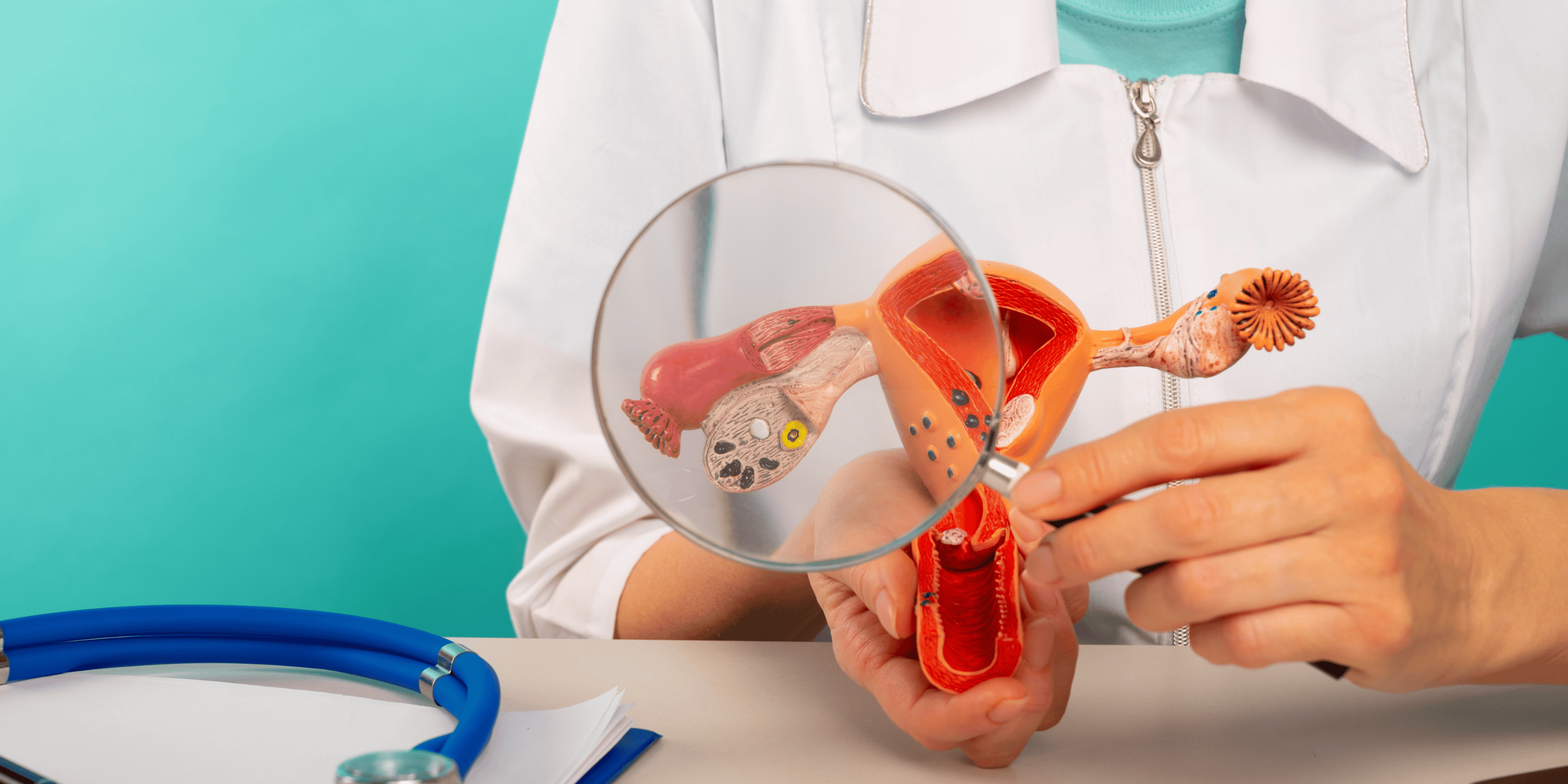
A cancer diagnosis is life-changing, and one of the concerns many patients face is how treatment might affect their fertility. Cancer treatments, such as chemotherapy, radiation, and surgery, can significantly impact a person’s ability to have children in the future. Fortunately, there are options available for fertility preservation, allowing patients to plan for a family after cancer treatment. Consulting a Fertility Centre In Delhi can provide guidance on preserving fertility and planning for a future family post-treatment. Here, we’ll explore the various fertility preservation methods available for both men and women facing cancer.
Cancer treatments can affect fertility in several ways, depending on the type of cancer, the location of the tumor, and the specific treatment methods used. Here are some ways common cancer treatments can impair fertility:

For women, fertility preservation is more complex due to the nature of their reproductive system. Here are some common options available to women before they undergo cancer treatment.
Egg Freezing (Oocyte Cryopreservation)
Egg freezing involves retrieving mature eggs from a woman’s ovaries and freezing them for future use. The process is a viable option for women who are not ready to have children but want to preserve their fertility. The eggs can later be thawed, fertilized with sperm through IVF, and implanted into the uterus.
Embryo Freezing (Embryo Cryopreservation)
Embryo freezing is similar to egg freezing. It involves fertilizing the eggs with sperm before freezing. This option is often recommended for women who have a partner or want to use donor sperm. Embryo freezing typically has higher success rates compared to egg freezing, as embryos are more robust during the thawing process.
Ovarian Tissue Freezing
Ovarian tissue freezing is an experimental technique that involves surgically removing a small piece of ovarian tissue before cancer treatment. The tissue contains immature eggs, and it is frozen for future use. Once the patient is ready to have children, the tissue can be re-implanted into the body, where it may restore fertility. This method is particularly useful for young girls who have not yet gone through puberty and are unable to undergo egg retrieval.
Ovarian Suppression
Ovarian suppression involves using hormonal treatments to protect the ovaries during chemotherapy. Drugs called gonadotropin-releasing hormone (GnRH) agonists temporarily shut down ovarian function, reducing the risk of damage to the eggs. While this method is not as reliable as egg or embryo freezing, it is a noninvasive option that may help protect fertility.
Fertility preservation is typically simpler for men due to the accessibility of sperm. Men have several options for preserving fertility before undergoing cancer treatment:
Sperm Freezing (Sperm Cryopreservation)
Sperm freezing is the most common and straightforward method of fertility preservation for men. A sperm sample is collected, analyzed, and frozen for future use. The frozen sperm can be stored for many years and used for fertility treatments such as intrauterine insemination (IUI) or IVF when the patient is ready to start a family.
Sperm freezing has a high success rate, and men have successfully fathered children using sperm that was frozen for decades.
Testicular Sperm Extraction (TESE)
For men who are unable to produce a sperm sample through ejaculation, testicular sperm extraction (TESE) is an alternative option. This surgical procedure involves retrieving sperm directly from the testes. The extracted sperm can then be frozen and stored for future use.
TESE is typically recommended for men with low or no sperm count due to certain medical conditions or cancer treatments.
Shielding During Radiation Therapy
In some cases, if a man is undergoing radiation therapy in the pelvic area, doctors may use protective shields to minimize damage to the testes. While this doesn’t preserve sperm directly, it helps protect fertility by reducing exposure to radiation.
Cancer can affect children and adolescents, too, and preserving fertility for young patients is a growing concern. For boys and girls who have not yet reached puberty, traditional methods like sperm or egg freezing are not an option. However, there are still some experimental and evolving fertility preservation techniques available.
Fertility preservation offers hope for cancer patients who want to have children after treatment. With options ranging from egg and sperm freezing to experimental techniques like ovarian and testicular tissue freezing, patients have more choices than ever before to safeguard their reproductive future. The key to success is acting early, consulting with a fertility specialist at a Best IVF Centre In Delhi like Nandi IVF, and understanding the options available based on individual circumstances.
If you or a loved one has been diagnosed with cancer and fertility is a concern, speak with your healthcare provider about your options. Fertility preservation can help ensure that a cancer diagnosis doesn’t close the door to starting a family in the future.
1
2
3
4
5
6

 Nandi Reviews