fbpx

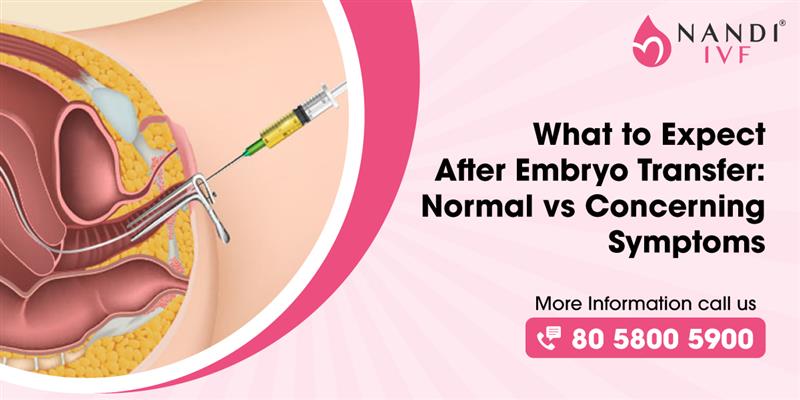
What to Expect After Embryo Transfer: Normal vs. Concerning Symptoms

Embryo

What to Expect After Embryo Transfer: Normal vs. Concerning Symptoms

Congratulations on making it through the clinic visits, monitoring, and even the embryo transfer. But what to expect now? You may be experiencing a rollercoaster of emotions, ranging from anticipation and concerns to excitement and elation. Your body might be sending unique signals, and it’s perfectly normal to think about which changes belong to the procedure, while which need a closer look. 

In this blog, we will walk through natural as well as warning signals you might notice after an embryo transfer. Keeping a check on the following symptoms and consulting at the best IVF clinic in Delhi will help you navigate effortlessly. 

What is Embryo Transfer at First Place?

During In Vitro fertilisation, embryo transfer is the final step. So, it’s a procedure in which one or more laboratory-created embryos are introduced into the mother’s uterus for further implantation. It’s usually a painless and quick process performed using a thin catheter followed by an ultrasound. There are different types of embryo transfer like fresh and frozen, day 3 and day 5. The doctor at the best fertility clinic in Delhi evaluates all your health dimensions and decides the most suitable one for you. 

Symptoms After Embryo Transfer: Normal or Warning? 

Do you know that infertility among couples in India ranges between 3.9% to 16.8%(source)? Hence, treatments like IVF and procedures like embryo transfer become important to cure this evident infertility. Also, observing how your body responds to reproductive techniques is crucial to ensure the health of you and your baby. So, let’s get a close look at which symptoms you can ignore after an embryo transfer and which one needs attention. 

Normal Symptoms After Embryo Transfer 

  • Mild cramping or twinges in the lower abdomen
  • Breast tenderness or swelling 
  • Mild bloating
  • Light spotting or bleeding
  • Slight nausea or digestive changes
  • A feeling or heaviness or sensitivity 
  • Noticing no symptoms at all

Warning Symptoms After Embryo Transfer 

  • Heavy bleeding like a menstrual period
  • Severe or increasing abdominal pain
  • Painful or burning urination 
  • Dizziness, fainting or severe headache 
  • Unusual or foul-smelling discharge 
  • Fever or Chills 
  • Unmanageable or persistent vomiting 

What To Do If You Notice Warning Symptoms?

First thing you should do if you notice any of the above-mentioned warning symptoms is stay calm and composed. Don’t panic and take a wise decision keeping in mind the following points:

  • Avoid self-medication, like painkillers or antibiotics 
  • Note each and every symptom
  • Take rest and avoid heavy physical work
  • Seek emergency care if required 
  • Attend all the scheduled follow-ups
  • Visit the best IVF centre in Delhi to avoid further complications 

Wrapping Up 

After embryo transfer, you might go through an emotionally intense phase where every minute change feels significant. While many post-transfer sensations are normal physiology, some warning signs should be taken seriously. If you know the difference, it will help you respond patiently. Whenever a symptom seems doubtful, trust your instincts and reach out to the best IVF clinic in Delhi. Visit Nandi IVF for promising treatment and care. Let’s chase parenthood cautiously. 

Asthenozoospermia: Low Sperm Motility Causes, Signs and Management

Have you been wishing for a pregnancy but nothing is working out? You tried at the right timing, with the right frequency, even checked for uterus health but kept failing to conceive. If that sounds familiar, you need to look for sperm morphology and motility. Yes, you might not be aware, but reduced sperm motility, also known as asthenozoospermia, could be a potential culprit behind unsuccessful fertilisation.

 Are you wondering about its causes and management? Don’t worry, read on to get better insights followed by a visit to the best male fertility clinic in Delhi. 

What is Asthenozoospermia?

Does this term sound complicated and less familiar? Let’s break it down together for better understanding. Asthenozoospermia, also known as asthenospermia, is a reproductive abnormality characterised by reduced sperm motility, ranging from mild to severe. 

Think of it as a male sperm lacking the ability to swim towards the female ovum, making it difficult to fertilise. So, if you are having difficulty in conception, get your semen analysis done to check whether the sperm movement is alright.

Causes Behind Low Sperm Motility 

In a population study, asthenozoospermia was found to be the most prevalent anomaly(17.9%) leading to male infertility(source). Shocking isn’t it? But what are the causes behind such a common abnormality? Let’s see!

  • Undescended Testicles: It increases the chances of reduced sperm motility. 
  • Nutritional Deficiencies: A diet lacking essential nutrients like DHA and vitamin E can affect the sperm membrane and, hence, motility. 
  • Tumours or Cancers: Cancerous or non-cancerous tumours can affect sperm health.
  • Anti-Sperm Antibodies: Sometimes, the immune system may identify sperm as foreign bodies and interfere with their movement. 
  • Alcohol and Drugs: Consumption of alcohol, smoking, tobacco or drugs can severely impact sperm motility. 

Decoding the Signs of Asthenozoospermia

Asthenozoospermia often presents very less physically noticeable signs. Being mostly asymptomatic, it’s important to be alert for the following health conditions:

  • Despite regular unprotected intercourse, there is difficulty in conception
  • Unexplained male-factor infertility 
  • Sperm count might be normal but movement is hampered
  • Recurrent failed assisted reproductive treatments 
  • Pain or swelling in reproductive organs
  • Infections or hormonal changes.

Management: Let’s Cure the Low Sperm Motility 

If you have been diagnosed with asthenozoospermia, it is very important to visit the best male fertility clinic in Delhi for personalised treatment. However, the following ways of management will also guide you regarding the same:

  • Find out the underlying causes and treat them like an infection or hormonal changes
  • Lifestyle modifications play a very critical role. Avoid alcohol, smoking, drugs, stress and maintain a healthy weight
  • Check your diet and optimise it. Also include antioxidants like zinc, selenium, vitamin C and E
  • Treat genital infections 
  • Assisted reproductive techniques like IUI in case of mild asthenozoospermia and IVF or ICSI in moderate to severe cases can help you conceive. 

Wrapping Up 

Asthenozoospermia is a common cause behind reduced male fertility in Delhi and other cities. So, being conscious about our reproductive wellness is the first way of management. Also, adopting a healthy lifestyle with optimum nutrients and antioxidants improves sperm motility and morphology.

Rather than being hopeless about it, let’s chase assisted reproductive techniques to live your parenthood dreams. Visit Nandi IVF and get the right treatment with utmost care and responsibility.

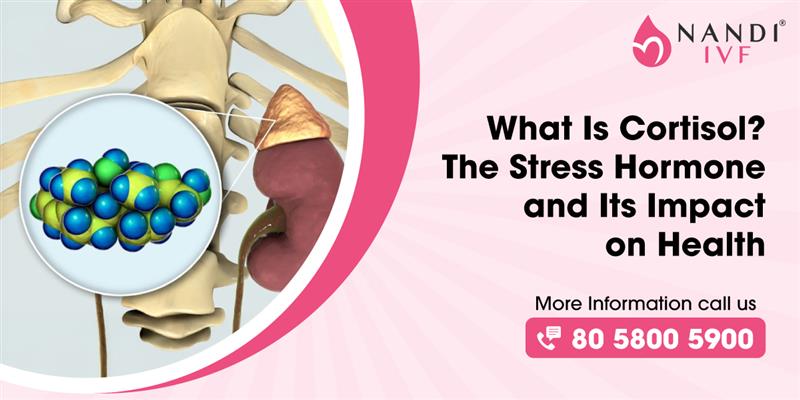
What Is Cortisol? The Stress Hormone and Its Impact on Health

Have you ever wondered why your body suddenly feels “on alert” when you are stressed, even if nothing dangerous is actually happening? That’s cortisol at work- the hormone your body releases when life feels overwhelming. Although cortisol is essential for survival, the real problem starts when stress becomes a daily companion, and here’s where things get interesting: cortisol doesn’t just affect your mood or energy levels; as per the doctors from the top IVF centres in Delhi, it can deeply influence your reproductive health and fertility too.

How? Let’s break this down for you comfortably and vividly!

What is Cortisol?

Scientifically speaking, Cortisol is your body’s primary stress hormone that is produced by the adrenal glands. You can think of it as your internal alarm system that helps you stay alert, energized, and ready to “fight or flee” because cortisol rises when you are stressed.

This mechanism is perfectly fine in short bursts, but chronic stress is when cortisol becomes less of a helper and more of a troublemaker. In fact, according to the American Psychological Association (APA), nearly 77% of people report experiencing stress-related physical symptoms. (Source) No wonder we are feeling tired, wired, and overwhelmed all the time.

Cortisol’s Surprising Impact on Reproductive Health and Fertility

When stress is high, your body shifts into survival mode, while redirecting the energy away from functions that it doesn’t see as essential- this includes reproduction. Here’s how things play out:

  • Hormonal imbalance: For one, cortisol can interfere with estrogen, progesterone, and testosterone production, while causing a hormonal imbalance.
  • Irregular cycles: Rising cortisol levels can make women experience delayed or missed periods.
  • Reduced libido: Stress can suppress sex hormones that fuel desire.
  • Ovulation issues: Chronic stress tends to inhibit ovulation, which makes conception difficult.
  • Sperm quality declines: High cortisol can lower sperm count and motility in men.

Your body is smart; it won’t prioritize reproduction if it senses danger (even if the “danger” is a work deadline or traffic jam).

How Cortisol Affects Overall Health?

A healthy cortisol rhythm can keep you active in the day and calm at night, but when levels stay high for long periods, your body pays the price. Here’s what elevated cortisol levels can lead to:

  • Constant fatigue or burnout
  • Sleep disruptions
  • Weak immunity
  • Digestive issues
  • Weight gain, especially around the belly

How to Support Healthy Cortisol Levels?

The good news? Cortisol can be balanced with small, consistent changes:

  • Prioritize 7-8 hours of sleep.
  • Practice deep breathing or meditation.
  • Eat balanced meals rich in protein and healthy fats.
  • Limit caffeine and sugar.
  • Try gentle exercises like yoga or walking.
  • Set boundaries to reduce daily stress load.

Conclusion

Cortisol isn’t the enemy because it’s just doing its job. But tuning into your stress patterns, listening to your body, and supporting your hormonal health can make a world of difference, especially if you are planning for a family. Need help with managing stress while you are trying for a baby, or need expert advice to diagnose and treat reproductive issues? Contact our team at Nandi IVF today!

PCOS-Linked Problems That Every Woman Should Know

Often, many women feel like their bodies are behaving in ways they can’t explain. With symptoms like irregular periods, sudden weight gain, stubborn acne, or hair growing where it shouldn’t. Millions of women face these struggles every day, often without realizing that Polycystic Ovary Syndrome (PCOS) might be the reason. And when PCOS begins to affect fertility, the most effective resort is to look for the best IVF clinic in Delhi. The good news is that once you start to understand what’s going on inside your body, the symptoms of PCOS can be manageable, and even conception can be a near possibility with a little help from fertility experts.

So, let’s break it down, simply, honestly, and in a way that makes you feel at ease.

What Is PCOS?

PCOS or Polycystic Ovary Syndrome is a hormonal condition where your body produces higher-than-normal levels of androgens (male hormones), which affects ovulation, menstrual cycles, and even your metabolism. But the real challenge? PCOS doesn’t show up the same way for every woman, which makes it tricky and often overwhelming.

Common PCOS-Linked Problems You Should Know

Dealing with PCOS isn’t easy! Take a look at the common problems women experience!

1. Irregular or Missed Periods

This is one of the earliest red flags. PCOS interferes with ovulation, so your cycle becomes chaotic. Sometimes you go months without a period, and other times it arrives unexpectedly.

2. Skin Issues That Don’t Go Away

Acne that sticks around well into adulthood, dark patches on the skin (especially around the neck), or oily skin- all point toward hormonal imbalances linked to PCOS.

3. Weight Gain That Feels Impossible to Control

About 70% of women with PCOS struggle with insulin resistance, which makes weight loss harder than usual. (Source) It’s not your lack of effort; it’s your hormones.

4. Emotional & Mental Health Challenges

Mood swings, anxiety, and fatigue are common but often overlooked. PCOS impacts your hormones, and your hormones affect everything, including how you feel.

5. Fertility Challenges

PCOS doesn’t mean you cannot conceive; it simply means your journey might need support. Understanding the problem early can help you seek the right guidance from experts.

Here’s a quick look at the most common issues that PCOS brings along:

PCOS Problem What It Means
Irregular Periods Ovulation becomes unpredictable or it simply doesn’t happen at all
Weight gain Hormone imbalance affects metabolism leading to issues associated with weight gain
Acne and oily skin High androgen trigger breakouts
Excess hair growth Unwanted facial/body hair due to androgens
Fertility issues Irregular ovulation makes conception challenging

Conclusion

PCOS is more common than you think and far more manageable than it seems. Understanding its signs early can help you protect your reproductive health, improve your hormonal balance, and make informed decisions about your fertility. And when you are ready to take that next step, consulting the best IVF specialist in Delhi can help guide you toward the right treatment approach.

Choose expert care, advanced treatment options, and compassionate guidance. Book your consultation with Nandi IVF today and take the first step toward a healthier, happier you.

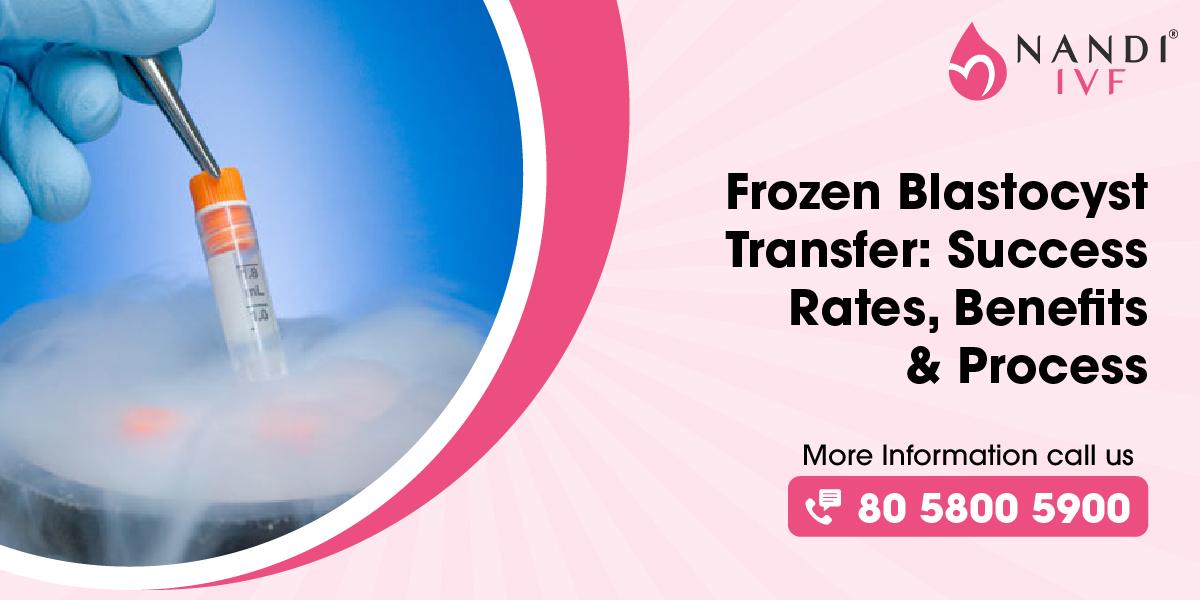
Frozen Blastocyst Transfer: Success Rates, Benefits and Process

Imagine freezing your present capabilities for your future hopes. Frozen yet brimming with a promise of bringing new life into the world. That’s the beautiful concept of Frozen Blastocyst Transfer, representing the fertility journey of infinite couples in the world. Isn’t it surprising how technology has given us the power to pause the miraculous conception at its critical stage and resume it when the body is healthy enough to accept it? 

Each frozen embryo narrates a tale of perseverance, patience and endless possibilities. Think of it as a magical wand turning dreams into reality. But what makes this breakthrough technology a massive hit amongst fertility treatments? Why are experts at the fertility centre in Delhi and other cities turning towards Frozen Blastocyst Transfer? Let’s explore the process, success rates and benefits of this mind-blowing innovation and appreciate how science aligns with nature to bring new life to the world. 

Frozen Blastocyst Transfer: Breaking Down the Procedure 

FBT is a specialised type of IVF in which previously frozen eggs and embryos are carefully thawed and transferred into the mother’s uterus at the right time. Think of it as supporting nature a little bit to perform its best. Let’s understand the procedure and see how amazing it is to be blessed by a mesmerising combination of science and nature: 

  • Preparing the uterine lining with prescribed medications and proper monitoring to ensure that the endometrium is suitably thick and healthy to nurture the embryo.
  • Followed by this, the frozen blastocyst is carefully thawed in a well-maintained lab environment. 
  • Transfer of the embryo is scheduled precisely at the time when the uterus is optimally receptive. This helps to align with the timing of natural conception.
  • Finally comes the transfer day when the embryo is gently placed in the uterus with the help of a catheter.
  • Once the transfer is done there comes a window of hope and anticipation. After 10-14 days a blood test is performed to check for pregnancy. 

Benefits of FBT: The Boon and Blessing For Couples 

A Frozen Blastocyst Transfer is more than just a treatment at the fertility centre in Delhi. It’s a surprise wrapped in hopes and promises of parenthood. Let’s see how it is a blessing for countless couples:

  • Higher implantation and pregnancy rates
  • Flexible scheduling to match the personal suitability like spacing
  • A lesser risk of complications like OHSS
  • Multiple attempts can be done from just an IVF cycle
  • Better hormonal synchronisation and uterine preparedness 
  • Opportunity to preserve embryos for the future.

Success Rates: Why You Should Choose FBT

You will be spellbound to know that FBTs are showing impressive success rates. Mostly comparable and sometimes even superior to fresh transfers, this advanced technique is redefining fertility treatments. The combination of proper embryo selection, accurate timing and commendable implantation rates, FBT is driving couples towards a fruitful path of giggles and lullabies. 

Summing Up

Helping aspiring parents chase a safer, smoother and more successful fertility treatment, FBT is emerging as a technology bridging nature and science. Syncing the transfer with the right timing to bloom, the little life is nurtured with careful steps and monitoring. So, to know more about the treatment, seek the top fertility centre in Delhi. Visit Nandi IVF to welcome your little baby into the world responsibly.

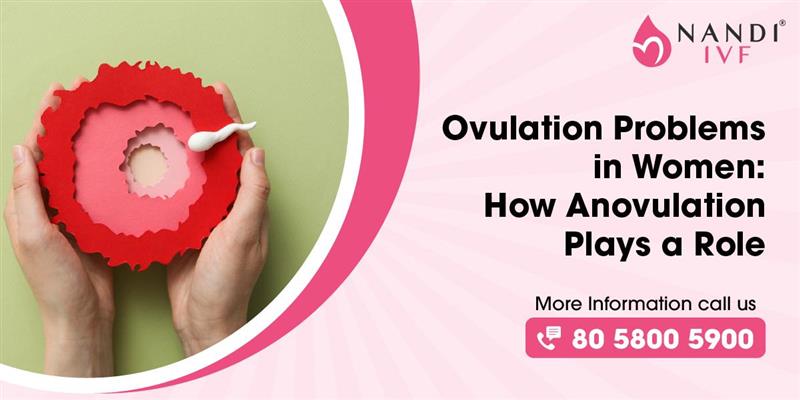
Ovulation Problems In Women: What Is Anovulation And Its Treatments

Are you facing a real challenge with fertility and conception? You are tracking calendars of your menstrual cycle, striving for a healthy lifestyle and avoiding intoxication yet getting pregnant feels like a distant goal. You googled it, tried every possible solution but nothing worked out? It’s because you are missing one of the most crucial events, ovulation. Yes, you heard it right. New lives emerge from tiny miraculous eggs or ovules released from a female’s ovary every month, and we call this process ovulation. 

When the body loses its harmony with the timings of egg release, it interferes with natural conception and even menstrual cycles. But there is nothing to stress about. There are many promising treatments available at the IVF centre in Delhi and other cities to drag couples out of the fog of ovulation problems and anovulation. Let’s learn more about abnormalities related to egg release and explore the solution to it.

Anovulation: Uncovering the Fertility Barrier

Think of your fertility cycle as a big event where ovulation is the main performance of the limelight. For the perfect presentation, everything from hormones to ovaries should be in sync. But sometimes, due to backstage hassles, the star performer, the egg, can not make it to the pedestal. That’s the medical condition, anovulation, where the ovaries fail to release eggs during the menstrual cycle. It is a hidden barrier of pregnancy, as without eggs, there can be no fertilisation and hence no conception. You will be shocked to know that its signs and symptoms are vague. You would still be getting your periods irregularly without realising that your ovaries are not working properly. 

Causes of Anovulation: Let’s Be Precautions 

Undeniably, fertility is a magical phenomenon of nature but even a minute fluctuation can disturb its outcomes. So, how can you stay a step ahead? The answer is to chase awareness. Anovulation is not an overnight process; it takes time to appear. It can be a consequence of the following :

  • Polycystic Ovarian Syndrome (PCOS)
  • Chronic stress can also lead to anovulation 
  • Weight fluctuations tend to interfere with hormonal balance
  • Thyroid disorders like hyperthyroidism and hypothyroidism are other culprits of anovulation 
  • Excessive exercise 
  • High prolactin levels

Treatment: Overcoming The Anovulation 

Is anovulation distancing you from your parenthood dreams? Well, a timely treatment can easily help you kick back anovulation and bloom your womb with a new life. Let’s see how:

  • Ovulation-inducing medications 
  • Lifestyle modifications like a balanced diet, stress management, healthy weight, etc.
  • Treating PCOS or thyroid disorders to recover ovulation 
  • IUI and IVF treatment in Delhi are there to support your pregnancy when medications don’t work.

Wrapping Up 

Undoubtedly, anovulation is a hurdle in your fertility journey. But sitting back with the reports is never the way. Explore your medical conditions and treat the underlying causes to tackle them mindfully. And what’s even more important to note is keeping hope. Advanced fertility treatments are waiting for your discovery to nurture your womb with countless dreams. To discuss your personal fertility care and get the right guidance, visit Nandi IVF now. The right path to parenthood is waiting for you.


Cost vs. Quality: Choosing an IVF Clinic in Delhi Without Compromising Care

Around 27.5 million couples in India face infertility, and the demand for treatments like IVF (In-Vitro Fertilization) keeps growing. If you’re in Delhi, finding the right IVF clinic can feel like a challenge. The city has countless options, and prices can vary wildly. But while affordability matters, cutting corners could cost you both emotionally and financially. Understanding factors like IVF Cost In Delhi and success rates together will help you make a better decision.

When comparing clinics, it’s important to look beyond just the price. A cheaper clinic might skip necessary procedures, while an expensive one doesn’t always guarantee better results. You need a place that balances quality care with transparent IVF Treatment Cost In Delhi.

This guide will help you find the Best IVF Clinic In Delhi. We’ll cover key points like success rates, technology, patient care, and also what to expect when reviewing IVF Charges In Delhi. By the end, you’ll know how to choose an IVF Clinic in Delhi that truly supports your goals.

The Importance of Choosing the Right IVF Clinic

Choosing an IVF clinic is a big decision. It can affect your chances of success, your emotional well-being, and your budget. The right clinic will give you clarity and peace of mind. On the other hand, picking the wrong one can leave you feeling stressed and let down. Don’t make the mistake of focusing only on IVF Procedure Cost In Delhi or thinking higher prices guarantee better care. Instead, look for a clinic that offers affordable options along with excellent medical support and modern treatments.

What to Look for in an IVF Clinic

Picking the right IVF clinic is a big decision as it can shape both your experience and results. Here’s what to think about so you can choose a clinic that feels right and gives you confidence in your choice:

Success Rates
Success rates show how effective a clinic is, but you need to dig deeper. Ask for clear data that matches your age and medical history. That way, you’ll get a better picture of what to expect.

Technology and Facilities
The tools and techniques a clinic uses can make a big difference. Ask if they have advanced options like embryoscope technology or genetic testing. These can boost your chances of success. Make sure the clinic stays up-to-date with the latest innovations.

Medical Team and Staff
Experienced doctors and a caring team can make your IVF journey easier. During your consultation, notice how the staff answers your questions. Do they listen to you? Do they make you feel supported? These are signs of a clinic that cares about its patients.

Reviews and Patient Experiences
Take time to read reviews from other patients. Their stories can tell you a lot about the clinic’s approach. Look for feedback about clear communication, patient comfort, and personalized care.

How to Make Your Choice

Consider all the factors: success rates, technology, patient care, and IVF Charges In Delhi. Write down your questions and schedule consultations with a few clinics. Trust your instincts and choose the one that feels right for you.

Final Thoughts

When choosing an IVF clinic in Delhi, it’s important to find the right balance between IVF Treatment Cost In Delhi and the quality of care you receive. Start by looking at the clinic’s success rates and the technology they use. A clinic with skilled doctors and modern facilities can offer you personalized care, even if it costs a little more.

But top-quality care doesn’t always come with a high price tag. Take Nandi IVF, for example. They prove that excellent fertility treatment can be both affordable and effective. By focusing on patient care and offering transparent details on IVF Procedure Cost In Delhi, Nandi IVF ensures that patients get the best IVF services without compromising on quality.

Cost Of IVF

Your desire to have a big and happy family can be tested in many different ways. But, the good news for everyone is that modern technology now allows you to fulfill this dream and get you closer to the family you wish to have. Now, you must be wondering that not everyone can afford that kind of treatment. While you may not be entirely wrong, if you break down the process into different stages, you will be able to plan and allocate the budget as you see fit. Where do I begin?

Firstly, the most important thing to do is consult a fertility specialist about the matter if you have already been trying for long.
Your fertility specialist will guide you and make a plan for you, based on which you will move ahead and prepare yourself for the future treatment plan.

Now you will undergo a fertility workup and a few tests and an ultrasound. After this, few couples are able to conceive only with a little guidance or minimal oral medicines/ fertility drugs.
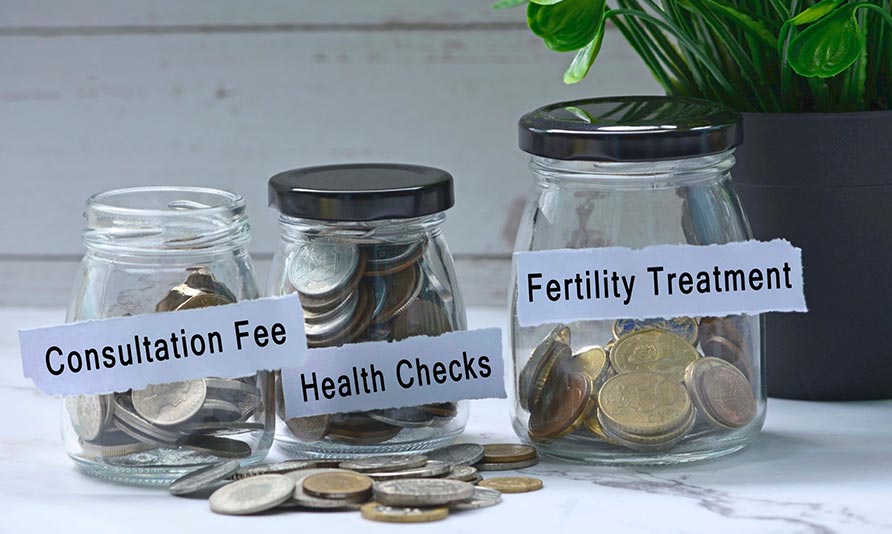
Rest of the couples will need further investigations and treatment. Now the cost depends upon the advanced tests recommended, and the treatment plan made for you e.g.— IUI/ IVF / ICSI/ Reproductive surgeries etc. This is where understanding the IVF Cost In Delhi becomes very important, so you can plan your finances early.

Let’s Focus on the IVF/ICSI Cycle

It includes 2 parts:

  1. The Fertility Injections

  2. The Lab and OT Procedure

The fertility/hormonal injections contribute to the major cost of the IVF cycle. The brand and the dosage used for ovarian stimulation determine the cost. At Nandi IVF, we use injections as per international standards. While the IVF Procedure Cost In Delhi varies from patient to patient, this stage usually contributes the most.

It is always best to go for the doctor-recommended medications, but you will have the option to go for the less expensive ones also, which can help manage the IVF Treatment Cost In Delhi better.

The second part starts with the OT and Lab. This includes the process of follicular monitoring, egg retrieval, fertilisation and embryo cultures in the lab, and embryo transfer. We, at Nandi IVF, take pride in having world-class infrastructure and equipment in IVF lab and OT, like modular IVF lab and OT with AHU (Air Handling Units) in both. This increases the chances of success and you getting pregnant, while also ensuring that the IVF Charges In Delhi you pay provide you with maximum value and transparency.

Post-Embryo Transfer Cost

This includes the supporting medication for two weeks required for the successful implantation. These medications also depend upon your age and your past history e.g. patients with multiple IVF failures or multiple miscarriages might need more medications.

When you test positive for pregnancy, then you get the option to shift to your family gynaecologist or you may stay back with us after a successful IVF cycle. The pregnancy follow-up packages are separate from the IVF cycle package, and these may add slightly to the overall IVF Treatment Cost In Delhi.

Are there Additional Costs?

Yes, there can be additional costs in case, apart from the IVF cycle, any other procedure is also required for you e.g., TESA, Hysteroscopy, Laparoscopy, ERA, PGS/ PGD, donor gamete / surrogacy. These extra procedures will naturally influence the IVF Charges In Delhi, but a clear cost breakdown will always be provided so you can plan accordingly.

For Estimated Cost of IVF in Delhi Visit the Below Link

Baby Loving Image

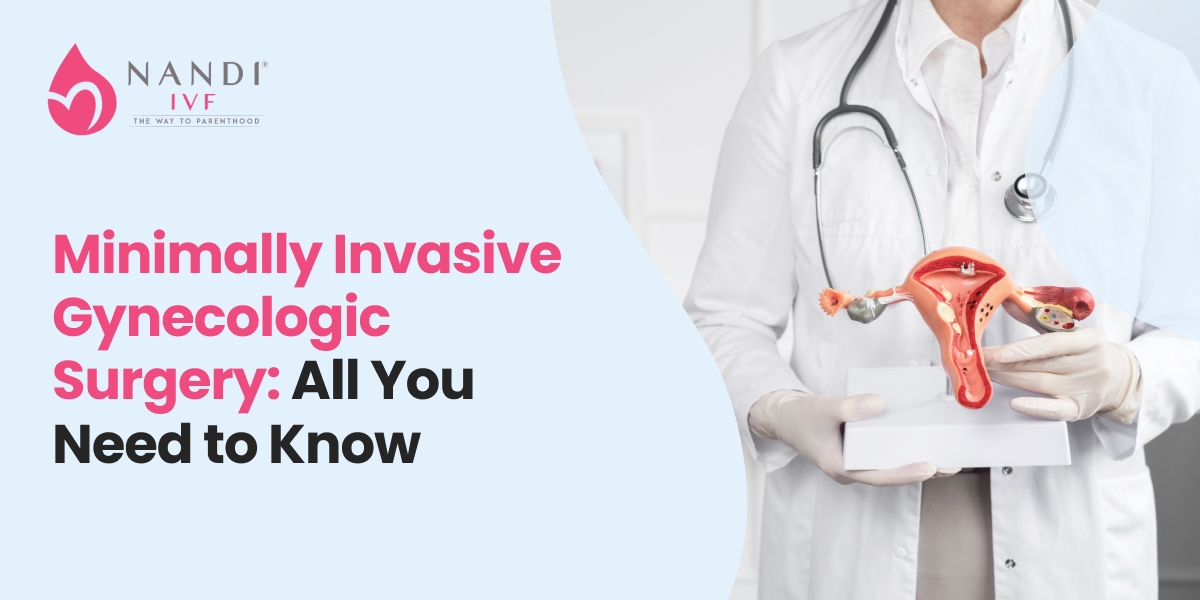
Minimally Invasive Gynecologic Surgery: All You Need to Know

From dreading a syringe in childhood to being afraid of surgeries when an adult, having a phobia is completely normal. But does it justify turning a blind eye to your uterine fibroids, ovarian cysts, polys or other gynecologic abnormalities? After suffering from one or the other issues, did you visit the hospital but could not gather courage to nod yes for open surgery? Well, not anymore! With minimally Invasive Gynecologic Surgery, you can say a good bye to your troubles without bothering with pain or invasion.

Yes, you heard it right. With advancing medical sciences, you need not to let your fear and discomfort stop you from getting a healthy femininity. So, let’s know more about it and get guidance from the best IVF doctor to flaunt your womanhood fearlessly.

Minimally Invasive Gynecologic Surgery: Let’s Surface The Incredible Science

Your mind might be buzzing with a question of what this method is all about? Well, we appreciate your curiosity. So, MIGS is a medical procedure involving tiny incisions or using endoscopes to scan the abnormalities inside the body. On the contrary of open surgeries which use large incisions, this method is a great alternative to treat successfully with fewer complications at all. Procedures like hysteroscopy to examine for abnormal bleeding and laparoscopy to look into pelvic anatomy generally come under MIGS.

Benefits Of MIGS: Unwrapping The Wonderful Innovation 

There were open surgeries doing their job nicely, then what is the need of MIGS? Why do we even have to consider it as an option? Well, the answers will surprise you, leaving your eyes wide open. So, without any bid, let’s go!

  • Reduced pain is one the most appreciated benefits of MIGS. As it involves smaller incisions, there is less tissue trauma and discomfort post treatment.
  • While open surgeries require a rest time of 6-8 weeks, patients can report to workplaces and continue normal routine within 1-2 weeks.
  • MIGS does not call for longer stays at hospitals or even it may be performed on an outpatient basis.
  • The procedure ensures to avoid excessive blood loss as well as scarring.
  • Lower risk of complications is a boon that comes along with MIGS. It helps you take a sign of relief without bothering about infections and other risks.

Who Should Opt For MIGS? 

Patients diagnosed with following health conditions should seek best IVF Doctor in Delhi to consider MIGS as a potential treatment option:

  • Pelvic Organ Prolapse 
  • Ovarian Cysts
  • Uterine Fibroids 
  • Uterine Polys
  • Ectopic pregnancy 
  • Heavy or painful periods 
  • Gynecologic cancers like cervical, ovarian and endometrial 
  • Endometriosis or pelvic pain

So, are you excited to experience the wonders of science in treating gynecologic problems? Let’s end the grapple with discomforting medical abnormalities by getting an appointment for the best IVF specialist in Delhi. Visit Nandi IVF and unlock a way to optimum health.

Frozen Blastocyst Transfer: Success Rates, Benefits, & Process

Picture this: you are waiting for your chance at an IVF centre in Delhi to get some guidance regarding fertility treatments. Now you interact with other patients and get to know about their scheduled frozen blastocyst transfer. Wait, what is frozen blastocyst transfer? Your mind is blown away with this unique treatment and suddenly you start to seek it as a potential solution. A few patients suggested it as a play-pause button to your assisted parenthood journey. 

So, basically, FBT allows couples to take charge of their fertility treatments and decide on the timings. But isn’t there anything more about it? Well, of course there is! It offers you flexibility, precision, and, many times, an improved success rate. Interesting? So, let’s get more ideas about this groundbreaking treatment.

Frozen Blastocyst Transfer: Diving Into Details

Before we jump into more specific information, let’s understand what FBT is. To get an insight into this procedure, you must first know about a blastocyst. So, it is a fertilised egg that has already developed for around five to six days. Now, when a frozen blastocyst is thawed and transferred to a patient’s uterus with the intention of pregnancy, the IVF is called Frozen Blastocyst Transfer. This method helps to choose a less invasive path of fertility treatments and allows for avoiding multiple cycles of egg retrieval. So, to start your parenthood journey, you can visit the best IVF hospital in Delhi and get personalized guidance regarding the same. 

Breaking down FBT: Let’s Understand the Process 

Every fertility treatment follows a set of steps. Likewise, during FBT, patients have to go through the following stairs to unlock the doors of joyful parenthood.

  • Hormonal Treatment in which estrogen medications are employed to prepare the uterine lining before implantation.
  • Ultrasound monitoring is performed to assess the thickening of the uterine lining and to check whether it’s ready for the transfer.
  • After preparing the uterus, the frozen blastocyst is thawed carefully.
  • This is followed by transferring the thawed blastocyst into the uterus with the help of a thin catheter.
  • Once done with these steps, a pregnancy test is performed to confirm the success of the procedure.

Benefits of FBT: Uncovering A Timeless Treatment 

After taking a tour down FBT, you must be curious about its uses and benefits. So, why not take a glance at the perks of opting for this treatment at the best IVF clinic in Delhi?

  • It offers flexibility. Couples can decide to stagger their treatment or even choose to pause till the timing suits them.
  • Being less invasive, the procedure aims to cut down the risks associated with ovarian stimulation and egg retrieval.
  • Compared to a fresh embryo transfer, FBT has been observed to offer improved success rates of implementation.
  • As the process involves the transfer of a single embryo, it eliminates the chances of multiple pregnancies.

So, are you ready to rock your fertility journey with FBT? Get the best services with a gesture of love and care only at Nandi IVF. We cater to your dreams and wishes with responsibility.

Bring A Baby Into Your Home With Nandi IVF

    Call Now Whatsapp Email
    //