Key Medical Takeaways
Essential highlights by Dr. Payal BajajLearn which investigations may be considered after recurrent implantation failure, including embryo, uterine, endometrial and fertility-related assessments.
Implantation failure can be expected to happen, but multiple recurrences raise great concern and warrant pausing routine implantation first to take time to thoroughly diagnose the causes.
Recurrent embryo transfer failure is the body’s way of signaling an abnormality that could be in the body or the gametes. The IVF process involves collection of eggs, fertilizing in the lab, embryo culture and then embryo transfer for pregnancy. All these stages are strategic and carefully timed for a successful implantation. When implantation failure occurs, the doctors may opt for another trial, but recurrent failure needs thorough analytical tests to check for the causes so that targeted treatment can be prescribed.
An embryo implantation failure should not make you lose hope and throw in the towel. Did you undergo thorough tests? Have you received treatments for the underlying causes? You may be close. Here is a blog that explains implantation embryo failure and recurrent implantation failure tests, with a guide to help you understand what it is about.
Understanding implantation failure in IVF
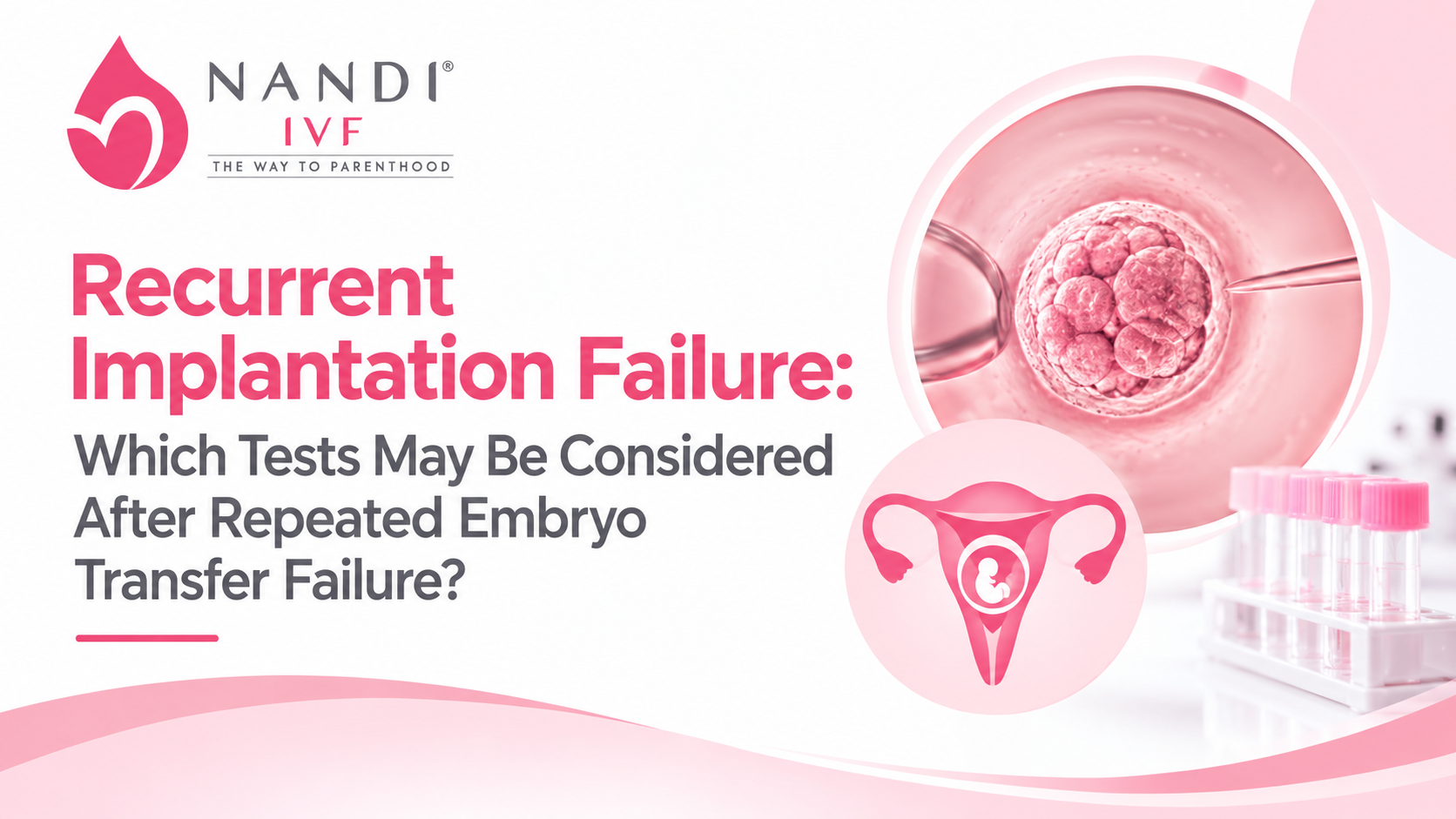
This is a state in which an embryo fails to attach to the uterine walls, resulting in a negative pregnancy result. A state in which this condition occurs 2 to 3 times is known as recurrent implantation failure, which is caused by a number of factors such as;
- Embryo factors
Implantation failure can occur due to hidden genetic flaws in the eggs that make implantation a problem.
- Uterine and endometrial factors
The uterine is expected to have a normal structure and have a normal functionality any slight abnormalities such as thin endometrium, submucosal fibroids and endometrial polyps can cause implantation failure.
- Displaced window implantation
A successful implantation has a narrow window, which is around 5 to 7 days after ovulation and progesterone starts. Misplaced timing can lead to implantation failure.
- Immunological and systemic factors
The individual may have autoimmune disorders that can impair normal blood flow which causes a rejection to the implantation.
What happens after recurrent failure?
Recurrent implantation IVF failure calls for recurrent implantation failure tests and questions for a thorough diagnosis to know the causes so that the specialist can prescribe targeted treatment and a personalized plan.
Here are the recurrent implantation failure tests that can be considered after repeated embryo transfer failure
- Embryo and genetic evaluation
These tests involve;
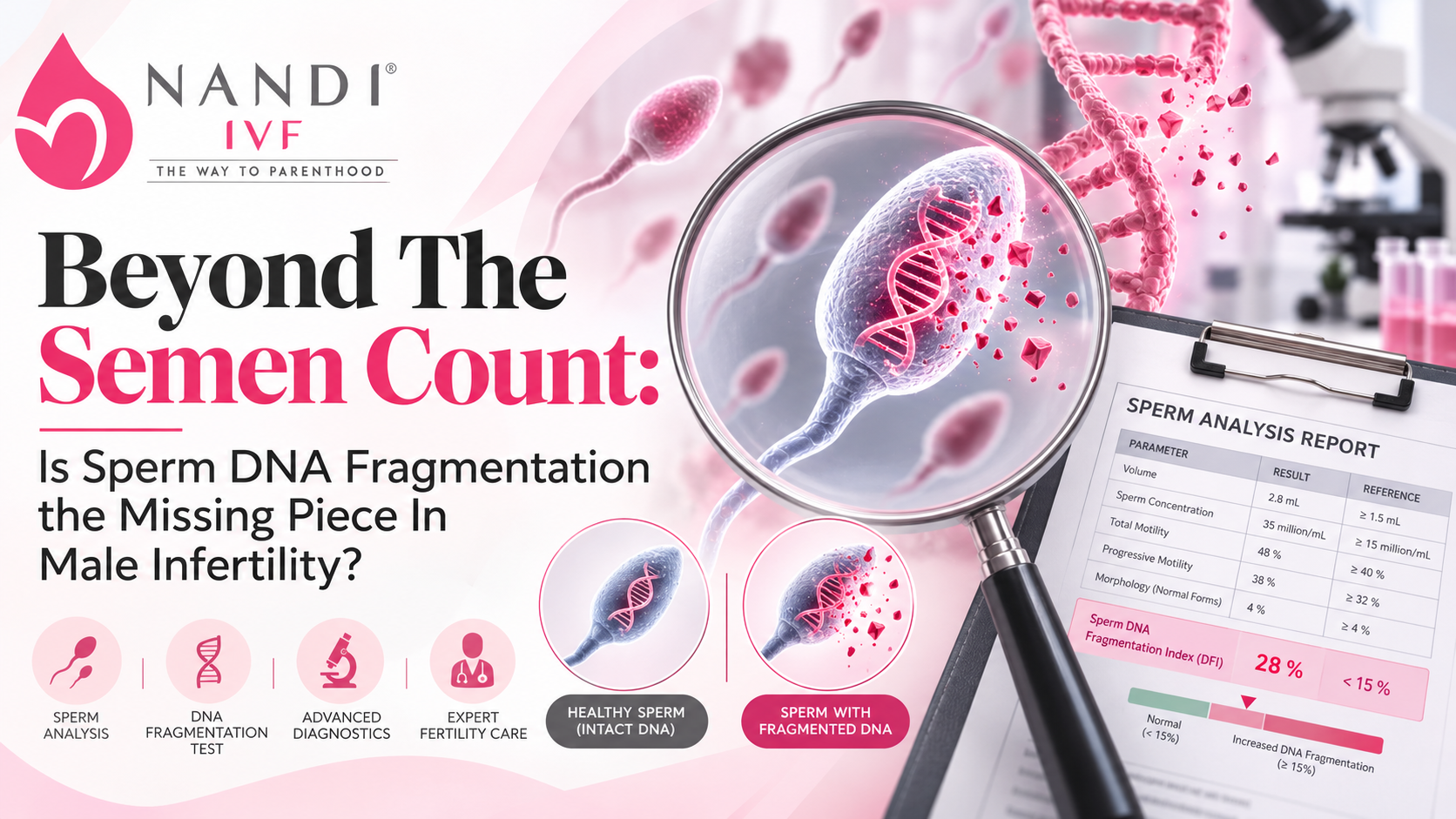
- Sperm DNA fragmentation: The partner’s sperm undergoes testing to check for genetic breakage, which can cause implantation failure.
- Reassessing gamete quality: The eggs are assessed to check for their quality, level of maturity and fertilization rate.
- Parental karyotyping: This test involves checking the parents' chromosomes to check for balanced translocations.
- Preimplantation genetic testing for Aneuploidies: This involves analysing chromosome numbers before transferring the eggs in case of any hidden genetic flaws.
- Uterine cavity and endometrial tests
- Endometrial receptivity analysis: This involves analysing the receptive window to know if the window for receptivity has shifted.
- Hydrosalpinx screening: This tests whether fluid-filled fallopian tubes are leaking toxic fluid into the uterus by using ultrasound.
- Bcl-6 testing: This involves checking for markers for hidden endometriosis in the uterus, which causes implantation failure.
- Endometrial biopsy for chronic endometritis: This involves a test for analysis of the state of the uterus to check for inflammation or infections.
- Diagnostic hysteroscopy: This is a test that is used to check for hidden polyps, intrauterine scar tissue or submucosal fluids.
- Systematic, hormonal and Immunological tests
- Autoimmune and immune markers: This is done to analyse natural killer cell activity to check for any immune disorders.
- Endocrine and metabolic profiles: This test involves checking for thyroid-stimulating hormone and blood sugar levels.
- Thrombophilia screening: This involves checking for blood clotting disorders, which affect the flow to the placenta.
What is the solution behind recurrent implantation failure?
The treatments provided are based on the underlying cause of implantation failure. They may involve;
- An advanced and personalized IVF plan for the individual advised by the specialist.
- The individual may undergo platelet-rich plasma therapy to improve endometrial lining.
- The individual may be given the option of an egg or embryo donor in case their own gametes are not viable.
- In case of immune disorders, the individual may undergo immunotherapy.
- In order to improve implantation, the individual may be requested to undergo hatching or blastocyst transfer.
Conclusion
It may be emotionally draining to experience multiple recurrent embryo implantation failure, take it one step at a time to go through the process as you ensure to manage your stress and ensure to communicate with your doctor, partner or loved ones so that you are comforted, strengthened and supported.
What you need is a medical support system that is well experienced in providing advanced tests and treatments, and Nandi IVF Centre provides recurrent implantation failure tests at Ashok Vihar, conducted by Dr Payal Bajaj and an exceptional team to help couples go through advanced tests and treatments.
References
The provided information is sourced from Tamara Hospital and IVF Centre, Fertility and Sterility, and Indira IVF, and is thoroughly researched and attested to help you receive the right information about embryo implantation failure, the causes and treatments.
Frequently Asked Questions
Common questions answered by Dr. Payal Bajaj
Can stress cause implantation failure?
Severe stress can be a culprit in causing hormonal imbalance, which disrupts receptivity for implantation.
How long do the treatments take to resume the implantation process?
This is highly dependent on the underlying cause and the severity of the condition, which is determined after diagnosis.
How can I prevent implantation failure?
It can be prevented by first ensuring thorough diagnostic processes before the implantation process and addressing the underlying causes.
Are the treatments included in the IVF cycle costs as well?
The implantation failure tests and treatment costs are separate from the IVF cycle procedure. The IVF implantation stage is placed on hold till the underlying cause is addressed.
Is there a difference between implantation failure and a miscarriage?
There is a significant difference between implantation failure and miscarriage. Implantation failure occurs when the eggs do not attach to the uterine walls, whilst miscarriage occurs after successful implantation.

Dr. Payal Bajaj
Senior IVF & Embryology Consultant with over 20+ years of specialized clinical experience in reproductive endocrinology, blastocyst culture, and complex recurrent IVF failure cases. Over 10,000+ healthy babies delivered.