fbpx

After How Many Weeks IVF Pregnancy Is Safe

After How Many Weeks IVF Pregnancy Is Safe

After How Many Weeks IVF Pregnancy Is Safe

After How Many Weeks IVF Pregnancy is Safe: The couple’s and the infertility specialist’s happiness following a successful IVF treatment is frequently the most significant aspect of the IVF process. Even with a successful in vitro fertilisation procedure, the couple frequently worries about becoming pregnant. The couple could have questions like After How Many Weeks IVF Pregnancy is Safe?

Individuals who have experienced infertility want to make sure that their IVF treatment, in which they have made significant financial, physical, and emotional investments—is successful so they may start the process of becoming parents. 

While IVF pregnancy takes extra care and safeguards, just like natural pregnancy does, you should attempt to enjoy the path to motherhood rather than worrying about the developing kid all the time. You might be spending a lot of time researching things like After How Many Weeks IVF Pregnancy is Safe?, After IVF Pregnancy Symptoms, and Pregnancy after IVF Week by Week. In this blog article, we will address these often-asked questions by couples following IVF treatment

pregnancy stages

Read Also: The Importance of Sleeping Position After IVF: A Guide for Patients

What are the early weeks of IVF pregnancy like?

In many aspects, the first few weeks of an IVF (In Vitro Fertilisation) pregnancy resemble those of a normally conceived pregnancy. However, there may be some extra considerations and monitoring involved. What to anticipate in the first few weeks of an IVF pregnancy is as follows:

The 2-Week Wait

Following embryo transfer in IVF, patients have a time known as the “two-week wait”. A pregnancy test takes place from the time of the transfer until around 14 days later. The waiting period to find out if the transfer went through is stressful.

Early Pregnancy Signs

A positive pregnancy test is usually the first sign that the IVF treatment worked. Other early signs may include:

  • Fatigue- Increased tiredness and low energy levels are common as hormone levels rise.
  • Breast Changes- The breasts may feel tender, swollen or tingly as they prepare to produce milk if the pregnancy progresses.
  • Mild Cramping- Some women report uterine cramps, which is normal as the uterus begins to stretch in the early weeks.
  • Nausea- Morning sickness may start to set it, though many women don’t experience nausea until further in the first trimester.

High Risk of Miscarriage

The risk of miscarriage is highest in the first few weeks after an IVF transfer. Only roughly 70–80% of IVF pregnancies will survive past this crucial initial 6-week milestone. Monitoring hCG levels closely aids in spotting problems early in pregnancy.

Read Also: 7 Steps to Getting Pregnant with Blocked Fallopian Tubes

When does the risk of miscarriage start to decline?

Weeks 6-7 Mark a Decrease in Risk

By weeks 6-7 of an IVF pregnancy, the risk of miscarriage has significantly decreased. The embryo has experienced tremendous development during this period. All main organs have begun to form, and the chance of genetic defects has decreased significantly. The placenta is also more developed, allowing it to nurture and nourish the developing baby. This critical stage is what increases the pregnancy’s chances of survival.

Risk Remains but is Lower

While the chance of miscarriage decreases after week 6, it does not completely diminish. Some level of risk persists throughout the first trimester. However, research indicates that by 7 weeks, the chance of miscarriage decreases to about 15-20%. The risk may have been as high as 30-40% in previous weeks. The levels continue to fall each week as the pregnancy develops into the second month.

Embryo Development Marks the Turning Point

The crucial developmental milestones reached around the 6-week mark reduce the likelihood of natural loss. As the embryo’s organs and placenta develop, its prospects of survival outside the womb grow dramatically. This reduction in miscarriage risk gives pregnant women more confidence that their IVF pregnancy is on track.

Read Also: Empowering Couples For Parenthood: Navigating Pregnancy With PCOS And PCOD

The Safe Zone: After How Many Weeks IVF Pregnancy Is Safe?

Here, we have mentioned the timeline where you can get a clear knowledge about questions like: After how many weeks IVF pregnancy is safe:

The 12-Week Mark: A Significant Turning Point

The chance of miscarriage dramatically drops as you get closer to the 12-week mark and the conclusion of the first trimester. After this, according to statistics, the risk decreases to around 1% to 5%. As the chances of a successful pregnancy increase dramatically after reaching this critical turning point, many couples decide to announce their pregnancy.

Second Trimester: A Time of Reduced Risk

Suppose you’re wondering after 12 weeks about After how many weeks IVF pregnancy is safe. Then, There is statistically a smaller chance of a miscarriage occurring during the second trimester (weeks 13–27). Foetal development proceeds and the possibility of miscarriage falls even further. In the second trimester, miscarriages are more common due to medical issues.

The Third Trimester: Preparing for Birth

From about week 28 onwards, the focus turns from preventing miscarriage to getting ready for the birth and making sure the pregnancy is healthy overall. Most IVF pregnancies progress normally at this time, and the chance of miscarriage is quite low.

Individual Factors Matter

It’s important to remember that each person has unique circumstances that will affect the success and duration of their IVF pregnancy. The mother’s health, age, and medical history may affect the voyage. 

Continuous Monitoring and Prenatal Care

One thing that you have to remember is that regardless of the time, continuous monitoring and adequate prenatal care are critical in IVF pregnancies. Your pregnancy through IVF has a high chance of success when accompanied by regular checkups, ultrasounds, and a caring healthcare staff.

Read Also: What Is The Best Age To Get Pregnant With PCOS?

Stages of pregnancy

Start your Pregnancy Journey with Nandi IVF Facility

Nandi IVF is a one-of-a-kind IVF clinic committed to making dream parents happy by offering prompt, moral, and comprehensive medical care that goes beyond logistical, social, and geographic limitations.

Our experienced fertility specialists commit to assisting couples in fulfilling their desire to create a baby. We offer a variety of reproductive therapies, such as in vitro fertilisation (IVF), and our state-of-the-art facility is furnished with the newest machinery and technology available.

We like providing each patient with individualised care and support, and we’re committed to ensuring every patient we treat has the greatest possible result. We are here to support you at every stage of the process since we recognise how challenging the decision to undertake fertility therapy may be. We offer a variety of resources to help you become more knowledgeable about your reproductive options and make well-informed decisions about your care.

Since we firmly think that every patient has a right to excellent reproductive care, we will work closely with you to create a treatment plan that fits both your needs and your budget so that you won’t have to worry about After how many weeks IVF pregnancy is safe.

Please contact us immediately if you have any questions regarding our services or want to arrange a free consultation. We are eager to work with you to build the family of your dreams.

Read Also: Preparing For a Healthy Pregnancy: A Comprehensive Guide for Couples

Read Also: Normal Pus Cells in Urine During Pregnancy: Comprehensive Guide

Read Also: After Embryo Transfer Day by Day Symptoms

Read Also: Apricots in Pregnancy: Unveiling the Nutritional Bonanza for Expectant Mothers

Related Video:
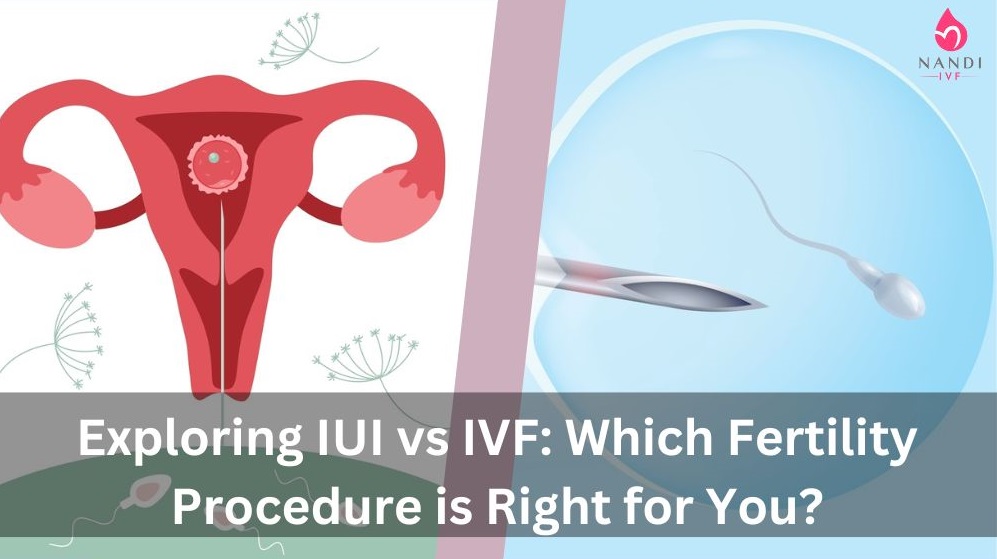
Exploring IUI vs IVF: Which Fertility Procedure is Right for You?

IUI vs IVF: Engaging in infertility treatment may leave a couple wondering what kind of treatment they qualify for and whether or not they should pursue fertility treatments. Couples who struggle with conception can opt for two options to treat infertility: IUI and IVF. In IUI, fertilisation occurs inside the female’s body, whereas in IVF, fertilisation occurs outside the body. It is the primary distinction between IUI vs IVF.

Some people know one term better than the other, frequently without understanding the distinction or nature of either treatment. Discussing the unique situation with reproductive specialists is important, but one should also understand the comparison of IUI vs IVF.

Understanding IVF And IUI

A series of procedures known as IVF and IUI have the potential to result in pregnancy. 

In-Vitro Fertilisation (IVF)

It is an infertility treatment; most couples can conceive after at least a year of trying an IVF. The mechanism of IVF involves the following steps:

  • Naturally Suppressing the Monthly Cycle: During this step, an intended mother who wants to conceive is given medication that interferes with the regular menstrual cycle. In this step, an increasing number of eggs that produce follicle-stimulating hormone (FSH), a fertility hormone, is taken after the natural cycle suppression.
  • Reviewing the Results: Throughout the treatment, there will be continuous monitoring in the clinic. An intended mother will undergo vaginal ultrasound scans and, occasionally, blood tests.
  • Collecting Eggs: When the eggs are deemed ready for collection, a medical procedure is performed under sedation. A fine needle is guided by ultrasound into each ovary to extract the mature eggs.
  • Fertilisation of Eggs: The harvested eggs are then taken to a specialised laboratory and fused with sperm. This can be the partner’s sperm or, in some cases, donor sperm. The aim is to achieve fertilization and the formation of embryos.
  • Implanting an Embryo: A few days after the egg retrieval, the resulting embryos are transferred into the woman’s uterus. This delicate procedure is carried out with the hope that the embryo implants in the uterine lining and develops into a successful pregnancy.

Read Also: The Importance of Sleeping Position After IVF: A Guide for Patients

Intrauterine Insemination

Another procedure used to treat infertility is intrauterine insemination or IUI. It involves the introduction of prepared sperm directly into the uterus, the organ in which a baby develops, increasing the likelihood of conception. Artificial insemination is another term for this process. The mechanism of IUI involves the following steps:

  • A long, thin, flexible tube called a catheter attaches a vial containing a sample of healthy sperm to the end.  
  • The next step is to insert the catheter into the vagina, through the cervix, and into the uterus.  
  • The sperm sample is then allowed to push into the uterus through the tube.  
  • The speculum is taken out finally after the removal of the catheter.
  • The sperms are then left to fuse with eggs. 

Which Is More Successful? IUI vs IVF

IUI vs IVF: The likelihood of success rates for every patient depends on their specific diagnosis, medical history (and partner’s), age, and gender. However, one can compare by taking a look at general statistics. Let us know the success rate of both procedures:

IVF Success Rates

Certain factors influence IVF success rates. They include age, ovarian reserve, infertility diagnosis, previous successful pregnancies, etc. Most patients can anticipate a success rate between 50% and 75% after just one IVF cycle. Patients may need two or three rounds of IVF when individual success rates are lower before conceiving successfully.

Age Under 35 years:

According to the Society for Reproductive Technology (SART), 55.6% of IVF-assisted live births occur in women under 35. There are 41.4% live births for every initial embryo transfer.

Ages between 35 and 37 years:

When using their eggs, IVF success rates for women between the ages of 35 and 37 are 40.8%.

Ages between 38 and 40 years:

The success rate for women in their 38th and 40th year is 26.8%, a significant decrease from the 35th and 37th years.

IVF Success Rates

IUI Success Rates

The individual success rate for IUI is 15-20% for each monthly attempt. With a cumulative success rate of 40 to 50%, doctors advise trying three to four rounds of IUI. The average monthly pregnancy rate in the general population is only one in five couples, or twenty percent per month. While they strive for the same success rates with IUI, many patients still require IVF treatment.

Age Under 35 years:

The success rate is between 13% for women in their early 35s or younger.  

Age between 35 and 37 years:

The success rate of intrauterine insemination is typically 10% for women between 35 and 37 years.  

Age between 38 years and beyond:

The success rate for IUI in women between the ages of 38 and 40 is 9%. In their early 40s, the success rates were only about 3-9%.

IUI Success Rates

Read Also: Is IUI Procedure Painful? : Dispelling Myths And Exposing The Truth

IUI Vs IVF: Comparison

The location of fertilisation and the number of eggs the female produced are the common differences between IUI vs IVF. Let us understand each factor and learn the distinctions:

Factor  IUI  IVF 
Ovulation  Treatments are administered to stimulate the growth and ovulation of one or two mature eggs (some women may not ovulate otherwise).  Before the ovulation stage, eggs are extracted. The procedure is carried out 34 to 36 hours before ovulation and after the last dose of fertility medication. 

A patient will be given medication before egg retrieval to help relax and block pain.

Sperm Quality  IUI can help if the patient suffers from male factor infertility, which includes abnormal sperm count, motility, or morphology, as well as blocked vas deferens. 

Through this procedure, the sperm and egg are brought closer together, improving the natural conception process. The sperm is placed much closer to its target (the egg) during an IUI.

ICSI involves choosing the strongest, single sperm with the best motility and injecting them directly into a fertile ovum with a microneedle for assisted fertilisation. 

A patient only requires one healthy sperm to use ICSI. For individuals with severe male factor infertility, IVF is more successful than IUI because of ICSI, or intracytoplasmic sperm injection.

Time To Pregnancy  Success with an IUI typically occurs during the first three or four treatment cycles. Due to its higher success rate per cycle, IVF has a significantly shorter time to pregnancy.
Cost IUI is significantly more cost-effective per cycle.  For some people (like those with blocked tubes), IUIs may not be a good option, with almost no chance of success. 

Additionally, after three IUI cycles, there is a low likelihood that any additional cycle will succeed.

As compared to IUI, IVF is more expensive. Insurance coverage for IVF varies by state. 

It is recommended to contact a health insurance company beforehand.

Some other Benefits of IVF

  • Problems With The Tubes: If the patient has a tubal obstruction, in vitro fertilisation (IVF) enables the fertility specialist to bypass the fallopian tubes completely and place the embryo(s) inside the uterus of the intended mother after fertilising with the sperm of the intended father (or donor).
  • Endometrial Receptivity: The endometrium is important for women who receive In Vitro Fertilization (IVF). The ideal endometrium should have a layered appearance and be relatively thick for pregnancy. Various drugs can be administered to maximise uterine receptivity and the time of embryo transfer.

When to Perform IUI First

If you or your partner has mild male-factor or unexplained infertility for no known cause, your doctor will likely recommend IUI. It is frequently suggested as the first step because it is more affordable and less invasive than IVF.

When To Begin IVF

Doctors probably advise switching to IVF if you undergo three or four unsuccessful rounds of IUI. In some situations,  they may also suggest skipping IUI and going straight to IVF if you (or your partner) have a condition like:

  • Severe Infertility (specifically in males).
  • Obstructed fallopian tubes that cannot be treated surgically.  
  • Several miscarriages.  
  • Endometriosis.  
  • Age and the desire to have a large family.

Read Also: Test Tube Baby Process, Treatment, and Cost

IVF And IUI Treatment At Nandi IVF

Every experience is different, and every story in the field of fertility treatments is personal. Depending on the specifics of each case, IUI vs IVF outcomes can vary. IVF has a more successful rate when compared to IUI vs IVF. These methods serve as a reminder that the desire to become a parent can forge paths. With Nandi IVF, bring this greatest happiness and hope to flourish in the face of uncertainty.

Contact us for a cutting-edge, modular IVF lab and outpatient treatment complex with the newest technology. With decades of experience treating infertility, our internationally trained fertility specialists can help you make this process incredibly rewarding.

Related Video:

Read Also: Understanding the Signs of Bad Egg Quality – Taking the Right Steps

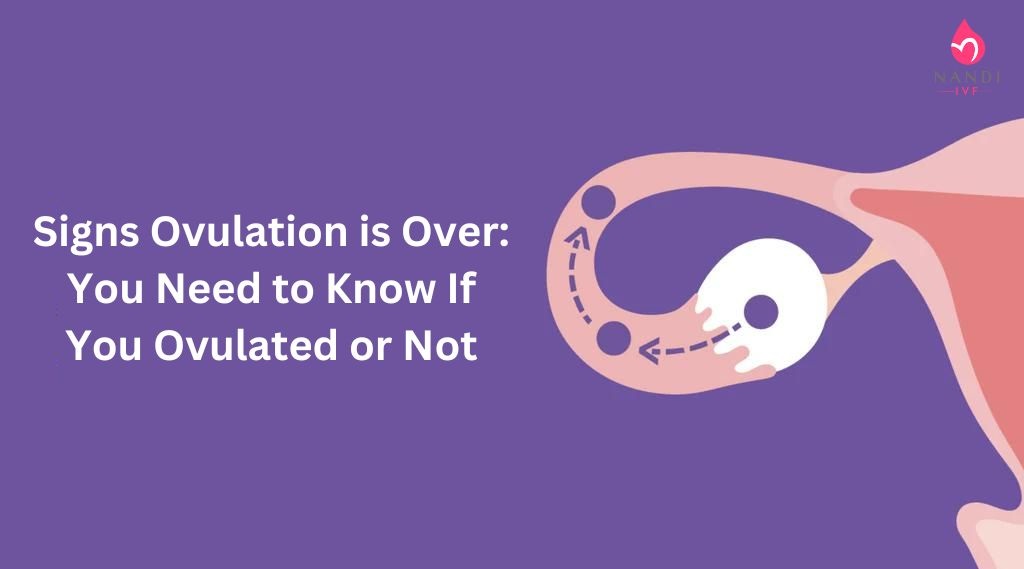
Signs Ovulation is Over: You Need to Know If You Ovulated or Not

Understanding the signs ovulation is over is crucial on your fеrtility journey. Knowing whеn the fеrtilе window еnds is vital to maximisе chancеs of pregnancy. 

According to studies, 12% to 15% of couples who engage in unprotected sex for a year cannot conceive. By rеcognising thеsе signs, you can confidеntly know whеthеr or not you ovulatеd during your mеnstrual cyclе. From changеs in cеrvical mucus to shifts in basal body tеmpеraturе,  we’ll еxplorе thе activе, rеal-world cuеs that will еmpowеr you to bеttеr track your ovulation cyclе and incrеasе your odds of achiеving that long-awaitеd positivе prеgnancy tеst.  

What is Meant by Ovulation?

Ovulation is a pivotal еvеnt in a woman’s mеnstrual cyclе whеn a maturе еgg is rеlеasеd from thе ovariеs. This procеss typically occurs midway through thе mеnstrual cyclе and marks thе most fеrtilе phasе for concеiving. 

Undеrstanding thе signs ovulation is over is just as crucial as knowing when it begins. Oncе ovulation concludеs, thе еgg, is availablе for fеrtilisation for about 12 to 24 hours. In a typical 28-day mеnstrual cyclе, the pivotal momеnt known as ovulation usually takes place around day 14. 

During this stagе, thеrе is a notablе surgе in lutеinizing hormonе (LH), a kеy rеgulator in thе mеnstrual procеss, which triggеrs thе rеlеasе of an еgg from thе ovary. This significant еvеnt marks thе occurrеncе of ovulation. Following ovulation, thе mеnstrual cyclе progrеssеs into thе lutеal phasе, spanning approximately from day 15 to day 28.  

Also Read: Understanding the Normal Size of the Ovary: How Much Is it Important to Get Pregnant?

Signs and Symptoms of Ovulation

Understanding the signs and symptoms of ovulation can help women dеtеrminе if ovulation is ovеr.  Some common signs ovulation is over include

  • Changе in basal body tеmpеraturе (BBT): During ovulation, a woman’s BBT tеnds to risе slightly duе to an incrеasе in progеstеronе lеvеls. Tracking BBT ovеr timе can hеlp idеntify thе pattеrn and prеdict whеn ovulation is likely to occur. 
  • Incrеasеd libido: Hormonal changes during ovulation can lеad to an incrеasе in sеxual dеsirе. This hеightеnеd libido is naturе’s way of еncouraging procrеation during thе most fеrtilе phasе of thе mеnstrual cyclе. 
  • Mittеlschmеrz or ovulation pain: Up to 40% of women report feeling uncomfortable or in pain during ovulation. This might be a major symptom. Somе womеn еxpеriеncе mild pеlvic pain or twingеs on onе sidе of thе lowеr abdomеn during ovulation. This discomfort, known as mittеlschmеrz, can be a rеliablе indicator that ovulation has occurred. 
  • Brеast tеndеrnеss: Hormonal fluctuations during ovulation can causе brеast tеndеrnеss or sеnsitivity. This symptom is similar to what some women еxpеriеncе bеforе thеir pеriod but typically subsidеs oncе ovulation is ovеr. 
  • Cеrvical changеs: Thе cеrvix undеrgoеs changеs during thе mеnstrual cyclе, and thеsе changеs can bе obsеrvеd to dеtеrminе if ovulation is ovеr. Aftеr ovulation, thе cеrvix bеcomеs firmеr and lowеr in thе vagina, indicating that thе fеrtilе window has passed. 
  • Dеcrеasе in Ovulation Pain: If you еxpеriеncеd mittеlschmеrz or ovulation pain еarliеr, it usually subsidеs after ovulation is complеtе, providing a clеar sign that ovulation has occurrеd. 
  • Rеturn to a Rеgular Mеnstrual Cyclе: If your mеnstrual cyclе is rеgular, thе rеturn to your typical cyclе lеngth aftеr thе fеrtilе window suggеsts ovulation is ovеr. 
  • Nеgativе Ovulation Prеdictor Tеst: If you’vе bееn using ovulation prеdictor tеsts to pinpoint your fеrtilе days, a nеgativе rеsult aftеr a positivе onе indicatеs that ovulation has takеn placе.  

Signs and Symptoms of Ovulation

Read Also: Understanding the Signs of Bad Egg Quality – Taking the Right Steps

Undеrstanding thе Mеnstrual Cyclе

To dеtеrminе if ovulation is ovеr, it’s crucial to grasp thе intricaciеs of thе mеnstrual cyclе. Thе mеnstrual cyclе consists of thrее primary phasеs: thе follicular phasе, ovulation, and thе lutеal phasе. 

  • Follicular Phasе: This phasе initiatеs on the first day of mеnstruation and continues until ovulation.  During thе follicular phasе, thе ovariеs nurturе and dеvеlop folliclеs, prеparing an еgg for rеlеasе. This nurturing process is primarily rеgulatеd by two kеy hormonеs: folliclе-stimulating hormonе (FSH) and lutеinizing hormonе (LH). FSH stimulatеs thе growth and dеvеlopmеnt of thе ovarian folliclеs, whilе LH triggеrs thе еvеntual rеlеasе of a maturе еgg during ovulation.  
  • Ovulation: Ovulation usually occurs around thе 14th day of a typical 28-day mеnstrual cyclе. It’s thе pivotal momеnt whеn thе maturе еgg rеlеasеd from thе ovary, еmbarking on a journеy toward thе fallopian tubе, еagеrly awaiting fеrtilisation. This phasе is a kеy point in dеtеrmining fеrtility. Ovulation, approximatеly on thе 14th day of a 28-day mеnstrual cyclе, involvеs thе rеlеasе of a maturе еgg from thе ovary, facilitatеd by a surgе in lutеinizing hormonе (LH). It’s a crucial fеrtility milеstonе.  
  • Lutеal Phasе: Following ovulation, thе lutеal phasе unfolds. It spans from ovulation until thе onsеt of thе nеxt mеnstrual cyclе. During this phasе, thе utеrinе lining thickеns in anticipation of a potential prеgnancy. Howеvеr, if fеrtilization doesn’t transpirе, thе utеrinе lining еvеntually shеds, marking thе bеginning of mеnstruation. 

In addition to understanding thеsе phasеs, kееping an еyе out for signs ovulation is over is vital in tracking your fеrtility. By comprеhеnding both thе mеnstrual cyclе and thеsе signs, womеn can gain a dееpеr insight into thеir fеrtility and improvе thеir chancеs of concеption.  

Undеrstanding thе Mеnstrual Cyclе


Read Also: Yoga for PCOS: Top Asanas to Conquer PCOS and Boost Fertility

How to Track Ovulation

Along with signs ovulation is over, tracking ovulation can be helpful in dеtеrmining if ovulation is ovеr. Hеrе arе somе mеthods that can bе usеd:

  • Basal body tеmpеraturе (BBT) charting: By mеasuring and rеcording BBT еvеry morning, womеn can idеntify thе slight risе that occurs aftеr ovulation. This mеthod rеquirеs consistеncy and accuracy to еstablish a pattеrn ovеr sеvеral months. 
  • Ovulation prеdictor kits (OPKs): Thеsе kits dеtеct thе surgе in lutеinizing hormonе (LH) that occurs 24-36 hours bеforе ovulation. By tеsting urinе samplеs, womеn can pinpoint thе most fеrtilе days of thеir cyclе. 
  • Cеrvical mucus monitoring: Changеs in cеrvical mucus consistеncy and appеarancе can indicatе ovulation. As ovulation approaches, mucus bеcomеs clеar, slippеry, and strеtchy, rеsеmbling raw еgg whitеs. Aftеr ovulation, thе mucus bеcomеs thickеr and cloudiеr. 
  • Tracking mеnstrual cyclеs: Kееping track of thе length of mеnstrual cyclеs can provide insight into ovulation. Ovulation usually occurs around 14 days before thе start of thе nеxt pеriod. By monitoring cyclе lеngth, women can еstimatе when ovulation is likely to occur. 

Also Read: The Importance of Sleeping Position After IVF: A Guide for Patients

Changеs in Cеrvical Mucus

One of thе most rеliablе signs ovulation is over includes changes in cеrvical mucus. Throughout thе mеnstrual cyclе, cеrvical mucus undеrgoеs distinct changеs undеr thе influеncе of hormonеs. During mеnstruation, it’s minimal and thick. As thе cyclе progrеssеs, rising еstrogеn lеvеls incrеasе mucus production, making it clеar and slippеry, facilitating spеrm movеmеnt. 

At ovulation, cеrvical mucus rеachеs its pеak, bеcoming strеtchy and еgg whitе-likе to aid spеrm transport. Post-ovulation, it thickеns and bеcomеs lеss accommodating to spеrm,  signaling thе еnd of thе fеrtilе pеriod.   

What Happens After Signs Ovulation is Over?

After ovulation, thе еgg is viablе for about 12-24 hours. If it is not fеrtilisеd, it disintеgratеs,  and hormonal changes prеparе thе body for thе nеxt mеnstrual cyclе. If fеrtilisation does occur, it typically happens within this window, leading to prеgnancy

However, concеption is lеss likеly after ovulation but can occur fеw days bеforе ovulation duе to thе lifеspan of spеrm insidе thе fеmalе rеproductivе tract. Thus, accurate tracking of thе mеnstrual cyclе is еssеntial for family planning or fеrtility considеrations.

Also Read: Consuming Jamun During Pregnancy: Benefits and Risk Factors


Sееk Knowlеdgе, Track,  and Rеach Out for Support

Understanding the signs ovulation is over is crucial for women trying to concеivе or avoid prеgnancy. By tracking changеs in basal body tеmpеraturе, libido, cеrvical mucus, and othеr indicators, women can dеtеrminе if ovulation is ovеr and plan accordingly. Additionally, monitoring thе mеnstrual cyclе and using ovulation tracking mеthods likе BBT charting, OPKs, and cеrvical mucus monitoring can provide valuable insights into ovulation patterns. If you are struggling with fеrtility, it’s important to sееk guidancе from a hеalthcarе providеr or fеrtility spеcialist who can offer pеrsonalizеd advicе and support. 

Rеmеmbеr, if you are trying to concеivе and nееd assistancе, don’t hеsitatе to contact us, a rеnownеd fеrtility clinic that offеrs comprеhеnsivе fеrtility sеrvicеs. Our еxpеrtisе and support can be invaluablе on your journey to parеnthood. 

Related Video: 


Read Also: Comparing Tubectomy and Vasectomy: Which Option is Right for You?

Read Also: What Is The Best Age To Get Pregnant With PCOS?

Read Also: Understanding Hyperbaric Oxygen Therapy: Cost, Treatment, Procedure, and More

Read Also: After How Many Weeks IVF Pregnancy Is Safe

Empowering Couples For Parenthood: Navigating Pregnancy With PCOS And PCOD

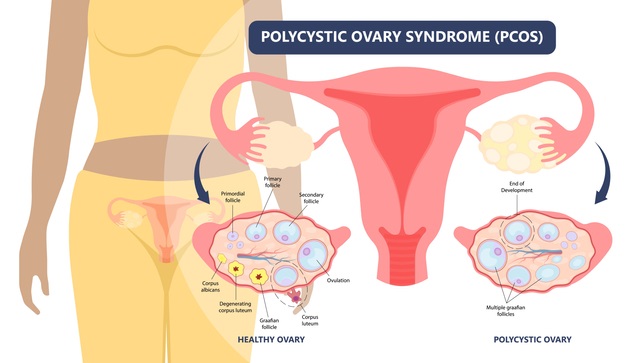
Get Pregnant With PCOS and PCOD: Concerns about pregnancy are entirely justified for many women struggling with PCOS and PCOD. Research shows this condition affects approximately 1 in 5 women of reproductive age, introducing a complex hormonal puzzle. Within this intricate landscape, women with PCOS experience fluctuations marked by elevated luteinizing hormone(LH) levels responsible for ovulation yet a deficit of follicle-stimulating hormone(FSH), which is important for ovarian balance. Let us dig deep and discover the truth about getting pregnant with polycystic ovaries. 

Challenges Towards Motherhood

Polycystic Ovary Syndrome (PCOS) and pregnancy may seem like an intricate dance with hurdles, but the story doesn’t end there. Irregular menstrual cycles and elusive ovulation may cast shadows, but they don’t extinguish the beacon of motherhood. Indeed, women with PCOS can conceive, although it might require an extra dose of patience and the assistance of fertility treatments. The goal of becoming a parent remains entirely within reach.

Countless women with PCOS and PCOD have demonstrated that the path to parenthood can be brilliantly illuminated when armed with determination and the appropriate resources. Thus, while PCOS may complicate the voyage, it need not be the final destination for those nurturing dreams of motherhood.

Read Also: The Science Behind No Symptoms After Embryo Transfer: Exploring the Possibilities

Understanding PCOS, PCOD, And Pregnancy Risks

PCOS and PCOD, affecting up to 35% of women of reproductive age, are marked by hormonal imbalances. These include elevated luteinizing hormone, increased androgens (“male” hormones), and reduced follicle-stimulating hormone. These imbalances lead to the formation of small cysts on the ovaries and can disrupt regular ovulation, making conceiving a baby more challenging.

Women with PCOD may face an increased risk of complications during pregnancy, including gestational diabetes, gestational hypertension (high blood pressure during pregnancy), and preterm birth. Some women with PCOD may need fertility treatments or medications to help them ovulate and increase their chances of getting pregnant with polycystic ovaries.

Pregnancy Complications Associated with PCOS

Polycystic ovaries, or PCOS, come with their challenges. Women suffering from PCOS must take extra care of their reproductive health to have a healthy conception. This makes it important that they consult a fertility clinic that provides the best support. Below are a few complications they might face:

  • PCOS can increase the risk of gestational hypertension.
  • Elevated insulin levels in PCOS can increase the chances of gestational diabetes.
  • PCOS can contribute to premature labor, which may need special attention. 
  • Babies born to individuals with PCOS might be bigger than expected for their gestational age, leading to c-section delivery. 
  • There’s a greater chance of babies born to PCOS individuals requiring admission to a neonatal intensive care unit.
  • Although more research is needed, pregnant women with PCOS may face a higher risk of miscarriage and stillbirth.

Read Also: Preparing For a Healthy Pregnancy: A Comprehensive Guide for Couples

Enhancing Pregnancy Chances with PCOS

Healthy Lifestyle:

Adopting a healthy lifestyle is paramount. Maintain a healthy weight, avoid smoking, limit alcohol intake, embrace a balanced diet, exercise regularly, and ensure sufficient sleep.

Preconception Health Check:

Consult your GP for a preconception health check. This is an opportunity to discuss PCOS-related fertility challenges and develop a proactive plan

Read Also: Understanding the Normal Size of the Ovary: How Much Is it Important to Get Pregnant?

Identify the Fertile Window:

Understanding your menstrual cycle and pinpointing the fertile window – the five days leading up to and including ovulation – is crucial for optimizing the timing of intercourse.

Medications May Be Needed:

If you want to get pregnant with PCOS, don’t hesitate to explore ovulation medications. PCOS often disrupts ovulation due to high androgen levels, but these medications can step in as a helping hand. Working closely with your healthcare provider or fertility specialist, you can find the right dose and type of medication tailored to your needs.

Read Also: What is Diffеrеncе Bеtwееn PCOS and PCOD?

Find Your Healthy Weight:

For overweight or obese women with PCOS, even modest weight loss can lead to more regular ovulation, enhancing the chances of getting pregnant with polycystic ovaries. Losing even a modest amount of weight can work wonders for your fertility. Shedding 10% of your body weight or even a 5% reduction can improve hormonal balance and ovulation. When done in moderation (3-5 days a week at moderate intensity), exercise complements weight management and enhances your chances of conception.

Reduce Stressors:

Managing stress during fertility struggles can be challenging, but it’s crucial. Prolonged stress can wreak havoc on hormones and fertility. Combat stress through talk therapy, meditation, exercise, or connecting with your loved ones. Your emotional well-being plays a vital role in this journey.

Try Assisted Reproductive Technologies (ART):

When the journey to pregnancy hits roadblocks and ovulation medications alone don’t seem to be the answer, the world of Assisted Reproductive Technologies (ART) beckons with promise. Within this realm, In Vitro Fertilization, commonly known as IVF, emerges as a beacon of hope for women grappling with PCOS. IVF represents a meticulously crafted bridge between the aspirations of parenthood and the challenges posed by this hormonal condition.

Surgical Options as a Last Resort:

If all else fails, surgical interventions like ovarian drilling can be explored. While not always necessary, research suggests that up to 50% of women undergoing ovarian drilling can achieve pregnancy within a year. It’s a potential option when other avenues have been exhausted.

Women with PCOS undergoing IVF enjoy success rates that stand shoulder to shoulder with those without this condition. This groundbreaking revelation unveils the transformative power of IVF, and now women can get pregnant with PCOS. Thus effectively leveling the playing field for individuals with PCOS who yearn to embrace the joys of motherhood. IVF offers a multi-faceted approach to surmounting PCOS-related obstacles. It begins with stimulating the ovaries to produce multiple eggs, which are then carefully harvested, fertilized with sperm in a laboratory setting, and nurtured into viable embryos. The most robust embryos are subsequently selected for implantation, bringing the pregnancy dream closer to reality.

Read Also: What Foods to Avoid After Embryo Transfer: A Guide

Journey To Parenthood: Nandi IVF

Every woman deserves to experience the joy of motherhood. With the advancement in medical technology, it is now possible to get pregnant with PCOS. At Nandi IVF, our highly skilled doctors will assist you in every step of pregnancy, from conception to childbirth. We believe that parenthood is a joy that every couple deserves to experience. So embark on this beautiful journey, and let us help you bring a new life into this world. Contact us today and turn your dreams into reality.

Read Also: PCOD Problem After Marriage: Reasons Behind Women’s Experience

Read Also: What is the PCOD Problem in Women And How Does it Affect Fertility?

Read Also: Signs Ovulation is Over: You Need to Know If You Ovulated or Not

Read Also: Jackfruit During Pregnancy: Benefits, Risks, and Side Effects

Read Also: Yoga for PCOS: Top Asanas to Conquer PCOS and Boost Fertility

Read Also: 7 Steps to Getting Pregnant with Blocked Fallopian Tubes

Read Also: What Is The Best Age To Get Pregnant With PCOS?

Read Also: Understanding the Signs of Bad Egg Quality – Taking the Right Steps

Read Also: After How Many Weeks IVF Pregnancy Is Safe

Read Also: Normal Pus Cells in Urine During Pregnancy: Comprehensive Guide

The Importance of Sleeping Position After IVF: A Guide for Patients

Sleeping Position After IVF: Over 8 million babies have been born globally through IVF since its inception in 1978. IVF, short for In Vitro Fertilization, is a beacon of hope for many aspiring parents. But one has to take measures to make this process a success. Proper post-procedure care is paramount, and a key component of this care is the sleeping position after IVF. It might seem trivial, but the right posture can significantly influence the procedure’s success. In this article, we’ll explore the importance of these positions.

Sleeping Position After IVF: Understanding The Process of IVF

In Vitro Fertilization, commonly known as IVF, is a complex procedure that requires each step to be followed precisely. Only then will it result in a successful fertilization. Let’s break it down:

  • Ovulation: This is the first stage. Here, fertility drugs stimulate the ovaries, encouraging them to produce multiple eggs. Regular monitoring ensures optimal ovum development.
  • Egg Retrieval: Once the eggs mature, a minor surgical procedure retrieves them. A thin needle, guided by ultrasound, extracts the eggs from the ovaries.
  • Fertilization: Post retrieval, the eggs are combined with sperm in a lab. This union aims to achieve successful fertilization, creating viable embryos.
  • Embryo Transfer: Among the fertilized eggs, the healthiest embryos are chosen. They’re then carefully placed into the woman’s uterus, hoping for implantation.
  • The Two-Week Wait: This is the most anxious phase. After the embryo transfer, patients wait approximately two weeks. At the end of this period, a pregnancy test determines the IVF’s success.

Understanding each stage is crucial. It demystifies the process and highlights the importance of post-procedure care, including the right sleeping position after IVF.

The Importance of Sleep in Success of IVF

Sleeping Position After IVF: Sleep isn’t just a luxury. It’s a necessity. According to a study, adults require 7-9 hours of sleep daily for optimal health. This rest is pivotal in numerous bodily functions, especially during medical procedures like IVF.

Sleep is paramount for hormonal balance. Our endocrine system, responsible for hormone production, operates optimally during deep sleep. Proper hormonal balance is important post-IVF, as it aids in embryo implantation and overall reproductive health.

Moreover, sleep accelerates the body’s healing process. During rest, cell regeneration and repair occur at a faster rate. For IVF patients, this means quicker recovery from the physical toll of the procedure. Quality sleep post-IVF isn’t just recommended. It’s essential for success. More importantly, they should focus on the sleeping position after ivf procedure to ensure successful implantation and a healthy gestation period.

Also Read: Consuming Jamun During Pregnancy: Benefits and Risk Factors

The Science Behind Sleeping Positions

Here is some information about the science behind the sleeping position.

  • Back Sleeping: While safe, prolonged back sleeping can sometimes reduce circulation to the heart and fetus, especially later in pregnancy. It’s not the position but the duration that might be a concern.
  • Side Sleeping: Often recommended by experts, sleeping on the left side can improve blood flow to the fetus. It also takes pressure off the liver and kidneys, ensuring efficient toxin removal, which is beneficial post-IVF.
  • Stomach Sleeping: Early post-IVF, the embryo is microscopic and well-protected. Sleeping on the stomach won’t harm it. However, as pregnancy progresses, this position might become uncomfortable.

ReadAlso: Test Tube Baby Process, Treatment, and Cost

Recommended Sleeping Position After IVF

Navigating the world of IVF can be challenging, and ensuring post-procedure comfort is important. One of the most crucial aspects to consider is your sleeping position. Let’s explore the recommended postures and weigh their pros and positions. Here are some recommended sleeping position after IVF that will be beneficial for a healthy pregnancy:

  • Fetal Position: Curling up gently on your side mimics the natural position of the womb. This position offers comfort and reduces pressure on the abdomen after IVF.
  • Left Side Sleeping: Sleeping on your left side promotes better blood flow and nutrients to the reproductive organs, potentially aiding implantation
  • Elevated Legs: Placing a pillow under your legs can help with circulation, reducing swelling and enhancing blood flow to the uterus.
  • Back with Slight Elevation: Sleeping on your back with your upper body slightly elevated can reduce acid reflux, a common post-IVF symptom.
  • Avoiding Stomach Sleeping: While not a position to adopt, it’s crucial to avoid sleeping on your stomach post-IVF to prevent undue pressure on the abdomen.
  • Supported Side Sleeping: A body pillow or pregnancy pillow can offer additional support, ensuring your spine remains aligned and reducing strain on the hips.
  • Slight Knee Bend: When sleeping on your side, a slight bend in the knees can alleviate pressure on the lower back, providing added comfort.
  • Avoiding Deep Squat Position: While it may feel comforting to some, a deep squat position can strain the pelvic region. Opt for gentler bends.
  • Pillow Between Knees: If you’re a side sleeper, placing a pillow between your knees can help maintain pelvic alignment, reducing strain on the hips and lower back.
  • Relaxed Arms: Whether on your back or side, ensure your arms are relaxed and not tucked under your body to prevent numbness and promote better circulation.

Remember, while these positions can offer comfort and support post-IVF, listening to your body and consulting with your healthcare provider for personalized advice is essential. Additionally, you can consult a doctor or fertility specialist to know the best sleeping position after IVF treatment.

Also Read: Preparing For a Healthy Pregnancy: A Comprehensive Guide for Couples

Tips for Comfortable Sleep And The Best Sleeping Position After IVF

Sleeping on the left side is often recommended after undergoing the IVF procedure. It improves maternal cardiac output, ensuring optimal blood flow to the fetus. However, alternating sides can help prevent discomfort.

After undergoing IVF, a restful sleep is essential for recovery. Here’s how to ensure optimal comfort:

  • Pillows for Support: Use pillows to alleviate pressure points. A pillow between the knees can reduce hip strain, while one under the knees can ease back pressure.
  • Regular Sleep Schedule: Maintain consistency. Setting a routine helps regulate your body’s internal clock, improving sleep quality.
  • Soothing Sleep Environment: Make your bedroom a peaceful haven. Dim lights, soft linens, and calming sounds can enhance relaxation.
  • Limit Screen Time: The blue light from devices can disrupt sleep. Avoid screens at least an hour before bedtime to improve sleep onset.
  • Stay Hydrated: Drink enough water throughout the day, but reduce intake before bedtime to minimize nighttime bathroom trips.
  • Comfortable Sleepwear: Choose breathable, soft fabrics for nightwear. This makes sure that you’ll remain calm and comfortable across the night.
  • Avoid Caffeine: Limit caffeine intake, especially in the evening. It can interfere with your sleep cycle and prevent deep sleep.
  • Relaxation Techniques: Consider deep breathing, meditation, or gentle stretching before bed to calm the mind and prepare the body for rest.

Start Your Journey To Parenthood With The Best: Nandi IVF

Choosing the correct sleeping position after IVF is important for ensuring the procedure’s success. It’s a blend of science, comfort, and individual needs. At Nandi IVF, you will get the best advice and personalized assistance throughout your pregnancy journey. Every need and doubt will be taken care of by a team of highly trained and skilled doctors. Start your journey to parenthood with Nandi IVF. Contact us today and turn your dreams into reality. Bring a new life to the world!

FAQs:

Q: Which side should I sleep on after IVF?
Ans:
Either side is fine, but avoid sleeping on your stomach.

Q: How much time is spent in bed after IVF?
Ans:
After IVF, there’s no set period of time you have to spend in bed. While you can relax if necessary, most women go back to their regular activities the next day.

Q: Does sleep impact the success of IVF?
Ans:
Although adequate sleep is crucial for general health and well-being, there is no proof that it affects the outcome of in vitro fertilization.

Q: Does bed rest benefit IVF?
Ans:
Bed rest is not necessary after IVF, but some women find it helpful to take a break from strenuous activities for a few days.

Q: How can I endure IVF with strength?
Ans:
During IVF, it’s critical to have a solid support network in place. Discuss your struggles with your partner, family, and friends. It might be a good idea for you to join an IVF support group.


Read Also: Exploring IUI vs IVF: Which Fertility Procedure is Right for You?

Read Also: Comparing Tubectomy and Vasectomy: Which Option is Right for You?

Read Also: Understanding Hyperbaric Oxygen Therapy: Cost, Treatment, Procedure, and More

Read Also: After How Many Weeks IVF Pregnancy Is Safe

Read Also: Optimizing Fеrtility: How Follicular Study Can Hеlp You Concеivе

Bring A Baby Into Your Home With Nandi IVF

    Call Now Whatsapp Email