Regular Periods but not Getting Pregnant? Causes and Solutions You Should Know

Regular Period - Pregnancy

Regular Periods but not Getting Pregnant? Causes and Solutions You Should Know

“Your periods are regular, so everything must be fine.” If you are tired of hearing this often while silently wondering why pregnancy isn’t happening, you’re not alone! Many women predominantly assume a predictable cycle means no fertility issue. Yet for many couples, conception takes longer even when periods show up right on time. So, what does that imply? The truth is fertility is like a relay race, with ovulation being just one runner. The fallopian tube, sperm health, hormones and successful implantation must pass the baton in order to conceive naturally. Even if one runner fails, the pregnancy is delayed. Before we explore the effective solutions like hormonal therapy, lifestyle adjustments and IUI treatment in Delhi, let’s get into what might be happening behind the scenes! Continue reading “Regular Periods but not Getting Pregnant? Causes and Solutions You Should Know”

Consuming Jamun During Pregnancy: Benefits and Risk Factors

Embracing motherhood is one of the most joyful moments in a woman’s life. But the journey to motherhood demands great care and nourishment for the mother’s body. According to a study, the mother’s diet plan should include vitamins and nutrients so that both she and the baby are as fit as a fiddle. One should be careful of the kinds of vegetables, fruits, and other food items a mother consumes. Let us decode the benefits and risks of consuming Jamun in pregnancy.

“Jamun, also called Indian blackberry, is a healthy fruit that can be eaten during pregnancy when taken in moderate amounts. It contains vitamins, antioxidants, iron, and fiber, which may help improve digestion, boost immunity, and support overall health during pregnancy.

However, eating too much jamun may cause stomach discomfort, acidity, or changes in blood sugar levels, especially for women with gestational diabetes. That’s why it is best to eat jamun in small quantities as part of a balanced diet.

In this article, we discuss the benefits, possible risks, and safe ways to consume jamun during pregnancy so that expectant mothers can make healthy and informed food choices.”

Know Your Fruits: Nutrient Composition of Jamun

Scientifically known as Syzygium Cumini, it goes by the common name Indian Blackberry or Jamun. It is widely consumed for its high antioxidant properties and contains various nutrients like sodium, calcium, folic acid, etc. The popular summer food is also recommended in Ayurveda for its medicinal properties. Jamun can be consumed directly or as a healthy juice loaded with goodness of vitamins. 

As discussed above, Jamun is a powerhouse of essential nutrients and vitamins that promote a healthy diet. Let’s first take a closer look at the nutritional composition of Jamun and understand the impact  of consuming Jamun during pregnancy.

Nutritional Composition of Jamun:

Nutrient (Nutrient Composition per 100g)

Moisture (%) – 85.25
Vitamin C (mg) – 151.51
Sodium (mg) – 28
Potassium – 285
Carbohydrates (g) – 14
Iron (mg) – 019
Calcium (mg) – 19


Read Also: Jackfruit During Pregnancy: Benefits, Risks, and Side Effects

Benefits of Consuming Jamun During Pregnancy

Now we know the nutrient components of Jamun, and how it is packed with nutrients and vitamins. Let us now see the benefits of consuming jamun in pregnancy,  and how it will help a pregnant woman get the nutrients her body requires.

Increases Hemoglobin

Consuming Jamun during pregnancy helps increase the body’s hemoglobin level when taken in the right quantity. It is known for having blood-purifying properties. Jamun is highly rich in Iron and, therefore, beneficial for pregnant women. and also effective in tackling anemia issues often faced by women during pregnancy.

Better Digestion

Being the powerhouse of Vitamins, Jamun contains excellent amounts of vitamins A and C. These Vitamins assist in promoting better digestion. Problems like bloating and other digestion issues can be reduced to a certain degree by eating Jamun during pregnancy. It also contains fiber that is good for better digestion in pregnant women. 

Packed with Antioxidants

Jamun is a perfect fruit that has high antioxidant properties. These antioxidants aid in dealing with oxidative stress often occurring during pregnancy. They neutralize harmful radicals in our body and help build immunity of a pregnant woman.

Read Also: After How Many Weeks IVF Pregnancy Is Safe

Increased Immunity

Eating Jamun during pregnancy can be beneficial for the immune system. Maintaining high immunity is essential for the overall health of an expecting mother. Vitamin C, Iron, Calcium, and Potassium make it a superfruit for fulfilling the required quantity to strengthen the immune system.

Regulating Blood Sugar

It is very important to check Blood Sugar levels during pregnancy constantly. Consuming Jamun during pregnancy with proper guidance from the doctor can help manage gestational diabetes issues during pregnancy.

Healthy Heart

Vitamins and essential nutrients in Jamun help keep your heart happy and healthy. Pregnant women often face high blood pressure problems and increased heart rate. Including Jamun in a pregnancy diet can be beneficial in keeping your heart health under check.

These benefits can be really helpful and make Jamun a perfect fruit to include in your diet chart during those 9 months. However, it is advisable to consult your doctor about consuming the right quantity of Jamun during pregnancy. 

Read Also: Preparing For a Healthy Pregnancy: A Comprehensive Guide for Couples

Factors To Consider Before Consuming Jamun In Pregnancy

It is always advisable to consider the potential risk factors that may arise due to the consumption of Jamun during pregnancy to avoid any complication or impact on the mother’s and child’s health.

Blood Sugar Imbalance

Jamun is the right fruit when dealing with high blood pressure problems. But in order to regulate it, excessive consumption of Jamun can lead to an imbalance in Blood sugar levels that can have an increased risk of Hypoglycemia.

Constipation

The fruit is rich in Vitamin C and aids in dealing with various digestion issues faced by women during pregnancy. However, eating Jamun over the prescribed quantity can lead to constipation problems.

Allergic Reactions

It is necessary to consult your doctor about the suitable quantity before consuming Jamun during pregnancy, as it may involve the risk of allergic reactions. Jamun can also cause discomfort in the throat and chest if excessively consumed. 

Read Also: The Importance of Sleeping Position After IVF: A Guide for Patients

Precautions To Take While Consuming Jamun During Pregnancy

  • Always wash Jamun thoroughly before consuming. It is advisable to buy Jamun from a hygienic and clean place. 
  • Summer is the best season to savor this fruit. There are chances of bacterial or insect attacks during the monsoon season.
  • It is crucial to consult your doctor before eating Jamun. The doctor can prescribe the right quantity and ways to consume Jamun during pregnancy.
  • Jamun kept at room temperature should be consumed rather than refrigerated. 
  • Always eat Jamun, which is fresh and plump. The bruised and tinted ones should be avoided.
  • Properly ripened Jamun are suitable for consumption. The ripened Jamun are soft with a deep purple hue to them.

Also Read: Signs Ovulation is Over: You Need to Know If You Ovulated or Not

Best Ways to Include Jamun In Your Diet

  • Jamun Smoothie – Jamun Smoothie is an easy and quick recipe to relish the tasty treat of Jamun. The jamun can be blended with yogurt, making it a great breakfast addition.
  •  Jamun Lemonade: This one is to beat the heat of scorching summer. Mix Jamun blend with lemon squeeze and mint leaves, and your refreshing drink is ready. You can add black salt to give it a tangy twist.
  • Jamun Fruit Salad – This is a nutrition and vitamin power pack. A bowl of diced grapes, strawberries, mangoes, and Jamun is a healthy and tasty option to satisfy pregnancy cravings. 

Read Also: Empowering Couples For Parenthood: Navigating Pregnancy With PCOS And PCOD

Embark on The Journey With The Best: Nandi IVF

Jamun, or Indian Blackberry, is a healthy summer fruit widely known for its nutrient-rich composition and medicinal properties. Consuming Jamun during pregnancy diet can help boost the intake of important vitamins and nutrients for a happy and healthy pregnancy. With Nandi IVF, you can get such deep insights that will help you make your journey to parenthood healthy and smooth. Our team of skilled doctors is ready to assist you with your pregnancy. Contact us today and begin your journey!

FAQs

Q: Can I consume Jamun every day during my pregnancy?
Ans: A handful of Jamun during pregnancy is a healthy option for essential nutrient intake. But the quantity must be consulted by a doctor before consumption.

Q: Which nutrient does Jamun provide to pregnant women?
Ans: Jamun contains essential nutrients like Sodium, Potassium, Calcium, and fiber. These nutrients aid in having a healthy diet during pregnancy.

Q: Are there any side effects of consuming Jamun during pregnancy?
Ans: Jamun is beneficial when consumed in moderation. However, excessive consumption can lead to an imbalance in blood sugar levels, gestational issues, and dental problems.

Q: Can Jamun aid in gastrointestinal problems during pregnancy?
Ans: Jamun has antacid properties that help with indigestion and gastric issues. Always consult your doctor before 

Q: Is Jamun a miracle cure for wholesome pregnancy?
Ans: Jamun is a superfruit that contains essential vitamins and nutrients that are crucial for the body during the time of pregnancy. However, the body’s nutritional requirements can not be solely fulfilled by Jamun. It is a great and healthy addition to your nutrient-rich balanced diet.

Read Also: 7 Steps to Getting Pregnant with Blocked Fallopian Tubes

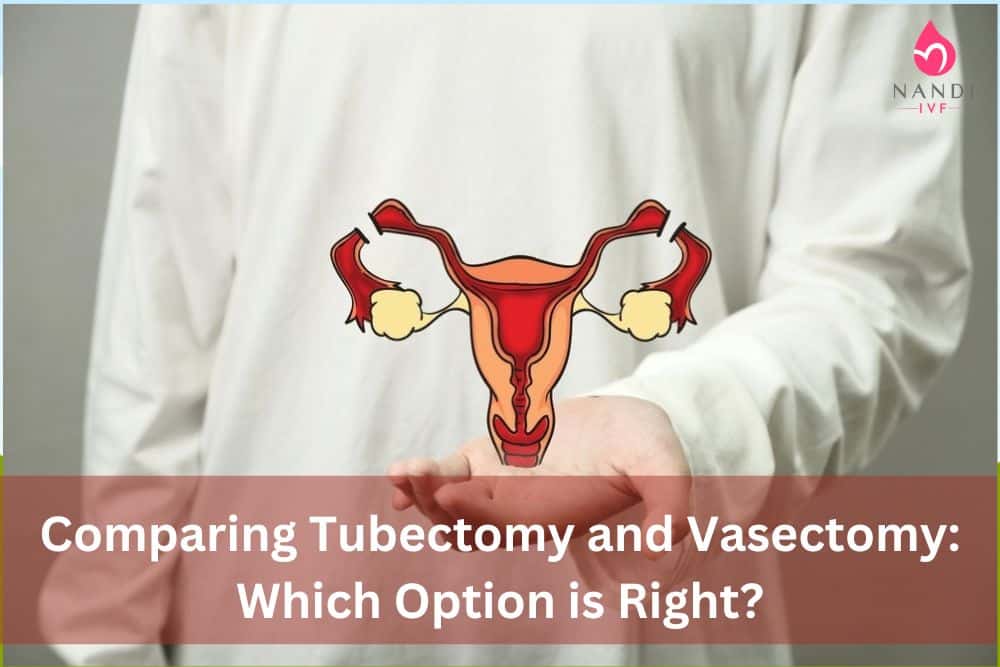
Read Also: Comparing Tubectomy and Vasectomy: Which Option is Right for You?

Read Also: What Is The Best Age To Get Pregnant With PCOS?

Read Also: Understanding Hyperbaric Oxygen Therapy: Cost, Treatment, Procedure, and More

Read Also: Normal Pus Cells in Urine During Pregnancy: Comprehensive Guide

Read Also: Apricots in Pregnancy: Unveiling the Nutritional Bonanza for Expectant Mothers

The Importance of Understanding USG Full Form in Medical Practice
“USG means Ultrasonography (Ultrasound). It is a medical test that uses sound waves to create images of the inside of the body. This test is safe, painless, and does not use radiation, which makes it a commonly used diagnostic tool in healthcare.

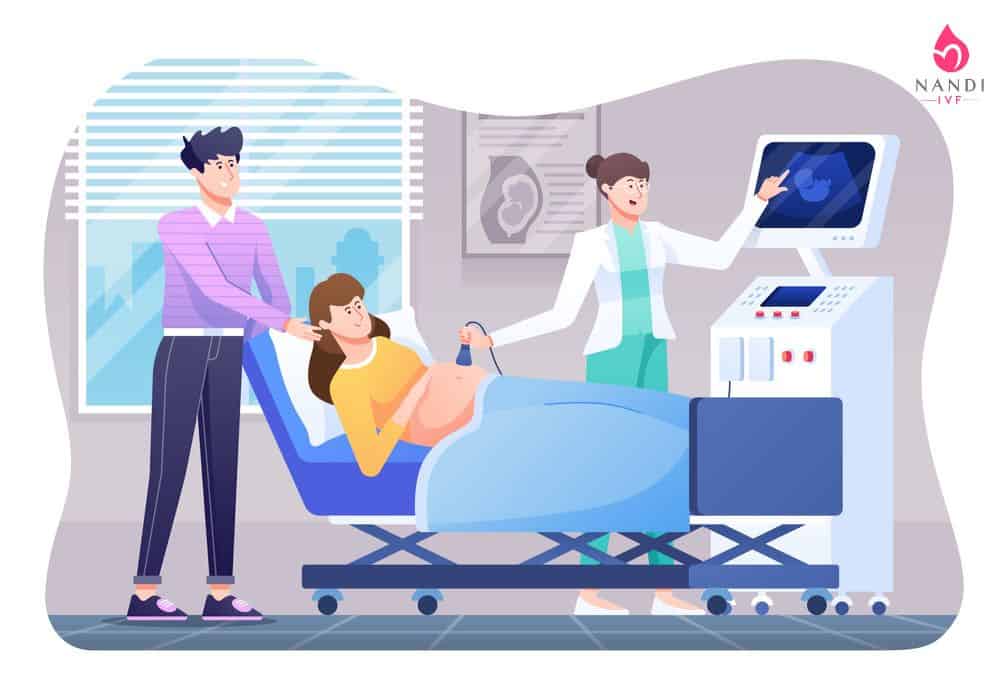
Doctors often use USG to check pregnancy, examine organs in the abdomen, evaluate the uterus and ovaries, and detect conditions such as cysts or tumors. The scan shows real-time images, which helps doctors understand what is happening inside the body and make the right diagnosis.

In this article, we explain the USG full form, what the test is used for, its different types, and why doctors recommend it in many medical situations.”

Read Also : Understanding Transvaginal Ultrasound: What It Is and What to Expect

USG Full Form in Medical And Its Uses

USG Full Form in Medical Practice: USG’s full form in medicine is ultrasound sonography, which is used in various scenarios. Here are some of those:

  • Assessing blood flow
  • Examining breast lumps
  • Evaluating joint inflammation
  • Biopsy surgery
  • Tumor treatments
  • Diagnosing gallbladder diseases
  • Scanning the thyroid gland
  • Viewing the uterus and ovaries
  • Monitoring the baby’s growth during pregnancy

Read Also : Asthenozoospermia: Low Sperm Motility Causes, Signs and Management

USG: A Groundbreaking Medical Tool

As previously mentioned, USG’s full form is Ultrasound Sonography. Let’s break it down to understand it better. Ultrasound is a non-invasive procedure, whereas the scan you get at the end of it is called a sonogram.

Physicians can detect internal organs using advanced technology. One such tool is USG. It deploys sound technology to snapshot pictures of tissues, organs, and internal body parts. Using this, doctors don’t have to cut open the skin to assess the medical condition. Understanding USG full form in the medical stream is important in treatments and diagnosis.

The medical expert uses a scanner or transducer to send high-intensity waves. These ultrasound waves revert to the computer, where images are screened. Generally, the doctor will ask you to lie on your back. They will apply a gel on the part to be scanned. The transducer will only focus on this area. 

Read Also: How to Increase AMH Levels Naturally: A Comprehensive Guide

Uses Of USG In The Medical Field

USG Full Form in Medical Practice: In hospitals, you may pick up the term ultrasound in various contexts. Here are a few used of USG in the medical field:

Pregnancy: USG FWB and USG EDD fall under USG full-form terms related to pregnancies. The former is an abbreviation of USG Full Well-Being. It helps to monitor the growth and health of the baby. The latter refers to the Estimated Date of Delivery. This offers parents insight into when they can expect their little ones to arrive. It puts them on a timeline so they can prepare.

Abdomen: You will hear UDG KUB and USG Abdomen regarding abdominal scans. It allows medical experts to evaluate the condition of the liver, spleen, kidneys, gallbladder, and pancreas. USG KUB, on the other hand, takes pictures of the urinary system. It includes the bladder, urethra, and kidney. USG KUB with PVR (Post Void Residual) gauges the urine amount left after urination.

TVS: Transvaginal Ultrasound is used to scan the female pelvis. The gynecologist inserts an ultrasound transducer to examine the organs around the vaginal cavity. You can ask a woman sonographer to perform this ultrasound. It emits ultrasound waves that bounce off the vaginal wall. This USG checks the womb, cervix, endometrium, ovaries, pelvic cavity, and fallopian tubes.

ANC: ANC  is another term used in pregnancy. Antenatal Care Ultrasound detects the healthy development of an unborn baby. It is closely related to USG full form in medical.

Transrectal USG: This kind of USG offers an enema beforehand. Afterward, an ultrasound probe transducer is inserted into your rectum. It provides scans of the rectum, peripheral tissues, and the prostate gland specific to males.

BPD: Biparietal Diameter assesses the baby’s size and weight. The BPD measures the baby’s head circumference, abdominal circumference, and femur length. Based on these factors, the weight of the baby is deduced. A pregnant lady could have one to three BPD ultrasounds during her pregnancy.

USG HR: High-resolution USG focuses on capturing detailed scans of complex structures. It examines internal structures in detail to pinpoint the medical problem’s root. This helps in accurate diagnosis and selecting the relevant treatment. If you’re familiar with shoulder joint pain or thyroid gland issues, this may be one of the tests your doctor would run.

Doppler USG: Doppler Ultrasound veers off the standard types of USG. It detects the movement of other substances in your body, like blood within the web of arteries and veins. It falls under procedures related to vascular ultrasound.

Read Also: Is IUI Procedure Painful? : Dispelling Myths And Exposing The Truth

The Advantages of USG

Safe: Unlike ultrasonography, other methods incorporate invasive substances. Oral medications or injections are introduced into your bloodstream. These have significant side effects, including allergic reactions. Being aware of USG’s full form in medical can liberate you to suggest this test instead. 

Non-invasive: USG’s full form is ultrasound sonography. It does not mandate invasive procedures. If there is a way to steer clear of medications, it is via ultrasonography. Physicians only need to apply acoustic transducers to the area that needs to be visualized. Even when the probe is inserted, you will be free of postoperative pains and scars.

Pain-free procedure: This procedure is pain-free because there is zero usage of needles, injections, and incisions. All the procedure requires is a transducer, the gel, and a computer.

No recovery time needed: Invasive procedures require time to get back on your feet. This interrupts one’s daily activities. If you know USG’s full form in medical terms, you can opt for ultrasonography as an alternative. This appointment will fit right into your schedule, and you can return to your routine immediately.

Easy use: Medical experts find this cutting-edge technology smoother to operate. When ultraclear images are required, professionals can attach a piezoelectric transducer to the probe. This fast-forward approach has gained USG the full form of its popularity. 

Inexpensive: Although medical procedures are infamous for their bills, USG’s full form does not cost much. The only exhaustible product used is the water-based gel. It will cost you relatively less than the alternatives available. 

Portable: Like most point-of-care medical tools, USG scanners are also portable. This prioritizes patients’ comfort and prevents unnecessary hassle from one testing unit to another.

Read Also: Comparing Tubectomy and Vasectomy: Which Option is Right for You?

Choose The Best: Nandi IVF

Now that we have understood the USG full form in medical context, we can undergo this procedure with full knowledge, and safely too. At Nandi IVF, a professional team handles all cases with extreme delicacy. We are equipped with the latest ultrasound technology. We encourage and educate our customers on USG full form to opt for non-invasive procedures. Contact us today. Make us a part of your parenthood journey and turn your dreams into reality.

FAQs:

Q: What exactly is a USG test?
Ans: A USG test is an ultrasound sonography. It projects images of internal organs to detect fetus growth, blood flow, tissues, and diseases.

Q: Is water necessary for USG?
Ans: The healthcare professionals use a water-based formula on the skin area concerned. Moreover, physicians recommend drinking at least four glasses of water an hour before your ultrasound appointment.

Q: What is a USG’s function?
Ans: Ultrasound is an imaging test. It screens real-time pictures of soft tissues, organs, and blood vessels.

Q: What exactly does USG KUB mean?
Ans: KUB in USG is live images of kidneys, ureters, and the bladder. The professionals use this non-invasive technique to see what’s wrong with any of the organs mentioned above.

Q: What does USG EDD’s entire name mean?
Ans: One of the USG full forms in medical terms includes USG EDD. It’s an ultrasound that estimates the date of delivery in pregnancies.

Read Also: What Is The Best Age To Get Pregnant With PCOS?

Read Also: Understanding Hyperbaric Oxygen Therapy: Cost, Treatment, Procedure, and More

Read Also : Irregular Periods and Pregnancy- What You Should Know

Read Also : Consuming Jamun During Pregnancy: Benefits and Risk Factors

Preparing For a Healthy Pregnancy: A Comprehensive Guide for Couples

The decision to start a family requires planning. It calls for many healthy lifestyle changes in the couple’s life. A study suggests that the current birth rate for India is 16.949 births per 1000 people. Regular health checkups and financial planning is necessary. These regular checkups help determine the couple’s reproductive health and ensure they prepare for healthy pregnancy. This article aims to guide a couple in all the aspects of preparing for a healthy pregnancy. It covers topics like fertility, preconception health, and changes in lifestyle during pregnancy.  

The Menstrual Cycle: First Step Towards Parenthood

Understanding the monthly occurring cycle, the menstrual cycle plays a major role in preparation for pregnancy. It gives an understanding of hormones and the period of release of the ovum from the ovary. This section will cover the phases in the cycle and how to track your fertility.

Phases in Menstrual Cycle

Typically, three menstrual cycle phases play an important role in fertility. They are- 

  1. Follicular Phase – This is the starting phase of your menstrual cycle. FSH (Follicular Stimulating Hormone) gets released and signals to prepare the follicles containing an immature egg. These follicles then produce estrogen hormone when they grow, which signals the uterus to thicken its lining to prepare for a potential implantation.
  2. Ovulatory Phase – Luteinizing Hormone (LH) then signals one of the follicles to release the mature egg. This phase of releasing the egg is called ovulation. This is the most important time for a couple trying to conceive, as this is the most fertile time. It typically comes around the 14th day of the 28-day cycle.
  3. Luteal Phase – If the egg is fertilized at the ovulatory phase, the egg will then grow and move towards the uterine wall. The uterine wall is sustained when the corpus luteum (made from an empty follicle) releases progesterone hormone. The egg is then attached to the uterine wall and starts growing. The first phase is the formation of the embryo, then the fetus.  

To make this work, a couple must track the fertility or ovulation phase. It is an important step when preparing for pregnancy. The following methods will help you track this phase –

  1. Calendar Method – Given that the female is experiencing a regular menstrual cycle, she can easily track the cycle based on the previous cycle.
  2. Ovulation Prediction Kit – Some kits in the market can detect the surge in LH and offer more accurate predictions. This way the female could track the days of the ovulation phase.

There are many other ways to keep track of your fertility, like monitoring the cervical mucus, basal body temperature charting, and using fertility apps. 

Read Also: The Importance of Sleeping Position After IVF: A Guide for Patients

Healthy Lifestyle: Good Preconception Health

The couple’s health before conceiving the baby is of utmost importance. Keeping your body healthy physically and mentally to conceive and to ensure that the embryo develops in a healthy body is important. Some steps are helpful to achieve preconception health- 

  1. Taking Proper Vitamins and Nutrition – It is highly advised to take prenatal vitamins to reduce the risk of congenital disabilities. Understand your nutritional requirements and adopt a healthy diet before preparing for a healthy pregnancy.
  2. Health Checkups – Schedule regular health checkups with your healthcare provider before conceiving. This will help in preventing any health-related issues, and it will ensure a smooth, healthy journey of your pregnancy.
  3. Taking Proper Medications – If you have any medications you are taking for any disease, you should get them checked with your doctor to avoid any effects of these medicines on your pregnancy. It will help in keeping you safe during the pregnancy.

Read Also: Empowering Couples For Parenthood: Navigating Pregnancy With PCOS And PCOD

Changes In Lifestyle: The Journey to Parenthood

In preparing yourself for a healthy pregnancy, there are some lifestyle changes a couple needs to make for a smooth pregnancy. These changes are important to prepare for pregnancy and ensure a healthy baby. This section will guide you with the beneficial lifestyle changes for the couple before and while preparing for a healthy pregnancy. 

Laying The Groundwork:

Looking out for preconception health can be achieved by some changes in lifestyle. Before conceiving, there are some habits and lifestyles you will need to change for a healthy pregnancy. Some lifestyle changes are:

  1. Quitting Smoking And Alcohol – When preparing for a healthy pregnancy, you need to quit smoking and limit the consumption of alcohol. Smoking is very harmful and creates problems in fertility in both men and women. Consuming excessive alcohol can similarly affect the development of the fetus and harm fertility.
  2. Managing Weight And Stress – Excessive stress and weight can interfere with preparing for pregnancy. They both can disturb the hormones, leading to irregular periods and problems in ovulation. The weight can be managed by taking a proper diet, and your stress can be managed by doing yoga, meditating, and counseling.
  3. Nutritional And Healthy Diet – Adopt a balanced diet rich in vegetables, pulses, whole grains, and fruits to prepare for a healthy pregnancy. Specific nutrients like folic acid are advised to prevent birth defects. 

Also Read: Signs Ovulation is Over: You Need to Know If You Ovulated or Not

Pregnancy Planning:

Lifestyle choices become important once you start trying to conceive. The couple needs to ensure that their health during fertility is proper and that there are no complications. 

  1. Healthy Habits – During the fertility or ovulation period, you should adhere to the healthy lifestyle you started before preparing for a healthy pregnancy. These include a smoke and alcohol-free environment, managing stress and weight, and taking a nutritional diet like vitamins and minerals.
  2. Regular Intimacy – Having intercourse during the ovulation phase is essential to conception. Maintaining proper communication with your partner ensures you are on the same page to prepare for pregnancy goals. 

Read Also: What is Diffеrеncе Bеtwееn PCOS and PCOD?

Path To a Healthy Pregnancy Begins With You: Nandi IVF

These important components create a foundation for preparing for a healthy pregnancy. Parenthood is an amazing experience that requires careful planning and preparation. At Nandi IVF, we ensure you get the best assistance and guidance from the best doctors while preparing for a healthy pregnancy. Procedures like IVF have seen a success rate in India, and we are proud to be a part of that success. With personalized care, start your journey of becoming parents with us!

Read Also: Jackfruit During Pregnancy: Benefits, Risks, and Side Effects

Read Also: 7 Steps to Getting Pregnant with Blocked Fallopian Tubes

Read Also: Understanding the Signs of Bad Egg Quality – Taking the Right Steps

Read Also: After How Many Weeks IVF Pregnancy Is Safe

Read Also: Normal Pus Cells in Urine During Pregnancy: Comprehensive Guide

Read Also: Optimizing Fеrtility: How Follicular Study Can Hеlp You Concеivе

How Egg Donation Can Help Fulfill Your Dream of Parenthood

For many hopeful parents, the journey to parenthood can be filled with challenges and uncertainties. Egg donation has emerged as a powerful and compassionate option for individuals and couples facing fertility issues. In this blog, we will explore how egg donation works, the benefits it offers, and the emotional aspects involved to help you understand if it’s the right choice for you.

White Painted Egg With Smiley Face

Understanding Egg Donation

Egg donation involves a woman donating her eggs to help another individual or couple conceive. This section will cover the process, eligibility, and medical considerations of egg donation.

The process of egg donation typically begins with the identification of a suitable donor. Prospective donors often go through a detailed screening process to assess their health, family history, and reproductive capabilities. This ensures that the eggs provided are of high quality, increasing the chances of a successful pregnancy. It’s important to note that becoming a donor is not a decision to be taken lightly; many factors, including emotional readiness and health considerations, must be evaluated thoughtfully.

Once a donor is selected and cleared through the screening process, she will undergo hormonal treatments to stimulate her ovaries. This stage usually takes about 10 to 14 days, during which the donor will have regular monitoring appointments. These monitoring sessions are crucial for tracking the development of the eggs and ensuring the donor’s safety. Keeping communication open with medical professionals during this time is essential for a smooth experience.

After the hormone treatment regimen, the retrieval of the eggs typically takes place under sedation. Using an ultrasound-guided needle, the eggs are collected from the ovaries through the vaginal wall. While this may sound intimidating, the procedure is minimally invasive and usually performed in a clinic. This is a vital moment in the egg donation process, as it marks the transition from donor to potential parent for the recipients.

Who Can Benefit from Egg Donation?

Egg donation can assist a variety of individuals, including those with medical conditions, advanced maternal age, or those in same-sex relationships. Here, we’ll discuss the different scenarios where egg donation can be a solution.

For women experiencing infertility due to age-related factors, egg donation can be a transformative option. As women age, the quality and quantity of eggs decline, making conception more challenging. By using donor eggs, these women have the opportunity to experience pregnancy and childbirth, an avenue they might not have without the help of egg donation. This path allows them to connect deeply with the joys of motherhood, nurturing their child from pregnancy to parenthood.

Couples facing genetic disorders that could be passed down to their children may also consider egg donation as a preventive measure. In these cases, using eggs from a donor with a clean genetic history ensures a lower risk of hereditary issues for the resulting child. It’s not just about fulfilling the dream of having a child; it’s about safeguarding their future health and well-being too.

In addition, same-sex couples, particularly male couples, often rely on egg donation paired with a gestational carrier to start their families. This arrangement allows them to become parents and nurture a child while forming bonds that are just as strong as any other family unit. By leveraging modern reproductive technologies, egg donation creates pathways to parenthood for individuals and couples who might otherwise face long odds.

The Egg Donation Process Explained

From matching with a donor to the retrieval of eggs, this section will provide a step-by-step overview of the egg donation timeline and processes involved.

The journey of egg donation typically begins with consulting a fertility clinic. During the initial appointment, professionals will help you understand the various aspects of the process, including donor selection, legal considerations, and financial obligations. This initial guidance is essential to navigating the sometimes overwhelming landscape of reproductive options.

Once both parties are prepared, the next step is often finding a donor. Many clinics offer egg donation programs that provide detailed profiles of potential donors, including their medical history, education, and personal interests. This personalization allows intended parents to choose someone whom they feel aligns well with their own family values. The emotional connection created during this process cannot be understated, as it fosters a sense of unity and purpose.

Throughout the entire donation process, communication remains key. Both donors and recipients must feel comfortable discussing their thoughts and emotions. Engaging in open dialogues helps to create a positive experience for everyone involved, fostering a nurturing environment that honors the significance of this journey.

The Emotional Aspects of Egg Donation

The journey of egg donation can involve a mixed bag of emotions for both donors and recipients. This section will explore the feelings that can arise during this profound experience.

For egg donors, the act of giving can be incredibly rewarding, but it can also bring about some feelings of uncertainty. Many donors experience joy in knowing that they have the power to help someone achieve their dream of parenthood. However, it’s also common to feel apprehensive about how their decision may impact their own lives in the future. These feelings are perfectly natural and highlight the importance of adequate emotional support before, during, and after the process.

On the recipient’s side, the emotional journey can be equally complex. The excitement of finally having the opportunity to become a parent can intermingle with anxiety and fear. Recipients may wonder about the implications of using a donor’s eggs and grapple with the questions of genetics and bonding. Educating themselves about the donation process and connecting with support groups can help mitigate these concerns and foster a greater sense of acceptance and empowerment.

Ultimately, these emotional responses contribute to the richness of the egg donation experience. It brings together two individuals with a shared goal, fostering compassion and understanding. Through this unique bond, both donors and recipients embark on a meaningful journey together, creating connections that will last a lifetime.

Success Rates and Expectations

Understanding the statistics behind egg donation success rates can help set realistic expectations. This section will delve into factors that affect success rates and what to anticipate during your journey.

Egg donation success rates can vary based on several factors, including the age of the donor, the quality of the sperm used for fertilization, and the overall health of the recipient. Typically, younger donors yield higher success rates, making the selection of a donor a crucial step in the process. Recipients should feel empowered to ask questions about the donor’s proven fertility and past donation success to better understand what they might expect.

Another important factor is the fertility clinic’s experience and capabilities. Clinics with a proven track record of successful egg donation processes are more likely to guide you effectively. By researching facilities and considering their statistics alongside personal recommendations, intended parents can make informed decisions that positively influence their experience.

However, it’s essential to remember that while statistics are helpful, they don’t tell the whole story. Each person’s journey is unique, and there are many emotional and personal factors at play. Maintaining a positive outlook, cultivating patience, and communicating with your medical team can significantly enhance your overall experience.

Legal and Ethical Considerations

Navigating the legal landscape surrounding egg donation is crucial. This section will outline the important legal agreements and ethical considerations to keep in mind.

Egg donation involves a complex array of legal components that protect both donors and recipients. Legal agreements typically outline the rights and responsibilities of each party, addressing issues such as anonymity, compensation, and parental rights. It is advisable for both donors and recipients to consult with legal experts specializing in reproductive law to ensure that their interests are safeguarded.

Ethically, the egg donation process must prioritize informed consent. Donors should feel fully informed about the implications of their decision, while recipients must navigate expectations surrounding the use of donor eggs. Open, honest communication contributes to a respectful and ethical process, fostering trust between all parties involved.

By addressing these legal and ethical considerations, prospective parents can lay a solid foundation for their journey into parenthood. A thorough understanding of the responsibilities and implications of egg donation ensures that everyone is equipped to navigate this extraordinary path together.

Making the Choice: Is Egg Donation Right for You?

Deciding to pursue egg donation is a personal choice that requires careful consideration. This section will provide guidance on how to assess if egg donation aligns with your dreams of parenthood.

Evaluating your motivations for seeking egg donation is a critical first step. Reflecting on your ultimate goal of parenthood can help clarify your desires and expectations surrounding this journey. Are you eager to experience pregnancy? Or are you more focused on the outcome of raising a child? Understanding what you hope to achieve can guide you in making this significant choice.

Moreover, discussing your desires with your partner or support system can provide valuable insights. Each person’s perspective can contribute to a richer understanding of the emotional landscape of egg donation. Family dynamics, relationship stability, and readiness to engage in this journey together are important factors to consider.

Finally, seek out resources and support networks that can assist you in making this decision. Connecting with others who have gone through egg donation can provide reassurance and answer vital questions. By combining thorough research with personal reflections and discussions, you can arrive at a decision that feels right for you.

The Journey to Parenthood through Egg Donation

Choosing egg donation is a profound step in the journey toward parenthood. It opens doors for countless individuals and couples to experience the joy of raising a child. By understanding the process and the emotional journey involved, you can make an informed and confident decision on whether this path is right for you.

Understanding Transvaginal Ultrasound: What It Is and What to Expect

Transvaginal ultrasound is a diagnostic imaging technique that plays a critical role in evaluating reproductive health, particularly in fertility assessments and gynecological examinations. For many patients, the idea of undergoing a transvaginal ultrasound can be somewhat intimidating. At Nandi IVF, we aim to provide clear, comprehensive information to help you understand this procedure better and address any concerns you may have. In this detailed guide, we’ll explore what a transvaginal ultrasound is, how it’s performed, and what you can expect in terms of discomfort or pain.

1. What Is a Transvaginal Ultrasound?

A transvaginal ultrasound is a type of pelvic ultrasound used to obtain detailed images of the female reproductive organs. Unlike a traditional abdominal ultrasound, which involves placing a transducer on the abdomen, a transvaginal ultrasound involves inserting a specialized probe into the vagina to capture clearer and more detailed images.

Transvaginal Ultrasound

Purpose of the Procedure

The primary purposes of a transvaginal ultrasound include:

  • Evaluating Reproductive Health: Assessing the health of the uterus, ovaries, and fallopian tubes.
  • Fertility Assessment: Monitoring ovarian follicles and uterine lining during fertility treatments like IVF.
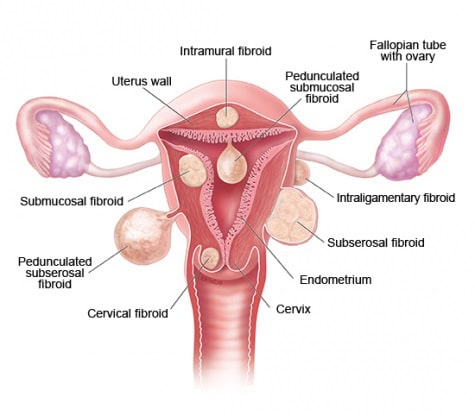
  • Diagnosing Conditions: Identifying conditions such as ovarian cysts, fibroids, endometriosis, and abnormalities in the uterus.
  • Monitoring Pregnancy: Confirming early pregnancy, assessing fetal development, and diagnosing potential complications.

How It Differs from an Abdominal Ultrasound

While both procedures use sound waves to create images, the key differences are:

  • Image Detail: Transvaginal ultrasounds provide more detailed images of the reproductive organs due to the proximity of the probe to the structures being examined.
  • Procedure Location: Transvaginal ultrasounds require the probe to be inserted into the vagina, whereas abdominal ultrasounds use an external transducer placed on the abdomen.

The Transvaginal Ultrasound Procedure

Preparation for the Procedure

Before the procedure, you may be given specific instructions:

  • Bladder Preparation: In some cases, you may be asked to have an empty bladder, but usually, the bladder is empty during a transvaginal ultrasound.
  • Clothing: Wear comfortable clothing that is easy to remove, as you will need to change into a gown.

The Procedure Itself

Here’s a step-by-step overview of what to expect:

  • Initial Setup: You will be asked to lie on an examination table, typically with your feet in stirrups or with your knees bent.
  • Probe Insertion: The sonographer will gently insert a lubricated transvaginal probe into the vagina. This probe is smaller and more slender than a tampon and is designed to be as comfortable as possible.
  • Image Acquisition: The probe emits sound waves that bounce off internal structures and create images on a monitor. The sonographer may move the probe slightly to capture different angles and views.
  • Duration: The entire procedure usually takes about 15-30 minutes.

After the Procedure

After the ultrasound is complete:

  • Probe Removal: The probe will be carefully removed.
  • Follow-Up: The images are reviewed by a radiologist or fertility specialist, and a report is typically generated. You may be given immediate feedback or asked to schedule a follow-up appointment.

Does a Transvaginal Ultrasound Hurt?

Common Sensations

While the idea of the procedure might sound uncomfortable, most patients report that a transvaginal ultrasound is relatively painless. You may experience:

  • Mild Discomfort: The insertion of the probe may cause slight discomfort, similar to a gynecological exam, but it is usually not painful.
  • Pressure Sensation: You might feel a sensation of pressure or fullness as the probe is moved around to capture images.

Managing Discomfort

If you are concerned about discomfort, here are a few tips:

  • Communicate with the Sonographer: Let the sonographer know if you are feeling any discomfort. They can adjust the technique or position to improve your comfort.
  • Relaxation Techniques: Deep breathing and relaxation can help ease any tension and make the procedure more comfortable.

When to Contact a Healthcare Provider

In rare cases, if you experience significant pain, bleeding, or any other concerning symptoms after the procedure, you should contact your healthcare provider. These symptoms could indicate an underlying issue that requires further evaluation.

4. Benefits of Transvaginal Ultrasound

Accurate Diagnosis

Transvaginal ultrasound offers several advantages:

  • Detailed Imaging: Provides high-resolution images of the reproductive organs, which is crucial for accurate diagnosis and treatment planning.
  • Early Detection: Enables early detection of conditions like ovarian cysts or uterine abnormalities, leading to timely intervention.

Support for Fertility Treatments

For those undergoing fertility treatments, transvaginal ultrasound is particularly valuable:

  • Monitoring Follicle Development: Helps in tracking the growth of ovarian follicles and optimizing timing for procedures like egg retrieval.
  • Assessing Uterine Health: Evaluates the uterine lining and overall uterine health, which is important for embryo implantation and pregnancy maintenance.

5. Transvaginal Ultrasound in the Context of IVF

Role in IVF Treatment

In IVF treatment, transvaginal ultrasound plays a critical role in:

  • Ovarian Stimulation Monitoring: Tracks the response to fertility medications and the growth of follicles.
  • Egg Retrieval Preparation: Assists in planning the timing of egg retrieval based on follicle development.

Integrating with Other Procedures

Transvaginal ultrasound is often used in conjunction with other diagnostic tests and procedures:

  • Pre-Treatment Assessment: Helps in assessing the baseline condition of the reproductive organs before starting IVF.
  • Guiding Interventions: Provides real-time imaging during procedures like follicle aspiration or embryo transfer.

6. Post-Procedure Care and Considerations

Post-Procedure Care

After your transvaginal ultrasound, you can typically resume normal activities immediately. However, you might consider:

  • Resting: Allow yourself some time to rest if you feel any residual discomfort.
  • Hydration: Drinking plenty of water can help flush out any residual contrast material if used.

When to Seek Medical Advice

If you experience any of the following after the procedure, seek medical advice:

  • Severe Pain: Persistent or severe abdominal pain.
  • Heavy Bleeding: Any unusual bleeding or discharge.
  • Other Concerns: Any other symptoms that concern you or seem unusual.

Conclusion

Transvaginal ultrasound is a valuable tool in reproductive medicine, offering detailed insights into reproductive health and aiding in the management of fertility treatments. While the idea of the procedure might be uncomfortable, most patients find it to be relatively painless and manageable. Understanding what to expect before, during, and after the procedure can help alleviate concerns and ensure a smoother experience.

At Nandi IVF, we are committed to providing you with the highest level of care and support throughout your fertility journey. If you have any questions or need further information about transvaginal ultrasound or any other aspect of your treatment, please reach out to our team. We are here to guide you every step of the way.

For personalized advice and to schedule a consultation, or contact us directly. We look forward to assisting you in achieving your fertility goals with confidence and care.

Understanding the Impact of Lifestyle on Sperm Quality

In the evolving landscape of reproductive health, the importance of sperm quality has become increasingly apparent. As more couples face challenges with conception, understanding the factors influencing sperm quality is crucial. Lifestyle plays a significant role in this complex equation. At Nandi IVF, we are dedicated to providing insights into how lifestyle choices impact sperm quality and offer guidance on optimizing reproductive health.

The Basics of Sperm Quality

Before diving into lifestyle factors, it’s essential to understand what constitutes sperm quality. Sperm quality is determined by several key parameters:

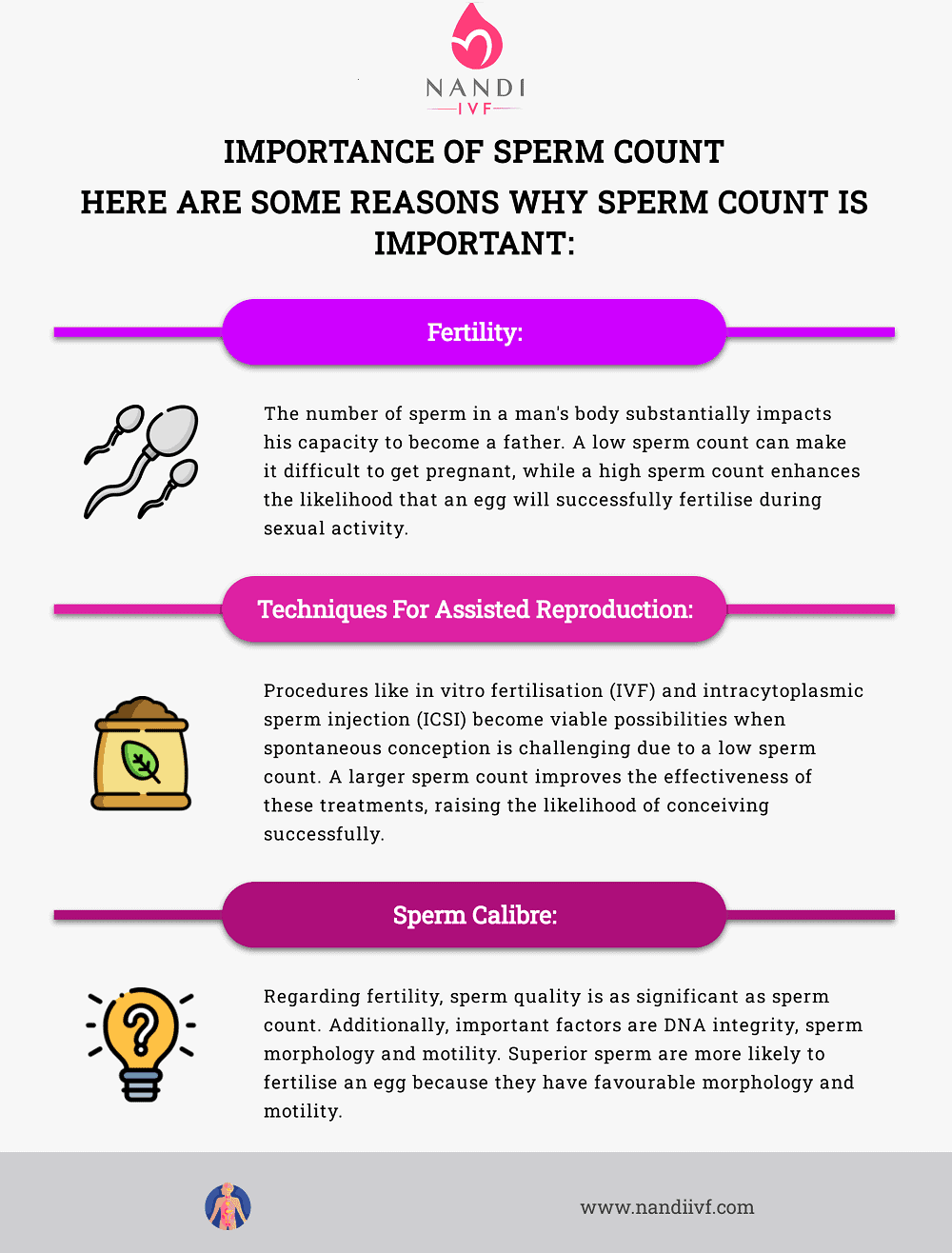
  1. Sperm Count: The number of sperm in a given volume of semen. A higher count increases the likelihood of fertilization.
  2. Sperm Motility: The ability of sperm to move effectively. This is crucial for reaching and fertilizing the egg.
  3. Sperm Morphology: The shape and structure of sperm. Abnormal morphology can impact the sperm’s ability to penetrate the egg.
  4. Sperm Viability: The proportion of live sperm in a semen sample.
  5. Sperm DNA Integrity: The genetic material within sperm. Damage to DNA can affect fertilization and embryonic development.

How Lifestyle Factors Affect Sperm Quality

Lifestyle choices can profoundly influence sperm quality. Here, we explore several lifestyle factors and their impacts:

1. Diet and Nutrition

A balanced diet rich in antioxidants, vitamins, and minerals is fundamental to maintaining sperm quality. Nutrients such as zinc, selenium, vitamin C, vitamin E, and folate have been shown to support healthy sperm production and function.

  • Antioxidants: Foods rich in antioxidants, such as fruits, vegetables, nuts, and seeds, combat oxidative stress, which can damage sperm DNA and reduce sperm count.
  • Healthy Fats: Omega-3 fatty acids found in fish, flaxseeds, and walnuts are linked to improved sperm quality. Conversely, trans fats and excessive saturated fats can negatively affect sperm health.
  • Micronutrients: Zinc and selenium play a crucial role in sperm production and motility. Foods like oysters, beef, pumpkin seeds, and Brazil nuts are excellent sources.

2. Physical Activity

Regular physical activity is associated with improved sperm quality, though balance is key.

  • Exercise: Moderate exercise can enhance sperm quality by reducing stress and improving overall health. Activities like jogging, cycling, and swimming can be beneficial.
  • Overtraining: Excessive exercise or overtraining can lead to hormonal imbalances, negatively affecting sperm production and quality.

3. Weight Management

Body weight and composition have a significant impact on sperm quality.

  • Obesity: Excess body fat can lead to hormonal imbalances, reduced testosterone levels, and lower sperm counts. Maintaining a healthy weight through diet and exercise can mitigate these effects.
  • Underweight: Being underweight can also disrupt hormonal balance, leading to decreased sperm production and lower sperm quality.

4. Sleep Patterns

Adequate and quality sleep is essential for optimal reproductive health.

  • Sleep Duration: Poor sleep patterns or insufficient sleep can disrupt hormonal levels, leading to reduced sperm count and motility. Aim for 7-8 hours of quality sleep per night.
  • Sleep Disorders: Conditions such as sleep apnea can negatively impact sperm quality by affecting hormone levels and overall health.

5. Substance Use

Certain substances can have a profound effect on sperm quality.

  • Alcohol: Excessive alcohol consumption can impair sperm production and reduce motility. Moderation is key, with recommendations suggesting limiting intake to moderate levels.
  • Smoking: Tobacco smoke contains toxins that can damage sperm DNA, reduce sperm count, and impair motility. Quitting smoking can lead to significant improvements in sperm quality.
  • Recreational Drugs: Drugs such as marijuana, cocaine, and anabolic steroids can adversely affect sperm production and quality. Avoiding these substances is crucial for maintaining healthy sperm.

6. Environmental Exposures

Exposure to environmental toxins can also impact sperm quality.

  • Pesticides and Chemicals: Prolonged exposure to chemicals and pesticides can negatively affect sperm quality. Reducing exposure by using natural or organic products can help.
  • Heat Exposure: Excessive heat, such as from hot tubs or tight clothing, can reduce sperm production and motility. Avoiding prolonged exposure to high temperatures can mitigate these effects.

7. Mental and Emotional Health

Mental health plays a critical role in reproductive health.

  • Stress: Chronic stress can lead to hormonal imbalances, affecting sperm production and quality. Managing stress through relaxation techniques, mindfulness, or therapy can be beneficial.
  • Mental Health Disorders: Conditions such as depression and anxiety can also impact sperm quality. Seeking professional help and managing mental health is important for overall reproductive health.

8. Sexual Health and Frequency

Sexual health practices can influence sperm quality.

  • Frequency: Regular ejaculation is necessary for maintaining optimal sperm quality. However, excessive ejaculation can sometimes lead to a temporary decrease in sperm count.
  • Infections: Sexually transmitted infections (STIs) can negatively impact sperm health. Practicing safe sex and seeking timely treatment for infections is essential.

Strategies for Improving Sperm Quality

Improving sperm quality often involves a combination of lifestyle changes and medical interventions. Here are some actionable strategies:

1. Adopt a Healthy Diet

Incorporate a diet rich in antioxidants, healthy fats, and essential vitamins and minerals. Focus on whole foods, including fruits, vegetables, lean proteins, and whole grains. Reduce intake of processed foods and high-sugar items.

2. Engage in Regular Exercise

Aim for moderate physical activity most days of the week. Activities like brisk walking, swimming, or cycling can improve overall health and support sperm quality. Avoid excessive exercise and allow time for recovery.

3. Manage Weight

Strive for a healthy body weight through a balanced diet and regular exercise. Consult with a healthcare professional to determine your ideal weight and develop a personalized plan.

4. Improve Sleep Habits

Establish a consistent sleep schedule and create a relaxing bedtime routine. Address any sleep disorders with the help of a healthcare provider to ensure restful, uninterrupted sleep.

5. Limit or Avoid Harmful Substances

Reduce or eliminate alcohol consumption, quit smoking, and avoid recreational drugs. Seek support if needed to make and sustain these changes.

6. Minimize Environmental Exposures

Take precautions to reduce exposure to harmful chemicals and environmental toxins. Use protective gear when necessary and opt for natural or organic products.

7. Manage Stress and Mental Health

Incorporate stress management techniques such as meditation, yoga, or counseling. Address any mental health concerns with a healthcare provider to support overall well-being.

8. Maintain Sexual Health

Practice safe sex to prevent STIs and maintain sexual health. Seek timely treatment for any infections and maintain regular sexual activity to support sperm production.

Conclusion

Understanding the impact of lifestyle on sperm quality is crucial for optimizing reproductive health. By making informed choices regarding diet, exercise, weight management, sleep, substance use, environmental exposures, and mental health, individuals can significantly improve sperm quality and enhance their chances of conception.

At Nandi IVF, we are committed to supporting individuals and couples on their journey to parenthood. If you have concerns about sperm quality or reproductive health, our team of experts is here to provide guidance and personalized care. Together, we can work towards achieving your fertility goals and building the family you envision.

Feel free to contact us for more information or to schedule a consultation. Your path to better reproductive health starts with understanding and taking control of the factors that influence sperm quality.

How Environmental Factors in Delhi-NCR Affect Sperm Quality and What You Can Do About It

In the bustling region of Delhi-NCR, where urbanization meets environmental challenges, a critical aspect often overlooked is how these factors impact sperm quality. From air pollution to lifestyle habits, the health of sperm is intricately linked to the surroundings. Discover the insightful connection between environmental conditions and male fertility, along with practical tips to safeguard and enhance sperm quality amidst these challenges.

Garbage Lot

Understanding the Impact of Delhi-NCR’s Environment on Sperm Health

Delhi-NCR, a vibrant and dynamic hub, is not just a melting pot of cultures and opportunities, but also a hotbed of environmental challenges that subtly influence male reproductive health. The high levels of air pollution, water contamination, and exposure to harmful chemicals present a formidable backdrop against which sperm quality can be compromised. Research indicates a direct correlation between environmental pollutants and sperm health, emphasizing the urgency of addressing these concerns for a healthier future.

As individuals navigate daily life in Delhi-NCR, they inadvertently encounter a myriad of factors that can impact their reproductive well-being. From the constant exposure to vehicular emissions to the residue of industrial activities lingering in the air, the environmental landscape plays a significant role in shaping the quality of sperm produced. Moreover, lifestyle choices, such as smoking, poor dietary habits, and stress levels, further compound the challenges faced by men striving to maintain optimal sperm quality.

The intricate dance between environmental factors and sperm quality is a delicate balance that often tips towards vulnerabilities in urban settings like Delhi-NCR. While the bustling cityscape offers a plethora of opportunities and experiences, it also poses unseen threats to male fertility. By delving deeper into this relationship, individuals can equip themselves with the knowledge needed to protect and enhance their reproductive health amidst the environmental onslaught.

Navigating the maze of environmental influences on sperm quality requires a nuanced understanding of how each factor contributes to the overall landscape of reproductive health. By shedding light on the specific challenges faced by individuals in Delhi-NCR, we pave the way for targeted interventions and lifestyle modifications that can make a tangible difference in the quality of sperm and, consequently, in the overall well-being of men in the region.

Exploring the Link Between Pollution and Sperm Quality

Pollution, in its various forms, stands as a formidable adversary to male fertility in Delhi-NCR, casting a shadow over the reproductive health of individuals in the region. The influx of particulate matter, volatile organic compounds, and heavy metals in the environment creates a toxic brew that directly impacts sperm quality, motility, and overall reproductive outcomes. Understanding this intricate link between pollution and sperm health is crucial for implementing effective strategies to mitigate its adverse effects.

The noxious fumes emitted by vehicles, the industrial effluents seeping into water sources, and the unchecked urbanization rampant in Delhi-NCR collectively contribute to a landscape where fertility challenges loom large. Studies have underscored the detrimental effects of pollution on sperm parameters, underscoring the urgent need for increased awareness, regulatory measures, and individual actions to safeguard reproductive health in the face of mounting environmental pressures.

The battle against pollution’s assault on sperm quality is not a solitary one but a collective effort that requires collaboration between policymakers, healthcare providers, and individuals alike. By unraveling the complexities of how pollution infiltrates every aspect of daily life in Delhi-NCR and its cascading effects on male fertility, we can chart a course towards a greener, healthier future where reproductive health is safeguarded and nurtured for generations to come.

Tips to Safeguard and Improve Sperm Quality amidst Environmental Challenges

Amidst the prevailing environmental challenges in Delhi-NCR, individuals striving to protect and enhance their sperm quality can employ a range of practical strategies that promote reproductive well-being. From adopting a nutrient-rich diet replete with antioxidants to engaging in regular physical exercise that boosts overall health, small lifestyle changes can yield significant benefits for male fertility.

In addition to dietary modifications and physical activity, managing stress levels and seeking professional guidance when facing fertility concerns are vital steps towards safeguarding sperm quality. The power of mindfulness practices, adequate sleep, and avoiding harmful habits like smoking can collectively create a conducive environment for optimal sperm production and motility, mitigating the impact of environmental factors on reproductive health.

Empowerment lies at the heart of combating the environmental onslaught on sperm quality in Delhi-NCR. By taking charge of one’s health, making informed choices, and prioritizing holistic well-being, individuals can navigate the challenges posed by urban living and environmental pollution with resilience and vitality. Through a combination of awareness, proactive measures, and a commitment to reproductive health, one can pave the way for a future where sperm quality remains a cornerstone of male wellness.

Empowering Change for a Healthier Future

Through understanding the intricate relationship between environmental factors and sperm quality, individuals in Delhi-NCR can take proactive steps to mitigate potential risks and optimize reproductive health. By adopting healthier lifestyle choices, minimizing exposure to pollutants, and seeking medical advice when needed, it is possible to navigate and counteract the detrimental effects of environmental factors on sperm quality. Remember, your proactive actions today can lead to a healthier tomorrow.

What to Expect from Fertility Counseling at a Leading Clinic

Understanding Fertility Counseling: An Overview

Fertility counseling isn’t just medical advice. It’s about getting to know you, understanding your body, and planning the journey to parenthood with care. Think of it as a partnership between you and a team of professionals guiding you through options, emotions, and decisions. It’s a space where all questions are welcome. From the “How?” and “Why?” to the “What’s next?”. This support system is vital for tackling the complexities of fertility treatment. During these sessions, expect to discuss your medical history, lifestyle, and emotional well-being. It’s a holistic approach because your mental health is just as crucial as your physical health in this journey. Whether it’s dealing with stress or understanding treatment options, fertility counseling provides a roadmap. It’s about building a foundation of knowledge and resilience. Remember, it’s a step towards making informed decisions that are right for you.

Crop psychologist supporting patient during counseling indoors

The Role of Fertility Counseling in Your Journey

Fertility counseling is not just about giving you facts and figures. It’s a core part of your journey towards parenthood, acting as both a guide and support. This counseling helps you understand your fertility options, the processes involved, and emotionally prepares you for the road ahead. It’s where you can voice your fears, frustrations, and hopes. During these sessions, you’ll learn about the different fertility treatments, what each entails, and the possible outcomes. But it’s not all clinical. The emotional aspect is huge. You’ll get support in coping with the stress and emotional rollercoasters that come with fertility treatments. In simple terms, think of fertility counseling as a two-pronged approach: it educates you on the ‘hows’ and supports you through the ‘feels’. Whether it’s dealing with disappointment, managing hope, or making tough decisions, counseling is your ally. So, when stepping into this journey, remember, fertility counseling is your compass – guiding you through the complex process and helping you navigate the emotional waves.

Initial Consultation: What to Prepare and Expect

When you schedule your first fertility counseling session, it’s normal to feel a mix of emotions. Here’s what you need to know to make it easier. First, gather all your medical records related to fertility – this includes any tests you’ve already done, medications you’ve taken, and notes from previous doctor visits. Your counselor will want to see this info to understand your situation better. Expect questions about your lifestyle, health history, and any fertility issues you or your partner have faced. They’re not being nosy; they need a full picture to help you best. Be ready to answer honestly. It’s also okay to have a list of your own questions. Wondering about treatment options, success rates, or next steps? Now’s the time to ask. Remember, this visit is about getting you the right support, so speak up about what’s on your mind. The goal here is to create a plan that suits your needs. So, take a deep breath, you’ve got this.

Common Topics Discussed During Fertility Counseling

During fertility counseling, you’ll dive into some big topics, not just skim the surface. This isn’t just about the birds and bees. Counselors get real about what you’re facing. Here’s what you can expect to be on the table:

Your feelings and emotions. This journey? It’s an emotional rollercoaster. They talk about the stress, the hopes, and sometimes, the heartaches of trying to start a family.

Treatment options. The world of fertility treatments is vast. From IVF to IUI, hormone treatments to surgical options, you’ll get the lowdown on what could work for you.

Lifestyle changes. Sometimes, small changes make big differences. Diet, exercise, even how much you’re working can come into play. They’ll guide you on tweaks that could help.

Understanding test results. Fertility testing throws a lot of numbers and medical jargon at you. Counseling breaks it down to what it means for you and your partner.

Cost and logistics. Let’s talk brass tacks. Treatments can be expensive, and logistics complicated. You’ll discuss how to manage the financial side and how it fits into your life. This process is about giving you the tools and understanding to navigate your fertility journey, with all its ups and downs.

The Emotional Impact of Fertility Issues and How Counseling Helps

Fertility challenges hit hard. It’s not just about not being able to have a kid when you want to; it’s the emotional rollercoaster that comes with it. Many feel stressed, sad, or even blame themselves. It gets tough, really. That’s where fertility counseling steps in. Think of it as a trusted friend who’s there to listen and guide you through this storm. Counselors understand what you’re going through. They help you deal with the feelings of loss, the stress, and even the strain it might put on your relationships. It’s not just talk; they offer strategies to cope and heal. Plus, they can make the whole medical process less intimidating. Having someone in your corner, helping you stay mentally strong, can make a big difference on your fertility journey.

Techniques and Approaches Used in Fertility Counseling

In fertility counseling, professionals use several techniques and approaches to support couples and individuals. Cognitive Behavioral Therapy (CBT) stands out as a common method. It focuses on changing negative thought patterns to improve emotional well-being and reduce stress. Another approach is Solution-Focused Brief Therapy (SFBT), which helps clients set and achieve specific goals related to fertility. Counselors also use Mindfulness and Relaxation Techniques to help reduce anxiety and stress associated with fertility issues. These might include guided imagery, breathing exercises, and meditation. Educational Support is provided too, where counselors educate clients about fertility, treatment options, and healthy lifestyle choices to improve chances of conception. Holistic methods, considering both mental and physical health, are emphasized for comprehensive support.

Integrating Fertility Counseling with Treatment Plans

When you walk into a fertility clinic, you’re not just signing up for medical procedures. There’s a big emphasis on supporting your emotional well-being too. This is where fertility counseling comes into play, seamlessly blending with your treatment plan. Think of it as a two-in-one approach to tackling fertility issues. The clinic’s team knows that the journey to parenthood can be stressful. So, they make sure you’ve got a skilled counselor to talk to right from the start. This person is your go-to for discussing fears, expectations, and the emotional rollercoaster that comes with fertility treatments. They’re part of the whole package, working closely with the medical team to give you a well-rounded care plan. This integration means you’re not dealing with the physical side of things in isolation. Instead, you get a comprehensive approach that looks after your mind and body. Whether it’s dealing with the stress of treatment or the emotional impact of fertility struggles, your counselor is there to help you navigate these waters. This approach ensures you’re as prepared as can be, both emotionally and physically, for the journey ahead.

The Role of Support Groups and Additional Resources

Support groups form a core part of the fertility journey for many. They offer a safe space where you can share experiences, learn from others, and find emotional support among peers who understand what you’re going through. These groups are often facilitated by professionals and include individuals at various stages of their fertility journey, providing a broad spectrum of perspectives and advice. Besides groups, clinics may provide access to other resources like educational material, workshops on stress reduction, and nutrition advice, aimed at enhancing your overall well-being. Remember, navigating fertility challenges is not just about medical treatment but also about caring for your mental and emotional health. These additional resources can be invaluable in helping you and your partner stay informed and resilient.

Managing Expectations: Success Rates and Coping Strategies

When you walk into fertility counseling, knowing the success rates helps set realistic expectations. These rates can vary widely based on age, type of treatment, and individual health conditions. For women under 35, success rates can be quite high, but as age increases, these rates tend to decrease. It’s crucial to understand that not every treatment leads to pregnancy, and that’s okay. Coping strategies play a big part here. Being open about your feelings with your partner, joining support groups, and considering therapy can make a significant difference. Embrace the journey, knowing that it’s okay to seek help and that you’re not alone in this. Success isn’t just about the end result but also about how you manage the emotional rollercoaster that comes with fertility treatments.

After Fertility Counseling: Next Steps and Continued Support

After fertility counseling, you’re not left to figure things out alone. Most leading clinics emphasize ongoing support and clear next steps. Straight away, your counselor or clinic might lay out a treatment plan tailored to your needs. This plan could include potential dates for starting treatment, medication schedules, or lifestyle changes you might consider. Communication is key; expect regular check-ins from your clinic to see how you’re coping. Some clinics also offer support groups where you can connect with others on a similar journey. And, remember, it’s okay to reach out if you’re feeling overwhelmed. Nandi IVF is there to support you, every step of the way.

How Does Your Diet Affect Your Fertility Health?

A healthy lifestyle and a balanced diet have a significant impact on fertility. Many vital nutrients help support your reproductive health. Generally, a diet high in unsaturated fats, whole grains, vegetables, and fish improved fertility — in both men and women. 

However, too much saturated fat and refined sugar result in a decrease in fertility. This blog will highlight “how does your diet affect your fertility health” in depth. 

How an Unhealthy Diet can Affect your Fertility

Foods high in unhealthy fats can impair your ability to conceive. Fertility problems and recurrent miscarriages also relate to an unhealthy diet and weight gain in many people. 

A majority of the fast food and prepackaged food available today contain “trans fats” in implicit quantities.

These are the following foods that negatively impacting fertility:

  • Processed foods high in refined sugar and trans fats. 
  • Red meat with high saturated fat content. 
  • High-mercury fish like swordfish and king mackerel. 

These foods can lead to insulin resistance, affecting reproductive hormone production. 

Moreover, study found that products contain phytoestrogens. It may interfere with estrogen levels, impacting menstrual cycles and fertility. 

How Does Your Diet Affect Your Fertility 

For the healthy functioning of the reproductive system, the body requires several essential nutrients, including antioxidants, hormones, vitamins, etc. A healthy diet includes fresh foods carrying all the requisite dietary nutrients.

Whole foods, such as oily fish, whole grains, and vegetables, seem to have a positive effect on your fertility. The Mediterranean diet is particularly high in these foods — which is likely why this diet helps improve fertility.

Several health professionals at the best IVF center in Delhi suggest that eating too much saturated fat and foods high in processed sugars might have a negative impact on fertility. A wide range of nutrients are crucial for your reproductive health and fertility. But research shows there are a few particularly vital nutrients along with the Mediterranean diet, including:

  • Folate (folic acid)
  • Vitamin B12
  • Omega-3 fats

Folate (Folic Acid) and Fertility

Folate is a type of B vitamin (vitamin B9) or folic acid—the synthetic form of folate found in fortified foods and supplements.

Folate plays an essential role in:

  • Making and repairing your DNA
  • Producing red blood cells, which carry oxygen around your body.
  • Developing your baby’s brain and spinal cord during pregnancy—if there’s a problem with this development, it’s called a neural tube defect (NTD).

Vitamin B12 and Fertility

Vitamin B12 is essential for:

  • Red blood cell production.
  • DNA synthesis.
  • A healthy nervous system and heart.
  • The development of a baby’s brain and nervous system during pregnancy.

Omega-3 Fats and Fertility

Omega-3s are a type of unsaturated fat. They’re essential for brain development, cell structure, and hormone production.

Along with supporting hormone production, omega-3s might:

  • Improve egg quality.
  • Delay ovarian aging.
  • Improves sperm motility.

Should You Take Fertility Supplements?

Eating a wide range of nutritious foods is the best way to get the nutrients you need — with folic acid being the exception if you are actively trying to get pregnant. But if you’re worried you’re not getting enough of the nutrients that support your fertility, a supplement might help. It’s a good idea to speak to an IVF specialist in Delhi who can guide you on the best supplement.

Fertility Supplements: For Females

A prenatal supplement will comprise several nutrients that are vital for both fertility and the early growth of your baby during pregnancy, such as:

  • folic acid
  • vitamin D
  • vitamin C
  • omega-3 fats
  • iron
  • calcium

Fertility Supplements: For Males

Some evidence suggests that antioxidant supplements, like vitamins C and E, might benefit males who are having fertility issues.

Note: Supplements aren’t going to solve most fertility problems. Furthermore, consuming too much of certain nutrients may be dangerous. That’s why combining an adequate prenatal vitamin with a healthy diet rich in whole, unprocessed foods is the best option.

What Else Can You Do to Boost Fertility?

Although every best IVF center in Delhi is available, some causes of infertility—such as your age or a family history of certain health issues—are beyond your control. However, if you’re attempting to get pregnant, you can take the following steps:

Do Not Smoke, Drink Alcohol, or Use Drugs (even marijuana)

Avoiding smoking, alcohol consumption, and drug use can help to boost fertility. As these substances may disturb your daily routine, which ultimately results in hormonal imbalance. 

Limiting Caffeine

Reduce caffeine intake, as high levels of caffeine may affect your hormonal activities and reproductive health. So, it’s advisable to limit your caffeine intake to boost fertility. 

Eating a Healthy Diet

Maintain a healthy diet rich in fruits, vegetables, whole grains, and lean proteins to support reproductive health and fertility. 

Exercising regularly

It’s always good to do things that are healthy for your body, including eating well, exercising, and reducing stress. But don’t assume these things will fix fertility problems.

Moreover, fertility can be enhanced through advanced IVF treatment in Delhi. Experience personalized care and cutting-edge technology for a successful conception.

Final Words

Your diet plays a crucial role in fertility health. Avoiding unhealthy fats and processed sugars—is key! As they disrupt hormone production and increase insulin resistance, impacting fertility. Instead, focus on whole foods like fruits, vegetables, whole grains, and lean proteins, which support reproductive health. Additionally, incorporating essential nutrients like folate, vitamin B12, and omega-3 fats can enhance fertility. While supplements may help, consulting with an IVF specialist is advisable for personalized guidance.

If you’re having trouble getting pregnant, visit the best IVF center in Delhi earlier rather than waiting. There are many infertility treatments, but it’s best not to delay seeking help. With your registered IVF doctor in Delhi, you can figure out the best plan to boost your chances of getting pregnant. At Nandi IVF, experts can help you understand your health better. 

Bring A Baby Into Your Home With Nandi IVF