Key Medical Takeaways
Essential highlights by Dr. Payal BajajLearn how single and double embryo transfer differ, why age and embryo quality matter, and how multiple-pregnancy risk can influence IVF planning.
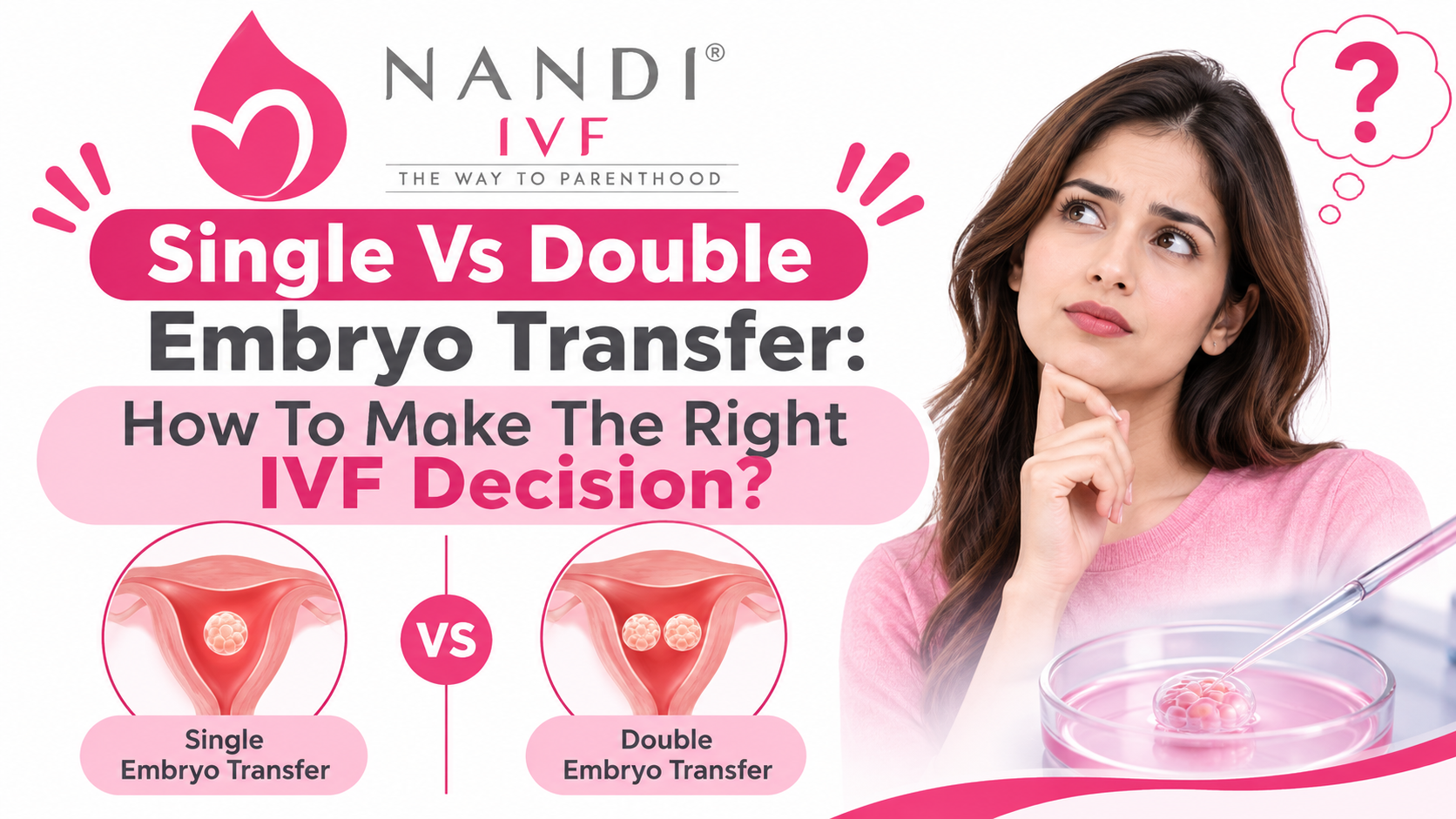
For those who have difficulty conceiving naturally and are starting the journey towards parenthood, IVF can help make their dream of becoming a parent come true. During IVF, multiple eggs are matured and fertilised, which leads to multiple viable embryos, one or more of which can be transferred to the uterus. Choosing between single vs double embryo transfer is an important decision in the IVF journey. But the idea of transferring multiple embryos sounds like the complete track to start the parenthood journey. But the reality involves balancing the success rate against significant medical risks.
In this blog, you will get clarity about the science behind both options.
Why single embryo transfer?
- The method of single embryo transfer is chosen by those women or couples who want to prevent multiple births. Although multiple births can be desired, carrying more than one baby at one time can increase the risk to unborn children and the mother.
- Twins are likely to be born prematurely with lower weights as compared to single babies. The risk increases with triplets and increases with the number of babies.
- The risk to mothers increases with the number of babies in the uterus. Women carrying multiple babies are at the greatest risk of developing preeclampsia and diabetes, and other complications as well.
Who can benefit from single embryo transfer?
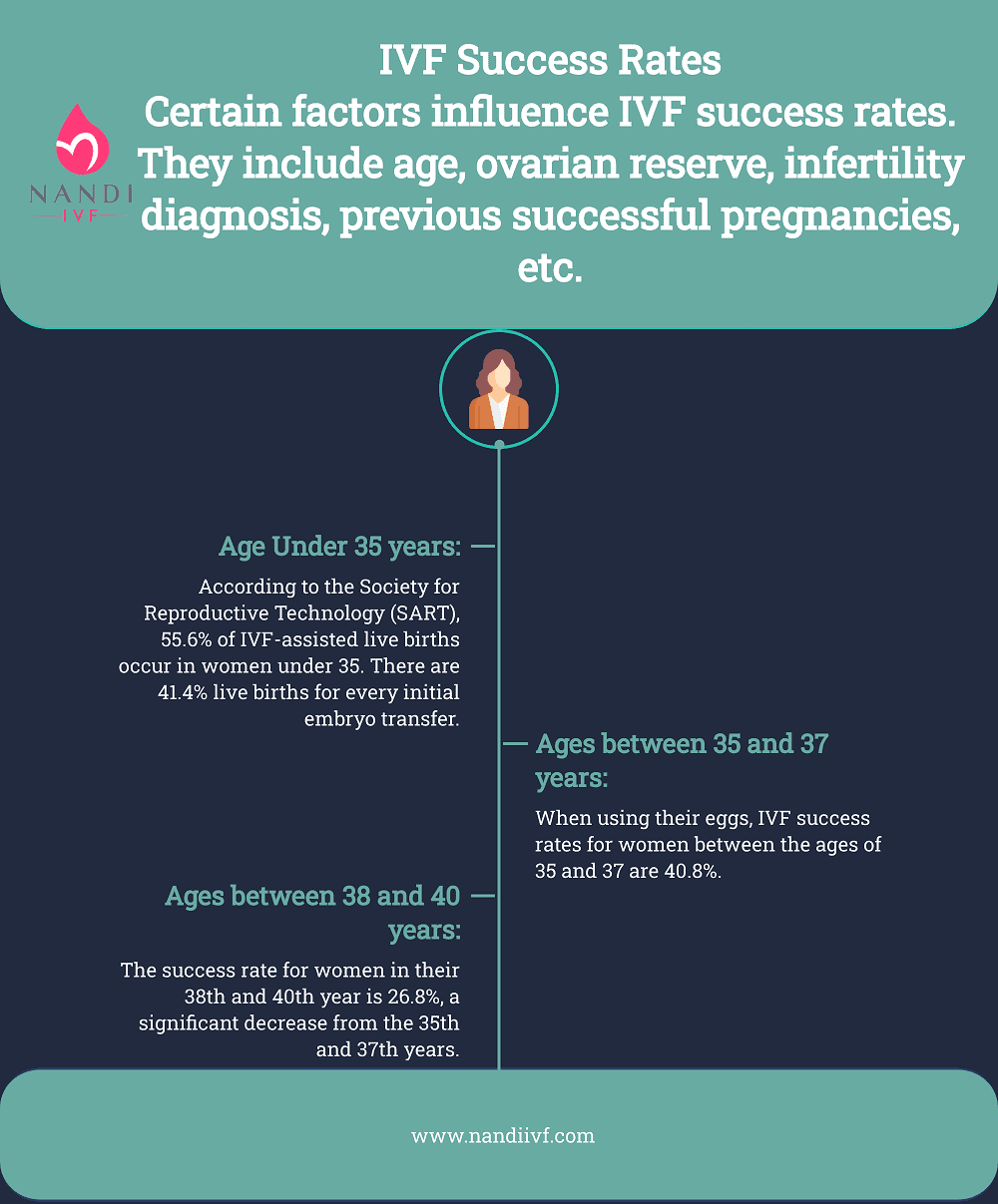
- Basically, women who undergo IVF treatment at a younger age, mostly under the age of 35, can see the same success rates when a single embryo is transferred as compared to multiple embryos.
- But women who are older cannot see the same success rates, so single embryo transfer is not a preferred choice.
Why multiple embryo transfer?
- This method is for those who undergo IVF as soon as possible and with as few IVF cycles as possible. For this reason, most patients prefer multiple embryo transfers at one time.
- Transferring multiple embryos can increase the chances of conceiving successfully and naturally. But this is not true for all women, and it is not considered by all women in order to conceive successfully.
Which women can benefit from multiple embryo transfer?
- Multiple embryos are not safe for all patients. When deciding the number of embryos to be transferred, the main factor considered is the woman’s age.
- Generally, women above the age of 35 have more chances of conceiving when a double embryo is transferred instead of one. This is because egg quality decreases with age, and egg quality affects the ability to implant in the uterus.
- Women below the age of 35 have an increased success rate when single embryos are transferred rather than multiple embryos. So women of young age consider IVF with multiple embryo transfer and are prepared for the chances of multiple births of twins.
Can old women benefit from single embryo transfer?
- Older women can benefit from single embryo transfer, especially if eggs are retrieved before they turn 35.
- With age, egg quality declines in women, and it starts declining around the age of 35, but freezing them for future use will preserve egg quality and help women conceive successfully in their 30s and 40s without transferring multiple embryos at one time.
Conclusion
Choosing between single vs multiple embryo transfer comes down to balancing the chance of pregnancy against the risk of multiple pregnancy. Transferring multiple embryos seems like the fastest route towards the parenthood journey; advancements in IVF, both single and multiple embryo transfer, increase the chances of getting pregnant. But there is no one answer and one method that fits all concerns. The answer and decision about any procedures regarding fertility depend on age, past medical history and embryo quality. You can work closely with an IVF specialist at Nnadi IVF Centre to evaluate the unique profile and choose the effective method towards the path of parenthood.
Frequently Asked Questions
Common questions answered by Dr. Payal Bajaj
What is the major difference between single embryo transfer and multiple or double embryo transfer?
Single embryo transfer means that one selected embryo is transferred into the uterus during an IVF cycle, and multiple or double embryo transfer means transferring two or more embryos at the same time.
Which option has the higher success rate?
The success rate depends on the quality of the embryo and the woman's age, considering IVF.
Who is considered an ideal candidate for double embryo transfer?
The doctors recommend double embryo transfer in situations of repeated implantation failures and low-grade embryos.
Is it possible that transferring the two embryos doubles the chances to get pregnant?
No, it's not possible that transferring the two embryos can double the chances of getting pregnant.
What is the role of embryo quality in IVF treatment?
Embryo quality matters because transferring a low-quality embryo can reduce the overall implantation success rate.

Dr. Payal Bajaj
Senior IVF & Embryology Consultant with over 20+ years of specialized clinical experience in reproductive endocrinology, blastocyst culture, and complex recurrent IVF failure cases. Over 10,000+ healthy babies delivered.