Posterior Placenta: Is It Normal? Meaning, Types, and Pregnancy Guide

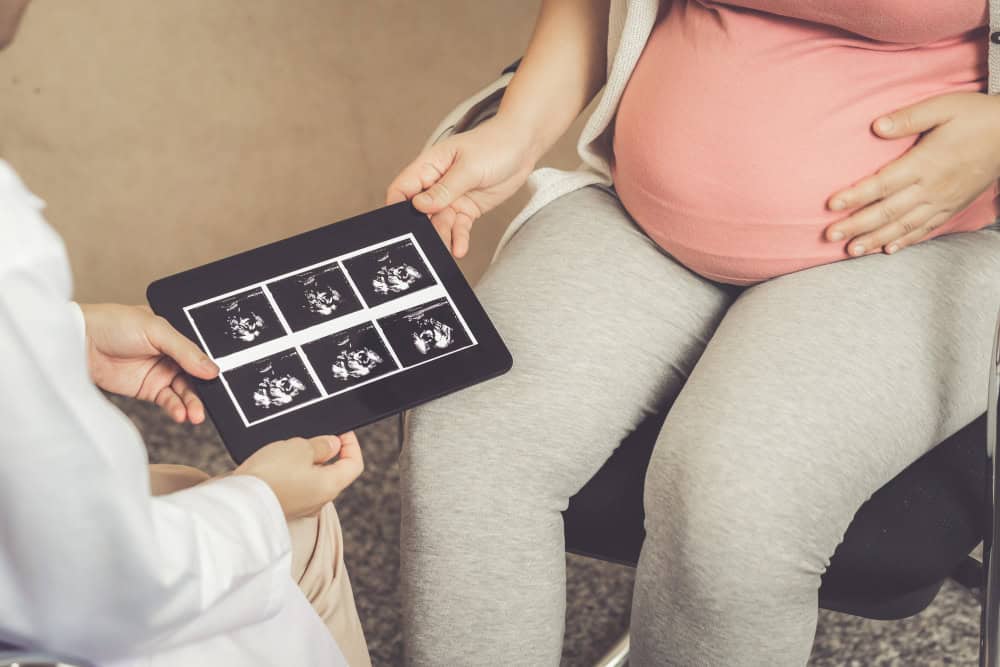
Pregnant woman with diagram of posterior placenta in pregnancy.

Posterior Placenta: Is It Normal? Meaning, Types, and Pregnancy Guide

The term “posterior placenta” describes a placenta that is attached to the back wall of the uterus. Throughout pregnancy, the placenta supplies the baby with oxygen and nutrients and removes waste products.

This information explains what a posterior placenta is, the kinds and when it might be a good idea to talk to a doctor.

What Is a Posterior Placenta

The placenta starts to grow soon after the fertilised egg implants in the lining of the uterus. If the fertilised egg attaches to the back wall of the uterus facing the spine, it is called a posterior placenta. If the fertilised egg attaches on the front wall instead, closer to the abdomen then the placenta is called an anterior placenta.

Neither the posterior placenta nor the anterior placenta is better than the other. Both positions of the placenta are normal. 

Is a Posterior Placenta Normal

Yes and quite ordinary at that. It’s one of the positions doctors see most often in routine scans, and on its own it says nothing about how the baby is developing or how delivery will go. A posterior placenta in pregnancy is, for most women, simply noted in the file and never mentioned again unless something else comes up. 

That doesn’t mean every posterior placenta is identical, though. Where it lands within the back wall high, low, somewhere in between, changes the picture a little, which is why doctors break posterior placentas down into a few types.

Types of Posterior Placenta

1. Fundal Posterior Placenta

The fundus is the top curve of the uterus. When the placenta attaches there, on the back wall, that’s a fundal posterior placenta and it’s usually the one doctors are happiest to see. It sits well clear of the cervix, gives the baby room to grow, and doesn’t really change your prenatal care. Just the usual check-ups.

2. Fundo-Posterior Placenta

You might see this term instead. It’s not a different condition, just a different way of writing the same thing, fundal posterior, fundo-posterior, same high attachment on the back wall. Which one shows up on your report just depends on the clinic.

3. Posterior Low-Lying Placenta

This one’s different. A posterior low-lying placenta means the placenta has attached to the back wall of the uterus, but sits low, near or close to the cervix. In most cases, this isn’t a permanent issue. As the uterus grows and stretches during pregnancy, the lower part expands too, and this naturally pulls the placenta higher up, away from the cervix. That changes the delivery plan, and usually means a few extra scans.

Does a Posterior Placenta Affect Baby Movement

Here’s something you’ll likely notice on your own, you may feel the baby kick sooner than expected. With a posterior placenta sitting behind the baby, there’s nothing cushioning those movements, kicks and rolls come through earlier and feel stronger. 

Your diet, your exercise routine, your regular prenatal visits none of it needs to change just because of where the placenta is sitting. The one exception is a low-lying placenta, which does call for a bit of extra monitoring.

Symptoms and Diagnosis of Posterior Placenta

There are no symptoms with a posterior placenta. No cramping, no pain, nothing you’d notice on your own. It’s usually found during the anomaly scan, done between eighteen and twenty-two weeks of pregnancy. The sonographer checks the placenta’s position as part of this routine scan, and this is often the first time parents hear terms like “posterior,” “anterior,” or “fundal” used to describe their pregnancy.

When Should You Consult Your Doctor

A posterior placenta on its own isn’t a reason to call your doctor. A few things alongside it are:

  • Vaginal bleeding or spotting, at any stage
  • A posterior low-lying placenta that hasn’t moved up by your later scans
  • Cramping or pelvic pressure that feels different from the usual aches
  • A noticeable drop in fetal movement once you’re past the point where kicks are normally a daily pattern

Any of these, and it’s worth getting checked. Your doctor may order a follow-up ultrasound to see whether the placenta has shifted, and adjust the rest of your care plan from there.

Posterior Placenta and Fertility Treatment

Couples going through IVF tend to have their pregnancies watched more closely in the early months, with more frequent scans than a typical conception. That means placental position posterior, anterior, fundal, whatever it turns out to be, usually comes up early, and there’s time to walk through what it means before delivery planning is anywhere close.

Posterior Placenta and IVF Pregnancy

For couples who’ve gone through IVF, every part of the pregnancy can feel like it matters a bit more and placental position is often one of the first things they ask about. The answer is the same as it would be for any pregnancy, a posterior placenta isn’t a diagnosis. It’s just where the placenta happened to attach. IVF pregnancies usually come with more frequent scans early on, so this kind of detail tends to show up sooner, giving you time to understand it well before delivery is anywhere close.

If you have questions about your placenta’s position, or what it means going forward, the team at Nandi IVF, a leading IVF Center in Delhi, is here to help. We’ll explain what your report actually says, not just hand it to you.

Regular Periods but not Getting Pregnant? Causes and Solutions You Should Know

“Your periods are regular, so everything must be fine.” If you are tired of hearing this often while silently wondering why pregnancy isn’t happening, you’re not alone! Many women predominantly assume a predictable cycle means no fertility issue. Yet for many couples, conception takes longer even when periods show up right on time. So, what does that imply? The truth is fertility is like a relay race, with ovulation being just one runner. The fallopian tube, sperm health, hormones and successful implantation must pass the baton in order to conceive naturally. Even if one runner fails, the pregnancy is delayed. Before we explore the effective solutions like hormonal therapy, lifestyle adjustments and IUI treatment in Delhi, let’s get into what might be happening behind the scenes! Continue reading “Regular Periods but not Getting Pregnant? Causes and Solutions You Should Know”

Irregular Periods and Pregnancy- What You Should Know

Being a female with an irregular menstrual cycle means every month waiting for the period. One month they are on time, and the next month they ring the bell a week before, or maybe the consequent cycle is delayed by 3 weeks. The situation of calculating the uncertainty is frustrating. But everything is manageable till you wish to plan for a pregnancy. Oops! What next? How would you track your hormones or what if you assume your missed period as a successful conception? 

Well, you are not alone. Being covered with clouds of confusion is normal in such situations. But worry not, in this blog, you will meet the clearest solution for tracking pregnancy with irregular periods. Also, you will get an idea regarding when you should seek the best IVF treatment in Delhi.

Signs of Pregnancy with Irregular Periods 

When you keep manifesting a successful fertilization, everything seems like a sign of the universe. But what if the signs, like irregular periods, are part of your life? Let’s see what else can notify you to visit the fertility clinic:

  • Breast Tenderness 

You won’t believe that observing your breasts can be one of the earliest signs of pregnancy. Tenderness or pain could not be avoided as a normal physiological phenomenon. Who knows that your body is trying to inform you of a little life budding in your womb?

  • Spotting 

Have you ever noticed a spot and ignored it stating hormonal changes? Well, that could be missing a sign of conception. So, basically, the spot is mild bleeding observed a few days after fertilization. It’s called implantation bleeding. So, next time be careful with these tiny drops.

  • Cramps 

You may sometimes mistake the pregnancy cramps for menstrual cramps. But here’s a catch. You need to be careful about its intensity. High-intensity cramps can be a consequence of ectopic pregnancy. So, always keep an eye on your abdominal physiology and bleeding.

  • Nausea and Vomiting 

Do you know that around 87.8% of females experience nausea and vomiting during the initial days of pregnancy? (Source) Isn’t it quite a high number to trust the sign as a pregnancy signal? Well, trying to conceive and experiencing morning sickness or sudden nausea and vomiting could be a solid reason to book an appointment with your fertility doctor.

  • Vaginal Discharge 

Now, you will be amazed to know that even your changing vaginal discharge can knock as a sign of pregnancy. What do you need to do? Just keep observing your body keenly. If you notice any change in frequency or characteristics of discharge, get yourself a pregnancy test or rush to the hospital.

Conclusion 

Life is never constant. It is full of irregularities be it menstrual or hormonal. But the fun part is making a way out of this tunnel. Imagine narrating your experience of parenthood to your toddler a year later. It will all be worth it, right? So, why not keep trying in the right direction and with hope?

Looking for the best fertility clinic? Check for IVF treatment cost in Delhi at NANDI IVF. For the top-notch services book an appointment now.

Abdominal Pain During Pregnancy

We know how tough pregnancy can get especially when you are experiencing motherhood for the first time. It is an enchanting transformation where you might face some unexpected challenges. One of them is gestational abdominal pain and discomfort. Well, there is nothing to worry about, as mild abdominal cramps and pain during pregnancy are normal. But sometimes it may indicate a more complex underlying issue.  Are you baffled by the growing pains in pregnancy and need assistance with IVF treatment in Delhi?  Here is a list of possible causes that might be hurting your abdomen during pregnancy:

Normal changes in pregnancy

Your body goes through a lot of changes due to which you might experience mild discomfort in the abdomen to a throbbing pain in either or both sides of your belly. Your uterus expands and the ligaments supporting your uterus stretch too. Along with that, your organs are displaced from their normal position. This may cause gestational abdominal aches, but no worries- it is manageable in most cases. Gentle exercises or a warm water bath may bring you some ease.

Digestive issues

Is your stomach being upset a lot more than it was used to? It is usual to face bloating and constipation in the second and third trimester of pregnancy. As the foetus grows, it puts pressure on your stomach and intestine which is the significant cause of digestive problems in pregnancy. When going through IVF procedures in Delhi, the fertility specialist might emphasise you to drink enough water and add extra fibre to your diet.

Braxton Hicks Contractions

Your body might surprise you with false labour pains of lower intensity than true labour. These are known as Braxton Hicks Contractions. These contractions are often milder and stop as you change your position or walk around. 

Preeclampsia

Are you facing an increase in blood pressure, severe headaches and blurred vision? These are the symptoms of preeclampsia which is a dangerous state where your body reacts to pregnancy by increasing blood pressure. Reach out to medical experts immediately if you’re facing any such symptoms.

Miscarriage 

Around 15-25% of pregnant women face miscarriages after a confirmed pregnancy (source). Be careful if you experience spotting or red clots along with severe pain on the right side of your lower stomach.  Talk to our fertility experts regarding IVF treatment in Delhi if you have experienced miscarriage previously. 

Other Serious Complications

Other than pregnancy-related complications, appendicitis and gallstones may be the possible reasons for prenatal tummy pain.

Some may face severe abdominal pain due to unexpected detachment of the placenta from the uterine wall and ectopic pregnancy too.

Conclusion

Pregnancy is a roller coaster of joy and emotional surprises along with its growing pain. But as it is said- “fortune favours the brave; nothing succeeds without toil.” Simple tips like a warm compress, staying well hydrated, prenatal yoga or gentle exercises may bring you some comfort but the situation should not be overlooked if the pain persists. Seek medical attention immediately if you notice severe pain accompanied by spotting or bleeding, fainting and discomfort while urinating. Are you looking for counselling on IVF procedures in Delhi? Do not hesitate to talk to the top infertility experts at Nandi IVF today!

How IVF Affects Multiple Pregnancies: Risks and What to Expect

There has been a growing trend amongst parents for wanting twins, but it is very rare to get them naturally. IVF or In Vitro Fertilization procedure can hike up the percentage of people getting twins but it comes with a fair share of risks. 

The majority of IVF Centre in Rohini may suggest parents not to opt for multiple pregnancy as that could increase the risk of complications for all of the parties involved. Read this article to know more about it. 

Chances of Getting Twins with IVF

The number of embryos that get transferred directly correlates with the risk of getting multiples or twins. Generally, the rate of people getting twins is at 2%. This is changed with the introduction of ART (Assisted Reproductive Technologies). 

The process of IVF is safe but it also has its fair share of risks associated with it. One of them being multiple pregnancies or getting twins. 

Risks Associated with Multiple Pregnancies in IVF

Here are a few risks which people getting IVF treatment are exposed to:

health risks of the mother (C-section, Gestational Diabetes, Pre-eclampsia, etc)
there’s a risk of miscarriage which is common for all pregnancies
babies could be born with health defects like heart issues or digestive problems
multiple pregnancies mostly lead to stillbirth
the babies could be born with a very low weight

IVF Affects Multiple Pregnancies

Single Pregnancy: A Safer Alternative

There have been a lot of studies regarding multiple pregnancy through IVF. Most professionals suggest that getting a single pregnancy is safer as compared to getting multiple pregnancy. This is because there are fewer risks associated when conceiving a single child. It is good for both the mother and the baby. 

The demand for multiple pregnancy is understandable as parents then do not have to go through the entire process again to conceive for a second time. However, the associated risks suggest that single pregnancy is safer. 

Some of the best IVF centre In Rohini would suggest you cautiously approach the decision before considering a multiple pregnancy. 

Final Takeaway,

It is recommended to avoid multiple pregnancy as they lead to a ton of complications. They can be a high risk for both the mother and the babies. If you need more personalized consultation regarding IVF procedure reach out to our experts at Nandi IVF Centre in Rohini. After all, a medical expert is the best person who would be able to guide you through this extensive process. 

How IVF Can Help Women with Fibroids: Overcoming Uterine Issues for Pregnancy

Uterine fibroids are a common concern among many women of childbearing age. These fibroids usually occur as benign growths that are often harmless. However, they can sometimes pose challenges for women who are trying to conceive. In such cases, advances in fertility treatments, particularly In Vitro Fertilization (IVF), offer hope to women with fibroids who dream of starting or expanding their families. With affordable IVF procedure cost in Delhi, women with fibroids can overcome fertility challenges. 

What Are Uterine Fibroids?

Uterine fibroids are also known as leiomyomas. They are non-cancerous growths that develop in or around the uterus. The size of fibroids ranges from a few millimeters to several centimeters. They may be present as single or multiple growths. Fibroids are classified based on their location in the uterus:

  • Intramural Fibroids: Found within the muscular wall of the uterus.
  • Subserosal Fibroids: Located on the outer surface of the uterus.
  • Submucosal Fibroids: Grow into the uterine cavity and are most likely to impact fertility.

How Do Fibroids Affect Fertility?

Not all fibroids interfere with pregnancy, but their size, number, and location can influence fertility in several ways:

  • Distortion of the Uterine Cavity: Submucosal fibroids can distort the shape of the uterus, due to which the proper implantation of fertilized gets disrupted. 
  • Blocked Fallopian Tubes: Large fibroids can obstruct the fallopian tubes and prevent sperm from reaching the egg.
  • Reduced Blood Flow: Fibroids can impact blood flow to the uterine lining, which affects embryo implantation.
  • Increased Risk of Miscarriage: Larger or poorly located fibroids can increase the likelihood of miscarriage or complications during pregnancy.

How IVF Helps Women with Fibroids?

IVF is a highly effective fertility treatment for women with fibroids, especially when other methods have failed. Here’s how IVF works and why it can be a game-changer for women with uterine fibroids:

Controlled Environment for Fertilization

IVF bypasses natural conception by fertilizing eggs outside the body in a controlled laboratory environment. This eliminates challenges posed by fibroids, such as blocked fallopian tubes or altered uterine conditions.

Preimplantation Genetic Testing (PGT)

With IVF, doctors can perform Preimplantation Genetic Testing to ensure the healthiest embryos are selected for transfer. This reduces the risk of miscarriage and improves the chances of a successful pregnancy.

Precise Embryo Placement

During IVF, embryos are carefully transferred into the uterine cavity using advanced imaging techniques. This allows doctors to avoid areas affected by fibroids, ensuring the embryo is placed in the optimal location for implantation.

Opportunity for Fibroid Treatment Before IVF

For women with significant fibroids, treatments like myomectomy (surgical removal of fibroids) can be performed before starting IVF. This creates a healthier uterine environment, enhancing the likelihood of success.

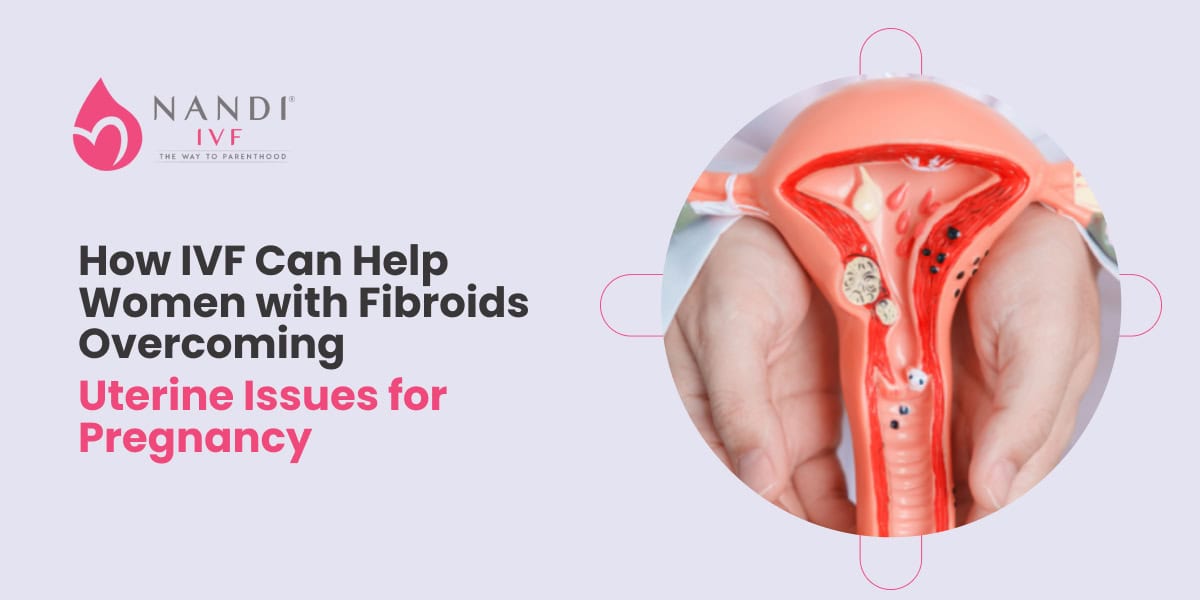
Decorative uterus model with pink and red flowers on pink background.

Cost Considerations for IVF in Delhi

One of the key concerns for couples considering IVF is the cost. The IVF procedure cost in Delhi varies depending on factors like the clinic, the complexity of the case, and additional treatments required (e.g., myomectomy or genetic testing). On average, the IVF cost in Delhi ranges between ₹1,00,000 and ₹1,50,000 per cycle. This cost may increase if advanced techniques like PGT or intracytoplasmic sperm injection (ICSI) are needed.

Despite the financial investment, many couples find IVF to be a worthwhile option due to its high success rates and the joy of achieving parenthood. Several IVF clinic in Delhi offer flexible payment plans or financing options to make treatment more accessible.

How You Can Maximize Your Chances of Success?

Women with fibroids can take several steps to improve their chances of a successful IVF outcome:

  • Work with an experienced fertility specialist who has expertise in managing fibroid-related infertility.
  • If advised by your doctor, consider treating fibroids before starting IVF.
  • Eating a balanced diet, exercising regularly, and managing stress can support overall reproductive health.
  • Choose the right clinic. Look for centers that offer advanced technology, personalized care, and transparent pricing for the IVF Procedure Cost In Delhi.

Why Choose Nandi IVF?

For women with fibroids looking to conceive, Nandi IVF stands out as a trusted name in Delhi. With modern facilities, a compassionate team, and a proven track record, Nandi IVF specializes in helping couples overcome complex fertility challenges. The clinic offers competitive pricing for the IVF cost in Delhi, along with tailored treatment plans to meet individual needs.

At Nandi IVF, we believe every couple deserves the chance to experience the joy of parenthood. If you’re facing fertility challenges due to fibroids, Reach out to us. Together, we can create a path to parenthood personlaised just for you.

What Happens After an IVF Pregnancy Test: Next Steps to Take

The journey of in vitro fertilization (IVF) is filled with many emotions and plenty of expectations, especially after the pregnancy test. For many, this moment is a culmination of hopes and efforts. However, what next after the test has been conducted? The most appropriate plan of action is to consult the best IVF specialist in Delhi to understand your pregnancy results and the considerations ahead. 

What Does Your Pregnancy Test Result Say?

After an embryo transfer, clinics typically schedule a blood test 10–14 days later to confirm pregnancy. This test measures hCG (human chorionic gonadotropin), a hormone that signals a successful implantation. Unlike home pregnancy tests, clinic tests are more reliable and avoid false positives or negatives caused by residual IVF medications.

Positive Result

A positive test confirms that the embryo has been implanted successfully. However, further tests may be needed to monitor hCG levels and ensure the pregnancy progresses as expected. Regular ultrasounds will follow to check the baby’s growth and confirm the presence of a heartbeat.

Negative Result

A negative result can be disheartening, but it’s not the end of your journey. The best IVF specialist In Delhi will review your case to determine possible reasons and suggest further steps. In many cases, additional cycles or adjustments to the treatment plan may improve success rates.

Steps to Take after Getting a Positive Pregnancy Test

Celebrating a positive pregnancy test is natural, but a healthy mindset and lifestyle are more important. Following are the key steps you must take after getting a positive pregnancy test result: 

Follow-up Visits

Your doctor at the best IVF centre in Delhi will make appropriate follow-up visits regularly to monitor the levels of your hCG hormone. Continuously increasing this hormone is a reassuring sign that the pregnancy is doing well. An ultrasound test is usually performed during the sixth week to check for a fetal heartbeat and confirm its position inside the uterus.

Medication Continuation

Even with a positive test result, you would have to administer hormone medicines like progesterone. They help stabilize the uterine lining for the steady development environment that the embryo requires. 

Emotional Well-being

An IVF pregnancy can bring mixed emotions of joy, fear, and uncertainty. During this period, taking care of mental health is important. Seek advice from loved ones or be a part of local support groups organized by the best IVF specialist in Delhi.

What If The Test Is Negative?

Although an unsuccessful attempt may be shocking, most people do finally manage to conceive once they undergo several attempts. IVF success rates increase once the method is modified for your unique situation. The best course of action is not to lose hope and consider these points: 

Consultation With Your Specialist 

The doctor will analyze several factors, such as oocyte quality, embryo implantation success, and general health status, to identify potential hurdles. The best IVF Centre in Delhi has specialists who can offer high-tech diagnostic equipment to improve future treatment procedures. 

Prepare for Future Cycles 

Your body may require a break before another cycle of IVF. This is the time to work on improving your physical and emotional health. A balanced diet, moderate exercise, and stress reduction techniques can all improve your overall well-being and prepare your body for the next attempt.

IVF Pregnancy Test

Choose The Most Suitable IVF center in Delhi For You!

Even if your test result came out positive or negative, having a trusted IVF team by your side makes all the difference. Nandi IVF Centre is one of the most prominent and best IVF centres in Delhi. We offer leading-edge care, modern technologies, and empathetic assistance at every step of your fertility treatment. For expert care, Contact our best IVF specialist in Delhi today!

Who Should Consider Social Egg Freezing: Identifying the Right Candidates

Social egg freezing is becoming more and more popular for women who want to preserve their fertility. Whether for personal, professional, or medical reasons, this technology allows you to delay pregnancy until you’re ready. Who is the best candidate for this? In this blog, we’ll look at who should consider social egg-freezing and why.

The process involves extracting and freezing a woman’s eggs for future use. It’s particularly good for those who want to have children later but are worried about declining fertility with age.

If you’re considering this option, especially in Delhi, then knowing the egg-freezing price in Delhi and if you’re an ideal candidate is key.

What is Social Egg Freezing?

Social egg freezing is different from egg freezing for medical reasons. It’s a proactive choice to preserve fertility for personal or professional reasons. This process allows you to store your eggs at a younger age when fertility is higher and have a better chance of successful pregnancy later in life. It helps women plan their reproductive future without causing any severe medical conditions.

Who Should Consider Social Egg Freezing?

While social egg freezing is commonly accessible to all, it is not required for everyone to freeze their eggs. Here’s who should consider social egg-freezing:

Women at the Age of Late 20s to Early 30s

Your fertility starts to decline after your early 30s. For women who aren’t ready to have children by their late 20s or early 30s, social egg-freezing is the solution. At this age, your eggs are healthier and have a higher chance of resulting in a successful pregnancy later. The most common reasons to freeze your eggs at this age are:

  • You want to focus on your career: Many women are delaying motherhood to build their careers. Freezing your eggs gives you peace of mind that you can have children later, even after you’ve achieved your professional goals.
  • You haven’t found the right partner yet: If you’re single and want to give yourself more time to find the right partner, freezing your eggs gives you more options down the line.

 Women With an existing family History of Early Menopause

If early menopause runs in your family, your fertility window may close earlier than you expect. Egg freezing allows you to preserve healthy eggs before menopause starts affecting your reproductive health.

This is especially relevant if you’re in your late 20s or early 30s and have seen early menopause in your relatives. By freezing your eggs now, you’re safeguarding your future ability to conceive.

Social Egg Freezing

Medical Considerations for Social Egg Freezing

Social egg freezing is often seen as a non-medical decision, but some women may consider it for medical reasons, even without a fertility issue.

Women Undergoing Medical Treatments

If you are about to undergo treatments such as chemo or radiation, which could damage your ovaries or eggs, freezing your eggs beforehand is a viable option. You can have children once your treatment is completed and you are stable. 

Women With Reproductive Health Conditions

If you have conditions like endometriosis or polycystic ovary syndrome (PCOS), which could affect your fertility in the future, egg freezing is an option. These conditions can progress and make conceiving more difficult as you age. Freezing your eggs while they are still healthy will protect your chance of having a biological child.

How to Know if Social Egg Freezing is for You?

There are many factors to consider before you decide to freeze your eggs. Weigh the pros and cons and talk to a fertility specialist. Here are some to help you decide:

Your Age and Fertility

Fertility drops significantly as women age, most sharply after 35. The younger you are when you freeze your eggs, the better the chance of a successful pregnancy later. Ideally, it’s most effective for women in their late 20s to early 30s.

Fertility Timeline:

Age Group Fertility Status
Late 20s to Early 30s Fertility is at its peak; ideal time for social egg freezing.
Mid-30s Fertility begins to decline, but egg freezing is still possible.
After 35 Fertility drops significantly; fewer eggs and lower quality.

Emotional and Mental Preparedness

Freezing your eggs will give you a sense of relief but remember this is not a guarantee to pregnancy. Not all frozen eggs will result in successful fertilization or pregnancy. Be mentally prepared to do additional procedures like IVF later on.

Future and Lifestyle

If you are thinking of egg freezing, consider your future. Do you see yourself having children in the next 5-10 years? Are you committed to the process, which may involve IVF and hormone treatments later? These are to be considered before you decide.

Conclusion

Social egg freezing is for women who want to take control of their fertility. Whether you’re focused on your career, waiting for the right partner, or safeguarding against reproductive health conditions, freezing your eggs will give you peace of mind and more options for the future.

Before you decide, it’s important to know the egg-freezing cost in Delhi and the costs involved. Most importantly, consult a fertility expert who can guide you through the process and tell you when to freeze your eggs. We at Nandi IVF ensure that everyone gets a chance to plan their reproductive future and have a successful and positive IVF experience.

Preimplantation Genetic Testing (PGT) and Its Use in the Enhancement of IVF Performance

In vitro fertilization (IVF) has become one of the most preferred fertility treatments. It offers hope to childless couples by significantly increasing their chances of having children. One of the improvements made in IVF is Preimplantation Genetic Testing (PGT). 

PGT involves screening embryos for congenital diseases before implanting them into the uterus. Thus, this technology increases the chances of getting pregnant and giving birth to healthy babies. Knowing how PGD works can help you in choosing the process you will follow to become a parent. 

This blog focuses on PGT, its process, and how this new technology has become widespread due to its commendable benefits. 

Preimplantation Genetic Testing

Preimplantation Genetic Testing (PGT) is a secondary technique associated with IVF treatment that allows the genetic characteristics of embryos to be identified. The PGT commences with collecting a few cells from the embryos developed through the IVF method. 

Then, the retrieved cells are tested to detect any genetic variations in the developing embryo. This test is performed at an early stage after IVF to identify chromosomal or genetic defects and promote healthy embryos that are most likely to lead to a successful pregnancy.

There are different types of PGT, each serving a specific purpose:

PGT-A (Aneuploidy Test)

PGT-A tests for extra or missing chromosomes (aneuploidies), which might lead to Down’s syndrome. PGT-A is usually recommended for patients who have had multiple IVF failures, a previous or child with specific chromosomal disorders such as Down syndrome, Turner’s syndrome, and Patau’s syndrome. 

Although PGT-A may be performed for any IVF cycle, some advantages and disadvantages must be explained by your doctor before deciding on PGT-A for you.

PGT-M (Monogenic Test)

PGT-M process directly looks for certain hereditary metabolic diseases, including cystic fibrosis or Hunter’s disease. By avoiding the transfer of embryos with genetic disorders, patients can give birth to healthy children.

PGT-SR (Structural Rearrangements)

PGT-SR detects chromosomal structural changes, such as translocations or inversions, that could lead to miscarriage or genetic disorders. It helps to identify embryos with balanced chromosomes, reducing genetic risks. A person with structural rearrangements is likely to pass those genes to their children. PGT-SR can detect embryos that effectively lack certain pieces of chromosomes.

Preimplantation Genetic Testing Procedure

The PGT process is carefully integrated after the IVF procedure and is performed under the supervision of experts at the best IVF clinics in Delhi. Here is the step-by-step PGT procedure:

  • Ovarian Stimulation: The ovaries are purposely stimulated with hormones to produce multiple eggs simultaneously, generating embryos for genetic testing. 
  • Egg Retrieval:  The eggs are collected from the patient’s ovaries by giving general anaesthesia. Thеsе collеctеd еggs undergo further testing for the identification of mature eggs. 
  • Insemination: The semen sample is collected from the donor through ejaculation. Sperm cells are required to fertilise the egg under In-vitro conditions.
  • Fertilisation: Both egg and sperm are set up jointly in a culture dish so that fertilisation can occur naturally. An embryologist carefully examines each egg to determine whether fertilisation was successful.
  • Embryo Biopsy: During this biopsy, a few cells from the trophectoderm, or outer layer, which will eventually form the placenta, are removed. It is important to note that this procedure does not damage the embryo when performed by qualified and experienced personnel. 
  • Embryo Testing: The extracted cells are tested to see whether the embryo from which they were taken had a specific genetic abnormality responsible for the inflammatory condition (PGT-M) or any chromosomal defects (PGT-A).
  • Embryo transfer: Only embryos that do not have any chromosomal abnormalities or genetic disease are selected for implantation.

Selecting the Correct IVF Clinic for PGT

Choosing the best IVF in Delhi might feel exhausting, but before choosing one, always make sure that the clinic provides PGT service. Here are the factors to consider when looking  for the best IVF clinic for PGT:

  • Laboratory facilities: PGT needs more sophisticated genetics analysis, which requires highly equipped machines. The best fertility centre in Delhi must have such machines and should run tests that cannot be conducted in every clinic. 
  • Experienced fertility specialists: It is important to underline that the outcomes of the procedure, mainly in the case of PGT, depend upon the skills of doctors and embryologists. 
  • Personalised care: Treatment for infertility is a very private endeavour, and every couple has their own story. The best fertility Centre in Delhi should assure the patient that their details are encrypted. They should make the patient feel comfortable and ensure the best treatment plan that suits their needs and history.

Bottom Line

Preimplantation Genetic Testing has revolutionised the IVF process through increased implantation success, decreased miscarriage rates, and a couple’s ability to make better decisions regarding their potential offspring’s genetic makeup. 

A PGT may not guarantee a healthy pregnancy but increases the chances of a successful one. Want to join the list of parents who had successful IVF and PGD treatment? Choose the best IVF in Delhi, Nandi IVF Fertility Centre. We have over 80% IVF success stories and 20 years of experience with state-of-the-art technology to help smoothen the process.

What to Expect When Dealing with Recurrent Miscarriage

Dealing with recurrent miscarriage is a deeply emotional and challenging experience for many individuals and couples. Understanding what to expect during this difficult journey can provide some clarity and support. In this blog post, we’ll explore the emotional, physical, and practical aspects of facing recurrent miscarriages, as well as guidance on seeking medical advice and support systems.

Understanding Recurrent Miscarriage

Recurrent miscarriage, often defined as experiencing three or more consecutive pregnancy losses, can be emotionally devastating. This repeated cycle of hope and loss leaves many feeling broken and questioning their bodies. However, it is important to recognize that you are not alone in this struggle. Many women and couples endure similar challenges, and understanding the condition can be the first step towards healing.

The reasons behind recurrent miscarriage are complex and multifaceted, ranging from genetic factors to hormonal imbalances. It is essential to gather as much information as possible about your specific situation. Engaging in conversations with healthcare providers, asking questions, and seeking second opinions can help you feel empowered during a time that often feels disempowering.

Additionally, being part of support groups or online forums can provide invaluable insights. Listening to other people’s stories can help you feel connected and understood. Approaching recurrent miscarriage as a shared experience rather than an isolated struggle fosters a sense of community.

The Emotional Toll of Repeated Loss

The emotional consequences of recurrent miscarriage can be profound and long-lasting. Each loss can bring about a wave of grief that may feel insurmountable. For many, it can create feelings of isolation, anxiety, and depression. Understanding that these emotions are valid and shared by many can be a source of comfort.

It’s normal to experience a range of feelings, from anger to guilt. In its wake, the fear of trying to conceive again can loom large. You may find yourself contemplating the ‘what-ifs’ and feeling resentful towards others who seem to conceive effortlessly. Such feelings are part of the grieving process, and acknowledging them is crucial for emotional healing.

Engaging in healthy coping mechanisms is vital. Journaling, talking to friends, or seeking professional therapy can be instrumental in processing emotions. These practices offer you the chance to reflect, express, and manage your feelings constructively.

Common Causes and Medical Explanations

Understanding the common causes of recurrent miscarriage can sometimes bring comfort, as knowledge often alleviates fear of the unknown. Various factors can contribute to these losses, including chromosomal abnormalities, anatomical issues, and hormonal imbalances. Chromosomal abnormalities, for example, are responsible for up to 60% of early pregnancy losses and often occur spontaneously.

Another significant factor includes uterine abnormalities, such as fibroids or septate uterus. Understanding these medical explanations can help you work with your healthcare provider to identify appropriate treatments or interventions. For instance, if structural issues are at play, surgical solutions may increase the chance of a successful pregnancy.

Hormonal issues, including luteal phase defects or thyroid dysfunction, can also impair pregnancy viability. Regular check-ups and comprehensive evaluations are crucial to diagnose and address such underlying conditions. Early and thorough testing can pave the way for targeted solutions.

Seeking Medical Guidance and Support

Once you have experienced recurrent miscarriage, proactively seeking medical guidance is critical. A good first step is consulting with your obstetrician or a reproductive endocrinologist who specializes in infertility and miscarriage. They can conduct a series of tests to evaluate your reproductive health.

It’s essential to engage in open and honest dialogues with your healthcare provider. Don’t hesitate to ask about tests that should be performed or possible treatments. Being informed about your options will empower you to make decisions that are in your best interest.

Additionally, consider seeking emotional support through counseling or support groups. Professional therapists experienced in dealing with loss and grief can provide valuable coping strategies and help you work through your feelings.

Coping Mechanisms During Difficult Times

During the tumultuous journey of recurrent miscarriage, establishing coping mechanisms is essential for emotional well-being. First and foremost, give yourself permission to grieve. This process is unique for everyone and can encompass a myriad of emotions, often in no particular order. Allow yourself to feel these emotions without judgment.

Building a self-care routine can also be beneficial. Simple practices like regular exercise, meditation, and engaging in hobbies can foster resilience and distract you during tough moments. They can serve as a much-needed outlet to release pent-up emotions and provide a break from grief.

Finding joy in small things amid sorrow is crucial. Focus on small accomplishments each day, whether it’s a delicious meal or a walk in nature. Mindfulness practices can help you reconnect with the present and appreciate life’s little moments, allowing hope to slowly return.

Building a Support Network

Having a robust support network can make a significant difference when navigating the challenges of recurrent miscarriage. Surround yourself with understanding friends and family members who can provide emotional backing. Sharing your thoughts and feelings with those who care can alleviate feelings of loneliness.

Consider joining support groups where you can connect with others who have experienced similar losses. Hearing their experiences can help you feel validated and understood. These groups often provide a safe space for discussing feelings, sharing resources, and exchanging coping strategies.

In addition to emotional support, don’t overlook the importance of practical help. Whether it’s cooking meals or helping with daily tasks, relying on others during this time can relieve some of the burdens that come with grief.

Exploring Future Pregnancy Options

After recurrent miscarriage, contemplating future pregnancies can be both daunting and hopeful. It’s essential to have a thorough discussion with your healthcare provider to understand your options moving forward. This dialogue can help devise a tailored treatment plan that may include lifestyle adjustments, medical interventions, or assisted reproductive technologies.

Additionally, consider setting realistic expectations for the future. While it’s normal to feel hopeful for a successful pregnancy, being prepared for various outcomes can help manage anxiety. You may also want to discuss with your partner about your hopes and fears regarding future pregnancies to ensure you remain united during this journey.

Taking time to heal emotionally and physically before attempting another pregnancy can also be beneficial. Don’t rush the process; honoring your emotions and allowing time for recovery is an essential part of the journey. Ultimately, building resilience and nurturing hope can pave the way for a brighter future.

Finding Hope and Support

Facing recurrent miscarriage can feel overwhelming, but it’s important to remember that you are not alone. With the right medical support, emotional care, and understanding, you can navigate this challenging journey. Take one step at a time, and don’t hesitate to seek help when you need it.