fbpx

Dealing with IVF Failure: What Happens When It Doesn’t Work and How to Move Forward

When It Doesn’t Work

Dealing with IVF Failure: What Happens When It Doesn’t Work and How to Move Forward

For couples hoping to build a family, undergoing IVF (In Vitro Fertilization) is often an emotional journey filled with hope and anticipation. When it doesn’t succeed, it can be profoundly disappointing, even devastating. However, it’s important to understand that a failed IVF cycle does not mean the end of the road. Many couples go on to achieve successful pregnancies after learning from previous attempts and making necessary adjustments. You can always reach out ot the best IVF specialist in Delhi to get clarity on the approach ahead. 

Why Does IVF Fail?

IVF is a complex process that involves multiple steps, each of which must align perfectly to achieve pregnancy. When something goes unexpected, it can result in failure. Some of he most common factors resulting in a failed IVF cycle are as follows: 

Embryo Quality

Even when embryos appear healthy under a microscope, they may have underlying issues that prevent successful implantation. Chromosomal abnormalities in embryos are a significant reason for IVF failure.

Age of the Woman

Egg quality dramatically declines as women age, particularly after the age of 35. Women under 35 have a higher chance of successful IVF, with success rates declining gradually as age increases. The best IVF clinic in Delhi can guide older women on options like using donor eggs to improve success rates.

Uterine Issues

A good health of the uterine lining is important for successful implantation. Conditions such as fibroids, polyps, or scar tissue can interfere with the process. A thorough evaluation by the best IVF specialist in Delhi can help identify and address these issues.

Ovarian Reserve

Women with diminished ovarian reserves (low egg quantity and quality) may not respond well to fertility medications. Thus, they have fewer viable eggs for fertilisation.

Lifestyle Factors

Smoking, excessive alcohol consumption, high stress, and being significantly overweight or underweight can negatively impact IVF outcomes. Lifestyle changes can improve your chances in subsequent cycles.

Sperm Quality

Male factor infertility can also contribute to IVF failure. Poor sperm motility, morphology, or chromosomal abnormalities can further hinder successful fertilisation or embryo development.

What to Do After a Failed IVF Cycle?

Couples always expect positive outcomes when they undergo fertility treatment. However, they should be mentally prepared for the negative outcomes and not lose hope. Even if the IVF fails, couples can consider these points restart afresh: 

Understand the Cause

Schedule a follow-up appointment with your fertility specialist to review what may have gone wrong. The best IVF clinic in Delhi will provide a detailed analysis of your IVF cycle, including egg quality, sperm quality, and embryo development.

Explore Additional Testing

Based on your results, your doctor may recommend additional tests such as:

  • Hysteroscopy: To examine the uterine cavity for abnormalities.
  • Preimplantation Genetic Testing (PGT): To screen embryos for chromosomal issues.
  • Karyotype Testing: To check for genetic abnormalities in you or your partner.

Modify the Treatment Plan

Your fertility specialist can tweak your protocol for the next cycle. Adjustments may include changing medications, altering dosages, or exploring alternative approaches like ICSI (Intracytoplasmic Sperm Injection) for fertilization.

Consider Egg or Sperm Donation

If egg or sperm quality is a recurring issue, using donor eggs or sperm may increase your chances of success. This option is particularly recommended for women with low ovarian reserves or men with severe sperm abnormalities.

Focus on Emotional Well-being

It’s natural to feel grief, frustration, or even guilt after a failed IVF cycle. Consider seeking support from a counselor or joining a support group to process your emotions. Remember, you are not alone in this journey.

Read More About Fail IVF Cycle

Dealing with IVF Failure

How to Improve Your Chances in the Next Cycle?

The best course of action in dealing with a failed IVF attempt is to stay firm in your determination to become a parent. Reduce stress, stay calm adopt strategies that can improve the chances of a successful attempt. Some of these approaches are:  

  • Maintain a healthy weight.
  • Eat a balanced diet rich in fruits, vegetables, and whole grains.
  • Limit alcohol and avoid smoking.
  • Engage in moderate exercise and stress-relieving activities like yoga or meditation.
  • Choose the right clinic and IVF specialist in Delhi.
  • Use advanced technologies such as time-lapse imaging for embryo selection or endometrial receptivity testing. Ask your doctor if these options are available at the Best IVF Clinic In Delhi.
  • If multiple IVF cycles have failed, consider alternative parenting options, such as surrogacy or adoption.

Read More About Fail IVF Cycle

Get The Trusted Partner on Your Journey!

If you are looking for compassionate care and cutting-edge treatments, Nandi IVF stands out as one of the best IVF clinics in Delhi. With experienced specialists, personalized care, and modern facilities, Nandi IVF is here to support you in achieving your dream of becoming a parent. Reach out us today to take the next step toward building your family.

IVF for Men: Male Infertility, Sperm Issues, and Treatments for Successful IVF

When couples realise infertility, many of them tend to ignore male infertility and approach the identification of female causes. Studies suggest that about 17.5% of couples globally experience infertility, in which the male factor is responsible for about 20-30%. However, infertile couples should never lose hope, as assisted reproductive technologies, especially IVF, have made it possible to conceive even with male-factor infertility. The top IVF centre in Delhi offers IVF focused on male factors. This approach addresses the majority of sperm-related problems with viable treatment options that will lead to a successful conception.

What is Male Infertility and Its Causes?

Male infertility is the inability to impregnate a female partner after several attempts at regular, unprotected intercourse. The cause can be due to several reasons:

  • Low Sperm Count: Probably due to varicoceles, hormonal imbalances, or inherent genetic disorders.
  • Abnormal Sperm Morphology (Teratospermia): Poorly shaped sperm reduces the chances of fertilisation.
  • Low Sperm Motility (Asthenospermia): Inability of sperm to move efficiently toward the egg.
  • Ejaculatory Dysfunction: Issues like retrograde ejaculation or blockages in the reproductive tract.
  • Hormonal Imbalances And Lifestyle Factors: Chronic stress, obesity, smoking, alcohol, and exposure to toxins can impair sperm health.

Sometimes, there are no identifiable reasons for male infertility despite all kinds of assessments. Doctors have to perform more precise diagnoses for the more optimal treatment plan. 

Why IVF for Men Is An Effective Solution?

Treatment generally suggested for male infertility patients would involve the use of IVF, especially if there’s a critical impairment in terms of sperm count, motility, and morphology. For men, the process involves the collection of sperm and eggs from both partners for fertilisation, which then takes place within a lab. 

IVF is particularly helpful as it bypasses several natural barriers to conception, thus beneficial for the couple suffering from male factor infertility. Some of the key benefits of IVF for men are as follows: 

  • Overcomes Low-Sperm Motility: In IVF, the sperm is put in a confined environment near the egg. Therefore, there is less requirement for natural sperm motility.
  • Addresses Severe Male Infertility: ICSI is a specialised IVF technique where a single healthy sperm is injected directly into the egg, enhancing fertilisation chances.
  • Bypasses Reproductive Tract Issues: Blockages or ejaculatory dysfunctions may be treated by a straightforward sperm aspiration from the testicles or epididymis.
  • Increases Chances Of Success: For those whose male factor is complicated with factors such as age in females and disorders related to ovulation, IVF offers greater success chances than IUI, for instance.

How Male Infertility Is Diagnosed? 

Once couples do not conceive even after trying for more than a year, they should reach out to a fertility specialist at the most renowned Fertility Centre in Delhi. The doctor will suggest some tests for both partners. For the  male partner, the most commonly used evaluation tests are:

  • Semen Analysis: Assesses sperm count, motility, morphology, and overall semen quality.
  • Hormonal Testing: This test measures the levels of testosterone, follicle-stimulating hormone (FSH), and luteinising hormone (LH).
  • Sperm DNA Fragmentation Index (DFI): This metric assesses genetic impairment within spermatozoa.
  • Scrotal Ultrasound: Evaluate for anatomical abnormalities such as varicoceles or obstruction.
  • Testicular Biopsy: Determines whether infertility is due to low sperm production or obstructive issues.

Treatments for Male Infertility in IVF

When the issue is identified, the doctor suggests the most appropriate treatment option for couples based on their preferences and health requirements. Some of the techniques in IVF that address specific male infertility issues are the following: 

Intracytoplasmic Sperm Injection (ICSI)

ICSI is the most revolutionary technique for severe male infertility. In this technique, a single, high-quality sperm is injected directly into an egg, which bypasses natural fertilisation barriers. ICSI is most beneficial for:

  • Low sperm count
  • Poor motility
  • Abnormal morphology
  • Sperm retrieved through surgical methods

Sperm Retrieval Techniques

In cases where men cannot ejaculate viable sperm naturally, surgical techniques like Micro-TESE (testicular sperm extraction) or PESA (percutaneous epididymal sperm aspiration) are used to obtain sperm for in vitro fertilisation.

Hormonal and Lifestyle Therapies

Hormonal therapies or pharmaceuticals may target fundamental imbalances that influence sperm production. Additionally, lifestyle modifications, including stress reduction, smoking cessation, and adherence to a nutritious diet, can enhance fertility results.

IVF for Man Sperm Issues

Forget About Infertility and Become A Confident Parent!

Male infertility is a rather common and treatable condition as long as the proper intervention takes place. Early diagnosis, correct guidance, and application of techniques like ICSI and sperm retrieval provide a very high success rate. Even though the doctor at the top IVF centre in Delhi will provide you with a list of different methods for conception, the final decision will completely be yours. Thus, to receive the most personalised care and effective treatment recommendations, visit us, the best fertility centre in Delhi

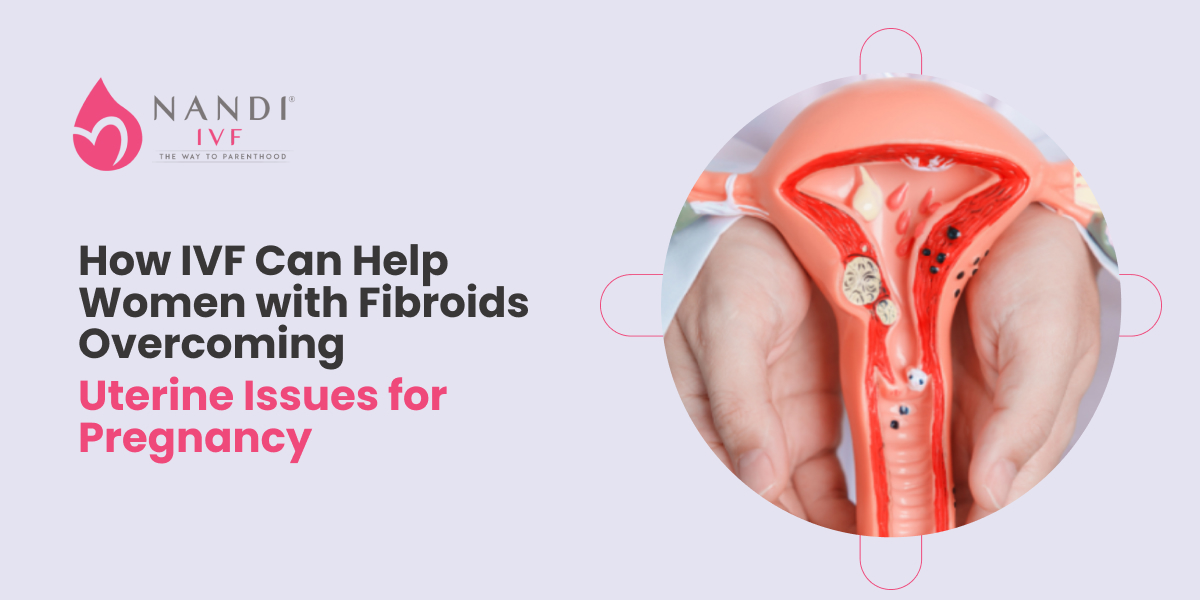
How IVF Can Help Women with Fibroids: Overcoming Uterine Issues for Pregnancy

Uterine fibroids are a common concern among many women of childbearing age. These fibroids usually occur as benign growths that are often harmless. However, they can sometimes pose challenges for women who are trying to conceive. In such cases, advances in fertility treatments, particularly In Vitro Fertilization (IVF), offer hope to women with fibroids who dream of starting or expanding their families. With affordable IVF procedure cost in Delhi, women with fibroids can overcome fertility challenges. 

What Are Uterine Fibroids?

Uterine fibroids are also known as leiomyomas. They are non-cancerous growths that develop in or around the uterus. The size of fibroids ranges from a few millimeters to several centimeters. They may be present as single or multiple growths. Fibroids are classified based on their location in the uterus:

  • Intramural Fibroids: Found within the muscular wall of the uterus.
  • Subserosal Fibroids: Located on the outer surface of the uterus.
  • Submucosal Fibroids: Grow into the uterine cavity and are most likely to impact fertility.

How Do Fibroids Affect Fertility?

Not all fibroids interfere with pregnancy, but their size, number, and location can influence fertility in several ways:

  • Distortion of the Uterine Cavity: Submucosal fibroids can distort the shape of the uterus, due to which the proper implantation of fertilized gets disrupted. 
  • Blocked Fallopian Tubes: Large fibroids can obstruct the fallopian tubes and prevent sperm from reaching the egg.
  • Reduced Blood Flow: Fibroids can impact blood flow to the uterine lining, which affects embryo implantation.
  • Increased Risk of Miscarriage: Larger or poorly located fibroids can increase the likelihood of miscarriage or complications during pregnancy.

How IVF Helps Women with Fibroids?

IVF is a highly effective fertility treatment for women with fibroids, especially when other methods have failed. Here’s how IVF works and why it can be a game-changer for women with uterine fibroids:

Controlled Environment for Fertilization

IVF bypasses natural conception by fertilizing eggs outside the body in a controlled laboratory environment. This eliminates challenges posed by fibroids, such as blocked fallopian tubes or altered uterine conditions.

Preimplantation Genetic Testing (PGT)

With IVF, doctors can perform Preimplantation Genetic Testing to ensure the healthiest embryos are selected for transfer. This reduces the risk of miscarriage and improves the chances of a successful pregnancy.

Precise Embryo Placement

During IVF, embryos are carefully transferred into the uterine cavity using advanced imaging techniques. This allows doctors to avoid areas affected by fibroids, ensuring the embryo is placed in the optimal location for implantation.

Opportunity for Fibroid Treatment Before IVF

For women with significant fibroids, treatments like myomectomy (surgical removal of fibroids) can be performed before starting IVF. This creates a healthier uterine environment, enhancing the likelihood of success.

Women with Fibroids

Cost Considerations for IVF in Delhi

One of the key concerns for couples considering IVF is the cost. The IVF procedure cost in Delhi varies depending on factors like the clinic, the complexity of the case, and additional treatments required (e.g., myomectomy or genetic testing). On average, the IVF cost in Delhi ranges between ₹1,00,000 and ₹1,50,000 per cycle. This cost may increase if advanced techniques like PGT or intracytoplasmic sperm injection (ICSI) are needed.

Despite the financial investment, many couples find IVF to be a worthwhile option due to its high success rates and the joy of achieving parenthood. Several IVF clinic in Delhi offer flexible payment plans or financing options to make treatment more accessible.

How You Can Maximize Your Chances of Success?

Women with fibroids can take several steps to improve their chances of a successful IVF outcome:

  • Work with an experienced fertility specialist who has expertise in managing fibroid-related infertility.
  • If advised by your doctor, consider treating fibroids before starting IVF.
  • Eating a balanced diet, exercising regularly, and managing stress can support overall reproductive health.
  • Choose the right clinic. Look for centers that offer advanced technology, personalized care, and transparent pricing for the IVF Procedure Cost In Delhi.

Why Choose Nandi IVF?

For women with fibroids looking to conceive, Nandi IVF stands out as a trusted name in Delhi. With modern facilities, a compassionate team, and a proven track record, Nandi IVF specializes in helping couples overcome complex fertility challenges. The clinic offers competitive pricing for the IVF cost in Delhi, along with tailored treatment plans to meet individual needs.

At Nandi IVF, we believe every couple deserves the chance to experience the joy of parenthood. If you’re facing fertility challenges due to fibroids, Reach out to us. Together, we can create a path to parenthood personlaised just for you.

How IVF Has Helped Transgender Individuals Build Families

Parenthood is a dream that every individual wants to experience at least once in their lifetime. However, many infertile couples, including transgenders, face huge challenges to make it a reality. This is where assisted reproductive technologies such as IVF come to the rescue and enable even trans persons to bear biological children. The advent of IVF opened up new doors for family-building in the trans community within compassionate care and personalised treatment plans. If you are transgender, fertility specialists at the best IVF centre in Rohini will guide you to live up to the long-held dream of becoming a parent. 

How Does IVF Help Transgender Patients?

In Vitro Fertilization (IVF) is a process where eggs and sperm are fertilized outside the body to create embryos, which are then transferred into the uterus. For transgender individuals and couples, IVF is a key option for achieving parenthood, especially when natural conception isn’t feasible. Transgenders can become parents via IVF with the following methods: 

Options for Trans People with Eggs

Transgender individuals, who have eggs but do not produce sperm, have essentially two main fertility options: 

In most cases, doctors at many IVF centres in Rohini suggest IVF because it has better rates of success, especially if several factors are taken into consideration, such as age or the quality of the eggs. You may also consider these points if you are going to be a transgender parent: 

  • Hormone treatment does affect the quality of eggs. Thus, if you are on testosterone as part of gender-affirming hormone therapy (GAHT), you will be advised to suspend this treatment for at least three months prior to undergoing IVF. This pause optimizes egg quality and improves the chances of successful fertilization.
  • The egg retrieval process involves hormone injections, but these generally do not reverse other physical changes from testosterone, such as vocal tone or facial hair growth.

For those who cannot carry a pregnancy themselves, gestational surrogacy becomes an option. A surrogate carries the embryo created from the trans individual’s eggs and a partner’s or donor’s sperm.

Options for Trans People With Sperm

Transgender people with sperms who are on estrogen as part of GAHT may experience poor quality and health of the sperms. It is generally recommended to stop estrogen therapy for three to six months before considering fertility options. The sperms can be used in IVF or IUI procedures according to whether the partner conceives easily.

This is one of the most common options for those individuals who cannot conceive naturally or whose partners cannot carry a pregnancy. In this option, doctors at the IVF clinic in Pitampura use donor eggs and fertilise them with sperm. Once an embryo is formed, they transfer it to the surrogate.

Family-Building Without Hormones or Surgery

Trans individuals who have not started hormone replacement therapy (HRT) or undergone gender-affirming surgeries often have more flexibility in their fertility options. Those with eggs can consider IUI, IVF, or reciprocal IVF (Co-IVF).

Co-IVF is an exclusive option for trans couples where one partner is donating the eggs, and the other will carry the pregnancy. In this way, the two partners can have a bodily connection to the pregnancy. Analogously, trans individuals with sperm who haven’t begun estrogen therapy may seek IUI or IVF with their partner, should their partner have eggs.

Gestational Surrogacy for Transgender Individuals

For transgender people who cannot carry a pregnancy due to hormone therapy or surgery, gestational surrogacy offers an avenue toward becoming parents. In gestational surrogacy, the carrier of the embryo is genetically unrelated to the child but may carry the pregnancy. It would usually involve coordination between the IVF clinic, egg or sperm donors, and the surrogate.

IVF Has Helped Transgender

IVF and Emotional Support for Trans Families

For transgender people and couples, undergoing IVF and building a family might involve dealing with societal stigmas and personal identity challenges in the process. Many IVF centres in Rohini, such as Nandi IVF, focus on creating an inclusive environment where trans individuals feel supported throughout the process.

The process requires careful planning and the involvement of a multidisciplinary team, including fertility specialists, mental health professionals, and support staff. Counseling services are often recommended to ensure emotional well-being throughout the treatment.

Transform Dreams Into Reality at The Best IVF Clinic in Pitampura!

Getting the right IVF clinic is a critical step for trans individuals starting their families. At Nandi IVF, we provide personalized care and help trans individuals explore their options and find the best path to parenthood. Nandi IVF, located in a scenic location, provides the most modern infrastructure and an expert team of professionals who are sensitive to the specific needs of the transgender population. For Delhi locals, our IVF clinic in Pitampura is a great option to receive the best fertility care.  So, book your appointment today and build the family that you have always wanted with expert advice from our fertility specialist. 

The Connection Between Stress and IVF: How to Stay Calm During Treatment

The process of in vitro fertilization (IVF) takes a toll on both the physical and mental health. The alternating highs of hope and lows of uncertainty create a whirlwind of stress. Moreover, IVF treatment cost in Delhi is high at some clinics, which further adds to the concerns of infertile couples. It is believed that stress, among other factors, negatively impacts fertility outcomes, but researchers have findings that meet on both ends of assertion. So, even if stress cannot be eliminated during treatment, staying as calm as possible can benefit overall well-being and improve experience. Let’s uncover more about the connection between stress and IVF treatment. 

Does Stress Really Affect Outcomes in IVF?

Stress is just a normal response resulting from emotional and financial strain after undergoing an IVF treatment cycle. But then again, does stress truly affect the outcome?

One study measured salivary cortisol, the stress hormone, during different phases of IVF. Results revealed that cortisol levels increased by 28% from the pretreatment phase (0.46 μg/dl) to their peak on the day of egg retrieval (0.59 μg/dl). By embryo transfer day, cortisol levels dropped by 29% (0.42 μg/dl). Interestingly, women undergoing their first IVF cycle had higher cortisol levels on embryo transfer day compared to those with prior treatment experience. Despite these fluctuations, cortisol levels and stress scores were not linked to fertilization rates, embryo quality, or pregnancy outcomes.

Moreover, a larger analysis supports the idea that stress experienced before or after IVF does not significantly reduce the chances of pregnancy. Other studies suggest that lower stress levels before egg retrieval may contribute to better results.

Stress could also affect men regarding sperm quality. Although this is usually addressed with techniques such as Intracytoplasmic Sperm Injection (ICSI), it is also important to manage the general well-being of both partners.

Why Managing Stress During IVF Matters

Even if stress does not directly hinder IVF success, it can make the process more difficult. Emotional well-being maintains motivation and resilience throughout the treatment. High IVF treatment costs in Delhi at some fertility clinics can compound worries. Moreover, Chronic stress can also lead to physical symptoms like fatigue, headaches, and sleep disturbances, which may affect how your body responds to medications or procedures. Thus, you should stay calm and follow these strategies to get the best possible outcomes from your IVF treatment: 

Limit Information Overload 

Researching IVF might seem fine, but reading about success rates, side effects, and outcomes might make one more anxious than ever. Thus, limit your reading to credible sources and trust your expert for guidance.

Embrace Relaxing Activities

Calming activities that bring joy and relaxation are required. Massage, meditation, and a warm bath can reduce tension and help you focus more on your well-being. Yoga could be a great option for alleviating stress while improving physical wellness.

Create a Healthy Circle

IVF can feel very isolated, but that does not mean you have to walk it alone. You can voice your concerns and problems to trusted friends and family members. There are also support groups where you can meet other people who are going through the same predicament.

Remain Physically Active but Within Limits

A sports activity really helps relieve stress; however, while in treatment, you need to avoid high-impact activities. Gentle walking or light yoga can help improve blood circulation and your mental well-being while minimizing the chances of complications. 

Mindfulness Practice 

Mindfulness is the best practice for being present in the moment. Thus, you should perform deep breathing and meditation to manage emotional highs and lows. If you are a beginner, there are several Apps for mindfulness and guided sessions you can resort to.

Connection Between Stress and IVF

A Positive Outlook Goes A Long Way!

At Nandi IVF, we know perfectly well that fertility treatment is an uphill task for couples. Our expert team, serving you with world-class facilities, also provides emotional support so that you can stay calm and focused. Not only do we provide you with full transparency on all IVF charges in Delhi, but we also keep you informed of every step. Stress is something you cannot avoid, but with the right tools and support, you will manage to do better. Concentrate on what you can control, lean on your support network, and trust the process. Contact us today, and let’s get started with your parenthood journey.

What Happens After an IVF Pregnancy Test: Next Steps to Take

The journey of in vitro fertilization (IVF) is filled with many emotions and plenty of expectations, especially after the pregnancy test. For many, this moment is a culmination of hopes and efforts. However, what next after the test has been conducted? The most appropriate plan of action is to consult the best IVF specialist in Delhi to understand your pregnancy results and the considerations ahead. 

What Does Your Pregnancy Test Result Say?

After an embryo transfer, clinics typically schedule a blood test 10–14 days later to confirm pregnancy. This test measures hCG (human chorionic gonadotropin), a hormone that signals a successful implantation. Unlike home pregnancy tests, clinic tests are more reliable and avoid false positives or negatives caused by residual IVF medications.

Positive Result

A positive test confirms that the embryo has been implanted successfully. However, further tests may be needed to monitor hCG levels and ensure the pregnancy progresses as expected. Regular ultrasounds will follow to check the baby’s growth and confirm the presence of a heartbeat.

Negative Result

A negative result can be disheartening, but it’s not the end of your journey. The best IVF specialist In Delhi will review your case to determine possible reasons and suggest further steps. In many cases, additional cycles or adjustments to the treatment plan may improve success rates.

Steps to Take after Getting a Positive Pregnancy Test

Celebrating a positive pregnancy test is natural, but a healthy mindset and lifestyle are more important. Following are the key steps you must take after getting a positive pregnancy test result: 

Follow-up Visits

Your doctor at the best IVF centre in Delhi will make appropriate follow-up visits regularly to monitor the levels of your hCG hormone. Continuously increasing this hormone is a reassuring sign that the pregnancy is doing well. An ultrasound test is usually performed during the sixth week to check for a fetal heartbeat and confirm its position inside the uterus.

Medication Continuation

Even with a positive test result, you would have to administer hormone medicines like progesterone. They help stabilize the uterine lining for the steady development environment that the embryo requires. 

Emotional Well-being

An IVF pregnancy can bring mixed emotions of joy, fear, and uncertainty. During this period, taking care of mental health is important. Seek advice from loved ones or be a part of local support groups organized by the best IVF specialist in Delhi.

What If The Test Is Negative?

Although an unsuccessful attempt may be shocking, most people do finally manage to conceive once they undergo several attempts. IVF success rates increase once the method is modified for your unique situation. The best course of action is not to lose hope and consider these points: 

Consultation With Your Specialist 

The doctor will analyze several factors, such as oocyte quality, embryo implantation success, and general health status, to identify potential hurdles. The best IVF Centre in Delhi has specialists who can offer high-tech diagnostic equipment to improve future treatment procedures. 

Prepare for Future Cycles 

Your body may require a break before another cycle of IVF. This is the time to work on improving your physical and emotional health. A balanced diet, moderate exercise, and stress reduction techniques can all improve your overall well-being and prepare your body for the next attempt.

IVF Pregnancy Test

Choose The Most Suitable IVF center in Delhi For You!

Even if your test result came out positive or negative, having a trusted IVF team by your side makes all the difference. Nandi IVF Centre is one of the most prominent and best IVF centres in Delhi. We offer leading-edge care, modern technologies, and empathetic assistance at every step of your fertility treatment. For expert care, Contact our best IVF specialist in Delhi today!

IVF After 40: Is It Still Possible to Have a Healthy Baby?

For many women, turning 40 is a milestone that brings both excitement and a set of new concerns, especially if starting or expanding a family is on their minds. While fertility naturally declines with age, advanced medical technologies such as in vitro fertilisation (IVF) have made it possible for women over 40 to conceive and have healthy babies. If you are wondering whether IVF after 40 is a viable option and how to maximise your chances, connect with a fertility specialist at the top IVF centre in Delhi to get the most personalised advice.

The Reality of Fertility After 40

Biologically, women are most fertile in their 20s and early 30s. After 35, the ovarian reserve (the number and quality of eggs) begins to decline more rapidly. By age 40, this decline becomes more pronounced, leading to challenges in conceiving naturally. Several factors contribute to reduced fertility after 40, including:

Reduced Egg Quality 

The likelihood of genetic abnormalities in eggs increases, which can impact embryo development and implantation.

Higher Risk of Miscarriage 

Pregnancies in women over 40 are more prone to end in miscarriage due to chromosomal abnormalities.

Health Complications 

Conditions such as diabetes, hypertension, or thyroid disorders become more common with age and can affect fertility and pregnancy outcomes.

However, the good news is that advanced fertility treatments like IVF can overcome many of these challenges, giving hope to women who wish to have children later in life.

IVF As the Best Option for Women Over 40

IVF is one of the most effective assisted reproductive technologies available today. For women over 40, IVF offers an opportunity to conceive with advanced techniques to address age-related fertility challenges. Here’s how IVF works and why it’s often recommended for women in this age group:

Egg Retrieval

If the woman’s eggs are viable, hormonal stimulation is used to help her ovaries produce multiple eggs. These eggs are retrieved through a minimally invasive procedure.

Embryo Creation 

The retrieved eggs are fertilised with sperm in a laboratory to create embryos. For women over 40, doctors may recommend genetic screening (PGT-A) to select the healthiest embryos with the highest chances of implantation.

Embryo Transfer

A high-quality embryo is transferred to the woman’s uterus, where it hopes to implant and develop into a healthy pregnancy.

Women who are unable to produce viable eggs due to age or other factors can also use donor eggs, which greatly increases the chances of a successful pregnancy.

Success Rates of IVF After 40

The success rates of IVF decrease with age, largely due to the declining quality of eggs. For women using their own eggs, the chances of success are typically around 10-20% per cycle after age 40. However, these odds improve significantly when donor eggs are used, with success rates reaching 50-60% at many of the Best IVF Centres in Delhi.

Factors that influence the success of IVF after 40 include:

  • The woman’s overall health and uterine condition.
  • The quality of the eggs and sperm used.
  • The expertise of the fertility clinic.

Tips to Improve IVF Success After 40

If you’re considering IVF after 40, there are steps you can take to optimise your chances of a healthy pregnancy:

  1. Choose the top IVF Centre in Delhi with experienced doctors and modern technology
  2. Undergo Preimplantation Genetic Testing for Aneuploidy (PGT-A) to reduce the risk of miscarriage. 
  3. Maintain a healthy weight, eat a balanced diet rich in folate and antioxidants, exercise regularly, and manage stress. 
  4. Consult an expert at a Top IVF Centre in Delhi as soon as possible to assess your fertility and create a personalised treatment plan.
  5. If your ovarian reserve is too low, using donor eggs can significantly increase your chances of a successful pregnancy.

IVF Safe After 40

Is IVF Safe After 40?

IVF is generally safe, but pregnancy after 40 comes with increased risks of complications such as gestational diabetes, high blood pressure, and preterm delivery. This is why close monitoring by a skilled fertility team is essential. The Best IVF in Delhi provides comprehensive care to ensure both mother and baby are healthy throughout the journey.

Your Journey to Parenthood Starts Here!

Parenthood becomes very difficult after the age of 40, but there is no end to the road. Today, with the many advances of modern-day technologies and the expertise of their specialists in the Best IVF Centres in Delhi, millions of women of this age group are finally able to have their dreams of a baby fulfilled.

If you are ready to take the next step, consult the experts at Nandi IVF. As a Top IVF Centre in Delhi, Nandi IVF specialises in offering personalised treatments and the latest techniques to make parenthood possible for couples at any age!

Fertility Preservation for Cancer Patients: The Importance of Freezing Eggs or Sperm Before Treatment

Cancer diagnosis feels daunting for many patients, especially couples who have been planning to experience parenthood. For these patients, the ability to have children in the future represents hope and a sense of normalcy amidst uncertainty. However, studies suggest that certain cancer treatments, such as chemotherapy, compromise fertility in upto 30-40% of patients. 

In such cases, techniques for fertility preservation give hope to the patients for retaining the possibility of parenthood. A well-reputed IVF doctor in Delhi can suggest the most appropriate preservation method based on the cancer treatment and other individual needs. 

Freezing Eggs and Sperm: Effective Methods to Preserve Fertility

Chemotherapy, radiation, and surgical treatments have known side effects on reproductive organs or the quality of eggs and sperm. In women, the reproductive side effects involve either early menopause due to treatments or reduced or damaged eggs stored in the ovaries. Men tend to have lower sperm counts or are, at times, permanently infertile. One proactive measure is frozen egg/sperm collection prior to treatment, which allows future parenthood for a cancer survivor. 

Freezing Eggs: A Reliable Option for Women

Egg freezing, or oocyte cryopreservation, is one of the most significant methods for preserving the fertility of women who undergo cancer treatments. The process involves the following key steps at the Best IVF Centre in Delhi: 

  • Ovary stimulation to produce multiple mature eggs, 
  • Egg retrieval through a minor surgery. In this step, a catheter is put through the upper part of the vagina to reach the ovary. 
  • Egg freezing after evaluation of the collected eggs. 
  • Once frozen, the eggs can then be thawed and fertilized with in vitro fertilization (IVF).

Studies have proven that younger women are more likely to succeed because the quality and number of egg reserves fall with advancing age. An IVF doctor in Delhi will help you through this procedure, which will take between 10 and 14 days. The process is also called egg banking. 

Please note that women’s eggs need to be collected before the last treatment for cancer starts, and that is why timing is important. Millions of women have had successful pregnancies and live births with the IVF method. 

Freezing Sperm: A Simple and Effective Choice for Men

Sperm freezing also referred to as sperm cryopreservation, is defined as the medical process through which men are enabled to save their sperm for later use. This process is especially advantageous for men who will undergo any medical treatment that could affect their fertility. The procedure is completed in the following key steps: 

  • The process begins with the collection of a sperm sample. 
  • Men should abstain from ejaculation for 2-5 days prior to collection to maximize sperm quality.
  • Once collected, the sample undergoes an analysis to assess sperm count, motility (movement), and morphology (shape).
  • A special solution known as a cryoprotectant is added to the sperm. This agent helps protect the sperm cells from damage during the freezing process by preventing ice crystal formation and reducing osmotic stress.
  • The prepared sperm is then divided into multiple vials or straws to allow for individual thawing later on.
  • The freezing occurs gradually. Liquid nitrogen vapour cools the samples slowly before they are plunged into liquid nitrogen at -196 degrees Celsius for long-term storage.
  • When needed, the sperm can be thawed and used in assisted reproductive technologies such as intrauterine insemination (IUI) or in vitro fertilization (IVF).

Sperm cryopreservation is a safe procedure with minimal risks involved in conception with frozen sperm. Research has shown success rates with frozen sperm are on par with those achieved using fresh samples.

Other Fertility Preservation Methods

In addition to egg and sperm freezing, several other options can help cancer patients protect their ability to have children. A fertility specialist at the best IVF centre in Delhi may suggest one or more of the following options: 

  • Embryo Freezing
  • Ovarian Tissue Freezing
  • Ovarian Suppression
  • Testicular Tissue Freezing

Fertility Preservation for Cancer Patients

Get a Secure Fertility Preservation Experience at Nandi IVF!

Cancer and fertility preservation can be emotionally taxing. Patients often experience anxiety about the future or struggle with the possibility that preservation methods might not work. Talking to a specialist at an IVF centre in Delhi can provide reassurance and clear any doubts about the process. At Nandi IVF, we offer the most affordable options for fertility preservation. Our IVF doctor in Delhi will thoroughly guide you through the process and suggest financing options available. With careful planning and support, many cancer survivors go on to have children and lead fulfilling lives!

The Role of Fertility Testing Before IVF: What Tests Should You Consider?

Infertility is a condition affecting about 1 in 6 couples worldwide. Around 10-15% of Indian couples cannot conceive without assistance. For such couples, IVF has emerged as a miracle of hope. However, before any treatment, the patient has to undergo several tests. So, it is applicable to IVF treatment. 

Through proper testing, problems like low egg quality, blocked fallopian tubes, or low sperm count are detected early to decrease the chances of a failed IVF cycle. At the best IVF centre in Delhi, fertility specialists also customise the treatment to increase the chance of pregnancy. 

What Fertility Tests You Should Consider Before IVF?

After the initial consultation with the top IVF specialist in Delhi, you will be advised to take a few fertility tests. These tests are suggested to both partners to identify the core issue of infertility. The following are the most common fertility tests you will be asked to undergo at the best IVF centre in Delhi: 

Ovarian Reserve Testing

Evaluation of ovarian reserve is useful to assess the quantity and quality of a woman’s oocytes. This examination is of particular importance for women older than 35 or those with irregular menstrual cycles. Under this test, the doctor checks for the level of three hormones: 

  • Anti-Müllerian Hormone (AMH) indicates the egg reserve. Low levels may suggest fewer eggs are available.
  • Elevated levels of Follicle-Stimulating Hormone (FSH) may suggest reduced ovarian activity.
  • Estradiol is important to assess ovarian function and other hormone levels.

Antral Follicle Count

Transvaginal ultrasonography is suggested to count antral follicles, which represent the number of follicles or immature eggs present in the ovaries. A higher count indicates a good response to fertility drugs. Thus, with the help of this test, doctors can predict he number of mature follicles. Usually, a count of 8-15 is considered optimum for conception for women above the age of 35.

Semen Evaluation

Male factor infertility is the main cause of infertility in about 40-50% of all cases, which many couples tend to ignore. Semen analysis evaluates sperm health by checking the following:

  • Sperm Count: The total number of sperm in the sample.
  • Motility: How effectively the sperm swims.
  • Morphology: The size and shape of sperm.

If abnormalities are found, advanced techniques like intracytoplasmic sperm injection (ICSI) may be recommended. Facilities with well-trained staff, like those led by a respected IVF specialist in Delhi, can handle such cases through the most advanced technology.

Tubal Patency Test

Although IVF bypasses the fallopian tubes, it is still relevant to understand the condition of the fallopian tubes. Blocked or damaged tubes sometimes indicate other problems that can influence fertility. To check the proper structure and function of your fallopian tubes, the fertility specialist at the best IVF centre in Delhi may suggest these screenings: 

  • Hysterosalpingogram (HSG): This X-ray test involves injecting dye into the uterus to check for open fallopian tubes.
  • Sonohysterography: This ultrasound examination is a minimally invasive alternative that uses saline to examine the tubes and uterine cavity.

Infectious Disease Screening

Screening for infections ensures a safe pregnancy and protects the health of the baby. Both partners are tested for:

  • HIV
  • Hepatitis B and C
  • Syphilis
  • Rubella immunity

These tests are considered compulsory and conducted at all renowned hospitals. In case of any problems, suitable treatments or vaccinations may be given before starting the IVF treatments.

Uterine Evaluation

The uterus is the implantation and development site for the embryo, and thus, its health is necessary for good results. The IVF specialist in Delhi will suggest a sonohysterography to identify polyps, fibroids, or scar tissue. You will also be asked to undergo a hysteroscopy to visualize and treat any uterine abnormalities directly.

Genetic Screening

Couples who have undergone inherited disorders or recurrent loss of pregnancy will be advised for a comprehensive genetic screening, which involves the following test: 

  • Carrier Screening: Identifies if one or both partners carry genes for genetic conditions like cystic fibrosis or thalassemia.
  • Preimplantation Genetic Testing (PGT): It is performed on embryos during IVF for testing chromosomal anomalies. Therefore, only healthy embryos are transferred with reduced risks of miscarriage. 

Fertility Testing Before IVF

Why Choose Nandi IVF For Fertility Treatment 

Being recognized as the best IVF Centre in Delhi, Nandi IVF offers modern diagnostics and patient care. Under the guidance of an expert IVF Specialist in Delhi, the group of profoundly trained professionals ensures that all patients get the right care. With modern technology and a focus on patient-centred care, you can rest assured that Nandi IVF will deliver the best results possible!

Understanding Egg Donation: A Path to Parenthood for Couples Struggling with Infertility

Infertility is defined as an inability to conceive after one year of having regular unprotected intercourse. The condition is said to affect somewhat over 60-80 million couples worldwide, out of which 15-20 million (25%) are in India. Infertility can cause an emotional roller-coaster ride, social stigma, and even financial implications. 

Egg donation, one of the most revolutionary applications of assisted reproductive technology (ART), has given new hope to those under such circumstances. Let’s learn more about the process and how the fertility centre in Delhi can help you get a smooth experience. 

What Is Egg Donation?

Egg donation is a process where a healthy woman donates her eggs to assist another person or couple in achieving pregnancy. These donated eggs are fertilized with sperm through in vitro fertilization (IVF) and then implanted into the recipient’s uterus.

The egg donation journey can enable individuals and couples to start their families with eggs from a healthy donor. At any fertility centre, individuals considering egg donation can access comprehensive information, support, and treatment options under the guidance of the best IVF specialist in Delhi.

Who Can Benefit from Egg Donation?

Egg donation is primarily recommended for:

  • Women with diminished ovarian reserve or premature ovarian failure.
  • Individuals with genetic disorders that may pass on to their children.
  • Women who have undergone cancer treatments or other medical interventions affecting fertility.
  • Women with a history of failed IVF attempts due to poor egg quality.
  • Same-sex male couples or single men pursuing parenthood through surrogacy.

Egg donation provides these groups with an opportunity to experience parenthood despite many challenges.

The Egg Donation Process

When you visit a fertility centre in Delhi for the egg donation process, the doctor will explain all the necessary steps involved in the process in detail. The doctor may also suggest all the possible outcomes if you want to get pregnant through IVF. The choice will completely be yours whether you wish to go ahead with the procedure. The main phases of the egg donation process are discussed as follows: 

Selection of the Donor

Couples can choose an anonymous donor through an egg donation program or a known donor such as a family member or friend. They also have an option to donate eggs for IVF. Reputable clinics, including a Fertility Centre in Delhi, maintain a database of pre-screened donors. These donors are assessed for physical health, fertility, genetic history, and psychological stability.

Synchronization

Hormonal medications are used to synchronize the donor and recipient’s menstrual cycles. This ensures that the recipient’s uterus is ready to accept the embryo at the right time.

Egg Retrieval

The donor undergoes ovarian stimulation with fertility drugs to produce multiple eggs. These eggs are retrieved through a minor surgical procedure under ultrasound guidance.

Fertilization

The eggs are fertilized in a laboratory with the recipient’s partner’s or donor’s sperm. The best IVF specialist in Delhi often uses advanced techniques like intracytoplasmic sperm injection (ICSI) to improve fertilization rates.

Embryo Transfer and Pregnancy Test 

The formed embryo is transferred to the recipient’s uterus, where it can implant and grow into a healthy pregnancy. Two weeks after the embryo transfer, a blood test is conducted to confirm pregnancy.

Understanding Egg Donation

Choose the Right Fertility Clinic!

Egg donation has one of the highest success rates among ART procedures. The success changes with different factors, such as the quality of the donor’s eggs, the recipient’s uterine health, and the expertise of the fertility specialist. Thus, you should always choose the best fertility centre in Delhi, like Nandi IVF. We have success rates of 60-80% per cycle, which is significantly higher than other IVF Clinics. Our best IVF specialist in Delhi will give you personalized care with advanced technology. We follow ethical practices to make your journey smoother and more successful.

Bring A Baby Into Your Home With Nandi IVF

    Call Now Whatsapp Email
    //