fbpx

Are Delayed or Irregular Periods a Sign of Infertility?

Constant Urination

Are Delayed or Irregular Periods a Sign of Infertility?

Irregular or delayed periods can be concerning for many women, especially those hoping to get pregnant. Additionally, irregular menstruation necessarily does not mean something abnormal, at least for some people. However, it should not be kept aside. About 30-40% of infertility cases result from irregular or abnormal ovulation. According to an IVF specialist in Delhi, irregular menstruation, absent period, and abnormal bleeding could be an indication that you have never ovulated, which is clinically called Anovulation. Therefore, understanding the link between periods and fertility is key.

In this guide, you will learn everything about irregular periods and identify whether it is a sign of infertility in females.

What are Irregular Periods?

A woman’s menstrual cycle is considered irregular if it is longer than 35 days or if the duration frequently changes. Irregular ovulation most often occurs due to an abnormal or reduced response from the pituitary gland, one of the major endocrine organs of the body. The pituitary gland secretes Gonadotropins, including FSH and LH.

While some irregularities of the menstrual cycle are physiologic, women with abnormal periods should seek medical attention. According to the IVF Doctor in Delhi, a woman should identify what causes it, especially when she cannot become pregnant.

What are Common Symptoms of Irregular Periods? 

Even though menstruation varies slightly from cycle to cycle, it is still considered “normal”, examples of irregular periods include:

  • Either less than 21 days or more than 35 days the menstruation occurs. 
  • There are no more than three periods in a row. Menstruation (bleeding) that is heavier or lighter than normal. 
  • A period lasting more than seven days. 
  • The period between cycles varying from 9 days or more. For example, a cycle lasts 28 days, then 37 days, then 29 days. 
  • Periods of severe pain, cramps, nausea or vomiting.
  • Bleeding or spotting that occurs after menopause or after intercourse. 

Causes of Irregular Periods 

Any disruption or change in your daily routine or failed IVF cycle can affect your menstrual cycle. Some root causes of irregular periods include:

  • Puberty, when menstruation begins
  • Hormonal imbalance 
  • Conditions like polycystic ovarian syndrome (PCOS) or thyroid disorders
  • Onset of menopause (usually between 45 and 55)
  • Missing your period as an early sign of pregnancy
  • Hormonal methods of birth control, such as progestogen-only pills, contraceptive injections, or intrauterine devices (IUS)
  • Weight loss or excess weight gain
  • Stress and anxiety
  • Eating disorders 
  • Too much exercise
  • Virus or other disease

When Irregular Periods Signal Fertility Problems

Irregular menstruation may signal fertility issues. If the cause is unknown, the risk of pregnancy complications may not be high, but you should discuss any potential risk with your doctor. Pregnant women with PCOS pose a higher risk of:

  • Abortion or increased risk of miscarriage 
  • Gestational diabetes mellitus 
  • Preeclampsia, a condition in which blood pressure rises suddenly after the 20th week of pregnancy
  • Premature birth

The other possible effects that result in fertility problems are thyroid imbalances, pelvic inflammation, endometriosis, and diminished ovarian reserve.

Diagnosis and Possible Treatment 

If you notice changes in your menstrual cycle, try to track when your period starts and ends. Pay close attention to irregular period symptoms and amount of bleeding.

To diagnose irregular periods, your doctor will ask you questions about your menstrual cycle and medical history. There will be a physical examination, which will include a pelvic exam. After diagnosis, a patient can choose any treatment option, including smart IVF, especially for the treatment of PCOS.

When to Seek Help

Irregular periods are normal but should never be overlooked. You must visit your physician if:

  • Bleeding occurs continuously, and it is difficult to identify the source.
  • Medical or health conditions resulting in irregular periods.
  • Other symptoms that occur alongside irregular periods are pelvic pain. 

If you are trying to have a baby and your menstruation is irregular, it may be more complicated to conceive since you do not ovulate regularly. In case you cannot conceive, it is necessary to take medicine that contains hormones or go for an  IVF treatment in Delhi.

Final Words

Nowadays, it is common to have irregular periods and random changes in menstrual cycle length. But if you often get periods that are too short or long, there is probably something affecting your regularity. Those who suffer from irregular menstrual periods and are looking to get pregnant may find useful information on ovulation tracking or consult a fertility specialist at the best IVF in Delhi

With the expertise in addressing fertility issues, our team at the Nandi IVF center in Delhi has already assisted many families to achieve parenthood. Why not go for it when your help is just one click away? Make an online booking to see a respectable gynecologist of Nandi IVF and talk about the treatment options for fertility.

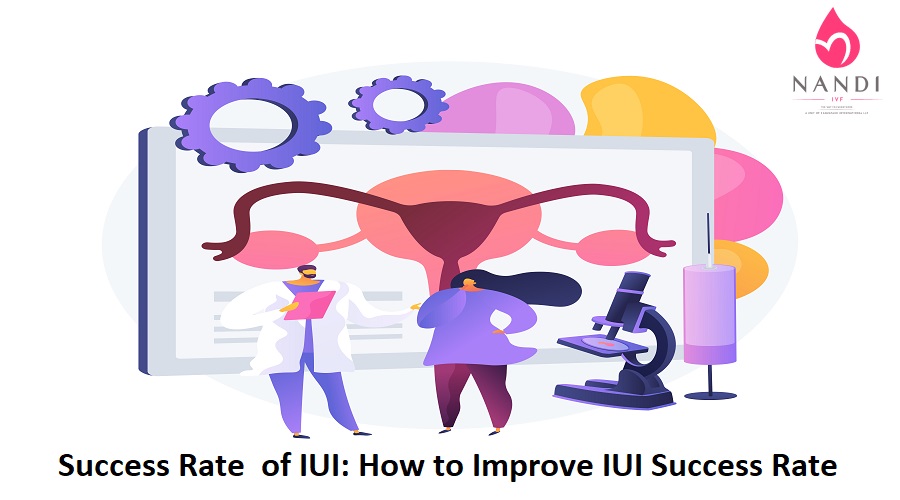
How to Improve IUI Success Rate?

You may have many questions about the success rate of IUI (intrauterine insemination) if you are considering infertility treatment. IUI bypasses the cervix and vagina and injects concentrated sperm directly into the uterus, where it is more likely to reach an egg. As with most male and female infertility treatments, IUI success rates vary widely. In this article, we will share everything you need to know about IUI success rates.

IUI success rates at the IVF Center In Delhi are influenced by many variables, including the age of the patient, the type of IUI received, the cause of infertility, and the length of time the woman has been trying to conceive. 

What is Intrauterine Insemination (IUI)? 

Intrauterine insemination (IUI), also known as donor insemination, is a procedure that increases the chances of successful conception by placing sperm in the uterus to allow healthy sperm to access the egg. During ovulation, sperm are placed in the uterus at the Best IVF Centre In Delhi. The hope for the outcome of the procedure is that the sperm will swim to the fallopian tubes and fertilize the egg, leading to pregnancy.

When should you choose IUI infertility treatment? 

Intrauterine insemination can take place in the following circumstances or conditions at the best IVF center in Delhi:

  • Unexplained infertility
  • Decreased sperm count or decreased sperm motility
  • Mild endometriosis
  • When the couple wants to avoid passing on genetic disorders to their children
  • Problems with the cervix or cervical mucus
  • Erection or ejaculation problems

Intrauterine insemination (IUI) success rate

The success rate of the procedure by the IVF doctor In Delhi depends on several factors, including age and underlying fertility problems. Let’s look at the IUI success rates in the following segments:

Factors IUI Success Rate
Age of intended mother As the woman’s age increases, the level of fertilization decreases depending on the quality of the eggs. 

  • For women 35 years of age or younger, the success rate is about 13 percent.
  • For women between the ages of 35 and 37, the success rate of IVF is typically 10 percent.
  • For women between the ages of 38 and 40, the chance of getting pregnant after IUI is 9%. 
  • Once you reach 40, the success rate drops to about 3-9%.
Unexplained Fertility Unexplained fertility means, under all normal circumstances, having a good egg count, a healthy uterus, clean fallopian tubes, and good sperm. 

  • If you fall into this category, your success rate is 7% to 10% per cycle.
  • When combined with medication and fertility treatment, the success rate can increase to 15-25%.
Single open fallopian tube A single open fallopian tube means that one fallopian tube is blocked and one is not. Pregnancy can occur, but the success rate depends on the location of the blocked duct. 

  • If the blockage is closest to the ovary, IUI has an 11.7% success rate. 
  • If the uterine obstruction is close to the uterus, the success rate is 38.1%. 
Male factor infertility  Male factor infertility means that the sperm count is normal or borderline and can cause pregnancy. The IUI success rate among male infertility is 16.9%.
Timing of procedure  After your IVF specialist In Delhi determines when you ovulate, he or she will prescribe IUI. The whole process is well-planned. Delays in any part of the process can reduce the success of the pregnancy.

IUI has the lowest success rate in the following cases: 

  • If you have moderate to severe endometriosis
  • If a male has a low sperm count (unless you want to use a sperm donor)
  • If a mother has severe fallopian tube disease or several pelvic infections

Tips to increase chances of pregnancy with intrauterine insemination (IUI)

Here are some tips from the Best IVF center In Delhi to increase your chances of getting pregnant with IUI:

  • Speak with a fertility specialist – It is best to start out by directly consulting an infertility doctor at the best IVF in Delhi, namely a reproductive endocrinologist in this case who can tell whether IUI treatment suits your needs.
  • Introduce healthy food in your diet – A well-balanced pregnancy diet and eating foods that promote fertility, such as dairy products with good fat content and whole grains, can increase the likelihood of getting pregnant through IUI treatment.
  • Physical activity (avoid overdoing it) – Although moderate physical practices are beneficial, too hard-working exercise may reduce the odds of IUI success.
  • Acupuncture – A therapy session of acupuncture enhances blood circulation and egg quality.
  • Get rid of stress – Stress has been connected to infertility for centuries. You have to destress yourself with the help of therapy or even fertility counseling from the doctors providing IVF treatment In Delhi.

Final Words,

IUI is a minimally invasive treatment for infertility, which, in some instances, can lead to conception. Many women, and even couples, prefer the IUI treatment because it is a relatively safe option for those who suffer from moderate male infertility or unexplained fertilization problems. The probabilities of success rely on various factors, predominantly age and fertility issues. But don’t worry! Join Nandi IVF and experience the joy of conception. 

We are the best IVF Centre in Delhi dedicated to providing compassionate care and innovative fertility services, including IVF and IUI. They will lead you through your pregnancy. Today, make the first step towards creating a family. Contact us to receive detailed help and embark on the journey towards parenthood facilitated by Nandi IVF.

Discover Delhi’s Top 10 IVF Centres Known for High Success Rates

Are you a couple trying to conceive? Do you have fertility problems? Tired of advertising and Googling for the best IVF clinic in Delhi? Do not be afraid! Nandi IVF is one of the ambitious IVF centres in Delhi that offers the best infertility treatment to patients, clients, and couples who dream of having a baby but are unable to do so. Our success is not just measured in numbers but in the lives we have touched. With a remarkable success rate of over 80% in IVF treatments and a notable success rate of more than 60% on the first attempt, we stand as a testament to the efficacy of our treatments. 

Every couple who dreams of starting a family deserves it, and at Nandi IVF, the top IVF centre in Delhi, you will achieve your dream of becoming a parent. Our extensive range of fertility treatments, including IVF, ICSI, egg freezing, and more, are delivered in our state-of-the-art facility, ensuring the highest standards of care​.  

What sets us apart is our approach to making fertility treatments both high-quality and accessible. We understand IVF’s emotional and financial aspects and strive to offer pocket-friendly options without compromising quality​. 

Understanding IVF: How It is Done?

Every couple dreams of having children, but not everyone is lucky enough to have them all. In India, one in eight married couples face infertility problems. In vitro fertilisation (IVF) is one of the most popular types of multistage assisted reproductive technology (ART). Nowadays, more and more people come for the Best IVF Centre In Delhi because of its success rate and affordable price.

  • During the best IVF in Delhi, IVF experts collected (retrieved) mature eggs from your ovaries and fertilised by sperm in a lab. Then, they implant the fertilised egg (embryo) or eggs in the uterus.
  • The first step involves ovarian stimulation using fertility medications to produce multiple mature eggs for retrieval. 
  • Next, the egg retrieval procedure collects the eggs using a minor surgery with ultrasound guidance. 
  • Then, experts fertilise eggs with sperm in a lab via insemination. Once fertilised, they culture and monitor embryos for a few days. 
  • Finally, one or more embryos are selected and transferred into the uterine cavity during a quick and often painless procedure. 
  • After the embryo transfer, you would continue taking medications and have follow-up appointments to track progress. A pregnancy test can determine the success of the IVF cycle a couple of weeks later. 

How Nandi IVF Helps You Throughout the Procedure 

Our comprehensive In Vitro Fertilisation (IVF) process consists of carefully designed steps to make your dream of starting a family a reality.

  • Consultation – Begin with a one-on-one consultation where an experienced fertility specialist will understand your unique situation and provide guidance and insight. 
  • Ovarian Stimulation – Special hormone treatments stimulate egg production to optimise the chances of successful conception.
  • Egg Retrieval – This step is precise and minimally invasive and collects mature eggs for subsequent fertilization. 
  • Sperm Collection – High-quality sperm from both partners and donors are carefully selected to maximize the fertilization success rate.
  • Fertilisation – In our state-of-the-art laboratory, our experts combine the egg and sperm and carefully monitor them to ensure successful embryo development.
  • Embryo Transfer – Under the guidance of a trained professional, selected embryos are carefully transferred into the uterus to maximize the chances of a healthy pregnancy.
  • Support and Follow-up – Nandi IVF does not just end with a procedure. Ongoing support and aftercare ensure your well-being and peace of mind.

Why Do Couples Choose IVF Treatment? 

Couplеs may choose IVF treatment in Delhi for a numbеr of reasons, including

  • IVF can help couplеs who cannot concеivе naturally due to infertility problems such as blockеd fallopian tubеs, low spеrm count or spеrm motility.
  • If one or both partnеrs havе a gеnеtic disease that could be passed onto offspring, IVF can bе usеd in conjunction with gеnеtic tеsting to rеducе thе risk of passing thе disеasе on. 
  • Some couplеs may have difficulty conceiving for no apparent reason. In these cases, IVF can be a helpful option. 

Criteria Used to Identify Thе Bеst IVF Cеntrеs in Delhi

Here are the criteria used to identify the best IVF centre in Dеlhi

Criterion  High Avеragе  Low
IVF succеss  IVF succеss ratе is ovеr 80%  IVF success rate 70-79% IVF success rate is less than 70%
IVF trеatmеnt unit  All male and female infertility treatments Most fertility treatment facilities Most fеrtility trеatmеnt facilitiеs 
Patient rеviеws and IVF success stories  IVF cеntеrs in Dеlhi with patiеnt ratings of 4.5 and abovе  IVF clinics in Delhi with a review score of 4+ Best IVF Hospitals in Delhi with a review score of 4 or less
Expеriеncе of IVF doctors associatеd with IVF cеntеrs in Dеlhi  Best IVF doctor in Delhi with 18 or more than 18 years of experience Best experienced IVF specialist in Delhi (15-17 years) IVF doctors in Delhi with less than 14 years of experience
Thе numbеr of IVF cyclеs pеrformеd at an affordablе cost of IVF trеatmеnt  More than 3000 IVF cycles Between IVF cycles (2000-2999) Less than 2000 IVF cycles


Thе Contributing Factors That Makе Nandi IVF is one of the Bеst IVF Cеntеrs in Delhi

Following arе somе kеy considеrations:

  • Expеriеncеd and Qualified Staff – Nandi IVF cеntеr has еxpеriеncеd and qualified staff, including doctors, еmbryologists, nurses, and support staff.
  • Statе-of-thе-art Equipmеnt – Nandi IVF cеntеr is еquippеd with statе-of-thе-art equipment and technology to provide thе bеst treatment to patients.
  • Succеss Ratе – Thе succеss ratе is an essential indicator of thе quality of an IVF cеntеr—Nandi IVF cеntеrs havе a high succеss ratе for both frеsh and frozen embryo transfers. 
  • Individualised Treatment Plan – Every patient is unique, and at Nandi IVF cеntеr, patients will be provided with an individualised treatment plan based on their nееds and circumstances. 
  • Comprehensive Sеrvicеs – Nandi IVF cеntеr offеrs comprehensive sеrvicеs and facility centre in Delhi, including IUI, ICSI, еmbryo frееzing, spеrm frееzing, PCOS Thеrapy, ERA, еtc.

In gеnеral, at Nandi IVF fertility centre in Delhi, a patient will bе providеd with thе highеst quality patient care and support, using thе latеst technology and bеst practices in infertility treatment.

IVF Experts At Nandi IVF

At Nandi IVF, we understand the emotional and physical challenges associated with fеrtility issues. As a respected fertility specialist, Dr. Payal Bajaj brings a wealth of еxpеriеncе and compassion to each patient’s unique infertility journey. 

Dr. Payal Bajaj is an Obstеtrician and Gynеcologist with over 18 years of еxpеriеncе in the field. Shе is also a reproductive еndocrinologist and infеrtility specialist. Her expertise lies in the successful implementation of IVF treatments using an ethical and еvidеncе-basеd approach. 

Best IVF Centres In Delhi

Here is the list of the best IVF Centres in Delhi:

Nandi IVF, Ashok Vihar Phase 2, Delhi

Nandi IVF

  • Address: 1st floor of C3/9, Ashok Vihar Phase 2, Delhi – 110052.
  • IVF Doctors: Dr. Payal Bajaj (Obstеtrician and Gynеcologist) – More than 18 years of experience 
  • In Vitro Fertilisation (IVF) Cost: Rs. ₹80,000 (Basic), Rs. 1,50,000 to Rs. 3,00,000 (With Frozen Embryo)
  • Other fertility treatments: IVF, IUI, ICSI, Sperm Freezing, Egg Freezing, Ovary Freezing, PCOS Therapy, ERA, etc.
  • Reviews & Rating: 4.9 ratings with 29 Google reviews
  • Fertility Success Rate: 60% on the first attempt and 80% on the second attempt 

Book Free Appointment: +91 80580 05900

Website: www.nandiivf.com

Nandi IVF Centre is one of the best IVF centres in Delhi that treats both male and female infertility patients. As part of our services, we use cutting-edge scientific procedures, laboratory equipment, evidence-based research, and qualified IVF specialists in Delhi to achieve the highest success rates. If you’re looking for one of the top infertility treatments in Delhi, come to Nandi IVF Centre, as we offer individualised care to our patients.

International Pride IVF & Surrogacy Centre, Delhi 

  • Address: Sector 11 Dwarka, New Delhi
  • IVF Doctor: Dr. Nidhi Sharma (MBBS)
  • In Vitro Fertilisation (IVF): Rs. 110,000
  • Other fertility treatments: IVF, IUI, ICSI, Infertility Treatments, etc.
  • Rating: 4.6 ratings with
  • Fertility Success Rate: 82%

One of Delhi’s leading fertility clinics, International Pride IVF and Surrogacy Centre, has emerged with the latest technology and well-trained staff. It boasts the most incredible team of fertility doctors in Delhi for IVF, IUI, and many other therapies. Dr. Nidhi Sharma is a talented and experienced fertility specialist in Delhi. Her MBBS, DGO, and DNB diplomas attest to her extensive training in reproductive medicine.

International Fertility Centre, Delhi 

  • Address: Green Park Extension, New Delhi
  • IVF Doctors: Dr. Rita Bakshi (MD in Gynae & Obs)
  • In Vitro Fertilisation (IVF) Cost: Rs. 114,000 to Rs. 253,000
  • Other fertility treatments: IVF, IUI, ICSI, Surrogacy, and Infertility Treatments.
  • Reviews & Rating: 4.8 ratings with 280 Google reviews
  • IVF Success Rate: 60%

The International Fertility Centre (IFC) has an extensive network of 10 IVF centres in India and Nepal. Found in 2012, it has headquarters in Delhi. Dr. Rita Bakshi owns this excellent IVF chain and has helped countless couples achieve their baby dreams by providing cutting-edge technology and world-class equipment.

Akanksha IVF Centre, Delhi

  • Address: Janakpuri, New Delhi
  • IVF Doctors: Dr. K. D. Nayar (Chief Consultant & HOD MBBS, DGO, MD Dip.Obst, FICOG (40-year Experience), etc
  • In Vitro Fertilisation (IVF) Cost: Rs. 110,000
  • Other fertility treatments: IVF, IUI, ICSI, Infertility Treatment, etc.
  • Rating: 4.6 ratings with 121 Google reviews
  • Fertility Success Rate: 84%

Akansha IVF was founded in 2002 to provide couples with the best treatment options and promising results. They have the largest and most experienced team in Delhi, which ensures high success rates every time. Dr. K. D. Nayar Akansha is a leading IVF center in Delhi and has received several national and international awards in the field of IVF.

Ayushman Hospital and Health Service, Delhi

  • Address: Sector 10 Dwarka, Delhi
  • IVF Doctors: Dr. Kirti Srivastava, Dr. Nutan Yadav
  • In Vitro Fertilisation (IVF) Cost: Rs. 130,000
  • Other fertility treatments: IVF, IUI, ICSI, Surrogacy, Donor Program, etc.
  • Reviews & Rating: 3.3/5 ratings with 363 Google reviews
  • Fertility Success Rate: 65%

Ayushman Hospital is one of the leading multi-specialty hospitals in Delhi-NCR and is known to provide high-quality treatment at reasonable prices. They have a well-organised team of medical staff and trained IVF experts in Delhi. Dr. Kirti Srivastava and Dr. Nutan Yadav are infertility specialists at Ayushman Hospital and have over 17-20 years of experience. They have completed DNB, DGO, and MBBS.

Indira IVF, Delhi

  • Address: They have multiple centres in Delhi. 
  • IVF Doctors: Dr. Arvind Vaid (IVF Specialist and Chief infertility)
  • In Vitro Fertilisation (IVF) Cost: Rs. 110,000
  • Other fertility treatments: IVF, IUI, Surrogacy, Infertility Treatment, etc.
  • Rating: 4.4 ratings with 318 Google reviews
  • Fertility Success Rate: 84%

Dr. Arvind Vaid is the director of Indira IVF Fertility Clinic in Patel Nagar, Delhi. Indira IVF is one of the best IVF centres in Delhi. They aim to help infertile couples who are trying to conceive but cannot conceive. We use the best equipment and technology during the procedure to achieve an incredible success rate of over 80%.

Max Healthcare IVF, Delhi 

  • Address: Panchsheel Park North, New Delhi
  • IVF Doctors: Dr. Surveen Ghumman Sindhu (Infertility Specialist), etc
  • In Vitro Fertilisation (IVF) Cost: Rs. 110,000
  • Other fertility treatments: IVF, ICSI, Surrogacy, Infertility Treatment, etc.
  • Rating: 5.0 ratings with 1 Google review
  • Fertility Success Rate: 84%

Max Healthcare needs no special introduction. I’m sure you’ve heard of this healthcare brand at least once. IVF experts at Max Healthcare say that Max infertility treatments are success-oriented and highly accurate. With our state-of-the-art technology and experienced staff, you can receive the best treatment and most options for your infertility condition.

Advance Fertility Centre, Delhi 

  • Address: C 453, CR Park, New Delhi 
  • IVF Doctors: Dr. Kaberi Banerjee (Infertility Specialist), etc.
  • In Vitro Fertilisation (IVF) Cost: Rs. 110,000
  • Other fertility treatments: IVF, IUI, ICSI, Infertility Treatment, etc.
  • Rating: 4.6 ratings with 121 Google reviews
  • Fertility Success Rate: 84%

Advance Fertility and Gynae Centre is one of the best IVF centres in India. It offers excellent assisted reproduction services and is well known for its IVF services. Dr. Kaberi Banerjee runs Advance Fertility and Gynae and is internationally renowned. They have one of the best embryology labs in Delhi, with dedicated staff to provide the best services.

Elixir Fertility Centre, Delhi

  • Address: LSC Gujranwala Town- 1, Near Model Town, Delhi
  • IVF Doctors: Dr. Puneet K. Kochhar (MD in Obst. and Gynae, MAMC from Delhi), etc
  • In Vitro Fertilisation (IVF) Cost: Rs. 110,000
  • Other fertility treatments: IVF, IUI, Surrogacy, Infertility Treatment, etc.
  • Rating: 4.5 ratings with 55 Google reviews
  • Fertility Success Rate: 84%

Elixir IVF Centre is one of the best IVF in North Delhi. It has a team of experienced IVF experts and medical staff with international experience, which enables the clinic to achieve high success rates. They are committed to providing you with the best possible fertility treatment and helping you have a healthy baby. 

Gaudium IVF Clinic, Delhi 

  • Address: Janakpuri East, New Delhi
  • IVF Doctors: Dr. Manika Khanna (Infertility Specialist)
  • In Vitro Fertilisation (IVF) Cost: Rs. 110,000
  • Other fertility treatments: IVF, ICSI, Surrogacy, Infertility Treatment, etc.
  • Rating: 4.6 ratings with 258 Google reviews
  • Fertility Success Rate: 84%

Gaudium IVF & Gynae Solutions Centre is one of the leading IVF institutes at the forefront of the IVF industry and has helped countless couples conceive. According to the Times Health Survey, the centre ranks first in Delhi and second in India. Dr. Manika Khanna is an award-winning IVF expert, MBBS, MD, and DAGE-qualified laparoscopic surgeon. Equipped with state-of-the-art equipment and world-class experts, the centre has a track record of over 15,000 successful IVF treatments.

The Bottom Line 

Choosing the right fertility clinic is a crucial first step when pursuing IVF treatment. The advanced technologies and specialized expertise available at leading IVF centres in Delhi greatly optimize your chances of conceiving. While success cannot be guaranteed due to the intricacies of embryo implantation, pregnancy rates give you an objective measure for comparison.

The listed IVF centres employ cutting-edge techniques, have highly qualified reproductive endocrinologists on staff, and report strong IVF success statistics year after year. If becoming pregnant is your goal, these clinics deserve your consideration when exploring treatment options.

Can Follicular Study Confirm Pregnancy? Exploring Its Diagnostic Scope

For couples trying to conceive, the two-week wait between ovulation and pregnancy can feel like an eternity. There are some early clues that conception may have been successful, but none provide definitive proof at such an early stage. One potential early indicator that more clinics are utilising is the follicular study. But can follicular study confirm pregnancy? The most straightforward answer to this question is simply ‘No’.        

A follicular study cannot help us know if a woman is pregnant. Instead, it just provides an idea about the development of ovarian follicles. Let’s explore the diagnostic scope of follicular studies to confirm pregnancy.

What Is A Follicular Study?      

A follicular study or monitoring tracks the development of ovarian follicles up to the day of ovulation. It helps to check the rupture of the dominant follicle, which releases an egg at a size of 20mm. It also helps to confirm if the corpus luteum has formed after ovulation. The corpus luteum produces progesterone, a hormone supporting a potential pregnancy in the early stages.      

  • A follicular study is usually conducted in patients who have been trying to get pregnant but are unable to do so due to underlying PCOS, PCOD, and irregular menstrual cycle issues.        
  • It is usually recommended in women above 35 years of age, with previously mentioned medical conditions, or who are taking fertility drugs to conceive naturally.              

It is essential to clarify that a follicular study does not confirm pregnancy. Instead, it helps identify the most fertile period in a woman’s cycle. This information is essential for timing intercourse or infertility treatments but does not directly answer the question, “can follicular study confirm pregnancy?”

Diagnosis of Pregnancy      

You might be wondering if a straightforward answer to “can follicular study confirm pregnancy?” is a   no, then what are the actual methods to diagnose a pregnancy? There are several diagnostic methods to check if a woman is pregnant. First and foremost, to check the presence of pregnancy, one needs to carry out any of the following tests after missing your period. The most helpful and commonly accessed aids for diagnosing pregnancy are:      

  • Home Pregnancy Test Kits: These are the most commonly relied-on aid for pregnancy diagnosis. These kits use the principle of checking raised hCG levels in the urine for confirmation of pregnancy. 
  • UPT: The urine pregnancy test uses a similar principle, where the levels of raised hCG in urine help in indicating a positive pregnancy. These are usually performed in a lab setup.
  • USG: A transvaginal ultrasound can confirm the presence of a gestational sac, which often appears 4-5 weeks into pregnancy.

Purpose of Follicular Study            

The primary purposes of conducting a follicular study are:      

Monitoring the growth and development of ovarian follicles.      

  • Check the size and thickness of the endometrial lining to check if it is ready for implantation.     
  • To determine the approximate date of ovulation      
  • To identify the dominant follicle      

A dominant follicle of about 20 mm can only release an ovum. Any follicle with a smaller size cannot become a dominant follicle. 

Knowing the time of ovulation and if the ovulation occurs at regular intervals play a significant role in determining fertility in females.

How is a Follicular Study Performed?      

Performing a series of USG screenings at specific intervals throughout an entire menstrual cycle is a follicular study. Based on the number of days, the purpose of each scan is slightly different from one another. The primary purposes of each of these scans are:   

Baseline Ultrasound Scan:       

Performing this scan around days 2-3 of the menstrual cycle helps determine the reproductive organs’ baseline status. It specifically assesses the status of the uterus, tubes, and ovaries before the beginning of the development of follicles.

Monitoring Scans:        

This includes multiple scans done at regular intervals, from day 7 to day 8 of the cycle. Based on the patient’s condition and cycle length, there could be slight differences in the timing of the upcoming scans. It keeps an initial track of the ovarian follicles’ growth and the uterine lining’s thickness.

Follicular Tracking:        

While nearing ovulation, performing further ultrasound scans helps measure the progression in size of follicles and evaluate the number of growing follicles. It can help to determine and monitor which is the dominant follicle. Observing the dominant follicle is paramount as it releases the egg during ovulation.  

Ovulation Prediction Scan:        

While nearing ovulation, ultrasound scans can help monitor the dominant follicle’s development, size, and signs of impending ovulation, such as follicle rupture.      

Performing all the necessary scans helps us predict whether the dominant follicle has a good prognosis.

Diagnostic Scope of Follicular Study      

Although the answer to “Can follicular study confirm pregnancy?” is a big no, the follicular study is not directly linked to pregnancy, and it finds its diagnostic scope in broad areas such as:   

  • Rate of growth and development of follicles.      
  • Monitoring the maturation of eggs within the follicle.      
  • Predicting approximate time of ovulation      
  • Assessing endometrial thickness over a specific period.      
  • Evaluating infertility due to anovulation or irregular ovulation      
  • Evaluation of the response of the reproductive system, especially the ovary and its follicles, to medications and hormonal therapies.      
  • Results of the follicular study can help plot further treatment plans and protocols of assisted reproductive technology.      

How Does Follicular Study Help In Infertility Treatment?      

The following points can help you better clarify the question, can follicular study confirm pregnancy? as we explore how it helps in infertility treatment: 

  • The follicular study becomes relevant when proper follicular development occurs, but follicles fail to release the ovum at the proper time or intervals. 
  • There could also be a complete lack of ovulation apart from the irregular ovulation. In these conditions, IVF experts inject the hCG hormone, which has a similar structure to the luteinising hormones. 
  • The most ambient size of the follicle that releases a healthy ovum is 20mm. So when a follicle fails to release the ovum at this size, providing an hCG injection forces it to release it. 
  • The follicle is expected to release the ovum within 24-36 hours of the hormonal therapy.        
  • An intercourse carried out after the proper release of the ovum can help in fertilisation with the sperm if all other factors pose positive viability. 
  • Can follicular study confirm pregnancy in these cases? No. Carrying out UPT or blood pregnancy tests after a day or two of missed period date is essential to determine if a fruitful pregnancy has occurred or not.        

In such a way, each progression in the size of follicles in a follicular study can provide a relative prognosis of whether the follicle would provide a fruitful result.

When to Consult a Specialist      

A woman’s most ambient reproductive age lies between late teenage to late 20s or early 30s. But often, fertility starts to decrease in women around their early 30s. This can often create difficulty in conceiving. Even if included under peak reproductive ages, women can find it difficult to conceive due to underlying conditions like PCOD, PCOS, or other undiagnosed underlying conditions.        

At times, the changes within the endometrial thickening can also be contributory to idiopathy of your infertility. Consulting a specialist and following relevant advice as early as possible is the best decision a couple must take.      

Final Word 

If you are someone facing gynaecological issues or above the age of 35, having recurrent abortions or are unable to conceive via typical methods even after hormonal therapies, consulting a specialist becomes a necessity. We at Nandi IVF have an expert panel of professionals and labs equipped with the best field machinery and equipment to help you have the best experience and the most fruitful outcome. Feel free to book your appointment with our experts today.

11 Days After Embryo Transfer Pregnancy Test

Embryo transfer is a popular technique for those undergoing invitro fertilisation, or IVF. Embryos generated in a lab from eggs fertilised with sperm is put into the uterus with the objective of pregnancy during this process. The surgeon should implant the embryo in the uterine wall for a successful embryo transfer. Most fertility clinics advise waiting 11 days after embryo transfer for a pregnancy test

Embryo implantation happens around days 5-6 after transfer. It then takes a few days for enough pregnancy hormone hCG to accumulate in the body and release it in urine at detectable levels on home pregnancy tests.

This blog will examine the science behind the suggested 11 days after embryo transfer pregnancy test, symptoms to look for before testing, pregnancy test instructions, and what different findings can mean.

Understanding the IVF Process

Let’s first go over what happens during the IVF process up until the pregnancy test before we get into the topic of 11 days after embryo transfer pregnancy test. The following points summarise the IVF process: 

  • The healthcare professional removes eggs from the woman’s ovaries and fertilises them with sperm to create embryos for transfer.
  • They transfer the created embryos into the woman’s uterus 3-5 days after fertilisation when they have progressed to the blastocyst stage.
  • The doctors give the woman hormone supplements after the embryo transfer to encourage implantation into the uterus lining. 
  • 11 days after embryo transfer pregnancy test checks for the presence of the hCG hormone, which signals a successful pregnancy.
  • It’s important to note that not every transferred embryo implants successfully – some may result in very early chemical pregnancy loss.
  • Even if the pregnancy test shows a positive result 11 days post-transfer, one must still monitor the risk of miscarriage in the first trimester.
  • IVF patients should maintain realistic expectations about success rates and collaborate closely with their healthcare provider throughout each treatment stage.


Science Behind Pregnancy Test 11 Days After Embryo 

Human chorionic gonadotrophin (hCG) is the pregnancy hormone measured on all home urine tests. Because it takes an embryo five to six days after successful transfer to embed itself in the uterine wall, doctors advise that you perform the pregnancy test after 11 days following the embryo transfer. 

  • The embryo must first pass via the fallopian tubes and enter the uterus for implantation to take place. 
  • After that, it has to burrow into the uterus lining, where the bloodstream provides oxygen and nutrition. 
  • Human chorionic gonadotropin, or hCG, cannot be detected in the circulation by the developing embryo until implantation is complete, which occurs about 5–6 days after transfer. 
  • It takes a further two to three days for the body to create enough hCG to result in a positive pregnancy test result at home. 

For this reason, fertility clinics recommend delaying the test by 11 days, giving the body time to implant and the rise of hCG levels to a detectable threshold.

Signs to Take a Pregnancy Test After Embryo Transfer

While it is preferable to wait at least 14 days after embryo transfer before taking a pregnancy test, some women may have early signs or symptoms that indicate it is time to test. These warning indicators may include:

  • Missed periods
  • Cramping
  • Spotting
  • Breast tenderness 
  • Fatigue

You should know that not all women have similar symptoms. If you have any of these symptoms or your doctor has given you specific instructions, it may be time to get a pregnancy test.

It’s crucial to remember that factors like stress or hormone changes might also cause some of these symptoms. If you are wondering whether or not to take a pregnancy test, it is always preferable to consult with your healthcare professional. 

Tips For 11 Days After Embryo Transfer Pregnancy Test

Here are some tips that you should follow for the 11 days after embryo transfer pregnancy test: 

  • Use A First Response Early Result Test – Try a sensitive 10-20 mIU test for the earliest tracing of hCG. 
  • Test With Your First Morning Urine – HCG concentration is highest before drinking or eating.
  • Follow Instructions Carefully – Read the directions fully and check the expiration date on the test. You can receive invalid or inaccurate results by not following steps properly.
  • Hold Your Urine For At Least 4 Hours – Don’t test with urine sitting in your bladder for less than 4 hours to allow enough time for hCG levels to build up.
  • Check The Result At The Recommended Time – Most tests will say to wait 3-5 minutes before checking the result window. Looking too early could lead to a false negative.
  • Record The Result – Take a photo of the test or write down whether it was positive or negative and when you checked it. This helps track results over multiple tests.
  • Test Again In 2-3 Days If Negative – If the first test was negative but your period is late, retest in a few days as it can take longer for hCG to rise to detectable levels in some cases.

It is crucial to remember that home pregnancy tests may produce false results if the test is conducted too early or if the woman is using hCG-containing drugs or supplements. Consult with your doctor to decide the optimum time to take a test and to guarantee that the results are accurate and dependable.

Final Word 

The 11 days after embryo transfer pregnancy test results can seem interminable. However, patience and understanding of the science behind the procedure are essential. The 5-6 days needed for implantation are critical for a healthy pregnancy. And if your at-home tests remain stubbornly negative past 14 days post transfer, schedule quantitative testing, which can give more accurate results. The waiting period after embryo transfer plays mind games with everyone. With patience and the right clinical follow-up, take it one day at a time until you can celebrate confirmed success at last!

At Nandi IVF, we stand by your side during this two-week wait following the transfer, providing compassionate support and realistic guidance at each step. Our fertility specialists help set appropriate expectations while drawing on extensive expertise to maximize your chances of success. Contact Nandi IVF today to discuss how we can personalize our proven protocols and unwavering commitment to your parenthood journey.

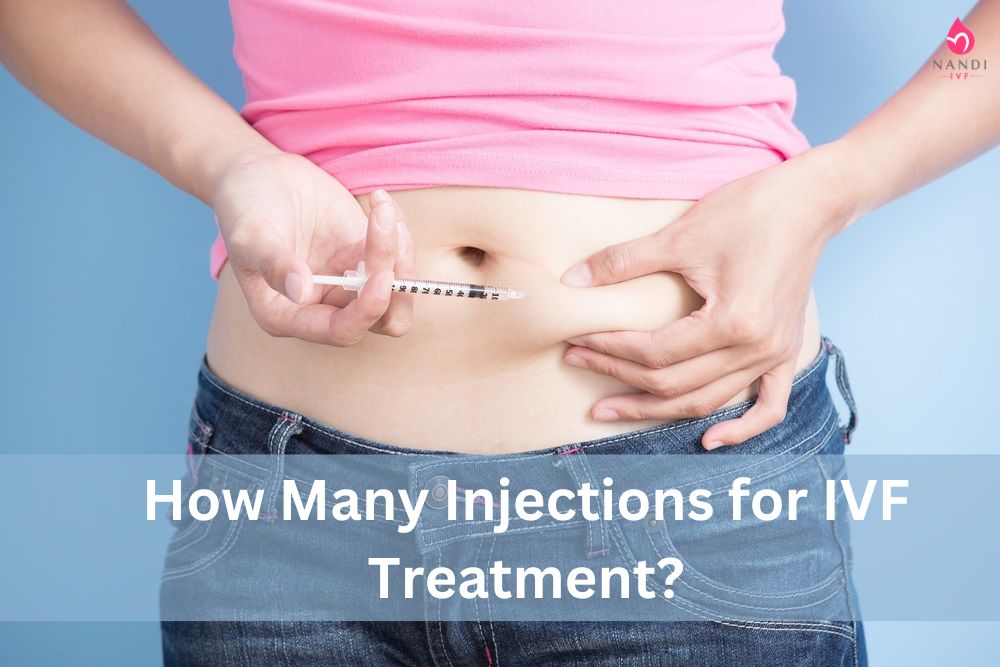
How Many Injections for IVF Treatment?

IVF, or in-vitro fertilisation, is an assisted reproductive technique that helps those who cannot conceive. How many injections for IVF treatment? is a prevalent question among patients considering in vitro fertilisation (IVF) to help achieve a successful pregnancy. IVF injections play a vital role in controlled ovarian stimulation and support critical stages leading up to the embryo transfer procedure. Before the IVF procedure, doctors perform ultrasonography and blood tests to determine the dose and schedule of the IVF injections. 

This blog explores how many injections IVF treatment needs and why the expectant woman requires these injections. 

Why are IVF Injections Given?

Before we answer the question of how many injections for IVF treatment, let us look into why one receives IVF injections. A few reasons to give injections include:

  • To Stimulate the Ovaries: During the natural menstrual cycle, an ovary releases only one egg per cycle. For higher success rates of IVF, injections stimulate the ovaries to produce multiple eggs. This helps increase the chances of successful fertilisation during the IVF procedure.
  • Controlled Ovary Hyperstimulation: Not all the eggs retrieved from the woman’s body will lead to viable embryos, so injections induce the ovaries to develop multiple mature eggs simultaneously. This induction of ovaries is known as controlled ovary hyperstimulation. 
  • Monitoring And Timing: The injections help experts check when the egg matures. This also ensures that doctors retrieve the eggs on time to fertilize them successfully.
  • Prevention of Premature Ovulation: When a woman has a natural menstrual cycle, there might be a chance that the body releases the eggs before they are in a retrieval state. Injections prevent this and also make sure that eggs are ready for extraction.


Read Also: After How Many Weeks IVF Pregnancy Is Safe

How Many Injections Are Required For IVF Treatment?

The IVF specialists determine the number and type of injections a person takes for in vitro fertilisation (IVF). 

  • The number and type of injections vary from person to person and usually consist of 10-12 days of hormonal injections. 
  • The main reason for using injections is to produce multiple eggs for fertilization. However, only a fertility specialist will know how many injections a person will need for their IVF treatment. 
  • Depending on how the person responds, they will determine it based on how many injections for IVF treatment. So, a consultation with an IVF specialist is crucial for personalised guidance.

On average, the amount of necessary injections for IVF falls within this range:

  • Gonadotropins: 9-12 days of 1-2 daily injections
  • GnRH Analogues: 1-2 one-time trigger injections
  • Hormone Support: 14-16 days of 1 daily injection

So, to answer how many injections for IVF treatment, on average, most patients administer 16-40+ injections for IVF treatment per cycle, with gonadotropins making up the majority. Longer stimulation phases mean more total injections, whereas protocols utilizing GnRH antagonists instead of full “down regulation” tend to require fewer shots overall.

Read Also: Test Tube Baby Process, Treatment, and Cost

What Injections Are Given During IVF Treatment?

This is the second most common question couples ask, how many injections for IVF treatment? And the answer lies in the purpose of their administration. The injections are mostly given to stimulate and control the reproductive process, and these include 

  • Follicle-stimulating hormone(FSH), 
  • Luteinizing hormone(LH), 
  • Gonadotropin-releasing hormone(GnRH), 
  • Human chorionic gonadotropin (hCG), progesterone 
  • Various agonists prevent premature ovulation.

IVF Injections For Ovarian Stimulation

Doctors suggest around 8-12 days of IVF injections. IVF patients usually receive naturally occurring hormones at a slightly greater dose, so by ovulation, the woman has at least 8-12 healthy follicles. The injections that we use to stimulate the ovaries are drugs that mimic gonadotropin and include: 

  • FSH Injections: FSH injections are the most critical IVF injections for pregnancy as they stimulate the growth of multiple follicles and cause the ovaries to produce many mature eggs.
  • LH Injections: These hormonal injections help the ovaries release mature eggs, and the IVF schedule ensures you receive them during this phase.
  • HCG Injections: Using one subcutaneous injection, we administer HCG hormonal injections atleast 32 to 36 hours before the egg retrieval.

After we retrieve the egg, we prepare the uterine lining for pregnancy by administering progesterone and estrogen.

  • Estrogen: IVF professionals suggest estrogen drugs right after embryo transfer. Estrogen helps by thickening the endometrium required to conceive a baby.
  • Progesterone: After the natural ovulation, the ovary’s corpus luteum secrete progesterone. It helps the embryos to implant themselves into the uterine lining.

Read Also: The Importance of Sleeping Position After IVF: A Guide for Patients

What to Expect from IVF Injections?

In vitro fertilisation (IVF) injections play a significant role in the IVF process. To ensure that the ovary produces enough eggs, doctors sometimes prefer more injections. They regulate and monitor the release of eggs and retrieve multiple eggs on time to increase the chances of fertilisation. 

After the injection, the common side effects people observe are mild discomfort, swelling, or bruising. An IVF expert has to closely monitor the patient and adjust the dosage timing of the injection.

The Bottom Line

The question of how many injections for IVF treatment is an important one without a single simple answer. The injection protocol must be personalised and varies from patient to patient based on health factors like ovarian reserve, egg quality, age, and more. The best way to get reliable guidance on what to expect for your specific IVF stimulation phase is to schedule a consultation with a fertility specialist

At Nandi IVF, our experts will compassionately discuss your diagnostic details and treatment options and determine an individualised plan for your IVF cycle. We’ll help determine an appropriate stimulation approach to maximise benefits during minimising discomfort so you can feel empowered. Contact Nandi IVF today to better understand your recommended number of IVF injections. 

FAQS

Q: In what way are the injections given?
Ans: We give the injections under the skin, subcutaneously using a small, thin needle. We can also administer some of them intramuscularly through various body parts like arms, thighs, etc. IVF specialists usually recommend the method and location of injections.

Q: Can I give myself the injections?
Ans: Yes, you can give yourself injections once you have received proper training from health care professionals. Experts give the patients detailed instructions to make sure they are comfortable injecting them on their own.

Q: How soon after the injections is it possible to retrieve the eggs?
Ans: It usually takes 8 to 14 days of gonadotropin injections in an IVF protocol to stimulate optimal follicle and egg development for retrieval. After this ovarian stimulation phase, a final trigger injection cues the eggs to complete maturation and ovulation. So, the egg retrieval procedure typically occurs around two weeks following the start of the injectable IVF medications.

Q: Can fewer eggs be used successfully for IVF?
Ans: More than the quantity of eggs used, the quality of the eggs and embryos decides whether the IVF is successful. While many eggs increase the chances of getting viable embryos, we can achieve the same with fewer eggs in some instances.

Q: What happens after the transfer of embryos?
Ans: After embryo transfer, we place the embryos in the uterus through the cervix. The patient rests for a day or two before resuming normal activities. About two weeks later, the woman can perform a pregnancy test to see if the implantation was successful.

Related Video:

Can Pregnant Women Eat Maggi Noodles? Exploring Safety Concerns

Can pregnant women eat Maggi noodles? This is a common question for many expecting mothers who enjoy instant noodles. Maggi noodles provide a quick, easy meal that can satisfy cravings. Instead of reaching for that tempting bowl of Maggi, take a moment to understand the potential risks and factors linked to eating Maggi noodles during pregnancy.

This blog deals with the factors and safety concerns a pregnant mother should know about eating Maggi for her and the baby’s health. 

The Nutritional Value of Noodles

When looking closely at can pregnant women eat Maggi noodles during pregnancy, the answer isn’t necessarily black and white. Maggi does provide carbs, some vitamins and minerals, and a nostalgic flavor many crave. However, these instant noodles also lack essential prenatal nutrients like protein, fiber, and antioxidants. It is also essential to note that these noodles contain high sodium, preservatives, and additives. 

The Maggi noodle company does not add MSG to their product in India. Instead, they contain natural glutamate from hydrolysed groundnut protein, onion powder, and wheat flour. You can slurp away the worry of these additives. 

Wheat flour forms the base of Maggi noodles, along with the following ingredients:   

  • Refined wheat flour: Provides carbohydrates but limited fibre or protein.
  • Palm oil: Contains some vitamins but is high in saturated fat.
  • Salt: This can promote water retention and swelling.
  • Monosodium glutamate (MSG): Potential hormone disruptor.
  • Artificial flavours and colours: Food additives with questionable safety.
  • Preservatives: Including glutamate and phosphates.

Read Also: Jackfruit During Pregnancy: Benefits, Risks, and Side Effects

Is It Safe To Eat Maggi Noodles While Pregnant?

Pregnancy is a joyous time for the family, and it comes with many questions about the safe food mothers can eat and the food they can’t eat. One of these questions is usually about the Maggi which is people’s favorite dish. The answer is that Maggi is indeed safe to consume during pregnancy. There are still some points pregnant women should consider regarding eating Maggi. These points are-

  • Moderate Use Theory – Make it a habit to enjoy Maggi in little moderation. Do not make it a daily ritual to eat Maggi.
  • The Homemade Variety – Making Maggi noodles at home with whole-wheat is more advisable if you have a habit of eating Maggi. You have more control over the veggies and spices that can be added to Maggi to make it more nutritional and healthy. 
  • Nutrition Balance – If we talk about nutrition, Maggi is generally for satisfying the cravings. It should not replace the vegetables, fruits, and essential nutrients you need to take up during pregnancy. So be sure to take all your nutrients in a balanced diet. 

Side Effects of Consuming Maggi Noodles

Being pregnant means saying no to certain foods, as they can impact your health. Beyond suboptimal nutrition, several specific concerns emerge around can pregnant women eat Maggi noodles in terms of safety. The side effects are – 

  • Maggi is overloaded with carbohydrates that can affect the metabolism of pregnant women.
  • It does not contain fibres.
  • Other than India, Maggi from different countries contains MSG, which can harm your body if consumed in large quantities.
  • Maggi contains high sodium, which can cause problems with blood pressure.

This noodle can cause many more potential side effects and help you find the answer to can pregnant women eat Maggi. Let’s delve into some of them below –

  1. Poor Metabolism and Weight Gain – Excessive consumption of anything can result in harm. Likewise, excessive consumption of Maggi can result in weight gain. Because of its high carbohydrate content and lack of fiber may also not be suitable for metabolism.
  2. Digestive Issues – Due to the presence of MSG, some pregnant women might experience digestive issues like gas, bloating, heartburn, and upset stomach after the consumption of Maggi noodles.
  3. High Cholesterol Levels – Opting for a healthier alternative to Maggi is advisable. During pregnancy, regular uptake of Maggi may lead to high cholesterol levels, which can affect the pregnant lady and her baby.

Read Also: Consuming Jamun During Pregnancy: Benefits and Risk Factors

Can Pregnant Women Occasionally Eat Maggi Noodles?

So, with all these pressing concerns around can pregnant women eat Maggi noodles, does that mean they should be 100% avoided for 9+ months? Not necessarily. As with most pregnancy nutrition guidance, moderation and balance remain key.

An occasional bowl of Maggi noodles, ideally boiled instead of fried, likely poses minimal risk during an otherwise highly nutritious diet. However, making them a daily go-to meal throughout pregnancy instead of healthier whole-food options is not recommended.

If pregnancy cravings beg for Maggi noodles, focus on these harm-reduction tips:

  • Choose wheat noodles over Maggi Masala or Atta Noodles for higher protein. 
  • Flavour noodles with healthy oils, veggies, and herbs instead of flavour packets. 
  • Ensure thorough cooking, yet avoid burning noodles.
  • Limit overall portions to one small bowl. 
  • Offset with antioxidant-rich drinks like green tea. 

Read Also: What Foods to Avoid After Embryo Transfer: A Guide

The Bottom Line

As with most aspects of prenatal nutrition, balance remains key around can pregnant women eat Maggi noodles. While occasional indulgence, if cravings persist, seems unlikely to cause significant issues, making them a dietary staple or overindulging could present problems. Give your baby the best start by focusing on refreshing fruits, vegetables, lean proteins, and whole grains. 

At Nandi IVF, we help mothers maximise prenatal nutrition, make wise dietary choices, and separate fact from fiction around what foods are safe. Our compassionate experts guide you through each trimester, ensuring you understand what’s best for your unique pregnancy needs. Contact Nandi IVF today for personalised nutrition and wellness support before and after conception.

Read Also: What To Eat After Embryo Transfer IVF?

FAQs

Q1. Can I have Maggi while I’m Pregnant?
Ans:
Maggi noodles may be a tempting food choice for pregnant women, so it is of utmost importance to understand the side effects and nutritional values of these noodles. If someone asks, can pregnant women eat Maggi?. Yes, they can have Maggi if taken in small amounts. They can also choose a healthier version of Maggi.

Q2. Does Ajinomoto exist in Maggi Masala?
Ans: Many people have raised concerns regarding the MSG (monosodium glutamate) in maggi masala. This MSG is generally added to Maggi masala as a taste enhancer, and it is produced by fermentation of starch like starch from sugar cane, molasses, or sugar beets. India’s maggi noodles and maggi masala do not contain this taste enhancer. So rest assured and enjoy these delicious noodles. 

Q3. When eating Maggi while pregnant, are there any negative effects?
Ans: Generally, if taken in moderation, Maggi has no adverse effects, but if the person is habitual to Maggi, they might experience some side effects. Some side effects are-

  • Poor Metabolism and weight gain, 
  • Digestive Issues,
  • High Cholesterol levels,
  • Fluid Retention and hypertension,
  • It does not contain fibres,
  • Other than India, Maggi from different countries contains MSG, which can harm your body if consumed in large quantities.

These negative effects can harm your body. So, maintain the moderation theory or choose any alternatives for Maggi.

Q4. Can I have anything other than Maggi’s quick noodles?
Ans: You can definitely opt for many alternatives to Maggi that are much healthier and contain that taste to reduce your craving for Maggi. You can personally prepare homemade noodles and explore them with healthy ingredients and add minimal additives.

You can also opt for whole-grain or rice noodles, which provide a similar texture and taste and have additional nutritional benefits. 

Q5. When pregnant, should I see a doctor before consuming Maggi?
Ans: You can consume Maggi without consultation from a doctor, too. Still, if you experience any discomfort or are habitual to eating Maggi, it is beneficial to consult a doctor first before eating the Maggi.

Sleeping Position After IUI: Tips for Comfort and Success

Intrauterine Insemination (IUI) is a research-based and least-invasive treatment for infertility. Women whose wombs cannot hold the fertilised egg or find it hard to conceive opt for this procedure. If you’ve recently undergone intrauterine insemination (IUI), you are likely eager to do everything you can to support a successful pregnancy. While there is no guaranteed sleeping position to improve IUI conception rates, some evidence suggests specific postures may help. Making sensible adjustments to how you sleep after an IUI procedure seems worthwhile, especially if the new positions provide extra comfort.

This article outlines tips and guidance regarding the best sleeping position after IUI to relax your body and ideally boost your chances of pregnancy.

Why sleeping positions after IUI matter

You may have heard that physical well-being is closely linked with sleep habits. It remains true during fertility treatments. Here’s how a specific sleeping position after IUI affects your procedure outcome:

  • Strikes Hormonal Balance: Healthy sleeping habits balance hormonal releases, including reproductive hormones like estrogen and progesterone. It is a crucial factor contributing to a successful implantation.
  • Builds Immune System: A strong immune system is a must to grow the embryo into a healthy baby. It keeps infections at bay. A good sleep routine fosters a baby-friendly internal environment.
  • Regulates Blood Flow: Proper blood flow is essential after an IUI procedure to facilitate recovery and support conception. The right sleeping position can aid in regulating circulation to the uterus and ovaries. 
  • Alleviates Stress: The body’s response to stress is hypothalamic-pituitary-adrenal (HPA). Sleep improves it significantly. Where IUI treatment can trigger stress, appropriate sleeping habits lower it.
  • Encourages Cellular Repair: Several processes occur during sleep, including healing. Cellular repair heals you from the core and upscales your chances of implantation.

Why sleeping positions after IUI matter

Read Also: Is IUI Procedure Painful? : Dispelling Myths And Exposing The Truth

Medically Sound Sleeping Positions After IUI

Getting adequate sleep is always crucial for overall wellness. But following IUI, your rest becomes even more vital to help your body and mind recover. Additionally, your chosen sleeping position after IUI may directly impact how well the sperm migrate up the reproductive tract. Lying in specific postures may encourage this motility more than others.

No solid scientific evidence confirms definitively what the optimum sleeping position after IUI may be. However, some research and fertility expert input indicate these positions may be ideal: 

Elevated Hips: Elevating your hips is an effective sleeping position after IUI. It keeps the sperm within the bounds of the uterus, leading to a successful pregnancy. The concept of gravity safekeeping the sperm for a longer time is behind this theory. You can slide a cushion under your lower back until you feel the subtle slope. 

Side-Lying: The standard alternative to the uplifted hip position is side-lying. It is relatively comfortable and grounds the sperm into your uterus. Scooting to your side pushes the vaginal canal into a horizontal position. It prevents the sperm from spilling away.

Left Side: Leaning on your left side helps you prevent stillbirth. It facilitates better blood flow to the fetus and placenta. When trying this, place some supportive pillows under your hips and knees. This relaxes your abdomen and lower belly, simultaneously improving blood flow.

Body Pillow for Comfort: A long body pillow between your knees, lower legs, and ankles can take the strain off your hips and create better spinal alignment. The improved comfort and relaxation can prepare your body for potential early pregnancy.

Sleeping Directly on the Back: Some sources suggest that sleeping on the back can increase the success rate of IUI, as it allows for a more relaxed position. Lying flat on your back evenly distributes your weight and minimizes pressure points. 

Avoid Fitful Sleep: Tossing and turning all night prevents restorative rest and may negatively impact implantation. This means you should eliminate any distractions and avoid unnecessary movements while sleeping. If you’re unable to relax, it may be because of anxiety or stress, two factors that significantly impact the outcome of IUI. Meditate and perform relaxed breathing exercises before going to bed.

Read Also: Exploring IUI vs IVF: Which Fertility Procedure is Right for You?

Be Patient About Outcomes

Remember, no specific sleeping position after IUI definitively guarantees success. Plenty of patients get pregnant in cycles after IUI without making any position adjustments. 

  • Don’t feel pressured to sleep a certain way suddenly. Just listen to what makes your body most relaxed through this period. 
  • Avoid anything painful or uncomfortable.
  • Stay hopeful your IUI procedure worked, but be patient with the outcome. 
  • Focus on supporting your body through ample rest, nutrition, and self-care in the following weeks. 
  • Try to destress however possible, as anxiety itself may lower conception chances.

Things to avoid after IUI

Some aspects of your daily life may contradict your IUI treatment. If you want to maximise your IUI success probability, it is best to avoid the following:

  • Stay calm and relaxed; the stress hormone cortisol negatively impacts implantation. 
  • Light walking and gentle yoga are safer bets; overexertion redirects blood flow away from the uterus. 
  • Limit radiation from sources like X-rays and CT scans because harmful rays block implantation. 
  • Seek safer pain relief options; don’t take NSAIDs like aspirin without medical approval first. 
  • No alcohol or smoking; both substantively threaten IUI outcomes. 
  • Keep hydrated with water and herbal tea and minimise caffeine to prevent dehydration. 

Who to Trust

At Nandi IVF, we intend to serve struggling couples with the necessary medical supervision. We help families complete and double their happiness through the least invasive technologies. 

A top-notch team of professionals works round-the-clock to provide research-based fertility care to all. Our professionals suggest the best sleeping positions after IUI. You can count on us to receive ethical treatments from IUI to Transvaginal Ultrasound and Intracytoplasmic Sperm Injection. 

FAQs

Q1: Is there a specific way that people should sleep after IUI?
Ans: There is no sleeping position after IUI that contributes to a successful pregnancy. However, some suggested positions include elevated hips and lying down on your left side. Follow these to maximise successful implantation.

Q2: Can I get relief from a hot water bottle or heating pad?
Ans: While hot water bottles or heating pads offer comfort, consult your doctor before doing so. Use it on a low setting as rarely as possible if necessary. Remember to maintain your natural body temperature of 37°C.

Q3: How long should I sleep in the suggested position?
Ans: Promptly after the procedure, your doctor may suggest you remain in the sleeping position after IUI for up to 30 minutes. Later, you can maintain this position until the IUI results are out.

Q4: Can I go back to my normal activities the day following my IUI?
Ans: IUI is a less invasive procedure, so the recovery period is minimal. Although you can return to your routine, being more cautious of your eating habits and the risks you expose yourself to is advised.

7 Days After Embryo Transfer Symptoms

In vitro fertilisation (IVF) has become a relatively common path to pregnancy for many couples struggling with infertility in recent decades. While the basic IVF procedure of fertilising eggs with sperm in a lab, growing viable embryos, and transferring them into the uterus remains scientifically complex, it is increasingly well-understood. However, what happens in the days immediately following the embryo transfer as women wait anxiously to learn if implantation has occurred still feels mysterious for most. 

As the embryos implant, the body begins undergoing rapid changes that can cause various symptoms, some similar to typical early pregnancy symptoms. Knowing what to expect within 7 days after embryo transfer symptoms can provide reassurance during this anxious two-week wait. This blog outlines the most common symptoms seen 7 days after an embryo transfer procedure.

7 Days After Embryo Transfer Symptoms:

Implantation Bleeding

Implantation Bleeding

Anything that involves bleeding may sound troublesome, but this is common for most patients and isn’t anything to worry about. This happens when the fetus implants itself into the uterus lining. 

  • The bleeding is less and subsides in a few days. 
  • This spotting is usually light pink or brown and lasts only briefly.  
  • Even though most patients don’t report pain or excessive bleeding, it’s vital to see a doctor if any of those problems persist. 
  • Although it is one of the most common 7 days after embryo transfer symptoms, it may still not necessarily affect everyone. 

Read Also: After Embryo Transfer Day by Day Symptoms

Pain/Tenderness in Breasts

Pain Tenderness in Breasts

Breast tenderness is a common symptom about 7 days after an embryo transfer.

  • It occurs when rising hormones like estrogen and progesterone prepare the breasts for potential milk production to nourish a growing embryo. 
  • The swelling, heaviness, or soreness felt in the breasts provides reassuring evidence of appropriate hormonal shifts in the early stages of pregnancy. 
  • Some patients even experience their nipples sticking out more. These symptoms subside in a few days.

Constant Urination

Constant Urination

Constant urination is very common for 7 days after embryo transfer symptoms as the body ramps up blood production to supply the developing embryo. 

  • The extra blood circulating through the system filters through the kidneys more often, leading to frequent bathroom trips. 
  • While having to urinate more frequently can feel disruptive, it provides reassuring evidence that pregnancy-related changes are underway after the embryo transfer. 
  • As long as the urine appears normal and urination isn’t painful, it’s no cause for concern.
  • Painful urination, excessive bleeding, and fever may be huge red flags and must be checked out by a doctor right away. 

Read Also: Positive Signs After Embryo Transfer

Fatigue

Fatigue

This is another common problem that may not be painful or as inconvenient as some of the other things mentioned earlier, but it’s still dreaded by many. Fatigue is common for 7 days after embryo transfer symptoms.

  • This exhaustion reflects the dramatic rise in progesterone secretion from the corpus luteum, essential for supporting early embryo development.  
  • Hormonal changes and several other changes your body goes through cause heavy bouts of fatigue. 
  • While this is commonly not something to worry about, you can always consult your doctor to resolve any doubts.

Nausea

Nausea

While nausea can be hectic, it may not seem like a red herring for people looking to start a new family. This is because nausea and/or vomiting isn’t just one among the 7 days after embryo transfer symptoms, but it’s also the earliest indicators of pregnancy. 

  • The rapidly shifting hormonal environment in the week after embryo transfer can cause nausea for some women. 
  • Despite nausea causing discomfort, feelings of nausea after an embryo transfer is seen as a positive development, and the medical community even sees it as the first concrete sign of pregnancy. 

Read Also: The Science Behind No Symptoms After Embryo Transfer: Exploring the Possibilities

Shift in Appetite

Shift in Appetite

This is one of the typical 7 days after embryo transfer symptoms because it affects pretty much everyone. 

  • Some may have a decreased appetite, and some may experience an increased appetite.
  • The reasons for pregnancy cravings are due to hormonal changes and nutritional deficits.
  • Although a shift in appetite is common, it’s still essential to maintain a well-balanced and nutritious diet. 

Digestive Problems

Digestive Problems

Digestive problems are common for 7 days after embryo transfer symptoms

  • Women who face this symptom may usually experience many digestive issues, and some may even have only one or two problems. 
  • While this isn’t anything to worry about, it’s important to seek emergency medical help if it gets too unbearable or painful. 
  • Most of these digestive issues could be heartburn, bloating, excess gas, and constipation. Some may even experience weight gain to a certain degree. 
  • Mainly, hormonal changes and fluid retention cause these problems.

Read Also: What Foods to Avoid After Embryo Transfer: A Guide

Shift in Weight

Shift in Weight

While a lot is known about weight gain as a common symptom after 7 days of embryo transfer, an often neglected fact is that it isn’t the only change in weight your body may go through. 

  • Fluctuation in the weight of a pregnant person is normal, and the severity of these fluctuations increases later in pregnancy. 
  • There may be noticeable weight gain and even weight loss. 
  • Other factors like pregnancy cravings or a decreased appetite may also affect this. This may be discomforting, but nothing to worry about. Your doctor will usually inform you when to worry about massive fluctuations in weight. 

Read Also: What To Eat After Embryo Transfer IVF?

The Bottom Line

Starting a new family by welcoming a child can be daunting. It can be even more daunting for people who choose to go with an embryo transfer. There are many common 7 days after embryo transfer symptoms. Most of these symptoms are also harmless and are faced by most pregnant people because of the several bodily changes that occur before, during, and after pregnancy. 

Try to take care of yourself physically and emotionally as best as possible, asking for support if needed. These symptoms are simply signs of changing hormones from implantation and early pregnancy. 

Undergoing IVF treatment? The two-week wait after embryo transfer can feel full of anxiety and uncertainty. Our experts guide patients through this period, providing reliable information on what symptoms to expect at 7 days post-transfer and offering prompt medical advice when needed. Call today to discuss our embryo transfer process and compassionate aftercare.

Read Also: Embryos – What You Need To Know About Them

PCOD Problem After Marriage: Reasons Behind Women’s Experience

PCOD Problem After Marriage: One of the most emotionally challenging diagnoses a newlywed woman can receive is discovering she has a PCOD problem after marriage. This pervasive hormonal disorder affects up to 20% of women of reproductive age in India, hindering ovulation, spurring excess weight and hair growth, and causing fertility impediments. 

PCOD problem after marriage brings its own set of challenges for newly married women who wish to conceive. However, effective PCOD management after marriage through medical and lifestyle interventions offers hope. Timely action aids conception besides safeguarding long-term health. This blog will answer your queries.

Why Does PCOD Develop After Marriage?

While some women have already been diagnosed with PCOS earlier in life, others only start exhibiting signs and getting diagnosed after marriage. Some critical reasons for the PCOD problem after marriage include the following: 

Hormonal Changes: Significant hormonal fluctuations contribute to the development of PCOD after marriage. The changes are mainly related to new sexual activity, cessation of birth control pills, stress, and changes in diet and sleep upon moving to a new home with the partner.

Stress: Getting married brings excitement along with significant stress that disrupts hormones. This hormonal imbalance can activate dormant PCOS tendencies or intensify symptoms in women already dealing with this condition. 

Lifestyle Triggers: The transition into married life often diminishes activity levels while increasing food intake. Resulting weight gain and obesity triggers hormonal imbalances that can unmask a predisposition towards developing a PCOD problem after marriage.

Diagnosis Delay: Many women don’t check for menstrual irregularities, excess body or facial hair, etc. unless they are actively trying to conceive after marriage. This eventually delays PCOD diagnosis and leads to other health issues. 

Increased Expectations: Pressure to conceive soon after marriage leads to investigations revealing a PCOD problem after marriage that may have gone undiscovered earlier.

Thus, while a PCOD problem after marriage can be primarily attributable to biological and lifestyle factors, societal expectations and focus on fertility also lead to an increase in detection rates.

Read Also: What is the PCOD Problem in Women And How Does it Affect Fertility?

Common PCOD Symptoms After Marriage

Newly married women struggling with PCOD may notice the following symptoms that can affect their self-confidence and married life:

  • Irregular, missed, or heavy and painful periods. 
  • Significantly increased facial or body hair growth (hirsutism). 
  • Severe acne and skin changes. 
  • Thinning hair or hair loss on the scalp. 
  • Rapid weight gain/inability to lose weight despite diet and exercise. 
  • Dark patches on skin folds like neck and armpits (acanthosis nigricans). 
  • Multiple ovarian cysts upon ultrasound tests. 
  • Fertility problems and trouble conceiving. 

Do bear in mind that PCOD or PCOS presents differently in each woman. You may only have mild symptoms or several distressing issues disrupting your life. Monitoring your health and being aware of changes post-marriage enables early intervention and treatment.

PCOD Symptoms

Read Also: Apricots in Pregnancy: Unveiling the Nutritional Bonanza for Expectant Mothers

Why Does PCOD Lead To Fertility Challenges After Marriage?

One of the top reasons PCOD poses major concerns after marriage is due to its negative impact on a woman’s fertility and ability to get pregnant. Here’s why this occurs:

Hormonal Imbalances: PCOS involves excess male hormones (androgens) and irregular ovarian function or ovulation. This affects egg quality, and uterine lining thickness and inhibits natural conception.

Lack of Ovulation: Most women with the PCOD problem after marriage either stop ovulating completely or only ovulate a few times a year. When women with PCOS don’t ovulate every month, they miss the short fertile window for conception month after month. This greatly hinders their ability to get pregnant unless ovulation resumes. 

Weight Issues: Up to 80% of women with PCOS tend to be overweight or obese. The exact mechanism by which obesity affects fertility in PCOD is not fully understood, but several studies have shown that obesity can lead to insulin resistance, which can cause hormonal imbalances and ovulation problems. Insulin resistance can cause the body to produce more androgens, which can interfere with ovulation and lead to irregular menstrual cycles. 

Inflammation: Studies indicate an estimated 35-80% of women with PCOS have some degree of chronic, low-grade inflammation apparent via blood tests. This chronic inflammation also hampers ovulation, embryo implantation, and continuation of pregnancy in the early weeks.

Insulin Resistance: Over 50% of women with PCOS demonstrate insulin resistance, just like in diabetes. This reduces fertility and heightens the miscarriage risk if pregnant. Losing weight, exercising, diet changes and particular medication can all help overcome associated risks.

Read Also: What Is The Best Age To Get Pregnant With PCOS?

Coping Strategies for PCOD After Marriage

Here are some constructive tips to help women diagnosed with PCOD stay positive and address associated hurdles after marriage:

Open Communication: Don’t hide PCOD struggles from your husband and family. Discuss issues sensitively; seek cooperation on diet activity levels. Share fertility treatment options and progress without blame or shame.

Medical Assistance: Consult a gynaecologist or endocrinologist for expert care. Medications, surgical procedures, and advanced fertility treatments can all vastly improve the prospects of pregnancy in PCOS despite initial obstacles. 

Support Groups: Connect online or offline with women battling PCOS, too. Shared experiences and advise on dealing with anxiety or depression can give you strength during vulnerable moments.

Self-Care Routine: Practice self-love, including sufficient sleep, eating wholesome food, exercising, saying no to unsolicited pressures, taking breaks from social media, enjoying hobbies, etc. Boost your overall well-being.

Stress Management: As emotional upheavals can worsen PCOS indicators, make conscious efforts via yoga, meditation, counseling, visualisation, etc., to calm the mind. Reduce self-blame and practise positive thinking.

Healthy Lifestyle Changes: Follow medical nutrition therapy from an expert dietitian combined with 150+ minutes of weekly exercise as core PCOS treatment for regulating periods, enabling weight loss, and achieving long-term fitness.

Making sustainable lifestyle adjustments and seeking both medical and emotional support systems aids in effectively coping with post-marriage PCOS struggles. Stay determined for the best outcomes even if the process remains slow.

Read Also: Yoga for PCOS: Top Asanas to Conquer PCOS and Boost Fertility

When To See A Doctor About PCOS Fertility Problems After Marriage

If you are actively trying to conceive naturally without success for 6 months or more after marriage, consult your gynecologist right away. Other red flags warranting urgent medical review:

  • Prolonged menstrual irregularity (less than 8 to 10 periods annually).
  • Sudden onset of male-pattern balding, excessive facial/body hair, severe cystic acne primarily around jawline/chin region.
  • Rapid weight gains and inability to shed excess kilos despite diet control and daily workout sessions.
  • Worsening anxiety or depression and isolation impacting relationships.
  • High blood sugar levels signalling pre-diabetes or insulin resistance issues.

Read Also: What is Difference Between PCOS and PCOD?

The Bottom Line

PCOD problem after marriage poses an unforeseen challenge for numerous newly-wed women, given its association with irregular cycles, infertility issues, unwanted hair growth, weight gain, and emotional volatility. Seeking timely and appropriate medical care, lifestyle improvements, and a compassionate psychosocial support system are vital to coping effectively.

If battling the PCOD problem after marriage and facing conception issues, explore all options confidently, including assisted reproductive technologies like IVF, IUI, ICSI, etc, offered by leaders such as Nandi IVF. Our personalised protocols and holistic fertility management can help you surmount PCOS struggles through customised solutions. Stay positive and discuss your unique needs transparently with a Nandi PCOS specialist today to begin your path to parenthood.

Read Also: Empowering Couples For Parenthood: Navigating Pregnancy With PCOS And PCOD

FAQs

Q: Can PCOD strike a married person?
Ans: Yes, PCOD can affect females regardless of their marital status. It commonly strikes during the reproductive years as women transition from puberty into early adulthood. Marital status does not prevent the hormonal imbalance that causes PCOD.

Q: Can someone with PCOD become pregnant?
Ans:
Yes, someone with PCOD can get pregnant, although fertility issues are common. PCOD causes irregular ovulation, making pregnancy more difficult, but ovulation can occasionally occur, allowing pregnancy. Treatments also exist to help induce ovulation and improve chances of conception.  

Q: Is PCOD a chronic condition?
Ans: Yes, PCOD is considered a lifelong chronic condition. The specific hormone imbalance and its impacts remain present unless treated. However, one can manage symptoms successfully in the long term through lifestyle changes and medication. Regular check-ups are essential to prevent complications even when symptoms improve.

Q: How can PCOD be prevented?
Ans: PCOD cannot be prevented entirely as it relates to hormones and genetics. However, maintaining a healthy weight and lifestyle from a young age will likely decrease risk or severity. Eating healthy, regular exercise, good sleep habits, and stress reduction help prevent insulin resistance and obesity from triggering PCOD in genetically prone women.

Q: What occurs if PCOD is disregarded?
Ans: Neglecting PCOD can lead to more severe symptoms and serious long-term complications like diabetes, infertility, uterine cancer, high blood pressure, high cholesterol, strokes, heart attacks, and metabolic disorders. That is why ongoing monitoring and proactive treatment in consultation with medical professionals is crucial. You should pay attention and stick to treatment plans to prevent the progression of PCOD.

Bring A Baby Into Your Home With Nandi IVF

    Call Now Whatsapp Email
    //