fbpx

How IVF Services in Ashok Vihar, Pitampura, Rohini, and Paschim Vihar Can Help

IVF treatment

How IVF Services in Ashok Vihar, Pitampura, Rohini, and Paschim Vihar Can Help

Understanding IVF and its Process

IVF services, or in vitro fertilization, is a type of assisted reproductive technology. It involves fertilizing an egg with sperm outside the body in a laboratory dish. Once fertilized, the embryo is then implanted into the uterus to hopefully result in a successful pregnancy. Here are key points to understand about IVF and its process:

  • IVF is often used when other fertility treatments have not been successful.
  • The process begins with stimulation of the ovaries to produce multiple eggs.
  • These eggs are then retrieved and combined with sperm in a laboratory setting.
  • After fertilization, the resulting embryos are monitored for a few days before being transferred into the uterus.
  • IVF can be a complex and emotionally challenging journey, but for many, it has helped fulfill the dream of starting a family.


IVF Services

Benefits of IVF Services

IVF services offer hope to couples struggling with infertility by providing specialized treatments to help them conceive. These services can increase the chances of successful pregnancy through procedures like In Vitro Fertilization (IVF), Intracytoplasmic Sperm Injection (ICSI), and Assisted Hatching. IVF services also offer various benefits such as personalized treatment plans tailored to each couple’s specific needs, access to cutting-edge technology in fertility treatments, and a supportive team of experienced professionals to guide you through the journey to parenthood.

The Role of IVF Services in Ashok Vihar

IVF services in Ashok Vihar play a crucial role in helping individuals and couples achieve their dream of parenthood. These services offer a range of treatments and procedures to assist with infertility issues, such as in vitro fertilization (IVF), intracytoplasmic sperm injection (ICSI), and assisted hatching. By providing personalized care and support, IVF services in Ashok Vihar aim to increase the chances of conception and help individuals and couples start or expand their families.

IVF Services in Pitampura: What to Expect

IVF services in Pitampura offer a range of treatments to help couples conceive. The process typically involves initial consultations to assess your specific situation and decide on the best course of action. In vitro fertilization, or IVF, is a common treatment, where eggs are fertilized outside the body and implanted into the uterus. The clinic will guide you through each step of the procedure and provide support along the way. The success rate of IVF can vary based on individual circumstances, so it’s important to have realistic expectations and stay positive throughout the journey.

Exploring IVF Services in Rohini

IVF services in Rohini offer a range of treatments to help individuals and couples struggling with infertility. These services include consultations, diagnostic tests, medications, and procedures like egg retrieval and embryo transfer. The clinics in Rohini also provide counseling and support throughout the IVF process. If you’re considering IVF, exploring the services in Rohini can offer valuable insights into your options for starting a family.

Insights into IVF Services in Paschim Vihar

IVF services in Paschim Vihar offer a range of treatments to help with fertility issues. These services include consultations, diagnostic tests, medications, and procedures aimed at assisting couples in achieving pregnancy. The process involves thorough evaluations to determine the best course of action tailored to individual needs. IVF services in Paschim Vihar strive to provide support and guidance throughout the entirety of the treatment, ensuring couples feel informed and empowered on their journey to parenthood.

Choosing the Right Clinic for IVF

When selecting a clinic for IVF, it is essential to consider a few key aspects. Here are some points to keep in mind:

  1. Expertise: Look for a clinic that has experience and a good success rate in performing IVF procedures.
  2. Location: Consider the convenience of the clinic’s location for regular visits during the IVF process.
  3. Facilities: Ensure that the clinic has the necessary facilities and equipment for the IVF procedure.
  4. Cost: Compare the costs of IVF services at different clinics and choose one that fits your budget and offers value for money.
  5. Reviews: Check online reviews and testimonials from previous patients to gauge the clinic’s reputation and patient satisfaction.

By carefully evaluating these factors, you can make an informed decision when choosing the right clinic for IVF.

How IVF Services Can Help Achieve Parenthood

IVF services can help you achieve parenthood when natural conception is challenging. These services offer assisted reproductive techniques like in vitro fertilization (IVF), where eggs and sperm are combined in a lab to form embryos. IVF can be especially beneficial for couples dealing with infertility issues. The process typically involves fertility medications to stimulate egg production, retrieval of eggs, fertilization in the lab, and embryo transfer to the uterus. IVF services in locations like Ashok Vihar, Pitampura, Rohini, and Paschim Vihar cater to individuals seeking specialized fertility treatments to fulfill their dream of becoming parents.

Support Services Provided by IVF Clinics

IVF clinics offer a range of support services to assist you throughout your fertility journey. These services can include counseling sessions to address any emotional concerns, educational resources to help you understand the IVF process, and support groups where you can connect with others going through similar experiences. Additionally, some clinics may provide holistic services such as acupuncture or yoga to promote relaxation and overall well-being during your treatment. IVF clinics are dedicated to offering comprehensive support to guide you through this important chapter in your life.

Conclusion: The Impact of IVF Services on Parenthood

If you are considering IVF services to help you on the journey to parenthood, it’s essential to understand the impact these services can have. IVF services offered in Ashok Vihar, Pitampura, Rohini, and Paschim Vihar can significantly impact your experience of becoming a parent. They provide hope and a solution for couples facing fertility challenges. IVF services offer a ray of hope for individuals struggling with infertility issues by increasing their chances of conceiving a child. With advancements in medical technology, these services have become more accessible and effective for many couples. IVF services have the potential to bring immense joy and fulfillment to those seeking to expand their families.

Success Rates of IVF with Intracytoplasmic Injection

Understanding Intracytoplasmic Injection: An Introduction

Intracytoplasmic Sperm Injection, known as ICSI, is a key player in the IVF process, especially for couples facing male infertility challenges. Here’s a straight shot: one healthy sperm gets injected directly into an egg. Intracytoplasmic Injection technique boosts the chances of fertilization by tackling issues like low sperm count or poor sperm mobility, which are common hurdles in the journey to parenthood. ICSI is often paired with IVF treatments to maximize success rates.

While IVF gathers eggs from the ovaries to mix with sperm, ICSI takes it a step further by ensuring the sperm makes it directly into the egg. Think of IVF as a networking mixer for eggs and sperm, with ICSI being the personal introduction that makes sure the connection sticks.

This method is a game-changer for many, turning the tide in favor of conception when nature’s hurdles seem too high.

Intracytoplasmic Injection

The Role of Intracytoplasmic Injection in IVF Success

Intracytoplasmic sperm injection (ICSI) boosts IVF success, especially for couples struggling with male infertility. Here’s the drill: in standard IVF, many sperm compete to fertilize an egg in a dish.

With ICSI, a single sperm gets injected directly into an egg. This precision increases fertilization chances. The kicker? ICSI can turn the tables for those who’ve had no luck with traditional IVF. It’s a game-changer for cases with poor sperm mobility or abnormally shaped sperm. But, it’s not a one-size-fits-all.

Your doctor will weigh factors like sperm and egg quality before recommending ICSI. While it ups the ante on success rates, remember, each couple’s journey is unique.

Comparative Success Rates: IVF with vs. without Intracytoplasmic Injection

When it comes to comparing the success rates of traditional IVF to IVF with Intracytoplasmic Sperm Injection (ICSI), the latter often shows a higher success rate, especially in cases with male infertility factors.

Traditionally, IVF success rates hover around 30 to 35% per cycle. However, when ICSI is introduced into the mix, these rates can jump significantly, with some clinics reporting success rates of up to 50 to 80% for certain groups. The magic behind ICSI’s effectiveness lies in its ability to bypass many common male infertility problems by directly injecting a single sperm into an egg, rather than relying on the sperm to penetrate the egg on its own. This precision dramatically increases the chances of fertilization.

Whether or not ICSI will boost your IVF success rate depends on your specific situation, including the underlying cause of infertility. But for couples dealing with significant male infertility issues, IVF with ICSI can be a game-changer.

Factors Influencing Success Rates of Intracytoplasmic Injection IVF

For Intracytoplasmic Injection (ICSI) combined with IVF, many factors can swing the success rates. Age tops the list. Generally, women under 35 see the best outcomes.

The older you get, the trickier it becomes. Quality and quantity of the eggs and sperm play huge roles too. Good quality? Better chances. Issues here can drop those odds. Then there’s the factor of fertility history. For example, if IVF attempts have failed before or if there are specific genetic concerns, these scenarios can affect outcomes.

Let’s talk health and lifestyle—smoking, weight, stress levels, all these impact success rates of IVF with ICSI. Last but crucial, the clinic’s experience and success rates matter. Essentially, picking a clinic with a proven track record can make a difference.

All these factors combined paint the picture of what to expect with ICSI IVF.

The Procedure: How Intracytoplasmic Injection is Performed

First off, let’s dive straight into what happens during an intracytoplasmic sperm injection (ICSI) procedure, part of the IVF (in vitro fertilization) process. It sounds complex, but it’s actually straightforward when you break it down. A single sperm is picked up with a fine needle and injected directly into an egg.

This method is a game-changer for overcoming male fertility issues or when the usual IVF hasn’t worked. Once the sperm is in the egg, fertilization takes place. The fertilized egg, now an embryo, is then transferred to the uterus, hoping it will grow into a pregnancy.

Simple in explanation, yet it requires precision and expertise. This technique gives many couples struggling with infertility a fighting chance at parenthood.

Risks and Challenges of Intracytoplasmic Injection in IVF

With Intracytoplasmic Sperm Injection (ICSI) being a cornerstone technique in IVF treatments, it’s not all smooth sailing. First off, there’s a chunk of risks.

You could be looking at fertilization failure; it happens, not often, but it does. Then there’s the risk of multiple pregnancies. Sure, more babies might sound great to some, but it hikes up the risk for both the mom and the kiddos. Oh, and let’s not skate over the potential for birth defects. The numbers are low, but the risk is there, slightly higher than in natural conception.

Don’t forget about the emotional and financial strain too. IVF with ICSI isn’t cheap, and it can be a rollercoaster, emotionally. Lastly, women undergoing IVF treatments might face complications like ovarian hyperstimulation syndrome.

It’s rare, but it’s nasty when it hits. So, yeah, ICSI is groundbreaking, but it’s not without its hurdles. Keep these in mind, weigh your options, and talk them through with your doc.

Patient Eligibility: Who Should Consider Intracytoplasmic Injection?

Not everyone is a candidate for Intracytoplasmic Sperm Injection (ICSI) within the IVF process. Primarily, it’s a game changer for couples facing male infertility issues. Think low sperm count or poor sperm mobility; ICSI can turn the tables here.

Also, if previous IVF attempts didn’t stick, or if there’s a need to test embryos for genetic conditions, ICSI steps into the spotlight. It’s also a go-to for folks using frozen sperm that might not be the freshest of the bunch. However, it’s not a one-size-fits-all. Your doctor will be the guide, weighing the benefits against potential risks, making it a tailored choice.

Remember, the decision to go for ICSI within IVF is a team effort between you and your medical partner, focusing on what’s best for your journey to parenthood.

Preparing for IVF with Intracytoplasmic Injection: Steps to Take

Before diving into IVF with Intracytoplasmic Sperm Injection (ICSI), you’ll need a game plan. Think of it as prepping for a major life event – because it is. First up, find a fertility clinic that’s not just good, but great. This means checking reviews, success rates, and maybe even chatting with past patients.

Next, brace for a lot of tests. Both you and your partner will go through a series, including blood tests and ultrasounds, to pinpoint any underlying issues. Now, lifestyle tweaks. It’s not just about the woman’s health. Men need to step up too. Cut down on the booze, quit smoking, and maybe lose those extra pounds. A healthy body can significantly impact your chances.

Lastly, get your mind right. This journey can be a rollercoaster. Consider counseling or support groups. They’re not just for after the process but can be a lifeline during it too. So, gear up. It’s game time.

The Emotional and Financial Cost of Intracytoplasmic Injection IVF

Getting pregnant with Intracytoplasmic Sperm Injection (ICSI) paired with In Vitro Fertilization (IVF) is no walk in the park. It’s tough, emotionally draining, and yes, pretty heavy on the wallet too. Let’s cut straight to the chase. Emotionally, it’s a rollercoaster. You’re hopeful, filled with anxiety, and sometimes, disappointment. Each cycle is a whirlwind of emotions, not just for you but for your partner as well. It’s crucial to have a strong support system and consider counseling to navigate these emotions.

Financially, well, that’s another uphill battle. On average, one cycle of IVF with ICSI can set you back $12,000 to $15,000. But don’t forget, that’s just one round. Many couples go through 2, 3, even multiple rounds, and the costs can quickly add up. There are tests, medications, and sometimes additional procedures. And since many insurers treat IVF as a non-essential, cosmetic procedure, the financial burden often falls squarely on the shoulders of hopeful parents.

In short, gearing up for ICSI-IVF means preparing both emotionally and financially. It’s a big decision, but for many, the dream of holding their baby in their arms makes the journey worth it.

Conclusion: Navigating Success in IVF with Intracytoplasmic Injection

IVF with Intracytoplasmic Injection, or ICSI, is a high-tech helper in the journey of conception. It’s like a targeted solution for fertility issues, particularly when the challenge lies with sperm quality or quantity. But, remember, its success isn’t guaranteed for everyone.

Your chances of success can be influenced by factors like age, the specific fertility issues being addressed, and even the skill of the clinic carrying out the procedure. Typically, younger women see higher success rates with ICSI, but it’s a beacon of hope for many, regardless of age.

The key is to set realistic expectations, choose a reputable clinic, and maintain open communication with your healthcare team. ICSI might just be the breakthrough you need, but it’s important to walk into it with eyes wide open about what success might mean for you.

Keep hope, stay informed, and let science do its magic.

The Ultimate Guide to IVF Financing: Understanding Your Options

Introduction to IVF and Why Understanding Financing is Crucial

IVF, or In Vitro Fertilization, is a beacon of hope for couples struggling to conceive. It’s a complex series of procedures used to assist with fertility or prevent genetic problems, ultimately aiding in the conception of a child. The thing is, IVF isn’t cheap. The cost can be staggering, easily running into thousands of dollars for just one cycle.

For many couples, this financial burden makes understanding IVF financing options not just useful but essential. We’re talking about a journey that’s as much about managing your wallet as it is about managing your expectations and emotional resilience. Different financing plans, grants, and even insurance coverage nuances can either open the door to IVF or present a significant barrier.

This is why diving deep into the world of IVF financing is a step you can’t skip. It’s not just about dreaming of a future with a little one; it’s about practically planning how to get there without breaking the bank. So, let’s get into it and explore how understanding your IVF financing options can turn the tide in your favor.


What is IVF Financing?

IVF financing helps couples manage the high cost of in vitro fertilization treatments. Basically, it’s like a financial plan for your journey to parenthood. There are several types of IVF financing options available. Some fertility clinics offer payment plans, allowing you to pay in increments rather than all upfront.

Then, there are healthcare financing companies that provide loans specifically for IVF. These can cover everything from the medical procedures to medication costs. Also, some folks might look into personal loans from banks or credit unions, though these may have higher interest rates. The key thing? Compare options. Look at interest rates, repayment terms, and any hidden fees.

Remember, the goal is to ease the financial load, not add to it. So, take your time, do your homework, and choose the plan that fits your budget and timeline the best.

Different Types of IVF Financing Options Available

When it comes to IVF, the costs can quickly add up, but thankfully, several financing options can lighten the load. Savings might be the most straightforward route, allowing couples to avoid interest rates. However, not everyone has the luxury of dipping into a substantial savings account.

  1. That’s where Personal Loans come in. Offered by banks and credit unions, these can cover the full cost, but remember, you’ll be paying interest.
  2. Medical Loans are specifically designed for healthcare expenses like IVF, often boasting lower interest rates than personal loans but still, read the fine print for hidden fees.
  3. Another route is Credit Cards, especially those with a 0% introductory APR offer; just be sure to pay off the balance before the interest kicks in.
  4. For some, turning to Health Care Financing Programs that offer tailored loans for medical treatments might make sense, offering manageable payment plans.
  5. Lastly, Grants and Scholarships for IVF are worth exploring. Many organizations provide financial aid to couples struggling with infertility, but these require a bit of research and application effort.

Every couple’s situation is unique, so weighing each option’s pros and cons against your financial scenario is crucial.

Pros and Cons of Traditional IVF Financing Routes

When it comes to paying for IVF, couples often explore traditional financing options. Each path has its pros and cons. Savings are the safest bet since it doesn’t involve going into debt. This requires planning and can delay treatment. Loans are another route, either through personal loans or specialized medical loans.

The upside? You get funds quickly.

The downside? Interest rates can add up, increasing the overall cost of IVF.

Some opt for credit cards for the points or benefits, but beware, high interest rates here can also spiral. Employers or health insurance might offer partial coverage or loans too. This can significantly reduce costs but is not commonly available. Weighing each option carefully is key to making a decision that aligns with your financial situation and timeline for starting or expanding your family.

Alternative Financing Solutions for IVF

IVF isn’t cheap, and not everyone has a stash of money set aside for it. If your insurance is playing hard to get and you’re looking around wondering how to fund this, don’t lose hope.

Alternative financing options exist exactly for this reason. First, consider a personal loan. Yes, it’s borrowed money, but with the right lender, you could get a decent rate. Just be sharp about shopping around. Next, there’s the option of grants and scholarships. You heard that right. Some organizations offer financial assistance to couples facing infertility. It requires some digging and applying effort, but it’s worth it. Lastly, let’s talk crowdfunding.

It might feel a bit out there, but sharing your story on platforms like GoFundMe has helped many couples gather the funds for IVF. It’s about community support, so don’t shy away from reaching out. Each of these paths has its ups and downs. Weigh them carefully, and pick what aligns with your needs and values.

Insurance and IVF: Navigating Coverage

Insurance and IVF can be a tricky path to walk. Here’s the deal: Most insurers treat IVF as a non-essential procedure, meaning they might not cover it. Before you set your heart on this route, check your policy. Some insurance plans do offer partial coverage, but it’s rare. They might cover diagnostic procedures but stop short of funding the actual IVF treatment. There’s a bit of homework to do. Call your insurance provider and ask direct questions. Find out what’s covered and what’s not.

If your plan includes IVF, dig deeper. Ask about the extent of coverage, including medication, consultations, and procedures. Don’t assume anything. Even if you’re among the lucky few with coverage, be prepared for out-of-pocket costs. They can add up quickly. If insurance falls short, don’t lose hope. We’ll explore more financing options next, proving that where there’s a will, there’s a way.

Evaluating the Cost-Benefit of Various IVF Financing Methods

When you’re considering IVF, the price tag is often a big deal. Yeah, it’s expensive, but how do you pay for it? You’ve got a few options, and it’s worth taking a closer look at each to see what makes the most sense for you. First off, some folks might have health insurance that covers part or all of the IVF cost. If you’re one of the lucky ones, dive into your policy details to see what’s really covered. It’s not super common, but it’s a bonanza if you have it. If insurance is a no-go, you’re looking at paying out of pocket or exploring financing options. Here’s where it gets interesting.

Loans specifically for IVF can spread the cost over time, making it easier on your wallet month to month. Just keep an eye on those interest rates; they can add up. Some clinics offer financing plans, too, which might come with better terms since they’re used to dealing with IVF costs. Then there’s the possibility of grants and scholarships. Yes, they exist for IVF, and while they might not cover everything, every little bit helps. Lastly, there’s the good old savings account. It’s the simplest, no surprise fees or interest, but it requires upfront cash. Each option has its ups and downs. Insurance is like hitting the jackpot but rare.

Loans and clinic plans split the cost but add interest. Grants and savings are straightforward but need legwork or upfront money. Weighing the cost against the benefit of each is key. Think about what you can manage now, and what makes sense for your future.

Grants and Scholarships for IVF: What You Need to Know

Navigating the financial aspect of IVF can feel like trekking through a maze. You’re on a mission to expand your family, but the price tag can seem daunting. Don’t lose hope — grants and scholarships for IVF are like hidden pathways designed to ease that burden. Unlike loans, grants and scholarships don’t need to be paid back. They’re gifts to help bring your dreams to life. Each year, numerous organizations offer financial aid to couples struggling with infertility.

To find these opportunities, start by doing your homework. Look at infertility advocacy groups and non-profit organizations. They often partner with fertility clinics to offer grants to deserving couples. The criteria can vary widely — from financial need, to essays about your journey, or even your geographical location. However, the competition can be stiff. You’ll need to bring your A-game to the application process.

Remember, applying for these grants and scholarships is a numbers game. The more you apply for, the better your chances. Keep in mind that deadlines are your friend. Missing one can mean waiting another year for some programs. So, mark them on your calendar, set reminders, and get your applications in on time.

In the grand adventure towards starting a family, grants and scholarships for IVF can be a lifeline. They embody hope and offer a helping hand when the financial aspect of IVF seems overwhelming. Your dreams of parenthood are valid, and there are resources out there designed to support you on this journey.

Tips for Couples on Managing IVF Costs Effectively

When facing IVF, understanding how to tackle the expenses is key. First, look into insurance. Some plans offer partial coverage for fertility treatments. Next, research grants and scholarships; numerous foundations provide financial assistance for couples going through IVF. Consider a flexible spending account (FSA) or health savings account (HSA) to pay for procedures with pre-tax dollars, making your money stretch further. Many clinics offer payment plans, breaking down the total cost into manageable monthly payments. Lastly, compare prices among clinics but ensure you’re not sacrificing quality for cost. Remember, exploring all financial avenues can significantly reduce the burden of IVF costs.

Summary and Moving Forward with Your IVF Journey

Navigating the IVF journey is tough, both emotionally and financially. Yet, understanding your financing options can make this path a bit easier to walk. Here’s the deal: IVF isn’t cheap, but don’t let the cost scare you off. Grants and loans exist specifically for IVF, and some insurance policies offer partial coverage. Important to remember, every couple’s situation is unique, so a one-size-fits-all approach doesn’t work here. Before diving in, talk to your clinic about payment plans. They’re more common than you think. Also, hunt for fertility grants and consider low-interest loans geared towards IVF.

Let’s not forget about crowdfunding. It’s a modern take on gathering support from family and friends and, when done sensitively, can help you raise a significant portion of the funds needed. Above all, keep communication open with your partner and support network. Deciding on IVF is big, but you’re not alone. Many have tread this path before you, finding ways to manage the financial load and ultimately, moving closer to realizing their dream of family. Stay positive, stay informed, and take it one step at a time.

How IVF in India is Changing Family Planning

Understanding IVF: A Quick Overview

IVF, short for In Vitro Fertilization, is a way to help folks who have trouble having a baby do just that. Here’s the lowdown: doctors take eggs from a woman’s body, mix ’em with sperm in a lab to make embryos, then put ’em back in the woman’s uterus. Sounds like science fiction, but it’s real, and it’s been a game-changer for countless families. It’s not a one-shot deal though and might take a few tries. And just so you know, ‘in vitro’ is a fancy term for ‘in the lab’—nothing to do with a test tube, really. Different strokes for different folks mean some might need extra help or different treatments, but if IVF is in your playbook, it’s a promising route to expand your squad.

fertility treatment in India

IVF In India: Revolutionizing Reproductive Health

IVF, or in vitro fertilization, is a game-changer in India, offering couples hope to become parents. It’s not just for those struggling with infertility; even individuals with genetic concerns turn to IVF for healthy babies. The process works by combining sperm and eggs outside the body, then implanting the embryo into the womb. It sounds pretty high-tech, right? But it’s helping numerous people create the families they’ve dreamed of.

In India, IVF is more than medical treatment; it’s a revolution. With a rise in clinics across the country, accessibility is increasing, and the technology? It’s advancing rapidly. People from all walks of life are taking notice, and the stigma around infertility is starting to fade away. IVF in India is reshaping the approach to family planning, offering new possibilities to those who may have thought they were out of options.

Costs can be a concern, but compared to other countries, India is more budget-friendly without compromising on quality. You’ve got skilled doctors, world-class clinics, and success rates that give hope. Yes, it’s an investment, but for many, the possibility of holding their child is priceless. IVF in India isn’t just following trends; it’s setting them, and families of the future will owe much to this technological leap.

The Journey of IVF in India: Past to Present

IVF, or in vitro fertilization, wasn’t always as common as it is now in India. Back in the day, the idea of assisted reproductive technology was met with skepticism and a fair share of stigma. But things have changed. India’s first IVF baby, born in 1978, marked the beginning of a new era. Since that groundbreaking moment, IVF has become more accessible and acceptable to the masses. Clinics have popped up across the country, offering hope to couples struggling with fertility issues.

Technology has advanced leaps and bounds, making success rates soar and bringing smiles to would-be parents’ faces. It’s not just about availability; it’s about how IVF is now perceived as a norm rather than an exception. With celebrities and public figures openly sharing their fertility journeys, IVF has been shrouded in less secrecy and more openness.

Costs have also evolved. While still not exactly cheap, IVF in India is more affordable compared to many western countries, and financing options are available to ease the burden on aspiring parents. The growth of medical tourism in this sector stands testament to the advancements India has made in fertility treatments. The journey of IVF in India, from a hesitant start to a booming industry, is an inspiring tale of science, society, and the indomitable human spirit chasing the dream of parenthood.

How IVF in India is Aiding in Family Planning Choices

IVF, or in vitro fertilization, is revolutionizing the way families are planned in India. No longer just a last resort, it’s become more accessible and an active choice for couples facing fertility issues or those who decide to wait to start a family. In essence, IVF in India is giving people the power to decide when and how they want to conceive.

The process starts with stimulating the ovaries to increase the availability of eggs. These eggs are then harvested and fertilized with sperm in a lab. The resulting embryos are monitored for growth, and then the healthiest ones are transferred back into the woman’s uterus. It’s high-tech baby-making, but it’s providing invaluable options to those who once had none.

With IVF, age and biological clocks lose some of their pressures. Women who prioritize their careers or who haven’t found the right partner till later in life can still dream of becoming mothers. Couples grappling with infertility can embrace hope, as IVF improves their chances of getting pregnant.

Cost can be a barrier, but IVF clinics across India are offering flexible payment plans, and the competition is leading to more affordable options. What’s more, advancements in the procedure are making it safer and more efficient, reducing the strain on both finances and emotions.

To sum it up, IVF in India is opening doors, making the dream of parenthood possible for many, and remarkably altering family planning. It’s not just a treatment; it’s a game-changer for prospective parents across the country.

Technological Advancements in IVF

IVF, or in vitro fertilization, techniques in India have come a long way. Breakthroughs in technology mean higher pregnancy rates and safer procedures for hopeful parents-to-be. Picture this: from refined lab equipment that nurtures embryos, to cutting-edge genetic screenings that predict potential health issues. Techniques like ICSI, where a single sperm is directly injected into an egg, have improved chances even for couples with severe infertility. With Preimplantation Genetic Testing, doctors can now select embryos free of genetic disorders. And it’s not all about the lab – apps and software help track cycles and manage treatments, making the whole process more patient-friendly. These leaps aren’t just scientific bragging rights; they’re bringing dreams of parenthood within arm’s reach for many.

Success Rates and Challenges in IVF

IVF, or in vitro fertilization, is changing family planning in India. But it’s not a foolproof process. The success of IVF depends a lot on factors like age, fertility problems, and the clinic you choose. On average, younger women have higher success rates, which can be as good as 40% per cycle for those under 35. That percentage drops as age goes up, making each cycle less likely to succeed. IVF also faces challenges here, like anywhere else. Costs can be high, there can be a lack of facilities in some areas, and there’s a social stigma that can be tough to handle. Plus, not all cycles result in a pregnancy, and the emotional toll can be heavy. But despite the hurdles, many couples find hope in IVF, and its popularity in India is on the rise.

Access and Affordability of IVF Treatments in India

IVF, short for In Vitro Fertilization, is a beacon of hope for countless couples dreaming of starting a family. In India, the reach and affordability of IVF treatments are growing. Today, you no longer need to be wealthy to consider IVF. With competitive pricing, some clinics offer services starting from ₹70,000 to ₹90,000 per cycle. The cost can climb based on the complexity of the individual’s situation and the number of cycles required. Government initiatives and various financing options are emerging to support families, making this life-changing technology more accessible to a broader segment of the population. It’s not just about being available; it’s about being attainable, and that’s the commitment of IVF in India as it ushers in a new era of family planning.

Personal Stories: Family Planning Success Through IVF in India

Couples wading through infertility found new hope with IVF in India. They share heartfelt triumphs of expanding families after years of setbacks. One couple talks about that remarkable call, “You’re pregnant,” shaking with joy after a decade’s struggle. Another beams, recounting the twins’ first kick, an unforgettable nudge after countless IVF cycles. Each narrative underscores IVF in India’s life-changing role, etching paths from despair to parental bliss. Success rates are looking up, giving more couples their shot at the dream – laughing children and family dinners. These personal victories aren’t just stats; they’re proof of a future where family planning equals possibility.

Future Projections for IVF in India in Family Planning

IVF, or in vitro fertilization, is carving out a new path for family planning in India, reflecting sharp trends in modern fertility. Currently, India stands tall as a leader in affordable IVF treatments compared to the global market. Looking towards the future, it’s clear that with technological advancements, these treatments will become even more accessible. Prices are predicted to decrease, making IVF a viable option for a broader range of couples facing fertility issues. Also, public acceptance of IVF is growing, gradually lifting the stigma associated with artificial reproductive techniques. Additionally, the government and private sectors are ramping up efforts to improve the quality and coverage of fertility services. This includes investing in better equipment, training healthcare professionals, and increasing awareness of IVF. These steps are likely to skyrocket India’s role in the fertility landscape, making family planning more versatile for many hopeful parents.

Conclusion: The Growing Impact of IVF on Family Dynamics in India

In conclusion, IVF in India has become a significant force reshaping family dynamics. Couples who once faced the stigma of infertility are now finding hope and joy in starting families, thanks to this advanced reproductive technology. The cultural shift is palpable as society increasingly accepts alternative paths to parenthood. IVF isn’t just a medical procedure; it’s a beacon of change, offering a chance for legacy, succession, and the deep human desire to nurture. As technology advances and success rates improve, IVF’s imprint on family planning will undoubtedly deepen. This is the era of new beginnings, where biology is no longer destiny, and where creating a family can be a reality for many. Remember, IVF doesn’t just give the gift of a child; it gives the gift of possibility.

IVF Treatment In Delhi: Success Rates, Factors, and More

If you’re having trouble getting pregnant, In vitro fertilisation (IVF) may be worth your time and effort. This fertility treatment helps couples having a hard time achieving parenthood or a history of miscarriages. It involves a group of procedures, starting with manually infusing your mature eggs with your partner’s sperm in a lab. The next phase is implanting the egg in the uterus lining. Within 2 to 3 weeks, you will be on a schedule of various tests to see if the treatment was successful. Ideally, the best IVF in Delhi has a 75% to 90% success rate. Read on to increase your likelihood of becoming a mother.

Factors influencing the success rates of IVF

IVF success rates are built on a variety of factors. Whether the next pregnancy test shows two lines or not mainly depends on the mother’s age and the quality of the sperm and egg. Let’s understand what the primary factors are and how they affect the best IVF centres in Delhi’s IVF success rates:

Age

The IVF success rate for women under the age of 35 is 55.56%, exceeding the 50-50 chance of pregnancy, unlike for women over 35 years old undergoing the treatment. This is because as you grow older, you near your menopause phase, and the quality of your eggs barely supports a baby’s growth.

Pregnancy History

Women who have experienced successful pregnancies and miscarriages often turn to IVF when they are unable to conceive. Even if you have one successful pregnancy, your chances of conceiving are higher compared to those with failed IVF treatments or miscarriages. 

Sperm Quality

A sperm is just as responsible for difficulty in conception as is an egg. Low sperm count, abnormal sperm shape, or motility issues are all factors in IVF. In this case, semen analysis is one of the first steps to get to the bottom of the problem. It may be followed by DNA Fragmentation and Sperm Morphology Tests. You should encourage your partner to undergo treatment before starting IVF to tip the odds in your favour.

Egg Quality

Although a low egg count does not lead to infertility, it does make embryo implantation harder. Those with a high count of good-quality eggs are closer to a successful IVF Treatment in Delhi. Egg quality depends on the chromosomes and their ability to blend with the sperm.

Fertility Issue Type

The type of fertility issue you’re diagnosed with largely dictates your IVF success rates. For instance, women with blocked fallopian tubes will have a lower chance than those with ovulation cycle problems. Similarly, men with erectile dysfunction have a higher chance of impregnating than those with genital infections.

CoH Protocol

CoH Protocol, or Controlled Ovarian Stimulation, is an integral part of IVF Treatment. For about 10 to 14 days, your IVF Specialist in Delhi will monitor your stimulation to generate notes on factors like hormone levels, egg production rate, and more. Your treatment will be revised according to the reports at the end of this stimulation phase.

Uterine Receptivity

The lining of the uterus is called the endometrium. It breaks down and causes bleeding during your period. When a successful implantation takes place, this lining does not deteriorate. A healthy uterus lining will heighten your chances of embryo implantation.

Mental Health

The state of your mental health is crucial to a successful pregnancy through IVF. Positivity, stability, and a safe space can help you regulate your emotions. On the other hand, depression and anxiety drop your success rates. It is advised to seek therapy, meditation, and perform stress-releasing light exercises.

Lifestyle factors

Unhealthy life choices such as substance abuse, alcohol consumption, and smoking harm your chances of conceiving. You may have heard of people abstaining from these activities during pregnancies. This is because engaging in these activities declines the quality and production of your eggs and disturbs the balance of hormone levels. Therefore, these things must be avoided at all costs.

Weight

A healthy diet is undebatable when it comes to pregnancy and pre-pregnancy preparation. If you’re not careful about it, your body may get accustomed to producing too few hormones when you’re underweight. On the other hand, overweight women’s lining may create issues in embryo implantation. Achieving a healthy weight and maintaining it is important before you start IVF.

What Can You Do to Increase Your Chances at Parenthood?

Luckily, there are steps you can take to increase your chances of IVF success. Consider adjusting your lifestyle to the following medically approved tips: 

  • Indulge in healthy eating habits. Get in touch with a nutritionist and coordinate with your IVF doctor in Delhi to take the necessary supplements. Doing so will help bring your nutrition levels up to par. 
  • Reduce triggers of stress in your environment. As discussed earlier, your mental well-being plays a vital role in IVF success. 
  • Lastly, be patient with your body. While undergoing IVF may be stressful due to the pressure you’re putting on yourself, it will do little good. Instead, try to remain positive and surround yourself with people you feel safe and relaxed around.

Who to Trust?

At Nandi IVF, we are a team of trained professionals on a mission to make your parenthood dreams come true. Our medical experts are committed to ethical ways to manifest your family. We are equipped with the latest tools, knowledge, and technology to provide minimally invasive fertility treatments. Our IVF Centre in Delhi is here for you during this challenging time. Reach out to our team today and book an appointment with our specialists.

How to Choose the Best IVF Centre in Delhi?

There are many couples struggling with natural pregnancy. How do they fulfil their aspiration to welcome a child? Here’s when IVF enters into the picture! A meticulous procedure, IVF provides a magical experience for couples struggling with infertility problems.

Despite the availability of numerous treatments, most people struggle to find skilled IVF specialists in DelhiNowadays more and more clinics appear all over the city, giving impossible promises and claiming themselves as the best in the field. 

Scroll down to discover the guide for choosing an IVF centre and experience a seamless fertility journey.

Guide to Choose the Best IVF Centre in Delhi

Are you seeking a guide to choose the best IVF treatment in Delhi? Let’s examine certain factors that can support you on a healthy and smooth path towards motherhood.

Expertise

IVFs are complicated processes therefore they require competent professionals who can do them right. Hence when you choose the IVF specialist in Delhi, make sure to analyse their competence and experience in the field. A proficient team can offer comprehensive guidance, customised treatment plans as required, and insights into any possible challenges.

Success Rate

When planning to undergo IVF treatment in Delhi, do not forget to explore the clinic’s success rate. The national success rate of IVF is around 50%. Look for an IVF doctor in Delhi who is transparent about their success rate. The percentage of couples who achieve pregnancy through their treatment will give you an idea of the clinic’s capabilities.

Patient reviews

Patient reviews are the best way to gauge the reputation of IVF specialists in Delhi. You can find the ratings and reviews of the clinic on their website, social media pages and other independent review sites. Some IVF clinics also share the success stories of their patients to give you an idea of their specialised services.

Specialised Services

IVF treatment involves various stages and techniques. However some clinics lack adequate resources, which can negatively impact your experience with them. The best IVF centre in Delhi should offer a comprehensive range of IVF services including embryo freezing, genetic testing and others to provide holistic care. In this way, you don’t have to spend time and effort switching between hospitals for different procedures.

Transparency

You can easily trust an IVF doctor in Delhi who is transparent in every aspect, from their treatment plan to fee structure. A good IVF specialist in Delhi follows a transparent policy and keeps you informed about their procedure, results, complications, and more. This way, you can make a well-informed decision on your parenthood journey.

Location and Convenience

The location of the IVF centre in Delhi is also a critical factor to consider before making a choice. IVF involves multiple appointments with your IVF doctor in Delhi. Since it is a time-consuming process, choose a clinic that is in a convenient location. Analyse how convenient the IVF centre is from your home or place of work. Always choose an easily accessible clinic. 

They should also be flexible to accommodate any immediate medical situation. In addition, check whether the clinic offers flexible appointment facilities, parking facilities, and public transport systems.

Personalised Care and Support

IVF treatment could be emotionally challenging to deal with. While choosing the right IVF doctor in Delhi, prioritise those who offer personal attention and guidance during your IVF journey. Competent medical professionals should be willing to spend time with patients, respond to all queries, and offer emotional support. Therefore, ensure you are comfortable and confident about the expertise of the team at the IVF clinic you choose.

Financial Considerations

IVF is an expensive process. Depending on the IVF centre in Delhi, the cost of the treatment varies significantly. The total costs include diagnostic tests and prescribed drugs, among others. Hence it is essential to find an IVF centre in Delhi that fits your budget while providing the best care possible. 

Communication

Communication plays a vital role when it comes to IVF treatment in Delhi. You should select the clinic that offers excellent and clear communication facilities for patients. Communication will reduce the anxiety and stress in couples, associated with the treatment. 

Take the First Step on your Parenthood with the Best IVF Centre in Delhi

IVF has become a novel treatment for couples struggling with infertility. The decision to select the best IVF in Delhi is a big task that has to be carefully thought out. Remember, undergoing fertility treatment can be a stressful and emotional experience, and you will want to feel comfortable and supported by the best IVF in Delhi you choose. 

Your dream of parenthood is precious, and at Nandi IVF, we are committed to helping you achieve it. Nandi IVF is the right platform for you to acquire the finest, world-class infertility specialists. Get ready to welcome your little bundle of joy into your arms!

Budget-Friendly IVF Treatment: Making Your Dream of Parenthood a Reality

For many couples struggling to conceive, in vitro fertilization, or IVF, offers the opportunity to start a family. However, this particular strategy raises several important issues, the most important of which is cost. It is important to know the cost of IVF in India, where medical advancements are fast, and surgeries are expensive compared to other countries. The affordability and availability of IVF treatment in Delhi significantly impact the decisions made by couples looking to become parents.

This blog aims to discuss the cost of IVF treatment by an IVF specialist in Delhi and also to give you a general idea to get a budget-friendly IVF treatment.

What Is the Cost of IVF Treatment in India?

The determinants of the cost of IVF treatment in India include the number of rounds of IVF cycles and the medications prescribed by IVF specialists in Delhi. When estimating the average cost, consider different factors that influence the overall expenditure on IVF treatment in India. These include:

  • Location
  • Clinic reputation
  • Comprehensive components of the IVF package
  • The specialist’s experience
  • Success rates
  • The specific IVF treatment required
  • Necessary medications. 

For example, the overall cost of IVF treatment at an IVF center in Delhi may reach INR 1.50,000.

Couples with mild to moderate issues have a greater chance of success with some very expensive medicines, treatments, and procedures, but if the couple has severe complications, they may need expensive treatment is strong.

The cost of IVF treatment can be much higher for less successful couples. This is because more advanced options, such as sperm donation or egg donation, may be necessary in some cases to increase the chances of pregnancy.

How can you Save on the Cost of IVF Treatment?

Consider the following methods to save costs when undergoing IVF treatment:

Examine Clinic Options

When choosing an IVF clinic, it is very important to study not only the cost but also other factors. Look into the history and technique of the IVF doctors in the Delhi clinic, as well as the level of their training and experience, while also considering what services they provide.

Think About Location Proximity

Some couples may choose an IVF centre in Delhi that is close to their home or workplace to save on travel expenses. However, it’s essential to prioritize quality above all else.

Choose to Transfer a Single Embryo

One of the best alternatives is to select the transfer of only a single embryo to lower IVF treatment costs. This policy aims to decrease the cost of treatment through shared costs of supplies and tests by using fewer embryos.

Request a Payment Plan

Some clinics of IVF specialists in Delhi could offer payment plans to couples to spread the cost of IVF treatment over time.

Check Health Insurance Plan

Contact your insurance provider to determine if your insurance covers any part of the IVF procedure. Certain insurance providers may offer coverage for certain aspects of the IVF process.

Think about IVF using a Natural Cycle

Compared to typical IVF, natural cycle IVF employs fewer drugs, which can lower treatment costs.

Join a Support Group

Joining a support group can help couples obtain knowledge about strategies to lower the expense of IVF treatment in Delhi and emotional support.

Does the Health insurance plan cover IVF Treatment Costs?

Generally, IVF treatments in Delhi are not covered by health insurance plans. Because in vitro fertilization is considered an elective procedure and not a medical necessity, it is not covered as a standard benefit by most health insurance plans

For successful family planning, patients should be aware of the different pricing of health insurance companies offering IVF treatment, as the rates can vary depending on the provider Some health insurance plans cover IVF. However, it is only partial, and some provide no benefit for infertility at all.

Under the IVF insurance plans, the insurers often cover the following costs: 

  • Complete infertility insurance coverage: This can cover the entire IVF cycle or the entire treatment plan. 
  • Insurance for a single diagnosis of infertility:
    • This covers diagnostic tests that are conducted by an IVF specialist in Delhi before the IVF procedure.
    • Tests may include ovarian reserve testing, hysterosalpingography, laparoscopy, genetic testing, hormone profile testing, semen analysis, and imaging tests (male and female).
  • Drug coverage: This insurance covers the cost of fertility drugs for the IVF process, including prescription drugs for fertility.
  • Fertility Diagnostic Tests and Fertility Counter Insurance: This type of insurance covers the cost of each stage of treatment and the cost of IVF diagnostic tests.

Final Words

The cost of IVF or other fertility treatments should not be the only factor couples consider when choosing a fertility clinic. With proper help and guidance from IVF doctors in Delhi, you can become a parent. There are many ways to reduce the cost of IVF without compromising the standard of care. To help with IVF finances, Nandi offers practical payment options such as cash, bank accounts, credit cards, and cheques.

At Nandi IVF, we are proud to be recognized as an IVF centre in Delhi. We have differentiated our modern medical facilities from other hospitals. We understand that a healthy pregnancy is the ultimate goal, and our track record shows that we are committed to helping our patients achieve that. Contact us today!

Tips for Increasing Success Rates in Subsequent IVF Cycles

Are you among those couples who struggle to conceive naturally? This has been found to occur due to several health reasons, most of which are primarily attributed to lifestyle and other disorders. As a result, nowadays, couples often face difficulties in conceiving naturally. In vitro fertilisation (IVF) methods of treatment have been a great relief to such couples in recent times.

This method of treatment has helped several couples to have children, which was otherwise not possible. IVF primarily involves the fusion of sperm and egg outside the body, followed by the transfer of the resulting embryo back into the female partner’s body. Currently, IVF centres in Delhi provide IVF treatment and related artificial reproduction techniques. Not all IVF cycles might result in the desired success in a single attempt. However, adopting certain strategies and making changes can help increase the chances of success in subsequent IVF cycles.

Tips to Boost the Success of Subsequent IVF Cycles

Adopting a proper lifestyle is equally essential as starting IVF treatment. An IVF specialist in Delhi can provide you with proper instructions to follow during the treatment. However, there are certain things that a couple can do to improve the success rate of subsequent IVF cycles.

IVF Specialist in Delhi

Healthy Diet

IVF Doctor in Delhi often asserts that eating healthy is crucial for couples trying to conceive. The focus of the diet should be on micronutrients and macronutrients that support the quality and growth of sperm and eggs.

The female partner should concentrate on consuming foods that nourish the uterine environment and improve the quality of the ovum. Including the following in your diet can help achieve this:

  • Green leafy veggies, potatoes, soybean
  • Soy products
  • Egg and dairy products like milk and yoghurt
  • Whole-grain, brown rice
  • Berries like raspberry, strawberry, blueberry etc.
  • Fishes such as sardines and salmon have high omega-3 fatty acid content.

The male partner should concentrate on consuming foods that can help improve the quality of sperm in terms of motility, volume, etc. Males should also focus on foods that can help them have better ejaculation for sperm collection. Including the following in your diet can help achieve this:

  • Chocolate, eggs
  • Soybeans
  • Oysters meat
  • Beef
  • Pomegranates, bananas, and berries such as raspberries, strawberries, blueberries, etc.
  • Vegetables like tomatoes and garlic

However, during IVF treatment in Delhi, it is recommended that individuals reduce their sugar intake and limit caffeine consumption. Both sugar and caffeine can negatively impact sperm and ovum development. It’s advisable to maintain a limit of 1-2 cups of coffee per day. However, it is best to avoid coffee altogether, as it can increase the chances of conception via assisted reproductive methods.

Maintain Healthy Weight

Being overweight or underweight equally contributes to reduced fertility levels. It is important to maintain and note a healthy weight by calculating BMI or body mass index. 

Performing exercise and yoga religiously, and walking regularly can help to achieve this. A healthy diet and lifestyle can also contribute to maintaining a healthy weight. Cutting down on sugar and caffeine can also help hasten the process of achieving a healthy weight.

Avoid Alcohol and Smoking

Alcohol and smoking are two significant factors that can reduce the chance of fertility in couples who are otherwise healthy. Avoiding these habits can help improve sperm quality, increase the chances of implantation and improve the effectiveness of uterine tonics.

Good sleep and Mental health

A good night’s sleep is critical for maintaining the quality of sperm. Proper sleep supports a healthy circadian rhythm, reduces other health issues, and promotes mental well-being. Having dinner at least 3 hours before bedtime can also help achieve good sleep. Aim to get at least 7-8 hours of relaxed sleep each night.

Staying mentally calm and relaxed can improve the bond between partners. Elevated or low levels of the cortisol hormone can affect fertility. It is important to adopt methods to reduce mental pressure and stress. Yoga, meditation, and staying well-hydrated are simple ways to reduce stress. If you and your partner experience difficulty communicating, do not hesitate to seek professional help.

Improving Vitamin D levels

An improved level of vitamin D in the body can increase the chances of success of subsequent IVF treatments. An IVF Doctor in Delhi can prescribe you the best-required supplement for improving vitamin D levels.

Abstinence before sperm collection

It is advisable to avoid sexual intercourse and maintain abstinence for at least 3-5 days before sperm collection. This is necessary to ensure a good sperm count for carrying out IVF treatment.

Other Things to Avoid

There are a couple of other things that IVF specialist in Delhi recommend during treatment for easier conception. Avoid exposure to extreme climatic conditions, especially staying up for too long in heat-exposed areas, as this can damage sperm. Avoid exposure to chemicals and heavy metals that could be present in certain products, especially those such as repellents and paints. 

When it comes to the case of male partners, there are several factors relating to the work and work environment that influence sperm growth. Seeking consultation with an IVF specialist in Delhi can help you understand the situation and how to deal with ith. They can also provide preventive and prophylactic guidelines.

Successful IVF Treatment for a Happy Pregnancy

A successful IVF is highly dependent on the health and quality of sperm and ovum. Successful fertilisation can happen only when a healthy sperm, with adequate shape, growth, and motility and containing properly divided DNA and chromosomes, fuses with a similarly well-developed ovum. This can give a good zygote formation. Proper guidance from a specialist during IVF treatment is necessary to achieve this goal.

At Nandi IVF, our specialists in the field are dedicated to providing the best guidance required for successful IVF treatment in Delhi. Being one of the Best IVF centres in Delhi, we assure to provide you with top-notch treatment services with the guidance of eminent specialists and the use of advanced technology.

What is the Right Time To Consult A Fertility Specialist?

Are you thinking of expanding your family? Or waiting to bring those little steps of joy to your home? Or perhaps your reproductive health doesn’t feel quite right? The answer to all of these concerns lies in consulting a good fertility specialist. With an IVF success rate of 44.5% for women under age 35 by 2024, it is crucial to recognize the importance of the technique in transforming lives. Couples must understand the right time to visit the best IVF centre in Delhi that can help smoothen their journey to parenthood.

In this blog, we will discuss some of the factors indicating the right time to seek medical consultation, along with the best IVF centre in Delhi.

Recognizing the Need for Fertility Consultation

Let us look at some of these key points in brief that describe the best time to consult an IVF Specialist In Delhi

Difficulty in Conceiving

The most appropriate time for women seeking medical advice is during pregnancy or in case of fertility failures. Females over 35 years of age who have attempted conception for over half a year or more should consider IVF treatment in Delhi for proper evaluation. This may help recognize the underlying causes associated with a decrease in fertility.

Improper Reproductive Cycle

Irregular periods or uncertainty in the menstrual cycle demonstrate poor reproductive health. Factors like hormonal imbalance or syndromic diseases (like PCOD or PCOS) can cause infertility. Thus, seeking medical guidance from IVF doctors in Delhi that can help identify potential issues is advisable. 

Previous Medical History

Any previous abortion (MTP) or pregnancy loss due to miscarriage may affect a woman’s ability to conceive naturally in the future. Also, partners with a history of medical conditions like endometriosis, pelvic diseases, or previous reproductive surgeries may decrease the chances of a successful pregnancy. The best IVF doctors in Delhi can help identify these causes and suggest treatments to overcome pregnancy-related issues. 

Overstress and Anxiety 

Situations like unhealthy marriages are overwhelming for women. It may cause stress and anxiety, affecting mental health. These situations can also lead to a decrease in the fertility rate in humans.  Thus, consulting a specialist doctor for IVF treatment in Delhi helps understand the ways to overcome such challenges. 

Male Infertility Factor

Not only women but also male infertility factors affect fertility rate. Low sperm count or poor sperm motility may hamper the process of conception in female partners. Hence, it is preferable to consult a renowned IVF centre in Delhi that could help couples understand the importance of good male and female reproductive health required for conceiving. 

Age Factor

Age is one of the primary concerns for couples experiencing difficulty conceiving or a high pregnancy failure rate. The fertility percentage decreases both in males and females as age increases, especially after 35. Though there are methods for conceiving late, an expert fertility specialist helps assess complete reproductive health and can share chances of conception at a later stage. 

Lifestyle Patterns

The other major crucial factor of difficult pregnancies is the lifestyle patterns of the current generation. Consuming alcoholic beverages and smoking other toxic substances affects the fertility rate in individuals. Also, other causes like unhealthy eating habits and environmental pollutants affect reproduction. 

Consumption of any of these hazardous substances can have adverse effects on the reproductive health of individuals. Thus, a proper fertility consultation from the best IVF centres in Delhi is requisite. 

Considering Assisted Reproductive Technologies (ART)

Methodological procedures such as in vitro fertilization (IVF) or intrauterine insemination (IUI) require seeking proper medical advice. Fertility specialists can help describe the appropriate treatment procedures. Also, suggesting therapies best suited to individual requirements.

Seeing a fertility specialist does not have to mean costly and invasive treatments alone. Choosing a healthy lifestyle and getting expert guidance on time can help couples conceive naturally. Moreover, it is essential to select a reputed and trustworthy IVF centre in Delhi that can provide proper and personalized treatment for the patients.  

Conclusion

It is crucial to get the right medical guidance from the right fertility specialist. Since it is one of the biggest comforting factors for couples aiming for parenthood. Irregular menstrual cycles or previous medical histories are some of the factors that affect the rate of conception in many individuals.

Nandi IVF is the best IVF in Delhi. It understands the complexity of these fertility challenges and offers solutions to address each one. The centre is dedicated to changing lives through its expert facilities and experienced professionals who help parents navigate the journey of parenting with confidence.

The team of highly qualified doctors employs advanced treatment methods and offers world-class technologies. Additionally, they help overcome various fertility issues, such as age factors, male incompetency, lifestyle patterns, etc. Recognized as the leading IVF specialist in Delhi, they provide individuals with personalized treatment plans tailored to their specific needs and requirements.

So, join us today and explore the services to begin your first step towards the dream of a prosperous and expanding happy family.

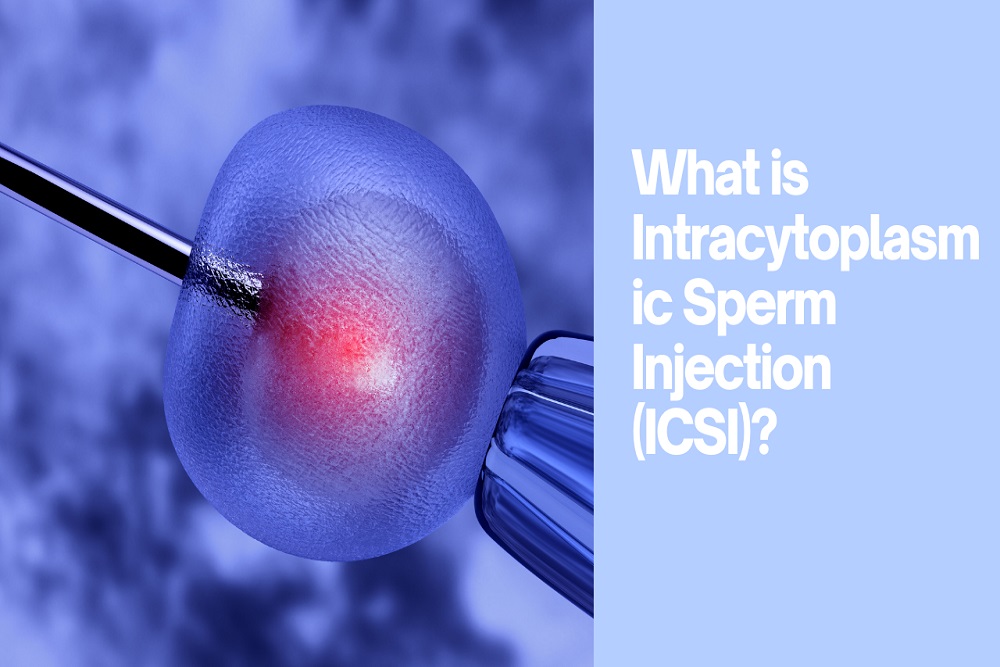
What is Intracytoplasmic Sperm Injection (ICSI)?

ICSI is an innovative method that has revolutionized the treatment of infertility by offering a solution to couples facing male infertility problems. Before a man’s sperm can fertilize a woman’s egg, the head of the sperm must first attach to the outside of the egg. After fixation, the sperm penetrates through the outer layer into the cytoplasm of the egg, thus, fertilization takes place. 

Sometimes, for various reasons, sperm cannot pass through the outer layer. The outer layer of the egg or ovum can be thick or hard to penetrate, and the sperm cannot swim. In these cases, a procedure called intracytoplasmic sperm injection (ICSI) is performed by IVF Specialists in Delhi to help fertilize the egg. Let us learn more about ICSI.

What is ICSI?

Intracytoplasmic sperm injection (ICSI) is an advanced assisted reproductive technology (ART) procedure used in infertility treatment to resolve male infertility and promote fertilization. This involves the precise placement of a single sperm into the cytoplasm of the egg. The egg carries out fertilization. ICSI is usually performed as part of IVF treatment in Delhi and is designed to increase the chances of pregnancy when traditional fertilization methods may be less successful due to male infertility problems.

Why do you need ICSI?

ICSI at the best IVF centre In Delhi helps overcome fertility problems such as:

  • The male partner produces too little sperm for artificial insemination (IUI) or IVF. 
  • The sperm may not move normally. 
  • Difficulty for the sperm to fertilize the egg. 
  • A blockage in the male reproductive tract interferes with the release of sperm. 
  • Eggs cannot be fertilized with traditional IVF regardless of sperm status. 
  • Eggs matured in vitro are used. 
  • Usage of pre-frozen eggs.

How ICSI is performed

The ICSI procedure at the best IVF centre in Delhi involves the following steps:

Before ICSI procedure 

Before performing ICSI, your IVF doctor in Delhi must collect eggs and sperm. To collect the eggs, the following steps are taken:

  • Ovulation induction (also called ovarian stimulation): The donor receives injections of medication for 8 to 14 days. This stimulates the ovaries to release several eggs at once to mature.
  • Egg retrieval: Your doctor uses transvaginal ultrasound technology to insert a thin needle through the vaginal wall into the ovaries. This step is performed under light anesthesia, so there is no pain.

If frozen sperm are not used, the sperm collection is done on the same day as the egg retrieval.

During ICSI procedure 

During ICSI, your IVF specialist in Delhi will:

  • Use a pipette (a small glass tube with a suction cup) to hold the egg in a laboratory dish. 
  • A single sperm is immobilized and collected using a thin needle. 
  • A needle is inserted into the egg to reach the cytoplasm. 
  • Sperm enters the cytoplasm. 
  • The needle is then taken out of the egg.

After ICSI procedure

After ICSI, your doctor at the best IVF in Delhi will check the fertilized egg in a laboratory to monitor signs of successful fertilization. 

  • Within 5 to 6 days after the ICSI procedure, a healthy fertilized egg must divide into cells to form a blastula, which the doctor assesses. 
  • Embryo transfer occurs five to six days after the egg retrieval procedure, but the transfer is usually delayed by months or years. 
  • Your doctor will discuss with you the timing of the embryo transfer. 
  • Using ultrasound technology, the doctor inserts a catheter (a long, thin tube) into the vagina and places the embryo in the uterus. 
  • For pregnancy to occur, the embryo must implant (attach) to the uterus. 

IVF doctors in Delhi recommend waiting at least two weeks before taking a pregnancy test.

The success rate of intracytoplasmic sperm injection (ICSI)

The Centers for Disease Control and Prevention (CDC) does not have data on ICSI success rates, but other fertility clinics report fertilization rates of 70 to 80 percent for injected eggs.

About 6 out of 10 IVF procedures involve ICSI. The chances of pregnancy success with ICSI are the same as with conventional IVF. According to the Cleveland Clinic, it is estimated that 50 to 80 percent of ICSI attempts lead to fertilization.

Final Words,

For couples who are having trouble conceiving, the doctor may recommend intracytoplasmic sperm injection (ICSI). This type of in vitro fertilization (IVF) is helpful in cases of male infertility. However, it is necessary to talk to your healthcare provider at the IVF centre in Delhi about whether ICSI is the best fertility treatment for you. 

Is it difficult to get pregnant because of male infertility? Find hope with Nandi IVF’s advanced ICSI treatment. Our team of experts specializes in providing customized solutions for couples facing infertility issues. We want to help you fulfil your dream of becoming a parent with our cutting-edge technology. Take the first step towards a better future with the best IVF centre in Delhi. Book your consultation with Nandi IVF today.

Bring A Baby Into Your Home With Nandi IVF

    Call Now Whatsapp Email
    //