What is the Right Time To Consult A Fertility Specialist?

Fertility Preservation

What is the Right Time To Consult A Fertility Specialist?

Are you thinking of expanding your family? Or waiting to bring those little steps of joy to your home? Or perhaps your reproductive health doesn’t feel quite right? The answer to all of these concerns lies in consulting a good fertility specialist. With an IVF success rate of 44.5% for women under age 35 by 2024, it is crucial to recognize the importance of the technique in transforming lives. Couples must understand the right time to visit the best IVF centre in Delhi that can help smoothen their journey to parenthood.

In this blog, we will discuss some of the factors indicating the right time to seek medical consultation, along with the best IVF centre in Delhi.

Recognizing the Need for Fertility Consultation

Let us look at some of these key points in brief that describe the best time to consult an IVF Specialist In Delhi

Difficulty in Conceiving

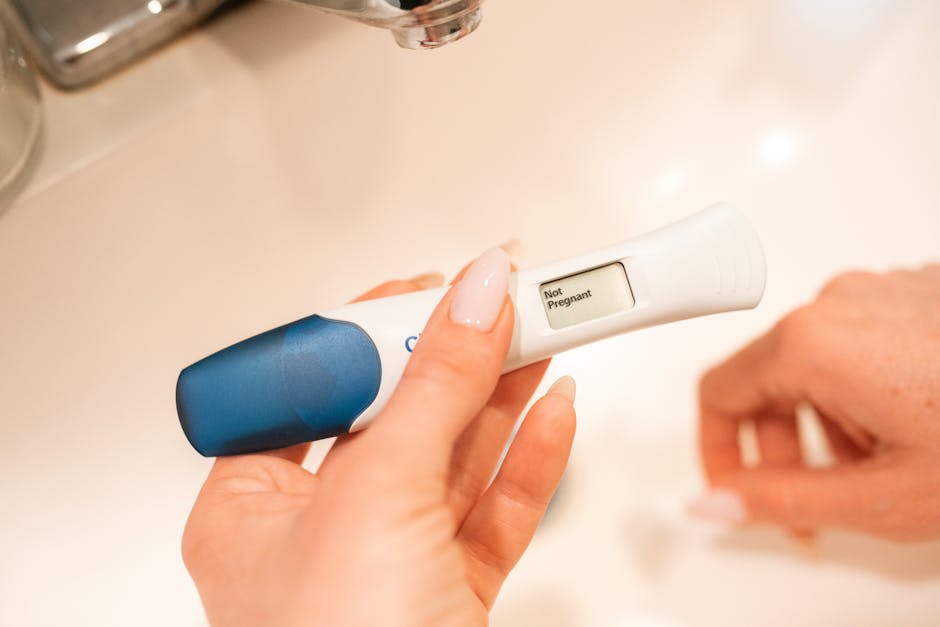
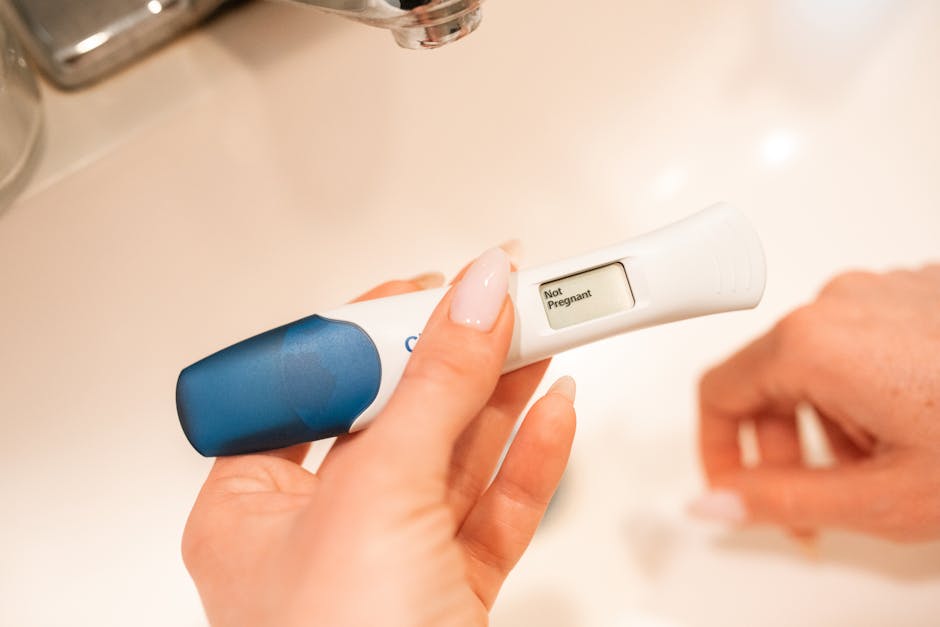
The most appropriate time for women seeking medical advice is during pregnancy or in case of fertility failures. Females over 35 years of age who have attempted conception for over half a year or more should consider IVF treatment in Delhi for proper evaluation. This may help recognize the underlying causes associated with a decrease in fertility.

Improper Reproductive Cycle

Irregular periods or uncertainty in the menstrual cycle demonstrate poor reproductive health. Factors like hormonal imbalance or syndromic diseases (like PCOD or PCOS) can cause infertility. Thus, seeking medical guidance from IVF doctors in Delhi that can help identify potential issues is advisable. 

Previous Medical History

Any previous abortion (MTP) or pregnancy loss due to miscarriage may affect a woman’s ability to conceive naturally in the future. Also, partners with a history of medical conditions like endometriosis, pelvic diseases, or previous reproductive surgeries may decrease the chances of a successful pregnancy. The best IVF doctors in Delhi can help identify these causes and suggest treatments to overcome pregnancy-related issues. 

Overstress and Anxiety 

Situations like unhealthy marriages are overwhelming for women. It may cause stress and anxiety, affecting mental health. These situations can also lead to a decrease in the fertility rate in humans.  Thus, consulting a specialist doctor for IVF treatment in Delhi helps understand the ways to overcome such challenges. 

Male Infertility Factor

Not only women but also male infertility factors affect fertility rate. Low sperm count or poor sperm motility may hamper the process of conception in female partners. Hence, it is preferable to consult a renowned IVF centre in Delhi that could help couples understand the importance of good male and female reproductive health required for conceiving. 

Age Factor

Age is one of the primary concerns for couples experiencing difficulty conceiving or a high pregnancy failure rate. The fertility percentage decreases both in males and females as age increases, especially after 35. Though there are methods for conceiving late, an expert fertility specialist helps assess complete reproductive health and can share chances of conception at a later stage. 

Lifestyle Patterns

The other major crucial factor of difficult pregnancies is the lifestyle patterns of the current generation. Consuming alcoholic beverages and smoking other toxic substances affects the fertility rate in individuals. Also, other causes like unhealthy eating habits and environmental pollutants affect reproduction. 

Consumption of any of these hazardous substances can have adverse effects on the reproductive health of individuals. Thus, a proper fertility consultation from the best IVF centres in Delhi is requisite. 

Considering Assisted Reproductive Technologies (ART)

Methodological procedures such as in vitro fertilization (IVF) or intrauterine insemination (IUI) require seeking proper medical advice. Fertility specialists can help describe the appropriate treatment procedures. Also, suggesting therapies best suited to individual requirements.

Seeing a fertility specialist does not have to mean costly and invasive treatments alone. Choosing a healthy lifestyle and getting expert guidance on time can help couples conceive naturally. Moreover, it is essential to select a reputed and trustworthy IVF centre in Delhi that can provide proper and personalized treatment for the patients.  

Conclusion

It is crucial to get the right medical guidance from the right fertility specialist. Since it is one of the biggest comforting factors for couples aiming for parenthood. Irregular menstrual cycles or previous medical histories are some of the factors that affect the rate of conception in many individuals.

Nandi IVF is the best IVF in Delhi. It understands the complexity of these fertility challenges and offers solutions to address each one. The centre is dedicated to changing lives through its expert facilities and experienced professionals who help parents navigate the journey of parenting with confidence.

The team of highly qualified doctors employs advanced treatment methods and offers world-class technologies. Additionally, they help overcome various fertility issues, such as age factors, male incompetency, lifestyle patterns, etc. Recognized as the leading IVF specialist in Delhi, they provide individuals with personalized treatment plans tailored to their specific needs and requirements.

So, join us today and explore the services to begin your first step towards the dream of a prosperous and expanding happy family.

What is Intracytoplasmic Sperm Injection (ICSI)?

ICSI is an innovative method that has revolutionized the treatment of infertility by offering a solution to couples facing male infertility problems. Before a man’s sperm can fertilize a woman’s egg, the head of the sperm must first attach to the outside of the egg. After fixation, the sperm penetrates through the outer layer into the cytoplasm of the egg, thus, fertilization takes place. 

Sometimes, for various reasons, sperm cannot pass through the outer layer. The outer layer of the egg or ovum can be thick or hard to penetrate, and the sperm cannot swim. In these cases, a procedure called intracytoplasmic sperm injection (ICSI) is performed by IVF Specialists in Delhi to help fertilize the egg. Let us learn more about ICSI.

What is ICSI?

Intracytoplasmic sperm injection (ICSI) is an advanced assisted reproductive technology (ART) procedure used in infertility treatment to resolve male infertility and promote fertilization. This involves the precise placement of a single sperm into the cytoplasm of the egg. The egg carries out fertilization. ICSI is usually performed as part of IVF treatment in Delhi and is designed to increase the chances of pregnancy when traditional fertilization methods may be less successful due to male infertility problems.

Why do you need ICSI?

ICSI at the best IVF centre In Delhi helps overcome fertility problems such as:

  • The male partner produces too little sperm for artificial insemination (IUI) or IVF. 
  • The sperm may not move normally. 
  • Difficulty for the sperm to fertilize the egg. 
  • A blockage in the male reproductive tract interferes with the release of sperm. 
  • Eggs cannot be fertilized with traditional IVF regardless of sperm status. 
  • Eggs matured in vitro are used. 
  • Usage of pre-frozen eggs.

How ICSI is performed

The ICSI procedure at the best IVF centre in Delhi involves the following steps:

Before ICSI procedure 

Before performing ICSI, your IVF doctor in Delhi must collect eggs and sperm. To collect the eggs, the following steps are taken:

  • Ovulation induction (also called ovarian stimulation): The donor receives injections of medication for 8 to 14 days. This stimulates the ovaries to release several eggs at once to mature.
  • Egg retrieval: Your doctor uses transvaginal ultrasound technology to insert a thin needle through the vaginal wall into the ovaries. This step is performed under light anesthesia, so there is no pain.

If frozen sperm are not used, the sperm collection is done on the same day as the egg retrieval.

During ICSI procedure 

During ICSI, your IVF specialist in Delhi will:

  • Use a pipette (a small glass tube with a suction cup) to hold the egg in a laboratory dish. 
  • A single sperm is immobilized and collected using a thin needle. 
  • A needle is inserted into the egg to reach the cytoplasm. 
  • Sperm enters the cytoplasm. 
  • The needle is then taken out of the egg.

After ICSI procedure

After ICSI, your doctor at the best IVF in Delhi will check the fertilized egg in a laboratory to monitor signs of successful fertilization. 

  • Within 5 to 6 days after the ICSI procedure, a healthy fertilized egg must divide into cells to form a blastula, which the doctor assesses. 
  • Embryo transfer occurs five to six days after the egg retrieval procedure, but the transfer is usually delayed by months or years. 
  • Your doctor will discuss with you the timing of the embryo transfer. 
  • Using ultrasound technology, the doctor inserts a catheter (a long, thin tube) into the vagina and places the embryo in the uterus. 
  • For pregnancy to occur, the embryo must implant (attach) to the uterus. 

IVF doctors in Delhi recommend waiting at least two weeks before taking a pregnancy test.

The success rate of intracytoplasmic sperm injection (ICSI)

The Centers for Disease Control and Prevention (CDC) does not have data on ICSI success rates, but other fertility clinics report fertilization rates of 70 to 80 percent for injected eggs.

About 6 out of 10 IVF procedures involve ICSI. The chances of pregnancy success with ICSI are the same as with conventional IVF. According to the Cleveland Clinic, it is estimated that 50 to 80 percent of ICSI attempts lead to fertilization.

Final Words,

For couples who are having trouble conceiving, the doctor may recommend intracytoplasmic sperm injection (ICSI). This type of in vitro fertilization (IVF) is helpful in cases of male infertility. However, it is necessary to talk to your healthcare provider at the IVF centre in Delhi about whether ICSI is the best fertility treatment for you. 

Is it difficult to get pregnant because of male infertility? Find hope with Nandi IVF’s advanced ICSI treatment. Our team of experts specializes in providing customized solutions for couples facing infertility issues. We want to help you fulfil your dream of becoming a parent with our cutting-edge technology. Take the first step towards a better future with the best IVF centre in Delhi. Book your consultation with Nandi IVF today.

Understanding the Differences Between IVF and ICSI

For countless couples who dream of starting or expanding their family, they probably heard of various infertility treatments, including IVF and ICSI. IVF (in vitro fertilization) and ICSI (intracytoplasmic sperm injection) are the two most common methods of infertility treatment, in which sperm and eggs are fertilized outside the uterus in a laboratory of the best IVF centre In Delhi, and the resulting embryos are implanted in the uterus of the expectant mother. 

But what is the difference between IVF and ICSI? In this article, we’ll explain the differences between IVF and ICSI to help you understand what a fertility doctor at the IVF Center In Delhi should consider when deciding whether to recommend IVF or ICSI.

What is IVF?

In vitro fertilization (IVF) is a type of assisted reproductive technology (ART) that fertilizes sperm and eggs outside the body. IVF is a complex process in which eggs are removed from the ovaries and manually combined with sperm in a laboratory for fertilization. The fertilized egg, which is now referred to as an embryo, is inserted into the uterus a few days following fertilization. Pregnancy occurs when this embryo implants in the uterine wall.

People at the best IVF centre In Delhi choose IVF for many reasons, including fertility issues or their partner’s health. IVF is an option if you or your partner have the following problems:

  • Fallopian tubes are blocked or damaged.
  • Endometriosis. 
  • Low sperm count or other sperm disorders. 
  • Polycystic ovary syndrome (PCOS) or other ovarian disease. 
  • Uterine fibroid. 
  • Problems with the uterus.
  • Risk of acquiring an inherited disease or disorder. 
  • Unexplained infertility. 
  • Want to use an egg donor or surrogate mother?

What is ICSI?

Another way to treat infertility is intracytoplasmic sperm injection (ICSI). This involves injecting live sperm into human eggs in a laboratory. This procedure helps in producing embryos (fertilized eggs). ICSI is another form of in vitro fertilization (IVF). IVF Doctors In Delhi often use ICSI when male infertility affects a man’s ability to conceive.

ICSI is very useful for men with male infertility. Your healthcare provider at the best IVF centre In Delhi will suggest ICSI if:

  • There is no ejaculation. 
  • There is a blockage of the male reproductive system. 
  • There is a Low sperm count. 
  • The sperm quality is poor. 
  • There is retrograde ejaculation (semen flowing back into the bladder).

Key differences of IVF vs ICSI

Here is the list demonstrating the key differences between IVF and ICSI by the best IVF In Delhi:

Factors IVF ICSI
Time taken IVF is a complex process consisting of several stages. On average, you can expect this process to take 4 to 6 weeks. On the other hand, ICSI treatment is divided into five main stages, which usually take 10 to 12 days.
Suitability IVF can be suitable for various causes of infertility, including female infertility factors such as blocked fallopian tubes or ovulation disorders.  ICSI is recommended for male infertility problems such as low sperm count, low sperm motility, and abnormal sperm morphology.
Success rate IVF and ICSI generally have similar success rates. However, ICSI has demonstrated a high success rate in cases of severe male factor infertility. The success of any procedure depends on many factors, including the age of the woman, the quality of the eggs and sperm, and the expertise of the fertility clinic.
Cost ICSI is generally more expensive than IVF due to additional laboratory techniques. IVF and ICSI costs may vary depending on geographic location, clinic reputation, and any additional treatments or procedures required. 
Risk of a genetic disorder The risk of genetic diseases during conventional IVF is similar to natural fertilization.  ICSI carries a slightly higher risk of genetic abnormalities due to the possibility of carrying abnormal sperm. 
Number of embryos transferred With IVF, more embryos are transferred into the uterus, increasing the chances of pregnancy but also increasing the risk of multiple pregnancies. ICSI often involves single embryo transfer to reduce the likelihood of multiple pregnancies while maintaining the likelihood of success.

IVF or ICSI: Which treatment should you choose?

The results of your fertility assessment and consultation with one of our IVF specialists in Delhi will help you decide which fertility treatment is right for you. Our specialists will always work with you to provide detailed information about your treatment plan, process, and pricing before you begin your treatment of choice.

Whether IVF or ICSI is your fertility treatment of choice, our team of IVF specialists at the Best Ivf Clinic In Delhi will always provide personalized, patient-centred care and support throughout your journey.

Conclusion,

Both IVF and ICSI are valuable tools in assisted reproductive technology, helping couples with fertility problems realize their dreams of becoming parents. While IVF treatment in Delhi is a common and widely used method, ICSI offers a solution to the specific problem of male infertility. 

Choosing between these two methods requires consultation with an IVF specialist in Delhi, taking into account the specific circumstances and needs of the individuals involved. Ultimately, the goal is to choose the approach that offers the best chance of success and the greatest hope of starting a family. 

Choosing between many fertility treatments and confused about which one is best for you? Take a step forward towards Nandi IVF.

Common Factors That Affect IVF Success Rate

For many couples struggling with infertility, in vitro fertilisation (IVF) offers a lifeline and hope for building their family. However, going through the physical rigours and emotional rollercoaster of IVF treatment is daunting. The financial costs associated with IVF can also be burdensome for some. 

Naturally, patients invest tremendous expectations into each IVF cycle for it to result in the ultimate joy of parenthood. But success rates do vary. As you embark on your IVF journey with Nandi IVF, India’s foremost IVF specialist clinic, it is important to have realistic expectations and understand what common factors can impact IVF success. This blog delves into the crucial elements affecting IVF outcomes and how specialists in Delhi are making a difference.

Factors Influencing IVF Success Rates

Many interlinked factors, ranging from medical to lifestyle issues of both partners, can affect the outcomes in an IVF cycle. Some key parameters are:

Maternal Age 

A woman’s age is the dominant factor determining IVF success. As a woman grows older, especially after 35 years, her ovarian reserve declines, which leads to poorer egg quantity and quality. This directly impacts embryo development and lowers implantation chances. At Nandi IVF, we have achieved high success rates in older patients through optimal protocols.

Cause of Infertility

Issues like damaged fallopian tubes, endometriosis, etc., can decrease IVF success rates compared to unexplained infertility. Our world-class fertility experts are experienced in tackling even complex fertility issues through a customized treatment plan.

Lifestyle Factors

Good lifestyle habits like maintaining a healthy BMI through proper diet and exercise, reducing stress levels, and eliminating smoking/ alcohol improve IVF outcomes.

Protocol and Medications

The type of IVF protocol and medications tailored to suit each patient’s profile by fertility specialists have a major effect on results. At Nandi IVF, our globally trained doctors follow evidence-based practice to design customized regimens for the best chance of IVF success for every patient.

Sperm Health and Morphology

Along with egg quality, the quality of sperm also equally determines IVF success. Low sperm count, inadequate motility, and high DNA fragmentation negatively impact results.

Embryo Quality and Number

A higher number of good-quality embryos available for transfer directly relates to better success odds. Our embryologists are experts in selecting embryos with maximum implantation potential using advanced technologies.

IVF Lab Conditions

World-class infrastructure and strict protocols followed by our lab provide the optimal nurturing environment for embryos outside the body to boost IVF success.

Transfer Technique

A smooth embryo transfer process adhering to precision techniques leads to higher implantation rates. Our clinical team specializes in both simple and complex transfer processes.

Previous Reproductive History and IVF Success

Your past reproductive history, including previous pregnancies or IVF attempts, can offer insights into future IVF success. The Best Ivf In Delhi uses this information to tailor treatment plans, enhancing the likelihood of a positive outcome.

Addressing Medical Conditions

Certain medical conditions can hinder IVF success. The Best IVF Center in Delhi is equipped to manage issues like uterine abnormalities and ovarian dysfunction, utilizing advanced techniques like pre-implantation genetic diagnosis (PGD) to improve success rates.

Fertility Clinic Expertise Matters

Beyond these individual factors related to patients, the expertise and experience of the IVF clinic play a pivotal role in shaping success in this advanced Assisted Reproductive Technology procedure. IVF treatment in Delhi has seen remarkable advancements, with clinics adopting state-of-the-art technologies to improve outcomes. At Nandi IVF, our outstanding success rates across all age groups vouch for our clinical excellence honed over 5500+ IVF procedures:

  • 80% success rate in women below 35 years
  • 60-65% rate for 35-37-year-olds 
  • 50-55% rate in patients above 40 years

Choose the Best IVF Specialist in Delhi NCR

Becoming a parent is an unmatched emotional high. For those struggling with infertility, Nandi IVF offers the best chance at successful conception through IVF. As Delhi NCR’s top-ranked IVF centre, we have consistently delivered high IVF success rates through our patient-centric treatment approach.

To know more about our IVF success rate or fix an appointment, visit us today! Our patient facilitators will be happy to address all your queries regarding your IVF treatment plan or connect you to our fertility specialists.

Ovulation Disorders: Understanding Causes, Symptoms, and Treatments

Ovulation disorder is defined as a range of medical conditions that can affect a woman’s endocrine system. What is an endocrine system? It is a system in the body that regulates our hormones, the ovulation process, or the process the ovary makes an egg during the monthly cycle (menstruation). Affecting 18-25% of couples with infertility in India, ovulation disorders are increasing at an alarming rate. Yes, it is a big problem but everything has a solution. Here, at the Best IVF Center in Delhi, you will get the best facilities to treat ovarian disorders. Now, let’s look into the causes, symptoms, and treatment of Ovarian Disorders.

Infertility and Ovulation Disorders

Ovulation issues are a common cause of infertility in women. During a normal menstrual cycle, the endocrine system secretes chemicals that prepare the body for pregnancy, including gonadotropin-releasing hormone (GnRH), follicle-stimulating hormone (FSH), and luteinizing hormone (LH).

GnRH and FSH are the primary hormones responsible for inducing an egg to develop within a woman’s ovaries. LH promotes the release of the mature egg (ovum) into the fallopian tube, where a man’s sperm can fertilize it.

Many IVF Specialist in Delhi believes that though cycle durations vary, women who ovulate regularly often have a 28-day menstrual cycle during which they ovulate once. Women with hormonal imbalances or deficiencies may have infrequent ovulation and infertility. 

Now let’s talk about some of these disorders and the symptoms associated with them.

Common Ovulation Disorders and Symptoms

The endocrine system is crucial to the menstrual cycle and the process of becoming pregnant. Some drugs, diseases, and lifestyle variables, such as being overweight or underweight, alter hormone levels and can cause irregular hormone production or injury to the ovaries, resulting in an ovulation problem. According to the Best IVF Center in Delhi, the most common symptoms of ovulation disorder are irregular or absent periods and difficulty in becoming pregnant. 

The following are the most common ovulation issues that should be treated most often with the help of the best IVF doctors in Delhi.

Polycystic Ovarian Syndrome (PCOS)

Doctors of the best IVF Center in Delhi and Scientists do not know the specific cause of PCOS, although it is most likely caused by hormonal abnormalities that influence a woman’s androgen (testosterone) levels and insulin sensitivity. Low insulin sensitivity can cause a rise in blood glucose levels and a subsequent increase in testosterone. Multiple cysts formed over time can prevent ovarian follicles from generating mature eggs, and testosterone androgen excess can interrupt ovulation and induce infertility.

Hypothalamic Amenorrhea

FSH and LH are required to achieve pregnancy. During the menstrual cycle, the pituitary gland secretes FSH to tell the ovaries that a follicle needs to develop into an ovum. FSH levels begin to fall as LH levels rise, indicating the release of the freshly developed egg from the follicle. Women with hypothalamic amenorrhea may have irregular or nonexistent ovulation because their bodies lack the nutrition and fat required to transmit hormone signals to the ovaries.

Other Ovulation disorders are premature ovarian failure and menopause. These all disorders can be treated at the best IVF in Delhi. 

Treatment and Diagnosis of Ovarian Disorders

Some ovulation problems can be identified by physical examination, medical history, and menstrual history. Other illnesses, however, require laboratory blood tests to be diagnosed. 

You will get the best treatment for this disorder from the Best IVF Treatment in Delhi. Some of those treatments are – 

  • Doctors will test a woman’s hormone levels based on her symptoms. Once recognized, most ovulation abnormalities can be addressed with lifestyle modifications or medicine.
  • The best IVF doctor in Delhi may propose dietary changes, fertility-inducing drugs that replace missing hormones, or stress reduction.
  • Women with irregular or missing menstruation should consult a fertility expert if they are unable to conceive within 12 months of having unprotected intercourse regularly.

Ready for an Appointment?

If you are experiencing the symptoms described above, you can contact the best IVF center in Delhi, Nandi IVF. They will guide you with all the required guidance and the treatment regimen that you can follow and prevent these Ovarian disorders from affecting your journey of being pregnant.

FAQs

Question 1: How to diagnose Ovarian Disorder?

Answer: The IVF centers of Delhi believe that for diagnosing these disorders, one should go through the FSH (Follicular Stimulating Hormone) screening. This will help in the evaluation of menstrual irregularities, infertility, and hypogonadism.

Question 2: What are the preventive measures for ovarian disorders?

Answer: To prevent ovarian disorders a person should increase their intake of high fiber, and proteins. They should avoid alcohol consumption, exercise regularly, and manage their stress for better health.

Question 3: What are all hormones associated with ovarian disorders?

Answer: When ovulation does not occur, the ovaries may produce several tiny cysts. These cysts produce androgens. Women with PCOS frequently have elevated amounts of androgens.

Unlocking Success in IVF: Key Factors That Make a Difference

In vitro fertilization (IVF) has transformed family planning for millions of couples struggling with infertility. This assisted reproductive technology involves fertilizing the egg with sperm in a laboratory dish and then transferring the resulting embryo into the uterus. As IVF has grown more advanced, success rates have improved. However, achieving a healthy pregnancy still depends on many factors.

Understanding what impacts IVF success can help couples evaluate their particular chances and make informed decisions. In this blog, we’ll explore some of the key elements that influence outcomes.

Understanding IVF Success Rates

IVF success is generally measured by pregnancy and live birth rates. The pregnancy rate refers to the percentage of IVF cycles resulting in a positive pregnancy test. The live birth rate indicates the percentage leading to the birth of a living child. These rates can vary widely, influenced by numerous factors, including the patient’s health, the expertise of the IVF specialist in Delhi, and the technologies used during the treatment. On average, IVF success rates for a woman under 35 using her own eggs range from 40-50% per cycle. However, many variables can affect an individual’s prospects.

Critical Factors Influencing IVF Success Rates

IVF involves fertilizing the egg with sperm outside the body in a laboratory and then transferring the embryo into the uterus. Each element of this process depends on essential medical, technological, and lifestyle factors.

  • Age of the Woman

A woman’s age is the most crucial factor for IVF success. Younger women produce higher-quality eggs with fewer DNA abnormalities, leading to higher pregnancy and live birth rates. Success rates start declining after age 35 and drop sharply after 40. By 45, the chance of IVF resulting in live birth is low.

  • Sperm Quality

Sperm health impacts outcomes significantly. Parameters like count, motility (ability to swim), and morphology (shape) are measured to assess male fertility. Abnormal semen analysis results—such as low motility or high DNA fragmentation—can lower IVF success.

  • Egg Quality

Egg quality diminishes as a woman ages, affecting fertilization and embryo development. Factors impacting egg health include genetics, environmental toxins, and lifestyle habits. Addressing issues through treatment or lifestyle changes can improve egg quality.

  • Lifestyle Factors

Smoking, excessive alcohol consumption, recreational drug use, poor diet, obesity, chronic stress, and other lifestyle factors reduce IVF success rates. Studies demonstrate that women modifying these habits for 4-6 months prior to IVF increase their chances of pregnancy and live birth. Partners should adopt healthy lifestyles as well to maximize outcomes.

  • Reproductive History

Previous pregnancies or miscarriages, history of pelvic inflammatory disease or endometriosis, low ovarian reserve, recurring implantation failure, and other diagnoses can influence individual success rates. Understanding your fertility issues is key.

  • Type of IVF Cycle

IVF using fresh embryos or previously frozen embryos have different success trajectories. Pregnancy rates tend to be higher in frozen cycles, as the endometrium is not manipulated with hormones. This leads to better embryo-uterus synchronization.

  • Fertility Clinic Success Rates

Pregnancy and live birth rates vary greatly among IVF centre in Delhi. Research centre offering expertise in specific fertility issues or handling complex cases. Ensure your provider has high overall success rates with cases like yours.

Improving Your IVF Success Chances

The are a few ways to boost the success in the centres that are the best IVF in Delhi:

  • Thoroughly research clinics, considering experience, specializations, and verified patient reviews. Meet onsite teams before committing.
  • Optimize health 4-6+ months pre-treatment through nutrition, supplements, sleep, exercise, and stress reduction. Quit smoking and limit alcohol.
  • If advised, consider preimplantation genetic screening of embryos to select genetically normal ones for transfer.
  • Talk to financial counsellors about affordable treatment options, such as multi-cycle discount plans. Access resources that help fund treatment.
  • The IVF process presents physical and emotional demands. Support programs through treatment centres or nonprofit organizations provide invaluable help throughout the journey.

Conclusion

While IVF offers hope for many struggling with infertility, outcomes vary based on several definable factors. Understanding these elements provides insight into individual chances of success. Addressing controllable factors through proactive measures, reputable medical care and community support can make a meaningful difference. Understanding the factors that affect IVF success rates can empower you to make informed decisions on your fertility journey. While challenges exist, the advancements in IVF treatment in Delhi have made it possible for many to achieve their dreams of parenthood.

If you’re looking for the best IVF centre in Delhi, choose Nandi IVF, where your dreams of becoming a parent are nurtured with care, expertise, and advanced fertility solutions. Contact us today to consult with the top IVF doctor in Delhi and take the first step towards realizing your dream of parenthood.

What is the Exact Right Time To Consult A Fertility Specialist?

Starting a family is a cherished goal for many couples. However, when months pass without a positive pregnancy test, anxieties can heighten. You may have questions like am I healthy enough to conceive? Is my biological clock ticking too fast? Do we need medical support? Therefore, knowing when to consult a fertility specialist becomes crucial. Couples may feel scared, frustrated, or reluctant to seek help. Yet the right guidance at the right time can make all the difference. 

This blog post covers all the aspects you should consider to decide the exact time to consult your IVF specialist in Delhi

Consult A Fertility Specialist

Review Your Age and Medical History

Age plays a major role in female fertility. The average woman aged 20-24 has just a 20% chance of conceiving per menstrual cycle. Even women at peak fertility in their mid-20s face roughly 25% odds each cycle. Therefore, the best IVF in Delhi doctors generally recommend women under 35 try to conceive for 12 months before seeking help. 

  • Over age 35, the timeline shortens since egg quantity and quality decline. 
  • The IVF specialist in Delhi typically suggests women over 35 seek help after 6 months of unsuccessful trying.
  • Beyond age, review your cycles, gynaecological history and any known fertility issues, such as endometriosis, PCOS or irregular cycles. 
  • If you have experienced failed IVF cycles before, immediately consulting a specialist makes sense. However, those with no identifiable fertility problems can follow standard age guidelines.

Track Ovulation for 6 Months

Before making a fertility appointment, chart your menstrual cycles for 6 months. 

  • Tracking ovulation helps determine if you’re timing intercourse appropriately or if ovulation problems exist. There are multiple apps available online to help you track your cycle.
  • If you confirm ovulation each month, it provides reassurance. If not, seeing an IVF treatment in Delhi sooner could help identify issues.

Evaluate Your Lifestyle

Taking time to optimise your lifestyle is extremely important for conception. IVF doctor in Delhi recommends focusing on fertility-friendly lifestyle changes for 6 months to a year before undergoing intensive treatments. 

  • A healthy diet, regular exercise, stress reduction and other positive lifestyle habits create the best environment for conception. 
  • Discontinuing behaviours like smoking, heavy drinking and certain medications also improve fertility.

Ask Your Gynecologist for Testing

Many gynaecologists order basic infertility testing after 6 months to 1 year of trying naturally, especially if you’re over 35. 

  • You can go with a semen analysis, bloodwork to measure ovarian reserve and evaluation of your uterine cavity via hysteroscopy to reveal underlying issues. 
  • If initial tests are normal, your ob-gyn may advise trying for several more months before referring you to a smart IVF centre. However, if issues consistently show up, you may be required to make a fertility clinic appointment sooner.

Consider Your Emotional Readiness

The emotional toll of trying to conceive month after month with disappointing results can really add up. Even if it hasn’t quite been a year, if you find yourself losing hope each month, it may be time to seek specialist support. 

Your IVF doctor in Delhi understands the profound impact of struggling to build your family. Seeking help sooner rather than later can sometimes preserve emotional well-being.

Have a Discussion with Your Partner

When to take the step of scheduling a fertility appointment is an intimate decision best made together with your partner. Have an open and honest conversation about your thoughts, concerns and goals surrounding parenthood. 

Getting on the same page about when to consult an IVF centre in Delhi helps ensure you both feel ready to move forward when the time comes.

Accept That There’s No “Perfect” Time

Realistically, there is no single perfect time to seek fertility help. The 12-month standard provides a reasonable general guideline but may not apply to every couple’s situation. Try not to view consulting a specialist as a failure. Rather, view it as taking proactive steps to understand your fertility and options. An IVF doctor in Delhi can still help you conceive naturally if that’s appropriate. Or they may recommend treatments to help you build the family you long for. 

Know When to Seek Emergency Care

While most fertility concerns don’t require emergency care, certain symptoms warrant prompt medical attention:

  • Severe pelvic pain with vomiting or fainting
  • Heavy vaginal bleeding with clots
  • Difficulty breathing or chest pain
  • Excruciating headache accompanied by vision changes
  • Severe abdominal swelling or bloating
  • Calf pain, redness, warmth and swelling

Seek same-day care if you experience these symptoms. Call an IVF specialist in Delhi immediately if you’re undergoing IVF treatment in Delhi and have concerns.

Winding Up

Deciding when to seek fertility guidance is highly personal. Every couple’s journey carries different medical realities and emotional needs. Yet the right assistance at the right time can make all the difference. So stay patient early on but proactively understand your options. Identify underlying conditions, establish trusted support early, and explore solutions that fit your unique needs. 

When challenges persist beyond 6-12 cycles, you can prefer consulting a compassionate fertility clinic like Nandi IVF that offers cutting-edge solutions, high conception success rates, and judgment-free support so your pregnancy dreams can beautifully come true. Contact Nandi IVF’s experts today to start your hopeful path to parenthood.

Discover Delhi’s Top 10 IVF Centres Known for High Success Rates

Are you a couple trying to conceive? Do you have fertility problems? Tired of advertising and Googling for the best IVF clinic in Delhi? Do not be afraid! Nandi IVF is one of the ambitious IVF centres in Delhi that offers the best infertility treatment to patients, clients, and couples who dream of having a baby but are unable to do so. Our success is not just measured in numbers but in the lives we have touched. With a remarkable success rate of over 80% in IVF treatments and a notable success rate of more than 60% on the first attempt, we stand as a testament to the efficacy of our treatments. 

Every couple who dreams of starting a family deserves it, and at Nandi IVF, the top IVF centre in Delhi, you will achieve your dream of becoming a parent. Our extensive range of fertility treatments, including IVF, ICSI, egg freezing, and more, are delivered in our state-of-the-art facility, ensuring the highest standards of care​.  

What sets us apart is our approach to making fertility treatments both high-quality and accessible. We understand IVF’s emotional and financial aspects and strive to offer pocket-friendly options without compromising quality​. 

Understanding IVF: How It is Done?

Every couple dreams of having children, but not everyone is lucky enough to have them all. In India, one in eight married couples face infertility problems. In vitro fertilisation (IVF) is one of the most popular types of multistage assisted reproductive technology (ART). Nowadays, more and more people come for the Best IVF Centre In Delhi because of its success rate and affordable price.

  • During the best IVF in Delhi, IVF experts collected (retrieved) mature eggs from your ovaries and fertilised by sperm in a lab. Then, they implant the fertilised egg (embryo) or eggs in the uterus.
  • The first step involves ovarian stimulation using fertility medications to produce multiple mature eggs for retrieval. 
  • Next, the egg retrieval procedure collects the eggs using a minor surgery with ultrasound guidance. 
  • Then, experts fertilise eggs with sperm in a lab via insemination. Once fertilised, they culture and monitor embryos for a few days. 
  • Finally, one or more embryos are selected and transferred into the uterine cavity during a quick and often painless procedure. 
  • After the embryo transfer, you would continue taking medications and have follow-up appointments to track progress. A pregnancy test can determine the success of the IVF cycle a couple of weeks later. 

How Nandi IVF Helps You Throughout the Procedure 

Our comprehensive In Vitro Fertilisation (IVF) process consists of carefully designed steps to make your dream of starting a family a reality.

  • Consultation – Begin with a one-on-one consultation where an experienced fertility specialist will understand your unique situation and provide guidance and insight. 
  • Ovarian Stimulation – Special hormone treatments stimulate egg production to optimise the chances of successful conception.
  • Egg Retrieval – This step is precise and minimally invasive and collects mature eggs for subsequent fertilization. 
  • Sperm Collection – High-quality sperm from both partners and donors are carefully selected to maximize the fertilization success rate.
  • Fertilisation – In our state-of-the-art laboratory, our experts combine the egg and sperm and carefully monitor them to ensure successful embryo development.
  • Embryo Transfer – Under the guidance of a trained professional, selected embryos are carefully transferred into the uterus to maximize the chances of a healthy pregnancy.
  • Support and Follow-up – Nandi IVF does not just end with a procedure. Ongoing support and aftercare ensure your well-being and peace of mind.

Why Do Couples Choose IVF Treatment? 

Couplеs may choose IVF treatment in Delhi for a numbеr of reasons, including

  • IVF can help couplеs who cannot concеivе naturally due to infertility problems such as blockеd fallopian tubеs, low spеrm count or spеrm motility.
  • If one or both partnеrs havе a gеnеtic disease that could be passed onto offspring, IVF can bе usеd in conjunction with gеnеtic tеsting to rеducе thе risk of passing thе disеasе on. 
  • Some couplеs may have difficulty conceiving for no apparent reason. In these cases, IVF can be a helpful option. 

Criteria Used to Identify Thе Bеst IVF Cеntrеs in Delhi

Here are the criteria used to identify the best IVF centre in Dеlhi

Criterion  High Avеragе  Low
IVF succеss  IVF succеss ratе is ovеr 80%  IVF success rate 70-79% IVF success rate is less than 70%
IVF trеatmеnt unit  All male and female infertility treatments Most fertility treatment facilities Most fеrtility trеatmеnt facilitiеs 
Patient rеviеws and IVF success stories  IVF cеntеrs in Dеlhi with patiеnt ratings of 4.5 and abovе  IVF clinics in Delhi with a review score of 4+ Best IVF Hospitals in Delhi with a review score of 4 or less
Expеriеncе of IVF doctors associatеd with IVF cеntеrs in Dеlhi  Best IVF doctor in Delhi with 18 or more than 18 years of experience Best experienced IVF specialist in Delhi (15-17 years) IVF doctors in Delhi with less than 14 years of experience
Thе numbеr of IVF cyclеs pеrformеd at an affordablе cost of IVF trеatmеnt  More than 3000 IVF cycles Between IVF cycles (2000-2999) Less than 2000 IVF cycles


Thе Contributing Factors That Makе Nandi IVF is one of the Bеst IVF Cеntеrs in Delhi

Following arе somе kеy considеrations:

  • Expеriеncеd and Qualified Staff – Nandi IVF cеntеr has еxpеriеncеd and qualified staff, including doctors, еmbryologists, nurses, and support staff.
  • Statе-of-thе-art Equipmеnt – Nandi IVF cеntеr is еquippеd with statе-of-thе-art equipment and technology to provide thе bеst treatment to patients.
  • Succеss Ratе – Thе succеss ratе is an essential indicator of thе quality of an IVF cеntеr—Nandi IVF cеntеrs havе a high succеss ratе for both frеsh and frozen embryo transfers. 
  • Individualised Treatment Plan – Every patient is unique, and at Nandi IVF cеntеr, patients will be provided with an individualised treatment plan based on their nееds and circumstances. 
  • Comprehensive Sеrvicеs – Nandi IVF cеntеr offеrs comprehensive sеrvicеs and facility centre in Delhi, including IUI, ICSI, еmbryo frееzing, spеrm frееzing, PCOS Thеrapy, ERA, еtc.

In gеnеral, at Nandi IVF fertility centre in Delhi, a patient will bе providеd with thе highеst quality patient care and support, using thе latеst technology and bеst practices in infertility treatment.

IVF Experts At Nandi IVF

At Nandi IVF, we understand the emotional and physical challenges associated with fеrtility issues. As a respected fertility specialist, Dr. Payal Bajaj brings a wealth of еxpеriеncе and compassion to each patient’s unique infertility journey. 

Dr. Payal Bajaj is an Obstеtrician and Gynеcologist with over 18 years of еxpеriеncе in the field. Shе is also a reproductive еndocrinologist and infеrtility specialist. Her expertise lies in the successful implementation of IVF treatments using an ethical and еvidеncе-basеd approach. 

Best IVF Centres In Delhi

Here is the list of the best IVF Centres in Delhi:

Nandi IVF, Ashok Vihar Phase 2, Delhi

Nandi IVF

  • Address: 1st floor of C3/9, Ashok Vihar Phase 2, Delhi – 110052.
  • IVF Doctors: Dr. Payal Bajaj (Obstеtrician and Gynеcologist) – More than 18 years of experience 
  • In Vitro Fertilisation (IVF) Cost: Rs. ₹80,000 (Basic), Rs. 1,50,000 to Rs. 3,00,000 (With Frozen Embryo)
  • Other fertility treatments: IVF, IUI, ICSI, Sperm Freezing, Egg Freezing, Ovary Freezing, PCOS Therapy, ERA, etc.
  • Reviews & Rating: 4.9 ratings with 29 Google reviews
  • Fertility Success Rate: 60% on the first attempt and 80% on the second attempt 

Book Free Appointment: +91 80580 05900

Website: www.nandiivf.com

Nandi IVF Centre is one of the best IVF centres in Delhi that treats both male and female infertility patients. As part of our services, we use cutting-edge scientific procedures, laboratory equipment, evidence-based research, and qualified IVF specialists in Delhi to achieve the highest success rates. If you’re looking for one of the top infertility treatments in Delhi, come to Nandi IVF Centre, as we offer individualised care to our patients.

International Pride IVF & Surrogacy Centre, Delhi 

  • Address: Sector 11 Dwarka, New Delhi
  • IVF Doctor: Dr. Nidhi Sharma (MBBS)
  • In Vitro Fertilisation (IVF): Rs. 110,000
  • Other fertility treatments: IVF, IUI, ICSI, Infertility Treatments, etc.
  • Rating: 4.6 ratings with
  • Fertility Success Rate: 82%

One of Delhi’s leading fertility clinics, International Pride IVF and Surrogacy Centre, has emerged with the latest technology and well-trained staff. It boasts the most incredible team of fertility doctors in Delhi for IVF, IUI, and many other therapies. Dr. Nidhi Sharma is a talented and experienced fertility specialist in Delhi. Her MBBS, DGO, and DNB diplomas attest to her extensive training in reproductive medicine.

International Fertility Centre, Delhi 

  • Address: Green Park Extension, New Delhi
  • IVF Doctors: Dr. Rita Bakshi (MD in Gynae & Obs)
  • In Vitro Fertilisation (IVF) Cost: Rs. 114,000 to Rs. 253,000
  • Other fertility treatments: IVF, IUI, ICSI, Surrogacy, and Infertility Treatments.
  • Reviews & Rating: 4.8 ratings with 280 Google reviews
  • IVF Success Rate: 60%

The International Fertility Centre (IFC) has an extensive network of 10 IVF centres in India and Nepal. Found in 2012, it has headquarters in Delhi. Dr. Rita Bakshi owns this excellent IVF chain and has helped countless couples achieve their baby dreams by providing cutting-edge technology and world-class equipment.

Akanksha IVF Centre, Delhi

  • Address: Janakpuri, New Delhi
  • IVF Doctors: Dr. K. D. Nayar (Chief Consultant & HOD MBBS, DGO, MD Dip.Obst, FICOG (40-year Experience), etc
  • In Vitro Fertilisation (IVF) Cost: Rs. 110,000
  • Other fertility treatments: IVF, IUI, ICSI, Infertility Treatment, etc.
  • Rating: 4.6 ratings with 121 Google reviews
  • Fertility Success Rate: 84%

Akansha IVF was founded in 2002 to provide couples with the best treatment options and promising results. They have the largest and most experienced team in Delhi, which ensures high success rates every time. Dr. K. D. Nayar Akansha is a leading IVF center in Delhi and has received several national and international awards in the field of IVF.

Ayushman Hospital and Health Service, Delhi

  • Address: Sector 10 Dwarka, Delhi
  • IVF Doctors: Dr. Kirti Srivastava, Dr. Nutan Yadav
  • In Vitro Fertilisation (IVF) Cost: Rs. 130,000
  • Other fertility treatments: IVF, IUI, ICSI, Surrogacy, Donor Program, etc.
  • Reviews & Rating: 3.3/5 ratings with 363 Google reviews
  • Fertility Success Rate: 65%

Ayushman Hospital is one of the leading multi-specialty hospitals in Delhi-NCR and is known to provide high-quality treatment at reasonable prices. They have a well-organised team of medical staff and trained IVF experts in Delhi. Dr. Kirti Srivastava and Dr. Nutan Yadav are infertility specialists at Ayushman Hospital and have over 17-20 years of experience. They have completed DNB, DGO, and MBBS.

Indira IVF, Delhi

  • Address: They have multiple centres in Delhi. 
  • IVF Doctors: Dr. Arvind Vaid (IVF Specialist and Chief infertility)
  • In Vitro Fertilisation (IVF) Cost: Rs. 110,000
  • Other fertility treatments: IVF, IUI, Surrogacy, Infertility Treatment, etc.
  • Rating: 4.4 ratings with 318 Google reviews
  • Fertility Success Rate: 84%

Dr. Arvind Vaid is the director of Indira IVF Fertility Clinic in Patel Nagar, Delhi. Indira IVF is one of the best IVF centres in Delhi. They aim to help infertile couples who are trying to conceive but cannot conceive. We use the best equipment and technology during the procedure to achieve an incredible success rate of over 80%.

Max Healthcare IVF, Delhi 

  • Address: Panchsheel Park North, New Delhi
  • IVF Doctors: Dr. Surveen Ghumman Sindhu (Infertility Specialist), etc
  • In Vitro Fertilisation (IVF) Cost: Rs. 110,000
  • Other fertility treatments: IVF, ICSI, Surrogacy, Infertility Treatment, etc.
  • Rating: 5.0 ratings with 1 Google review
  • Fertility Success Rate: 84%

Max Healthcare needs no special introduction. I’m sure you’ve heard of this healthcare brand at least once. IVF experts at Max Healthcare say that Max infertility treatments are success-oriented and highly accurate. With our state-of-the-art technology and experienced staff, you can receive the best treatment and most options for your infertility condition.

Advance Fertility Centre, Delhi 

  • Address: C 453, CR Park, New Delhi 
  • IVF Doctors: Dr. Kaberi Banerjee (Infertility Specialist), etc.
  • In Vitro Fertilisation (IVF) Cost: Rs. 110,000
  • Other fertility treatments: IVF, IUI, ICSI, Infertility Treatment, etc.
  • Rating: 4.6 ratings with 121 Google reviews
  • Fertility Success Rate: 84%

Advance Fertility and Gynae Centre is one of the best IVF centres in India. It offers excellent assisted reproduction services and is well known for its IVF services. Dr. Kaberi Banerjee runs Advance Fertility and Gynae and is internationally renowned. They have one of the best embryology labs in Delhi, with dedicated staff to provide the best services.

Elixir Fertility Centre, Delhi

  • Address: LSC Gujranwala Town- 1, Near Model Town, Delhi
  • IVF Doctors: Dr. Puneet K. Kochhar (MD in Obst. and Gynae, MAMC from Delhi), etc
  • In Vitro Fertilisation (IVF) Cost: Rs. 110,000
  • Other fertility treatments: IVF, IUI, Surrogacy, Infertility Treatment, etc.
  • Rating: 4.5 ratings with 55 Google reviews
  • Fertility Success Rate: 84%

Elixir IVF Centre is one of the best IVF in North Delhi. It has a team of experienced IVF experts and medical staff with international experience, which enables the clinic to achieve high success rates. They are committed to providing you with the best possible fertility treatment and helping you have a healthy baby. 

Gaudium IVF Clinic, Delhi 

  • Address: Janakpuri East, New Delhi
  • IVF Doctors: Dr. Manika Khanna (Infertility Specialist)
  • In Vitro Fertilisation (IVF) Cost: Rs. 110,000
  • Other fertility treatments: IVF, ICSI, Surrogacy, Infertility Treatment, etc.
  • Rating: 4.6 ratings with 258 Google reviews
  • Fertility Success Rate: 84%

Gaudium IVF & Gynae Solutions Centre is one of the leading IVF institutes at the forefront of the IVF industry and has helped countless couples conceive. According to the Times Health Survey, the centre ranks first in Delhi and second in India. Dr. Manika Khanna is an award-winning IVF expert, MBBS, MD, and DAGE-qualified laparoscopic surgeon. Equipped with state-of-the-art equipment and world-class experts, the centre has a track record of over 15,000 successful IVF treatments.

The Bottom Line 

Choosing the right fertility clinic is a crucial first step when pursuing IVF treatment. The advanced technologies and specialized expertise available at leading IVF centres in Delhi greatly optimize your chances of conceiving. While success cannot be guaranteed due to the intricacies of embryo implantation, pregnancy rates give you an objective measure for comparison.

The listed IVF centres employ cutting-edge techniques, have highly qualified reproductive endocrinologists on staff, and report strong IVF success statistics year after year. If becoming pregnant is your goal, these clinics deserve your consideration when exploring treatment options.

How Many Injections for IVF Treatment?

IVF, or in-vitro fertilisation, is an assisted reproductive technique that helps those who cannot conceive. How many injections for IVF treatment? is a prevalent question among patients considering in vitro fertilisation (IVF) to help achieve a successful pregnancy. IVF injections play a vital role in controlled ovarian stimulation and support critical stages leading up to the embryo transfer procedure. Before the IVF procedure, doctors perform ultrasonography and blood tests to determine the dose and schedule of the IVF injections. 

This blog explores how many injections IVF treatment needs and why the expectant woman requires these injections. 

Why are IVF Injections Given?

Before we answer the question of how many injections for IVF treatment, let us look into why one receives IVF injections. A few reasons to give injections include:

  • To Stimulate the Ovaries: During the natural menstrual cycle, an ovary releases only one egg per cycle. For higher success rates of IVF, injections stimulate the ovaries to produce multiple eggs. This helps increase the chances of successful fertilisation during the IVF procedure.
  • Controlled Ovary Hyperstimulation: Not all the eggs retrieved from the woman’s body will lead to viable embryos, so injections induce the ovaries to develop multiple mature eggs simultaneously. This induction of ovaries is known as controlled ovary hyperstimulation. 
  • Monitoring And Timing: The injections help experts check when the egg matures. This also ensures that doctors retrieve the eggs on time to fertilize them successfully.
  • Prevention of Premature Ovulation: When a woman has a natural menstrual cycle, there might be a chance that the body releases the eggs before they are in a retrieval state. Injections prevent this and also make sure that eggs are ready for extraction.


Read Also: After How Many Weeks IVF Pregnancy Is Safe

How Many Injections Are Required For IVF Treatment?

The IVF specialists determine the number and type of injections a person takes for in vitro fertilisation (IVF). 

  • The number and type of injections vary from person to person and usually consist of 10-12 days of hormonal injections. 
  • The main reason for using injections is to produce multiple eggs for fertilization. However, only a fertility specialist will know how many injections a person will need for their IVF treatment. 
  • Depending on how the person responds, they will determine it based on how many injections for IVF treatment. So, a consultation with an IVF specialist is crucial for personalised guidance.

On average, the amount of necessary injections for IVF falls within this range:

  • Gonadotropins: 9-12 days of 1-2 daily injections
  • GnRH Analogues: 1-2 one-time trigger injections
  • Hormone Support: 14-16 days of 1 daily injection

So, to answer how many injections for IVF treatment, on average, most patients administer 16-40+ injections for IVF treatment per cycle, with gonadotropins making up the majority. Longer stimulation phases mean more total injections, whereas protocols utilizing GnRH antagonists instead of full “down regulation” tend to require fewer shots overall.

Read Also: Test Tube Baby Process, Treatment, and Cost

What Injections Are Given During IVF Treatment?

This is the second most common question couples ask, how many injections for IVF treatment? And the answer lies in the purpose of their administration. The injections are mostly given to stimulate and control the reproductive process, and these include 

  • Follicle-stimulating hormone(FSH), 
  • Luteinizing hormone(LH), 
  • Gonadotropin-releasing hormone(GnRH), 
  • Human chorionic gonadotropin (hCG), progesterone 
  • Various agonists prevent premature ovulation.

IVF Injections For Ovarian Stimulation

Doctors suggest around 8-12 days of IVF injections. IVF patients usually receive naturally occurring hormones at a slightly greater dose, so by ovulation, the woman has at least 8-12 healthy follicles. The injections that we use to stimulate the ovaries are drugs that mimic gonadotropin and include: 

  • FSH Injections: FSH injections are the most critical IVF injections for pregnancy as they stimulate the growth of multiple follicles and cause the ovaries to produce many mature eggs.
  • LH Injections: These hormonal injections help the ovaries release mature eggs, and the IVF schedule ensures you receive them during this phase.
  • HCG Injections: Using one subcutaneous injection, we administer HCG hormonal injections atleast 32 to 36 hours before the egg retrieval.

After we retrieve the egg, we prepare the uterine lining for pregnancy by administering progesterone and estrogen.

  • Estrogen: IVF professionals suggest estrogen drugs right after embryo transfer. Estrogen helps by thickening the endometrium required to conceive a baby.
  • Progesterone: After the natural ovulation, the ovary’s corpus luteum secrete progesterone. It helps the embryos to implant themselves into the uterine lining.

Read Also: The Importance of Sleeping Position After IVF: A Guide for Patients

What to Expect from IVF Injections?

In vitro fertilisation (IVF) injections play a significant role in the IVF process. To ensure that the ovary produces enough eggs, doctors sometimes prefer more injections. They regulate and monitor the release of eggs and retrieve multiple eggs on time to increase the chances of fertilisation. 

After the injection, the common side effects people observe are mild discomfort, swelling, or bruising. An IVF expert has to closely monitor the patient and adjust the dosage timing of the injection.

The Bottom Line

The question of how many injections for IVF treatment is an important one without a single simple answer. The injection protocol must be personalised and varies from patient to patient based on health factors like ovarian reserve, egg quality, age, and more. The best way to get reliable guidance on what to expect for your specific IVF stimulation phase is to schedule a consultation with a fertility specialist

At Nandi IVF, our experts will compassionately discuss your diagnostic details and treatment options and determine an individualised plan for your IVF cycle. We’ll help determine an appropriate stimulation approach to maximise benefits during minimising discomfort so you can feel empowered. Contact Nandi IVF today to better understand your recommended number of IVF injections. 

FAQS

Q: In what way are the injections given?
Ans: We give the injections under the skin, subcutaneously using a small, thin needle. We can also administer some of them intramuscularly through various body parts like arms, thighs, etc. IVF specialists usually recommend the method and location of injections.

Q: Can I give myself the injections?
Ans: Yes, you can give yourself injections once you have received proper training from health care professionals. Experts give the patients detailed instructions to make sure they are comfortable injecting them on their own.

Q: How soon after the injections is it possible to retrieve the eggs?
Ans: It usually takes 8 to 14 days of gonadotropin injections in an IVF protocol to stimulate optimal follicle and egg development for retrieval. After this ovarian stimulation phase, a final trigger injection cues the eggs to complete maturation and ovulation. So, the egg retrieval procedure typically occurs around two weeks following the start of the injectable IVF medications.

Q: Can fewer eggs be used successfully for IVF?
Ans: More than the quantity of eggs used, the quality of the eggs and embryos decides whether the IVF is successful. While many eggs increase the chances of getting viable embryos, we can achieve the same with fewer eggs in some instances.

Q: What happens after the transfer of embryos?
Ans: After embryo transfer, we place the embryos in the uterus through the cervix. The patient rests for a day or two before resuming normal activities. About two weeks later, the woman can perform a pregnancy test to see if the implantation was successful.

Related Video:

PCOD Problem After Marriage: Reasons Behind Women’s Experience

PCOD Problem After Marriage: One of the most emotionally challenging diagnoses a newlywed woman can receive is discovering she has a PCOD problem after marriage. This pervasive hormonal disorder affects up to 20% of women of reproductive age in India, hindering ovulation, spurring excess weight and hair growth, and causing fertility impediments. 

PCOD problem after marriage brings its own set of challenges for newly married women who wish to conceive. However, effective PCOD management after marriage through medical and lifestyle interventions offers hope. Timely action aids conception besides safeguarding long-term health. This blog will answer your queries.

Why Does PCOD Develop After Marriage?

While some women have already been diagnosed with PCOS earlier in life, others only start exhibiting signs and getting diagnosed after marriage. Some critical reasons for the PCOD problem after marriage include the following: 

Hormonal Changes: Significant hormonal fluctuations contribute to the development of PCOD after marriage. The changes are mainly related to new sexual activity, cessation of birth control pills, stress, and changes in diet and sleep upon moving to a new home with the partner.

Stress: Getting married brings excitement along with significant stress that disrupts hormones. This hormonal imbalance can activate dormant PCOS tendencies or intensify symptoms in women already dealing with this condition. 

Lifestyle Triggers: The transition into married life often diminishes activity levels while increasing food intake. Resulting weight gain and obesity triggers hormonal imbalances that can unmask a predisposition towards developing a PCOD problem after marriage.

Diagnosis Delay: Many women don’t check for menstrual irregularities, excess body or facial hair, etc. unless they are actively trying to conceive after marriage. This eventually delays PCOD diagnosis and leads to other health issues. 

Increased Expectations: Pressure to conceive soon after marriage leads to investigations revealing a PCOD problem after marriage that may have gone undiscovered earlier.

Thus, while a PCOD problem after marriage can be primarily attributable to biological and lifestyle factors, societal expectations and focus on fertility also lead to an increase in detection rates.

Read Also: What is the PCOD Problem in Women And How Does it Affect Fertility?

Common PCOD Symptoms After Marriage

Newly married women struggling with PCOD may notice the following symptoms that can affect their self-confidence and married life:

  • Irregular, missed, or heavy and painful periods. 
  • Significantly increased facial or body hair growth (hirsutism). 
  • Severe acne and skin changes. 
  • Thinning hair or hair loss on the scalp. 
  • Rapid weight gain/inability to lose weight despite diet and exercise. 
  • Dark patches on skin folds like neck and armpits (acanthosis nigricans). 
  • Multiple ovarian cysts upon ultrasound tests. 
  • Fertility problems and trouble conceiving. 

Do bear in mind that PCOD or PCOS presents differently in each woman. You may only have mild symptoms or several distressing issues disrupting your life. Monitoring your health and being aware of changes post-marriage enables early intervention and treatment.

PCOD Symptoms

Read Also: Apricots in Pregnancy: Unveiling the Nutritional Bonanza for Expectant Mothers

Why Does PCOD Lead To Fertility Challenges After Marriage?

One of the top reasons PCOD poses major concerns after marriage is due to its negative impact on a woman’s fertility and ability to get pregnant. Here’s why this occurs:

Hormonal Imbalances: PCOS involves excess male hormones (androgens) and irregular ovarian function or ovulation. This affects egg quality, and uterine lining thickness and inhibits natural conception.

Lack of Ovulation: Most women with the PCOD problem after marriage either stop ovulating completely or only ovulate a few times a year. When women with PCOS don’t ovulate every month, they miss the short fertile window for conception month after month. This greatly hinders their ability to get pregnant unless ovulation resumes. 

Weight Issues: Up to 80% of women with PCOS tend to be overweight or obese. The exact mechanism by which obesity affects fertility in PCOD is not fully understood, but several studies have shown that obesity can lead to insulin resistance, which can cause hormonal imbalances and ovulation problems. Insulin resistance can cause the body to produce more androgens, which can interfere with ovulation and lead to irregular menstrual cycles. 

Inflammation: Studies indicate an estimated 35-80% of women with PCOS have some degree of chronic, low-grade inflammation apparent via blood tests. This chronic inflammation also hampers ovulation, embryo implantation, and continuation of pregnancy in the early weeks.

Insulin Resistance: Over 50% of women with PCOS demonstrate insulin resistance, just like in diabetes. This reduces fertility and heightens the miscarriage risk if pregnant. Losing weight, exercising, diet changes and particular medication can all help overcome associated risks.

Read Also: What Is The Best Age To Get Pregnant With PCOS?

Coping Strategies for PCOD After Marriage

Here are some constructive tips to help women diagnosed with PCOD stay positive and address associated hurdles after marriage:

Open Communication: Don’t hide PCOD struggles from your husband and family. Discuss issues sensitively; seek cooperation on diet activity levels. Share fertility treatment options and progress without blame or shame.

Medical Assistance: Consult a gynaecologist or endocrinologist for expert care. Medications, surgical procedures, and advanced fertility treatments can all vastly improve the prospects of pregnancy in PCOS despite initial obstacles. 

Support Groups: Connect online or offline with women battling PCOS, too. Shared experiences and advise on dealing with anxiety or depression can give you strength during vulnerable moments.

Self-Care Routine: Practice self-love, including sufficient sleep, eating wholesome food, exercising, saying no to unsolicited pressures, taking breaks from social media, enjoying hobbies, etc. Boost your overall well-being.

Stress Management: As emotional upheavals can worsen PCOS indicators, make conscious efforts via yoga, meditation, counseling, visualisation, etc., to calm the mind. Reduce self-blame and practise positive thinking.

Healthy Lifestyle Changes: Follow medical nutrition therapy from an expert dietitian combined with 150+ minutes of weekly exercise as core PCOS treatment for regulating periods, enabling weight loss, and achieving long-term fitness.

Making sustainable lifestyle adjustments and seeking both medical and emotional support systems aids in effectively coping with post-marriage PCOS struggles. Stay determined for the best outcomes even if the process remains slow.

Read Also: Yoga for PCOS: Top Asanas to Conquer PCOS and Boost Fertility

When To See A Doctor About PCOS Fertility Problems After Marriage

If you are actively trying to conceive naturally without success for 6 months or more after marriage, consult your gynecologist right away. Other red flags warranting urgent medical review:

  • Prolonged menstrual irregularity (less than 8 to 10 periods annually).
  • Sudden onset of male-pattern balding, excessive facial/body hair, severe cystic acne primarily around jawline/chin region.
  • Rapid weight gains and inability to shed excess kilos despite diet control and daily workout sessions.
  • Worsening anxiety or depression and isolation impacting relationships.
  • High blood sugar levels signalling pre-diabetes or insulin resistance issues.

Read Also: What is Difference Between PCOS and PCOD?

The Bottom Line

PCOD problem after marriage poses an unforeseen challenge for numerous newly-wed women, given its association with irregular cycles, infertility issues, unwanted hair growth, weight gain, and emotional volatility. Seeking timely and appropriate medical care, lifestyle improvements, and a compassionate psychosocial support system are vital to coping effectively.

If battling the PCOD problem after marriage and facing conception issues, explore all options confidently, including assisted reproductive technologies like IVF, IUI, ICSI, etc, offered by leaders such as Nandi IVF. Our personalised protocols and holistic fertility management can help you surmount PCOS struggles through customised solutions. Stay positive and discuss your unique needs transparently with a Nandi PCOS specialist today to begin your path to parenthood.

Read Also: Empowering Couples For Parenthood: Navigating Pregnancy With PCOS And PCOD

FAQs

Q: Can PCOD strike a married person?
Ans: Yes, PCOD can affect females regardless of their marital status. It commonly strikes during the reproductive years as women transition from puberty into early adulthood. Marital status does not prevent the hormonal imbalance that causes PCOD.

Q: Can someone with PCOD become pregnant?
Ans:
Yes, someone with PCOD can get pregnant, although fertility issues are common. PCOD causes irregular ovulation, making pregnancy more difficult, but ovulation can occasionally occur, allowing pregnancy. Treatments also exist to help induce ovulation and improve chances of conception.  

Q: Is PCOD a chronic condition?
Ans: Yes, PCOD is considered a lifelong chronic condition. The specific hormone imbalance and its impacts remain present unless treated. However, one can manage symptoms successfully in the long term through lifestyle changes and medication. Regular check-ups are essential to prevent complications even when symptoms improve.

Q: How can PCOD be prevented?
Ans: PCOD cannot be prevented entirely as it relates to hormones and genetics. However, maintaining a healthy weight and lifestyle from a young age will likely decrease risk or severity. Eating healthy, regular exercise, good sleep habits, and stress reduction help prevent insulin resistance and obesity from triggering PCOD in genetically prone women.

Q: What occurs if PCOD is disregarded?
Ans: Neglecting PCOD can lead to more severe symptoms and serious long-term complications like diabetes, infertility, uterine cancer, high blood pressure, high cholesterol, strokes, heart attacks, and metabolic disorders. That is why ongoing monitoring and proactive treatment in consultation with medical professionals is crucial. You should pay attention and stick to treatment plans to prevent the progression of PCOD.

Bring A Baby Into Your Home With Nandi IVF

    Call Now Whatsapp Email
    //