fbpx

Natural Cycle IVF Procedure, Benefits, and Success Rate: A Comprehensive Guide

Natural Cycle IVF

Natural Cycle IVF Procedure, Benefits, and Success Rate: A Comprehensive Guide

Infertility treatments have come a long way, and among the various options available, Natural Cycle IVF (NC-IVF) offers a unique approach to assisted reproduction. Unlike traditional IVF, which involves stimulating the ovaries to produce multiple eggs, Natural Cycle IVF focuses on using the body’s natural menstrual cycle to retrieve and fertilize a single egg. This method appeals to many who are looking for a less invasive and more cost-effective alternative to conventional IVF. In this blog, we’ll delve into the Natural Cycle IVF procedure, its benefits, and its success rates, providing a detailed overview of what you can expect.

What is Natural Cycle IVF?

Natural Cycle IVF is a variation of in vitro fertilization that aims to maximize the natural fertility cycle of a woman. Instead of using hormone injections to stimulate the ovaries to produce multiple eggs, this approach retrieves and fertilizes the single egg that is naturally selected during the menstrual cycle. The process is less invasive and can be more cost-effective compared to traditional IVF.

The Natural Cycle IVF Procedure

Initial Consultation and Evaluation: The first step in the Natural Cycle IVF process involves a comprehensive evaluation of your reproductive health. This includes a review of your medical history, fertility assessments, and discussions about your specific needs and goals. Your fertility specialist will determine if Natural Cycle IVF is suitable for you based on factors like your age, ovarian reserve, and overall health.

Monitoring the Menstrual Cycle: Natural Cycle IVF relies on precise timing, so monitoring your menstrual cycle is crucial. This involves regular ultrasound scans and hormonal tests to track the development of the ovarian follicle. The goal is to identify the optimal time for egg retrieval, typically when the follicle is mature and ready for ovulation.

Egg Retrieval: Once the follicle is mature, the egg retrieval procedure is scheduled. This is a minimally invasive procedure performed under sedation or anesthesia. A thin needle is inserted through the vaginal wall and into the ovary to collect the egg. Since only one egg is retrieved, this procedure is generally less complex compared to conventional IVF, which may involve retrieving multiple eggs.

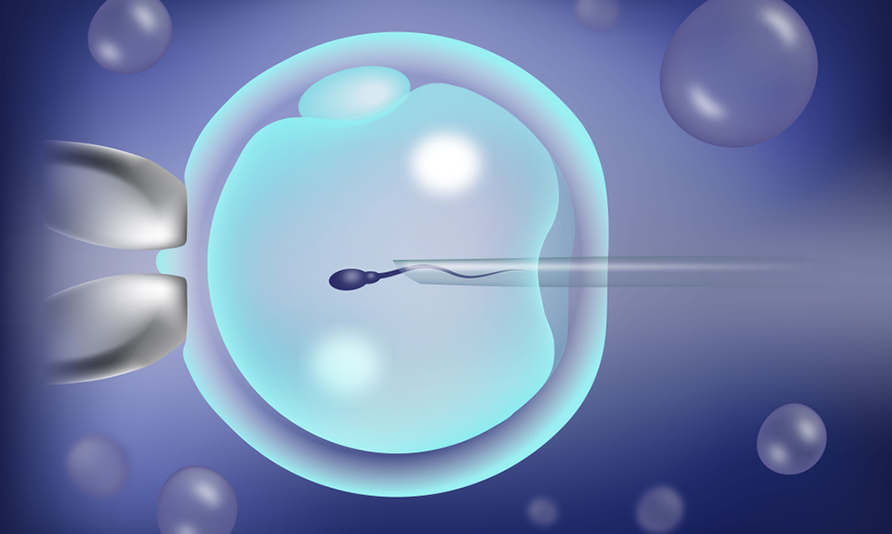
Fertilization: After retrieval, the egg is immediately taken to the laboratory where it is fertilized with sperm. This can be done using conventional insemination or ICSI (Intracytoplasmic Sperm Injection) if there are male fertility issues. The fertilized egg is then monitored as it develops into an embryo.

Embryo Transfer: Once the embryo reaches a suitable stage of development (usually blastocyst stage), it is transferred into the uterus. This procedure is relatively simple and typically does not require sedation. The embryo is gently placed into the uterine cavity using a thin catheter.

Pregnancy Test: After the embryo transfer, you will undergo a pregnancy test to determine if implantation has occurred. This is usually done about two weeks after the transfer. If successful, an early ultrasound will be scheduled to confirm the pregnancy and monitor its progress.

Benefits of Natural Cycle IVF

Reduced Medication Use: One of the primary benefits of Natural Cycle IVF is the minimal use of medications. Traditional IVF requires ovarian stimulation with hormone injections to produce multiple eggs, which can lead to side effects such as ovarian hyperstimulation syndrome (OHSS). Natural Cycle IVF eliminates or significantly reduces the need for these medications, minimizing potential side effects.

Lower Cost: Natural Cycle IVF is generally less expensive than traditional IVF. The reduction in medication and the simpler procedure result in lower overall costs. This makes it an appealing option for those who are concerned about the financial burden of fertility treatments.

Reduced Risk of OHSS: Since Natural Cycle IVF involves no or minimal ovarian stimulation, the risk of OHSS is greatly reduced. OHSS is a condition where the ovaries become swollen and painful due to overstimulation, and avoiding this risk is a significant advantage of Natural Cycle IVF.

Simpler Procedure: The Natural Cycle IVF procedure is less invasive than traditional IVF. With fewer medications and a single egg retrieval, the process is often perceived as simpler and less stressful. Additionally, the embryo transfer procedure is typically straightforward and less complicated.

Focus on Quality Over Quantity: Natural Cycle IVF emphasizes the quality of the single egg retrieved rather than the quantity. This can be beneficial for women with a high quality of eggs but a limited number, as the focus is on achieving the best possible outcome with the available egg.

Reduced Risk of Multiple Pregnancies: Traditional IVF can sometimes lead to multiple pregnancies due to the transfer of multiple embryos. Natural Cycle IVF, with its focus on a single embryo transfer, reduces the risk of multiple pregnancies, which can be associated with higher health risks for both the mother and the babies.

Success Rates of Natural Cycle IVF

The success rates of Natural Cycle IVF can vary based on several factors, including the age of the woman, the quality of the egg, and the overall health of both partners. Generally, Natural Cycle IVF has a lower success rate compared to conventional IVF, primarily because it involves the retrieval and fertilization of a single egg.

Age Factor: Age is a significant factor influencing the success rates of Natural Cycle IVF. Women under 35 tend to have higher success rates compared to older women, as egg quality typically declines with age. For women over 40, success rates may be lower, and additional fertility treatments or interventions might be necessary.

Ovarian Reserve: Women with a good ovarian reserve, meaning they have a healthy number of high-quality eggs, are more likely to achieve success with Natural Cycle IVF. A thorough evaluation of ovarian reserve through tests such as AMH (Anti-Müllerian Hormone) levels and antral follicle count can help determine the likelihood of success.

Overall Health: The general health and fertility of both partners play a role in the success of Natural Cycle IVF. Addressing any underlying health issues and optimizing lifestyle factors can improve the chances of a successful outcome.

Success Rate Estimates: On average, Natural Cycle IVF has success rates ranging from 5% to 15% per cycle. These rates can vary based on individual circumstances and the specific clinic’s experience with Natural Cycle IVF. It’s essential to consult with your fertility specialist to understand what success rates might be expected in your particular case.

Considerations and Limitations

While Natural Cycle IVF offers several benefits, it’s important to consider its limitations:

Lower Egg Yield: The primary limitation of Natural Cycle IVF is the reliance on a single egg. If the egg does not fertilize successfully or if the resulting embryo does not implant, the cycle may be unsuccessful. This is in contrast to conventional IVF, which aims to increase the number of eggs and embryos, thereby improving the chances of success.

Limited Applicability: Natural Cycle IVF may not be suitable for everyone. Women with irregular menstrual cycles, poor ovarian reserve, or other fertility issues may find that conventional IVF or additional treatments are more effective.

Repeated Cycles: Since Natural Cycle IVF focuses on one egg per cycle, it may require multiple cycles to achieve a successful pregnancy. This can be time-consuming and may affect overall treatment costs.

Conclusion

Natural Cycle IVF presents a compelling alternative to traditional IVF for those seeking a less invasive, more cost-effective approach to assisted reproduction. By focusing on the body’s natural menstrual cycle and minimizing medication use, this method offers several advantages, including reduced risk of OHSS, lower costs, and a simpler procedure.

However, it’s important to carefully consider the success rates and limitations of Natural Cycle IVF. Factors such as age, ovarian reserve, and overall health play a crucial role in determining the likelihood of success. Consulting with a fertility specialist at Nandi IVF can provide valuable insights into whether Natural Cycle IVF is the right option for you and help tailor a treatment plan that aligns with your individual needs and goals.

At Nandi IVF, we are dedicated to supporting you through every step of your fertility journey. Our team of experienced specialists is here to provide personalized care, answer your questions, and guide you in exploring all available options. If you’re considering Natural Cycle IVF or want to learn more about other fertility treatments, contact us today to schedule a consultation.

Remember, every path to parenthood is unique, and finding the right approach involves understanding your options and working closely with a knowledgeable team. Let us help you navigate this journey with confidence and hope.


For further information or to discuss your fertility options, reach out to Nandi IVF. We’re here to assist you in making the best choices for your future family.

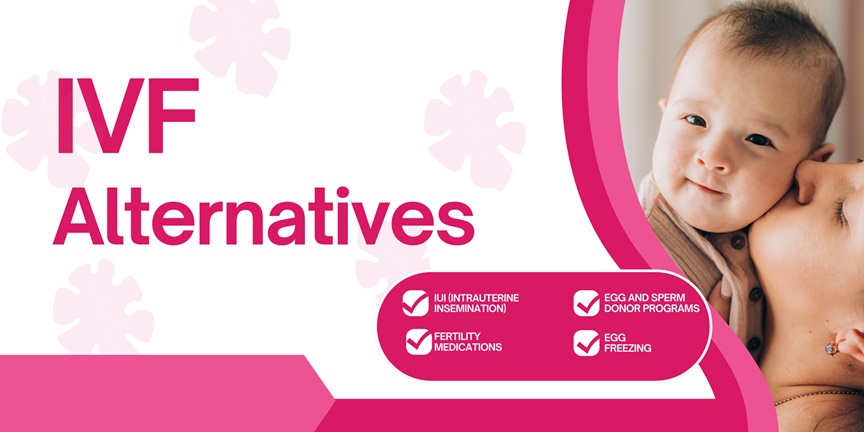
Exploring IVF Alternatives: What Other Options Do You Have

Infertility is a challenging journey that many individuals and couples face. For those who have been struggling with conception, In vitro fertilization (IVF) is often presented as a primary solution. However, IVF is not the only option available, and understanding alternative treatments can be crucial in finding the right path to parenthood. At Nandi IVF, we believe in empowering our patients with knowledge about all possible avenues, ensuring they make informed decisions based on their unique circumstances. In this blog, we will explore various IVF alternatives, examining their benefits, limitations, and how they might fit into your fertility journey.

1. IUI (Intrauterine Insemination)

Overview: Intrauterine insemination (IUI) is a less invasive and less expensive alternative to IVF. It involves placing sperm directly into the uterus around the time of ovulation. This method increases the chances of sperm reaching the egg, particularly in cases where there are mild male fertility issues or unexplained infertility.

Benefits:

  • Less invasive: IUI does not require egg retrieval or embryo transfer, making it a simpler procedure.
  • Lower cost: Generally, IUI is significantly less expensive than IVF.
  • Less time-consuming: The process usually requires fewer visits and less preparation than IVF.

Limitations:

  • Lower success rates: While effective for some, IUI generally has lower success rates compared to IVF, particularly for older women or those with more severe fertility issues.
  • Limited application: IUI may not be suitable for individuals with significant male infertility or blocked fallopian tubes.

2. Fertility Medications

Overview: Fertility medications can be used alone or in conjunction with IUI to enhance ovulation and increase the chances of conception. These medications include oral drugs like Clomid and injectable hormones such as FSH (follicle-stimulating hormone).

Benefits:

  • Enhances ovulation: Helps stimulate the ovaries to produce more eggs, increasing the likelihood of conception.
  • Cost-effective: Typically less expensive than IVF and does not require invasive procedures.

Limitations:

  • Risk of multiple pregnancies: Increased egg production can lead to higher chances of twins or more.
  • Side effects: Medications may cause side effects such as mood swings, hot flashes, and ovarian hyperstimulation syndrome.

3. Egg and Sperm Donor Programs

Overview: For couples dealing with issues related to egg quality or sperm quality, using donor eggs or sperm can be a viable option. Donor eggs and sperm are used in conjunction with IVF or IUI to achieve pregnancy.

Egg and Sperm Donor Programs

Benefits:

  • Overcomes specific infertility issues: Useful for individuals with genetic disorders or compromised egg/sperm quality.
  • Higher success rates with IVF: When using donor gametes, IVF success rates can be significantly improved.

Limitations:

  • Emotional and ethical considerations: Navigating the emotional and ethical implications of using donor gametes can be challenging.
  • Cost: Donor programs and associated treatments can be expensive.

4. Egg Freezing (Oocyte Cryopreservation)

Overview: Egg freezing allows women to preserve their eggs for future use. This option is often chosen by those who wish to delay childbearing for personal or medical reasons.

Benefits:

  • Flexibility: Offers the ability to delay pregnancy until a later date without compromising egg quality.
  • Preservation of fertility: Useful for women undergoing medical treatments that may affect fertility, such as chemotherapy.

Limitations:

  • Not a guarantee: There’s no assurance that frozen eggs will lead to a successful pregnancy later.
  • Costs: The procedure and storage can be expensive.

5. Embryo Adoption

Overview: Embryo adoption involves adopting embryos created by other couples who have undergone IVF but have chosen to donate their remaining embryos. These embryos are then implanted into the adopting woman’s uterus.

Benefits:

  • Provides an option for those with no viable eggs or sperm: Useful for couples where both partners have fertility issues.
  • Higher success rates: Embryo adoption often has similar success rates to IVF with fresh embryos.

Limitations:

  • Emotional complexities: There may be emotional and psychological aspects to consider, such as the origin of the embryo.
  • Legal and ethical considerations: The adoption process involves legal and ethical considerations that need to be addressed.

6. Natural Cycle IVF

Overview: Natural cycle IVF is a variation of traditional IVF that focuses on retrieving and fertilizing the single egg produced in a woman’s natural menstrual cycle, rather than using ovarian stimulation drugs.

Benefits:

  • Less medication: Reduces the need for fertility drugs, minimizing potential side effects.
  • Lower cost: Typically less expensive than conventional IVF.

Limitations:

  • Lower success rates: The success rates for natural cycle IVF can be lower due to the limited number of eggs.
  • Not suitable for everyone: It may not be appropriate for women with irregular cycles or those who need multiple embryos for a successful pregnancy.

7. Lifestyle and Alternative Therapies

Overview: Incorporating lifestyle changes and alternative therapies such as acupuncture, yoga, and nutrition can play a supportive role in fertility treatment. These methods aim to improve overall health and potentially enhance fertility.

Benefits:

  • Holistic approach: Focuses on improving general well-being and creating a more favorable environment for conception.
  • Complementary: Can be used in conjunction with other fertility treatments to potentially improve outcomes.

Limitations:

  • Lack of scientific evidence: While beneficial for overall health, the direct impact on fertility is not always supported by strong scientific evidence.
  • Not a substitute: Should not replace conventional medical treatments but can be used alongside them.

8. Surrogacy

Overview: Surrogacy involves a surrogate mother carrying and giving birth to a child for another individual or couple. There are two types of surrogacy: traditional (where the surrogate’s egg is used) and gestational (where the surrogate carries an embryo created from the intended parents’ or donor’s gametes).

Benefits:

  • Solution for complex fertility issues: Ideal for individuals or couples with issues that prevent them from carrying a pregnancy to term.
  • Allows genetic connection: With gestational surrogacy, intended parents can have a genetic connection to the child.

Limitations:

  • Legal and ethical considerations: The surrogacy process involves complex legal and ethical issues that need to be carefully managed.
  • Costs: Surrogacy can be very expensive and involves legal fees, surrogate compensation, and medical costs.

Conclusion

The journey to parenthood can be filled with uncertainties, but understanding your options can help you make informed decisions tailored to your specific needs and circumstances. While IVF is a well-known and effective treatment for many, there are various alternatives that may offer a more suitable path to achieving your dream of having a family.

At Nandi IVF, we are committed to providing personalized care and support throughout your fertility journey. Our team is here to help you explore these alternatives, understand their implications, and guide you through each step with compassion and expertise. Remember, every path to parenthood is unique, and finding the right solution involves considering all available options and working closely with your healthcare provider.

If you’re facing fertility challenges or simply exploring your options, reach out to us at Nandi IVF. We’re here to support you in making the best choices for your future.

For further inquiries or to schedule a consultation, contact Nandi IVF today. Let’s work together to find the path that’s right for you.

Understanding the Impact of Lifestyle on Sperm Quality

In the evolving landscape of reproductive health, the importance of sperm quality has become increasingly apparent. As more couples face challenges with conception, understanding the factors influencing sperm quality is crucial. Lifestyle plays a significant role in this complex equation. At Nandi IVF, we are dedicated to providing insights into how lifestyle choices impact sperm quality and offer guidance on optimizing reproductive health.

The Basics of Sperm Quality

Before diving into lifestyle factors, it’s essential to understand what constitutes sperm quality. Sperm quality is determined by several key parameters:

  1. Sperm Count: The number of sperm in a given volume of semen. A higher count increases the likelihood of fertilization.
  2. Sperm Motility: The ability of sperm to move effectively. This is crucial for reaching and fertilizing the egg.
  3. Sperm Morphology: The shape and structure of sperm. Abnormal morphology can impact the sperm’s ability to penetrate the egg.
  4. Sperm Viability: The proportion of live sperm in a semen sample.
  5. Sperm DNA Integrity: The genetic material within sperm. Damage to DNA can affect fertilization and embryonic development.

How Lifestyle Factors Affect Sperm Quality

Lifestyle choices can profoundly influence sperm quality. Here, we explore several lifestyle factors and their impacts:

1. Diet and Nutrition

A balanced diet rich in antioxidants, vitamins, and minerals is fundamental to maintaining sperm quality. Nutrients such as zinc, selenium, vitamin C, vitamin E, and folate have been shown to support healthy sperm production and function.

  • Antioxidants: Foods rich in antioxidants, such as fruits, vegetables, nuts, and seeds, combat oxidative stress, which can damage sperm DNA and reduce sperm count.
  • Healthy Fats: Omega-3 fatty acids found in fish, flaxseeds, and walnuts are linked to improved sperm quality. Conversely, trans fats and excessive saturated fats can negatively affect sperm health.
  • Micronutrients: Zinc and selenium play a crucial role in sperm production and motility. Foods like oysters, beef, pumpkin seeds, and Brazil nuts are excellent sources.

2. Physical Activity

Regular physical activity is associated with improved sperm quality, though balance is key.

  • Exercise: Moderate exercise can enhance sperm quality by reducing stress and improving overall health. Activities like jogging, cycling, and swimming can be beneficial.
  • Overtraining: Excessive exercise or overtraining can lead to hormonal imbalances, negatively affecting sperm production and quality.

3. Weight Management

Body weight and composition have a significant impact on sperm quality.

  • Obesity: Excess body fat can lead to hormonal imbalances, reduced testosterone levels, and lower sperm counts. Maintaining a healthy weight through diet and exercise can mitigate these effects.
  • Underweight: Being underweight can also disrupt hormonal balance, leading to decreased sperm production and lower sperm quality.

4. Sleep Patterns

Adequate and quality sleep is essential for optimal reproductive health.

  • Sleep Duration: Poor sleep patterns or insufficient sleep can disrupt hormonal levels, leading to reduced sperm count and motility. Aim for 7-8 hours of quality sleep per night.
  • Sleep Disorders: Conditions such as sleep apnea can negatively impact sperm quality by affecting hormone levels and overall health.

5. Substance Use

Certain substances can have a profound effect on sperm quality.

  • Alcohol: Excessive alcohol consumption can impair sperm production and reduce motility. Moderation is key, with recommendations suggesting limiting intake to moderate levels.
  • Smoking: Tobacco smoke contains toxins that can damage sperm DNA, reduce sperm count, and impair motility. Quitting smoking can lead to significant improvements in sperm quality.
  • Recreational Drugs: Drugs such as marijuana, cocaine, and anabolic steroids can adversely affect sperm production and quality. Avoiding these substances is crucial for maintaining healthy sperm.

6. Environmental Exposures

Exposure to environmental toxins can also impact sperm quality.

  • Pesticides and Chemicals: Prolonged exposure to chemicals and pesticides can negatively affect sperm quality. Reducing exposure by using natural or organic products can help.
  • Heat Exposure: Excessive heat, such as from hot tubs or tight clothing, can reduce sperm production and motility. Avoiding prolonged exposure to high temperatures can mitigate these effects.

7. Mental and Emotional Health

Mental health plays a critical role in reproductive health.

  • Stress: Chronic stress can lead to hormonal imbalances, affecting sperm production and quality. Managing stress through relaxation techniques, mindfulness, or therapy can be beneficial.
  • Mental Health Disorders: Conditions such as depression and anxiety can also impact sperm quality. Seeking professional help and managing mental health is important for overall reproductive health.

8. Sexual Health and Frequency

Sexual health practices can influence sperm quality.

  • Frequency: Regular ejaculation is necessary for maintaining optimal sperm quality. However, excessive ejaculation can sometimes lead to a temporary decrease in sperm count.
  • Infections: Sexually transmitted infections (STIs) can negatively impact sperm health. Practicing safe sex and seeking timely treatment for infections is essential.

Strategies for Improving Sperm Quality

Improving sperm quality often involves a combination of lifestyle changes and medical interventions. Here are some actionable strategies:

1. Adopt a Healthy Diet

Incorporate a diet rich in antioxidants, healthy fats, and essential vitamins and minerals. Focus on whole foods, including fruits, vegetables, lean proteins, and whole grains. Reduce intake of processed foods and high-sugar items.

2. Engage in Regular Exercise

Aim for moderate physical activity most days of the week. Activities like brisk walking, swimming, or cycling can improve overall health and support sperm quality. Avoid excessive exercise and allow time for recovery.

3. Manage Weight

Strive for a healthy body weight through a balanced diet and regular exercise. Consult with a healthcare professional to determine your ideal weight and develop a personalized plan.

4. Improve Sleep Habits

Establish a consistent sleep schedule and create a relaxing bedtime routine. Address any sleep disorders with the help of a healthcare provider to ensure restful, uninterrupted sleep.

5. Limit or Avoid Harmful Substances

Reduce or eliminate alcohol consumption, quit smoking, and avoid recreational drugs. Seek support if needed to make and sustain these changes.

6. Minimize Environmental Exposures

Take precautions to reduce exposure to harmful chemicals and environmental toxins. Use protective gear when necessary and opt for natural or organic products.

7. Manage Stress and Mental Health

Incorporate stress management techniques such as meditation, yoga, or counseling. Address any mental health concerns with a healthcare provider to support overall well-being.

8. Maintain Sexual Health

Practice safe sex to prevent STIs and maintain sexual health. Seek timely treatment for any infections and maintain regular sexual activity to support sperm production.

Conclusion

Understanding the impact of lifestyle on sperm quality is crucial for optimizing reproductive health. By making informed choices regarding diet, exercise, weight management, sleep, substance use, environmental exposures, and mental health, individuals can significantly improve sperm quality and enhance their chances of conception.

At Nandi IVF, we are committed to supporting individuals and couples on their journey to parenthood. If you have concerns about sperm quality or reproductive health, our team of experts is here to provide guidance and personalized care. Together, we can work towards achieving your fertility goals and building the family you envision.

Feel free to contact us for more information or to schedule a consultation. Your path to better reproductive health starts with understanding and taking control of the factors that influence sperm quality.

Exploring Fertility Tourism: Why Delhi-NCR Is Becoming a Hub

Delve into the world of fertility tourism where couples seeking reproductive treatments travel to different countries for assisted fertility procedures. Discover why Delhi-NCR, with its advanced medical infrastructure and skilled professionals, is increasingly becoming a sought-after destination for individuals embarking on their fertility journey.

Photo Of Female Scientist Working On Laboratory

Understanding the Rise of Fertility Tourism

In recent years, the surge in fertility tourism can be attributed to varying factors such as the increasing acceptance of non-traditional family structures, delayed parenthood, and the global availability of fertility treatments. Couples facing challenges with conception often explore international options to fulfill their dream of having a child. Delhi-NCR’s emergence as a prominent center in this landscape can be linked to its state-of-the-art medical facilities, expertise in assisted reproduction techniques, and competitive pricing compared to Western countries.

Moreover, the rise in cross-border reproductive care has led to a greater exchange of knowledge and best practices among fertility clinics worldwide. This sharing of expertise contributes to the continuous enhancement of fertility treatment outcomes, benefiting individuals navigating the complex journey of assisted reproduction. Delhi-NCR’s role as a hub in this evolving domain highlights the region’s commitment to providing innovative solutions and comprehensive support to individuals seeking fertility treatments.

As technological advancements in fertility treatments continue to progress rapidly, more individuals are exploring international options for assisted reproduction. The convenience, affordability, and quality of care available in Delhi-NCR make it an attractive choice for individuals considering fertility tourism. By embracing a patient-centric approach and emphasizing personalized care, fertility centers in Delhi-NCR cater to the diverse needs of a growing global clientele, establishing the region as a leading destination for assisted reproduction.

The Appeal of Delhi-NCR as a Fertility Destination

Delhi-NCR’s allure as a fertility tourism hotspot stems from its blend of cultural vibrancy, cutting-edge medical technology, and a welcoming environment for international patients. The region’s diverse population, rich heritage, and culinary delights create a unique experience for individuals seeking fertility treatments. Additionally, the collaborative efforts of fertility specialists, embryologists, and support staff ensure that patients receive comprehensive care throughout their treatment journey.

The accessibility of a wide range of assisted reproduction treatments, from in vitro fertilization (IVF) to surrogacy arrangements, positions Delhi-NCR as a versatile fertility destination catering to various needs and preferences. Patients choosing Delhi-NCR for their fertility treatments benefit from a holistic approach that prioritizes both medical excellence and emotional well-being, creating a conducive environment for successful reproductive outcomes.

Furthermore, Delhi-NCR’s thriving medical tourism sector has honed its services to accommodate the specific requirements of international patients embarking on their fertility tourism journey. From multilingual support staff to tailored treatment packages, the region ensures a seamless experience for individuals traveling for fertility tourism, underscoring its commitment to excellence in assisted reproduction services.

Navigating the Legal and Ethical Landscape

Embarking on a fertility tourism expedition to Delhi-NCR necessitates a thorough understanding of the legal and ethical considerations surrounding assisted reproduction. International patients navigating the complex terrain of cross-border reproductive care must adhere to the legal frameworks and regulations governing fertility treatments in India to ensure a transparent and ethical journey.

Delhi-NCR’s regulatory landscape concerning assisted reproduction emphasizes the protection of patients’ rights, confidentiality, and the ethical practice of fertility treatments. Collaborating with reputable fertility centers that uphold strict ethical standards and comply with national and international guidelines is paramount for individuals engaging in fertility tourism. By promoting patient autonomy, informed decision-making, and ethical conduct, Delhi-NCR establishes itself as a responsible and reliable destination for individuals seeking reproductive solutions.

Impacts on Local Healthcare Infrastructure

The burgeoning influx of individuals opting for fertility tourism in Delhi-NCR has significantly impacted the region’s healthcare infrastructure by fostering innovation, enhancing medical capabilities, and stimulating economic growth. The demand for advanced fertility services has led to investments in cutting-edge technology, specialized training programs for healthcare professionals, and the establishment of world-class fertility clinics equipped to cater to a diverse clientele.

Moreover, the collaboration between local healthcare providers and international patients seeking fertility treatments has facilitated knowledge exchange, cultural interactions, and the diversification of medical practices in Delhi-NCR. This mutual exchange of expertise not only enriches the region’s healthcare landscape but also contributes to the globalization of assisted reproduction techniques, benefiting individuals worldwide on their fertility journey.

As Delhi-NCR continues to evolve as a hub for fertility tourism, the region’s healthcare infrastructure adapts to meet the evolving needs of a growing international patient base. By prioritizing patient-centered care, medical innovation, and ethical practices, Delhi-NCR cements its position as a progressive and inclusive destination for individuals seeking advanced and compassionate fertility treatments.

Insights Into Fertility Tourism

As the demand for fertility tourism continues to rise, IVF centre like Nandi IVF serving Delhi-NCR is poised to play a crucial role in offering comprehensive and quality fertility services to a global clientele. The blend of advanced medical facilities, experienced specialists, and cultural richness make NANDI IVF a significant hub for individuals pursuing alternative fertility options.

For more information about our IVF services , contact us here. At Nandi IVF, we are here to support you every step of the way, helping you turn your dreams of parenthood into reality.

How Important is the Role of an IVF Laboratory in IVF Treatment?

In the realm of assisted reproductive technology (ART), in vitro fertilization (IVF) stands out as a beacon of hope for many individuals and couples seeking to overcome infertility challenges. While the success of IVF is often attributed to the skill of the clinicians and the quality of the protocols used, a crucial yet sometimes underappreciated factor is the role of the IVF laboratory.

At Nandi IVF, we understand that the IVF laboratory is not just a facility; it is a cornerstone of the IVF treatment process, and its importance cannot be overstated. In this blog post, we will delve into the multifaceted role of the IVF laboratory, exploring its significance in the success of IVF treatment, the technology and expertise involved, and how Nandi IVF excels in this critical area.

The Crucial Role of the IVF Laboratory

1. Embryo Creation and Cultivation

The IVF laboratory is where the miracle of life begins. Here, eggs are fertilized with sperm in a controlled environment. This initial step is crucial because the quality of this fertilization directly impacts embryo development. The laboratory provides an environment that mimics the natural conditions of the human body, ensuring optimal conditions for fertilization and embryo growth.

Controlled Environment

IVF laboratories are equipped with state-of-the-art incubators that maintain precise temperature, humidity, and gas levels. These parameters are critical for the health of the developing embryos. Any deviation from optimal conditions can affect embryo viability and, consequently, the success rate of IVF.

At Nandi IVF, our laboratories use advanced incubator technology that includes continuous monitoring and control systems. This ensures that embryos are kept in an ideal environment throughout their development.

2. Embryo Assessment and Selection

Once fertilization occurs, embryos must be carefully monitored and assessed for quality. This involves evaluating their development at various stages to determine which embryos have the best potential for implantation and pregnancy.

Embryo Grading

Embryos are graded based on their appearance and development. This grading process helps embryologists select the most viable embryos for transfer. Factors such as cell number, symmetry, and fragmentation are considered in this evaluation.

Nandi IVF employs highly skilled embryologists who use both traditional grading methods and advanced technologies, such as time-lapse imaging, to monitor and assess embryos. This thorough assessment increases the likelihood of successful implantation and pregnancy.

3. Cryopreservation

Cryopreservation, or embryo freezing, is a crucial aspect of IVF treatment. It allows for the storage of surplus embryos for future use, providing patients with additional chances of pregnancy without undergoing a new IVF cycle.

Vitrification

Vitrification is a modern cryopreservation technique that involves rapidly freezing embryos to prevent ice crystal formation, which can damage cell structures. This technique has significantly improved the survival rates of frozen embryos.

At Nandi IVF, we use the latest vitrification technology to ensure that embryos remain viable and healthy after thawing. This advanced approach maximizes the chances of successful pregnancies from frozen embryos.

4. Genetic Testing

Genetic testing of embryos, such as preimplantation genetic testing (PGT), is increasingly becoming a part of the IVF process. This testing can identify genetic abnormalities and select embryos that are less likely to lead to miscarriage or genetic disorders.

PGT-A and PGT-M

Preimplantation Genetic Testing for Aneuploidies (PGT-A) screens embryos for chromosomal abnormalities, while Preimplantation Genetic Testing for Monogenic disorders (PGT-M) identifies specific genetic conditions. Both tests help in selecting the most genetically healthy embryos for transfer.

Nandi IVF integrates these advanced genetic testing techniques into our IVF protocols, providing patients with valuable information about embryo health and enhancing the likelihood of a successful pregnancy.

5. Expertise and Precision

The role of the IVF laboratory is not just about technology; it’s also about the expertise of the personnel. Embryologists and laboratory staff are highly trained professionals who must operate sophisticated equipment and make critical decisions about embryo care.

Training and Experience

Embryologists at Nandi IVF undergo rigorous training and continuous education to stay updated with the latest advancements in reproductive technology. Their expertise ensures that every step of the IVF process, from fertilization to embryo transfer, is conducted with the utmost precision and care.

The Nandi IVF Laboratory: Excellence in Action

At Nandi IVF, we pride ourselves on the excellence of our IVF laboratory. Here’s how we ensure the highest standards in every aspect of laboratory operations:

1. State-of-the-Art Facilities

Our laboratory is equipped with the latest technology and infrastructure to support optimal embryo development. This includes cutting-edge incubators, imaging systems, and cryopreservation units. We continuously invest in new technologies to enhance our capabilities and improve patient outcomes.

2. Stringent Quality Control

We adhere to rigorous quality control protocols to ensure that every aspect of the laboratory environment meets the highest standards. Regular maintenance, calibration, and validation of equipment are conducted to ensure accuracy and reliability.

3. Personalized Patient Care

At Nandi IVF, we understand that each patient’s journey is unique. Our team works closely with patients to tailor IVF protocols and laboratory procedures to their specific needs. We believe in providing personalized care that considers individual medical histories and preferences.

4. Research and Innovation

We are committed to advancing the field of reproductive medicine through research and innovation. Our laboratory is involved in ongoing research projects that explore new techniques and technologies to enhance IVF success rates. This commitment to research ensures that our patients benefit from the latest advancements in ART.

5. Patient Education and Support

We believe that patient education is an essential part of the IVF process. Our team provides comprehensive information about every step of the IVF journey, including laboratory procedures and what patients can expect. We are here to support our patients throughout their treatment, addressing any questions or concerns they may have.

Conclusion

The role of the IVF laboratory in the success of IVF treatment cannot be overstated. From creating and cultivating embryos to advanced genetic testing and cryopreservation, the laboratory plays a vital role in every stage of the IVF process. At Nandi IVF, we recognize the critical importance of our laboratory and are dedicated to maintaining the highest standards of care and technology. Our commitment to excellence ensures that our patients receive the best possible chance of achieving a successful pregnancy.

Choosing the right IVF clinic involves considering many factors, but the quality and expertise of the IVF laboratory should be at the top of your list. At Nandi IVF, we are proud of our state-of-the-art laboratory facilities and the exceptional care provided by our skilled team. We invite you to experience the difference that a dedicated and advanced IVF laboratory can make in your journey toward parenthood.

For more information about our IVF services and laboratory, contact us here. At Nandi IVF, we are here to support you every step of the way, helping you turn your dreams of parenthood into reality.

Why Natural IVF Could Be the Best Option for You?

In recent years, advancements in reproductive technology have provided many couples with various options to conceive. One such option that has gained increasing attention is Natural IVF. At Nandi IVF, we believe that Natural IVF could be the best choice for many individuals and couples navigating the complex journey of assisted reproduction. This post will explore the concept of Natural IVF, its benefits, and why it might be the ideal path for you.

What is Natural IVF?

Natural IVF (In Vitro Fertilization) is a modified form of traditional IVF that aims to achieve pregnancy using minimal or no medication to stimulate the ovaries. Unlike conventional IVF, which often involves hormone injections to produce multiple eggs, Natural IVF focuses on using the body’s natural cycle to retrieve a single egg or sometimes even multiple eggs if they are available in a given cycle.

The Basic Process of Natural IVF Includes:

  1. Monitoring: Tracking the natural menstrual cycle with ultrasound and hormone tests.
  2. Egg Retrieval: Harvesting the mature egg(s) from the ovary once they are ready.
  3. Fertilization: Combining the egg(s) with sperm in the laboratory.
  4. Embryo Transfer: Implanting the fertilized embryo(s) into the uterus.

The Rationale Behind Natural IVF

Natural IVF emerges from a growing understanding of the complexities of traditional IVF treatments and the desire to minimize the associated risks and complications. Here’s why Natural IVF could be a preferred option:

1. Reduced Hormonal Exposure

Traditional IVF often requires hormonal medications to stimulate the ovaries, which can lead to a range of side effects, including mood swings, headaches, and ovarian hyperstimulation syndrome (OHSS). Natural IVF eliminates or significantly reduces the need for these medications, which means fewer side effects and a more natural approach to conception.

2. Lower Risk of Ovarian Hyperstimulation Syndrome (OHSS)

OHSS is a potentially dangerous condition caused by an excessive response to ovarian stimulation drugs. By avoiding or minimizing the use of these medications, Natural IVF significantly reduces the risk of OHSS, making it a safer option for many women.

3. Simplified Procedure

Natural IVF is less invasive compared to traditional IVF. The process involves fewer interventions and can be less stressful for the body and the mind. This simplicity can also translate into lower overall costs since there are fewer medications and monitoring procedures involved.

4. Improved Egg Quality

There is evidence suggesting that fewer hormonal interventions might lead to better egg quality. Natural IVF focuses on retrieving eggs that are naturally mature, potentially leading to higher quality embryos. This can be crucial for couples where egg quality is a concern.

5. Personalized Treatment

Natural IVF allows for a more tailored approach to each individual’s natural reproductive cycle. By focusing on the body’s own rhythms and responses, the treatment can be more aligned with an individual’s specific needs, potentially leading to higher success rates in certain cases.

Is Natural IVF Right for You?

While Natural IVF offers numerous benefits, it’s important to understand whether it is the right choice for your specific situation. Here are some factors to consider:

1. Age and Ovarian Reserve

Natural IVF is often most effective for women who have a good ovarian reserve and are under 35 years of age. Women with diminished ovarian reserve may not produce enough eggs to make Natural IVF a viable option, making traditional IVF with stimulation protocols a more suitable choice.

2. Previous IVF Experience

For women who have undergone multiple cycles of traditional IVF without success or have experienced adverse reactions to fertility medications, Natural IVF may offer a less stressful alternative. However, it is important to consult with a fertility specialist to determine the best approach based on previous treatments and outcomes.

3. Health Considerations

Women with certain health conditions or those who are sensitive to hormone medications might benefit from Natural IVF. By avoiding these medications, Natural IVF can be a gentler option for those who need to minimize their exposure to drugs.

4. Financial Considerations

Natural IVF can sometimes be more cost-effective compared to traditional IVF due to the reduced need for medications and monitoring. However, it is crucial to evaluate all potential costs and consult with your clinic to understand the financial implications fully.

Success Rates and Outcomes

The success rates of Natural IVF can vary based on several factors, including the age of the woman, the quality of the eggs and sperm, and the overall health of the reproductive system. Studies indicate that while Natural IVF may have lower success rates compared to conventional IVF, the outcomes can be promising, especially for women with a good ovarian reserve and overall reproductive health.

Key Factors Influencing Success Rates Include:

  • Egg Quality: Higher quality eggs often lead to better fertilization rates and embryo development.
  • Embryo Transfer: The timing and quality of the embryo transfer play a crucial role in achieving pregnancy.
  • Reproductive Health: Overall uterine and reproductive health significantly impacts the success of Natural IVF.

Preparing for Natural IVF

Preparing for Natural IVF involves several steps to ensure the best possible outcome:

  1. Consultation with a Fertility Specialist: A thorough evaluation of your reproductive health, including hormonal assessments and ultrasound imaging, will help determine if Natural IVF is suitable for you.
  2. Lifestyle Adjustments: Maintaining a healthy lifestyle, including a balanced diet, regular exercise, and avoiding harmful substances, can improve overall fertility and enhance the chances of success.
  3. Monitoring and Testing: Regular monitoring of your menstrual cycle and ovarian function is crucial. This may involve blood tests and ultrasounds to track follicle development and ensure the timing of egg retrieval.
  4. Emotional Preparation: The process of IVF, whether natural or conventional, can be emotionally taxing. Support from loved ones, counseling, and stress management techniques can help you navigate the journey with greater resilience.

The Future of Natural IVF

As reproductive technology continues to evolve, Natural IVF represents a promising direction towards more personalized and less invasive fertility treatments. Ongoing research and advancements in techniques are likely to further enhance the effectiveness and accessibility of Natural IVF.

Potential Future Developments Include:

  • Improved Monitoring Technologies: Enhanced imaging and monitoring tools could provide more precise information about egg development and optimize the timing of retrieval.
  • Genetic Screening: Advances in genetic screening may help identify the most viable embryos and increase the success rates of Natural IVF.
  • Personalized Medicine: Customized treatment plans based on individual genetic and hormonal profiles could further improve outcomes and reduce the need for interventions.

Conclusion

Natural IVF offers a compelling alternative to traditional fertility treatments, with numerous benefits including reduced hormonal exposure, lower risk of OHSS, and a more personalized approach. While it may not be the right choice for everyone, it represents an innovative and patient-centered option for many individuals and couples struggling with infertility.

At Nandi IVF, we are dedicated to helping you explore all available options and choose the best path for your unique needs. Our team of experienced fertility specialists is committed to providing personalized care and support throughout your journey. If you are considering Natural IVF, we encourage you to schedule a consultation with us to discuss your options and develop a tailored plan that aligns with your goals and circumstances.

Remember, the journey to parenthood is unique for everyone, and finding the right path is crucial for achieving the best possible outcome. Natural IVF might just be the ideal solution for you, offering a more natural, less invasive approach to conception with the potential for successful results.

Contact Nandi IVF today to learn more about Natural IVF and how we can support you in your fertility journey. Your dream of building a family is within reach, and we are here to help you every step of the way.

The Future of Fertility: Innovations in IVF Technology

Embarking on the journey of assisted reproductive technology, the field of IVF technology continues to evolve with groundbreaking innovations. From the earliest successful IVF procedure in 1978 to today’s cutting-edge advancements, this blog explores the future horizons of fertility treatments and the ethical considerations they entail.

ivf technology.

Understanding the Evolution of IVF Technology

Over the decades, IVF technology has witnessed significant enhancements, from the refinement of ovarian stimulation protocols to the rise of preimplantation genetic testing. These innovations have not only improved success rates but have also expanded the scope of reproductive options available to individuals and couples.

The introduction of techniques like intracytoplasmic sperm injection (ICSI) and blastocyst culture has revolutionized the treatment of male infertility and improved embryo selection criteria, leading to higher implantation rates. Moreover, the emergence of time-lapse embryo imaging and mitochondrial DNA assessment has added a new dimension to embryo selection and viability assessment, enhancing the chances of successful implantation.

In parallel, advancements in cryopreservation techniques have extended the window of fertility preservation, offering hope to individuals facing medical treatments that may compromise their reproductive health. The evolution of IVF technology continues to push boundaries, with innovations like artificial intelligence-based embryo selection algorithms and mitochondrial replacement therapy on the horizon.

Enhancing Success Rates Through Advanced Techniques

One of the key focuses of ongoing research in IVF technology is to improve success rates and minimize the risk of multiple pregnancies. Innovations such as time-lapse embryo monitoring systems provide real-time insights into embryo development without disrupting the stable culture environment, leading to more informed embryo selection decisions.

Moreover, the use of artificial intelligence algorithms to analyze embryo morphology and predict implantation potential has shown promising results in optimizing embryo selection algorithms. By leveraging machine learning and big data analytics, IVF laboratories can enhance success rates while reducing the likelihood of multiple gestations.

Another frontier in IVF technology is the refinement of endometrial receptivity assessments to personalize the timing of embryo transfer for improved implantation outcomes. Techniques like endometrial microbiome analysis and the application of uterine natural killer (uNK) cell profiling aim to tailor the embryo transfer window to individual patient characteristics, enhancing the chances of successful implantation.

As research continues to unravel the complexities of embryo-endometrial interactions and genetic predispositions to implantation failure, the future of IVF technology holds the promise of personalized, precision medicine approaches that maximize success rates while prioritizing patient safety and well-being.

Ethical Considerations in the Modern IVF Landscape

With the advancement of IVF technology come profound ethical considerations that shape the practice and regulation of assisted reproductive treatments. Questions surrounding embryo selection, genetic manipulation, and the commodification of human gametes raise critical ethical dilemmas that necessitate ongoing dialogue and consensus building within the medical and ethical communities.

The concept of ‘designer babies’ and the potential misuse of genetic screening tools pose challenges to the ethical framework of IVF technology, highlighting the need for comprehensive guidelines that balance scientific progress with respect for human dignity and autonomy. The ethical landscape of IVF is further complicated by issues of access, equity, and the socio-cultural implications of reproductive technologies on individuals and societies.

As researchers grapple with the frontiers of reproductive genetics and assisted reproductive interventions, the need for ethical reflection and responsible innovation remains paramount. The future of IVF technology must navigate the intricate terrain of patient rights, societal values, and global regulatory frameworks to ensure that advancements in fertility treatments uphold the principles of beneficence, justice, and respect for all individuals involved.

Shaping Tomorrow’s Fertility Landscape

In a world where fertility challenges affect many, the innovative strides in IVF technology offer hope and possibilities to those dreaming of parenthood. As science and ethics intersect in this delicate realm, the progress and ethical deliberations in IVF technology promise to shape the future of reproductive healthcare for generations to come.

Lifestyle Changes and Medical Strategies to Prevent Recurrent Miscarriages

Embarking on the journey towards parenthood can be a joyous but challenging path, especially for those who have experienced the heartbreak of recurrent miscarriages. Understanding the causes and implementing lifestyle adjustments and medical interventions can significantly increase the chances of a successful pregnancy. Let’s delve into the realm of preventing recurrent miscarriages through lifestyle modifications and medical strategies.

Medical Strategies to Prevent Recurrent Miscarriages

Understanding Recurrent Miscarriages

Recurrent miscarriages, defined as the loss of two or more consecutive pregnancies, can be a devastating experience for individuals longing to start or expand their families. The emotional toll of recurrent miscarriages can be profound, leading to feelings of grief, anxiety, and uncertainty about future pregnancy outcomes. Various factors, including genetic abnormalities, hormonal imbalances, uterine issues, autoimmune disorders, and lifestyle choices, can contribute to recurrent pregnancy loss.

Seeking professional medical evaluation after experiencing recurrent miscarriages is crucial to identify any underlying issues that may be impacting successful pregnancies. Diagnostic tests such as genetic screening, hormonal assessments, uterine evaluations, and autoimmune testing can provide valuable insights into the potential causes of recurrent miscarriages, guiding personalized treatment plans.

Navigating the emotional challenges of recurrent miscarriages is an essential aspect of coping with the rollercoaster of hope and loss. Counseling, support groups, and open communication with healthcare providers can offer emotional support and guidance throughout the journey of addressing recurrent pregnancy loss and pursuing future conception goals.

As medical understanding and technology continue to advance, individuals experiencing recurrent miscarriages can benefit from a multidisciplinary approach that combines the expertise of obstetricians, genetic counselors, reproductive endocrinologists, and other specialists to optimize pregnancy outcomes and provide comprehensive care tailored to individual needs.

Lifestyle Modifications for Preventing Recurrent Miscarriages

In addition to medical interventions, lifestyle modifications play a vital role in reducing the risk of recurrent miscarriages and promoting overall reproductive health. Maintaining a healthy weight through balanced nutrition and regular exercise can positively impact fertility and pregnancy outcomes. Avoiding harmful substances such as tobacco, excessive alcohol, and illicit drugs is essential for optimizing reproductive health.

Managing stress through mindfulness practices, relaxation techniques, and adequate sleep is also crucial for supporting reproductive wellness. Chronic stress can negatively affect hormone levels and overall fertility, emphasizing the importance of emotional well-being in the journey towards achieving a successful pregnancy after recurrent miscarriages.

Creating a supportive environment that prioritizes emotional connection, open communication, and shared decision-making with partners can strengthen the resilience of individuals and couples facing the challenges of recurrent pregnancy loss. Building a strong support network of family, friends, and healthcare providers can provide a sense of community and understanding during this vulnerable time.

Medical Interventions and Treatments

For individuals seeking medical interventions to address recurrent miscarriages, a variety of treatment options are available to target underlying causes and optimize reproductive outcomes. Depending on the identified factors contributing to recurrent pregnancy loss, interventions may include hormonal therapies, surgical procedures to correct anatomical abnormalities, and assisted reproductive technologies such as in vitro fertilization (IVF).

Genetic testing of parents and embryos, preimplantation genetic screening, and targeted therapies for specific genetic conditions can offer valuable insights and personalized treatment approaches for couples experiencing recurrent miscarriages due to genetic factors. Collaborating with a reproductive specialist can help individuals navigate the complex landscape of fertility treatments and make informed decisions about their care.

In cases where immune disorders or clotting conditions are identified as contributing factors to recurrent miscarriages, medical interventions such as immunosuppressive therapies or anticoagulant medications may be recommended to support successful implantation and pregnancy. Close monitoring and individualized treatment plans are essential to address these complex conditions and optimize pregnancy outcomes.

By combining lifestyle modifications, emotional support, and targeted medical interventions, individuals can proactively address the challenges of recurrent miscarriages and take empowered steps towards achieving a healthy pregnancy. Working closely with a dedicated healthcare team and adopting a holistic approach to reproductive care can offer hope, resilience, and the potential for a successful pregnancy journey.

Empowering Steps Towards a Healthy Pregnancy

In the pursuit of preventing recurrent miscarriages, embracing lifestyle changes and considering medical strategies can offer hope and a sense of empowerment to those navigating the intricate landscape of pregnancy. By taking proactive steps and seeking the right guidance, individuals can enhance their reproductive health and work towards realizing their dream of a healthy pregnancy and the birth of a precious child.

When Should You Consider Getting a Fertility Hormones Test?

The journey to parenthood can be both thrilling and challenging. For many couples, the path to conceiving is straightforward, but for others, it can be fraught with difficulties. If you and your partner are struggling to conceive, it might be time to consider a fertility hormones test. At Nandi IVF, we understand that navigating the complexities of fertility can be overwhelming, which is why we’re here to guide you through the crucial decision of when and why to get a fertility hormones test. This comprehensive guide will help you understand the importance of fertility hormone testing, when to consider it, and what to expect from the process.

Fertility Preservation

Understanding Fertility Hormones

Fertility hormones play a critical role in regulating reproductive functions in both men and women. These hormones influence everything from the menstrual cycle and ovulation to sperm production and overall reproductive health. In essence, they are the key players in determining your fertility status.

Key Fertility Hormones

  1. Estrogen: In women, estrogen helps regulate the menstrual cycle and supports the development of the egg follicles in the ovaries. In men, it helps regulate sperm production and overall sexual health.
  2. Progesterone: This hormone is crucial for preparing the uterus for a potential pregnancy and maintaining a healthy pregnancy if conception occurs.
  3. Follicle-Stimulating Hormone (FSH): FSH is essential for the development of egg follicles in women and sperm production in men.
  4. Luteinizing Hormone (LH): In women, LH triggers ovulation and helps regulate the menstrual cycle. In men, it stimulates testosterone production and sperm development.
  5. Testosterone: In men, testosterone is crucial for sperm production, libido, and overall reproductive health. In women, it is present in lower levels and contributes to sexual function and libido.
  6. Anti-Müllerian Hormone (AMH): AMH is a marker of ovarian reserve and helps assess the number of available eggs in a woman’s ovaries.

Why Fertility Hormone Testing is Important

Fertility hormone testing provides valuable insights into the hormonal balance essential for reproductive health. Abnormal hormone levels can indicate underlying issues that might be affecting fertility. By identifying these issues, you and your healthcare provider can develop a targeted treatment plan to address them.

Key Reasons to Consider Fertility Hormone Testing Include:

  1. Difficulty Conceiving: If you have been trying to conceive for a year or more without success (or six months if you are over 35), hormone testing can help identify any hormonal imbalances that might be contributing to infertility.
  2. Irregular Menstrual Cycles: Women with irregular or absent menstrual cycles may have hormonal imbalances that affect ovulation. Testing can help diagnose conditions like polycystic ovary syndrome (PCOS) or thyroid disorders.
  3. Recurrent Miscarriages: Multiple miscarriages could indicate hormonal imbalances affecting the ability to sustain a pregnancy. Testing can help identify issues like progesterone deficiency.
  4. Age-Related Concerns: Women over the age of 35 may experience a decline in ovarian reserve and egg quality. Hormone testing, including AMH levels, can provide insights into reproductive aging and help guide treatment options.
  5. Menstrual Symptoms: Symptoms such as excessive bleeding, severe cramping, or premenstrual syndrome (PMS) can sometimes be linked to hormonal imbalances. Testing can help diagnose and manage these conditions.
  6. Infertility in Men: Hormonal imbalances in men, such as low testosterone levels, can affect sperm production and overall fertility. Testing can help identify underlying issues and guide appropriate treatments.

When Should You Consider Getting a Fertility Hormones Test?

Deciding when to get a fertility hormones test depends on various factors, including your age, reproductive history, and current symptoms. Here’s a detailed look at when you should consider getting tested:

1. After a Year of Unsuccessful Trying

If you and your partner have been trying to conceive for over a year without success, it’s a good time to consider fertility hormone testing. For women over 35, it is advisable to seek testing after six months of trying due to age-related fertility declines.

2. If You Have Irregular or Absent Periods

Irregular or absent menstrual cycles can indicate hormonal imbalances or underlying conditions that affect fertility. If you experience these symptoms, hormone testing can help diagnose conditions such as PCOS, thyroid disorders, or hypothalamic amenorrhea.

3. If You Experience Symptoms of Hormonal Imbalance

Symptoms such as severe PMS, chronic fatigue, unexplained weight gain, or excessive hair growth can be signs of hormonal imbalances. If you have these symptoms, a fertility hormones test can help pinpoint the cause and guide treatment.

4. If You Have a History of Miscarriages

Women who have experienced multiple miscarriages may benefit from fertility hormone testing to identify any hormonal issues that could be affecting their ability to maintain a pregnancy. Low progesterone levels or other hormonal imbalances could be contributing factors.

5. If You’re Over 35

Reproductive health declines with age, and hormonal testing can help assess ovarian reserve and overall fertility status in women over 35. AMH testing can provide insights into the quantity of eggs remaining and help plan appropriate fertility treatments.

6. If You Have Concerns About Your Partner’s Fertility

Hormonal imbalances can also affect male fertility. If you have concerns about your partner’s sperm quality or libido, hormone testing can help identify issues like low testosterone levels or other factors impacting fertility.

What to Expect from a Fertility Hormones Test

Fertility hormone testing involves measuring various hormone levels through blood tests. Here’s what you can expect from the process:

1. Initial Consultation

Before undergoing hormone testing, you’ll have an initial consultation with a fertility specialist. During this consultation, your medical history, symptoms, and fertility goals will be discussed to determine which tests are appropriate for you.

2. Blood Tests

The primary method of testing hormone levels is through blood tests. These tests are usually performed at specific times during your menstrual cycle to accurately assess hormone levels. For example:

  • FSH and LH: Typically measured on day 3 of the menstrual cycle to assess ovarian function and pituitary gland health.
  • Estrogen and Progesterone: Measured during the luteal phase of the menstrual cycle to evaluate ovulation and uterine lining.
  • AMH: Can be measured at any time during the cycle to assess ovarian reserve.

3. Results and Interpretation

Once the blood tests are completed, your results will be analyzed and interpreted by your fertility specialist. They will discuss the findings with you, explain any abnormalities, and suggest appropriate next steps based on the results.

4. Treatment Options

Based on your hormone levels and overall fertility assessment, your specialist will recommend treatment options. These may include lifestyle changes, medications to regulate hormone levels, or advanced fertility treatments such as IVF or IUI.

How to Prepare for a Fertility Hormones Test

Proper preparation can ensure accurate results from your fertility hormone tests. Here are some tips to help you prepare:

  1. Follow Your Doctor’s Instructions: Your fertility specialist will provide specific instructions on when to schedule your tests and any preparations needed.
  2. Track Your Menstrual Cycle: Keep a record of your menstrual cycle, including the length and any irregularities, to provide your doctor with valuable information.
  3. Avoid Certain Medications: Some medications and supplements can affect hormone levels. Inform your doctor about any medications you are taking and follow their advice on whether to pause them before testing.
  4. Stay Hydrated and Rested: Ensure you are well-hydrated and well-rested before your blood tests to help ensure accurate results.
  5. Discuss Lifestyle Factors: Be prepared to discuss your lifestyle factors, including diet, exercise, and stress levels, as these can impact hormone levels and overall fertility.

Conclusion

Fertility hormone testing is a crucial step in identifying potential hormonal imbalances that may be affecting your ability to conceive. Understanding when to get tested and what to expect can help you make informed decisions about your fertility journey. At Nandi IVF, we are committed to providing personalized care and support to help you navigate the complexities of fertility and achieve your dream of parenthood.

If you have been experiencing difficulties conceiving, irregular menstrual cycles, recurrent miscarriages, or have concerns about your reproductive health, consider scheduling a fertility hormones test with our experienced team. We are here to guide you through the process, provide expert analysis of your results, and develop a tailored treatment plan to address your unique needs.

Contact Nandi IVF today to learn more about fertility hormone testing and how we can support you on your path to parenthood. Your journey to a healthy and fulfilling pregnancy starts with understanding your fertility health, and we are here to help every step of the way.

Assisted Hatching: A Comprehensive Guide

Understanding Assisted Hatching

Assisted hatching is a technique used during in vitro fertilization (IVF) to help embryos hatch out of their protective outer layer. This process involves making a small hole in the outer layer of the embryo, which can aid in embryo implantation in the uterus. Not all IVF procedures include assisted hatching, as its necessity varies based on each individual’s situation. Researchers continue to study the effectiveness of assisted hatching, and its impact on IVF success rates is still debated within the medical community.

assisted hatching

Who can benefit from assisted hatching?

Individuals who have been unsuccessful with previous in vitro fertilization (IVF) cycles may benefit from assisted hatching. It can also be helpful for those with a history of failed embryo transfers or for women with advanced maternal age. People with thick egg shells or poor embryo quality might find assisted hatching to be a suitable option as well.

How assisted hatching works

Assisted hatching helps embryos to hatch by thinning the outer layer. The procedure is often used for older women or those with previous unsuccessful IVF attempts. Here is how it works:

  1. Embryo Selection: Before the procedure, the embryologist selects the most viable embryo.
  2. Microtool: A microtool is used to create a small opening in the embryo’s outer shell.
  3. Encouraging Implantation: This process aims to make it easier for the embryo to implant in the uterus lining.

Risks and considerations

Assisted hatching is generally considered safe, but like any medical procedure, it does carry some risks. The main risk is the possibility of the embryo being damaged during the process. Additionally, there is a small chance of multiple pregnancies occurring from the procedure. It is essential to discuss all potential risks with your fertility specialist before proceeding with assisted hatching.

Preparing for an assisted hatching procedure

Assisted hatching is a procedure that helps embryos implant in the uterine wall. It involves making a small hole in the embryo’s outer layer to help it attach better.

Before the procedure, your fertility specialist will discuss the process with you in detail and answer any questions you may have.

During the procedure, you will be given anesthesia to ensure you are comfortable. Remember to follow your doctor’s instructions carefully to prepare for the assisted hatching procedure.

The assisted hatching process step by step

Assisted hatching is a technique used during IVF to help the embryo hatch out of its shell. Here’s a general idea of how the process works:

  1. The embryo is carefully placed under a microscope.
  2. A small hole is made in the outer layer of the embryo, known as the zona pellucida.
  3. This hole helps the embryo break free and implant in the uterus.

Remember, this is a simplified overview, and the actual process may involve more detailed steps depending on the clinic and the specific situation.

Types of assisted hatching techniques

Assisted hatching techniques include the following types:

  1. Chemical: Using acidic solutions to weaken the outer layer of the embryo.
  2. Mechanical: This involves making a small hole in the zona pellucida using micromanipulation tools.

Success rates and what to expect

Success rates of assisted hatching vary depending on factors like the woman’s age and the clinic’s expertise. On average, the success rate ranges from 20% to 40% per IVF cycle. It’s crucial to discuss with your fertility specialist about the tailored success probabilities based on your specific situation. After the procedure, you may experience some mild cramping, but it is typically well-tolerated. Rest and avoid strenuous activities for a day. Follow your doctor’s recommendations closely to optimize your chances of a successful outcome.

Aftercare and recovery tips

After undergoing assisted hatching, it’s crucial to rest and allow your body to heal. Here are some tips to help you recover smoothly:

  • Follow your doctor’s instructions carefully for post-procedure care.
  • Take prescribed medications on time to manage any discomfort or prevent infection.
  • Avoid strenuous activities and heavy lifting for a few days to give your body time to recuperate.
  • Stay hydrated and eat nourishing foods to aid in the healing process.
  • Monitor for any unusual symptoms or signs of complications and inform your doctor promptly.
  • Attend all follow-up appointments to ensure that your recovery is progressing as expected.

Conclusion: Is assisted hatching right for you?

Assisted hatching can increase the chances of success for some couples undergoing in vitro fertilization. If you have struggled with fertility issues, discussing assisted hatching with your fertility specialist may be worth considering. It is essential to have a detailed conversation with your doctor to determine if this technique aligns with your specific situation and goals. Remember, assisted hatching is not a guaranteed solution, but it could potentially improve the likelihood of a successful pregnancy for some individuals. Ultimately, the decision to pursue assisted hatching should be based on your unique circumstances and medical advice from your healthcare provider.

Bring A Baby Into Your Home With Nandi IVF

    Call Now Whatsapp Email
    //