Can the Best IVF Techniques Improve Your Chances of Pregnancy?

Fertility Treatments

Can the Best IVF Techniques Improve Your Chances of Pregnancy?

In recent years, In Vitro Fertilization (IVF) has transformed the landscape of fertility treatment. For many hopeful parents, IVF offers a beacon of hope in their journey to conceive. But how effective are the latest IVF techniques? Can they truly enhance your chances of pregnancy? This comprehensive guide delves into the advancements in IVF technology, exploring how these cutting-edge methods can impact your chances of a successful pregnancy.

Understanding IVF: A Brief Overview

Before diving into the latest techniques, it’s essential to understand the basics of IVF. IVF is a process where an egg and sperm are combined outside the body in a laboratory setting to create an embryo. This embryo is then transferred into the uterus with the hope of establishing a successful pregnancy.

The process typically involves:

  1. Ovarian Stimulation: Hormones are administered to stimulate the ovaries to produce multiple eggs.
  2. Egg Retrieval: Mature eggs are collected from the ovaries.
  3. Fertilization: Eggs are combined with sperm in the lab to form embryos.
  4. Embryo Culture: Embryos are monitored for several days to assess their development.
  5. Embryo Transfer: One or more embryos are transferred to the uterus.

The Evolution of IVF Techniques

Since the birth of the first IVF baby, Louise Brown, in 1978, the field has seen remarkable advancements. These innovations have aimed to improve success rates, reduce risks, and address specific challenges faced by individuals and couples. Here’s a detailed look at some of the most promising IVF techniques available today.

1. Preimplantation Genetic Testing (PGT)

Preimplantation Genetic Testing (PGT) is a technique used to screen embryos for genetic abnormalities before implantation. There are two primary types of PGT:

  • PGT-A (Preimplantation Genetic Testing for Aneuploidy): This test assesses the number of chromosomes in the embryo, identifying aneuploidy (abnormal chromosome numbers), which can lead to miscarriage or conditions like Down syndrome.
  • PGT-M (Preimplantation Genetic Testing for Monogenic Disorders): This test screens for specific genetic disorders that run in the family, such as cystic fibrosis or sickle cell anemia.

How It Improves Chances: By selecting embryos without genetic abnormalities, PGT increases the likelihood of a successful implantation and reduces the risk of miscarriage. For couples with a known genetic condition, PGT-M offers the chance to avoid passing on genetic disorders.

2. Embryo Freezing and Cryopreservation

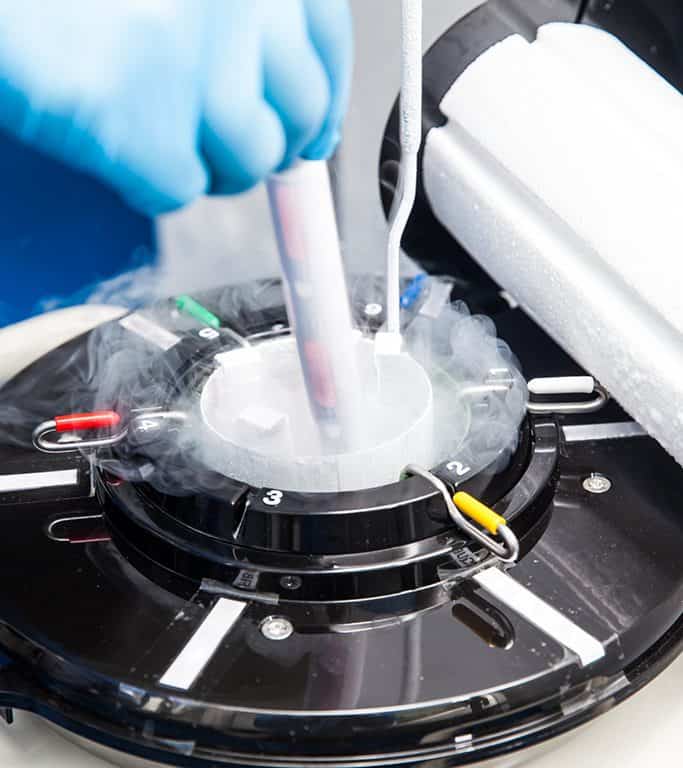
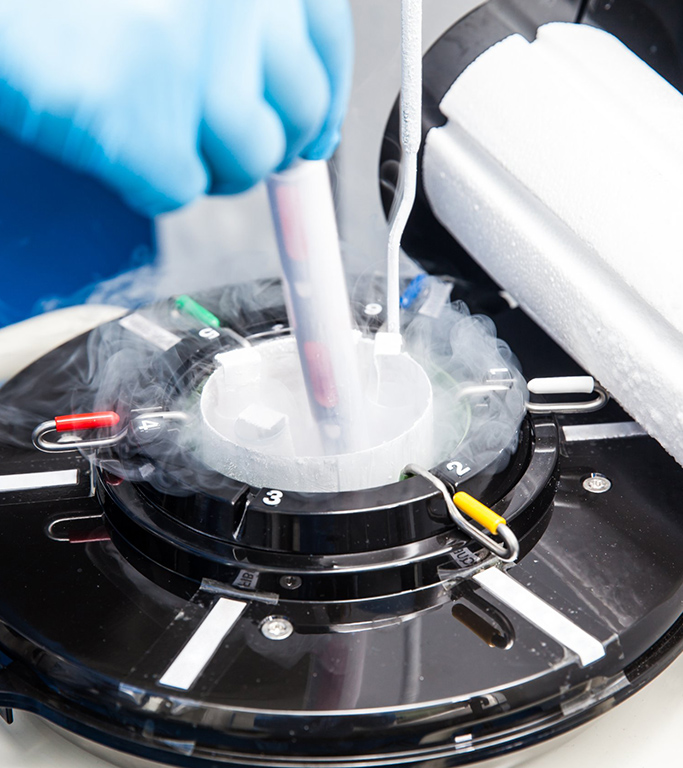
Embryo Cryopreservation involves freezing embryos for future use. This technique allows for the storage of viable embryos, which can be thawed and implanted in future cycles.

How It Improves Chances: Embryo freezing can be particularly beneficial for women who need to delay pregnancy due to health or personal reasons. It also enables multiple IVF cycles to be performed without the need for repeated ovarian stimulation and egg retrieval.

3. Intracytoplasmic Sperm Injection (ICSI)

Intracytoplasmic Sperm Injection (ICSI) is a technique where a single sperm is directly injected into an egg. This method is used when there are issues with sperm motility, count, or morphology.

How It Improves Chances: ICSI is especially useful for couples with male infertility issues, as it bypasses many of the barriers that might prevent natural fertilization. This increases the chances of fertilization and, consequently, embryo development.

4. EmbryoScope and Time-Lapse Imaging

EmbryoScope is an advanced incubator equipped with time-lapse imaging technology that allows continuous monitoring of embryo development without disturbing the embryos.

How It Improves Chances: Time-lapse imaging provides detailed information about embryo growth patterns and development. This allows embryologists to select the most viable embryos for transfer, improving the chances of implantation and pregnancy.

5. Endometrial Receptivity Analysis (ERA)

Endometrial Receptivity Analysis (ERA) is a test that assesses the uterine lining’s receptivity to embryo implantation. It involves analyzing a sample of the endometrial tissue to determine the optimal time for embryo transfer.

How It Improves Chances: By identifying the best timing for embryo transfer, ERA can enhance the likelihood of successful implantation and pregnancy. This is particularly beneficial for women with a history of implantation failure.

6. Assisted Hatching

Assisted Hatching is a technique where a small part of the outer layer of the embryo (the zona pellucida) is carefully thinned or perforated to facilitate the embryo’s escape from its shell and implantation into the uterine lining.

How It Improves Chances: For embryos with a thicker zona pellucida, assisted hatching can improve the chances of successful implantation, especially in cases where previous transfers have failed.

7. Microfluidics and Sperm Sorting

Microfluidics technology uses tiny channels and chambers to sort and select the most viable sperm from a semen sample. This technology helps identify sperm with the best motility and morphology for fertilization.

How It Improves Chances: By selecting the healthiest sperm, microfluidics increases the likelihood of successful fertilization and embryo development. This is particularly useful in cases of severe male infertility.

Factors Influencing IVF Success

While advanced techniques can significantly enhance the chances of pregnancy, several other factors also play a critical role in IVF success:

  1. Age: The age of the woman undergoing IVF is one of the most significant factors. Younger women generally have higher success rates compared to older women.
  2. Health and Lifestyle: Maintaining a healthy lifestyle, including a balanced diet, regular exercise, and avoiding smoking and excessive alcohol, can positively impact IVF success.
  3. Underlying Health Conditions: Conditions such as polycystic ovary syndrome (PCOS), endometriosis, or uterine abnormalities can affect IVF outcomes. Addressing these conditions before or during IVF treatment can improve success rates.
  4. Embryo Quality: The quality of the embryos transferred plays a crucial role in the likelihood of implantation and pregnancy. Advanced techniques like PGT and embryo selection help ensure that the highest-quality embryos are chosen.

Personalized IVF Approaches

The field of IVF is increasingly moving towards personalized medicine. This approach tailors treatments based on individual genetic profiles, health conditions, and specific needs. Personalized IVF can optimize treatment protocols, improve success rates, and minimize risks.

Conclusion

The best IVF techniques have undoubtedly advanced the field of reproductive medicine, offering new hope and improved outcomes for individuals and couples seeking to build their families. Techniques like PGT, embryo freezing, ICSI, and time-lapse imaging have revolutionized how IVF is performed, increasing the chances of a successful pregnancy.

However, it’s important to remember that while these technologies can significantly improve outcomes, IVF success is influenced by a range of factors, including age, health, and lifestyle. Consulting with a knowledgeable fertility specialist and exploring personalized treatment options can help you make the most of the advancements in IVF technology.

At Nandi IVF, we are committed to staying at the forefront of these developments, ensuring that our patients have access to the best possible care and technologies. Our team of experts is dedicated to guiding you through every step of the IVF process, helping you achieve your dream of parenthood with the highest chance of success.

If you’re considering IVF or have questions about the latest techniques and how they might benefit you, don’t hesitate to reach out to us. Together, we can navigate your fertility journey with confidence and hope.

Comparing Fertility Treatments: Where Does Intracytoplasmic Injection Stand?

Understanding Fertility Treatment Options

When navigating the world of fertility treatments, it’s crucial to have a solid understanding of the options available. From traditional methods to more advanced techniques like intracytoplasmic injection, each path offers unique benefits and considerations. By delving into the intricacies of these treatments, individuals and couples can make informed decisions on the best course of action for their fertility journey.

Having a clear grasp of fertility treatment options allows individuals to have meaningful discussions with their healthcare providers. Whether exploring in vitro fertilization (IVF) or considering innovations like intracytoplasmic injection, knowledge is empowering. Each treatment avenue comes with its own set of procedures, success rates, and potential risks, making it vital to be well-versed in the choices at hand.

Fertility treatments have come a long way in recent years, offering hope to those facing challenges in starting or expanding their families. With advancements such as intracytoplasmic injection, the possibilities for achieving successful outcomes have expanded. Understanding the nuances of these treatments can not only alleviate uncertainties but also pave the way for a more informed fertility treatment journey.

Infertility Treatment

Traditional IVF vs. Intracytoplasmic Injection: The Key Differences

In the realm of assisted reproductive technology, traditional IVF and intracytoplasmic injection stand out as prominent options. Traditional IVF involves the fertilization of an egg by sperm outside the body, with the resulting embryo being transferred to the uterus. On the other hand, intracytoplasmic injection takes a more precise approach by injecting a single sperm directly into an egg, aiding fertilization in cases of male infertility or previous IVF failure.

The key differentiator between traditional IVF and intracytoplasmic injection lies in the method of fertilization. While traditional IVF allows natural fertilization to occur in a controlled environment, intracytoplasmic injection addresses specific fertility challenges by directly introducing the sperm into the egg. This targeted approach has been a game-changer for individuals and couples facing male factor infertility or other barriers to conception.

When weighing the decision between traditional IVF and intracytoplasmic injection, consulting with a fertility specialist can provide valuable insights. Factors such as sperm quality, previous treatment outcomes, and individual health considerations play a role in determining the most suitable approach. By understanding the key differences between these methods, individuals can embark on their fertility treatment journey with confidence and clarity.

The Science Behind Intracytoplasmic Injection

Intracytoplasmic injection, often referred to as ICSI, involves a meticulous procedure that revolutionized the field of assisted reproduction. By directly injecting a single sperm into an egg using specialized micromanipulation tools, this technique overcomes various fertility obstacles with remarkable precision. The science behind intracytoplasmic injection underscores the importance of tailored approaches in addressing complex fertility issues.

The success of intracytoplasmic injection relies on the expertise of embryologists and fertility specialists who perform this intricate procedure. By selecting the most viable sperm and ensuring precise insertion into the egg, the chances of successful fertilization are significantly enhanced. Understanding the scientific principles behind ICSI sheds light on the innovative strategies that have transformed the landscape of fertility treatment.

The precise nature of intracytoplasmic injection underscores the significance of individualized care in fertility treatment. Tailoring the approach to meet the unique needs of each patient is a cornerstone of this advanced technique. Through a deep understanding of the scientific processes driving intracytoplasmic injection, both healthcare providers and patients can appreciate the remarkable advancements that have elevated the success rates in assisted reproduction.

Success Rates: Comparing Intracytoplasmic Injection to Other Methods

When it comes to evaluating the success rates of fertility treatments, comparing intracytoplasmic injection to traditional methods offers valuable insights. Studies have shown that intracytoplasmic injection can be particularly effective in cases of severe male infertility or prior failed IVF attempts. The precision of this technique contributes to higher fertilization rates and improved outcomes for individuals facing specific fertility challenges.

While traditional IVF remains a widely utilized method with proven results, intracytoplasmic injection has emerged as a powerful tool in overcoming complex fertility issues. The ability to directly address sperm-related obstacles enhances the overall success rates of assisted reproduction, making this technique a preferred choice for many individuals and couples seeking to conceive. Understanding the comparative success rates can aid in making informed decisions regarding fertility treatments.

By delving into the success rates of various fertility treatments, individuals can gain a comprehensive understanding of the probabilities associated with each method. Intracytoplasmic injection, with its tailored approach and high precision, offers promising results for individuals with specific fertility concerns. Considerations such as prognosis, previous treatment history, and underlying factors play a crucial role in determining the most suitable treatment option for achieving successful outcomes.

Cost Considerations: Is Intracytoplasmic Injection a Viable Option?

As individuals weigh their fertility treatment options, cost considerations often play a significant role in decision-making. The affordability of treatments like intracytoplasmic injection compared to traditional IVF can influence the choice of method. While intracytoplasmic injection may involve additional laboratory techniques, its targeted approach can lead to cost savings in cases where specific fertility challenges need to be addressed.

Understanding the cost implications of intracytoplasmic injection involves a comprehensive assessment of individual circumstances and treatment goals. Factors such as insurance coverage, treatment protocols, and the need for additional procedures can impact the overall expenses associated with this technique. By discussing financial considerations with healthcare providers, individuals can make informed choices that align with both their reproductive goals and budgetary constraints.

The viability of intracytoplasmic injection as a fertility treatment option extends beyond its success rates to encompass the financial feasibility for individuals and couples. By evaluating the cost-effectiveness of this technique in relation to its outcomes, individuals can gauge the overall value proposition it offers in achieving successful pregnancies. Considering both the clinical benefits and financial implications can aid in selecting a fertility treatment that aligns with personal preferences and resources.

Potential Risks and Complications of Intracytoplasmic Injection

While intracytoplasmic injection is known for its efficacy in addressing male factor infertility and improving fertilization rates, it is important to acknowledge the potential risks and complications associated with this procedure. Like any medical intervention, intracytoplasmic injection carries certain risks, including the possibility of genetic abnormalities, multiple pregnancies, or fertilization failure. Understanding these risks is crucial for individuals considering this fertility treatment.

One of the key concerns related to intracytoplasmic injection is the increased likelihood of genetic abnormalities in embryos due to the artificial selection process of sperm. While advancements in genetic screening have reduced this risk, it remains a consideration for individuals undergoing this procedure. Additionally, the potential for multiple pregnancies resulting from successful fertilization can pose challenges in terms of maternal and fetal health.

By discussing the potential risks and complications of intracytoplasmic injection with healthcare providers, individuals can make informed decisions regarding their fertility treatment. Factors such as preimplantation genetic testing, embryo transfer guidelines, and the management of multiple pregnancies are essential considerations in mitigating the risks associated with this technique. Being aware of the potential challenges allows individuals to approach intracytoplasmic injection with a well-rounded perspective on its advantages and drawbacks.

Patient Experience: What to Expect during Intracytoplasmic Injection Treatment

Embarking on intracytoplasmic injection treatment can be a transformative journey for individuals and couples seeking to overcome fertility challenges. The patient experience during intracytoplasmic injection involves various stages, from initial consultations to post-procedure care. Understanding what to expect at each step of the treatment process can alleviate anxieties and enable individuals to navigate this fertility treatment with confidence.

Patient experience during intracytoplasmic injection treatment begins with in-depth discussions with fertility specialists to assess treatment suitability and address any concerns. The comprehensive evaluation of reproductive health, treatment expectations, and personalized care planning forms the foundation of a patient-centered approach to intracytoplasmic injection. Clear communication and support throughout the treatment journey enhance the overall experience for individuals undergoing this advanced fertility technique.

The emotional aspects of fertility treatments like intracytoplasmic injection are significant, underscoring the importance of compassionate care and psychological support. Patients embarking on this treatment path may experience a range of emotions, from hope and anticipation to stress and uncertainty. Nurturing a supportive environment that acknowledges the emotional challenges of fertility treatment is essential in fostering positive patient experiences and holistic well-being throughout the intracytoplasmic injection process.

If you’re facing fertility challenges or simply exploring your options, reach out to us at Nandi IVF. We’re here to support you in making the best choices for your future.

For further inquiries or to schedule a consultation, contact Nandi IVF today. Let’s work together to find the path that’s right for you.

Decoding IVF Protocols: A Guide for Aspiring Parents in Delhi-NCR

Understanding IVF: A Comprehensive Overview

Before delving into the intricate world of IVF protocols, it’s essential to grasp the fundamentals of In Vitro Fertilization (IVF). IVF is a fertility treatment that helps individuals and couples struggling with infertility to have a child. This advanced medical procedure involves fertilizing an egg with sperm outside the body in a laboratory setting.

The process of IVF consists of several key steps, starting with ovarian stimulation to produce multiple eggs, followed by egg retrieval, fertilization in the lab, embryo culture, and finally, embryo transfer back into the uterus. Each stage plays a crucial role in the success of IVF treatment.

IVF has offered hope to many aspiring parents facing challenges in conceiving naturally. By understanding the science behind IVF and the specific protocols involved, individuals can make informed decisions about their fertility journey.

The Role of IVF Protocols in Fertility Treatment

IVF protocols are structured plans that outline the medication regimens and procedures tailored to an individual’s unique fertility needs. These protocols are personalized based on factors such as age, medical history, ovarian reserve, and previous fertility treatments.

The primary goal of IVF protocols is to optimize the chances of successful egg retrieval, fertilization, embryo development, and implantation. By following a specific protocol recommended by fertility specialists, individuals can enhance their chances of achieving a healthy pregnancy.

Understanding the role of IVF protocols is vital as it sets the foundation for a well-coordinated and effective fertility treatment plan. These protocols are designed to address specific infertility issues and maximize the potential for a successful outcome.

Moreover, IVF protocols play a crucial role in minimizing risks and complications during the treatment process. By closely adhering to the prescribed protocol, individuals can mitigate potential challenges and increase the likelihood of a positive outcome.

Choosing the Right IVF Protocol for Your Needs

Selecting the most suitable IVF protocol is a critical decision that can significantly impact the success of fertility treatment. Fertility specialists evaluate various factors, including age, ovarian health, hormone levels, and previous fertility history, to recommend an appropriate protocol.

The choice between different IVF protocols, such as antagonist protocol, long protocol, or short protocol, depends on individual requirements and response to previous treatments. It’s essential to work closely with your healthcare team to determine the best protocol for your specific situation.

By consulting with experienced fertility experts and discussing your preferences and concerns, you can make an informed choice regarding the most suitable IVF protocol. The right protocol can significantly impact the success rates and overall experience of the IVF treatment journey.

Remember, each individual’s fertility journey is unique, and selecting the right IVF protocol tailored to your needs is a crucial step towards achieving your dream of parenthood.

Understanding the Stages of IVF Treatment

Embarking on the IVF journey involves navigating through several key stages, each playing a vital role in the overall treatment process. Understanding these stages can help aspiring parents prepare mentally and emotionally for the challenges and joys that lie ahead.

The initial stage of IVF treatment typically involves ovarian stimulation, where fertility medications are administered to stimulate the ovaries to produce multiple eggs. This phase is crucial for maximizing the chances of successful fertilization during the IVF process.

Following ovarian stimulation, the next stage involves egg retrieval, where mature eggs are collected from the ovaries for fertilization in the laboratory. This step is a critical milestone in the IVF journey and requires precision and expertise from the medical team.

After fertilization, the embryos are cultured in the laboratory to monitor their development before the final stage of embryo transfer. This stage involves transferring the developed embryos into the uterus, where they have the potential to implant and result in a successful pregnancy.

Understanding the intricacies of each stage of IVF treatment is essential for aspiring parents to have a comprehensive overview of the process and actively participate in their fertility journey.

The Importance of Following IVF Protocols Diligently

Adhering to IVF protocols with diligence is key to optimizing the chances of a successful outcome in fertility treatment. These protocols are carefully designed to provide a structured approach that maximizes the effectiveness of the IVF process.

Consistency in following the prescribed medication regimens, undergoing necessary tests, and adhering to lifestyle recommendations outlined in the protocol are essential for achieving the desired results. Deviating from the protocol can impact the success rates of IVF treatment.

By committing to the recommended IVF protocol and maintaining open communication with your healthcare team, individuals can ensure that they are on the right path towards their goal of starting a family. Trusting the process and following the protocols diligently are key factors in a successful IVF journey.

Common Misconceptions About IVF Protocols Debunked

Misconceptions surrounding IVF protocols can create unnecessary anxiety and confusion for individuals undergoing fertility treatment. It’s important to debunk these myths and provide clarity on what to expect during the IVF process.

One common misconception is that all IVF protocols yield the same results. In reality, each protocol is tailored to individual needs and may vary in terms of medication regimens, duration, and monitoring procedures. The right protocol for one person may not be the best for another.

Another misconception is that following a more aggressive protocol guarantees better results. While aggressive protocols may be appropriate in certain cases, they are not always necessary and can pose risks of overstimulation or other complications. It’s crucial to trust your fertility specialist’s guidance in selecting the most appropriate protocol for your situation.

By clarifying misconceptions and understanding the rationale behind each IVF protocol recommendation, individuals can feel more informed and empowered throughout their fertility journey. Open communication with your healthcare provider can help address any concerns or uncertainties regarding the chosen protocol.

Navigating the Emotional Journey of IVF: Tips for Aspiring Parents

Embarking on the IVF journey can be emotionally challenging for aspiring parents, as it involves navigating a rollercoaster of emotions, from hope and excitement to anxiety and stress. It’s essential to prioritize self-care and emotional well-being throughout the IVF process.

Seeking support from loved ones, joining support groups, and engaging in stress-reducing activities can help individuals cope with the emotional ups and downs of fertility treatment. Taking time for self-care, practicing mindfulness, and staying connected with others can provide a sense of balance and resilience.

It’s normal to experience a range of emotions during the IVF journey, and it’s important to give yourself permission to feel and process these emotions. Remember, you are not alone in this journey, and there are resources and healthcare professionals available to support you every step of the way.

By acknowledging and addressing the emotional aspects of IVF treatment, aspiring parents can navigate the ups and downs with resilience and optimism. Taking care of your emotional well-being is just as crucial as following the medical protocols prescribed for fertility treatment.

If you have any questions about IVF or would like to discuss your options, please contact us for a consultation. We are dedicated to helping you achieve your dream of parenthood with the highest level of care and expertise.

IVF Solutions for MRKH and Infertility Challenges

Mayer-Rokitansky-Küster-Hauser (MRKH) syndrome is a rare congenital condition that affects a woman’s reproductive system, often leading to infertility. Despite its challenges, advances in assisted reproductive technologies, such as in vitro fertilization (IVF), offer promising solutions for women with MRKH who wish to experience pregnancy. At Nandi IVF, we are dedicated to providing comprehensive care and innovative solutions for those facing fertility challenges. This blog aims to offer a detailed understanding of MRKH syndrome, its impact on fertility, and how IVF can provide opportunities for pregnancy.

What is MRKH Syndrome?

Mayer-Rokitansky-Küster-Hauser (MRKH) syndrome is a condition that affects the development of the female reproductive system. It is named after the three physicians who first described the syndrome:

  • Mayer: French gynecologist
  • Rokitansky: Austrian pathologist
  • Küster and Hauser: German gynecologists

MRKH syndrome is characterized by the following features:

  1. Agenesis or Hypoplasia of the Uterus: Women with MRKH syndrome are born with an underdeveloped or absent uterus. The vagina may also be affected, leading to its partial or complete absence.
  2. Normal Ovarian Function: Despite the absence or malformation of the uterus and vagina, the ovaries are usually normal and functional. This means that women with MRKH typically produce eggs and have normal hormone levels.
  3. Normal External Genitalia: The external genitalia are generally unaffected, and women with MRKH do not typically experience visible abnormalities in their external reproductive organs.

Diagnosing MRKH Syndrome

MRKH syndrome is often diagnosed during adolescence or early adulthood when a woman presents with primary amenorrhea (the absence of menstruation) or other symptoms related to reproductive tract anomalies. Diagnosis typically involves:

  • Medical History and Physical Examination: Initial evaluation includes a detailed medical history and a physical examination to assess external genitalia and other potential signs.
  • Imaging Studies: Ultrasound or magnetic resonance imaging (MRI) may be used to visualize the internal reproductive organs and confirm the absence or underdevelopment of the uterus and vagina.
  • Genetic Testing: While MRKH syndrome is usually not inherited, genetic testing can help rule out other conditions and confirm the diagnosis.

The Impact of MRKH Syndrome on Fertility

MRKH syndrome presents unique challenges when it comes to fertility:

  1. Absence of the Uterus: The absence or severe underdevelopment of the uterus means that natural conception is not possible. The uterus is essential for nurturing a pregnancy, so without it, carrying a pregnancy is not feasible.
  2. Normal Ovarian Function: Women with MRKH syndrome typically have functional ovaries and produce eggs. This means that while they cannot carry a pregnancy themselves, they can still produce viable eggs for fertilization.
  3. Options for Family Building: Despite the challenges, women with MRKH syndrome have options for building a family, including the use of gestational carriers (surrogates) and assisted reproductive technologies like IVF.

How IVF Provides Opportunities for Pregnancy

IVF is a powerful tool for women with MRKH syndrome seeking to become mothers. Here’s how IVF, combined with a gestational carrier, can provide opportunities for pregnancy:

1. Ovarian Stimulation and Egg Retrieval

Since women with MRKH syndrome have normal ovarian function, the first step in the IVF process involves stimulating the ovaries to produce multiple eggs. This is achieved through hormonal medications administered over a period of 10-14 days.

  • Ovarian Stimulation: Medications such as FSH (Follicle-Stimulating Hormone) and LH (Luteinizing Hormone) are used to stimulate the ovaries to produce multiple eggs.
  • Monitoring: Regular ultrasounds and blood tests are conducted to monitor the response to medication and ensure that the eggs are developing appropriately.
  • Egg Retrieval: Once the eggs are mature, a minor surgical procedure is performed to retrieve the eggs from the ovaries. This procedure is typically done under sedation or anesthesia and involves inserting a needle through the vaginal wall to aspirate the eggs.

2. Fertilization and Embryo Culture

After egg retrieval, the next step is fertilization. The retrieved eggs are combined with sperm in the laboratory to create embryos.

  • Insemination: Sperm from a partner or donor is used to fertilize the eggs. In some cases, ICSI (Intracytoplasmic Sperm Injection) may be used to directly inject sperm into each egg.
  • Embryo Culture: The fertilized eggs, now embryos, are cultured in a specialized incubator for several days. The embryos are monitored for development and quality during this period.

3. Embryo Transfer

Once the embryos have reached the appropriate stage of development, one or more embryos are selected for transfer into the gestational carrier’s uterus.

  • Selection: The best-quality embryos are chosen for transfer based on their development and potential for implantation.
  • Transfer Procedure: The embryo(s) are transferred into the gestational carrier’s uterus using a thin catheter. This procedure is usually quick and minimally invasive.

4. Gestational Carrier

Because women with MRKH syndrome lack a uterus, they require a gestational carrier (also known as a surrogate) to carry the pregnancy.

  • Finding a Gestational Carrier: A gestational carrier is a woman who agrees to carry and give birth to the baby for the intended parents. Finding a suitable carrier involves legal and medical considerations.
  • Legal and Ethical Considerations: The use of a gestational carrier involves legal agreements and ethical considerations. It is essential to work with legal professionals and fertility specialists to ensure that all aspects of the arrangement are properly addressed.

Success Rates of IVF for Women with MRKH Syndrome

The success rates of IVF for women with MRKH syndrome depend on several factors, including:

  1. Age and Egg Quality: The age of the woman and the quality of the retrieved eggs can impact the success rates. Younger women generally have higher success rates due to better egg quality.
  2. Embryo Quality: The quality of the embryos plays a crucial role in implantation and pregnancy success. High-quality embryos have a higher chance of leading to a successful pregnancy.
  3. Gestational Carrier Factors: The health and fertility of the gestational carrier are also important. A healthy uterus and a well-prepared endometrium increase the chances of embryo implantation and pregnancy.

Overall, the success rates for IVF with a gestational carrier can be similar to those for other IVF cycles, with implantation rates typically around 40-50% per embryo transfer. However, success rates can vary based on individual circumstances and clinic practices.

Managing the Emotional and Psychological Aspects

The journey through IVF and the use of a gestational carrier can be emotionally challenging. Women with MRKH syndrome may experience a range of emotions, including:

  1. Grief and Loss: The inability to carry a pregnancy may bring feelings of grief and loss. It is important to acknowledge these emotions and seek support when needed.
  2. Stress and Anxiety: The IVF process and the involvement of a gestational carrier can create stress and anxiety. Managing these feelings through counseling and support can be beneficial.
  3. Joy and Excitement: Despite the challenges, many women with MRKH syndrome find joy and excitement in the prospect of becoming parents through IVF and the use of a gestational carrier.

Support and Resources at Nandi IVF

At Nandi IVF, we understand the unique challenges faced by women with MRKH syndrome and are committed to providing compassionate care and support throughout the IVF process. Our services include:

  1. Personalized Treatment Plans: We create individualized treatment plans tailored to each patient’s needs and circumstances, ensuring the best possible outcomes.
  2. Comprehensive Counseling: Our team offers counseling and emotional support to help patients navigate the complexities of IVF and the use of a gestational carrier.
  3. Expert Care: Our experienced fertility specialists and embryologists are dedicated to providing high-quality care and utilizing the latest advancements in reproductive technology.
  4. Legal and Ethical Guidance: We provide guidance on legal and ethical aspects related to the use of a gestational carrier, ensuring that all arrangements are properly addressed.

Conclusion

MRKH syndrome presents unique challenges when it comes to fertility and pregnancy. However, with advancements in reproductive technology, including IVF and the use of a gestational carrier, women with MRKH have the opportunity to experience the joy of parenthood. At Nandi IVF, we are committed to providing comprehensive care and support to help you achieve your dream of becoming a parent.

If you have MRKH syndrome or are considering IVF as a fertility option, we encourage you to reach out to us for a consultation. Our team of experts is here to guide you through every step of the process, offering personalized care and support to help you build the family you desire.

For more information about our IVF services , contact us here. At Nandi IVF, we are here to support you every step of the way, helping you turn your dreams of parenthood into reality.

What are the Chances of Having Twins with IVF? A Comprehensive Guide

In vitro fertilization (IVF) has revolutionized reproductive medicine, offering many couples the opportunity to conceive when other methods may not have worked. One of the interesting aspects of IVF is its potential to result in multiple pregnancies, including twins. If you’re considering IVF or are in the midst of treatment, you might be curious about the likelihood of having twins. At Nandi IVF, we aim to provide you with a detailed understanding of how twin pregnancies can occur with IVF, the factors influencing these chances, and what it means for your treatment journey.

Understanding Twin Pregnancies with IVF

Twins can occur naturally or through assisted reproductive technologies like IVF. Twin pregnancies can be classified into two main types:

  1. Dizygotic Twins (Fraternal Twins): These result from the fertilization of two separate eggs by two different sperm cells. Fraternal twins are not genetically identical and can have different physical traits and genders.
  2. Monozygotic Twins (Identical Twins): These arise from a single fertilized egg that splits into two embryos. Monozygotic twins share the same genetic material and are genetically identical.

With IVF, both types of twin pregnancies are possible, but the likelihood varies based on several factors.

Factors Influencing the Chances of Having Twins with IVF

1. Number of Embryos Transferred

One of the most significant factors influencing the likelihood of a twin pregnancy is the number of embryos transferred during an IVF cycle. Generally, the more embryos transferred, the higher the probability of multiple pregnancies. Here’s a breakdown of how this works:

  • Single Embryo Transfer (SET): This approach aims to reduce the risk of multiple pregnancies by transferring only one embryo. The risk of twins is minimal with SET, but it may be lower than transferring multiple embryos.
  • Double Embryo Transfer (DET): Transferring two embryos increases the chance of twins. If both embryos implant and develop successfully, a twin pregnancy can occur.
  • Triple or More Embryo Transfer: Transferring three or more embryos can increase the risk of a twin or higher-order multiple pregnancies (triplets or more). However, this practice is less common due to the increased risks associated with multiple pregnancies for both the mother and the babies.

2. Age of the Woman

The age of the woman undergoing IVF can affect the likelihood of having twins. Women under 35 years old generally have a higher chance of successful embryo implantation, which can increase the chances of a twin pregnancy if multiple embryos are transferred. As a woman ages, the quality and quantity of her eggs decline, which can impact the success rates and the probability of multiple pregnancies.

3. Type of IVF Protocol

Different IVF protocols and treatments can influence the chances of a twin pregnancy. For instance:

  • Ovarian Stimulation Protocols: Medications used to stimulate the ovaries can affect how many eggs are produced. Higher doses of ovarian stimulants may lead to multiple egg releases, which, if fertilized, can increase the chances of twins.
  • Use of Preimplantation Genetic Testing (PGT): Some IVF cycles involve genetic testing of embryos before transfer. While this doesn’t directly influence the chance of twins, selecting the healthiest embryos for transfer can impact overall success rates.

4. Embryo Quality

The quality of the embryos can also play a role in the likelihood of a twin pregnancy. Higher-quality embryos are more likely to implant successfully. When multiple high-quality embryos are transferred, the chances of a twin pregnancy increase.

5. Genetic and Hormonal Factors

Some genetic and hormonal factors can influence the likelihood of multiple pregnancies. For example, women with a family history of twins or those with higher levels of follicle-stimulating hormone (FSH) may have a naturally higher tendency to conceive twins.

Statistical Chances of Having Twins with IVF

The chances of having twins with IVF depend on several factors, including those mentioned above. Here’s a general overview of the statistics:

1. General IVF Success Rates

On average, the chance of a twin pregnancy with IVF ranges from 20% to 30% if two embryos are transferred. This rate can vary depending on individual circumstances, clinic practices, and the factors discussed.

2. Single Embryo Transfer (SET)

With SET, the chances of a twin pregnancy are very low. The primary aim of SET is to reduce the risk of multiple pregnancies and associated complications. The success rate of achieving a singleton pregnancy with SET is about 40-50%, depending on various factors like age and embryo quality.

3. Double Embryo Transfer (DET)

When two embryos are transferred, the likelihood of a twin pregnancy increases significantly. Studies suggest that the chance of a twin pregnancy with DET can be around 20-30%, although this rate can vary based on individual factors and clinic practices.

4. Higher-Order Multiple Pregnancies

The risk of triplets or more increases with the transfer of three or more embryos. However, due to the higher risks involved, many clinics, including Nandi IVF, are now more cautious about transferring multiple embryos to avoid the risks associated with higher-order multiple pregnancies.

Risks and Considerations of Twin Pregnancies

While twin pregnancies can be exciting, they also come with increased risks and considerations:

1. Maternal Risks

  • Increased Risk of Complications: Twin pregnancies have a higher risk of complications such as preeclampsia, gestational diabetes, and premature labor.
  • Higher Likelihood of Cesarean Delivery: Twin pregnancies are more likely to result in a cesarean section compared to singleton pregnancies.

2. Fetal Risks

  • Prematurity: Twins are more likely to be born prematurely, which can lead to various health issues for the babies.
  • Low Birth Weight: Twins often have a lower birth weight compared to singletons, which can affect their immediate and long-term health.

3. Financial Considerations

  • Increased Medical Costs: Twin pregnancies may lead to higher medical costs due to additional prenatal care, potential complications, and delivery expenses.

Managing the Risks and Benefits

At Nandi IVF, we prioritize the health and well-being of both our patients and their future children. Here are some strategies we use to manage the risks associated with twin pregnancies:

1. Personalized Treatment Plans

We tailor our IVF treatment plans to individual needs, considering factors such as age, health status, and personal preferences. This includes deciding on the number of embryos to transfer based on a comprehensive assessment.

2. Close Monitoring

Throughout the IVF process, we closely monitor the progress and health of our patients. This includes regular ultrasounds and check-ups to ensure that the embryos are developing correctly and to manage any potential risks.

3. Counseling and Support

We offer counseling and support to help our patients understand the implications of a twin pregnancy and make informed decisions about their treatment. Our team provides guidance on managing the pregnancy and preparing for potential complications.

Conclusion

The chances of having twins with IVF can vary based on several factors, including the number of embryos transferred, the woman’s age, and the quality of the embryos. While twin pregnancies can be a delightful outcome of IVF, they also come with increased risks that need careful management.

At Nandi IVF, our goal is to provide personalized care and support throughout your IVF journey. Whether you are aiming for a singleton pregnancy or considering the possibility of twins, our experienced team is here to guide you through every step, ensuring the best possible outcome for you and your future family.

If you have any questions about IVF or would like to discuss your options, please contact us for a consultation. We are dedicated to helping you achieve your dream of parenthood with the highest level of care and expertise.

Egg Freezing: A Step-by-Step Guide for Indian Women

In recent years, egg freezing has emerged as a significant option for women looking to preserve their fertility for the future. With advancements in reproductive technology and increased awareness about women’s health, more women in India are considering egg freezing. At Nandi IVF, we understand the complexities and nuances of this process and are committed to providing you with comprehensive information to help you make informed decisions.

Understanding Egg Freezing

Egg freezing, also known as oocyte cryopreservation, is a procedure that involves extracting and preserving a woman’s eggs (oocytes) for future use. This option is particularly appealing for women who want to delay childbearing due to personal, medical, or professional reasons. The eggs are frozen using a process called vitrification, which helps maintain their viability until they are thawed and fertilized in the future.

Step-by-Step Process of Egg Freezing

1. Initial Consultation

The journey begins with an initial consultation with a fertility specialist. During this appointment, the specialist will evaluate your overall health, discuss your reasons for egg freezing, and assess your fertility status. This consultation is crucial for setting realistic expectations and creating a personalized plan.

2. Pre-Treatment Testing

Before starting the egg freezing process, several tests are conducted to ensure you are in good health and to evaluate your ovarian reserve. These tests typically include:

  • Blood Tests: To check hormone levels such as FSH (Follicle-Stimulating Hormone), LH (Luteinizing Hormone), and AMH (Anti-Müllerian Hormone).
  • Ultrasound: To assess the health and number of follicles in your ovaries.
  • Infectious Disease Screening: To ensure there are no underlying infections.

3. Ovarian Stimulation

Once the pre-treatment tests are complete, the next step is ovarian stimulation. This involves taking hormonal medications to stimulate the ovaries to produce multiple eggs. The medication is usually administered through injections over a period of about 10-14 days. Regular monitoring through blood tests and ultrasounds helps track your response to the medication and adjust doses if necessary.

4. Monitoring and Adjustment

During the stimulation phase, you will have several follow-up appointments to monitor the growth of the follicles in your ovaries. These appointments are essential to ensure that the ovaries are responding as expected and to make any necessary adjustments to the medication regimen. This phase may involve:

  • Ultrasound Monitoring: To visualize the developing follicles.
  • Hormone Levels Monitoring: To check the effectiveness of the stimulation.

5. Egg Retrieval (Aspiration)

When the follicles are mature, the next step is egg retrieval. This procedure is typically performed under sedation or light anesthesia to ensure comfort. A needle is inserted through the vaginal wall into the ovaries, and the eggs are aspirated from the follicles. The procedure usually takes about 20-30 minutes and is generally well-tolerated.

6. Egg Preparation and Freezing

After retrieval, the eggs are evaluated for maturity. Mature eggs are then prepared for freezing using a process called vitrification. Vitrification involves rapidly cooling the eggs to a temperature where they can be stored indefinitely without forming ice crystals that could damage them.

7. Storage

Once the eggs are vitrified, they are stored in liquid nitrogen tanks at extremely low temperatures (-196°C). The eggs can remain in storage for several years, allowing you the flexibility to decide when to use them in the future.

Costs of Egg Freezing in India

The cost of egg freezing in India can vary depending on several factors, including the clinic, the number of cycles required, and additional services provided. Here is a general breakdown of the costs involved:

1. Initial Consultation and Pre-Treatment Testing

  • Consultation Fee: ₹1,000 – ₹3,000
  • Pre-Treatment Tests: ₹5,000 – ₹15,000

2. Ovarian Stimulation and Monitoring

  • Medication: ₹20,000 – ₹50,000 (depending on the medication required)
  • Monitoring: ₹5,000 – ₹10,000 per visit

3. Egg Retrieval

  • Procedure Cost: ₹30,000 – ₹60,000

4. Egg Freezing and Storage

  • Vitrification: ₹20,000 – ₹40,000
  • Annual Storage Fee: ₹5,000 – ₹15,000

5. Additional Costs

  • Embryologist Fees: ₹10,000 – ₹20,000
  • Anesthesia and Sedation: ₹10,000 – ₹20,000

In total, the cost of a single egg freezing cycle in India can range from ₹70,000 to ₹1,50,000. These costs can vary significantly based on the clinic’s location, reputation, and additional services provided.

Success Rates of Egg Freezing

The success rates of egg freezing are influenced by various factors, including age, egg quality, and the clinic’s expertise. Generally, the younger a woman is at the time of egg freezing, the higher the likelihood of successful future pregnancies. Here is a general overview of success rates:

1. Age Factor

  • Under 35 Years: Women in this age group have the highest success rates for egg freezing. Success rates for thawing and fertilizing eggs are generally around 60-70%.
  • 35-37 Years: Success rates start to decline, with rates typically ranging from 40-60%.
  • 38-40 Years: Success rates drop further, with thawing and fertilization rates around 30-50%.
  • Above 40 Years: Success rates are lower, often below 30%, due to reduced egg quality.

2. Clinic Expertise

The success of egg freezing also depends on the clinic’s technology, expertise, and experience. Clinics with advanced technology and skilled professionals generally have higher success rates.

3. Egg Quality

The quality of the eggs is a significant determinant of success. Factors such as genetics, lifestyle, and overall health play a role in egg quality.

Choosing the Right Clinic

Selecting a clinic for egg freezing is a critical decision. Here are some factors to consider when choosing a clinic:

  1. Reputation and Experience: Research the clinic’s reputation and the experience of its fertility specialists. Look for clinics with a track record of successful egg freezing and positive patient reviews.
  2. Technology and Facilities: Ensure the clinic uses advanced technology and has state-of-the-art facilities for egg retrieval, freezing, and storage.
  3. Transparency and Costs: Choose a clinic that provides clear information about the costs involved and any additional fees. Transparency in pricing helps avoid unexpected expenses.
  4. Support and Counseling: Opt for a clinic that offers comprehensive support and counseling throughout the process. Emotional and psychological support can be crucial during this journey.

Conclusion

Egg freezing is a valuable option for women who wish to preserve their fertility for future use. The process involves several steps, from initial consultation to egg retrieval and freezing. Understanding the costs and success rates associated with egg freezing can help you make informed decisions about your reproductive health.

At Nandi IVF, we are committed to providing personalized care and support throughout your egg freezing journey. Our experienced team of fertility specialists and advanced technology ensure that you receive the best possible care. If you are considering egg freezing or have any questions about the process, we invite you to contact us for a consultation.

Preserving your fertility is an empowering decision, and with the right information and support, you can take control of your reproductive future.

Male Fertility Preservation: A Must-Read for Every Man

In an era where discussions about fertility often center around women, it’s crucial to acknowledge that male fertility plays a significant role in the journey to parenthood. For many men, the preservation of fertility becomes an important consideration, whether due to health concerns, lifestyle choices, or age-related factors. At Nandi IVF, we believe that informed decisions and proactive steps can make a significant difference. Here’s a comprehensive guide on preserving male fertility and what every man should know.

Understanding Male Fertility

Male fertility hinges on the health and quality of sperm. Key factors include sperm count, motility (movement), and morphology (shape). Male fertility issues can arise from a variety of factors, including lifestyle, health conditions, and environmental exposures.

1. Lifestyle Factors

Diet and Nutrition

What you eat has a direct impact on sperm health. A diet rich in antioxidants, vitamins, and minerals is beneficial. Essential nutrients like zinc, selenium, Vitamin C, and Vitamin E are known to enhance sperm quality and protect against oxidative stress. Foods such as nuts, seeds, fruits, vegetables, and whole grains should be integral to a healthy diet.

Exercise and Weight Management

Regular exercise is important, but balance is key. Over-exercising or obesity can negatively affect testosterone levels and sperm production. Maintaining a healthy weight through moderate exercise helps regulate hormones and supports overall reproductive health.

Avoiding Harmful Substances

Alcohol, nicotine, and recreational drugs can significantly impair sperm production and quality. Excessive alcohol consumption and smoking are linked to reduced fertility and increased risk of sperm abnormalities. Limiting or avoiding these substances can improve reproductive outcomes.

2. Environmental and Occupational Exposures

Heat Exposure

Excessive heat can adversely affect sperm production. Avoid prolonged exposure to high temperatures from sources such as hot tubs, saunas, and tight-fitting clothing. For men with professions that involve high heat environments, such as welding or factory work, taking preventive measures to minimize exposure is essential.

Toxic Chemicals

Exposure to certain chemicals and pollutants, such as pesticides, heavy metals, and industrial chemicals, can compromise sperm health. If your job involves handling hazardous substances, use protective equipment and follow safety guidelines to mitigate risks.

3. Medical Conditions and Treatments

Chronic Health Conditions

Conditions like diabetes, high blood pressure, and thyroid disorders can impact fertility. Managing these conditions through regular check-ups and adherence to treatment plans is crucial. Consult your healthcare provider to understand how your health may influence fertility and explore ways to manage these effects.

Medications

Some medications can have side effects that impact fertility. For instance, certain antibiotics, blood pressure medications, and treatments for cancer may affect sperm production. Always discuss the potential reproductive side effects of any prescribed medication with your doctor.

4. Genetic and Health Assessments

Genetic Testing

Genetic factors can play a role in male infertility. Conditions like Klinefelter syndrome or Y chromosome microdeletions can affect fertility. If you have concerns about genetic issues, consulting with a genetic counselor can provide insights and guidance on managing these conditions.

Hormonal Imbalances

Hormonal imbalances, particularly involving testosterone and other reproductive hormones, can affect sperm production. If you suspect hormonal issues, seeking evaluation and treatment from an endocrinologist or urologist can help address these imbalances.

5. Preservation Strategies

Sperm Banking

For men facing medical treatments that may affect fertility, such as chemotherapy, or those who wish to delay fatherhood, sperm banking offers a viable solution. By freezing and storing sperm, you can preserve fertility for future use. This process is straightforward and typically involves providing a sperm sample for cryopreservation.

Lifestyle Modifications

Implementing lifestyle changes, such as improving diet, managing stress, and reducing exposure to harmful substances, can enhance overall sperm quality and health. These proactive measures are beneficial regardless of age or health status.

Regular Check-ups

Routine visits to a healthcare provider specializing in male fertility can help monitor reproductive health. Regular check-ups can identify potential issues early and provide opportunities to address them before they impact fertility.

6. The Role of Stress and Mental Health

Stress and mental health significantly impact fertility. Chronic stress can lead to hormonal imbalances and negatively affect sperm production. Practicing stress management techniques, such as mindfulness, meditation, or counseling, can improve both mental and reproductive health.

Conclusion

Preserving male fertility involves a multifaceted approach that includes lifestyle adjustments, medical evaluations, and proactive measures like sperm banking. At Nandi IVF, we emphasize the importance of being informed and taking steps to maintain reproductive health. By understanding the factors that influence fertility and addressing them effectively, men can enhance their chances of successful conception and overall well-being.

If you have concerns about your fertility or wish to explore preservation options, don’t hesitate to reach out to a fertility specialist. At Nandi IVF, our team is dedicated to supporting you through every step of your fertility journey, ensuring you have the information and resources needed to make informed decisions about your reproductive health.

For more information about our IVF services , contact us here. At Nandi IVF, we are here to support you every step of the way, helping you turn your dreams of parenthood into reality.

Natural Cycle IVF Procedure, Benefits, and Success Rate: A Comprehensive Guide

Infertility treatments have come a long way, and among the various options available, Natural Cycle IVF (NC-IVF) offers a unique approach to assisted reproduction. Unlike traditional IVF, which involves stimulating the ovaries to produce multiple eggs, Natural Cycle IVF focuses on using the body’s natural menstrual cycle to retrieve and fertilize a single egg. This method appeals to many who are looking for a less invasive and more cost-effective alternative to conventional IVF. In this blog, we’ll delve into the Natural Cycle IVF procedure, its benefits, and its success rates, providing a detailed overview of what you can expect.

What is Natural Cycle IVF?

Natural Cycle IVF is a variation of in vitro fertilization that aims to maximize the natural fertility cycle of a woman. Instead of using hormone injections to stimulate the ovaries to produce multiple eggs, this approach retrieves and fertilizes the single egg that is naturally selected during the menstrual cycle. The process is less invasive and can be more cost-effective compared to traditional IVF.

The Natural Cycle IVF Procedure

Initial Consultation and Evaluation: The first step in the Natural Cycle IVF process involves a comprehensive evaluation of your reproductive health. This includes a review of your medical history, fertility assessments, and discussions about your specific needs and goals. Your fertility specialist will determine if Natural Cycle IVF is suitable for you based on factors like your age, ovarian reserve, and overall health.

Monitoring the Menstrual Cycle: Natural Cycle IVF relies on precise timing, so monitoring your menstrual cycle is crucial. This involves regular ultrasound scans and hormonal tests to track the development of the ovarian follicle. The goal is to identify the optimal time for egg retrieval, typically when the follicle is mature and ready for ovulation.

Egg Retrieval: Once the follicle is mature, the egg retrieval procedure is scheduled. This is a minimally invasive procedure performed under sedation or anesthesia. A thin needle is inserted through the vaginal wall and into the ovary to collect the egg. Since only one egg is retrieved, this procedure is generally less complex compared to conventional IVF, which may involve retrieving multiple eggs.

Fertilization: After retrieval, the egg is immediately taken to the laboratory where it is fertilized with sperm. This can be done using conventional insemination or ICSI (Intracytoplasmic Sperm Injection) if there are male fertility issues. The fertilized egg is then monitored as it develops into an embryo.

Embryo Transfer: Once the embryo reaches a suitable stage of development (usually blastocyst stage), it is transferred into the uterus. This procedure is relatively simple and typically does not require sedation. The embryo is gently placed into the uterine cavity using a thin catheter.

Pregnancy Test: After the embryo transfer, you will undergo a pregnancy test to determine if implantation has occurred. This is usually done about two weeks after the transfer. If successful, an early ultrasound will be scheduled to confirm the pregnancy and monitor its progress.

Benefits of Natural Cycle IVF

Reduced Medication Use: One of the primary benefits of Natural Cycle IVF is the minimal use of medications. Traditional IVF requires ovarian stimulation with hormone injections to produce multiple eggs, which can lead to side effects such as ovarian hyperstimulation syndrome (OHSS). Natural Cycle IVF eliminates or significantly reduces the need for these medications, minimizing potential side effects.

Lower Cost: Natural Cycle IVF is generally less expensive than traditional IVF. The reduction in medication and the simpler procedure result in lower overall costs. This makes it an appealing option for those who are concerned about the financial burden of fertility treatments.

Reduced Risk of OHSS: Since Natural Cycle IVF involves no or minimal ovarian stimulation, the risk of OHSS is greatly reduced. OHSS is a condition where the ovaries become swollen and painful due to overstimulation, and avoiding this risk is a significant advantage of Natural Cycle IVF.

Simpler Procedure: The Natural Cycle IVF procedure is less invasive than traditional IVF. With fewer medications and a single egg retrieval, the process is often perceived as simpler and less stressful. Additionally, the embryo transfer procedure is typically straightforward and less complicated.

Focus on Quality Over Quantity: Natural Cycle IVF emphasizes the quality of the single egg retrieved rather than the quantity. This can be beneficial for women with a high quality of eggs but a limited number, as the focus is on achieving the best possible outcome with the available egg.

Reduced Risk of Multiple Pregnancies: Traditional IVF can sometimes lead to multiple pregnancies due to the transfer of multiple embryos. Natural Cycle IVF, with its focus on a single embryo transfer, reduces the risk of multiple pregnancies, which can be associated with higher health risks for both the mother and the babies.

Success Rates of Natural Cycle IVF

The success rates of Natural Cycle IVF can vary based on several factors, including the age of the woman, the quality of the egg, and the overall health of both partners. Generally, Natural Cycle IVF has a lower success rate compared to conventional IVF, primarily because it involves the retrieval and fertilization of a single egg.

Age Factor: Age is a significant factor influencing the success rates of Natural Cycle IVF. Women under 35 tend to have higher success rates compared to older women, as egg quality typically declines with age. For women over 40, success rates may be lower, and additional fertility treatments or interventions might be necessary.

Ovarian Reserve: Women with a good ovarian reserve, meaning they have a healthy number of high-quality eggs, are more likely to achieve success with Natural Cycle IVF. A thorough evaluation of ovarian reserve through tests such as AMH (Anti-Müllerian Hormone) levels and antral follicle count can help determine the likelihood of success.

Overall Health: The general health and fertility of both partners play a role in the success of Natural Cycle IVF. Addressing any underlying health issues and optimizing lifestyle factors can improve the chances of a successful outcome.

Success Rate Estimates: On average, Natural Cycle IVF has success rates ranging from 5% to 15% per cycle. These rates can vary based on individual circumstances and the specific clinic’s experience with Natural Cycle IVF. It’s essential to consult with your fertility specialist to understand what success rates might be expected in your particular case.

Considerations and Limitations

While Natural Cycle IVF offers several benefits, it’s important to consider its limitations:

Lower Egg Yield: The primary limitation of Natural Cycle IVF is the reliance on a single egg. If the egg does not fertilize successfully or if the resulting embryo does not implant, the cycle may be unsuccessful. This is in contrast to conventional IVF, which aims to increase the number of eggs and embryos, thereby improving the chances of success.

Limited Applicability: Natural Cycle IVF may not be suitable for everyone. Women with irregular menstrual cycles, poor ovarian reserve, or other fertility issues may find that conventional IVF or additional treatments are more effective.

Repeated Cycles: Since Natural Cycle IVF focuses on one egg per cycle, it may require multiple cycles to achieve a successful pregnancy. This can be time-consuming and may affect overall treatment costs.

Conclusion

Natural Cycle IVF presents a compelling alternative to traditional IVF for those seeking a less invasive, more cost-effective approach to assisted reproduction. By focusing on the body’s natural menstrual cycle and minimizing medication use, this method offers several advantages, including reduced risk of OHSS, lower costs, and a simpler procedure.

However, it’s important to carefully consider the success rates and limitations of Natural Cycle IVF. Factors such as age, ovarian reserve, and overall health play a crucial role in determining the likelihood of success. Consulting with a fertility specialist at Nandi IVF can provide valuable insights into whether Natural Cycle IVF is the right option for you and help tailor a treatment plan that aligns with your individual needs and goals.

At Nandi IVF, we are dedicated to supporting you through every step of your fertility journey. Our team of experienced specialists is here to provide personalized care, answer your questions, and guide you in exploring all available options. If you’re considering Natural Cycle IVF or want to learn more about other fertility treatments, contact us today to schedule a consultation.

Remember, every path to parenthood is unique, and finding the right approach involves understanding your options and working closely with a knowledgeable team. Let us help you navigate this journey with confidence and hope.


For further information or to discuss your fertility options, reach out to Nandi IVF. We’re here to assist you in making the best choices for your future family.

Exploring IVF Alternatives: What Other Options Do You Have

Infertility is a challenging journey that many individuals and couples face. For those who have been struggling with conception, In vitro fertilization (IVF) is often presented as a primary solution. However, IVF is not the only option available, and understanding alternative treatments can be crucial in finding the right path to parenthood. At Nandi IVF, we believe in empowering our patients with knowledge about all possible avenues, ensuring they make informed decisions based on their unique circumstances. In this blog, we will explore various IVF alternatives, examining their benefits, limitations, and how they might fit into your fertility journey.

1. IUI (Intrauterine Insemination)

Overview: Intrauterine insemination (IUI) is a less invasive and less expensive alternative to IVF. It involves placing sperm directly into the uterus around the time of ovulation. This method increases the chances of sperm reaching the egg, particularly in cases where there are mild male fertility issues or unexplained infertility.

Benefits:

  • Less invasive: IUI does not require egg retrieval or embryo transfer, making it a simpler procedure.
  • Lower cost: Generally, IUI is significantly less expensive than IVF.
  • Less time-consuming: The process usually requires fewer visits and less preparation than IVF.

Limitations:

  • Lower success rates: While effective for some, IUI generally has lower success rates compared to IVF, particularly for older women or those with more severe fertility issues.
  • Limited application: IUI may not be suitable for individuals with significant male infertility or blocked fallopian tubes.

2. Fertility Medications

Overview: Fertility medications can be used alone or in conjunction with IUI to enhance ovulation and increase the chances of conception. These medications include oral drugs like Clomid and injectable hormones such as FSH (follicle-stimulating hormone).

Benefits:

  • Enhances ovulation: Helps stimulate the ovaries to produce more eggs, increasing the likelihood of conception.
  • Cost-effective: Typically less expensive than IVF and does not require invasive procedures.

Limitations:

  • Risk of multiple pregnancies: Increased egg production can lead to higher chances of twins or more.
  • Side effects: Medications may cause side effects such as mood swings, hot flashes, and ovarian hyperstimulation syndrome.

3. Egg and Sperm Donor Programs

Overview: For couples dealing with issues related to egg quality or sperm quality, using donor eggs or sperm can be a viable option. Donor eggs and sperm are used in conjunction with IVF or IUI to achieve pregnancy.

Egg and Sperm Donor Programs

Benefits:

  • Overcomes specific infertility issues: Useful for individuals with genetic disorders or compromised egg/sperm quality.
  • Higher success rates with IVF: When using donor gametes, IVF success rates can be significantly improved.

Limitations:

  • Emotional and ethical considerations: Navigating the emotional and ethical implications of using donor gametes can be challenging.
  • Cost: Donor programs and associated treatments can be expensive.

4. Egg Freezing (Oocyte Cryopreservation)

Overview: Egg freezing allows women to preserve their eggs for future use. This option is often chosen by those who wish to delay childbearing for personal or medical reasons.

Benefits:

  • Flexibility: Offers the ability to delay pregnancy until a later date without compromising egg quality.
  • Preservation of fertility: Useful for women undergoing medical treatments that may affect fertility, such as chemotherapy.

Limitations:

  • Not a guarantee: There’s no assurance that frozen eggs will lead to a successful pregnancy later.
  • Costs: The procedure and storage can be expensive.

5. Embryo Adoption

Overview: Embryo adoption involves adopting embryos created by other couples who have undergone IVF but have chosen to donate their remaining embryos. These embryos are then implanted into the adopting woman’s uterus.

Benefits:

  • Provides an option for those with no viable eggs or sperm: Useful for couples where both partners have fertility issues.
  • Higher success rates: Embryo adoption often has similar success rates to IVF with fresh embryos.

Limitations:

  • Emotional complexities: There may be emotional and psychological aspects to consider, such as the origin of the embryo.
  • Legal and ethical considerations: The adoption process involves legal and ethical considerations that need to be addressed.

6. Natural Cycle IVF

Overview: Natural cycle IVF is a variation of traditional IVF that focuses on retrieving and fertilizing the single egg produced in a woman’s natural menstrual cycle, rather than using ovarian stimulation drugs.

Benefits:

  • Less medication: Reduces the need for fertility drugs, minimizing potential side effects.
  • Lower cost: Typically less expensive than conventional IVF.

Limitations:

  • Lower success rates: The success rates for natural cycle IVF can be lower due to the limited number of eggs.
  • Not suitable for everyone: It may not be appropriate for women with irregular cycles or those who need multiple embryos for a successful pregnancy.

7. Lifestyle and Alternative Therapies

Overview: Incorporating lifestyle changes and alternative therapies such as acupuncture, yoga, and nutrition can play a supportive role in fertility treatment. These methods aim to improve overall health and potentially enhance fertility.

Benefits:

  • Holistic approach: Focuses on improving general well-being and creating a more favorable environment for conception.
  • Complementary: Can be used in conjunction with other fertility treatments to potentially improve outcomes.

Limitations:

  • Lack of scientific evidence: While beneficial for overall health, the direct impact on fertility is not always supported by strong scientific evidence.
  • Not a substitute: Should not replace conventional medical treatments but can be used alongside them.

8. Surrogacy

Overview: Surrogacy involves a surrogate mother carrying and giving birth to a child for another individual or couple. There are two types of surrogacy: traditional (where the surrogate’s egg is used) and gestational (where the surrogate carries an embryo created from the intended parents’ or donor’s gametes).

Benefits:

  • Solution for complex fertility issues: Ideal for individuals or couples with issues that prevent them from carrying a pregnancy to term.
  • Allows genetic connection: With gestational surrogacy, intended parents can have a genetic connection to the child.

Limitations:

  • Legal and ethical considerations: The surrogacy process involves complex legal and ethical issues that need to be carefully managed.
  • Costs: Surrogacy can be very expensive and involves legal fees, surrogate compensation, and medical costs.

Conclusion

The journey to parenthood can be filled with uncertainties, but understanding your options can help you make informed decisions tailored to your specific needs and circumstances. While IVF is a well-known and effective treatment for many, there are various alternatives that may offer a more suitable path to achieving your dream of having a family.

At Nandi IVF, we are committed to providing personalized care and support throughout your fertility journey. Our team is here to help you explore these alternatives, understand their implications, and guide you through each step with compassion and expertise. Remember, every path to parenthood is unique, and finding the right solution involves considering all available options and working closely with your healthcare provider.

If you’re facing fertility challenges or simply exploring your options, reach out to us at Nandi IVF. We’re here to support you in making the best choices for your future.

For further inquiries or to schedule a consultation, contact Nandi IVF today. Let’s work together to find the path that’s right for you.

Understanding the Impact of Lifestyle on Sperm Quality

In the evolving landscape of reproductive health, the importance of sperm quality has become increasingly apparent. As more couples face challenges with conception, understanding the factors influencing sperm quality is crucial. Lifestyle plays a significant role in this complex equation. At Nandi IVF, we are dedicated to providing insights into how lifestyle choices impact sperm quality and offer guidance on optimizing reproductive health.

The Basics of Sperm Quality

Before diving into lifestyle factors, it’s essential to understand what constitutes sperm quality. Sperm quality is determined by several key parameters:

  1. Sperm Count: The number of sperm in a given volume of semen. A higher count increases the likelihood of fertilization.
  2. Sperm Motility: The ability of sperm to move effectively. This is crucial for reaching and fertilizing the egg.
  3. Sperm Morphology: The shape and structure of sperm. Abnormal morphology can impact the sperm’s ability to penetrate the egg.
  4. Sperm Viability: The proportion of live sperm in a semen sample.
  5. Sperm DNA Integrity: The genetic material within sperm. Damage to DNA can affect fertilization and embryonic development.

How Lifestyle Factors Affect Sperm Quality

Lifestyle choices can profoundly influence sperm quality. Here, we explore several lifestyle factors and their impacts:

1. Diet and Nutrition

A balanced diet rich in antioxidants, vitamins, and minerals is fundamental to maintaining sperm quality. Nutrients such as zinc, selenium, vitamin C, vitamin E, and folate have been shown to support healthy sperm production and function.

  • Antioxidants: Foods rich in antioxidants, such as fruits, vegetables, nuts, and seeds, combat oxidative stress, which can damage sperm DNA and reduce sperm count.
  • Healthy Fats: Omega-3 fatty acids found in fish, flaxseeds, and walnuts are linked to improved sperm quality. Conversely, trans fats and excessive saturated fats can negatively affect sperm health.
  • Micronutrients: Zinc and selenium play a crucial role in sperm production and motility. Foods like oysters, beef, pumpkin seeds, and Brazil nuts are excellent sources.

2. Physical Activity

Regular physical activity is associated with improved sperm quality, though balance is key.

  • Exercise: Moderate exercise can enhance sperm quality by reducing stress and improving overall health. Activities like jogging, cycling, and swimming can be beneficial.
  • Overtraining: Excessive exercise or overtraining can lead to hormonal imbalances, negatively affecting sperm production and quality.

3. Weight Management

Body weight and composition have a significant impact on sperm quality.

  • Obesity: Excess body fat can lead to hormonal imbalances, reduced testosterone levels, and lower sperm counts. Maintaining a healthy weight through diet and exercise can mitigate these effects.
  • Underweight: Being underweight can also disrupt hormonal balance, leading to decreased sperm production and lower sperm quality.

4. Sleep Patterns

Adequate and quality sleep is essential for optimal reproductive health.

  • Sleep Duration: Poor sleep patterns or insufficient sleep can disrupt hormonal levels, leading to reduced sperm count and motility. Aim for 7-8 hours of quality sleep per night.
  • Sleep Disorders: Conditions such as sleep apnea can negatively impact sperm quality by affecting hormone levels and overall health.

5. Substance Use

Certain substances can have a profound effect on sperm quality.

  • Alcohol: Excessive alcohol consumption can impair sperm production and reduce motility. Moderation is key, with recommendations suggesting limiting intake to moderate levels.
  • Smoking: Tobacco smoke contains toxins that can damage sperm DNA, reduce sperm count, and impair motility. Quitting smoking can lead to significant improvements in sperm quality.
  • Recreational Drugs: Drugs such as marijuana, cocaine, and anabolic steroids can adversely affect sperm production and quality. Avoiding these substances is crucial for maintaining healthy sperm.

6. Environmental Exposures

Exposure to environmental toxins can also impact sperm quality.

  • Pesticides and Chemicals: Prolonged exposure to chemicals and pesticides can negatively affect sperm quality. Reducing exposure by using natural or organic products can help.
  • Heat Exposure: Excessive heat, such as from hot tubs or tight clothing, can reduce sperm production and motility. Avoiding prolonged exposure to high temperatures can mitigate these effects.

7. Mental and Emotional Health

Mental health plays a critical role in reproductive health.

  • Stress: Chronic stress can lead to hormonal imbalances, affecting sperm production and quality. Managing stress through relaxation techniques, mindfulness, or therapy can be beneficial.
  • Mental Health Disorders: Conditions such as depression and anxiety can also impact sperm quality. Seeking professional help and managing mental health is important for overall reproductive health.

8. Sexual Health and Frequency

Sexual health practices can influence sperm quality.

  • Frequency: Regular ejaculation is necessary for maintaining optimal sperm quality. However, excessive ejaculation can sometimes lead to a temporary decrease in sperm count.
  • Infections: Sexually transmitted infections (STIs) can negatively impact sperm health. Practicing safe sex and seeking timely treatment for infections is essential.

Strategies for Improving Sperm Quality

Improving sperm quality often involves a combination of lifestyle changes and medical interventions. Here are some actionable strategies:

1. Adopt a Healthy Diet

Incorporate a diet rich in antioxidants, healthy fats, and essential vitamins and minerals. Focus on whole foods, including fruits, vegetables, lean proteins, and whole grains. Reduce intake of processed foods and high-sugar items.

2. Engage in Regular Exercise

Aim for moderate physical activity most days of the week. Activities like brisk walking, swimming, or cycling can improve overall health and support sperm quality. Avoid excessive exercise and allow time for recovery.

3. Manage Weight

Strive for a healthy body weight through a balanced diet and regular exercise. Consult with a healthcare professional to determine your ideal weight and develop a personalized plan.

4. Improve Sleep Habits

Establish a consistent sleep schedule and create a relaxing bedtime routine. Address any sleep disorders with the help of a healthcare provider to ensure restful, uninterrupted sleep.

5. Limit or Avoid Harmful Substances

Reduce or eliminate alcohol consumption, quit smoking, and avoid recreational drugs. Seek support if needed to make and sustain these changes.

6. Minimize Environmental Exposures

Take precautions to reduce exposure to harmful chemicals and environmental toxins. Use protective gear when necessary and opt for natural or organic products.

7. Manage Stress and Mental Health

Incorporate stress management techniques such as meditation, yoga, or counseling. Address any mental health concerns with a healthcare provider to support overall well-being.

8. Maintain Sexual Health

Practice safe sex to prevent STIs and maintain sexual health. Seek timely treatment for any infections and maintain regular sexual activity to support sperm production.

Conclusion

Understanding the impact of lifestyle on sperm quality is crucial for optimizing reproductive health. By making informed choices regarding diet, exercise, weight management, sleep, substance use, environmental exposures, and mental health, individuals can significantly improve sperm quality and enhance their chances of conception.

At Nandi IVF, we are committed to supporting individuals and couples on their journey to parenthood. If you have concerns about sperm quality or reproductive health, our team of experts is here to provide guidance and personalized care. Together, we can work towards achieving your fertility goals and building the family you envision.

Feel free to contact us for more information or to schedule a consultation. Your path to better reproductive health starts with understanding and taking control of the factors that influence sperm quality.

Bring A Baby Into Your Home With Nandi IVF