Frozen Embryo Transfer (FET): What Is It and Is It Right for You?

Frozen Embryo Transfer

Frozen Embryo Transfer (FET): What Is It and Is It Right for You?

When embarking on the journey of fertility treatments, many people hear the term “Frozen Embryo Transfer” or FET. This technique has become an increasingly popular option, providing more flexibility, control, and a higher chance of success for individuals undergoing in-vitro fertilization (IVF). At Nandi IVF, we frequently use FET to help couples realize their dreams of parenthood.

In this blog, we will take a closer look at what Frozen Embryo Transfer entails, how it works, its benefits, risks, and whether it’s the right option for you.

What is Frozen Embryo Transfer (FET)?

Frozen Embryo Transfer (FET) is a part of the IVF process where frozen embryos, which were either created in a previous IVF cycle or donated, are thawed and transferred into the uterus.

Cryopreservation Of Embryos

Embryos can be frozen at various stages of development—either at the cleavage stage (day 3) or blastocyst stage (day 5 or 6). Cryopreservation, or the freezing of embryos, allows couples to have multiple chances of pregnancy from a single IVF cycle.

How Does FET Work?

The FET process involves several steps, including preparation of the uterus, thawing of embryos, and the actual transfer. Here’s a detailed breakdown of the process:

1. Uterine Preparation

Before the embryos are transferred, the uterine lining must be prepared to ensure it is receptive. Hormone therapy is typically used to optimize the thickness of the endometrium.

  • Estrogen and Progesterone Administration: The patient may receive estrogen pills or patches to stimulate endometrial thickening and then progesterone to ensure that the uterine lining is at the right stage for embryo implantation.
  • Monitoring: Regular ultrasounds and blood tests help determine if the lining is thick enough (usually 7–8 mm is ideal for implantation). If everything is in order, the embryos are thawed and scheduled for transfer.

2. Thawing of Embryos

The frozen embryos are carefully thawed on the day of the transfer. This is a delicate procedure where embryologists must ensure the viability of the embryos. The survival rate of frozen embryos after thawing is around 95%.

  • Blastocyst Transfer: Most commonly, embryos are frozen and transferred at the blastocyst stage (day 5/6 of development), as they have a higher implantation potential.

3. Embryo Transfer

This is a relatively simple procedure that takes only a few minutes. Using a thin catheter, the embryos are placed into the uterus through the cervix. No anesthesia is required, and patients can typically return home shortly after the procedure.

  • Rest After Transfer: While many believe that bed rest improves the chances of success, current studies suggest that there’s no need for extended rest post-transfer. Gentle activities are generally encouraged, though it’s advised to avoid strenuous exercise.

4. The Waiting Period

After the transfer, a two-week wait ensues before a pregnancy test can be conducted to determine if the transfer was successful.

What Are the Benefits of FET?

Frozen Embryo Transfer offers many benefits for couples seeking fertility treatment. Let’s explore some of the key advantages:

1. Increased Success Rates

One of the most compelling reasons to consider FET is its higher success rate, especially when compared to fresh embryo transfers. Over the years, improvements in embryo freezing techniques, particularly vitrification (a rapid-freezing process), have contributed to better outcomes.

  • Better Uterine Environment: During fresh IVF cycles, a woman’s body is often under stress due to hormone stimulation, which may not create the ideal environment for embryo implantation. In contrast, with FET, the uterus is better prepared and more receptive.

2. Multiple Attempts with One IVF Cycle

If you’ve undergone IVF and had multiple embryos created, FET allows you to save and use them for future attempts. This eliminates the need for repeated egg retrieval and hormone stimulation, which can be physically and emotionally taxing.

3. Scheduling Flexibility

FET provides the flexibility to time the embryo transfer according to your schedule or your body’s readiness. If you’re not ready for immediate transfer after the initial IVF cycle, freezing the embryos gives you the freedom to wait until the conditions are optimal.

4. Safety

For women at risk of developing Ovarian Hyperstimulation Syndrome (OHSS) due to IVF medications, FET allows a safer alternative. In such cases, embryos can be frozen, and the transfer can take place after the body has recovered.

What Are the Risks of FET?

While FET offers many benefits, it’s important to understand that, like any medical procedure, it does come with some risks.

1. Failure to Thaw

Though the vast majority of embryos survive the thawing process, there’s a small chance that some may not. Clinics like Nandi IVF use advanced techniques to minimize this risk, but it is something to consider when planning an FET.

2. Multiple Pregnancies

Transferring more than one embryo increases the likelihood of multiple pregnancies (twins, triplets, etc.). While this may seem like a positive outcome, it also comes with risks, such as preterm birth or low birth weight. At Nandi IVF, we advise patients on the best number of embryos to transfer based on their individual circumstances.

3. Emotional Stress

As with any fertility treatment, FET can be emotionally challenging, especially during the waiting period between the transfer and the pregnancy test. It’s important to have a strong support system in place and to be prepared for various outcomes.

Is FET Right for You?

The decision to pursue FET depends on several factors, and the process is highly individualized. Here are some situations where FET might be the right choice:

1. You Have Frozen Embryos from a Previous IVF Cycle

If you’ve previously undergone IVF and have frozen embryos, FET allows you to use those embryos without needing another round of ovarian stimulation and egg retrieval.

2. You Want to Avoid Fresh Transfers

For some women, especially those with high hormone levels or those at risk of OHSS, a fresh embryo transfer may not be ideal. Freezing the embryos and delaying the transfer until the body has recovered offers a safer alternative.

3. You’re Considering Genetic Testing

If you’re undergoing preimplantation genetic testing (PGT), the embryos will need to be frozen while the testing is carried out. After the results come back, only the healthy embryos are transferred.

4. You’re Planning for Future Pregnancies

Freezing embryos during your prime reproductive years can be an excellent option if you plan to delay pregnancy for personal or medical reasons. With FET, you can use the embryos in the future, giving you control over when you start your family.

FET at Nandi IVF

At Nandi IVF, Ashok Vihar, Delhi, we have a comprehensive FET program designed to support you throughout your fertility journey. Our expert team of reproductive specialists, embryologists, and nurses will guide you through the process, ensuring the best possible care.

We offer:

  • Personalized treatment plans based on your medical history and needs.
  • Advanced vitrification techniques to ensure the highest survival rate of embryos.
  • State-of-the-art facilities to create an optimal environment for embryo transfer.

Conclusion

Frozen Embryo Transfer (FET) has revolutionized the way fertility treatments are approached, offering patients more flexibility, higher success rates, and less stress. Whether you’re looking to use frozen embryos from a previous IVF cycle or plan ahead for future pregnancies, FET could be an ideal option.

At Nandi IVF, we are here to help you navigate this complex decision and support you every step of the way. If you have any questions or would like to schedule a consultation, feel free to contact us.

Embarking on the path to parenthood is a deeply personal journey, and FET may just be the key to unlocking your dreams.

For more information on FET and other fertility services, contact Nandi IVF today!

IVF for Older Women: What You Need to Know

In recent years, more women are choosing to have children later in life. While age brings wisdom and stability, it also poses challenges to natural conception. At Nandi IVF, we frequently encounter questions from women over 35 who are concerned about their fertility and exploring options like In Vitro Fertilization (IVF).

In this detailed guide, we’ll explain how IVF can benefit older women, the factors that influence success rates, and what you need to know if you’re considering IVF after 35.

Why Do Women Wait to Have Children?

There are many reasons why women choose to delay motherhood. Some of the most common include:

  • Career and Personal Growth: Many women focus on building a stable career, achieving professional milestones, or completing higher education before starting a family.
  • Financial Stability: A secure financial situation is often a priority before taking on the responsibilities of raising a child.
  • Finding the Right Partner: Relationship timelines may affect the decision to start a family later.
  • Medical or Personal Reasons: Some women may face health issues or personal circumstances that delay their family planning.

While these reasons are valid, they also highlight the importance of understanding fertility and how age impacts a woman’s ability to conceive.

How Does Age Affect Fertility?

A woman’s fertility naturally declines with age. Here’s why:

  1. Ovarian Reserve: Women are born with a finite number of eggs, known as their ovarian reserve. As women age, both the number and quality of eggs decline. By the time a woman reaches 35, this decline accelerates, affecting fertility.
  2. Egg Quality: Aging also impacts the quality of eggs, leading to a higher risk of chromosomal abnormalities. This increases the likelihood of miscarriages or failed pregnancies.
  3. Menstrual Cycle Changes: As a woman ages, her menstrual cycle may become irregular, which can make it more challenging to conceive naturally.

Why IVF Is a Viable Option for Older Women

IVF has revolutionized fertility treatment and offers older women a chance to conceive, even after natural fertility has declined. Here’s why IVF may be the best option:

  1. Controlled Ovulation Stimulation: In IVF, fertility specialists can stimulate the ovaries to produce multiple eggs, which increases the chances of a successful pregnancy. This process is carefully monitored and tailored to each patient.
  2. Egg and Embryo Quality Testing: Through preimplantation genetic testing (PGT), IVF allows for the selection of healthy embryos with the right number of chromosomes. This reduces the risk of miscarriage and improves the likelihood of a healthy pregnancy.
  3. Use of Donor Eggs: For women over 40 or those with low ovarian reserve, IVF with donor eggs can significantly increase success rates. The quality of younger donor eggs can lead to higher pregnancy success.
  4. Frozen Embryo Transfer: IVF provides the option to freeze and store embryos, allowing women to delay pregnancy while preserving younger, healthier embryos for later use.

Success Rates of IVF for Older Women

While IVF offers hope, it’s important to set realistic expectations. Success rates for IVF generally decline with age:

  • Under 35 years: The success rate for IVF can be as high as 40-50%.
  • 35-37 years: IVF success rates drop to about 35-40%.
  • 38-40 years: The success rate decreases further to around 20-25%.
  • Over 40 years: IVF success rates tend to fall below 10%, but using donor eggs can dramatically increase these chances.

At Nandi IVF, we utilize advanced technologies to maximize the chances of success. Our specialists are well-equipped to manage cases of older women seeking fertility treatment, offering personalized care at every step.

How to Increase Your Chances of Success with IVF as an Older Woman

Though age-related factors can affect fertility, there are steps you can take to improve your chances of a successful IVF cycle. Here’s what we recommend:

1. Start Early If Possible

If you’re planning to delay childbirth, consider fertility preservation techniques like egg freezing in your early 30s. This gives you the option of using younger, healthier eggs later in life.

2. Optimize Your Health

  • Maintain a Healthy Weight: Being overweight or underweight can negatively affect IVF outcomes.
  • Quit Smoking: Smoking accelerates the decline of egg quality and lowers fertility.
  • Limit Alcohol and Caffeine: Reduce alcohol and caffeine intake, as they can impair fertility and affect pregnancy success.
  • Eat a Balanced Diet: A diet rich in fruits, vegetables, lean proteins, and healthy fats supports reproductive health.
  • Exercise Regularly: Moderate exercise is key, but avoid over-exercising, which can disrupt hormone balance.

3. Consider Genetic Testing

Genetic testing, such as preimplantation genetic testing (PGT-A), helps ensure that only chromosomally normal embryos are transferred. This reduces the risk of miscarriage and increases the chances of a successful pregnancy.

4. Consult with a Specialist Early

If you’re over 35 and haven’t conceived after six months of trying, it’s time to consult a fertility specialist. Early intervention can make a significant difference in your fertility journey.

Emotional Considerations: Coping with the IVF Journey

The emotional toll of infertility and IVF treatment can be especially challenging for older women. Feelings of anxiety, frustration, or fear are common. Here’s how Nandi IVF supports you during this journey:

1. Counseling and Support

We offer counseling services to help you cope with the emotional challenges of IVF. Our experienced team provides emotional and psychological support throughout the process.

2. Support Groups

Joining a fertility support group can connect you with others facing similar struggles. Sharing your experiences and hearing others’ stories can be incredibly empowering.

3. Partner Involvement

Involve your partner in every step of the process. Support from a spouse or partner can make the emotional journey less overwhelming.

Common Myths About IVF for Older Women

Let’s debunk some myths that often cause confusion:

  • Myth: Women over 40 can’t get pregnant with IVF.
    Fact: While the chances of success are lower, IVF can still work for women over 40, especially with the use of donor eggs.
  • Myth: IVF leads to multiple pregnancies in older women.
    Fact: Modern IVF protocols focus on transferring a single embryo, reducing the risk of multiple pregnancies.
  • Myth: IVF guarantees a pregnancy.
    Fact: IVF is not a guaranteed solution, but it significantly increases the chances of conception for older women.

Why Choose Nandi IVF, Ashok Vihar, for IVF Treatment?

At Nandi IVF, we understand the unique challenges faced by older women trying to conceive. Our center in Ashok Vihar, Delhi, offers a range of services, including:

  • Comprehensive Fertility Assessments: We provide personalized fertility evaluations to determine the best course of treatment.
  • State-of-the-Art Technology: Our advanced IVF lab is equipped with cutting-edge technology, ensuring the highest standards of care.
  • Experienced Fertility Specialists: Our team has extensive experience in treating older women and maximizing their chances of a successful pregnancy.
  • Holistic Support: From counseling to nutritional advice, we offer holistic care to support you both physically and emotionally.

Conclusion: IVF for Older Women—Hope and Possibilities

While age is a significant factor in fertility, IVF offers hope to many older women who dream of starting or expanding their families. At Nandi IVF, Ashok Vihar, we are committed to helping you achieve that dream with compassionate care and the latest technology.

If you’re over 35 and considering IVF, contact Nandi IVF today to schedule a consultation. Let us guide you on your fertility journey with expertise and empathy.

A Comprehensive Guide to Third-Party Reproduction

In the world of modern fertility treatments, third-party reproduction has emerged as a powerful solution for individuals and couples struggling with infertility. It offers hope to those who are unable to conceive using their own gametes or carry a pregnancy to term. Third-party reproduction involves the use of eggs, sperm, or embryos donated by a third party or the assistance of a gestational surrogate to help someone become a parent.

At Nandi IVF, a leading fertility clinic in Ashok Vihar, Delhi, we have helped many individuals and couples fulfill their dreams of parenthood through third-party reproduction. This guide will delve deep into what third-party reproduction entails, the different types available, the legal and ethical considerations, and how Nandi IVF can support you throughout this journey.

What Is Third-Party Reproduction?

Third-party reproduction is a broad term that refers to fertility treatments involving someone other than the intended parent(s). These treatments may involve:

  1. Egg donation: Where a donor provides eggs for fertilization.
  2. Sperm donation: Where a donor provides sperm to fertilize an egg.
  3. Embryo donation: Where a donor provides fertilized embryos for implantation.
  4. Gestational surrogacy: Where another woman carries and delivers a baby for the intended parent(s).

This pathway is often pursued when the intended parents are unable to conceive or carry a pregnancy for medical or genetic reasons. Many couples facing infertility, same-sex couples, and single parents may consider third-party reproduction as a means to build their families.

Types of Third-Party Reproduction

1. Egg Donation

Egg donation is a process where a woman donates her eggs to help another woman conceive. This option is typically pursued when the intended mother cannot produce viable eggs or if there are genetic concerns. The process begins with an intensive screening of the donor to ensure their physical and mental health, as well as the quality of their eggs.

Who Might Need Egg Donation?

  • Women with premature ovarian failure or diminished ovarian reserve.
  • Women who have undergone cancer treatments that affected their fertility.
  • Couples with genetic disorders who wish to avoid passing them on to their child.
  • Same-sex male couples who need eggs for fertilization.

Process of Egg Donation:

  1. Donor Selection: The first step involves selecting an egg donor. Nandi IVF has a comprehensive donor database, and all donors undergo rigorous medical, psychological, and genetic screening.
  2. Ovarian Stimulation: The donor undergoes a cycle of ovarian stimulation using fertility drugs to produce multiple eggs.
  3. Egg Retrieval: The eggs are retrieved in a minimally invasive procedure under sedation.
  4. Fertilization: The retrieved eggs are fertilized with the sperm of the intended father or donor sperm.
  5. Embryo Transfer: The resulting embryos are transferred to the uterus of the intended mother or a gestational surrogate.

2. Sperm Donation

Sperm donation is a common method of third-party reproduction, often used when a male partner has low sperm count or quality, or when the couple is comprised of two women or a single woman.

Who Might Need Sperm Donation?

  • Men with low sperm count, poor sperm quality, or genetic disorders.
  • Same-sex female couples.
  • Single women who wish to become mothers.

Process of Sperm Donation:

  1. Donor Screening: Just like egg donors, sperm donors undergo a thorough screening process, including a medical history review, genetic testing, and semen analysis.
  2. Sperm Freezing: The sperm is usually frozen and quarantined for several months before use to ensure that the donor is free from infectious diseases.
  3. Insemination or IVF: Once cleared, the donor sperm can be used in intrauterine insemination (IUI) or in vitro fertilization (IVF) to fertilize the intended mother’s or donor’s eggs.

3. Embryo Donation

Embryo donation involves using embryos that were created during another couple’s IVF cycle but were not used. These embryos are donated to other individuals or couples struggling with infertility.

Who Might Need Embryo Donation?

  • Couples who are unable to produce viable embryos due to poor egg and sperm quality.
  • Same-sex couples or single parents.
  • Couples or individuals who want to adopt an embryo for ethical or personal reasons.

Process of Embryo Donation:

  1. Donor Embryo Selection: Couples can choose donated embryos from other IVF cycles. These embryos are typically frozen and stored.
  2. Thawing and Transfer: The embryos are thawed and transferred into the uterus of the intended mother or surrogate.
  3. Pregnancy: Once the embryo implants successfully, the pregnancy proceeds just like a naturally conceived pregnancy.

4. Gestational Surrogacy

Gestational surrogacy involves another woman carrying and delivering a baby for the intended parent(s). The surrogate has no genetic relationship to the baby, as the embryo is created using the egg and sperm of the intended parents or donors.

Who Might Need Gestational Surrogacy?

  • Women with uterine issues or medical conditions preventing them from carrying a pregnancy.
  • Same-sex male couples or single men.
  • Women who have experienced multiple miscarriages or failed IVF cycles.

Process of Gestational Surrogacy:

  1. Surrogate Selection: Surrogates are carefully screened for physical and mental health at Nandi IVF. The selection process ensures that surrogates are capable of carrying a pregnancy to term.
  2. IVF Procedure: The intended parents undergo IVF using their own or donated eggs and sperm. The embryos are created and transferred into the surrogate’s uterus.
  3. Pregnancy and Delivery: The surrogate carries the baby through pregnancy, with the intended parents supporting and being involved throughout the journey. After birth, the baby is handed over to the intended parents.

Legal and Ethical Considerations in Third-Party Reproduction

Third-party reproduction is not just a medical process; it involves significant legal and ethical considerations. In India, the legal framework surrounding these treatments is evolving, and it’s important to work with legal professionals who are well-versed in reproductive laws.

1. Legal Contracts

Before engaging in third-party reproduction, legal contracts must be drawn up between the donors, surrogates, and intended parents. These contracts outline the rights and responsibilities of each party and ensure that everyone is protected legally. At Nandi IVF, we work closely with legal experts to ensure that all parties involved are fully informed and protected.

2. Donor Anonymity and Rights

In India, the law mandates that egg and sperm donors remain anonymous, meaning that the intended parents do not know the identity of the donor. Donors also waive all parental rights to any child born from their donations.

3. Surrogacy Laws

India has strict surrogacy regulations, and only altruistic surrogacy is allowed. This means surrogates can be compensated for medical expenses and other reasonable costs but cannot be paid beyond that. The Surrogacy (Regulation) Act of 2021 outlines specific criteria for who can become a surrogate and who can commission a surrogacy arrangement.

4. Ethical Considerations

Third-party reproduction raises various ethical concerns, including the rights of the child, the psychological impact on donors and surrogates, and issues related to consent. It’s essential to consider these factors and work with professionals, including counselors, to ensure the emotional well-being of all involved.

Emotional and Psychological Support in Third-Party Reproduction

Embarking on a third-party reproduction journey can be emotionally challenging for the intended parents, donors, and surrogates. At Nandi IVF, we recognize the importance of emotional and psychological support throughout this process.

  1. Counseling for Intended Parents: Third-party reproduction can come with feelings of loss, particularly for parents who are unable to use their own gametes. Counseling sessions help intended parents process their emotions and prepare them for the journey ahead.
  2. Counseling for Donors and Surrogates: It’s equally important for donors and surrogates to receive psychological support. Donors may experience emotional attachment to their genetic material, while surrogates may struggle with the idea of carrying a child for another family.
  3. Support Groups: At Nandi IVF, we facilitate support groups for individuals and couples going through third-party reproduction. Connecting with others who have experienced similar journeys can provide comfort and guidance.

Final Thoughts

Third-party reproduction offers an incredible opportunity for individuals and couples to build the family they’ve always dreamed of. However, it’s a complex process that requires medical expertise, legal guidance, and emotional support. At Nandi IVF, we are committed to helping you navigate this journey with compassion, care, and the highest level of professionalism.

If you’re considering third-party reproduction or simply exploring your options, Nandi IVF is here to guide you every step of the way. We offer an all-encompassing approach to fertility care, ensuring that the medical, emotional, and legal complexities are addressed with the utmost professionalism and sensitivity.

At Nandi IVF, we believe that every individual and couple deserves the opportunity to build the family they’ve always dreamed of. Third-party reproduction opens doors for those facing infertility, same-sex couples, and single parents, offering new paths to parenthood.

Our clinic in Ashok Vihar, Delhi, is dedicated to providing comprehensive fertility care that includes the latest technology, legal guidance, and emotional support. From selecting the right donor or surrogate to navigating the complexities of the legal process, Nandi IVF is here to guide you every step of the way.

If you’re considering third-party reproduction, we invite you to schedule a consultation with our experienced team. Let us help you turn your dream of becoming a parent into a reality, with compassion, care, and expert guidance. Reach out to us today, and take the first step on your path to parenthood.

With a full range of fertility services and a team that’s committed to your success, Nandi IVF is your trusted partner in the journey of third-party reproduction.

Common Questions About Third-Party Reproduction

While the technicalities of third-party reproduction can seem overwhelming, addressing common questions and concerns can help clarify the process for intended parents.

1. Is third-party reproduction safe?

Yes, third-party reproduction is generally safe when conducted by accredited fertility clinics like Nandi IVF. Egg and sperm donors, as well as surrogates, undergo rigorous health screenings to minimize risks. In vitro fertilization (IVF), the core method used in many of these procedures, is a well-established treatment with decades of success worldwide.

2. How do I choose a donor or surrogate?

At Nandi IVF, we assist you in the careful selection of a donor or surrogate. Donors are chosen based on physical, genetic, and psychological assessments, while surrogates are selected after detailed health and psychological evaluations. We encourage intended parents to participate actively in the process, ensuring the choice aligns with your personal and medical preferences.

3. What is the success rate of third-party reproduction?

The success of third-party reproduction largely depends on the type of procedure and the specific medical circumstances of the intended parents. On average, using donor eggs or embryos can increase success rates, particularly for women over 40. Surrogacy also tends to have higher success rates due to the selection of surrogates who are medically fit to carry a pregnancy. At Nandi IVF, our success rates for third-party reproduction are competitive with the best in the world, thanks to our advanced techniques and experienced team.

4. Can I have a genetic connection to my child if I use third-party reproduction?

Yes, it is possible. If you are using donor eggs or sperm but your partner is providing the other gamete, the child will share a genetic connection with one intended parent. In cases of embryo donation or gestational surrogacy, the child may not share a genetic connection with the intended parents but can still have a strong emotional and familial bond. Genetic connections do not define the depth of parental love and attachment.

5. What are the costs associated with third-party reproduction?

Costs for third-party reproduction vary based on the specific method (egg donation, sperm donation, surrogacy, or embryo donation) and the legal, medical, and emotional support services required. At Nandi IVF, we provide transparent pricing and payment options to help you understand the financial aspects of the process. While the costs can be higher than traditional IVF treatments, many couples find the emotional and familial rewards priceless.

6. What are the emotional challenges of third-party reproduction?

The emotional challenges of third-party reproduction are significant and unique for each individual or couple. Some parents may experience feelings of grief over not being able to conceive naturally, while others may feel anxious about the relationship with a donor or surrogate. At Nandi IVF, we offer robust emotional support, including individual counseling and support groups, to help intended parents navigate the psychological aspects of their fertility journey.

How to Prepare for a Successful IVF Cycle

In Vitro Fertilization (IVF) is a significant and emotionally charged process for couples trying to conceive. Success in IVF depends on various factors, including age, health, lifestyle, and the quality of the treatment received. Preparing effectively for an IVF cycle can significantly increase the chances of success. Here’s an in-depth guide on how to prepare for a successful IVF cycle, covering everything from lifestyle changes to medical preparations.

1. Understand the IVF Process

Before diving into the preparations, it’s crucial to understand what IVF entails. IVF involves several steps, including ovulation induction, egg retrieval, fertilization in the lab, and embryo transfer. Being well-informed about these steps can help you prepare mentally and physically. Consult with your fertility specialist at Nandi IVF to get a detailed understanding of the process, timelines, and what to expect at each stage.

2. Consult with Your Fertility Specialist

The first step in preparing for an IVF cycle is to have an in-depth consultation with your fertility specialist. This meeting is crucial for discussing your medical history, previous fertility treatments, and any concerns you may have. Your doctor will likely run a series of tests to assess your reproductive health, including hormone levels, ovarian reserve, and uterine conditions.

During this consultation, it’s important to discuss the following:

  • Medications: Inform your doctor about any medications or supplements you’re currently taking. Some medications can interfere with fertility treatments, and your doctor may advise adjustments.
  • Lifestyle Changes: Your specialist will provide recommendations on lifestyle changes that can improve your chances of success.
  • Personalized Treatment Plan: Based on your medical history and test results, your fertility specialist will create a personalized treatment plan tailored to your specific needs.

3. Optimize Your Health and Nutrition

Your overall health plays a significant role in the success of an IVF cycle. Here are some key areas to focus on:

Does Your Diet Affect Your Fertility Health

a. Diet and Nutrition

A balanced and nutrient-rich diet is essential for preparing your body for IVF. Nutrients such as folic acid, iron, and omega-3 fatty acids are vital for reproductive health. Here’s how to optimize your diet:

  • Folic Acid: This vitamin is crucial for preventing neural tube defects in the developing embryo. Include folic acid-rich foods like leafy greens, beans, and fortified cereals in your diet.
  • Antioxidants: Foods high in antioxidants, such as berries, nuts, and vegetables, help protect your eggs and sperm from oxidative stress.
  • Lean Proteins: Incorporate lean proteins like chicken, turkey, and fish to support overall health and hormone production.
  • Healthy Fats: Omega-3 fatty acids, found in fish, flaxseeds, and walnuts, support hormone balance and improve egg quality.
  • Limit Processed Foods: Avoid processed foods, sugary snacks, and trans fats, as they can negatively impact fertility.

b. Exercise

Regular exercise can help maintain a healthy weight and improve overall well-being, both of which are important for a successful IVF cycle. However, it’s essential to find a balance:

  • Moderate Exercise: Engage in moderate exercise such as walking, swimming, or yoga. These activities can help reduce stress and improve circulation without overtaxing your body.
  • Avoid High-Intensity Workouts: Intense exercise can cause hormonal imbalances and affect ovulation. It’s best to avoid high-intensity workouts during your IVF preparation.

c. Weight Management

Maintaining a healthy weight is crucial for fertility. Both underweight and overweight individuals may experience hormonal imbalances that can affect the success of IVF. Here’s how to manage your weight effectively:

  • Body Mass Index (BMI): Aim for a BMI between 18.5 and 24.9. This range is considered optimal for fertility.
  • Healthy Eating Habits: Focus on portion control, eating mindfully, and choosing nutrient-dense foods to maintain a healthy weight.
  • Consult a Nutritionist: If you’re struggling with weight management, consider consulting a nutritionist who specializes in fertility.

4. Manage Stress and Emotional Well-being

The IVF process can be emotionally taxing, and stress can negatively impact fertility. Here are some strategies to manage stress and maintain emotional well-being:

a. Mind-Body Techniques

Practicing mind-body techniques can help reduce stress and improve mental health during the IVF process:

  • Meditation: Regular meditation can help calm your mind and reduce anxiety. Consider guided meditation apps or classes.
  • Yoga: Fertility-focused yoga can improve blood flow to the reproductive organs and promote relaxation.
  • Breathing Exercises: Deep breathing exercises can help you stay centered and manage stress.

b. Counseling and Support Groups

Talking to a counselor or joining a support group can provide emotional support during the IVF journey:

  • Individual Counseling: A therapist specializing in fertility issues can help you navigate the emotional challenges of IVF.
  • Support Groups: Connecting with others who are going through similar experiences can provide comfort and a sense of community.

c. Communication with Your Partner

Open communication with your partner is essential during the IVF process:

  • Share Your Feelings: Discuss your fears, hopes, and concerns with your partner. This will help you both feel supported and connected.
  • Plan Together: Involve your partner in the decision-making process and preparations for IVF. This shared experience can strengthen your relationship.

5. Lifestyle Changes for Success

Certain lifestyle changes can enhance the success of your IVF cycle:

a. Quit Smoking

Smoking has been shown to reduce fertility in both men and women. It can affect egg and sperm quality, reduce ovarian reserve, and increase the risk of miscarriage. Quitting smoking is one of the most important steps you can take to improve your chances of IVF success.

b. Limit Alcohol and Caffeine

Excessive alcohol and caffeine consumption can negatively impact fertility:

  • Alcohol: Limit alcohol intake to no more than one drink per day or, ideally, avoid it altogether during IVF preparation.
  • Caffeine: Limit caffeine consumption to 200 mg per day, which is roughly equivalent to one 12-ounce cup of coffee.

c. Avoid Exposure to Environmental Toxins

Environmental toxins can disrupt hormone levels and affect fertility. Here’s how to minimize exposure:

  • Household Products: Use natural, non-toxic cleaning products and personal care items.
  • Plastics: Avoid using plastic containers for food storage, especially when heating food. Opt for glass or stainless steel instead.
  • Pesticides: Choose organic produce to reduce exposure to pesticides, which can disrupt hormone function.

6. Prepare for the IVF Medications

IVF involves the use of various medications to stimulate the ovaries, support the uterine lining, and promote embryo implantation. Properly preparing for these medications is crucial:

a. Understand the Medication Protocol

Your fertility specialist will prescribe a specific medication protocol tailored to your needs. It’s important to understand the following:

  • Types of Medications: Common IVF medications include follicle-stimulating hormone (FSH), luteinizing hormone (LH), and progesterone.
  • Dosage and Timing: Follow the dosage and timing instructions carefully. Any deviation from the schedule can affect the success of the cycle.
  • Side Effects: Be aware of potential side effects, such as bloating, mood swings, and fatigue. Discuss any concerns with your doctor.

b. Organize Your Medication Schedule

Organizing your medication schedule can help you stay on track:

  • Set Reminders: Use alarms or a medication app to remind you when to take your medications.
  • Prepare Injections: If your protocol includes injections, familiarize yourself with the injection process. Your fertility clinic will provide instructions on how to administer them.

c. Stock Up on Supplies

Ensure you have all the necessary supplies for your medications:

  • Needles and Syringes: If your protocol includes injectable medications, make sure you have enough needles and syringes.
  • Medication Storage: Some medications need to be refrigerated. Ensure you have adequate storage space and follow the storage instructions provided.

7. Prepare Your Body for Egg Retrieval and Embryo Transfer

The egg retrieval and embryo transfer are critical stages of the IVF process. Here’s how to prepare your body:

IVF Egg Retrieval

a. Egg Retrieval

Egg retrieval involves the collection of mature eggs from your ovaries:

  • Stay Hydrated: Drink plenty of water in the days leading up to the retrieval to stay hydrated and support overall health.
  • Avoid Heavy Meals: On the day of the retrieval, avoid heavy meals. Opt for a light, easily digestible breakfast.
  • Rest: After the retrieval, rest and avoid strenuous activities. Your body needs time to recover.

b. Embryo Transfer

The embryo transfer involves placing the fertilized embryo into your uterus:

  • Optimize Uterine Health: Focus on maintaining a healthy uterine lining by following your doctor’s recommendations, including taking prescribed medications and supplements.
  • Avoid Stress: Stress can affect implantation, so practice relaxation techniques in the days leading up to the transfer.
  • Rest After Transfer: After the transfer, rest for a few days and avoid vigorous activities. This allows the embryo time to implant in the uterine lining.

8. Support Your Partner’s Fertility

If you’re undergoing IVF with a partner, it’s important to ensure that their fertility is also optimized:

a. Sperm Health

The health of your partner’s sperm plays a crucial role in the success of IVF:

  • Healthy Diet: Encourage your partner to eat a nutrient-rich diet that includes antioxidants, zinc, and folate to support sperm health.
  • Avoid Heat Exposure: Prolonged exposure to heat, such as hot tubs and saunas, can negatively affect sperm quality. Encourage your partner to avoid these during the IVF process.
  • Limit Alcohol and Tobacco: Just as with the egg donor, limiting alcohol and quitting smoking are essential for improving sperm quality.

b. Emotional Support

Provide emotional support to each other throughout the IVF journey:

  • Open Communication: Encourage your partner to share their feelings and concerns. This will help you both feel more connected and supported.
  • Participate Together: Attend appointments together and involve your partner in the decision-making process. This shared experience can strengthen your relationship.

9. Financial Planning for IVF

IVF can be a costly process, and financial stress can add to the emotional burden. Here’s how to plan financially for your IVF cycle:

a. Understand the Costs

Get a clear understanding of the costs involved in your IVF cycle:

  • Clinic Fees: Ask for a detailed breakdown of the fees from your fertility clinic, including the cost of consultations, medications, and procedures.
  • Additional Costs: Consider additional costs such as travel expenses, time off work, and potential complications.

b. Explore Financial Assistance Options

Some couples may qualify for financial assistance or insurance coverage:

  • Insurance: Check with your insurance provider to see if they offer any coverage for fertility treatments.
  • Financing Plans: Some fertility clinics offer financing plans to help spread out the costs.
  • Grants and Scholarships: Look into grants and scholarships specifically for fertility treatments.

10. Prepare for the Emotional Journey

The emotional journey of IVF can be challenging, and it’s important to prepare mentally:

a. Set Realistic Expectations

Understand that IVF success rates vary, and multiple cycles may be necessary. It’s important to set realistic expectations and be prepared for different outcomes.

b. Develop a Support System

Having a strong support system is crucial during the IVF process:

  • Friends and Family: Share your journey with close friends and family who can offer support and encouragement.
  • Online Communities: Join online forums or social media groups for individuals going through IVF. These communities can provide valuable advice and emotional support.

c. Focus on Self-Care

Prioritize self-care throughout the IVF journey:

  • Relaxation Techniques: Practice relaxation techniques such as meditation, yoga, or deep breathing to manage stress.
  • Hobbies and Activities: Engage in activities you enjoy to keep your mind occupied and reduce anxiety.
  • Pamper Yourself: Treat yourself to activities that make you feel good, whether it’s a massage, a new book, or a day out with friends.

Conclusion

Preparing for a successful IVF cycle requires a holistic approach that includes physical, emotional, and financial preparation. By optimizing your health, managing stress, making necessary lifestyle changes, and seeking support, you can increase your chances of success. At Nandi IVF, we are committed to guiding you through every step of this journey, providing personalized care and support to help you achieve your dream of parenthood. Remember, every IVF journey is unique, and taking the time to prepare thoroughly can make a significant difference in your experience and outcome.

5 Low Sperm Count Treatment Options for Men

Infertility is a growing concern among couples in India, affecting around 10-15% of married couples. While both partners contribute to fertility, male infertility, often due to low sperm count, plays a significant role in many cases. Low sperm count, medically known as Oligospermia, can be a challenging issue, but with advancements in medical science, several effective treatments are available. This blog will delve into the details of Oligospermia, its symptoms, causes, and explore five key treatment options for improving sperm count and enhancing fertility.

What is Oligospermia (Low Sperm Count)?

Oligospermia refers to a condition where the semen, the fluid ejaculated during orgasm, contains fewer sperm than normal. A healthy sperm count ranges from 15 million to over 200 million sperm per milliliter of semen. When a man’s sperm count drops below 15 million sperm per milliliter, it is considered low and classified as Oligospermia. This condition can range from mild to severe:

Mild Oligospermia: 10-15 million sperm/mL

Moderate Oligospermia: 5-10 million sperm/mL

Severe Oligospermia: Less than 5 million sperm/mL

Low sperm count reduces the chances of a sperm fertilizing an egg, leading to difficulties in conceiving.

How to Increase Sperm Count

Before delving into treatment options, it is essential to understand that lifestyle changes can play a critical role in improving sperm count. Here are some natural ways to increase sperm count:

Maintain a Healthy Diet: Eating a balanced diet rich in antioxidants, vitamins (especially Vitamin C and D), and minerals like zinc can improve sperm quality and count. Foods like leafy greens, fruits, nuts, and seeds are beneficial.

Exercise Regularly: Regular physical activity helps maintain a healthy weight, which is crucial for sperm production. However, avoid excessive exercise, as it can have the opposite effect.

Avoid Smoking and Alcohol: Both smoking and excessive alcohol consumption can lower sperm count and quality. Reducing or eliminating these habits can lead to significant improvements.

Manage Stress: Chronic stress can negatively affect sperm production. Practicing stress-relief techniques like yoga, meditation, and mindfulness can be beneficial.

Stay Hydrated: Drinking plenty of water helps maintain healthy semen production, which can impact sperm count.

Limit Exposure to Toxins: Avoiding exposure to environmental toxins like pesticides, heavy metals, and chemicals can protect sperm health.

Egg and Sperm Donor Programs

Low Sperm Count Symptoms

Low sperm count often doesn’t have noticeable symptoms beyond difficulty conceiving. However, in some cases, men may experience:

  • Reduced sexual desire or libido
  • Erectile dysfunction: Difficulty maintaining an erection
  • Pain or swelling in the testicular area
  • Decreased facial or body hair: A sign of hormonal imbalance
  • Fluid leakage during sexual activity

It’s important to note that these symptoms can also be associated with other medical conditions, so a proper diagnosis is essential.

Causes of Low Sperm Count

Understanding the causes of low sperm count is crucial for effective treatment. Several factors can contribute to Oligospermia:

  1. Medical Causes:

    • Varicocele: Enlargement of veins within the scrotum, leading to increased temperature and reduced sperm production.
    • Infections: Certain infections can affect sperm health or block sperm pathways.
    • Hormonal Imbalances: Issues with hormones produced by the pituitary gland, hypothalamus, or testicles can affect sperm production.
    • Ejaculation Issues: Conditions like retrograde ejaculation, where semen enters the bladder instead of exiting through the penis, can lower sperm count.
    • Genetic Factors: Certain genetic conditions, like Klinefelter’s syndrome, can affect sperm production.
    • Tumors: Cancers and nonmalignant tumors can directly affect the male reproductive organs.
  2. Environmental Causes:

    • Exposure to Toxins: Pesticides, chemicals, and heavy metals can impair sperm production.
    • Radiation or X-rays: High doses of radiation can reduce sperm production.
    • Overheating of Testicles: Frequent use of hot tubs, saunas, or wearing tight clothing can raise testicular temperature, affecting sperm count.
  3. Lifestyle Causes:

    • Substance Abuse: Drugs like cocaine or marijuana can reduce sperm quality.
    • Alcohol and Tobacco: Both can lower testosterone levels and impact sperm production.
    • Obesity: Excess weight can alter hormone levels, reducing sperm count.

Low Sperm Count Fertility Treatment Options

If lifestyle changes and natural methods don’t lead to improvement, several medical treatments are available. Here are five treatment options for low sperm count:

1. IVF Combined With ICSI

In Vitro Fertilization (IVF) combined with Intracytoplasmic Sperm Injection (ICSI) is one of the most effective treatments for men with low sperm count. Here’s how it works:

  • IVF involves collecting a woman’s eggs and a man’s sperm, then fertilizing them in a laboratory.
  • ICSI  is an additional procedure where a single healthy sperm is directly injected into an egg to increase the chances of fertilization.

This combination is particularly beneficial for men with severe Oligospermia, where natural fertilization might be challenging due to the low number of sperm available. IVF combined with ICSI can significantly enhance the chances of conception, even with minimal sperm.

2. Hormonal Fertility Treatment

Hormonal imbalances are a common cause of low sperm count. Hormonal fertility treatments aim to restore the balance of hormones that regulate sperm production. Treatments may involve:

  • Gonadotropin injections: These stimulate the testicles to produce sperm.
  • Clomiphene citrate: A medication that can increase the production of hormones responsible for sperm production.
  • Letrozole: An aromatase inhibitor that increases testosterone levels and can boost sperm count.

These treatments are tailored to individual needs based on hormone levels, and regular monitoring is essential to track progress.

3. Antibiotic Treatment

In some cases, infections in the reproductive system can lead to low sperm count. Antibiotic treatment can effectively treat infections that are contributing to low sperm count. Common infections that may impact sperm health include:

  • Epididymitis: Inflammation of the epididymis, a tube at the back of the testicle that stores and carries sperm.
  • Prostatitis: Inflammation of the prostate gland, which can interfere with sperm production.

Antibiotics are prescribed to clear these infections, and once treated, sperm count may improve. However, it’s crucial to complete the entire course of antibiotics to prevent the recurrence of infection.

4. Surgery for Low Sperm Count

Surgical intervention is necessary when structural issues in the reproductive system cause low sperm count. Common surgical treatments include:

  • Varicocelectomy: Surgery to correct varicocele, a condition where enlarged veins in the scrotum affect sperm production. This procedure can improve sperm count and quality.
  • Vasectomy Reversal: For men who have had a vasectomy, a surgical reversal can restore fertility by reconnecting the vas deferens, the tubes that carry sperm from the testicles to the urethra.
  • Ejaculatory Duct Obstruction Surgery: Surgery can remove obstructions in the ejaculatory ducts, allowing sperm to be released during ejaculation.

Surgical treatments are typically outpatient procedures with a recovery period, and many men see significant improvements in sperm count post-surgery.

5. Artificial Donor Sperm Insemination

For men with extremely low sperm count or where other treatments have not been successful, Artificial Donor Sperm Insemination is an option. This involves using sperm from a healthy donor to fertilize the woman’s egg. The procedure can be done via:

  • Intrauterine Insemination (IUI): Donor sperm is placed directly into the woman’s uterus around the time of ovulation to facilitate fertilization.
  • IVF with Donor Sperm: Donor sperm is used in the IVF process to fertilize the woman’s eggs in a laboratory setting.

Artificial donor sperm insemination is a highly effective treatment for couples struggling with male infertility due to low sperm count. It offers the chance to achieve pregnancy even when the male partner’s sperm is not viable.

Consult Nandi IVF Fertility Clinic

If you or your partner are facing challenges related to low sperm count, it’s crucial to seek professional advice. At Nandi IVF Fertility Clinic, we offer comprehensive diagnostic and treatment options tailored to your specific needs. Our team of experienced fertility specialists will work closely with you to identify the underlying causes of low sperm count and recommend the most appropriate treatment plan.

From advanced IVF techniques like ICSI to hormonal therapies and surgical interventions, we are equipped to provide the best care possible. Our commitment is to support you on your journey to parenthood, offering personalized treatment plans that address your unique situation.

Why Choose Nandi IVF Fertility Clinic?

Comprehensive Care: We offer a wide range of fertility treatments under one roof, ensuring that all aspects of your care are coordinated and seamless.

Expert Team: Our fertility specialists are highly experienced in treating male infertility, including cases involving low sperm count.

  • State-of-the-Art Facilities: Our clinic is equipped with the latest technology and advanced laboratory facilities to provide you with the best possible care.
  • Personalized Approach: We understand that every couple’s journey is unique, and we tailor our treatments to meet your specific needs and circumstances.
  • Supportive Environment: We provide compassionate care and emotional support throughout your fertility journey, helping you navigate the challenges with confidence and hope.

Taking the Next Step

Addressing low sperm count is the first step toward achieving your dream of starting a family. Whether you’re considering lifestyle changes, exploring medical treatments, or seeking advanced reproductive technologies, the specialists at Nandi IVF are here to guide you every step of the way.

If you’re ready to take the next step in your fertility journey, contact Nandi IVF Fertility Clinic today to schedule a consultation. Our team is dedicated to helping you find the best path forward, offering expert advice and cutting-edge treatments to maximize your chances of success. Remember, you don’t have to face this journey alone—Nandi IVF is here to support you with compassion, expertise, and hope.

Final Thoughts

Dealing with low sperm count can be a challenging and emotional experience, but with the right approach, it’s a condition that can often be treated effectively. From natural lifestyle changes to advanced medical interventions, there are numerous options available to improve sperm count and enhance fertility.

The key to success is early diagnosis and appropriate treatment. By working with a trusted fertility clinic like Nandi IVF, you can explore all your options and make informed decisions that align with your family-building goals. Whether you’re just starting your journey or have been trying for some time, we’re here to help you every step of the way.

Don’t let low sperm count stand in the way of your dreams. Reach out to Nandi IVF Fertility Clinic today and take the first step toward a brighter, more hopeful future. Together, we can overcome the challenges of infertility and help you achieve the joy of parenthood.

The Rise of DINK (Double Income, No Kids) and Its Impact on Fertility Rates

In recent years, societal shifts and lifestyle changes have given rise to new family structures and trends. One of the most significant among these is the rise of the DINK (Double Income, No Kids) phenomenon. This term describes couples who have opted to remain child-free, focusing instead on their careers, financial stability, and personal freedom. While this lifestyle choice is empowering for many, it raises questions about its impact on fertility rates and the broader implications for society. In this blog, we will explore the DINK trend, its reasons, its impact on fertility, and the future implications of declining birth rates.

What is DINK (Double Income, No Kids) ?

DINK (Double Income, No Kids) refers to a lifestyle and demographic trend where a couple, typically both working and earning an income, chooses not to have children. These couples often prioritize career advancement, financial stability, personal freedom, and lifestyle choices, such as travel and leisure activities, over starting a family. The DINK lifestyle is becoming increasingly popular, particularly in urban areas, as societal norms evolve and the cost of raising children continues to rise.

Double Income, No Kids

The Rise of the DINK Lifestyle

1. Socioeconomic Factors

The rise of the DINK lifestyle is closely linked to changes in socioeconomic conditions. Over the past few decades, there has been a significant shift in gender roles and expectations. More women are pursuing higher education and establishing successful careers. As a result, the traditional notion of starting a family early in life has evolved. Couples now prioritize financial stability, career advancement, and personal fulfillment before considering parenthood.

Furthermore, the increasing cost of living, particularly in urban areas, has made the idea of raising children more daunting. High housing costs, expensive education, and healthcare expenses are significant deterrents for many couples. The DINK lifestyle allows couples to enjoy a higher standard of living, travel, and invest in personal growth without the financial burden of raising children.

2. Cultural Shifts

Cultural shifts have also played a crucial role in the rise of the DINK lifestyle. In the past, societal norms dictated that marriage and children were essential milestones in life. However, modern society has become more accepting of diverse life choices. The decision to remain child-free is no longer stigmatized but is seen as a valid personal choice. Media representation of child-free couples, celebrities who openly embrace this lifestyle, and online communities have further normalized the DINK lifestyle.

3. Changing Priorities

For many couples, the decision to remain child-free is driven by a desire for autonomy and personal fulfillment. The DINK lifestyle allows individuals to pursue their passions, travel, and enjoy life without the responsibilities of parenthood. The ability to focus on personal goals, maintain a work-life balance, and avoid the stress associated with raising children is highly appealing to many.

The Impact of the DINK Lifestyle on Fertility Decline

While the DINK lifestyle offers numerous benefits to couples, it also contributes to the broader issue of declining fertility rates. Fertility decline is a complex phenomenon influenced by various factors, and the DINK trend is one of the contributors.

1. Delayed Parenthood

One of the most significant impacts of the DINK lifestyle on fertility is the delay in parenthood. Couples who prioritize their careers and financial stability often postpone having children until later in life. While this allows them to achieve their professional and personal goals, it also increases the risk of fertility issues. As women age, their fertility naturally declines, making it more challenging to conceive. Men’s fertility also decreases with age, albeit to a lesser extent.

2. Voluntary Childlessness

The DINK lifestyle is often synonymous with voluntary childlessness, where couples make a conscious decision not to have children at all. This choice is influenced by various factors, including personal preferences, environmental concerns, and a desire to maintain a certain lifestyle. While voluntary childlessness is an individual choice, when adopted by a significant portion of the population, it contributes to declining birth rates.

3. Social and Economic Implications

The declining fertility rates associated with the DINK lifestyle have broader social and economic implications. A shrinking population can lead to a reduced workforce, which may hinder economic growth. Additionally, an aging population places a strain on healthcare systems and social security programs, as there are fewer young people to support the elderly.

The Future of Fertility: Balancing Personal Choices and Social Needs

As the DINK lifestyle becomes increasingly popular, it is essential to consider the long-term implications of declining fertility rates. While personal autonomy and the freedom to choose a child-free life are important, there is also a need to balance these choices with the needs of society.

1. Promoting Fertility Awareness

One of the key strategies to address declining fertility rates is to promote fertility awareness among individuals and couples. Many people are unaware of the impact of age on fertility and the challenges associated with delayed parenthood. Educational campaigns and resources that provide information on fertility health, the risks of postponing parenthood, and the available options for fertility preservation can help individuals make informed decisions.

2. Supporting Work-Life Balance

Another critical factor in addressing declining fertility is supporting work-life balance. Many couples choose the DINK lifestyle because they feel that parenthood is incompatible with their career aspirations. To encourage parenthood, employers and policymakers can implement family-friendly policies, such as flexible work arrangements, paid parental leave, and affordable childcare. These measures can help alleviate the stress and financial burden associated with raising children, making parenthood a more attractive option.

3. Encouraging Sustainable Lifestyles

Environmental concerns are a significant factor in the decision to remain child-free for many couples. The fear of overpopulation, resource depletion, and climate change has led some to choose a life without children. To address these concerns, governments and organizations can promote sustainable lifestyles and practices that reduce the environmental impact of raising children. This includes advocating for eco-friendly products, supporting renewable energy, and encouraging responsible consumption.

4. Reimagining Family Structures

As society continues to evolve, there is a growing need to reimagine traditional family structures. The concept of family is no longer limited to the nuclear family model. Alternative family structures, such as single-parent families, co-parenting arrangements, and communal living, are becoming more common. These diverse family models can provide support and stability for individuals who choose to have children later in life or who prefer non-traditional parenting arrangements.

Fertility Treatments and the Role of IVF

For couples who choose to delay parenthood or face fertility challenges, assisted reproductive technologies (ART) like In Vitro Fertilization (IVF) offer hope. IVF has become a widely accepted and effective solution for couples struggling with infertility due to age, medical conditions, or lifestyle choices.

1. Understanding IVF

IVF is a process in which eggs are retrieved from a woman’s ovaries and fertilized with sperm in a laboratory. The resulting embryos are then transferred to the uterus for implantation. IVF is a versatile treatment that can be used in various scenarios, including advanced maternal age, unexplained infertility, and male factor infertility.

2. The Role of Egg Freezing

For individuals who choose to delay parenthood, egg freezing is an option that allows them to preserve their fertility. This process involves retrieving and freezing eggs at a younger age when fertility is at its peak. The frozen eggs can later be thawed and used in IVF when the individual or couple is ready to start a family. Egg freezing provides a safety net for those who want to prioritize their careers or personal goals without sacrificing their ability to have children in the future.

3. The Importance of Early Intervention

One of the critical messages for couples considering the DINK lifestyle is the importance of early intervention when it comes to fertility. While the DINK lifestyle may be fulfilling in the short term, it is essential to be aware of the potential challenges that may arise when trying to conceive later in life. Consulting with a fertility specialist early on can provide valuable insights into one’s fertility health and the options available to preserve fertility for the future.

Conclusion: Navigating the DINK Lifestyle and Fertility Decline

The DINK lifestyle represents a significant cultural shift in how modern couples approach life, career, and family planning. While it offers numerous benefits, including financial stability, personal freedom, and career advancement, it also contributes to the broader issue of declining fertility rates. As a society, it is essential to find a balance between personal choices and societal needs, ensuring that individuals have the freedom to choose their path while also addressing the long-term implications of declining birth rates.

Fertility awareness, supportive policies, and access to assisted reproductive technologies like IVF are crucial components in navigating this complex landscape. By promoting informed decision-making and offering solutions to those who wish to delay parenthood, we can empower individuals to make choices that align with their values and aspirations while also contributing to a sustainable future.

At Nandi IVF, we understand the importance of making informed decisions about fertility and family planning. Whether you are considering the DINK lifestyle, exploring fertility preservation options, or seeking assistance with conception, our team of experts is here to support you every step of the way. Together, we can navigate the challenges of modern life and create a future that embraces both personal fulfillment and the joys of parenthood.

Step-by-Step Guide to Embryo Cryopreservation

Embryo cryopreservation, commonly known as embryo freezing, is a critical process in assisted reproductive technologies (ART). It allows couples and individuals to preserve embryos for future use, offering flexibility and hope in their journey toward parenthood. Whether you’re undergoing in vitro fertilization (IVF) or considering fertility preservation for medical or personal reasons, understanding the procedure for embryo cryopreservation is essential. This detailed guide, brought to you by Nandi IVF, will walk you through the entire process, from the initial consultation to the thawing and transfer of embryos.

What is Embryo Cryopreservation?

Embryo cryopreservation is the process of freezing and storing embryos at sub-zero temperatures for future use. These embryos can be thawed later and transferred into the uterus, making it possible for couples to attempt pregnancy at a later date. This procedure is a vital component of IVF treatments, offering patients the ability to preserve their fertility and increase their chances of successful conception over time.

Who Should Consider Embryo Cryopreservation?

Embryo cryopreservation is an option for a wide range of individuals and couples, including:

  • IVF Patients: Couples undergoing IVF may produce more embryos than needed for a single cycle. These extra embryos can be frozen and stored for future use, avoiding the need for repeated ovarian stimulation and egg retrieval.
  • Cancer Patients: Individuals facing cancer treatments that may affect fertility can opt to freeze embryos before starting chemotherapy or radiation.
  • Couples with Genetic Conditions: Couples at risk of passing on genetic disorders may choose to freeze embryos after preimplantation genetic testing (PGT) to ensure only healthy embryos are used.
  • Individuals Delaying Parenthood: Those who wish to delay parenthood for personal or career reasons can freeze embryos for future use.

The Embryo Cryopreservation Process

The embryo cryopreservation process involves several critical steps, each requiring precision and expertise. Below is a detailed overview of the procedure:

1. Ovarian Stimulation and Egg Retrieval

The first step in embryo cryopreservation is ovarian stimulation, which involves administering hormonal medications to stimulate the ovaries to produce multiple eggs. This process is carefully monitored through ultrasounds and blood tests to ensure optimal egg development.

Embryos

Once the eggs are mature, they are retrieved from the ovaries through a minor surgical procedure known as transvaginal ultrasound-guided egg retrieval. This procedure is typically performed under sedation and involves using a fine needle to aspirate the eggs from the ovarian follicles.

2. Fertilization

After retrieval, the eggs are fertilized with sperm in the laboratory. This can be done through conventional insemination or Intracytoplasmic Sperm Injection (ICSI), where a single sperm is directly injected into an egg. The fertilized eggs are then cultured in an incubator, where they develop into embryos over several days.

3. Embryo Assessment

Embryos are monitored and assessed for quality over a period of 3 to 5 days. The embryologists evaluate the embryos based on factors such as cell division, morphology, and overall development. The goal is to identify the healthiest embryos with the highest potential for implantation.

4. Cryopreservation

Once the embryos have reached the desired stage of development, typically the blastocyst stage (day 5 or 6), they are ready for cryopreservation. The process involves the following steps:

  • Preparation: The embryos are carefully prepared by removing excess water from their cells. This is done by exposing the embryos to a series of cryoprotectants, which protect the cells from damage during freezing.
  • Vitrification: Vitrification is the preferred method of cryopreservation used today. It involves ultra-rapid freezing, which prevents the formation of ice crystals that can damage the embryos. The embryos are cooled at an extremely fast rate, transforming them into a glass-like state.
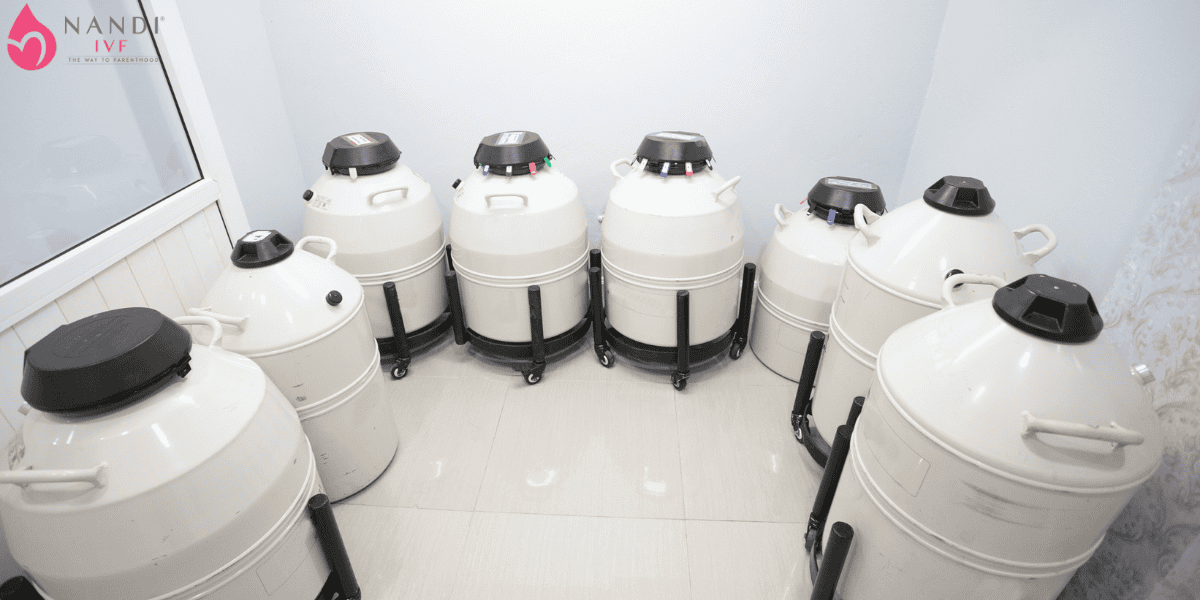
  • Storage: The vitrified embryos are stored in liquid nitrogen at temperatures around -196°C (-320.8°F). At this temperature, all biological activity stops, allowing the embryos to be preserved indefinitely without degradation.

5. Storage Duration and Maintenance

Embryos can be stored for many years without losing their viability. The duration of storage is often governed by local regulations and individual clinic policies. Regular maintenance checks are performed on the storage tanks to ensure the embryos remain in optimal conditions.

Thawing and Embryo Transfer

When the patient is ready to use the frozen embryos, the following steps are taken:

1. Thawing

Thawing is a delicate process that must be performed with precision to ensure the embryos survive. The embryos are gradually warmed to avoid thermal shock, and the cryoprotectants used during freezing are carefully removed. Approximately 90-95% of embryos typically survive the thawing process, although this can vary.

2. Preparation for Transfer

Before the embryo transfer, the patient’s uterine lining must be prepared to receive the embryo. This is done through hormonal treatments that may include estrogen and progesterone to mimic the natural menstrual cycle and create a receptive environment for implantation.

3. Embryo Transfer

Embryo transfer is a simple, non-invasive procedure performed in the clinic. The thawed embryo(s) are loaded into a thin catheter and gently placed into the uterus. This procedure is usually painless and does not require anesthesia.

4. Post-Transfer Care

After the transfer, the patient may be advised to rest for a short period before resuming normal activities. Hormonal support may continue to help maintain the uterine lining. A pregnancy test is typically conducted 10 to 14 days after the transfer to determine if the procedure was successful.

Success Rates of Embryo Cryopreservation

The success rates of embryo cryopreservation largely depend on several factors, including:

  • Age of the Woman: Younger women typically have higher success rates, as their eggs are generally of better quality.
  • Embryo Quality: The quality of the embryos at the time of freezing plays a significant role in the likelihood of successful implantation after thawing.
  • Cryopreservation Method: Vitrification has significantly improved success rates compared to older slow-freezing methods.
  • Uterine Health: The health and receptivity of the uterine lining are critical for successful implantation.

In general, frozen embryo transfer (FET) cycles have success rates comparable to, and sometimes even higher than, fresh embryo transfers. Advances in vitrification technology have contributed to these improved outcomes.

Advantages of Embryo Cryopreservation

Embryo cryopreservation offers several significant benefits, including:

  • Increased Chances of Pregnancy: Patients can attempt multiple embryo transfers from a single IVF cycle, increasing the chances of pregnancy without undergoing repeated ovarian stimulation and egg retrieval.
  • Flexibility: Embryo freezing provides flexibility in planning for pregnancy, allowing patients to delay transfer until the timing is right for them.
  • Preservation of Fertility: For individuals facing medical treatments that may impair fertility, cryopreservation offers a way to preserve the potential for future pregnancies.
  • Cost-Effectiveness: While the initial IVF cycle may be costly, freezing additional embryos can reduce the need for future IVF cycles, making it a more cost-effective option in the long term.
  • Option for Genetic Screening: Couples can opt for preimplantation genetic testing (PGT) before freezing embryos, ensuring that only healthy embryos are transferred in the future.

Potential Risks and Considerations

While embryo cryopreservation is generally safe, there are some risks and considerations to keep in mind:

  • Thawing Survival: Not all embryos survive the thawing process, although vitrification has greatly improved survival rates.
  • Emotional Impact: The process can be emotionally challenging, especially if multiple cycles are required.
  • Ethical Considerations: Some couples may face ethical dilemmas regarding the long-term storage of unused embryos.

Legal and Ethical Aspects of Embryo Cryopreservation

Embryo cryopreservation also involves legal and ethical considerations, which vary by country and region. Some key aspects include:

  • Consent: Patients must provide informed consent for the freezing and storage of embryos, including decisions about what should happen to unused embryos in various scenarios (e.g., divorce, death, etc.).
  • Storage Duration: Legal regulations may dictate the maximum duration for which embryos can be stored. Patients must be informed of these limits.
  • Disposition of Unused Embryos: Patients must decide what to do with unused embryos, whether to continue storage, donate them to another couple or for research, or have them discarded.

The Role of Nandi IVF in Embryo Cryopreservation

At Nandi IVF, we are committed to providing our patients with the highest standards of care in embryo cryopreservation. Our state-of-the-art laboratory, experienced embryologists, and personalized treatment plans ensure that each patient receives the best possible chance of success.

  • Advanced Technology: Nandi IVF uses the latest vitrification techniques to maximize embryo survival rates during freezing and thawing.
  • Personalized Care: We tailor our approach to meet each patient’s unique needs, ensuring that you are fully informed and supported throughout the process.
  • Comprehensive Support: From the initial consultation to post-transfer care, Nandi IVF offers comprehensive support at every stage of your fertility journey.

Conclusion

Embryo cryopreservation is a powerful tool in the realm of assisted reproductive technologies, offering hope and flexibility to those on the path to parenthood. Understanding the procedure, from ovarian stimulation to embryo transfer, is crucial for making informed decisions about your fertility treatment options.

At Nandi IVF, we are dedicated to guiding you through every step of the embryo cryopreservation process with compassion, expertise, and the latest technology.

Whether you are preserving embryos for future use or planning your next steps in your fertility journey, Nandi IVF is here to provide the support and care you need. Our experienced team of fertility specialists and embryologists is committed to helping you achieve your dream of parenthood with the highest standards of safety, ethics, and success.

Embryo cryopreservation offers unparalleled flexibility and options for individuals and couples facing various fertility challenges or simply looking to plan their family at their own pace. By preserving embryos, you’re not only giving yourself the chance to conceive in the future but also making the most of current advancements in reproductive medicine.

Why Choose Nandi IVF for Embryo Cryopreservation?

Choosing the right clinic for embryo cryopreservation is crucial to ensuring the best possible outcome. Here’s why Nandi IVF stands out:

  • Expertise and Experience: Our team of specialists brings years of experience in fertility treatment and embryo cryopreservation, ensuring that your embryos are handled with the utmost care and precision.
  • Cutting-Edge Technology: We utilize the latest vitrification techniques, which are proven to increase the survival rates of frozen embryos. Our laboratory is equipped with advanced technology to ensure optimal conditions for embryo storage and future use.
  • Patient-Centered Approach: At Nandi IVF, we understand that every fertility journey is unique. We take the time to listen to your concerns, answer your questions, and tailor our approach to meet your specific needs.
  • Ethical Practices: We adhere to the highest ethical standards, ensuring that you are fully informed and comfortable with every step of the process, from the initial decision to freeze embryos to future decisions regarding their use.

Final Thoughts

Embryo cryopreservation is more than just a technical procedure—it’s a pathway to preserving hope and potential for the future. Whether you’re considering freezing embryos as part of your current IVF cycle, preserving fertility before medical treatment, or simply planning for the future, understanding the process and choosing the right clinic are key to your success.

At Nandi IVF, we are honored to be part of your fertility journey. Our commitment to excellence, combined with our compassionate care, ensures that you have the best possible support as you navigate this important decision. If you’re considering embryo cryopreservation or have questions about the process, we encourage you to reach out to our team. We are here to help you every step of the way, from the initial consultation to the day you hold your baby in your arms.

Contact Nandi IVF Today If you’re ready to take the next step in your fertility journey or simply want to learn more about embryo cryopreservation, please contact us at Nandi IVF. Our team is ready to provide the guidance and care you need to make informed decisions about your reproductive future.

Your future starts here, and we at Nandi IVF are committed to helping you achieve your dreams of parenthood with the best possible care and support.

Understanding Transvaginal Ultrasound: What It Is and What to Expect

Transvaginal ultrasound is a diagnostic imaging technique that plays a critical role in evaluating reproductive health, particularly in fertility assessments and gynecological examinations. For many patients, the idea of undergoing a transvaginal ultrasound can be somewhat intimidating. At Nandi IVF, we aim to provide clear, comprehensive information to help you understand this procedure better and address any concerns you may have. In this detailed guide, we’ll explore what a transvaginal ultrasound is, how it’s performed, and what you can expect in terms of discomfort or pain.

1. What Is a Transvaginal Ultrasound?

A transvaginal ultrasound is a type of pelvic ultrasound used to obtain detailed images of the female reproductive organs. Unlike a traditional abdominal ultrasound, which involves placing a transducer on the abdomen, a transvaginal ultrasound involves inserting a specialized probe into the vagina to capture clearer and more detailed images.

Transvaginal Ultrasound

Purpose of the Procedure

The primary purposes of a transvaginal ultrasound include:

  • Evaluating Reproductive Health: Assessing the health of the uterus, ovaries, and fallopian tubes.
  • Fertility Assessment: Monitoring ovarian follicles and uterine lining during fertility treatments like IVF.
  • Diagnosing Conditions: Identifying conditions such as ovarian cysts, fibroids, endometriosis, and abnormalities in the uterus.
  • Monitoring Pregnancy: Confirming early pregnancy, assessing fetal development, and diagnosing potential complications.

How It Differs from an Abdominal Ultrasound

While both procedures use sound waves to create images, the key differences are:

  • Image Detail: Transvaginal ultrasounds provide more detailed images of the reproductive organs due to the proximity of the probe to the structures being examined.
  • Procedure Location: Transvaginal ultrasounds require the probe to be inserted into the vagina, whereas abdominal ultrasounds use an external transducer placed on the abdomen.

The Transvaginal Ultrasound Procedure

Preparation for the Procedure

Before the procedure, you may be given specific instructions:

  • Bladder Preparation: In some cases, you may be asked to have an empty bladder, but usually, the bladder is empty during a transvaginal ultrasound.
  • Clothing: Wear comfortable clothing that is easy to remove, as you will need to change into a gown.

The Procedure Itself

Here’s a step-by-step overview of what to expect:

  • Initial Setup: You will be asked to lie on an examination table, typically with your feet in stirrups or with your knees bent.
  • Probe Insertion: The sonographer will gently insert a lubricated transvaginal probe into the vagina. This probe is smaller and more slender than a tampon and is designed to be as comfortable as possible.
  • Image Acquisition: The probe emits sound waves that bounce off internal structures and create images on a monitor. The sonographer may move the probe slightly to capture different angles and views.
  • Duration: The entire procedure usually takes about 15-30 minutes.

After the Procedure

After the ultrasound is complete:

  • Probe Removal: The probe will be carefully removed.
  • Follow-Up: The images are reviewed by a radiologist or fertility specialist, and a report is typically generated. You may be given immediate feedback or asked to schedule a follow-up appointment.

Does a Transvaginal Ultrasound Hurt?

Common Sensations

While the idea of the procedure might sound uncomfortable, most patients report that a transvaginal ultrasound is relatively painless. You may experience:

  • Mild Discomfort: The insertion of the probe may cause slight discomfort, similar to a gynecological exam, but it is usually not painful.
  • Pressure Sensation: You might feel a sensation of pressure or fullness as the probe is moved around to capture images.

Managing Discomfort

If you are concerned about discomfort, here are a few tips:

  • Communicate with the Sonographer: Let the sonographer know if you are feeling any discomfort. They can adjust the technique or position to improve your comfort.
  • Relaxation Techniques: Deep breathing and relaxation can help ease any tension and make the procedure more comfortable.

When to Contact a Healthcare Provider

In rare cases, if you experience significant pain, bleeding, or any other concerning symptoms after the procedure, you should contact your healthcare provider. These symptoms could indicate an underlying issue that requires further evaluation.

4. Benefits of Transvaginal Ultrasound

Accurate Diagnosis

Transvaginal ultrasound offers several advantages:

  • Detailed Imaging: Provides high-resolution images of the reproductive organs, which is crucial for accurate diagnosis and treatment planning.
  • Early Detection: Enables early detection of conditions like ovarian cysts or uterine abnormalities, leading to timely intervention.

Support for Fertility Treatments

For those undergoing fertility treatments, transvaginal ultrasound is particularly valuable:

  • Monitoring Follicle Development: Helps in tracking the growth of ovarian follicles and optimizing timing for procedures like egg retrieval.
  • Assessing Uterine Health: Evaluates the uterine lining and overall uterine health, which is important for embryo implantation and pregnancy maintenance.

5. Transvaginal Ultrasound in the Context of IVF

Role in IVF Treatment

In IVF treatment, transvaginal ultrasound plays a critical role in:

  • Ovarian Stimulation Monitoring: Tracks the response to fertility medications and the growth of follicles.
  • Egg Retrieval Preparation: Assists in planning the timing of egg retrieval based on follicle development.

Integrating with Other Procedures

Transvaginal ultrasound is often used in conjunction with other diagnostic tests and procedures:

  • Pre-Treatment Assessment: Helps in assessing the baseline condition of the reproductive organs before starting IVF.
  • Guiding Interventions: Provides real-time imaging during procedures like follicle aspiration or embryo transfer.

6. Post-Procedure Care and Considerations

Post-Procedure Care

After your transvaginal ultrasound, you can typically resume normal activities immediately. However, you might consider:

  • Resting: Allow yourself some time to rest if you feel any residual discomfort.
  • Hydration: Drinking plenty of water can help flush out any residual contrast material if used.

When to Seek Medical Advice

If you experience any of the following after the procedure, seek medical advice:

  • Severe Pain: Persistent or severe abdominal pain.
  • Heavy Bleeding: Any unusual bleeding or discharge.
  • Other Concerns: Any other symptoms that concern you or seem unusual.

Conclusion

Transvaginal ultrasound is a valuable tool in reproductive medicine, offering detailed insights into reproductive health and aiding in the management of fertility treatments. While the idea of the procedure might be uncomfortable, most patients find it to be relatively painless and manageable. Understanding what to expect before, during, and after the procedure can help alleviate concerns and ensure a smoother experience.

At Nandi IVF, we are committed to providing you with the highest level of care and support throughout your fertility journey. If you have any questions or need further information about transvaginal ultrasound or any other aspect of your treatment, please reach out to our team. We are here to guide you every step of the way.

For personalized advice and to schedule a consultation, or contact us directly. We look forward to assisting you in achieving your fertility goals with confidence and care.

IVF Egg Retrieval: What to Expect Before, During, and After the Procedure

In vitro fertilization (IVF) is a transformative journey for many individuals and couples aspiring to conceive. One of the key steps in the IVF process is egg retrieval, also known as oocyte aspiration. This procedure is crucial for obtaining eggs that will be fertilized in the laboratory to create embryos. At Nandi IVF, we understand that undergoing IVF can be a significant experience, and we are dedicated to guiding you through each phase with clarity and support. In this detailed guide, we will walk you through what to expect before, during, and after IVF egg retrieval to help you prepare and make informed decisions.

1. Preparing for IVF Egg Retrieval

Initial Consultation and Pre-Treatment Assessment

Before starting the egg retrieval process, you’ll have an initial consultation with a fertility specialist. This meeting is vital for assessing your overall reproductive health and determining the best approach for your IVF cycle. During this consultation, you can expect:

  • Health Assessment: The doctor will review your medical history and perform a physical examination.
  • Fertility Tests: Blood tests to check hormone levels and an ultrasound to evaluate your ovaries and the number of follicles.
  • Discussion of Treatment Plan: Based on your results, the doctor will discuss the IVF protocol, including medications, monitoring, and the egg retrieval process.

Ovarian Stimulation

To prepare your ovaries for egg retrieval, you will undergo ovarian stimulation. This involves:

  • Medication Regimen: You’ll take hormone injections, typically starting with Follicle Stimulating Hormone (FSH) and Luteinizing Hormone (LH) to stimulate your ovaries to produce multiple eggs.
  • Monitoring: Throughout the stimulation phase, you’ll have regular appointments for blood tests and ultrasounds to monitor your response to the medication and the growth of the follicles.

Lifestyle Adjustments

During ovarian stimulation, it’s important to make certain lifestyle adjustments to support your treatment:

  • Healthy Diet: Eat a balanced diet rich in fruits, vegetables, and lean proteins to support overall health and fertility.
  • Avoid Alcohol and Smoking: Both can negatively impact egg quality and overall fertility.
  • Manage Stress: Engage in stress-reducing activities such as yoga, meditation, or light exercise.

Pre-Retrieval Instructions

As you approach the retrieval day, your fertility clinic will provide specific instructions:

  • Medication: You’ll receive guidance on administering a final trigger shot, usually Human Chorionic Gonadotropin (hCG), to induce ovulation and mature the eggs.
  • Fasting: You may be instructed to fast for a certain period before the procedure, especially if sedation is used.

2. During IVF Egg Retrieval

The Procedure

Egg retrieval is a minimally invasive procedure performed under sedation. Here’s what you can expect:

IVF Egg Retrieval

  • Preparation: Upon arrival at the clinic, you’ll be prepared for the procedure, including changing into a hospital gown and having an intravenous (IV) line inserted.
  • Sedation: You’ll receive light sedation to ensure you are comfortable and relaxed during the procedure.
  • Ultrasound Guidance: A vaginal ultrasound probe is used to visualize the ovaries. A thin, hollow needle is then inserted through the vaginal wall and guided into the ovarian follicles.
  • Egg Aspiration: The needle aspirates (sucks out) the eggs from the follicles. The procedure typically takes 20-30 minutes.

Pain and Discomfort

Most patients experience only mild discomfort during and after the procedure. Sedation helps minimize pain, and you may feel some cramping or bloating afterwards, which is usually manageable with over-the-counter pain relievers.

Recovery

After the procedure, you’ll be monitored for a short period as the sedation wears off. You may experience:

  • Mild Discomfort: Cramping and bloating are common but should subside within a few days.
  • Rest and Care: You’ll need to rest for the remainder of the day and can typically resume normal activities within a day or two.

After IVF Egg Retrieval

Image Suggestion: An illustration or photo of a patient resting at home, with a focus on comfort and recovery.

Post-Retrieval Care

Post-procedure care is essential to ensure a smooth recovery:

  • Follow-Up Appointment: You’ll have a follow-up visit with your fertility specialist to discuss the results of the egg retrieval and plan the next steps in your IVF cycle.
  • Monitoring for Complications: While rare, monitor for signs of complications such as severe abdominal pain, heavy bleeding, or fever, and contact your clinic if you experience any concerning symptoms.

Egg Processing

Once retrieved, the eggs are evaluated in the laboratory:

  • Assessment: The eggs are examined for maturity and quality.
  • Fertilization: The mature eggs are then fertilized with sperm in the lab, and the resulting embryos are cultured for several days.

Emotional Support

The egg retrieval process can be emotionally taxing. It’s important to seek support from:

  • Counselors or Therapists: Professional support can help manage any emotional stress or anxiety.
  • Support Groups: Joining fertility support groups can provide comfort and advice from others undergoing similar experiences.

Preparing for Embryo Transfer

After fertilization, if the embryos are of good quality, the next step is embryo transfer:

  • Embryo Transfer: This procedure is relatively straightforward and involves placing the embryos into the uterus. It is typically done a few days after egg retrieval.

4. Success Rates and What to Expect Next

Success Rates

The success of IVF depends on various factors, including the woman’s age, egg quality, and overall health. Success rates for IVF cycles generally include:

  • Egg Retrieval Success: Typically, 80-90% of eggs retrieved will be mature and suitable for fertilization.
  • Embryo Transfer Success: The success rate for a live birth from a single IVF cycle ranges from 30-40%, depending on age and other factors.

Next Steps

After the egg retrieval and subsequent fertilization, you’ll need to:

  • Embryo Development: Monitor the development of embryos for implantation.
  • Embryo Transfer: Prepare for the embryo transfer procedure, which will be scheduled based on embryo development and your treatment plan.

Long-Term Considerations

Consider the following for ongoing care and planning:

  • Additional Cycles: Some patients may need more than one IVF cycle to achieve a successful pregnancy.
  • Lifestyle and Health: Continue to focus on maintaining a healthy lifestyle to support fertility and overall well-being.

Conclusion

IVF egg retrieval is a pivotal step in the journey towards conception, and understanding what to expect can help alleviate concerns and prepare you for the process. At Nandi IVF, we are dedicated to providing comprehensive care and support throughout each phase of your IVF journey. From preparation and the retrieval procedure to recovery and next steps, we are here to guide you every step of the way.

If you have any questions or need more information about IVF egg retrieval or any other aspect of fertility treatment, please don’t hesitate to reach out to our team. We are here to support you and help you achieve your dream of parenthood.

For more personalized advice and to book a consultation, or contact us directly. We look forward to assisting you on your path to creating a family.

Understanding Egg Freezing in India: Process, Costs, and Success Rates

Egg freezing, or oocyte cryopreservation, has become a crucial option for women seeking to preserve their fertility for future use. This procedure allows women to delay childbearing by freezing their eggs at a younger age when they are at their most viable. In India, this option has gained popularity due to advancements in reproductive technology and changing social dynamics. At Nandi IVF, we are committed to providing detailed information to help you navigate this complex process. This blog will guide you through the step-by-step process of egg freezing in India, discuss the associated costs, and explore the success rates to give you a comprehensive understanding of what to expect.

1. Initial Consultation

The journey begins with an initial consultation with a fertility specialist. During this visit, the doctor will assess your overall health and fertility status. You will discuss your reasons for considering egg freezing and undergo a series of tests, including blood tests and an ultrasound, to evaluate your ovarian reserve and overall reproductive health.

IUI Treatment

The doctor will also explain the egg freezing process, including the risks and benefits. This consultation is crucial for setting expectations and ensuring that you are fully informed before proceeding with the treatment.

2. Pre-Treatment Evaluation

Before starting the egg freezing process, a thorough evaluation is essential. This includes:

  • Hormonal Tests: To assess your ovarian function and determine hormone levels.
  • Ultrasound Imaging: To evaluate the condition of your ovaries and the number of follicles (which contain the eggs) available.
  • Medical History Review: To identify any pre-existing conditions that might affect your fertility.

Infertility Treatment

3. Ovarian Stimulation

The next step is ovarian stimulation, where you will take hormonal medications to stimulate your ovaries to produce multiple eggs. This usually involves daily injections of fertility hormones, such as Follicle Stimulating Hormone (FSH) and Luteinizing Hormone (LH), for about 10-14 days.

During this period, you will undergo regular monitoring through blood tests and ultrasounds to track your response to the medications and the growth of your eggs.

4. Egg Retrieval

Once your eggs have matured, the next step is egg retrieval, or aspiration. This procedure is typically performed under light sedation to ensure comfort. A thin, hollow needle is inserted through the vaginal wall and into the ovaries, guided by ultrasound. The needle is used to aspirate the eggs from the ovarian follicles.

The procedure usually takes about 20-30 minutes, and you can often go home the same day. Some discomfort or cramping is normal, but it generally subsides quickly.

5. Egg Freezing

After retrieval, the eggs are carefully examined in the laboratory. Mature eggs are then processed and prepared for freezing. The standard method of egg freezing involves:

  • Vitrification: A rapid freezing technique that prevents the formation of ice crystals, which can damage the eggs. The eggs are first treated with a cryoprotectant solution and then frozen using liquid nitrogen at temperatures around -196°C (-320°F).

This process ensures that the eggs remain viable and intact until you are ready to use them in the future.

6. Storage

Once frozen, the eggs are stored in a cryogenic storage tank. These tanks maintain the eggs at extremely low temperatures to ensure their preservation. Eggs can be stored for many years, and advancements in technology have made long-term storage increasingly reliable.

7. Future Use

When you decide to use your frozen eggs, they will be thawed and fertilized with sperm through in vitro fertilization (IVF). The resulting embryos are then transferred to your uterus or a gestational carrier, depending on your individual circumstances.

Costs of Egg Freezing in India

The cost of egg freezing in India varies based on several factors, including the clinic’s location, the technology used, and the individual’s specific needs. Here is a general breakdown of the costs involved:

  • Initial Consultation and Evaluation: ₹5,000 – ₹15,000
  • Ovarian Stimulation Medications: ₹30,000 – ₹50,000
  • Egg Retrieval Procedure: ₹30,000 – ₹50,000
  • Egg Freezing and Storage: ₹30,000 – ₹40,000 per cycle, with annual storage fees of ₹5,000 – ₹10,000

The total cost for one cycle of egg freezing, including all associated procedures and initial storage, typically ranges between ₹1,00,000 and ₹1,50,000. Additional cycles and long-term storage will incur extra costs.

Success Rates

Success rates for egg freezing and subsequent IVF depend on several factors, including the woman’s age at the time of egg retrieval and the quality of the eggs. Generally, the younger the woman, the higher the success rates, as younger eggs tend to be healthier and more viable.

  • Egg Freezing Success Rates: Approximately 90-95% of eggs survive the freezing and thawing process. However, not all eggs will necessarily result in a successful pregnancy.
  • IVF Success Rates: Success rates for IVF using frozen eggs vary. On average, the success rate for a live birth per IVF cycle using frozen eggs is around 30-40%. This rate can be influenced by factors such as the woman’s age, overall health, and the quality of the embryos.

Conclusion

Egg freezing offers women a valuable opportunity to preserve their fertility and plan for future parenthood on their own terms. Understanding the process, costs, and success rates is essential for making an informed decision. At Nandi IVF, we are dedicated to supporting you through every step of this journey, ensuring that you receive the best possible care and information.

If you are considering egg freezing, we encourage you to schedule a consultation with our specialists to discuss your options and create a personalized plan that aligns with your goals and circumstances.

For more information or to book a consultation, or contact us directly. We are here to help you navigate your fertility journey with confidence and clarity.


By understanding each step of the egg freezing process and the factors that influence costs and success rates, you can make a well-informed decision about your reproductive future. Nandi IVF is committed to providing you with the highest level of care and expertise throughout this important process.

Bring A Baby Into Your Home With Nandi IVF