Exploring Fertility Tourism: Why Delhi-NCR Is Becoming a Hub

Exploring Fertility Tourism: Why Delhi-NCR Is Becoming a Hub

Exploring Fertility Tourism: Why Delhi-NCR Is Becoming a Hub

Delve into the world of fertility tourism where couples seeking reproductive treatments travel to different countries for assisted fertility procedures. Discover why Delhi-NCR, with its advanced medical infrastructure and skilled professionals, is increasingly becoming a sought-after destination for individuals embarking on their fertility journey.

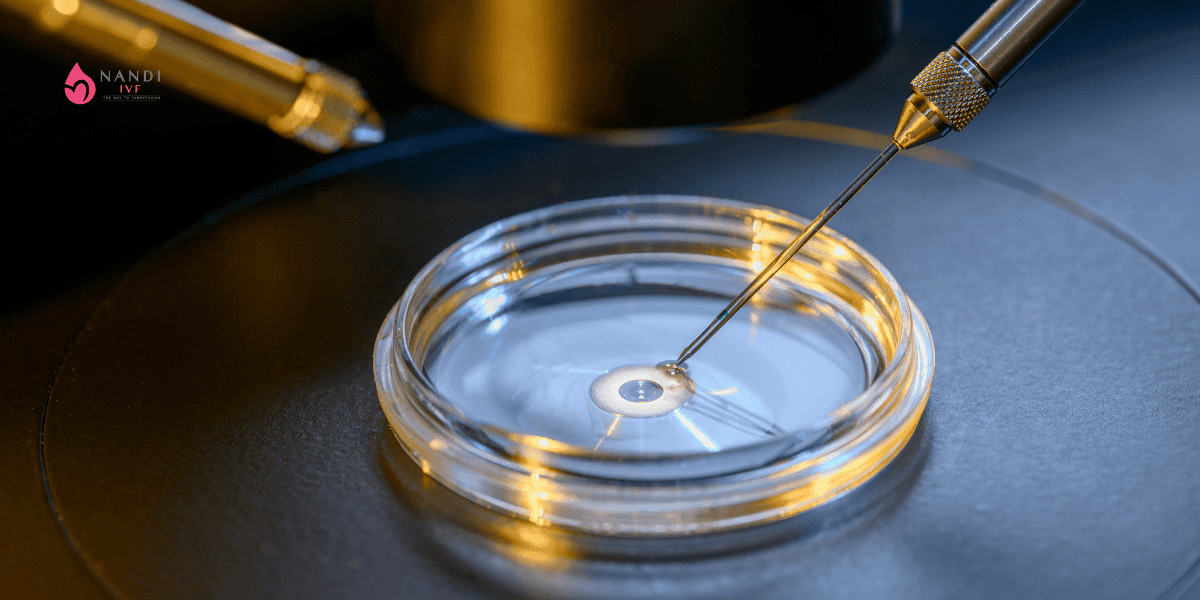
Photo Of Female Scientist Working On Laboratory

Understanding the Rise of Fertility Tourism

In recent years, the surge in fertility tourism can be attributed to varying factors such as the increasing acceptance of non-traditional family structures, delayed parenthood, and the global availability of fertility treatments. Couples facing challenges with conception often explore international options to fulfill their dream of having a child. Delhi-NCR’s emergence as a prominent center in this landscape can be linked to its state-of-the-art medical facilities, expertise in assisted reproduction techniques, and competitive pricing compared to Western countries.

Moreover, the rise in cross-border reproductive care has led to a greater exchange of knowledge and best practices among fertility clinics worldwide. This sharing of expertise contributes to the continuous enhancement of fertility treatment outcomes, benefiting individuals navigating the complex journey of assisted reproduction. Delhi-NCR’s role as a hub in this evolving domain highlights the region’s commitment to providing innovative solutions and comprehensive support to individuals seeking fertility treatments.

As technological advancements in fertility treatments continue to progress rapidly, more individuals are exploring international options for assisted reproduction. The convenience, affordability, and quality of care available in Delhi-NCR make it an attractive choice for individuals considering fertility tourism. By embracing a patient-centric approach and emphasizing personalized care, fertility centers in Delhi-NCR cater to the diverse needs of a growing global clientele, establishing the region as a leading destination for assisted reproduction.

The Appeal of Delhi-NCR as a Fertility Destination

Delhi-NCR’s allure as a fertility tourism hotspot stems from its blend of cultural vibrancy, cutting-edge medical technology, and a welcoming environment for international patients. The region’s diverse population, rich heritage, and culinary delights create a unique experience for individuals seeking fertility treatments. Additionally, the collaborative efforts of fertility specialists, embryologists, and support staff ensure that patients receive comprehensive care throughout their treatment journey.

The accessibility of a wide range of assisted reproduction treatments, from in vitro fertilization (IVF) to surrogacy arrangements, positions Delhi-NCR as a versatile fertility destination catering to various needs and preferences. Patients choosing Delhi-NCR for their fertility treatments benefit from a holistic approach that prioritizes both medical excellence and emotional well-being, creating a conducive environment for successful reproductive outcomes.

Furthermore, Delhi-NCR’s thriving medical tourism sector has honed its services to accommodate the specific requirements of international patients embarking on their fertility tourism journey. From multilingual support staff to tailored treatment packages, the region ensures a seamless experience for individuals traveling for fertility tourism, underscoring its commitment to excellence in assisted reproduction services.

Navigating the Legal and Ethical Landscape

Embarking on a fertility tourism expedition to Delhi-NCR necessitates a thorough understanding of the legal and ethical considerations surrounding assisted reproduction. International patients navigating the complex terrain of cross-border reproductive care must adhere to the legal frameworks and regulations governing fertility treatments in India to ensure a transparent and ethical journey.

Delhi-NCR’s regulatory landscape concerning assisted reproduction emphasizes the protection of patients’ rights, confidentiality, and the ethical practice of fertility treatments. Collaborating with reputable fertility centers that uphold strict ethical standards and comply with national and international guidelines is paramount for individuals engaging in fertility tourism. By promoting patient autonomy, informed decision-making, and ethical conduct, Delhi-NCR establishes itself as a responsible and reliable destination for individuals seeking reproductive solutions.

Impacts on Local Healthcare Infrastructure

The burgeoning influx of individuals opting for fertility tourism in Delhi-NCR has significantly impacted the region’s healthcare infrastructure by fostering innovation, enhancing medical capabilities, and stimulating economic growth. The demand for advanced fertility services has led to investments in cutting-edge technology, specialized training programs for healthcare professionals, and the establishment of world-class fertility clinics equipped to cater to a diverse clientele.

Moreover, the collaboration between local healthcare providers and international patients seeking fertility treatments has facilitated knowledge exchange, cultural interactions, and the diversification of medical practices in Delhi-NCR. This mutual exchange of expertise not only enriches the region’s healthcare landscape but also contributes to the globalization of assisted reproduction techniques, benefiting individuals worldwide on their fertility journey.

As Delhi-NCR continues to evolve as a hub for fertility tourism, the region’s healthcare infrastructure adapts to meet the evolving needs of a growing international patient base. By prioritizing patient-centered care, medical innovation, and ethical practices, Delhi-NCR cements its position as a progressive and inclusive destination for individuals seeking advanced and compassionate fertility treatments.

Insights Into Fertility Tourism

As the demand for fertility tourism continues to rise, IVF centre like Nandi IVF serving Delhi-NCR is poised to play a crucial role in offering comprehensive and quality fertility services to a global clientele. The blend of advanced medical facilities, experienced specialists, and cultural richness make NANDI IVF a significant hub for individuals pursuing alternative fertility options.

For more information about our IVF services , contact us here. At Nandi IVF, we are here to support you every step of the way, helping you turn your dreams of parenthood into reality.

How Important is the Role of an IVF Laboratory in IVF Treatment?

In the realm of assisted reproductive technology (ART), in vitro fertilization (IVF) stands out as a beacon of hope for many individuals and couples seeking to overcome infertility challenges. While the success of IVF is often attributed to the skill of the clinicians and the quality of the protocols used, a crucial yet sometimes underappreciated factor is the role of the IVF laboratory.

At Nandi IVF, we understand that the IVF laboratory is not just a facility; it is a cornerstone of the IVF treatment process, and its importance cannot be overstated. In this blog post, we will delve into the multifaceted role of the IVF laboratory, exploring its significance in the success of IVF treatment, the technology and expertise involved, and how Nandi IVF excels in this critical area.

The Crucial Role of the IVF Laboratory

1. Embryo Creation and Cultivation

The IVF laboratory is where the miracle of life begins. Here, eggs are fertilized with sperm in a controlled environment. This initial step is crucial because the quality of this fertilization directly impacts embryo development. The laboratory provides an environment that mimics the natural conditions of the human body, ensuring optimal conditions for fertilization and embryo growth.

Controlled Environment

IVF laboratories are equipped with state-of-the-art incubators that maintain precise temperature, humidity, and gas levels. These parameters are critical for the health of the developing embryos. Any deviation from optimal conditions can affect embryo viability and, consequently, the success rate of IVF.

At Nandi IVF, our laboratories use advanced incubator technology that includes continuous monitoring and control systems. This ensures that embryos are kept in an ideal environment throughout their development.

2. Embryo Assessment and Selection

Once fertilization occurs, embryos must be carefully monitored and assessed for quality. This involves evaluating their development at various stages to determine which embryos have the best potential for implantation and pregnancy.

Embryo Grading

Embryos are graded based on their appearance and development. This grading process helps embryologists select the most viable embryos for transfer. Factors such as cell number, symmetry, and fragmentation are considered in this evaluation.

Nandi IVF employs highly skilled embryologists who use both traditional grading methods and advanced technologies, such as time-lapse imaging, to monitor and assess embryos. This thorough assessment increases the likelihood of successful implantation and pregnancy.

3. Cryopreservation

Cryopreservation, or embryo freezing, is a crucial aspect of IVF treatment. It allows for the storage of surplus embryos for future use, providing patients with additional chances of pregnancy without undergoing a new IVF cycle.

Vitrification

Vitrification is a modern cryopreservation technique that involves rapidly freezing embryos to prevent ice crystal formation, which can damage cell structures. This technique has significantly improved the survival rates of frozen embryos.

At Nandi IVF, we use the latest vitrification technology to ensure that embryos remain viable and healthy after thawing. This advanced approach maximizes the chances of successful pregnancies from frozen embryos.

4. Genetic Testing

Genetic testing of embryos, such as preimplantation genetic testing (PGT), is increasingly becoming a part of the IVF process. This testing can identify genetic abnormalities and select embryos that are less likely to lead to miscarriage or genetic disorders.

PGT-A and PGT-M

Preimplantation Genetic Testing for Aneuploidies (PGT-A) screens embryos for chromosomal abnormalities, while Preimplantation Genetic Testing for Monogenic disorders (PGT-M) identifies specific genetic conditions. Both tests help in selecting the most genetically healthy embryos for transfer.

Nandi IVF integrates these advanced genetic testing techniques into our IVF protocols, providing patients with valuable information about embryo health and enhancing the likelihood of a successful pregnancy.

5. Expertise and Precision

The role of the IVF laboratory is not just about technology; it’s also about the expertise of the personnel. Embryologists and laboratory staff are highly trained professionals who must operate sophisticated equipment and make critical decisions about embryo care.

Training and Experience

Embryologists at Nandi IVF undergo rigorous training and continuous education to stay updated with the latest advancements in reproductive technology. Their expertise ensures that every step of the IVF process, from fertilization to embryo transfer, is conducted with the utmost precision and care.

The Nandi IVF Laboratory: Excellence in Action

At Nandi IVF, we pride ourselves on the excellence of our IVF laboratory. Here’s how we ensure the highest standards in every aspect of laboratory operations:

1. State-of-the-Art Facilities

Our laboratory is equipped with the latest technology and infrastructure to support optimal embryo development. This includes cutting-edge incubators, imaging systems, and cryopreservation units. We continuously invest in new technologies to enhance our capabilities and improve patient outcomes.

2. Stringent Quality Control

We adhere to rigorous quality control protocols to ensure that every aspect of the laboratory environment meets the highest standards. Regular maintenance, calibration, and validation of equipment are conducted to ensure accuracy and reliability.

3. Personalized Patient Care

At Nandi IVF, we understand that each patient’s journey is unique. Our team works closely with patients to tailor IVF protocols and laboratory procedures to their specific needs. We believe in providing personalized care that considers individual medical histories and preferences.

4. Research and Innovation

We are committed to advancing the field of reproductive medicine through research and innovation. Our laboratory is involved in ongoing research projects that explore new techniques and technologies to enhance IVF success rates. This commitment to research ensures that our patients benefit from the latest advancements in ART.

5. Patient Education and Support

We believe that patient education is an essential part of the IVF process. Our team provides comprehensive information about every step of the IVF journey, including laboratory procedures and what patients can expect. We are here to support our patients throughout their treatment, addressing any questions or concerns they may have.

Conclusion

The role of the IVF laboratory in the success of IVF treatment cannot be overstated. From creating and cultivating embryos to advanced genetic testing and cryopreservation, the laboratory plays a vital role in every stage of the IVF process. At Nandi IVF, we recognize the critical importance of our laboratory and are dedicated to maintaining the highest standards of care and technology. Our commitment to excellence ensures that our patients receive the best possible chance of achieving a successful pregnancy.

Choosing the right IVF clinic involves considering many factors, but the quality and expertise of the IVF laboratory should be at the top of your list. At Nandi IVF, we are proud of our state-of-the-art laboratory facilities and the exceptional care provided by our skilled team. We invite you to experience the difference that a dedicated and advanced IVF laboratory can make in your journey toward parenthood.

For more information about our IVF services and laboratory, contact us here. At Nandi IVF, we are here to support you every step of the way, helping you turn your dreams of parenthood into reality.

Why Natural IVF Could Be the Best Option for You?

In recent years, advancements in reproductive technology have provided many couples with various options to conceive. One such option that has gained increasing attention is Natural IVF. At Nandi IVF, we believe that Natural IVF could be the best choice for many individuals and couples navigating the complex journey of assisted reproduction. This post will explore the concept of Natural IVF, its benefits, and why it might be the ideal path for you.

What is Natural IVF?

Natural IVF (In Vitro Fertilization) is a modified form of traditional IVF that aims to achieve pregnancy using minimal or no medication to stimulate the ovaries. Unlike conventional IVF, which often involves hormone injections to produce multiple eggs, Natural IVF focuses on using the body’s natural cycle to retrieve a single egg or sometimes even multiple eggs if they are available in a given cycle.

The Basic Process of Natural IVF Includes:

  1. Monitoring: Tracking the natural menstrual cycle with ultrasound and hormone tests.
  2. Egg Retrieval: Harvesting the mature egg(s) from the ovary once they are ready.
  3. Fertilization: Combining the egg(s) with sperm in the laboratory.
  4. Embryo Transfer: Implanting the fertilized embryo(s) into the uterus.

The Rationale Behind Natural IVF

Natural IVF emerges from a growing understanding of the complexities of traditional IVF treatments and the desire to minimize the associated risks and complications. Here’s why Natural IVF could be a preferred option:

1. Reduced Hormonal Exposure

Traditional IVF often requires hormonal medications to stimulate the ovaries, which can lead to a range of side effects, including mood swings, headaches, and ovarian hyperstimulation syndrome (OHSS). Natural IVF eliminates or significantly reduces the need for these medications, which means fewer side effects and a more natural approach to conception.

2. Lower Risk of Ovarian Hyperstimulation Syndrome (OHSS)

OHSS is a potentially dangerous condition caused by an excessive response to ovarian stimulation drugs. By avoiding or minimizing the use of these medications, Natural IVF significantly reduces the risk of OHSS, making it a safer option for many women.

3. Simplified Procedure

Natural IVF is less invasive compared to traditional IVF. The process involves fewer interventions and can be less stressful for the body and the mind. This simplicity can also translate into lower overall costs since there are fewer medications and monitoring procedures involved.

4. Improved Egg Quality

There is evidence suggesting that fewer hormonal interventions might lead to better egg quality. Natural IVF focuses on retrieving eggs that are naturally mature, potentially leading to higher quality embryos. This can be crucial for couples where egg quality is a concern.

5. Personalized Treatment

Natural IVF allows for a more tailored approach to each individual’s natural reproductive cycle. By focusing on the body’s own rhythms and responses, the treatment can be more aligned with an individual’s specific needs, potentially leading to higher success rates in certain cases.

Is Natural IVF Right for You?

While Natural IVF offers numerous benefits, it’s important to understand whether it is the right choice for your specific situation. Here are some factors to consider:

1. Age and Ovarian Reserve

Natural IVF is often most effective for women who have a good ovarian reserve and are under 35 years of age. Women with diminished ovarian reserve may not produce enough eggs to make Natural IVF a viable option, making traditional IVF with stimulation protocols a more suitable choice.

2. Previous IVF Experience

For women who have undergone multiple cycles of traditional IVF without success or have experienced adverse reactions to fertility medications, Natural IVF may offer a less stressful alternative. However, it is important to consult with a fertility specialist to determine the best approach based on previous treatments and outcomes.

3. Health Considerations

Women with certain health conditions or those who are sensitive to hormone medications might benefit from Natural IVF. By avoiding these medications, Natural IVF can be a gentler option for those who need to minimize their exposure to drugs.

4. Financial Considerations

Natural IVF can sometimes be more cost-effective compared to traditional IVF due to the reduced need for medications and monitoring. However, it is crucial to evaluate all potential costs and consult with your clinic to understand the financial implications fully.

Success Rates and Outcomes

The success rates of Natural IVF can vary based on several factors, including the age of the woman, the quality of the eggs and sperm, and the overall health of the reproductive system. Studies indicate that while Natural IVF may have lower success rates compared to conventional IVF, the outcomes can be promising, especially for women with a good ovarian reserve and overall reproductive health.

Key Factors Influencing Success Rates Include:

  • Egg Quality: Higher quality eggs often lead to better fertilization rates and embryo development.
  • Embryo Transfer: The timing and quality of the embryo transfer play a crucial role in achieving pregnancy.
  • Reproductive Health: Overall uterine and reproductive health significantly impacts the success of Natural IVF.

Preparing for Natural IVF

Preparing for Natural IVF involves several steps to ensure the best possible outcome:

  1. Consultation with a Fertility Specialist: A thorough evaluation of your reproductive health, including hormonal assessments and ultrasound imaging, will help determine if Natural IVF is suitable for you.
  2. Lifestyle Adjustments: Maintaining a healthy lifestyle, including a balanced diet, regular exercise, and avoiding harmful substances, can improve overall fertility and enhance the chances of success.
  3. Monitoring and Testing: Regular monitoring of your menstrual cycle and ovarian function is crucial. This may involve blood tests and ultrasounds to track follicle development and ensure the timing of egg retrieval.
  4. Emotional Preparation: The process of IVF, whether natural or conventional, can be emotionally taxing. Support from loved ones, counseling, and stress management techniques can help you navigate the journey with greater resilience.

The Future of Natural IVF

As reproductive technology continues to evolve, Natural IVF represents a promising direction towards more personalized and less invasive fertility treatments. Ongoing research and advancements in techniques are likely to further enhance the effectiveness and accessibility of Natural IVF.

Potential Future Developments Include:

  • Improved Monitoring Technologies: Enhanced imaging and monitoring tools could provide more precise information about egg development and optimize the timing of retrieval.
  • Genetic Screening: Advances in genetic screening may help identify the most viable embryos and increase the success rates of Natural IVF.
  • Personalized Medicine: Customized treatment plans based on individual genetic and hormonal profiles could further improve outcomes and reduce the need for interventions.

Conclusion

Natural IVF offers a compelling alternative to traditional fertility treatments, with numerous benefits including reduced hormonal exposure, lower risk of OHSS, and a more personalized approach. While it may not be the right choice for everyone, it represents an innovative and patient-centered option for many individuals and couples struggling with infertility.

At Nandi IVF, we are dedicated to helping you explore all available options and choose the best path for your unique needs. Our team of experienced fertility specialists is committed to providing personalized care and support throughout your journey. If you are considering Natural IVF, we encourage you to schedule a consultation with us to discuss your options and develop a tailored plan that aligns with your goals and circumstances.

Remember, the journey to parenthood is unique for everyone, and finding the right path is crucial for achieving the best possible outcome. Natural IVF might just be the ideal solution for you, offering a more natural, less invasive approach to conception with the potential for successful results.

Contact Nandi IVF today to learn more about Natural IVF and how we can support you in your fertility journey. Your dream of building a family is within reach, and we are here to help you every step of the way.

The Future of Fertility: Innovations in IVF Technology

Embarking on the journey of assisted reproductive technology, the field of IVF technology continues to evolve with groundbreaking innovations. From the earliest successful IVF procedure in 1978 to today’s cutting-edge advancements, this blog explores the future horizons of fertility treatments and the ethical considerations they entail.

ivf technology.

Understanding the Evolution of IVF Technology

Over the decades, IVF technology has witnessed significant enhancements, from the refinement of ovarian stimulation protocols to the rise of preimplantation genetic testing. These innovations have not only improved success rates but have also expanded the scope of reproductive options available to individuals and couples.

The introduction of techniques like intracytoplasmic sperm injection (ICSI) and blastocyst culture has revolutionized the treatment of male infertility and improved embryo selection criteria, leading to higher implantation rates. Moreover, the emergence of time-lapse embryo imaging and mitochondrial DNA assessment has added a new dimension to embryo selection and viability assessment, enhancing the chances of successful implantation.

In parallel, advancements in cryopreservation techniques have extended the window of fertility preservation, offering hope to individuals facing medical treatments that may compromise their reproductive health. The evolution of IVF technology continues to push boundaries, with innovations like artificial intelligence-based embryo selection algorithms and mitochondrial replacement therapy on the horizon.

Enhancing Success Rates Through Advanced Techniques

One of the key focuses of ongoing research in IVF technology is to improve success rates and minimize the risk of multiple pregnancies. Innovations such as time-lapse embryo monitoring systems provide real-time insights into embryo development without disrupting the stable culture environment, leading to more informed embryo selection decisions.

Moreover, the use of artificial intelligence algorithms to analyze embryo morphology and predict implantation potential has shown promising results in optimizing embryo selection algorithms. By leveraging machine learning and big data analytics, IVF laboratories can enhance success rates while reducing the likelihood of multiple gestations.

Another frontier in IVF technology is the refinement of endometrial receptivity assessments to personalize the timing of embryo transfer for improved implantation outcomes. Techniques like endometrial microbiome analysis and the application of uterine natural killer (uNK) cell profiling aim to tailor the embryo transfer window to individual patient characteristics, enhancing the chances of successful implantation.

As research continues to unravel the complexities of embryo-endometrial interactions and genetic predispositions to implantation failure, the future of IVF technology holds the promise of personalized, precision medicine approaches that maximize success rates while prioritizing patient safety and well-being.

Ethical Considerations in the Modern IVF Landscape

With the advancement of IVF technology come profound ethical considerations that shape the practice and regulation of assisted reproductive treatments. Questions surrounding embryo selection, genetic manipulation, and the commodification of human gametes raise critical ethical dilemmas that necessitate ongoing dialogue and consensus building within the medical and ethical communities.

The concept of ‘designer babies’ and the potential misuse of genetic screening tools pose challenges to the ethical framework of IVF technology, highlighting the need for comprehensive guidelines that balance scientific progress with respect for human dignity and autonomy. The ethical landscape of IVF is further complicated by issues of access, equity, and the socio-cultural implications of reproductive technologies on individuals and societies.

As researchers grapple with the frontiers of reproductive genetics and assisted reproductive interventions, the need for ethical reflection and responsible innovation remains paramount. The future of IVF technology must navigate the intricate terrain of patient rights, societal values, and global regulatory frameworks to ensure that advancements in fertility treatments uphold the principles of beneficence, justice, and respect for all individuals involved.

Shaping Tomorrow’s Fertility Landscape

In a world where fertility challenges affect many, the innovative strides in IVF technology offer hope and possibilities to those dreaming of parenthood. As science and ethics intersect in this delicate realm, the progress and ethical deliberations in IVF technology promise to shape the future of reproductive healthcare for generations to come.

Lifestyle Changes and Medical Strategies to Prevent Recurrent Miscarriages

Embarking on the journey towards parenthood can be a joyous but challenging path, especially for those who have experienced the heartbreak of recurrent miscarriages. Understanding the causes and implementing lifestyle adjustments and medical interventions can significantly increase the chances of a successful pregnancy. Let’s delve into the realm of preventing recurrent miscarriages through lifestyle modifications and medical strategies.

Medical Strategies to Prevent Recurrent Miscarriages

Understanding Recurrent Miscarriages

Recurrent miscarriages, defined as the loss of two or more consecutive pregnancies, can be a devastating experience for individuals longing to start or expand their families. The emotional toll of recurrent miscarriages can be profound, leading to feelings of grief, anxiety, and uncertainty about future pregnancy outcomes. Various factors, including genetic abnormalities, hormonal imbalances, uterine issues, autoimmune disorders, and lifestyle choices, can contribute to recurrent pregnancy loss.

Seeking professional medical evaluation after experiencing recurrent miscarriages is crucial to identify any underlying issues that may be impacting successful pregnancies. Diagnostic tests such as genetic screening, hormonal assessments, uterine evaluations, and autoimmune testing can provide valuable insights into the potential causes of recurrent miscarriages, guiding personalized treatment plans.

Navigating the emotional challenges of recurrent miscarriages is an essential aspect of coping with the rollercoaster of hope and loss. Counseling, support groups, and open communication with healthcare providers can offer emotional support and guidance throughout the journey of addressing recurrent pregnancy loss and pursuing future conception goals.

As medical understanding and technology continue to advance, individuals experiencing recurrent miscarriages can benefit from a multidisciplinary approach that combines the expertise of obstetricians, genetic counselors, reproductive endocrinologists, and other specialists to optimize pregnancy outcomes and provide comprehensive care tailored to individual needs.

Lifestyle Modifications for Preventing Recurrent Miscarriages

In addition to medical interventions, lifestyle modifications play a vital role in reducing the risk of recurrent miscarriages and promoting overall reproductive health. Maintaining a healthy weight through balanced nutrition and regular exercise can positively impact fertility and pregnancy outcomes. Avoiding harmful substances such as tobacco, excessive alcohol, and illicit drugs is essential for optimizing reproductive health.

Managing stress through mindfulness practices, relaxation techniques, and adequate sleep is also crucial for supporting reproductive wellness. Chronic stress can negatively affect hormone levels and overall fertility, emphasizing the importance of emotional well-being in the journey towards achieving a successful pregnancy after recurrent miscarriages.

Creating a supportive environment that prioritizes emotional connection, open communication, and shared decision-making with partners can strengthen the resilience of individuals and couples facing the challenges of recurrent pregnancy loss. Building a strong support network of family, friends, and healthcare providers can provide a sense of community and understanding during this vulnerable time.

Medical Interventions and Treatments

For individuals seeking medical interventions to address recurrent miscarriages, a variety of treatment options are available to target underlying causes and optimize reproductive outcomes. Depending on the identified factors contributing to recurrent pregnancy loss, interventions may include hormonal therapies, surgical procedures to correct anatomical abnormalities, and assisted reproductive technologies such as in vitro fertilization (IVF).

Genetic testing of parents and embryos, preimplantation genetic screening, and targeted therapies for specific genetic conditions can offer valuable insights and personalized treatment approaches for couples experiencing recurrent miscarriages due to genetic factors. Collaborating with a reproductive specialist can help individuals navigate the complex landscape of fertility treatments and make informed decisions about their care.

In cases where immune disorders or clotting conditions are identified as contributing factors to recurrent miscarriages, medical interventions such as immunosuppressive therapies or anticoagulant medications may be recommended to support successful implantation and pregnancy. Close monitoring and individualized treatment plans are essential to address these complex conditions and optimize pregnancy outcomes.

By combining lifestyle modifications, emotional support, and targeted medical interventions, individuals can proactively address the challenges of recurrent miscarriages and take empowered steps towards achieving a healthy pregnancy. Working closely with a dedicated healthcare team and adopting a holistic approach to reproductive care can offer hope, resilience, and the potential for a successful pregnancy journey.

Empowering Steps Towards a Healthy Pregnancy

In the pursuit of preventing recurrent miscarriages, embracing lifestyle changes and considering medical strategies can offer hope and a sense of empowerment to those navigating the intricate landscape of pregnancy. By taking proactive steps and seeking the right guidance, individuals can enhance their reproductive health and work towards realizing their dream of a healthy pregnancy and the birth of a precious child.

When Should You Consider Getting a Fertility Hormones Test?

The journey to parenthood can be both thrilling and challenging. For many couples, the path to conceiving is straightforward, but for others, it can be fraught with difficulties. If you and your partner are struggling to conceive, it might be time to consider a fertility hormones test. At Nandi IVF, we understand that navigating the complexities of fertility can be overwhelming, which is why we’re here to guide you through the crucial decision of when and why to get a fertility hormones test. This comprehensive guide will help you understand the importance of fertility hormone testing, when to consider it, and what to expect from the process.

Fertility Preservation

Understanding Fertility Hormones

Fertility hormones play a critical role in regulating reproductive functions in both men and women. These hormones influence everything from the menstrual cycle and ovulation to sperm production and overall reproductive health. In essence, they are the key players in determining your fertility status.

Key Fertility Hormones

  1. Estrogen: In women, estrogen helps regulate the menstrual cycle and supports the development of the egg follicles in the ovaries. In men, it helps regulate sperm production and overall sexual health.
  2. Progesterone: This hormone is crucial for preparing the uterus for a potential pregnancy and maintaining a healthy pregnancy if conception occurs.
  3. Follicle-Stimulating Hormone (FSH): FSH is essential for the development of egg follicles in women and sperm production in men.
  4. Luteinizing Hormone (LH): In women, LH triggers ovulation and helps regulate the menstrual cycle. In men, it stimulates testosterone production and sperm development.
  5. Testosterone: In men, testosterone is crucial for sperm production, libido, and overall reproductive health. In women, it is present in lower levels and contributes to sexual function and libido.
  6. Anti-Müllerian Hormone (AMH): AMH is a marker of ovarian reserve and helps assess the number of available eggs in a woman’s ovaries.

Why Fertility Hormone Testing is Important

Fertility hormone testing provides valuable insights into the hormonal balance essential for reproductive health. Abnormal hormone levels can indicate underlying issues that might be affecting fertility. By identifying these issues, you and your healthcare provider can develop a targeted treatment plan to address them.

Key Reasons to Consider Fertility Hormone Testing Include:

  1. Difficulty Conceiving: If you have been trying to conceive for a year or more without success (or six months if you are over 35), hormone testing can help identify any hormonal imbalances that might be contributing to infertility.
  2. Irregular Menstrual Cycles: Women with irregular or absent menstrual cycles may have hormonal imbalances that affect ovulation. Testing can help diagnose conditions like polycystic ovary syndrome (PCOS) or thyroid disorders.
  3. Recurrent Miscarriages: Multiple miscarriages could indicate hormonal imbalances affecting the ability to sustain a pregnancy. Testing can help identify issues like progesterone deficiency.
  4. Age-Related Concerns: Women over the age of 35 may experience a decline in ovarian reserve and egg quality. Hormone testing, including AMH levels, can provide insights into reproductive aging and help guide treatment options.
  5. Menstrual Symptoms: Symptoms such as excessive bleeding, severe cramping, or premenstrual syndrome (PMS) can sometimes be linked to hormonal imbalances. Testing can help diagnose and manage these conditions.
  6. Infertility in Men: Hormonal imbalances in men, such as low testosterone levels, can affect sperm production and overall fertility. Testing can help identify underlying issues and guide appropriate treatments.

When Should You Consider Getting a Fertility Hormones Test?

Deciding when to get a fertility hormones test depends on various factors, including your age, reproductive history, and current symptoms. Here’s a detailed look at when you should consider getting tested:

1. After a Year of Unsuccessful Trying

If you and your partner have been trying to conceive for over a year without success, it’s a good time to consider fertility hormone testing. For women over 35, it is advisable to seek testing after six months of trying due to age-related fertility declines.

2. If You Have Irregular or Absent Periods

Irregular or absent menstrual cycles can indicate hormonal imbalances or underlying conditions that affect fertility. If you experience these symptoms, hormone testing can help diagnose conditions such as PCOS, thyroid disorders, or hypothalamic amenorrhea.

3. If You Experience Symptoms of Hormonal Imbalance

Symptoms such as severe PMS, chronic fatigue, unexplained weight gain, or excessive hair growth can be signs of hormonal imbalances. If you have these symptoms, a fertility hormones test can help pinpoint the cause and guide treatment.

4. If You Have a History of Miscarriages

Women who have experienced multiple miscarriages may benefit from fertility hormone testing to identify any hormonal issues that could be affecting their ability to maintain a pregnancy. Low progesterone levels or other hormonal imbalances could be contributing factors.

5. If You’re Over 35

Reproductive health declines with age, and hormonal testing can help assess ovarian reserve and overall fertility status in women over 35. AMH testing can provide insights into the quantity of eggs remaining and help plan appropriate fertility treatments.

6. If You Have Concerns About Your Partner’s Fertility

Hormonal imbalances can also affect male fertility. If you have concerns about your partner’s sperm quality or libido, hormone testing can help identify issues like low testosterone levels or other factors impacting fertility.

What to Expect from a Fertility Hormones Test

Fertility hormone testing involves measuring various hormone levels through blood tests. Here’s what you can expect from the process:

1. Initial Consultation

Before undergoing hormone testing, you’ll have an initial consultation with a fertility specialist. During this consultation, your medical history, symptoms, and fertility goals will be discussed to determine which tests are appropriate for you.

2. Blood Tests

The primary method of testing hormone levels is through blood tests. These tests are usually performed at specific times during your menstrual cycle to accurately assess hormone levels. For example:

  • FSH and LH: Typically measured on day 3 of the menstrual cycle to assess ovarian function and pituitary gland health.
  • Estrogen and Progesterone: Measured during the luteal phase of the menstrual cycle to evaluate ovulation and uterine lining.
  • AMH: Can be measured at any time during the cycle to assess ovarian reserve.

3. Results and Interpretation

Once the blood tests are completed, your results will be analyzed and interpreted by your fertility specialist. They will discuss the findings with you, explain any abnormalities, and suggest appropriate next steps based on the results.

4. Treatment Options

Based on your hormone levels and overall fertility assessment, your specialist will recommend treatment options. These may include lifestyle changes, medications to regulate hormone levels, or advanced fertility treatments such as IVF or IUI.

How to Prepare for a Fertility Hormones Test

Proper preparation can ensure accurate results from your fertility hormone tests. Here are some tips to help you prepare:

  1. Follow Your Doctor’s Instructions: Your fertility specialist will provide specific instructions on when to schedule your tests and any preparations needed.
  2. Track Your Menstrual Cycle: Keep a record of your menstrual cycle, including the length and any irregularities, to provide your doctor with valuable information.
  3. Avoid Certain Medications: Some medications and supplements can affect hormone levels. Inform your doctor about any medications you are taking and follow their advice on whether to pause them before testing.
  4. Stay Hydrated and Rested: Ensure you are well-hydrated and well-rested before your blood tests to help ensure accurate results.
  5. Discuss Lifestyle Factors: Be prepared to discuss your lifestyle factors, including diet, exercise, and stress levels, as these can impact hormone levels and overall fertility.

Conclusion

Fertility hormone testing is a crucial step in identifying potential hormonal imbalances that may be affecting your ability to conceive. Understanding when to get tested and what to expect can help you make informed decisions about your fertility journey. At Nandi IVF, we are committed to providing personalized care and support to help you navigate the complexities of fertility and achieve your dream of parenthood.

If you have been experiencing difficulties conceiving, irregular menstrual cycles, recurrent miscarriages, or have concerns about your reproductive health, consider scheduling a fertility hormones test with our experienced team. We are here to guide you through the process, provide expert analysis of your results, and develop a tailored treatment plan to address your unique needs.

Contact Nandi IVF today to learn more about fertility hormone testing and how we can support you on your path to parenthood. Your journey to a healthy and fulfilling pregnancy starts with understanding your fertility health, and we are here to help every step of the way.

Assisted Hatching: A Comprehensive Guide

Understanding Assisted Hatching

Assisted hatching is a technique used during in vitro fertilization (IVF) to help embryos hatch out of their protective outer layer. This process involves making a small hole in the outer layer of the embryo, which can aid in embryo implantation in the uterus. Not all IVF procedures include assisted hatching, as its necessity varies based on each individual’s situation. Researchers continue to study the effectiveness of assisted hatching, and its impact on IVF success rates is still debated within the medical community.

assisted hatching

Who can benefit from assisted hatching?

Individuals who have been unsuccessful with previous in vitro fertilization (IVF) cycles may benefit from assisted hatching. It can also be helpful for those with a history of failed embryo transfers or for women with advanced maternal age. People with thick egg shells or poor embryo quality might find assisted hatching to be a suitable option as well.

How assisted hatching works

Assisted hatching helps embryos to hatch by thinning the outer layer. The procedure is often used for older women or those with previous unsuccessful IVF attempts. Here is how it works:

  1. Embryo Selection: Before the procedure, the embryologist selects the most viable embryo.
  2. Microtool: A microtool is used to create a small opening in the embryo’s outer shell.
  3. Encouraging Implantation: This process aims to make it easier for the embryo to implant in the uterus lining.

Risks and considerations

Assisted hatching is generally considered safe, but like any medical procedure, it does carry some risks. The main risk is the possibility of the embryo being damaged during the process. Additionally, there is a small chance of multiple pregnancies occurring from the procedure. It is essential to discuss all potential risks with your fertility specialist before proceeding with assisted hatching.

Preparing for an assisted hatching procedure

Assisted hatching is a procedure that helps embryos implant in the uterine wall. It involves making a small hole in the embryo’s outer layer to help it attach better.

Before the procedure, your fertility specialist will discuss the process with you in detail and answer any questions you may have.

During the procedure, you will be given anesthesia to ensure you are comfortable. Remember to follow your doctor’s instructions carefully to prepare for the assisted hatching procedure.

The assisted hatching process step by step

Assisted hatching is a technique used during IVF to help the embryo hatch out of its shell. Here’s a general idea of how the process works:

  1. The embryo is carefully placed under a microscope.
  2. A small hole is made in the outer layer of the embryo, known as the zona pellucida.
  3. This hole helps the embryo break free and implant in the uterus.

Remember, this is a simplified overview, and the actual process may involve more detailed steps depending on the clinic and the specific situation.

Types of assisted hatching techniques

Assisted hatching techniques include the following types:

  1. Chemical: Using acidic solutions to weaken the outer layer of the embryo.
  2. Mechanical: This involves making a small hole in the zona pellucida using micromanipulation tools.

Success rates and what to expect

Success rates of assisted hatching vary depending on factors like the woman’s age and the clinic’s expertise. On average, the success rate ranges from 20% to 40% per IVF cycle. It’s crucial to discuss with your fertility specialist about the tailored success probabilities based on your specific situation. After the procedure, you may experience some mild cramping, but it is typically well-tolerated. Rest and avoid strenuous activities for a day. Follow your doctor’s recommendations closely to optimize your chances of a successful outcome.

Aftercare and recovery tips

After undergoing assisted hatching, it’s crucial to rest and allow your body to heal. Here are some tips to help you recover smoothly:

  • Follow your doctor’s instructions carefully for post-procedure care.
  • Take prescribed medications on time to manage any discomfort or prevent infection.
  • Avoid strenuous activities and heavy lifting for a few days to give your body time to recuperate.
  • Stay hydrated and eat nourishing foods to aid in the healing process.
  • Monitor for any unusual symptoms or signs of complications and inform your doctor promptly.
  • Attend all follow-up appointments to ensure that your recovery is progressing as expected.

Conclusion: Is assisted hatching right for you?

Assisted hatching can increase the chances of success for some couples undergoing in vitro fertilization. If you have struggled with fertility issues, discussing assisted hatching with your fertility specialist may be worth considering. It is essential to have a detailed conversation with your doctor to determine if this technique aligns with your specific situation and goals. Remember, assisted hatching is not a guaranteed solution, but it could potentially improve the likelihood of a successful pregnancy for some individuals. Ultimately, the decision to pursue assisted hatching should be based on your unique circumstances and medical advice from your healthcare provider.

Understanding the Decline in Women’s Egg Count

In the intricate web of female fertility, age stands out as a crucial factor that can significantly impact a woman’s ability to conceive. Understanding how a woman’s age influences her fertility is key to making informed decisions when planning for a family. Women are born with a finite number of eggs, and as they age, both the quantity and quality of these eggs decline. This decline becomes more pronounced as a woman reaches her 30s and accelerates further after the age of 35.

As women approach their late 30s and early 40s, the chances of conceiving naturally decrease, while the likelihood of experiencing pregnancy complications such as miscarriages and chromosomal abnormalities in embryos increases. Despite these challenges, advancements in reproductive medicine offer options such as egg freezing and in vitro fertilization (IVF) to help women preserve their fertility and realize their dreams of motherhood later in life.

It’s essential for women to be aware of their reproductive timeline and consult with healthcare providers to explore fertility preservation options if needed. By empowering women with knowledge about their fertility potential at different stages of life, we can support them in making proactive choices that align with their goals and aspirations.

Female Fertility Across Different Ages

Understanding Female Fertility Across Different Ages

Female Fertility Chart by Age

Age Range: 20-24 years

  • Fertility Status: High
  • Chances of Conception per Menstrual Cycle: Around 25%
  • Ovarian Reserve: Generally good, with a higher number of healthy eggs available for fertilization.
  • Typical Advice: Women in this age range typically have the highest fertility rates and may not need medical assistance to conceive.

Age Range: 25-29 years

  • Fertility Status: Still High
  • Chances of Conception per Menstrual Cycle: Around 20-25%
  • Ovarian Reserve: Begin to see a slight decline compared to earlier years, but still generally good.
  • Typical Advice: Many women in this age range can conceive naturally, but it’s a good time to start family planning if desired.

Age Range: 30-34 years

  • Fertility Status: Moderate
  • Chances of Conception per Menstrual Cycle: Around 15-20%
  • Ovarian Reserve: Begins to decline more noticeably, especially after age 35.
  • Typical Advice: Women may take slightly longer to conceive compared to younger years. It’s a good time to consider fertility assessments if planning pregnancy.

Age Range: 35-39 years

  • Fertility Status: Lower
  • Chances of Conception per Menstrual Cycle: Around 10-15%
  • Ovarian Reserve: Significant decline in egg quantity and quality.
  • Typical Advice: Fertility declines more rapidly after 35. It’s recommended to seek fertility testing and advice from a healthcare provider if pregnancy is desired.

Age Range: 40-44 years

  • Fertility Status: Low
  • Chances of Conception per Menstrual Cycle: Around 5%
  • Ovarian Reserve: Very limited number of eggs remaining, and those remaining may have lower quality.
  • Typical Advice: Conceiving naturally becomes increasingly difficult. Many women in this age range may require fertility treatments such as IVF to achieve pregnancy.

Age Range: 45+ years

  • Fertility Status: Very Low
  • Chances of Conception per Menstrual Cycle: Less than 1%
  • Ovarian Reserve: Extremely limited, with minimal chances of natural conception.
  • Typical Advice: Natural conception is highly unlikely. Options such as egg donation or adoption may be considered for those desiring parenthood.

Additional Considerations:

  • Individual Variability: It’s important to note that these are general trends and individual fertility can vary significantly.
  • Medical Advice: For personalized fertility assessments and advice, consulting with a reproductive endocrinologist or fertility specialist is recommended, especially if there are concerns about fertility.

Understanding these age-related fertility trends can help individuals make informed decisions about family planning and reproductive health at different stages of life.

Exploring the Peak Fertility Period in Women

When it comes to female fertility, age plays a crucial role in determining the peak fertility period in a woman’s life. Women are most fertile in their 20s, with the early to mid-20s considered the optimal time for conceiving with the highest chances of successful pregnancies. During this period, women tend to have the best quality and quantity of eggs, making it easier to achieve pregnancy.

As women progress into their 30s, especially after the age of 35, fertility starts to decline gradually. The decrease in fertility is primarily attributed to the natural aging process of the ovaries and the diminishing ovarian reserve. While fertility declines with age, it’s important to remember that every woman is unique, and individual factors can also influence fertility outcomes.

Understanding the peak fertility window and the age-related changes in a woman’s reproductive system can help individuals make informed choices about family planning and fertility treatment options. By recognizing the significance of timing in relation to fertility, women can take proactive steps to optimize their chances of conceiving when they are most fertile.

Factors Influencing Decline in Women’s Fertility with Age

The decline in women’s fertility with age is influenced by a myriad of factors that impact the reproductive capacity of the female body. One of the primary factors contributing to age-related fertility decline is the gradual decrease in the number of ovarian follicles and the quality of eggs as women get older. This natural process of ovarian aging affects the likelihood of conception and increases the risk of pregnancy complications.

Other factors such as hormonal changes, lifestyle choices, underlying medical conditions, and genetic factors can also contribute to variations in fertility rates among women of the same age group. By addressing modifiable risk factors, maintaining a healthy lifestyle, and seeking timely medical advice, women can optimize their fertility potential and enhance their reproductive health at every stage of life.

Educating women about the multifaceted influences on fertility as they age is essential in promoting proactive fertility preservation strategies and personalized reproductive care. By empowering women with knowledge about the complex interplay of biological, environmental, and lifestyle factors affecting fertility, healthcare providers can support women in making well-informed decisions about family planning and fertility treatments.

Implications for Fertility and Family Planning

Understanding the decline in women’s egg count is crucial for making informed decisions about fertility and family planning. As ovarian reserve decreases, the likelihood of conceiving naturally decreases, and the risk of pregnancy complications may increase. This knowledge often prompts women to consider options like egg freezing or fertility treatments at younger ages, to preserve their reproductive options.

Coping with Diminished Ovarian Reserve

For women facing diminished ovarian reserve, there are several paths forward:

  1. Fertility Treatments: Options like IVF can help women with reduced ovarian reserve conceive by using fertility medications to stimulate egg production.
  2. Egg Donation: Some women may consider using donor eggs from younger women with healthy ovarian reserve.
  3. Adoption: For those who may not pursue fertility treatments, adoption provides another path to parenthood.
  4. Emotional Support: Dealing with infertility and reduced ovarian reserve can be emotionally challenging. Seeking support from loved ones or a therapist can be helpful during this time.

Advances in Fertility Technology

Advances in medical technology continue to expand options for women with diminished ovarian reserve. Techniques such as ovarian tissue freezing, where a piece of ovarian tissue is removed and frozen for future use, offer promising possibilities for preserving fertility. Additionally, ongoing research into ovarian rejuvenation therapies aims to regenerate or restore ovarian function in women with reduced ovarian reserve.

Conclusion:

As we conclude this comprehensive guide on the understanding the decline in Women’s Egg Count, let us remember that age is not merely a number when it comes to fertility. The journey of a woman’s reproductive health is a nuanced interplay of biological changes and personal choices. By understanding the science behind fertility rates at different ages, women can make informed decisions to navigate this chapter of their lives with confidence and knowledge.

Key Advancements in Fertility Treatments

Overview of Fertility Treatments

Fertility treatments offer various options to help couples struggling to conceive. Treatments like in vitro fertilization (IVF) and intrauterine insemination (IUI) are common choices. IVF involves fertilizing an egg with sperm outside the body before implanting it in the uterus, while IUI places sperm directly into the uterus during ovulation. These treatments have different success rates and costs, and your doctor will recommend the best option based on your specific situation.

Woman Holding a Pregnancy Test Kit in Front of a Man

Evolution of fertility treatments

Over the years, advancements in fertility treatments have greatly improved the chances of couples trying to conceive. Techniques such as In Vitro Fertilization (IVF), Intracytoplasmic Sperm Injection (ICSI), and Preimplantation Genetic Testing (PGT) have revolutionized the field of reproductive medicine. These methods have increased success rates and provided hope to many couples facing infertility issues. Thanks to these innovations, the journey to parenthood has become more attainable for individuals who may have struggled in the past.

Importance of advancements in fertility treatments

Advancements in fertility treatments have revolutionized the journey to parenthood by offering new options and hope to those struggling with infertility. These advancements have significantly improved success rates, making it more achievable for individuals and couples to fulfill their dream of having a child. With the continual progress in fertility technology, individuals now have a wider range of effective treatment options available, enhancing their chances of successful conception and pregnancy.

Latest technologies in fertility treatments

Fertility treatments have come a long way with the latest technologies. One significant advancement is Preimplantation Genetic Testing (PGT), which helps identify genetic abnormalities in embryos before they are implanted. Another cutting-edge technology is Time-lapse Embryo Imaging, which allows continuous monitoring of embryo development without disturbing them. In Vitro Maturation (IVM) is also gaining popularity, offering a less invasive option for egg maturation. These technologies are revolutionizing fertility treatments and providing hopeful parents with more options on their journey to parenthood.

Enhancing success rates in fertility treatments

Fertility treatments have advanced significantly in recent years, improving success rates for many couples. Techniques like IVF (in vitro fertilization) and ICSI (intracytoplasmic sperm injection) have increased the chances of successful pregnancy. Preimplantation genetic testing has also become more common, allowing for the selection of the healthiest embryos for implantation. These advancements have contributed to enhancing success rates in fertility treatments, offering hope to those on the journey to parenthood.

Individualized approach to fertility treatments

Fertility treatments are becoming more personalized according to the specific needs and circumstances of each individual. This means that new advancements in fertility treatments are focusing on tailoring the approach to each person’s unique situation. Doctors now consider factors like age, medical history, and specific fertility challenges when designing a treatment plan. This personalized approach aims to increase the chances of success and address individual concerns during the fertility journey. It allows for a more precise and effective treatment that caters to the needs of each person undergoing fertility treatments.

Emotional aspects of the fertility journey

Going through fertility treatments can be emotionally challenging. It’s normal to feel a mix of emotions, including anxiety, hope, frustration, and even sadness at times. Some people find it helpful to talk to a therapist or join a support group to navigate these emotions. Remember, it’s okay to feel whatever you’re feeling. Self-care is crucial during this time, so don’t forget to take care of yourself and prioritize your well-being.

Support systems for individuals undergoing fertility treatments

Support systems for individuals undergoing fertility treatments play a crucial role in their journey.

**Family and friends can provide emotional support, offer a listening ear, and accompany individuals to appointments.

**Support groups offer a space to connect with others facing similar challenges, share experiences, and gain valuable advice.

**Counseling services can help individuals navigate the emotional ups and downs of fertility treatments, providing coping strategies and mental health support.

**Online resources, such as forums and websites, offer information, guidance, and a sense of community to those undergoing fertility treatments.

These support systems can make the fertility treatment process more manageable and less isolating.

Financial considerations in fertility treatments

When it comes to fertility treatments, financial considerations play a significant role in the decision-making process. Fertility treatments can be costly, and it’s essential to understand your options. Here are some key points to consider:

  1. Insurance Coverage: Many insurance plans do not cover fertility treatments. It’s crucial to check with your insurance provider to understand what costs may or may not be covered.
  2. Out-of-Pocket Expenses: Fertility treatments can involve various expenses, such as medications, procedures, and appointments. Be prepared for potential out-of-pocket costs that may not be covered by insurance.
  3. Payment Plans: Some fertility clinics offer payment plans or financing options to help manage the cost of treatment. Make sure to inquire about these options and see if they align with your financial situation.
  4. Cost Variations: The cost of fertility treatments can vary based on the type of treatment, the clinic you choose, and any additional services required. It’s essential to get a comprehensive understanding of all potential costs involved.

By being informed about the financial aspects of fertility treatments, you can better prepare for the journey to parenthood and make decisions that align with your budget and goals.

Looking towards the future in fertility treatments

In the world of fertility treatments, advancements are constantly being made to improve success rates for hopeful parents. Researchers and doctors are exploring innovative technologies and techniques to enhance the effectiveness of fertility treatments. Some of the key advancements include:

  • Genetic testing: This technology allows doctors to analyze embryos for genetic disorders before implantation, increasing the chances of a successful pregnancy.
  • Egg freezing: Women can now preserve their eggs for future use, providing more flexibility in family planning.
  • In vitro maturation: A technique that allows immature eggs to be matured in a laboratory, offering new options for individuals with certain fertility challenges.

By staying informed about these advancements, you can better understand the possibilities available for your journey to parenthood.

How to Choose the Right Fertility Clinic for Affordable IVF in Delhi-NCR

Understanding IVF and Fertility Clinics

IVF, or in vitro fertilization, is a technique used to help people with fertility issues to have a baby. Understanding the process and what fertility clinics offer is crucial if you are considering IVF. Here are some key points to keep in mind:

  1. IVF involves fertilizing an egg with sperm outside the body.
  2. Fertility clinics specialize in assisting individuals or couples with fertility problems.
  3. Clinics offer various services such as fertility testing, egg retrieval, embryo transfer, and more.
  4. When choosing a clinic, consider factors like success rates, services offered, cost, location, and patient reviews.

By understanding IVF and the services provided by fertility clinics, you can make an informed decision about your fertility treatment.

Factors to Consider When Choosing a Fertility Clinic

When choosing a fertility clinic for affordable IVF in Delhi-NCR, there are a few key factors to consider. Here are some important points to keep in mind:

  • Verify the clinic’s success rates with IVF procedures.
  • Consider the clinic’s reputation and patient reviews.
  • Evaluate the qualifications and experience of the medical staff.
  • Check if the clinic offers comprehensive services and support throughout the fertility treatment process.
  • Compare the cost of IVF treatments at different clinics.
  • Assess the clinic’s location and accessibility for your convenience.
  • Seek recommendations from trusted sources or healthcare professionals.

Researching IVF Clinics in Delhi-NCR

When researching IVF clinics in Delhi-NCR, it’s important to consider a few key factors. Here’s what you should keep in mind:

  • Look for clinics that are reputable and have a good success rate.
  • Consider the cost of IVF treatments at different clinics.
  • Check the qualifications and experience of the doctors at each clinic.
  • Read reviews from previous patients to get an idea of their experiences.
  • Visit the clinics in person to get a feel for the environment and the staff.

By taking the time to research and compare different IVF clinics in Delhi-NCR, you can make an informed decision that is right for you.

Cost-Effectiveness of IVF Treatments in the Region

IVF treatments can vary in cost depending on the clinic and the specific procedures needed. In Delhi-NCR, many fertility clinics offer competitive prices for IVF treatments compared to other regions. You can find clinics that provide affordable options without compromising the quality of care. It is essential to research and compare costs among different clinics to choose the best option that fits your budget and offers the quality of service you are looking for.

Quality of Services and Success Rates

Fertility clinics in Delhi-NCR provide different levels of service quality and success rates. It’s important to research the clinic’s reputation and success rates before making a decision. Look for clinics with experienced staff and a track record of successful IVF treatments. Consider the following factors:

  • Reputation and reviews from previous patients
  • Success rates in terms of live births
  • Expertise of the medical team
  • Range of services offered
  • Cost transparency
    By focusing on these aspects, you can choose a fertility clinic that offers quality services and has a high success rate, increasing your chances of a successful IVF treatment.

Expertise of Fertility Specialists and Staff

Fertility specialists and staff play a crucial role in the success of IVF treatments. Their expertise in handling procedures and providing support can greatly impact your experience. The staff’s friendliness and willingness to address your concerns are also important factors to consider. Make sure to choose a fertility clinic with experienced professionals who can guide you through the process with care and skill.

Facilities and Amenities Offered by Fertility Clinics

Fertility clinics in Delhi-NCR offer a range of facilities and amenities to support patients undergoing IVF treatment. These include state-of-the-art laboratories equipped with advanced technology for effective testing and procedures. Additionally, clinics provide comfortable waiting areas to ensure a relaxed atmosphere for patients. Experienced staff are available to guide and support individuals throughout their fertility journey. Moreover, some clinics offer counseling services to address the emotional aspects of fertility treatment. It is important to consider these facilities and amenities when choosing the right fertility clinic for affordable IVF in Delhi-NCR.

Patient Experiences and Reviews

When looking for a fertility clinic for IVF in Delhi-NCR, it’s crucial to consider patient experiences and reviews. Reading about other patients’ journeys can give you valuable insights into the clinic’s quality of care, success rates, and overall experience. Pay attention to reviews mentioning staff friendliness, communication, success stories, and the overall atmosphere of the clinic. Positive reviews about successful outcomes and supportive staff can indicate a good choice for your fertility treatment. Remember to also consider any negative feedback and weigh it against the positive aspects before making your decision.

Accessibility and Location of the Clinic

When selecting a fertility clinic for affordable IVF in Delhi-NCR, consider the clinic’s accessibility and location. Choose a clinic that is easy for you to reach, whether by public transportation or car. A convenient location can reduce stress during appointments and treatment. It is advisable to opt for a clinic that is centrally located in Delhi-NCR to make your IVF journey more manageable and less time-consuming.

Making the Decision: Selecting the Best Fertility Clinic for Affordable IVF

When selecting a fertility clinic for affordable IVF, it’s crucial to consider various factors to ensure you make the best decision for your needs.

Here are some key points to keep in mind:

  • Research: Look into the reputation and success rates of different clinics in the Delhi-NCR region.
  • Cost: Compare the fees and payment options offered by various clinics to find one that fits your budget.
  • Services: Consider the range of services provided by each clinic, such as counseling, support groups, and additional treatments.
  • Location: Choose a clinic that is convenient and accessible for regular appointments and procedures.
  • Reviews: Read reviews and testimonials from previous patients to get insight into their experiences.
  • Consultation: Schedule consultations with potential clinics to discuss your options and get a feel for how comfortable you are with the staff and facilities.

Conclusion:

Remember, each family’s IVF journey is unique, and so is their life afterward. It’s okay to seek support, share your stories, and connect with others who’ve walked a similar path. There’s a strong community out there. Choose the right fertility clinic for affordable IVF in Delhi-NCR is a rollercoaster, but it’s one filled with moments of pure joy and fulfillment.

Bring A Baby Into Your Home With Nandi IVF