A Closer Look at Fertility Hormones Treatments

faqBanner1

A Closer Look at Fertility Hormones Treatments

Understanding Infertility: An Introduction

Understanding infertility means getting to grips with the basics first. Infertility isn’t just a physical condition; it strikes at the emotional heart of those it affects. It’s when a couple can’t conceive after a year of trying, or six months if the woman is over 35. Factors can vary, from issues with sperm or egg production to problems with the fertilization process itself. But here’s the kicker: infertility isn’t always a permanent state. Many treatments can offer hope. Fertility hormone treatments, for instance, aim to address hormonal imbalances that might be standing in the way of conception. They’re not a one-size-fits-all solution, but for many, they light the path toward parenthood.

So, understanding infertility is the first step on a journey possibly marked by challenges, but also by the potential for great joy.

Fertility Hormones Treatments

The Role of Fertility Hormones in Conception

Fertility hormones are key players in getting pregnant. They’re like the backstage crew in a theater production, ensuring everything runs smoothly for the main event: conception. First up, we have the follicle-stimulating hormone (FSH). Think of FSH as the director that gets the eggs ready for their big scene. It signals the ovaries to prepare an egg for ovulation. Next, there’s luteinizing hormone (LH). LH is the signal that it’s go-time, triggering the release of the egg.

Then, we’ve got estrogen and progesterone, the supporting actors that set the stage. Estrogen gets the uterus lining plush for the egg, while progesterone keeps it ready for a fertilized egg to nestle in. If the egg doesn’t meet its match, progesterone drops, and the menstrual cycle begins anew.

So, when fertility issues are afoot, doctors often look to these hormones first. Are they performing their roles correctly? Is someone missing their cue? Treatments might involve nudging these hormones into action, making sure the timing is right for conception. It’s all about getting that crew in sync for the big finale: a successful pregnancy.

Types of Fertility Hormone Treatments

In the quest to become parents, many couples encounter the challenge of infertility. One effective approach in overcoming this hurdle is fertility hormone treatments, but it’s a landscape filled with various options.

Firstly, there’s Clomiphene Citrate, commonly known by its brand name Clomid. It’s the go-to for many because it stimulates ovulation in women who have trouble releasing eggs. Then, there’s Gonadotropins, a step up for those who need a stronger nudge. These injectable hormones work by directly stimulating the ovaries to produce eggs.

Another notable treatment is the GnRH (Gonadotropin-releasing hormone) analogs. They aid in controlling the timing of ovulation, making other treatments more effective. For men, there’s HCG (Human Chorionic Gonadotropin) which helps in increasing sperm count.

Lastly, Metformin, known for its use in treating type 2 diabetes, has shown promise in managing symptoms of PCOS (Polycystic Ovary Syndrome), thereby improving fertility. Remember, each treatment has its own set of considerations, like side effects and success rates, so consulting with a fertility specialist is key to finding the right one for you.

How Do Fertility Hormones Work?

Fertility hormones are nature’s way of controlling the reproductive process. When you’re having trouble getting pregnant, doctors might suggest hormone treatments.

Here’s how it works.

Firstly, these treatments aim to regulate your hormone levels. Imagine your body as a finely tuned machine, and hormones are the gears keeping everything running smoothly. If some gears aren’t working right, hormone treatments help fix them.

  • For women, treatments often focus on increasing the production of eggs or improving the womb’s lining to support pregnancy. This includes using medications that stimulate the ovaries, like clomiphene (Clomid) or gonadotropins.
  • For men, treatments might focus on boosting sperm production or improving their quality. It’s like giving your body a little nudge to get things moving in the right direction.

Through these treatments, many couples finding it hard to conceive have seen successful results, making the dream of having a child a tangible reality.

Advantages of Fertility Hormone Treatments

Fertility hormone treatments boost your chances of having a baby when nature isn’t making it easy. These treatments work by fixing hormonal imbalances that can prevent pregnancy. They can kick-start ovulation in those who don’t ovulate regularly or at all, making pregnancy possible.

One big plus is they’re often the first step, less invasive than other fertility treatments. They’ve also been a game-changer for same-sex couples or single folks looking to start a family. Plus, monitoring during treatment means doctors can catch and manage side effects early, keeping you safer while you chase your dream of parenthood.

Preparing for Fertility Hormone Therapy

Before you start fertility hormone therapy, there’s a prep phase you need to nail. First, get a full physical. Your doc will want to make sure everything’s in tip-top shape health-wise. Next, brace yourself for a heap of tests. These are to figure out exactly what’s up with your fertility. Blood tests, ultrasound, you name it.

Your partner might need to get checked out too. Lifestyle changes? Yeah, they’re coming. Think healthier eating, less caffeine and alcohol, and more activity. Also, mentally prepare. This journey can be a rollercoaster. Support groups or counseling can be a big help. Lastly, talks with your doc about costs and what your insurance covers are key.

Getting all this straight before diving in sets you up for a smoother ride.

The Process: What to Expect During Treatment

Starting fertility hormone treatments can feel like stepping into unknown territory. Here’s a breakdown to make it less intimidating. First, your doctor will run tests to understand your fertility status. Once you’ve got the green light, treatment kicks off.

The journey’s different for everyone, but typically involves daily hormone injections for about 1 to 2 weeks. These hormones are your body’s natural signals, just more of them, to boost egg or sperm production. You might experience mood swings or bloating – totally normal, though not pleasant. Regular check-ups are part of the deal, where doctors monitor your body’s response through blood tests and ultrasounds.

Depending on your treatment plan, there could be a procedure to collect eggs or implant embryos. It sounds daunting, but remember, each step is a stride towards your goal. Stay patient and lean on support when you need it.

Potential Side Effects and How to Manage Them

Fertility hormone treatments can be a game-changer, but they’re not without their side effects. Common ones include mood swings, headaches, abdominal pain, and bloating. Sometimes, more serious effects like ovarian hyperstimulation syndrome (OHSS) can occur, leading to swollen and painful ovaries. Rarely, there’s a risk of multiple pregnancies, which can be a lot to handle.

Here’s the deal with managing these side effects: For starters, staying hydrated and keeping a healthy diet can help manage the bloating and abdominal discomfort. If headaches hit, regular over-the-counter pain relievers might be just what you need, but always chat with your doctor first. Mood swings? They’re tough, but regular exercise, enough sleep, and possibly talking to a therapist can make a big difference.

In cases of OHSS or if the side effects seem too hard to handle, reaching out to your doctor immediately is key. They might adjust your treatment or offer solutions to ease the symptoms. Remember, it’s always better to be safe and keep your healthcare team in the loop about how you’re feeling.

Success Rates and Factors Influencing Outcomes

Success rates of fertility hormone treatments vary widely and are influenced by many factors such as age, underlying fertility issues, and lifestyle.

Generally, younger individuals have higher success rates, mainly because the quality and quantity of eggs and sperm tend to decrease as people age. The specific fertility issue at hand also plays a crucial role; for example, treatments might be more successful for issues like ovulation disorders than for problems with the fallopian tubes or severe sperm dysfunction.

Moreover, lifestyle factors like smoking, weight, and stress levels can impact the efficacy of fertility treatments. While there are no guarantees, many individuals and couples see significant results with hormone therapies. Understanding these influencing factors is key to setting realistic expectations and making informed decisions about pursuing fertility hormone treatment.

Concluding Thoughts: The Road Ahead in Fertility Treatment

The journey with fertility treatments is personal and unique for everyone. It’s filled with hope, challenges, and a lot of courage. As science progresses, so do the options available for those struggling to conceive.

Fertility hormone treatments, for instance, have shown promising results, offering many the chance to pursue their dream of parenthood. Yet, it’s important to remember that with innovation comes the need for patience and resilience. The road ahead in fertility treatment is paved with both breakthroughs and setbacks. But with continued research and support, the potential to overcome infertility grows.

Whether it’s through advanced hormone therapies or other emerging techniques, the goal remains clear: to provide effective, compassionate care. Keep hope, stay informed, and lean on your support system. The journey is tough, but you’re not walking it alone.

Success Rates of IVF with Intracytoplasmic Injection

Understanding Intracytoplasmic Injection: An Introduction

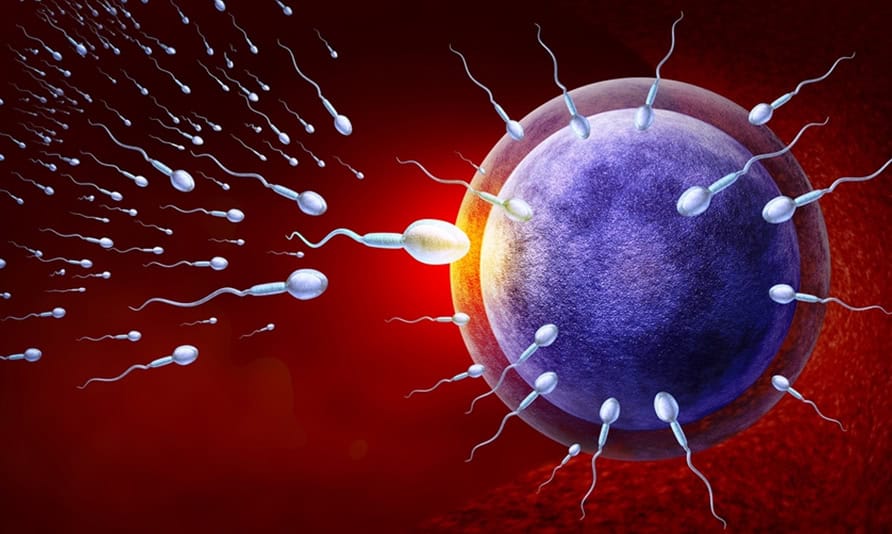
Intracytoplasmic Sperm Injection, known as ICSI, is a key player in the IVF process, especially for couples facing male infertility challenges. Here’s a straight shot: one healthy sperm gets injected directly into an egg. Intracytoplasmic Injection technique boosts the chances of fertilization by tackling issues like low sperm count or poor sperm mobility, which are common hurdles in the journey to parenthood. ICSI is often paired with IVF treatments to maximize success rates.

While IVF gathers eggs from the ovaries to mix with sperm, ICSI takes it a step further by ensuring the sperm makes it directly into the egg. Think of IVF as a networking mixer for eggs and sperm, with ICSI being the personal introduction that makes sure the connection sticks.

This method is a game-changer for many, turning the tide in favor of conception when nature’s hurdles seem too high.

Intracytoplasmic Injection

The Role of Intracytoplasmic Injection in IVF Success

Intracytoplasmic sperm injection (ICSI) boosts IVF success, especially for couples struggling with male infertility. Here’s the drill: in standard IVF, many sperm compete to fertilize an egg in a dish.

With ICSI, a single sperm gets injected directly into an egg. This precision increases fertilization chances. The kicker? ICSI can turn the tables for those who’ve had no luck with traditional IVF. It’s a game-changer for cases with poor sperm mobility or abnormally shaped sperm. But, it’s not a one-size-fits-all.

Your doctor will weigh factors like sperm and egg quality before recommending ICSI. While it ups the ante on success rates, remember, each couple’s journey is unique.

Comparative Success Rates: IVF with vs. without Intracytoplasmic Injection

When it comes to comparing the success rates of traditional IVF to IVF with Intracytoplasmic Sperm Injection (ICSI), the latter often shows a higher success rate, especially in cases with male infertility factors.

Traditionally, IVF success rates hover around 30 to 35% per cycle. However, when ICSI is introduced into the mix, these rates can jump significantly, with some clinics reporting success rates of up to 50 to 80% for certain groups. The magic behind ICSI’s effectiveness lies in its ability to bypass many common male infertility problems by directly injecting a single sperm into an egg, rather than relying on the sperm to penetrate the egg on its own. This precision dramatically increases the chances of fertilization.

Whether or not ICSI will boost your IVF success rate depends on your specific situation, including the underlying cause of infertility. But for couples dealing with significant male infertility issues, IVF with ICSI can be a game-changer.

Factors Influencing Success Rates of Intracytoplasmic Injection IVF

For Intracytoplasmic Injection (ICSI) combined with IVF, many factors can swing the success rates. Age tops the list. Generally, women under 35 see the best outcomes.

The older you get, the trickier it becomes. Quality and quantity of the eggs and sperm play huge roles too. Good quality? Better chances. Issues here can drop those odds. Then there’s the factor of fertility history. For example, if IVF attempts have failed before or if there are specific genetic concerns, these scenarios can affect outcomes.

Let’s talk health and lifestyle—smoking, weight, stress levels, all these impact success rates of IVF with ICSI. Last but crucial, the clinic’s experience and success rates matter. Essentially, picking a clinic with a proven track record can make a difference.

All these factors combined paint the picture of what to expect with ICSI IVF.

The Procedure: How Intracytoplasmic Injection is Performed

First off, let’s dive straight into what happens during an intracytoplasmic sperm injection (ICSI) procedure, part of the IVF (in vitro fertilization) process. It sounds complex, but it’s actually straightforward when you break it down. A single sperm is picked up with a fine needle and injected directly into an egg.

This method is a game-changer for overcoming male fertility issues or when the usual IVF hasn’t worked. Once the sperm is in the egg, fertilization takes place. The fertilized egg, now an embryo, is then transferred to the uterus, hoping it will grow into a pregnancy.

Simple in explanation, yet it requires precision and expertise. This technique gives many couples struggling with infertility a fighting chance at parenthood.

Risks and Challenges of Intracytoplasmic Injection in IVF

With Intracytoplasmic Sperm Injection (ICSI) being a cornerstone technique in IVF treatments, it’s not all smooth sailing. First off, there’s a chunk of risks.

You could be looking at fertilization failure; it happens, not often, but it does. Then there’s the risk of multiple pregnancies. Sure, more babies might sound great to some, but it hikes up the risk for both the mom and the kiddos. Oh, and let’s not skate over the potential for birth defects. The numbers are low, but the risk is there, slightly higher than in natural conception.

Don’t forget about the emotional and financial strain too. IVF with ICSI isn’t cheap, and it can be a rollercoaster, emotionally. Lastly, women undergoing IVF treatments might face complications like ovarian hyperstimulation syndrome.

It’s rare, but it’s nasty when it hits. So, yeah, ICSI is groundbreaking, but it’s not without its hurdles. Keep these in mind, weigh your options, and talk them through with your doc.

Patient Eligibility: Who Should Consider Intracytoplasmic Injection?

Not everyone is a candidate for Intracytoplasmic Sperm Injection (ICSI) within the IVF process. Primarily, it’s a game changer for couples facing male infertility issues. Think low sperm count or poor sperm mobility; ICSI can turn the tables here.

Also, if previous IVF attempts didn’t stick, or if there’s a need to test embryos for genetic conditions, ICSI steps into the spotlight. It’s also a go-to for folks using frozen sperm that might not be the freshest of the bunch. However, it’s not a one-size-fits-all. Your doctor will be the guide, weighing the benefits against potential risks, making it a tailored choice.

Remember, the decision to go for ICSI within IVF is a team effort between you and your medical partner, focusing on what’s best for your journey to parenthood.

Preparing for IVF with Intracytoplasmic Injection: Steps to Take

Before diving into IVF with Intracytoplasmic Sperm Injection (ICSI), you’ll need a game plan. Think of it as prepping for a major life event – because it is. First up, find a fertility clinic that’s not just good, but great. This means checking reviews, success rates, and maybe even chatting with past patients.

Next, brace for a lot of tests. Both you and your partner will go through a series, including blood tests and ultrasounds, to pinpoint any underlying issues. Now, lifestyle tweaks. It’s not just about the woman’s health. Men need to step up too. Cut down on the booze, quit smoking, and maybe lose those extra pounds. A healthy body can significantly impact your chances.

Lastly, get your mind right. This journey can be a rollercoaster. Consider counseling or support groups. They’re not just for after the process but can be a lifeline during it too. So, gear up. It’s game time.

The Emotional and Financial Cost of Intracytoplasmic Injection IVF

Getting pregnant with Intracytoplasmic Sperm Injection (ICSI) paired with In Vitro Fertilization (IVF) is no walk in the park. It’s tough, emotionally draining, and yes, pretty heavy on the wallet too. Let’s cut straight to the chase. Emotionally, it’s a rollercoaster. You’re hopeful, filled with anxiety, and sometimes, disappointment. Each cycle is a whirlwind of emotions, not just for you but for your partner as well. It’s crucial to have a strong support system and consider counseling to navigate these emotions.

Financially, well, that’s another uphill battle. On average, one cycle of IVF with ICSI can set you back $12,000 to $15,000. But don’t forget, that’s just one round. Many couples go through 2, 3, even multiple rounds, and the costs can quickly add up. There are tests, medications, and sometimes additional procedures. And since many insurers treat IVF as a non-essential, cosmetic procedure, the financial burden often falls squarely on the shoulders of hopeful parents.

In short, gearing up for ICSI-IVF means preparing both emotionally and financially. It’s a big decision, but for many, the dream of holding their baby in their arms makes the journey worth it.

Conclusion: Navigating Success in IVF with Intracytoplasmic Injection

IVF with Intracytoplasmic Injection, or ICSI, is a high-tech helper in the journey of conception. It’s like a targeted solution for fertility issues, particularly when the challenge lies with sperm quality or quantity. But, remember, its success isn’t guaranteed for everyone.

Your chances of success can be influenced by factors like age, the specific fertility issues being addressed, and even the skill of the clinic carrying out the procedure. Typically, younger women see higher success rates with ICSI, but it’s a beacon of hope for many, regardless of age.

The key is to set realistic expectations, choose a reputable clinic, and maintain open communication with your healthcare team. ICSI might just be the breakthrough you need, but it’s important to walk into it with eyes wide open about what success might mean for you.

Keep hope, stay informed, and let science do its magic.

Embryo Donation vs. Other Fertility Treatments

Introduction to Fertility Treatments

Navigating the world of fertility treatments can seem like trekking through a dense forest without a map. But fear not, for we’re here to guide you. At its core, Embryo Donation or fertility treatments aim to help individuals or couples conceive a child when natural methods hit a wall. There are several paths one can take in this journey, each with its own set of steps and outcomes.

Embryo donation is one such path, offering a unique blend of hope and science. But it’s not alone. From in-vitro fertilization (IVF), where eggs are fertilized outside the body, to intrauterine insemination (IUI), a process that directly inserts sperm into the uterus, options abound. There’s no one-size-fits-all here; what works wonders for one couple might be a less fitting choice for another.

Understanding the landscape of fertility treatments is the first step in making an informed decision that aligns with your dreams of parenthood.

Embryo Transfer


Understanding Embryo Donation

Embryo donation is when couples or individuals who have gone through IVF treatments decide to donate their unused embryos to others struggling with infertility. It’s like giving someone a precious gift that could grow into a life.

This option is often more affordable than going through IVF yourself since the major costs were covered by the original couple. Think of it as getting a head start. You’re not starting from scratch; these embryos are ready to go. Plus, it’s not just about money. It’s also about the chance to become a parent when other methods might not have worked.

With embryo donation, you’re stepping into a process that’s a bit simpler, emotionally and financially. It’s straightforward but packed with hope.

Pros and Cons of Embryo Donation

Embryo donation is a choice for couples struggling to conceive, offering a different path than IVF, surrogacy, or adoption. Here’s a straightforward look at its pros and cons.

Pros: First, it’s cost-effective. Compared to IVF, it’s less expensive since the embryos are donated, cutting down on the high costs of creating new embryos. Second, it gives embryos a chance at life, appealing to many prospective parents’ ethical or moral values. Plus, it can shorten the journey for those waiting to start a family, bypassing some of the lengthy processes involved in other fertility treatments or adoption.

Cons: However, it’s not without downsides. There can be legal and emotional complexities. The process involves legal agreements to ensure clarity on parental rights, which can get complicated. Emotionally, parents must reconcile with the fact that the child will not have their genetic makeup, which can be difficult for some. Also, the availability of suitable embryos might be limited, leading to potential wait times.

Ultimately, choosing embryo donation involves weighing these factors against personal values and circumstances. It’s one path among many, each with its own set of considerations.

IVF and Its Place in Fertility Options

IVF, short for in vitro fertilization, is a heavyweight contender in the fertility treatment arena. Let’s break it down simply: in IVF, eggs are taken out from a woman’s ovary, fertilized with sperm in a lab, and then the embryo is placed back in the uterus. It’s like a scientific love match made outside the body.

Why do people choose IVF?

Fertility issues come in all shapes and sizes, and sometimes, simpler methods just don’t cut it. IVF comes into play when other treatments have taken a swing and missed.

But here’s the deal, it’s not cheap. We’re talking about several thousand dollars per cycle, and sometimes it takes more than one attempt to hit the goal. Despite the cost, for many, IVF is the preferred path because it has a good success rate. Depending on factors like age, the specifics of the fertility issue, and the clinic’s success rate, IVF can often offer the best shot at parenthood compared to other fertility treatments.

In comparing IVF with embryo donation, which involves receiving a donated embryo, it’s crucial to weigh all sides. IVF allows for a genetic connection with at least one parent, which is a big deal for some. On the flip side, embryo donation might be less expensive and less physically demanding than IVF.

When you’re standing at the crossroads of fertility treatments, it’s about finding the right path for you, factoring in cost, physical and emotional toll, and the endgame of holding your baby.

How Does Embryo Donation Compare to IVF?

Embryo donation is an option for people looking to start or grow their family, standing out as both a unique and practical choice, especially when compared against the more talked-about In Vitro Fertilization (IVF).

What you need to know:

IVF involves combining eggs and sperm outside the body to create embryos, which are then transferred to the uterus. It’s a go-to method for many, but it’s neither quick nor cheap. On average, an IVF cycle can set you back about Rs. 10,00,000 to Rs. 15,00,000. Now, consider embryo donation.

This process utilizes embryos that others, who’ve undergone IVF, choose not to use. Generally, the cost of receiving donated embryos is significantly lower, often ranging from Rs. 2,00,000 to Rs. 5,00,000. This includes the fees for preparing and transferring the embryos. Not only does this make embryo donation a more affordable alternative, but it also gives embryos a chance at life, a point that appeals to many hopeful parents. On the flip side, while IVF offers a possibility of a genetic connection to one or both parents, embryo donation does not.

Every family’s priorities are different, but if reducing costs while maximizing the chances of growing your family sounds right to you, embryo donation could be your answer.

Surrogacy: Another Path to Parenthood

Surrogacy offers a different journey to becoming parents. It involves another person carrying and giving birth to your baby. This option works well for those who might have complications with pregnancy or who cannot carry a pregnancy themselves. Surrogacy can be pricey, with costs ranging from Rs. 25,00,000 to Rs. 75,00,000. These numbers include compensation for the surrogate, medical expenses, legal fees, and agency fees if you go through one. Despite the high cost, it creates a unique bond and brings the joy of a child to those who might not have another way to experience pregnancy and childbirth.

Remember, every family’s path to parenthood is unique, and surrogacy is just one of many options available.

Embryo Donation vs. Surrogacy: Key Differences

Embryo donation and surrogacy are two paths to parenthood, but they’re quite different. With embryo donation, couples or individuals receive an embryo from donors. This embryo is then transferred to the recipient’s uterus. It’s less expensive and usually faster than surrogacy.

Surrogacy involves another woman carrying and giving birth to a baby for you. It’s costlier, primarily due to legal fees, compensation for the surrogate, and medical expenses. One key difference is genetics. In embryo donation, the child might not be genetically related to you. In surrogacy, especially gestational surrogacy, the baby can be genetically yours if your egg or sperm is used. Surrogacy provides a genetic link, making it a preferred choice for some.

Yet, embryo donation could be your go-to for a quicker and more budget-friendly option. Each route has its pros and cons, depending on what you value most in your journey to parenthood.

Adoption as a Fertility Option

Adoption is a path many take when considering starting a family. It’s not a medical procedure but is about opening your home to a child in need. The process can be long, sometimes taking years, and it can also be costly. Adoption fees can range from a few thousand rupees to over Rs. 35,00,000 depending on several factors including the type of adoption, the agency involved, and the country of the child’s origin. Yet, for many, the emotional rewards of providing a child with a loving home far outweigh the financial and time commitments.

Unlike fertility treatments, such as IVF or embryo donation, which are focused on biological connections, adoption creates family bonds through choice and love. It’s a different journey, but for some, it’s exactly the right path.

Making the Choice: Factors to Consider

When you’re looking at your options for starting or growing your family and fertility treatments are on the table, it’s a big decision. Each choice, embryo donation, IVF, surrogacy, or others, comes with its own set of considerations. First, think about cost. IVF and surrogacy often come with higher price tags. Embryo donation might be more budget-friendly but check the specifics.

Next, consider the emotional journey. IVF can be emotionally and physically taxing. Embryo donation might offer a less intense experience but comes with its unique emotional considerations, such as the child’s genetic background. Success rates are crucial too. They can vary widely, so ask for numbers related to your age and situation.

Lastly, don’t forget about the time involved. Some treatments require longer periods before you can try for a pregnancy. Every couple’s or individual’s journey is personal. Ensuring you’re informed and supported in your choice is key.

Conclusion: Finding the Right Path for You

Choosing between embryo donation and other types of fertility treatments is a deeply personal decision. When making this choice, think about what feels right for you and your family. Embryo donation may offer a unique opportunity to experience pregnancy, often at a lower cost than treatments like IVF.

Yet, it comes with considerations such as the genetic link to the child. Other treatments, such as IVF or IUI, can be more expensive and involve a more intensive process, but they may offer a different set of advantages, including a genetic connection to both parents. Remember, there’s no one-size-fits-all answer.

Weigh the pros and cons, consider your emotional and financial readiness, and consult with healthcare professionals. Ultimately, the best path is the one that aligns with your values, desires, and circumstances.

Exploring the Benefits of Natural IVF Over Traditional Methods

Introduction to Natural IVF: Understanding the Basics

Natural IVF, put simply, is fertility treatment with a gentle touch. Unlike standard IVF treatment where the ovaries get pumped full of hormones to churn out multiple eggs, Natural IVF works with a woman’s regular cycle.

Here the focus is on the quality of the egg, not the quantity. There’s no aggressive hormone therapy, making it a less invasive process. You might be wondering, what’s the big deal with fewer hormones? The answer’s pretty straightforward – less medication means fewer side effects, a more comfortable experience, and potentially lower costs. It’s like choosing a quiet walk in the park over a loud, crowded concert.

This approach can be especially appealing if you’re sensitive to medication or you’re keen on a more body-friendly fertility treatment. So, in short, Natural IVF is all about taking the simpler road on your journey to parenthood, one that’s more in tune with your body’s natural rhythms.

natural IVF process

The Distinct Approach of Natural IVF Compared to Traditional Methods

Natural IVF stands apart because it tunes into your body’s natural cycle. It doesn’t rely on heavy medications to stimulate the ovaries. Instead, doctors monitor your natural menstrual cycle and collect the egg that your body decides to release that month.

Traditional IVF bombards your system with hormones to produce multiple eggs, which can be harsh and more demanding on your body. Natural IVF’s gentler approach means fewer drugs, fewer side effects, and often a quicker recovery.

It’s a more organic way to assist your fertility journey, aligning closer with your body’s rhythms. Choose natural IVF, and you embrace a less invasive process, potentially making your path to pregnancy more in tune with you.

Key Benefits of Natural IVF for Patients

Natural IVF, leaning on the body’s own rhythms, skips the heavy hormone medications typically associated with conventional IVF. This means fewer drugs and fewer side effects, a big win for anyone. Because it’s a more gentle approach, it’s especially kind to those with a needle phobia or a dislike for daily injections.

Another upside? It’s generally more affordable. Imagine slashing your IVF bill since you’re not buying all those pricey hormones. Moreover, if you’re eco-conscious or into organic living, natural IVF aligns well with those values since it’s a less invasive, more body-friendly option. And for women who may produce only a few high-quality eggs regardless of stimulation, natural IVF means not subjecting your body to unnecessary stress.

It’s a matter of quality over quantity, and for some patients, that’s a crucial advantage.

Reduced Medication and Hormonal Intervention in Natural IVF

Natural IVF is easier on your body compared to traditional IVF since it skips most of the heavy medications. You see, in regular IVF, you take lots of hormones to stimulate your ovaries to produce multiple eggs.

But in natural IVF, your body’s single, naturally selected egg is used. This means you avoid the side effects and risks that come with high hormone doses. It’s especially good news if you’re not a fan of needles because there will be fewer injections.

Plus, it’s a more holistic approach, working with your body’s normal cycle. This can be a real game changer for women who prefer a less medicalized process or for those who respond poorly to fertility drugs. Simple, less invasive, and it respects your body’s rhythm.

The Psychological Advantages of a More Natural Process

Choosing Natural IVF can have a positive impact on your mental health. The process is less stressful since it involves fewer drugs and injections. This means you’re not constantly worrying about the next medication or side effect.

With traditional IVF, the cocktail of drugs can take a toll on your emotions, causing mood swings or anxiety. But with Natural IVF, your body follows its own cycle more closely, and that can feel empowering. It gives you a sense of control and aligns with your body’s rhythms, allowing for a more organic experience.

There’s also the financial relief because Natural IVF is often less expensive due to the reduced need for medications and monitoring. This aspect alone can ease the psychological burden significantly. In short, Natural IVF can offer a calmer, more grounded journey to pregnancy, making a big difference in how you feel throughout the process.

Cost Implications: Natural IVF vs. Traditional IVF

Natural IVF often comes with a lower price tag than traditional IVF. Think about it — without all the fertility drugs and less monitoring, you’re cutting down on costs.

Traditional IVF might set you back about Rs. 10,00, 000 to Rs. 15,00, 000, but Natural IVF can cost you significantly less, somewhere in the ballpark of Rs. 4,00, 000 to Rs. 6,00, 000.

However, one thing to keep in mind, you might need more cycles with Natural IVF since it’s less aggressive. So, while each cycle is cheaper, the total cost can add up if multiple cycles are needed to succeed. And remember, not all clinics offer Natural IVF, so make sure to check with your local fertility centers.

Suitability Criteria for Natural IVF Candidates

Before you get all set for natural IVF, know this – it’s not for everyone. Ideal candidates are usually women under 38 with decent ovarian reserve and regular menstrual cycles.

If you’ve got a male partner, his sperm needs to be in good shape too. This road’s best for folks looking for a less invasive, drug-free approach. But, heads up: if you’ve got severe male infertility, significant tubal damage, or are of a more advanced maternal age, traditional IVF might be your ticket instead.

Remember, having a chat with a fertility doc is the way to go to see if you and natural IVF could be a match.

Success Rates of Natural IVF versus Conventional Treatments

When we talk about the success rates of Natural IVF as compared to conventional treatments, it’s crucial to understand that they can differ substantially based on personal factors like age and fertility issues.

Natural IVF, which doesn’t rely on aggressive hormone stimulation, generally has lower success rates per cycle. However, it’s a less invasive and more cost-effective option, especially for those wanting to avoid excess medications.

Traditional IVF has higher success rates mainly because it results in more eggs being retrieved. But remember, it’s not just about quantity. Natural IVF focuses on the quality of the egg, and for some, it can be the right choice.

When making your decision, consider both the physical and emotional toll, alongside the success rates. Each path has its merit, and the best choice differs from person to person.

Potential Drawbacks and Considerations of Natural IVF

Natural IVF might sound like a walk in the park, but hold your horses, it’s got its drawbacks. Firstly, you’ve got fewer eggs being collected, since you’re not using those high-powered drugs to rev up your ovaries. This means you’re putting all your eggs, well, into one basket – or one cycle. If that egg doesn’t fertilize or implant, you’re back to square one.

Next, the success rates can throw you for a loop. Because you’re working with fewer eggs, the success rates for Natural IVF can be lower compared to the pumped-up traditional methods. Age is a sly factor too – if you’re over 35, your chances with Natural IVF might not be as good as a young buck in her 20s.

Now, if we’re talking money, Natural IVF can be cheaper per cycle because you’re skipping the costly meds. But since you might need more cycles, your wallet might not end up cheering in the long run. And let’s not forget, it’s not all about the dollars and cents; it’s an emotional rollercoaster, and some folks find the lower success rates a tough pill to swallow.

So, when you’re weighing up Natural IVF, consider all these angles – it’s not a decision to take lightly.

Concluding Thoughts: Is Natural IVF Right for You?

The question of whether Natural IVF is your best bet hinges on personal circumstances and preferences. It’s less invasive than traditional IVF, with no heavy drugs involved, and generally costs less.

It’s a boon for those seeking a more organic approach to conception. However, it’s not a one-size-fits-all solution. Your fertility history, age, and specific medical conditions play crucial roles in this decision. Some find lower success rates with Natural IVF a dealbreaker, while others may be willing to accept a more gradual process for the sake of fewer side effects.

Reflect on the pros and cons and chat with a fertility specialist to make an informed choice. Your path to parenthood is as unique as you are.

Understanding the IUI Process: Steps to Increase Your Chances of Success

What is IUI?

IUI, or Intrauterine insemination or IUI Treatment, is a fertility treatment that involves placing sperm inside a woman’s uterus to facilitate fertilization. The aim of IUI is to increase the number of sperm that reach the fallopian tubes and subsequently increase the chances of fertilization. This can be beneficial for couples who are struggling with infertility due to factors such as low sperm count or abnormal cervical mucus.

How IUI is different from IVF?


Who can benefit from IUI?

IUI can be beneficial for couples dealing with male factor infertility, unexplained infertility, cervical factor infertility, or mild endometriosis. It may also be recommended for single women or same-sex female couples using donor sperm. Additionally, IUI can be a good option for couples who are unable to have penetrative sex due to physical limitations or pain. Keep in mind that the suitability of IUI varies depending on individual circumstances, so it’s important to consult with a fertility specialist to determine if it’s the right option for you.

Understanding the IUI process

In the IUI process, a sample of washed and processed sperm is inserted directly into the uterus around the time of ovulation, making it easier for the sperm to reach and fertilize the egg. It is a straightforward and commonly used fertility treatment that can help couples with various fertility issues. The process involves monitoring the woman’s ovulation cycle, preparing the sperm, and then the actual insemination. The success rate of IUI can be affected by factors such as the woman’s age, the quality of the sperm, and any underlying fertility issues. Understanding the IUI process can help you prepare for the steps involved and increase your chances of success.

Preparing for IUI treatment

To prepare for IUI treatment, it’s important to schedule a consultation with a fertility specialist to discuss your medical history and current health status. During this visit, the doctor will likely conduct a physical examination and may order blood tests or imaging studies. It’s also crucial to understand the emotional and financial implications of the IUI process. In addition, the healthcare provider may recommend lifestyle changes such as maintaining a healthy diet, avoiding substances that can affect fertility like alcohol and tobacco, and optimizing your overall well-being through regular exercise and stress management techniques.

Step-by-step procedure of IUI

During the IUI procedure, your doctor will first prepare your sample by separating the sperm from the semen. The sperm will then be inserted directly into your uterus using a thin, flexible catheter. This is typically a quick and painless process, similar to a pap smear. After the procedure, you may be asked to lie down for a short period before resuming your daily activities.

Post-IUI care and recovery

After the IUI procedure, it’s important to take care of yourself to increase your chances of success. Here’s what you can expect during the post-IUI period:

  • Rest and Relaxation: It’s essential to rest and avoid strenuous activities for a day or two after the procedure.
  • Medication Adherence: Follow your doctor’s instructions for any prescribed medications to support the implantation process.
  • Healthy Lifestyle: Maintain a healthy diet and regular exercise routine to support your overall well-being.
  • Avoid Stress: Stress can negatively impact the implantation process, so focus on staying relaxed and positive.
  • Follow-up Appointments: Schedule and attend any follow-up appointments as recommended by your doctor to monitor your progress.

Potential risks and complications

Although the intrauterine insemination (IUI) process is generally safe, there are some potential risks and complications to be aware of. These may include a small risk of infection, discomfort during the procedure, and a slightly higher chance of multiple pregnancies, about 7-30% according to the American Pregnancy Association. It’s essential to discuss these risks with your healthcare provider to understand your specific situation.

Lifestyle factors to increase IUI success

Maintaining a healthy lifestyle can increase your chances of IUI success. Studies have shown that regular exercise, a balanced diet, and maintaining a healthy weight can positively impact the success rates of IUI. Additionally, avoiding smoking and excessive alcohol consumption can contribute to better outcomes. It’s important to prioritize your overall well-being when undergoing fertility treatments.

Impact of age and fertility on IUI success

As women age, their fertility decreases, making it more challenging to conceive. According to the American Society for Reproductive Medicine, the chance of getting pregnant through IUI decreases after the age of 35. The success rate of IUI is typically higher for women under 35, with a peak success rate of around 20% per cycle. However, as a woman reaches her late 30s and early 40s, the success rate declines significantly. It’s essential to understand that age and fertility play a crucial role in the success of IUI, and consulting with a fertility specialist can provide valuable insights into your individual chances of success.

Conclusion: Increasing your chances of IUI success

To increase your chances of IUI success, you should focus on making healthy lifestyle choices. This includes maintaining a balanced diet, engaging in regular physical activity, managing stress, and avoiding unhealthy habits such as smoking and excessive alcohol consumption. Additionally, follow your doctor’s instructions closely throughout the process, and ask any questions you may have about the procedure. Finally, ensure that you and your partner are emotionally prepared for the possibility of multiple IUI cycles before achieving a successful pregnancy.

Choosing Nandi IVF means choosing a journey of hope, supported by expertise, advanced technology, and genuine care. Let us help you fulfill your dream of starting a family.

Understanding Recurrent Miscarriage: Causes and Treatments Available

Introduction to Recurrent Miscarriage

Recurrent miscarriage is when someone experiences two or more miscarriages back to back. It’s a tough situation that affects about 1% of couples trying to have a baby. Think of each miscarriage as a standalone storm, but when they happen repeatedly, it feels more like battling a relentless hurricane. Why does this happen, you might wonder? Causes range from genetic or chromosome issues, problems with the uterus or cervix, lifestyle factors, and sometimes, the exact reason remains a mystery. It’s not just about the physical toll; the emotional impact is heavy too. Knowing more about the causes can be a starting step in seeking the right support and treatment, aiming to hold hope in your hands again.

Defining Recurrent Miscarriage: Understanding the Basics

Recurrent miscarriage, also known as repeat pregnancy loss, is a tough journey for many. It typically means a woman has lost two or more pregnancies before 20 weeks of gestation. It’s a hard pill to swallow, but understanding it is the first step towards coping and finding solutions. You see, miscarriages are more common than most people think, happening in about 15% of known pregnancies. But when it happens repeatedly, it points towards underlying issues. These could range from genetic or chromosomal problems, issues with the uterus or cervix, or even certain lifestyle factors and infections. Recognizing what recurrent miscarriage is helps in navigating this difficult experience and sets the stage for seeking appropriate medical attention and support. It’s not just about the loss but understanding and addressing the causes to pave the path for a successful pregnancy in the future.

Common Causes of Recurrent Miscarriage

Facing recurrent miscarriage is tough. It usually means losing a pregnancy before the 20th week more than once. This heartbreak happens to many, but knowing why can help take the right steps forward. Some common causes include genetic issues, where the baby’s chromosomes aren’t coming together right. It’s nature’s harsh way of stopping developments that aren’t going well. Hormonal imbalances are another culprit. When hormones that support pregnancy are out of whack, holding onto the pregnancy becomes hard. Structural problems with the uterus also play a role. If the womb isn’t shaped or sized in a way that can support a growing baby, miscarriages can happen. Lifestyle factors matter too. Smoking, heavy drinking, and using illegal drugs can up the risk. Lastly, certain health conditions like poorly controlled diabetes or thyroid problems also contribute. Understanding these causes is a step toward finding solutions with your doctor. Remember, you’re not alone, and it’s okay to seek help.

Role of Genetics in Recurrent Miscarriage

Genetics play a key role when it comes to recurrent miscarriage. Many couples might not realize that about 50% to 60% of all miscarriages are due to chromosomal abnormalities in the embryo. In simpler terms, this means the embryo’s genetic makeup has issues that prevent it from developing properly. If miscarriages keep happening, it’s often because of these genetic problems. Sometimes, it’s not about what the parents did or didn’t do; nature has its way of stopping unhealthy development early. However, that doesn’t mean there’s no hope. Couples facing recurrent losses should consider genetic screening. This process can help doctors understand if there’s a genetic reason behind the miscarriages. If a genetic issue is found, options like IVF with genetic screening of the embryos before implantation might be recommended. This way, only embryos without genetic abnormalities are chosen for pregnancy, increasing the chances of a healthy baby. So, if recurrent miscarriages are a part of your story, remember genetics could be playing a bigger role than you think. Getting the right tests can open up pathways to solutions and, hopefully, a successful pregnancy.

Hormonal Imbalances and Recurrent Miscarriage

Hormonal imbalances play a big role in recurrent miscarriage. Your body needs the right balance of hormones to get pregnant and stay pregnant. A common issue is not having enough progesterone. Progesterone prepares your uterus for pregnancy. When levels are too low, keeping a pregnancy can be tough. Another hormone trouble could be thyroid problems. Both an overactive and underactive thyroid can mess with pregnancy. They can cause miscarriages if not managed right. Treating these imbalances can help. Doctors might give you progesterone supplements or medication to manage thyroid issues. Getting these hormones in check can up your chances of a healthy pregnancy. It’s a step worth considering if you’re facing this struggle.

Uterine Abnormalities and Their Impact on Pregnancy

Uterine abnormalities can play a big role in recurrent miscarriages. The shape of the uterus is a key factor here. Some women are born with an unusual shape that can make it harder for the baby to grow. Conditions like a septate uterus, where a wall divides the uterus, can increase the risk of miscarriage. Other issues include fibroids and polyps, which are growths in the uterus. These can also lead to problems with pregnancy. The good news is, doctors can often treat these conditions. Surgery might be an option to correct the shape of the uterus or remove growths. While these procedures don’t guarantee a successful pregnancy, they greatly improve the chances. It’s important to talk to a doctor if you’re facing recurrent miscarriages, as identifying and treating uterine abnormalities can be a crucial step in achieving a healthy pregnancy.

Treatment Options for Recurrent Miscarriage

Finding the right treatment for recurrent miscarriage depends on what’s causing the problem. After a series of tests, your doctor might suggest a few different strategies to help. For hormone issues, especially problems with progesterone, they might prescribe medication that can help your body maintain a pregnancy. If structural problems with the uterus are discovered, surgery could be an option to correct these issues. Sometimes, blood-thinning medications are used to treat clotting disorders that might lead to miscarriage. Also, lifestyle changes, like achieving a healthy weight, quitting smoking, or adjusting your diet, might be advised. It’s all about matching the solution to your specific situation. For some, assisted reproductive technologies such as in-vitro fertilization (IVF) might be recommended, especially if there are issues related to sperm or egg quality. In certain cases, genetic screening of embryos before implantation can help ensure a healthy pregnancy. The main goal is to address any identifiable cause and increase the chances of a successful pregnancy.

The Importance of a Comprehensive Medical Evaluation

To truly address recurrent miscarriage, a comprehensive medical evaluation is crucial. It digs deep into the why, helping to uncover any underlying health issues or genetic conditions that might be playing a role. Think of it as putting together a puzzle. Without checking every piece – like hormone levels, uterine shape, and genetic factors – you can’t see the full picture. Often, women or couples discover there are specific, treatable conditions at play. This can be anything from a thyroid disorder, clotting disorders, to abnormalities in the uterus. Knowing this not only provides answers but opens up targeted treatment options. It’s about not just throwing darts in the dark but having a clear map of what to address to increase the chances of a successful pregnancy. So, while it might seem like just another step, a comprehensive evaluation is your best shot at understanding and overcoming recurrent miscarriages.

Lifestyle Changes and Support for Those Experiencing Recurrent Miscarriage

If you’re facing recurrent miscarriages, know you’re not alone and there are steps you can take that might help. First off, simple lifestyle changes can make a difference. Eating a balanced diet filled with fruits, vegetables, and whole grains is a good start. Regular, moderate exercise is also beneficial. And it’s crucial to avoid smoking and limit alcohol consumption; these are known factors that can affect fertility and pregnancy outcomes.

Another key aspect is managing stress. High stress levels can impact your body in ways that might surprise you. Techniques like yoga, meditation, or even regular walks can help manage stress.

Support is equally important. Whether it’s from a partner, close friends, family, or support groups, having people to talk to and rely on can ease the emotional journey. Sometimes, a professional therapist who specializes in fertility issues or grief counseling could be what you need. Remember, it’s okay to seek help and it’s important to take care of your emotional and mental health as much as your physical health.

Conclusion and Moving Forward After Recurrent Miscarriage

Dealing with recurrent miscarriage is tough, but it’s important to remember, you’re not alone. Many couples face this challenge, and there’s hope. The journey doesn’t end here. Moving forward, the first step is understanding the underlying reasons behind your miscarriages. This could be genetic, hormonal imbalances, immune system issues, or something as simple yet complex as lifestyle factors. Once you know the cause, treatment options can be explored. These range from medication and surgery to lifestyle changes and assisted reproductive technologies. But, remember, the mental and emotional side requires attention too. Seek support, whether that’s through counseling, support groups, or leaning on loved ones. Your strength through this tells more about you than you may realize. Recovery and healing are paths, not a single step. Keep moving forward, armed with knowledge, support, and hope.

Overcoming Male Infertility: The Role of ICSI in Achieving Parenthood

Understanding Male Infertility

Male infertility affects about 30% of couples struggling to conceive. It can be due to various factors such as low sperm production or sperm abnormalities. Intracytoplasmic sperm injection (ICSI) is a procedure that can help overcome male infertility by directly injecting a single healthy sperm into an egg to facilitate fertilization. ICSI is often used in cases of severe male infertility or when previous IVF attempts have failed. Understanding the causes of male infertility is crucial in determining the most suitable fertility treatment.

Intracytoplasmic Injection

Causes of male infertility

Male infertility can be due to various reasons such as low sperm count, abnormal sperm shape or movement, or reproductive system blockages. Other factors like hormonal imbalances, genetic issues, or certain medical conditions can also contribute to male infertility. Lifestyle factors such as excessive alcohol consumption, smoking, drug use, and high stress levels can have an impact on male fertility as well. Additionally, environmental factors like exposure to toxins or radiation can play a role in causing male infertility.

Importance of Intracytoplasmic Injection

Intracytoplasmic injection is a vital assisted reproductive technique that can help couples struggling with male infertility achieve their dream of parenthood. This procedure involves injecting a single healthy sperm directly into an egg to increase the chances of fertilization. Intracytoplasmic injection is often recommended when traditional methods have not been successful in achieving a pregnancy. This technique has proven to be a powerful tool in overcoming male infertility issues and has brought hope to many couples facing challenges in conceiving a child.

How Does Intracytoplasmic Injection Work?

In intracytoplasmic injection, a single sperm is directly injected into an egg to assist with fertilization. This method is commonly used in cases where male infertility is a factor in conceiving a child. The process involves carefully selecting a healthy sperm and using a fine needle to inject it into the egg. This method increases the chances of successful fertilization and can help couples achieve parenthood when traditional methods have not been successful.

Benefits of intracytoplasmic injection

Intracytoplasmic sperm injection (ICSI) can improve the chances of fertilization in cases where male infertility is an issue. ICSI can bypass certain infertility barriers, like low sperm count or sperm motility issues, by directly injecting a single sperm into an egg. This procedure can provide hope for couples struggling with male infertility to achieve their dream of having a child.

Preparing for the procedure

Before undergoing the intracytoplasmic injection procedure to overcome male infertility, there are some essential steps to prepare. Here’s what you need to do:

  • Consult with a Specialist: Schedule a visit with a fertility specialist to discuss the procedure and understand what to expect.
  • Medical Evaluation: Your doctor will conduct a thorough medical evaluation to assess your fertility health.
  • Emotional Readiness: Prepare yourself emotionally for the procedure. Seek support from your partner or a counselor if needed.
  • Financial Planning: Inquire about the costs involved in the procedure and make necessary financial arrangements.
  • Follow Pre-Procedure Guidelines: Your doctor will provide specific instructions to follow before the intracytoplasmic injection.

What to expect during the process

During the process of intracytoplasmic injection, also known as ICSI, a single sperm cell is injected directly into an egg to assist in fertilization. Here’s what you can expect during this procedure:

  • Preparation: Before the procedure, you and your partner will meet with a fertility specialist to discuss the process and address any concerns.
  • Procedure: During the ICSI procedure, a skilled embryologist will use a tiny needle to inject a single sperm cell into the egg under a microscope.
  • Monitoring: After the injection, the embryos will be monitored closely to ensure successful fertilization and development.
  • Outcome: The success of ICSI can vary, and it’s important to be prepared for the possibility of multiple treatment cycles to achieve pregnancy.
  • Support: Throughout the process, your fertility clinic will provide guidance and support to help you navigate the emotional aspects of infertility treatment.

Success rates and outcomes

Success rates for intracytoplasmic injection in male infertility treatments vary depending on various factors. On average, the success rate for each attempt of intracytoplasmic injection ranges from 50% to 80%. Couples often undergo multiple attempts to achieve a successful pregnancy. Outcomes can be influenced by factors such as the cause of male infertility, the age of the female partner, and the overall health of both individuals. It is important for couples to have open discussions with their healthcare providers to understand the likelihood of success based on their unique circumstances.

Support and emotional aspects

Coping with male infertility can be emotionally challenging. Seeking support from your partner, family, or a counselor can help you navigate these difficult feelings. Remember, you are not alone in this journey, and it is okay to seek help. Talking about your emotions can strengthen your relationship and help you both cope better with the situation. Participating in support groups or online forums with couples going through similar experiences can also provide a sense of community and understanding. Don’t be afraid to reach out for support when you need it.

Achieving parenthood – a hopeful journey

Intracytoplasmic sperm injection (ICSI) offers hope for couples facing male infertility issues. This advanced technique involves injecting a single sperm directly into an egg to aid fertilization. The success rates of ICSI are generally high, providing a promising path towards parenthood for couples struggling with infertility challenges.

What to Expect from Fertility Counseling at a Leading Clinic

Understanding Fertility Counseling: An Overview

Fertility counseling isn’t just medical advice. It’s about getting to know you, understanding your body, and planning the journey to parenthood with care. Think of it as a partnership between you and a team of professionals guiding you through options, emotions, and decisions. It’s a space where all questions are welcome. From the “How?” and “Why?” to the “What’s next?”. This support system is vital for tackling the complexities of fertility treatment. During these sessions, expect to discuss your medical history, lifestyle, and emotional well-being. It’s a holistic approach because your mental health is just as crucial as your physical health in this journey. Whether it’s dealing with stress or understanding treatment options, fertility counseling provides a roadmap. It’s about building a foundation of knowledge and resilience. Remember, it’s a step towards making informed decisions that are right for you.

Crop psychologist supporting patient during counseling indoors

The Role of Fertility Counseling in Your Journey

Fertility counseling is not just about giving you facts and figures. It’s a core part of your journey towards parenthood, acting as both a guide and support. This counseling helps you understand your fertility options, the processes involved, and emotionally prepares you for the road ahead. It’s where you can voice your fears, frustrations, and hopes. During these sessions, you’ll learn about the different fertility treatments, what each entails, and the possible outcomes. But it’s not all clinical. The emotional aspect is huge. You’ll get support in coping with the stress and emotional rollercoasters that come with fertility treatments. In simple terms, think of fertility counseling as a two-pronged approach: it educates you on the ‘hows’ and supports you through the ‘feels’. Whether it’s dealing with disappointment, managing hope, or making tough decisions, counseling is your ally. So, when stepping into this journey, remember, fertility counseling is your compass – guiding you through the complex process and helping you navigate the emotional waves.

Initial Consultation: What to Prepare and Expect

When you schedule your first fertility counseling session, it’s normal to feel a mix of emotions. Here’s what you need to know to make it easier. First, gather all your medical records related to fertility – this includes any tests you’ve already done, medications you’ve taken, and notes from previous doctor visits. Your counselor will want to see this info to understand your situation better. Expect questions about your lifestyle, health history, and any fertility issues you or your partner have faced. They’re not being nosy; they need a full picture to help you best. Be ready to answer honestly. It’s also okay to have a list of your own questions. Wondering about treatment options, success rates, or next steps? Now’s the time to ask. Remember, this visit is about getting you the right support, so speak up about what’s on your mind. The goal here is to create a plan that suits your needs. So, take a deep breath, you’ve got this.

Common Topics Discussed During Fertility Counseling

During fertility counseling, you’ll dive into some big topics, not just skim the surface. This isn’t just about the birds and bees. Counselors get real about what you’re facing. Here’s what you can expect to be on the table:

Your feelings and emotions. This journey? It’s an emotional rollercoaster. They talk about the stress, the hopes, and sometimes, the heartaches of trying to start a family.

Treatment options. The world of fertility treatments is vast. From IVF to IUI, hormone treatments to surgical options, you’ll get the lowdown on what could work for you.

Lifestyle changes. Sometimes, small changes make big differences. Diet, exercise, even how much you’re working can come into play. They’ll guide you on tweaks that could help.

Understanding test results. Fertility testing throws a lot of numbers and medical jargon at you. Counseling breaks it down to what it means for you and your partner.

Cost and logistics. Let’s talk brass tacks. Treatments can be expensive, and logistics complicated. You’ll discuss how to manage the financial side and how it fits into your life. This process is about giving you the tools and understanding to navigate your fertility journey, with all its ups and downs.

The Emotional Impact of Fertility Issues and How Counseling Helps

Fertility challenges hit hard. It’s not just about not being able to have a kid when you want to; it’s the emotional rollercoaster that comes with it. Many feel stressed, sad, or even blame themselves. It gets tough, really. That’s where fertility counseling steps in. Think of it as a trusted friend who’s there to listen and guide you through this storm. Counselors understand what you’re going through. They help you deal with the feelings of loss, the stress, and even the strain it might put on your relationships. It’s not just talk; they offer strategies to cope and heal. Plus, they can make the whole medical process less intimidating. Having someone in your corner, helping you stay mentally strong, can make a big difference on your fertility journey.

Techniques and Approaches Used in Fertility Counseling

In fertility counseling, professionals use several techniques and approaches to support couples and individuals. Cognitive Behavioral Therapy (CBT) stands out as a common method. It focuses on changing negative thought patterns to improve emotional well-being and reduce stress. Another approach is Solution-Focused Brief Therapy (SFBT), which helps clients set and achieve specific goals related to fertility. Counselors also use Mindfulness and Relaxation Techniques to help reduce anxiety and stress associated with fertility issues. These might include guided imagery, breathing exercises, and meditation. Educational Support is provided too, where counselors educate clients about fertility, treatment options, and healthy lifestyle choices to improve chances of conception. Holistic methods, considering both mental and physical health, are emphasized for comprehensive support.

Integrating Fertility Counseling with Treatment Plans

When you walk into a fertility clinic, you’re not just signing up for medical procedures. There’s a big emphasis on supporting your emotional well-being too. This is where fertility counseling comes into play, seamlessly blending with your treatment plan. Think of it as a two-in-one approach to tackling fertility issues. The clinic’s team knows that the journey to parenthood can be stressful. So, they make sure you’ve got a skilled counselor to talk to right from the start. This person is your go-to for discussing fears, expectations, and the emotional rollercoaster that comes with fertility treatments. They’re part of the whole package, working closely with the medical team to give you a well-rounded care plan. This integration means you’re not dealing with the physical side of things in isolation. Instead, you get a comprehensive approach that looks after your mind and body. Whether it’s dealing with the stress of treatment or the emotional impact of fertility struggles, your counselor is there to help you navigate these waters. This approach ensures you’re as prepared as can be, both emotionally and physically, for the journey ahead.

The Role of Support Groups and Additional Resources

Support groups form a core part of the fertility journey for many. They offer a safe space where you can share experiences, learn from others, and find emotional support among peers who understand what you’re going through. These groups are often facilitated by professionals and include individuals at various stages of their fertility journey, providing a broad spectrum of perspectives and advice. Besides groups, clinics may provide access to other resources like educational material, workshops on stress reduction, and nutrition advice, aimed at enhancing your overall well-being. Remember, navigating fertility challenges is not just about medical treatment but also about caring for your mental and emotional health. These additional resources can be invaluable in helping you and your partner stay informed and resilient.

Managing Expectations: Success Rates and Coping Strategies

When you walk into fertility counseling, knowing the success rates helps set realistic expectations. These rates can vary widely based on age, type of treatment, and individual health conditions. For women under 35, success rates can be quite high, but as age increases, these rates tend to decrease. It’s crucial to understand that not every treatment leads to pregnancy, and that’s okay. Coping strategies play a big part here. Being open about your feelings with your partner, joining support groups, and considering therapy can make a significant difference. Embrace the journey, knowing that it’s okay to seek help and that you’re not alone in this. Success isn’t just about the end result but also about how you manage the emotional rollercoaster that comes with fertility treatments.

After Fertility Counseling: Next Steps and Continued Support

After fertility counseling, you’re not left to figure things out alone. Most leading clinics emphasize ongoing support and clear next steps. Straight away, your counselor or clinic might lay out a treatment plan tailored to your needs. This plan could include potential dates for starting treatment, medication schedules, or lifestyle changes you might consider. Communication is key; expect regular check-ins from your clinic to see how you’re coping. Some clinics also offer support groups where you can connect with others on a similar journey. And, remember, it’s okay to reach out if you’re feeling overwhelmed. Nandi IVF is there to support you, every step of the way.

The Ultimate Guide to IVF Financing: Understanding Your Options

Introduction to IVF and Why Understanding Financing is Crucial

IVF, or In Vitro Fertilization, is a beacon of hope for couples struggling to conceive. It’s a complex series of procedures used to assist with fertility or prevent genetic problems, ultimately aiding in the conception of a child. The thing is, IVF isn’t cheap. The cost can be staggering, easily running into thousands of dollars for just one cycle.

For many couples, this financial burden makes understanding IVF financing options not just useful but essential. We’re talking about a journey that’s as much about managing your wallet as it is about managing your expectations and emotional resilience. Different financing plans, grants, and even insurance coverage nuances can either open the door to IVF or present a significant barrier.

This is why diving deep into the world of IVF financing is a step you can’t skip. It’s not just about dreaming of a future with a little one; it’s about practically planning how to get there without breaking the bank. So, let’s get into it and explore how understanding your IVF financing options can turn the tide in your favor.


What is IVF Financing?

IVF financing helps couples manage the high cost of in vitro fertilization treatments. Basically, it’s like a financial plan for your journey to parenthood. There are several types of IVF financing options available. Some fertility clinics offer payment plans, allowing you to pay in increments rather than all upfront.

Then, there are healthcare financing companies that provide loans specifically for IVF. These can cover everything from the medical procedures to medication costs. Also, some folks might look into personal loans from banks or credit unions, though these may have higher interest rates. The key thing? Compare options. Look at interest rates, repayment terms, and any hidden fees.

Remember, the goal is to ease the financial load, not add to it. So, take your time, do your homework, and choose the plan that fits your budget and timeline the best.

Different Types of IVF Financing Options Available

When it comes to IVF, the costs can quickly add up, but thankfully, several financing options can lighten the load. Savings might be the most straightforward route, allowing couples to avoid interest rates. However, not everyone has the luxury of dipping into a substantial savings account.

  1. That’s where Personal Loans come in. Offered by banks and credit unions, these can cover the full cost, but remember, you’ll be paying interest.
  2. Medical Loans are specifically designed for healthcare expenses like IVF, often boasting lower interest rates than personal loans but still, read the fine print for hidden fees.
  3. Another route is Credit Cards, especially those with a 0% introductory APR offer; just be sure to pay off the balance before the interest kicks in.
  4. For some, turning to Health Care Financing Programs that offer tailored loans for medical treatments might make sense, offering manageable payment plans.
  5. Lastly, Grants and Scholarships for IVF are worth exploring. Many organizations provide financial aid to couples struggling with infertility, but these require a bit of research and application effort.

Every couple’s situation is unique, so weighing each option’s pros and cons against your financial scenario is crucial.

Pros and Cons of Traditional IVF Financing Routes

When it comes to paying for IVF, couples often explore traditional financing options. Each path has its pros and cons. Savings are the safest bet since it doesn’t involve going into debt. This requires planning and can delay treatment. Loans are another route, either through personal loans or specialized medical loans.

The upside? You get funds quickly.

The downside? Interest rates can add up, increasing the overall cost of IVF.

Some opt for credit cards for the points or benefits, but beware, high interest rates here can also spiral. Employers or health insurance might offer partial coverage or loans too. This can significantly reduce costs but is not commonly available. Weighing each option carefully is key to making a decision that aligns with your financial situation and timeline for starting or expanding your family.

Alternative Financing Solutions for IVF

IVF isn’t cheap, and not everyone has a stash of money set aside for it. If your insurance is playing hard to get and you’re looking around wondering how to fund this, don’t lose hope.

Alternative financing options exist exactly for this reason. First, consider a personal loan. Yes, it’s borrowed money, but with the right lender, you could get a decent rate. Just be sharp about shopping around. Next, there’s the option of grants and scholarships. You heard that right. Some organizations offer financial assistance to couples facing infertility. It requires some digging and applying effort, but it’s worth it. Lastly, let’s talk crowdfunding.

It might feel a bit out there, but sharing your story on platforms like GoFundMe has helped many couples gather the funds for IVF. It’s about community support, so don’t shy away from reaching out. Each of these paths has its ups and downs. Weigh them carefully, and pick what aligns with your needs and values.

Insurance and IVF: Navigating Coverage

Insurance and IVF can be a tricky path to walk. Here’s the deal: Most insurers treat IVF as a non-essential procedure, meaning they might not cover it. Before you set your heart on this route, check your policy. Some insurance plans do offer partial coverage, but it’s rare. They might cover diagnostic procedures but stop short of funding the actual IVF treatment. There’s a bit of homework to do. Call your insurance provider and ask direct questions. Find out what’s covered and what’s not.

If your plan includes IVF, dig deeper. Ask about the extent of coverage, including medication, consultations, and procedures. Don’t assume anything. Even if you’re among the lucky few with coverage, be prepared for out-of-pocket costs. They can add up quickly. If insurance falls short, don’t lose hope. We’ll explore more financing options next, proving that where there’s a will, there’s a way.

Evaluating the Cost-Benefit of Various IVF Financing Methods

When you’re considering IVF, the price tag is often a big deal. Yeah, it’s expensive, but how do you pay for it? You’ve got a few options, and it’s worth taking a closer look at each to see what makes the most sense for you. First off, some folks might have health insurance that covers part or all of the IVF cost. If you’re one of the lucky ones, dive into your policy details to see what’s really covered. It’s not super common, but it’s a bonanza if you have it. If insurance is a no-go, you’re looking at paying out of pocket or exploring financing options. Here’s where it gets interesting.

Loans specifically for IVF can spread the cost over time, making it easier on your wallet month to month. Just keep an eye on those interest rates; they can add up. Some clinics offer financing plans, too, which might come with better terms since they’re used to dealing with IVF costs. Then there’s the possibility of grants and scholarships. Yes, they exist for IVF, and while they might not cover everything, every little bit helps. Lastly, there’s the good old savings account. It’s the simplest, no surprise fees or interest, but it requires upfront cash. Each option has its ups and downs. Insurance is like hitting the jackpot but rare.

Loans and clinic plans split the cost but add interest. Grants and savings are straightforward but need legwork or upfront money. Weighing the cost against the benefit of each is key. Think about what you can manage now, and what makes sense for your future.

Grants and Scholarships for IVF: What You Need to Know

Navigating the financial aspect of IVF can feel like trekking through a maze. You’re on a mission to expand your family, but the price tag can seem daunting. Don’t lose hope — grants and scholarships for IVF are like hidden pathways designed to ease that burden. Unlike loans, grants and scholarships don’t need to be paid back. They’re gifts to help bring your dreams to life. Each year, numerous organizations offer financial aid to couples struggling with infertility.

To find these opportunities, start by doing your homework. Look at infertility advocacy groups and non-profit organizations. They often partner with fertility clinics to offer grants to deserving couples. The criteria can vary widely — from financial need, to essays about your journey, or even your geographical location. However, the competition can be stiff. You’ll need to bring your A-game to the application process.

Remember, applying for these grants and scholarships is a numbers game. The more you apply for, the better your chances. Keep in mind that deadlines are your friend. Missing one can mean waiting another year for some programs. So, mark them on your calendar, set reminders, and get your applications in on time.

In the grand adventure towards starting a family, grants and scholarships for IVF can be a lifeline. They embody hope and offer a helping hand when the financial aspect of IVF seems overwhelming. Your dreams of parenthood are valid, and there are resources out there designed to support you on this journey.

Tips for Couples on Managing IVF Costs Effectively

When facing IVF, understanding how to tackle the expenses is key. First, look into insurance. Some plans offer partial coverage for fertility treatments. Next, research grants and scholarships; numerous foundations provide financial assistance for couples going through IVF. Consider a flexible spending account (FSA) or health savings account (HSA) to pay for procedures with pre-tax dollars, making your money stretch further. Many clinics offer payment plans, breaking down the total cost into manageable monthly payments. Lastly, compare prices among clinics but ensure you’re not sacrificing quality for cost. Remember, exploring all financial avenues can significantly reduce the burden of IVF costs.

Summary and Moving Forward with Your IVF Journey

Navigating the IVF journey is tough, both emotionally and financially. Yet, understanding your financing options can make this path a bit easier to walk. Here’s the deal: IVF isn’t cheap, but don’t let the cost scare you off. Grants and loans exist specifically for IVF, and some insurance policies offer partial coverage. Important to remember, every couple’s situation is unique, so a one-size-fits-all approach doesn’t work here. Before diving in, talk to your clinic about payment plans. They’re more common than you think. Also, hunt for fertility grants and consider low-interest loans geared towards IVF.

Let’s not forget about crowdfunding. It’s a modern take on gathering support from family and friends and, when done sensitively, can help you raise a significant portion of the funds needed. Above all, keep communication open with your partner and support network. Deciding on IVF is big, but you’re not alone. Many have tread this path before you, finding ways to manage the financial load and ultimately, moving closer to realizing their dream of family. Stay positive, stay informed, and take it one step at a time.

How IVF in India is Changing Family Planning

Understanding IVF: A Quick Overview

IVF, short for In Vitro Fertilization, is a way to help folks who have trouble having a baby do just that. Here’s the lowdown: doctors take eggs from a woman’s body, mix ’em with sperm in a lab to make embryos, then put ’em back in the woman’s uterus. Sounds like science fiction, but it’s real, and it’s been a game-changer for countless families. It’s not a one-shot deal though and might take a few tries. And just so you know, ‘in vitro’ is a fancy term for ‘in the lab’—nothing to do with a test tube, really. Different strokes for different folks mean some might need extra help or different treatments, but if IVF is in your playbook, it’s a promising route to expand your squad.

fertility treatment in India

IVF In India: Revolutionizing Reproductive Health

IVF, or in vitro fertilization, is a game-changer in India, offering couples hope to become parents. It’s not just for those struggling with infertility; even individuals with genetic concerns turn to IVF for healthy babies. The process works by combining sperm and eggs outside the body, then implanting the embryo into the womb. It sounds pretty high-tech, right? But it’s helping numerous people create the families they’ve dreamed of.

In India, IVF is more than medical treatment; it’s a revolution. With a rise in clinics across the country, accessibility is increasing, and the technology? It’s advancing rapidly. People from all walks of life are taking notice, and the stigma around infertility is starting to fade away. IVF in India is reshaping the approach to family planning, offering new possibilities to those who may have thought they were out of options.

Costs can be a concern, but compared to other countries, India is more budget-friendly without compromising on quality. You’ve got skilled doctors, world-class clinics, and success rates that give hope. Yes, it’s an investment, but for many, the possibility of holding their child is priceless. IVF in India isn’t just following trends; it’s setting them, and families of the future will owe much to this technological leap.

The Journey of IVF in India: Past to Present

IVF, or in vitro fertilization, wasn’t always as common as it is now in India. Back in the day, the idea of assisted reproductive technology was met with skepticism and a fair share of stigma. But things have changed. India’s first IVF baby, born in 1978, marked the beginning of a new era. Since that groundbreaking moment, IVF has become more accessible and acceptable to the masses. Clinics have popped up across the country, offering hope to couples struggling with fertility issues.

Technology has advanced leaps and bounds, making success rates soar and bringing smiles to would-be parents’ faces. It’s not just about availability; it’s about how IVF is now perceived as a norm rather than an exception. With celebrities and public figures openly sharing their fertility journeys, IVF has been shrouded in less secrecy and more openness.

Costs have also evolved. While still not exactly cheap, IVF in India is more affordable compared to many western countries, and financing options are available to ease the burden on aspiring parents. The growth of medical tourism in this sector stands testament to the advancements India has made in fertility treatments. The journey of IVF in India, from a hesitant start to a booming industry, is an inspiring tale of science, society, and the indomitable human spirit chasing the dream of parenthood.

How IVF in India is Aiding in Family Planning Choices

IVF, or in vitro fertilization, is revolutionizing the way families are planned in India. No longer just a last resort, it’s become more accessible and an active choice for couples facing fertility issues or those who decide to wait to start a family. In essence, IVF in India is giving people the power to decide when and how they want to conceive.

The process starts with stimulating the ovaries to increase the availability of eggs. These eggs are then harvested and fertilized with sperm in a lab. The resulting embryos are monitored for growth, and then the healthiest ones are transferred back into the woman’s uterus. It’s high-tech baby-making, but it’s providing invaluable options to those who once had none.

With IVF, age and biological clocks lose some of their pressures. Women who prioritize their careers or who haven’t found the right partner till later in life can still dream of becoming mothers. Couples grappling with infertility can embrace hope, as IVF improves their chances of getting pregnant.

Cost can be a barrier, but IVF clinics across India are offering flexible payment plans, and the competition is leading to more affordable options. What’s more, advancements in the procedure are making it safer and more efficient, reducing the strain on both finances and emotions.

To sum it up, IVF in India is opening doors, making the dream of parenthood possible for many, and remarkably altering family planning. It’s not just a treatment; it’s a game-changer for prospective parents across the country.

Technological Advancements in IVF

IVF, or in vitro fertilization, techniques in India have come a long way. Breakthroughs in technology mean higher pregnancy rates and safer procedures for hopeful parents-to-be. Picture this: from refined lab equipment that nurtures embryos, to cutting-edge genetic screenings that predict potential health issues. Techniques like ICSI, where a single sperm is directly injected into an egg, have improved chances even for couples with severe infertility. With Preimplantation Genetic Testing, doctors can now select embryos free of genetic disorders. And it’s not all about the lab – apps and software help track cycles and manage treatments, making the whole process more patient-friendly. These leaps aren’t just scientific bragging rights; they’re bringing dreams of parenthood within arm’s reach for many.

Success Rates and Challenges in IVF

IVF, or in vitro fertilization, is changing family planning in India. But it’s not a foolproof process. The success of IVF depends a lot on factors like age, fertility problems, and the clinic you choose. On average, younger women have higher success rates, which can be as good as 40% per cycle for those under 35. That percentage drops as age goes up, making each cycle less likely to succeed. IVF also faces challenges here, like anywhere else. Costs can be high, there can be a lack of facilities in some areas, and there’s a social stigma that can be tough to handle. Plus, not all cycles result in a pregnancy, and the emotional toll can be heavy. But despite the hurdles, many couples find hope in IVF, and its popularity in India is on the rise.

Access and Affordability of IVF Treatments in India

IVF, short for In Vitro Fertilization, is a beacon of hope for countless couples dreaming of starting a family. In India, the reach and affordability of IVF treatments are growing. Today, you no longer need to be wealthy to consider IVF. With competitive pricing, some clinics offer services starting from ₹70,000 to ₹90,000 per cycle. The cost can climb based on the complexity of the individual’s situation and the number of cycles required. Government initiatives and various financing options are emerging to support families, making this life-changing technology more accessible to a broader segment of the population. It’s not just about being available; it’s about being attainable, and that’s the commitment of IVF in India as it ushers in a new era of family planning.

Personal Stories: Family Planning Success Through IVF in India

Couples wading through infertility found new hope with IVF in India. They share heartfelt triumphs of expanding families after years of setbacks. One couple talks about that remarkable call, “You’re pregnant,” shaking with joy after a decade’s struggle. Another beams, recounting the twins’ first kick, an unforgettable nudge after countless IVF cycles. Each narrative underscores IVF in India’s life-changing role, etching paths from despair to parental bliss. Success rates are looking up, giving more couples their shot at the dream – laughing children and family dinners. These personal victories aren’t just stats; they’re proof of a future where family planning equals possibility.

Future Projections for IVF in India in Family Planning

IVF, or in vitro fertilization, is carving out a new path for family planning in India, reflecting sharp trends in modern fertility. Currently, India stands tall as a leader in affordable IVF treatments compared to the global market. Looking towards the future, it’s clear that with technological advancements, these treatments will become even more accessible. Prices are predicted to decrease, making IVF a viable option for a broader range of couples facing fertility issues. Also, public acceptance of IVF is growing, gradually lifting the stigma associated with artificial reproductive techniques. Additionally, the government and private sectors are ramping up efforts to improve the quality and coverage of fertility services. This includes investing in better equipment, training healthcare professionals, and increasing awareness of IVF. These steps are likely to skyrocket India’s role in the fertility landscape, making family planning more versatile for many hopeful parents.

Conclusion: The Growing Impact of IVF on Family Dynamics in India

In conclusion, IVF in India has become a significant force reshaping family dynamics. Couples who once faced the stigma of infertility are now finding hope and joy in starting families, thanks to this advanced reproductive technology. The cultural shift is palpable as society increasingly accepts alternative paths to parenthood. IVF isn’t just a medical procedure; it’s a beacon of change, offering a chance for legacy, succession, and the deep human desire to nurture. As technology advances and success rates improve, IVF’s imprint on family planning will undoubtedly deepen. This is the era of new beginnings, where biology is no longer destiny, and where creating a family can be a reality for many. Remember, IVF doesn’t just give the gift of a child; it gives the gift of possibility.

Bring A Baby Into Your Home With Nandi IVF