fbpx

Budget-Friendly IVF Treatment: Making Your Dream of Parenthood a Reality

Budget-Friendly IVF Treatment Making Your Dream of Parenthood a Reality

Budget-Friendly IVF Treatment: Making Your Dream of Parenthood a Reality

For many couples struggling to conceive, in vitro fertilization, or IVF, offers the opportunity to start a family. However, this particular strategy raises several important issues, the most important of which is cost. It is important to know the cost of IVF in India, where medical advancements are fast, and surgeries are expensive compared to other countries. The affordability and availability of IVF treatment in Delhi significantly impact the decisions made by couples looking to become parents.

This blog aims to discuss the cost of IVF treatment by an IVF specialist in Delhi and also to give you a general idea to get a budget-friendly IVF treatment.

What Is the Cost of IVF Treatment in India?

The determinants of the cost of IVF treatment in India include the number of rounds of IVF cycles and the medications prescribed by IVF specialists in Delhi. When estimating the average cost, consider different factors that influence the overall expenditure on IVF treatment in India. These include:

  • Location
  • Clinic reputation
  • Comprehensive components of the IVF package
  • The specialist’s experience
  • Success rates
  • The specific IVF treatment required
  • Necessary medications. 

For example, the overall cost of IVF treatment at an IVF center in Delhi may reach INR 1.50,000.

Couples with mild to moderate issues have a greater chance of success with some very expensive medicines, treatments, and procedures, but if the couple has severe complications, they may need expensive treatment is strong.

The cost of IVF treatment can be much higher for less successful couples. This is because more advanced options, such as sperm donation or egg donation, may be necessary in some cases to increase the chances of pregnancy.

How can you Save on the Cost of IVF Treatment?

Consider the following methods to save costs when undergoing IVF treatment:

Examine Clinic Options

When choosing an IVF clinic, it is very important to study not only the cost but also other factors. Look into the history and technique of the IVF doctors in the Delhi clinic, as well as the level of their training and experience, while also considering what services they provide.

Think About Location Proximity

Some couples may choose an IVF centre in Delhi that is close to their home or workplace to save on travel expenses. However, it’s essential to prioritize quality above all else.

Choose to Transfer a Single Embryo

One of the best alternatives is to select the transfer of only a single embryo to lower IVF treatment costs. This policy aims to decrease the cost of treatment through shared costs of supplies and tests by using fewer embryos.

Request a Payment Plan

Some clinics of IVF specialists in Delhi could offer payment plans to couples to spread the cost of IVF treatment over time.

Check Health Insurance Plan

Contact your insurance provider to determine if your insurance covers any part of the IVF procedure. Certain insurance providers may offer coverage for certain aspects of the IVF process.

Think about IVF using a Natural Cycle

Compared to typical IVF, natural cycle IVF employs fewer drugs, which can lower treatment costs.

Join a Support Group

Joining a support group can help couples obtain knowledge about strategies to lower the expense of IVF treatment in Delhi and emotional support.

Does the Health insurance plan cover IVF Treatment Costs?

Generally, IVF treatments in Delhi are not covered by health insurance plans. Because in vitro fertilization is considered an elective procedure and not a medical necessity, it is not covered as a standard benefit by most health insurance plans

For successful family planning, patients should be aware of the different pricing of health insurance companies offering IVF treatment, as the rates can vary depending on the provider Some health insurance plans cover IVF. However, it is only partial, and some provide no benefit for infertility at all.

Under the IVF insurance plans, the insurers often cover the following costs: 

  • Complete infertility insurance coverage: This can cover the entire IVF cycle or the entire treatment plan. 
  • Insurance for a single diagnosis of infertility:
    • This covers diagnostic tests that are conducted by an IVF specialist in Delhi before the IVF procedure.
    • Tests may include ovarian reserve testing, hysterosalpingography, laparoscopy, genetic testing, hormone profile testing, semen analysis, and imaging tests (male and female).
  • Drug coverage: This insurance covers the cost of fertility drugs for the IVF process, including prescription drugs for fertility.
  • Fertility Diagnostic Tests and Fertility Counter Insurance: This type of insurance covers the cost of each stage of treatment and the cost of IVF diagnostic tests.

Final Words

The cost of IVF or other fertility treatments should not be the only factor couples consider when choosing a fertility clinic. With proper help and guidance from IVF doctors in Delhi, you can become a parent. There are many ways to reduce the cost of IVF without compromising the standard of care. To help with IVF finances, Nandi offers practical payment options such as cash, bank accounts, credit cards, and cheques.

At Nandi IVF, we are proud to be recognized as an IVF centre in Delhi. We have differentiated our modern medical facilities from other hospitals. We understand that a healthy pregnancy is the ultimate goal, and our track record shows that we are committed to helping our patients achieve that. Contact us today!
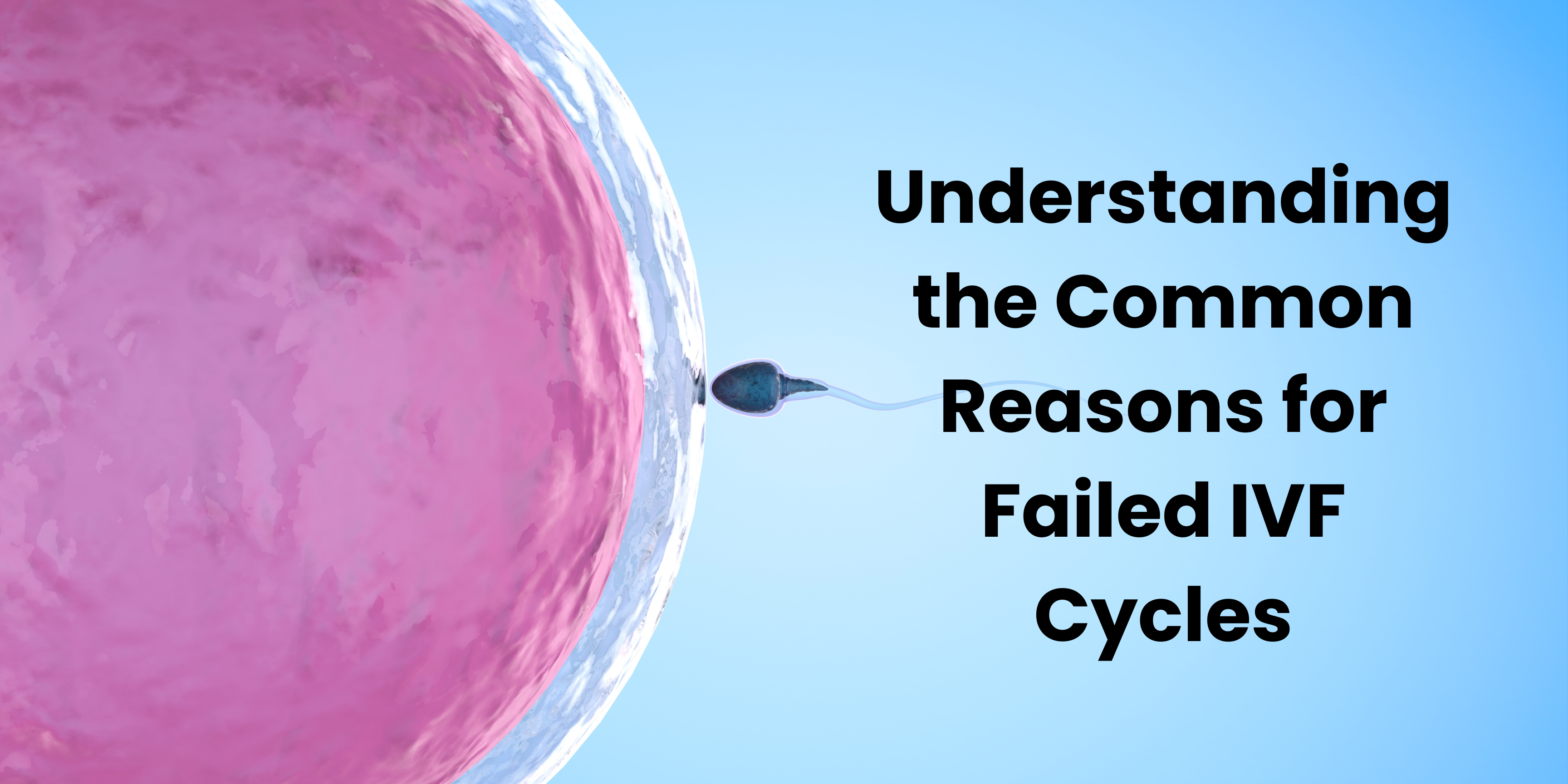
Understanding the Common Reasons for Failed IVF Cycles

In-vitro fertilization (IVF) is a popular assisted reproductive procedure that allows many couples to fulfill their desire of having a child. While IVF might be incredibly successful, it can often fail, causing disappointment and anger. Several variables can lead to IVF failure, and understanding these causes can help people and couples make more educated decisions, thereby increasing their chances of success.

With advances in reproductive technology and sufficient help from fertility professionals, many couples may overcome these obstacles and realize their dream of parenting. This blog explores the common roadblocks in detail.

Reasons for IVF Failure

Before learning why an IVF cycle fails, everyone should understand that no matter what you do, the success rate of IVF cannot be guaranteed. The average success rate of IVF globally is 35-40%. If an IVF facility promises a 100% success rate, it’s advisable to seek a second opinion from a facility that provides realistic expectations, such as the best IVF in Delhi. Let us briefly go over the eight elements that influence your IVF results.

Poor egg quality

Poor egg quality might be the leading cause of IVF failure. The quality and quantity of their eggs diminish as the women age. Despite advancements in testing, low egg quality can impact the IVF cycle, a concern addressed by the IVF treatment in Delhi.

Poor Sperm Health

Poor sperm health, such as poor sperm count and motility, can significantly impair IVF outcomes. If you or your spouse are experiencing similar issues, there are therapies available to help you manage them. Treatments are available to address these issues, provided by IVF specialists in Delhi.

Oocyte Age

As women age, the quality and number of eggs diminish. It has a direct impact on the implantation rates and, ultimately, the IVF success rate. As a result, women under the age of 35 might have a 40% success rate, compared to only 15% after the age of 40, highlighting the expertise provided by IVF doctors in Delhi.

Chromosomal abnormalities

It is one of the primary reasons that IVF rounds might fail. During fertilization, chromosomal alterations occur. If a chromosomal defect (embryonic arrest) occurs, the body may reject the embryo, resulting in unsuccessful IVF. Couples should be aware that only 25% of oocytes reach the ultimate stage, which may result in pregnancy.

No reaction to IVF injection

When other factors like egg quality and quantity are not a concern, IVF injections or drugs can impact IVF cycle outcomes. In certain cycles, the body does not respond to IVF injections, and doctors are unable to finish the ovarian stimulation procedure. This is where the experience at the best IVF centre in Delhi comes into play.

Inappropriate Laboratory Conditions

Initially, the lab operates like a woman’s uterus. Everything within the lab is carefully monitored to achieve optimal outcomes during an IVF cycle. Poor lab conditions can reduce IVF success rates. Make sure you find the finest IVF facility that focuses on these small but significant elements during the cycle.

Genetic and chromosomal causes

The most common cause of IVF failure is chromosomal abnormalities. The incidence of such defects in human eggs began to rise in the mid-1930s. IVF treatment in older women: Women over the age of 40 are more likely to have low-quality eggs with chromosomal abnormalities, resulting in a reduced IVF success rate. According to research, sperm have considerably more defects than female eggs, which may be one of the causes of IVF failure.

Unhealthy lifestyle

Another common but crucial element influencing IVF success rates is your lifestyle. Obesity, underweight, nutritional difficulties, stress, smoking, and drinking can all have a negative impact on your chances of becoming pregnant. Quit smoking now since it reduces egg quality and lowers sperm quantity and rate.

Improper egg retrieval and transport.

Every phase of the IVF process is critical. If activities such as egg collection and embryo transfer are not carried out correctly, the IVF success rate might suffer significantly. 

What would be your next step?

Unsuccessful implantation is not the end of the road. Following the failure of the IVF, the following options may be considered:

  • Another attempt at IVF may be an option. This can be accomplished by consulting with your doctor, understanding the causes of failure, and perhaps attempting another re-implantation with a higher likelihood of successful pregnancy.
  • Some women who are unable to carry a viable embryo (for a variety of reasons) might choose a gestational carrier, who can offer an early environment for embryo growth.
  • Having a donor who can contribute eggs or sperm can be a solution for women and men who are concerned about egg or sperm quality.

The Final Word

IVF is a difficult and multifaceted procedure that requires a variety of components to be successful. Understanding the primary causes of IVF failure can help couples and individuals collaborate closely with their reproductive professionals to address any possible problems. While not all factors can be managed, living a healthy lifestyle, following pharmaceutical instructions, and obtaining emotional support can help to improve results. Every fertility journey is unique, and it’s crucial to realize that IVF failures do not determine one’s odds of becoming a parent.

Consult with your doctor at Nandi IVF, the best IVF centre in Delhi, to discuss adjustments for better results. Our IVF specialist in Delhi can also provide insights into IVF costs and processes. Contact us today to learn more.

9 Important Facts That You Should Know About IUI Treatment

Reproductive health is a fundamental aspect of the family. This goal is frequently undermined because many women struggle to conceive on their own. This might be due to factors from either side of the relationship. In research of 1000 IUI cycles, it was discovered that the success rate per pair (single or multiple cycles included) was primarily determined by their age and the aetiology of infertility. 

Over the years, fertility treatments in Delhi have evolved, with several of them having excellent success rates. The in vitro fertilization procedure, mini IVF, and egg donation are only a few examples. The most notable procedure to be aware of during this time is intrauterine insemination or IUI. This blog aims to enlighten you with nine essential facts about IUI procedures, showcasing why Nandi IVF ranks as the best IVF centre in Delhi.

What is IUI treatment?

Intrauterine insemination is a fertility procedure that uses artificial insemination to place sperm in a woman’s uterus, allowing for fertilization. This includes a variety of sophisticated types of artificial insemination. Other methods of artificial insemination deposit the sperm in the vagina. However, this one has a more specific purpose (the uterus), increasing the likelihood of sperm reaching the fallopian tubes and resulting in a pregnancy. As a leading IVF centre in Delhi, Nandi IVF provides top-tier IUI and other fertility treatments.

9 Things You Should Know About IUI Treatment

Intra-uterine insemination (IUI) is a fertility procedure in which a prepared sperm sample is inserted directly into a woman’s uterus to aid fertilization. The following are nine key facts you should know regarding the IUI process. 

Indications for IUI

IUI is often recommended for couples with unexplained infertility, mild male factor infertility (such as low sperm count or motility), cervical mucus problems, or when using donor sperm. It can also be used in combination with ovulation induction medications.

Ovulation Induction

To increase the chances of success, IUI is typically performed in conjunction with ovulation induction medications. These medications, such as clomiphene citrate, letrozole, or injectable gonadotropins, stimulate the development of one or more mature eggs. These drugs are instrumental in the development of one or more mature eggs, a process closely monitored by an IVF specialist in Delhi.

Monitoring Ovulation

During an IUI cycle, the woman’s ovulation is closely monitored through blood tests and ultrasounds to track follicle growth and determine the optimal time for insemination. This is showcasing the meticulous care provided by IVF doctors in Delhi.

Trigger Shot

Once the follicles (egg sacs) have reached the appropriate size, the woman is given a trigger shot of human chorionic gonadotropin (hCG) to induce ovulation. The IUI procedure is typically scheduled approximately 36 hours after the trigger shot, a practice that underlines the expertise at the best IVF centre in Delhi.

Sperm Preparation

On the day of the IUI procedure, the male partner provides a fresh semen sample, or a previously frozen sample is used. The semen is processed in the laboratory to separate and concentrate the most motile sperm.

The IUI Procedure

During the IUI procedure, the woman lies on an examination table, and the physician inserts a thin catheter containing the concentrated sperm sample through the cervix and into the uterus. The process performed by IVF specialists in Delhi is generally painless, although some women may experience mild cramping.

After the IUI

After the IUI procedure, the woman may be instructed to lie still for a short period to allow the sperm to disperse within the uterus. Progesterone supplements are often prescribed to support the luteal phase (the second half of the menstrual cycle). While generally considered a low-risk procedure, IUI can also carry risks such as ovarian hyperstimulation syndrome (OHSS), infection, and slight cramping or spotting after the procedure.

Success Rates

The success rate of IUI varies depending on several factors, including the woman’s age, the cause of infertility, and the use of fertility medications. On average, the pregnancy rate per IUI cycle ranges from 10% to 20% for women under 35 years old. The success rates decline as a woman’s age increases.

Multiple Pregnancies

One potential risk of IUI, particularly when combined with ovulation induction medications, is the increased likelihood of multiple pregnancies (twins or triplets). This risk should be discussed with the fertility specialist.

When is IUI not recommended?

IUI is not suggested in the following circumstances by a reputable IVF clinic in Delhi:

  • Women with mild to severe endometriosis
  • Women whose fallopian tubes have been badly damaged or obstructed
  • Women who have had vaginal infections or scar tissue
  • Men who are unable to generate sperm or have a low count

Next Steps after IUI

If IUI is unsuccessful after several cycles, couples may need to consider other fertility treatment options, such as in vitro fertilization (IVF) or alternative methods like donor sperm, donor eggs, or surrogacy. The decision to move on to more advanced treatments depends on factors like the couple’s age, the cause of infertility, and personal preferences.

So, you’ll need to understand some of the components involved in the IUI treatment process. When you pick Nandi IVF as your IVF clinic in Delhi, you will be able to better comprehend the procedure. Contact us today to learn how we can assist you on your journey, guided by some of the finest IVF specialists in Delhi.

Tips for Increasing Success Rates in Subsequent IVF Cycles

Are you among those couples who struggle to conceive naturally? This has been found to occur due to several health reasons, most of which are primarily attributed to lifestyle and other disorders. As a result, nowadays, couples often face difficulties in conceiving naturally. In vitro fertilisation (IVF) methods of treatment have been a great relief to such couples in recent times.

This method of treatment has helped several couples to have children, which was otherwise not possible. IVF primarily involves the fusion of sperm and egg outside the body, followed by the transfer of the resulting embryo back into the female partner’s body. Currently, IVF centres in Delhi provide IVF treatment and related artificial reproduction techniques. Not all IVF cycles might result in the desired success in a single attempt. However, adopting certain strategies and making changes can help increase the chances of success in subsequent IVF cycles.

Tips to Boost the Success of Subsequent IVF Cycles

Adopting a proper lifestyle is equally essential as starting IVF treatment. An IVF specialist in Delhi can provide you with proper instructions to follow during the treatment. However, there are certain things that a couple can do to improve the success rate of subsequent IVF cycles.

IVF Specialist in Delhi

Healthy Diet

IVF Doctor in Delhi often asserts that eating healthy is crucial for couples trying to conceive. The focus of the diet should be on micronutrients and macronutrients that support the quality and growth of sperm and eggs.

The female partner should concentrate on consuming foods that nourish the uterine environment and improve the quality of the ovum. Including the following in your diet can help achieve this:

  • Green leafy veggies, potatoes, soybean
  • Soy products
  • Egg and dairy products like milk and yoghurt
  • Whole-grain, brown rice
  • Berries like raspberry, strawberry, blueberry etc.
  • Fishes such as sardines and salmon have high omega-3 fatty acid content.

The male partner should concentrate on consuming foods that can help improve the quality of sperm in terms of motility, volume, etc. Males should also focus on foods that can help them have better ejaculation for sperm collection. Including the following in your diet can help achieve this:

  • Chocolate, eggs
  • Soybeans
  • Oysters meat
  • Beef
  • Pomegranates, bananas, and berries such as raspberries, strawberries, blueberries, etc.
  • Vegetables like tomatoes and garlic

However, during IVF treatment in Delhi, it is recommended that individuals reduce their sugar intake and limit caffeine consumption. Both sugar and caffeine can negatively impact sperm and ovum development. It’s advisable to maintain a limit of 1-2 cups of coffee per day. However, it is best to avoid coffee altogether, as it can increase the chances of conception via assisted reproductive methods.

Maintain Healthy Weight

Being overweight or underweight equally contributes to reduced fertility levels. It is important to maintain and note a healthy weight by calculating BMI or body mass index. 

Performing exercise and yoga religiously, and walking regularly can help to achieve this. A healthy diet and lifestyle can also contribute to maintaining a healthy weight. Cutting down on sugar and caffeine can also help hasten the process of achieving a healthy weight.

Avoid Alcohol and Smoking

Alcohol and smoking are two significant factors that can reduce the chance of fertility in couples who are otherwise healthy. Avoiding these habits can help improve sperm quality, increase the chances of implantation and improve the effectiveness of uterine tonics.

Good sleep and Mental health

A good night’s sleep is critical for maintaining the quality of sperm. Proper sleep supports a healthy circadian rhythm, reduces other health issues, and promotes mental well-being. Having dinner at least 3 hours before bedtime can also help achieve good sleep. Aim to get at least 7-8 hours of relaxed sleep each night.

Staying mentally calm and relaxed can improve the bond between partners. Elevated or low levels of the cortisol hormone can affect fertility. It is important to adopt methods to reduce mental pressure and stress. Yoga, meditation, and staying well-hydrated are simple ways to reduce stress. If you and your partner experience difficulty communicating, do not hesitate to seek professional help.

Improving Vitamin D levels

An improved level of vitamin D in the body can increase the chances of success of subsequent IVF treatments. An IVF Doctor in Delhi can prescribe you the best-required supplement for improving vitamin D levels.

Abstinence before sperm collection

It is advisable to avoid sexual intercourse and maintain abstinence for at least 3-5 days before sperm collection. This is necessary to ensure a good sperm count for carrying out IVF treatment.

Other Things to Avoid

There are a couple of other things that IVF specialist in Delhi recommend during treatment for easier conception. Avoid exposure to extreme climatic conditions, especially staying up for too long in heat-exposed areas, as this can damage sperm. Avoid exposure to chemicals and heavy metals that could be present in certain products, especially those such as repellents and paints. 

When it comes to the case of male partners, there are several factors relating to the work and work environment that influence sperm growth. Seeking consultation with an IVF specialist in Delhi can help you understand the situation and how to deal with ith. They can also provide preventive and prophylactic guidelines.

Successful IVF Treatment for a Happy Pregnancy

A successful IVF is highly dependent on the health and quality of sperm and ovum. Successful fertilisation can happen only when a healthy sperm, with adequate shape, growth, and motility and containing properly divided DNA and chromosomes, fuses with a similarly well-developed ovum. This can give a good zygote formation. Proper guidance from a specialist during IVF treatment is necessary to achieve this goal.

At Nandi IVF, our specialists in the field are dedicated to providing the best guidance required for successful IVF treatment in Delhi. Being one of the Best IVF centres in Delhi, we assure to provide you with top-notch treatment services with the guidance of eminent specialists and the use of advanced technology.

What is the Right Time To Consult A Fertility Specialist?

Are you thinking of expanding your family? Or waiting to bring those little steps of joy to your home? Or perhaps your reproductive health doesn’t feel quite right? The answer to all of these concerns lies in consulting a good fertility specialist. With an IVF success rate of 44.5% for women under age 35 by 2024, it is crucial to recognize the importance of the technique in transforming lives. Couples must understand the right time to visit the best IVF centre in Delhi that can help smoothen their journey to parenthood.

In this blog, we will discuss some of the factors indicating the right time to seek medical consultation, along with the best IVF centre in Delhi.

Recognizing the Need for Fertility Consultation

Let us look at some of these key points in brief that describe the best time to consult an IVF Specialist In Delhi

Difficulty in Conceiving

The most appropriate time for women seeking medical advice is during pregnancy or in case of fertility failures. Females over 35 years of age who have attempted conception for over half a year or more should consider IVF treatment in Delhi for proper evaluation. This may help recognize the underlying causes associated with a decrease in fertility.

Improper Reproductive Cycle

Irregular periods or uncertainty in the menstrual cycle demonstrate poor reproductive health. Factors like hormonal imbalance or syndromic diseases (like PCOD or PCOS) can cause infertility. Thus, seeking medical guidance from IVF doctors in Delhi that can help identify potential issues is advisable. 

Previous Medical History

Any previous abortion (MTP) or pregnancy loss due to miscarriage may affect a woman’s ability to conceive naturally in the future. Also, partners with a history of medical conditions like endometriosis, pelvic diseases, or previous reproductive surgeries may decrease the chances of a successful pregnancy. The best IVF doctors in Delhi can help identify these causes and suggest treatments to overcome pregnancy-related issues. 

Overstress and Anxiety 

Situations like unhealthy marriages are overwhelming for women. It may cause stress and anxiety, affecting mental health. These situations can also lead to a decrease in the fertility rate in humans.  Thus, consulting a specialist doctor for IVF treatment in Delhi helps understand the ways to overcome such challenges. 

Male Infertility Factor

Not only women but also male infertility factors affect fertility rate. Low sperm count or poor sperm motility may hamper the process of conception in female partners. Hence, it is preferable to consult a renowned IVF centre in Delhi that could help couples understand the importance of good male and female reproductive health required for conceiving. 

Age Factor

Age is one of the primary concerns for couples experiencing difficulty conceiving or a high pregnancy failure rate. The fertility percentage decreases both in males and females as age increases, especially after 35. Though there are methods for conceiving late, an expert fertility specialist helps assess complete reproductive health and can share chances of conception at a later stage. 

Lifestyle Patterns

The other major crucial factor of difficult pregnancies is the lifestyle patterns of the current generation. Consuming alcoholic beverages and smoking other toxic substances affects the fertility rate in individuals. Also, other causes like unhealthy eating habits and environmental pollutants affect reproduction. 

Consumption of any of these hazardous substances can have adverse effects on the reproductive health of individuals. Thus, a proper fertility consultation from the best IVF centres in Delhi is requisite. 

Considering Assisted Reproductive Technologies (ART)

Methodological procedures such as in vitro fertilization (IVF) or intrauterine insemination (IUI) require seeking proper medical advice. Fertility specialists can help describe the appropriate treatment procedures. Also, suggesting therapies best suited to individual requirements.

Seeing a fertility specialist does not have to mean costly and invasive treatments alone. Choosing a healthy lifestyle and getting expert guidance on time can help couples conceive naturally. Moreover, it is essential to select a reputed and trustworthy IVF centre in Delhi that can provide proper and personalized treatment for the patients.  

Conclusion

It is crucial to get the right medical guidance from the right fertility specialist. Since it is one of the biggest comforting factors for couples aiming for parenthood. Irregular menstrual cycles or previous medical histories are some of the factors that affect the rate of conception in many individuals.

Nandi IVF is the best IVF in Delhi. It understands the complexity of these fertility challenges and offers solutions to address each one. The centre is dedicated to changing lives through its expert facilities and experienced professionals who help parents navigate the journey of parenting with confidence.

The team of highly qualified doctors employs advanced treatment methods and offers world-class technologies. Additionally, they help overcome various fertility issues, such as age factors, male incompetency, lifestyle patterns, etc. Recognized as the leading IVF specialist in Delhi, they provide individuals with personalized treatment plans tailored to their specific needs and requirements.

So, join us today and explore the services to begin your first step towards the dream of a prosperous and expanding happy family.

How do Infertility Treatment Work and Their Effectiveness

Science and technology have proven their role in helping humankind and bringing ease into our lives. One such endeavour is addressing infertility! It serves as a ray of hope for infertile couples seeking parenthood.  Infertility treatments are being developed with technological innovation, including IVF treatment in Delhi.

Let us explore some of the life-changing fertility treatments and dig deep into their effectiveness. Let’s get started!

Infertility– An Overview

Infertility is a medical condition that can happen due to various reasons. With this condition, couples cannot conceive a child naturally. The factors that affect one’s fertility are age, lifestyle, genetics, medical conditions and others. Experts say that Infertility can be a source of emotional distress in couples. When left untreated, it can lead to depression and stress. 

This is why it’s important to seek medical attention from the IVF doctor in Delhi. With advancements in medical technology, infertility treatments have become more affordable, accessible and effective to everyone.

Types of Infertility Treatment

Infertility treatments aim to assist the couple when natural concepts are impossible or challenging. These treatments typically involve the facilitation of sperm and egg, either within the female’s womb or in a controlled laboratory facility. The techniques and care level will vary depending on the infertility treatment you choose.

Read on to explore more about how infertility treatments work and how effective they are.

Intrauterine Insemination (IUI)

IUI is often the first approach in fertility treatment, even before the IVF treatment in Delhi. The procedure involves the hormonal treatment for the female to stimulate ovulation. It is performed when the sperm count or motility is low.

A catheter is used to transform sperm directly into the uterus. The treatment increases the number of sperm cells in the uterus and improves the chances of pregnancy. Depending on the age of the female and other factors, the success rate of IUI is generally around 20%. Therefore, make sure to choose the right IVF centre in Delhi to enhance the success rate of this fertility treatment.

Intracytoplasmic Sperm Injection (ICSI)

ICSI is one of the most successful fertility treatment options available. The success rate of the procedure is 45%, which shows the best possible results for male fertility cases. The procedure involves the latest technology and attention to detail. The treatment is typically performed on couples who are having trouble achieving pregnancy even after undergoing IVF treatment in Delhi.

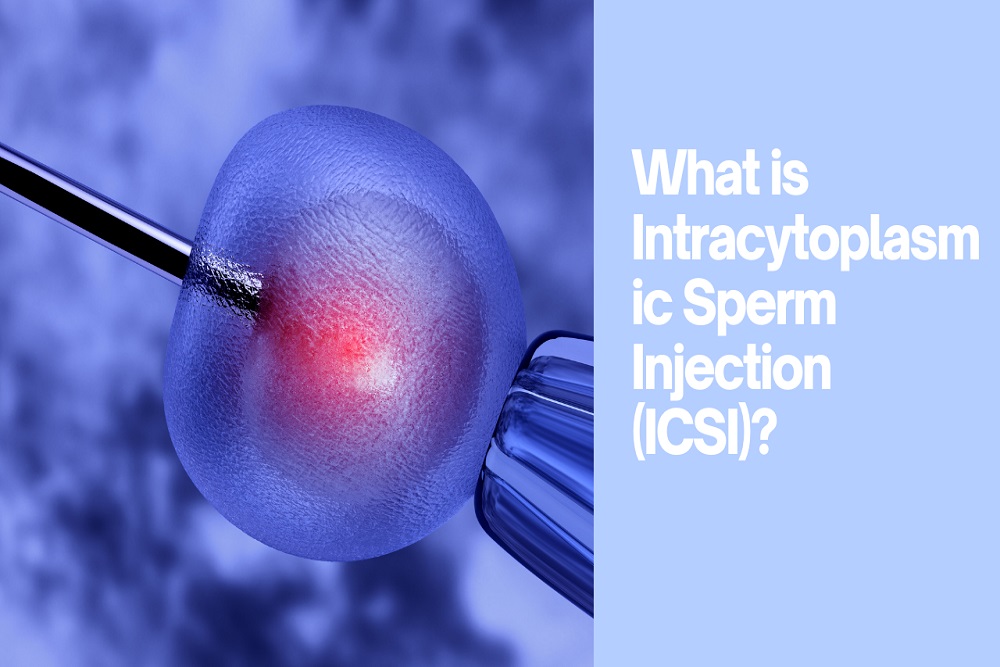
In this procedure, sperm is directly injected into IVF-produced eggs. Initially, a specialised pipetted is used to hold the mature egg. The single sperm is immobilised and picked up using a thick, sharp, hollow needle. The needle is then used to pierce the egg through the shell and into the cytoplasm. 

After the injection, the needle is gently removed. The eggs are checked the following day for signs of fertilisation. When fertilisation is successful, the embryo is placed in the woman’s uterus.

In Vitro Fertilisation (IVF)

IVF belongs to the assisted reproductive technology (ART) process, prevailing in today’s medical industry. Unlike other treatments, IVF isn’t a gender-specific procedure, which should be carried out by the IVF in Delhi. Couples with unexplained infertility, men with poor sperm quality or women with damaged ovaries are advised to choose the IVF specialist in Delhi.

During the procedure, sperm samples will be taken from the male and female eggs, and sperm will be manually mixed in a laboratory dish. In the end, the embryo will be placed inside the uterus. Best IVF in Delhi is affordable when compared to other teams and the success rate varies between 23% to 45%.

Factors Determining the Success Rate of IVF

There are various factors that determine the effectiveness of the IVF procedure, as follows.

  • Age—The greatest factor influencing the success rate of the IVF treatment is age. The best chances for success are between the ages of 24 and 34. When the couple’s age is over 40, the success rate will gradually decline.
  • Pregnancy history– If a couple has experienced a history of multiple miscarriages, the success of IVF will become more challenging.
  • Fertility problems– The effectiveness of the IVF procedure will be impacted by female fertility problems, including uterine abnormalities, ovarian malfunction, blocked fallopian tubes, and fibroid tumours. However, choosing the right IVF centre in Delhi can help you solve several infertility issues.
  • Lifestyle—Your chances of getting pregnant with IVF will be affected depending on your lifestyle factors. For example, the success rate will be lower if you or your spouse regularly smoke. The probability of IVF success rate can also be reduced by being obese or underweight. Hence, make sure to follow a healthy lifestyle to enhance the success of your IVF.

Choose the Best IVF Centre in Delhi to Begin your Parenthood Journey!

Infertility can be a challenging and emotional experience. However, with the right medical care and support from a skilled IVF specialist in Delhi, you can overcome the hurdles and achieve your dream of having your little one. Ensure to choose a qualified IVF doctor in Delhi who can guide you through various treatment options and help you make informed decisions.

At Nandi IVF, the best IVF centre in Delhi, each infertility treatment is meticulously tailored based on the couple’s age and fertility potential. Our dedication and attention to detail have always been fundamental in our success, assisting countless couples towards their precious parenthood journey.

What is Intracytoplasmic Sperm Injection (ICSI)?

ICSI is an innovative method that has revolutionized the treatment of infertility by offering a solution to couples facing male infertility problems. Before a man’s sperm can fertilize a woman’s egg, the head of the sperm must first attach to the outside of the egg. After fixation, the sperm penetrates through the outer layer into the cytoplasm of the egg, thus, fertilization takes place. 

Sometimes, for various reasons, sperm cannot pass through the outer layer. The outer layer of the egg or ovum can be thick or hard to penetrate, and the sperm cannot swim. In these cases, a procedure called intracytoplasmic sperm injection (ICSI) is performed by IVF Specialists in Delhi to help fertilize the egg. Let us learn more about ICSI.

What is ICSI?

Intracytoplasmic sperm injection (ICSI) is an advanced assisted reproductive technology (ART) procedure used in infertility treatment to resolve male infertility and promote fertilization. This involves the precise placement of a single sperm into the cytoplasm of the egg. The egg carries out fertilization. ICSI is usually performed as part of IVF treatment in Delhi and is designed to increase the chances of pregnancy when traditional fertilization methods may be less successful due to male infertility problems.

Why do you need ICSI?

ICSI at the best IVF centre In Delhi helps overcome fertility problems such as:

  • The male partner produces too little sperm for artificial insemination (IUI) or IVF. 
  • The sperm may not move normally. 
  • Difficulty for the sperm to fertilize the egg. 
  • A blockage in the male reproductive tract interferes with the release of sperm. 
  • Eggs cannot be fertilized with traditional IVF regardless of sperm status. 
  • Eggs matured in vitro are used. 
  • Usage of pre-frozen eggs.

How ICSI is performed

The ICSI procedure at the best IVF centre in Delhi involves the following steps:

Before ICSI procedure 

Before performing ICSI, your IVF doctor in Delhi must collect eggs and sperm. To collect the eggs, the following steps are taken:

  • Ovulation induction (also called ovarian stimulation): The donor receives injections of medication for 8 to 14 days. This stimulates the ovaries to release several eggs at once to mature.
  • Egg retrieval: Your doctor uses transvaginal ultrasound technology to insert a thin needle through the vaginal wall into the ovaries. This step is performed under light anesthesia, so there is no pain.

If frozen sperm are not used, the sperm collection is done on the same day as the egg retrieval.

During ICSI procedure 

During ICSI, your IVF specialist in Delhi will:

  • Use a pipette (a small glass tube with a suction cup) to hold the egg in a laboratory dish. 
  • A single sperm is immobilized and collected using a thin needle. 
  • A needle is inserted into the egg to reach the cytoplasm. 
  • Sperm enters the cytoplasm. 
  • The needle is then taken out of the egg.

After ICSI procedure

After ICSI, your doctor at the best IVF in Delhi will check the fertilized egg in a laboratory to monitor signs of successful fertilization. 

  • Within 5 to 6 days after the ICSI procedure, a healthy fertilized egg must divide into cells to form a blastula, which the doctor assesses. 
  • Embryo transfer occurs five to six days after the egg retrieval procedure, but the transfer is usually delayed by months or years. 
  • Your doctor will discuss with you the timing of the embryo transfer. 
  • Using ultrasound technology, the doctor inserts a catheter (a long, thin tube) into the vagina and places the embryo in the uterus. 
  • For pregnancy to occur, the embryo must implant (attach) to the uterus. 

IVF doctors in Delhi recommend waiting at least two weeks before taking a pregnancy test.

The success rate of intracytoplasmic sperm injection (ICSI)

The Centers for Disease Control and Prevention (CDC) does not have data on ICSI success rates, but other fertility clinics report fertilization rates of 70 to 80 percent for injected eggs.

About 6 out of 10 IVF procedures involve ICSI. The chances of pregnancy success with ICSI are the same as with conventional IVF. According to the Cleveland Clinic, it is estimated that 50 to 80 percent of ICSI attempts lead to fertilization.

Final Words,

For couples who are having trouble conceiving, the doctor may recommend intracytoplasmic sperm injection (ICSI). This type of in vitro fertilization (IVF) is helpful in cases of male infertility. However, it is necessary to talk to your healthcare provider at the IVF centre in Delhi about whether ICSI is the best fertility treatment for you. 

Is it difficult to get pregnant because of male infertility? Find hope with Nandi IVF’s advanced ICSI treatment. Our team of experts specializes in providing customized solutions for couples facing infertility issues. We want to help you fulfil your dream of becoming a parent with our cutting-edge technology. Take the first step towards a better future with the best IVF centre in Delhi. Book your consultation with Nandi IVF today.

Understanding the Differences Between IVF and ICSI

For countless couples who dream of starting or expanding their family, they probably heard of various infertility treatments, including IVF and ICSI. IVF (in vitro fertilization) and ICSI (intracytoplasmic sperm injection) are the two most common methods of infertility treatment, in which sperm and eggs are fertilized outside the uterus in a laboratory of the best IVF centre In Delhi, and the resulting embryos are implanted in the uterus of the expectant mother. 

But what is the difference between IVF and ICSI? In this article, we’ll explain the differences between IVF and ICSI to help you understand what a fertility doctor at the IVF Center In Delhi should consider when deciding whether to recommend IVF or ICSI.

What is IVF?

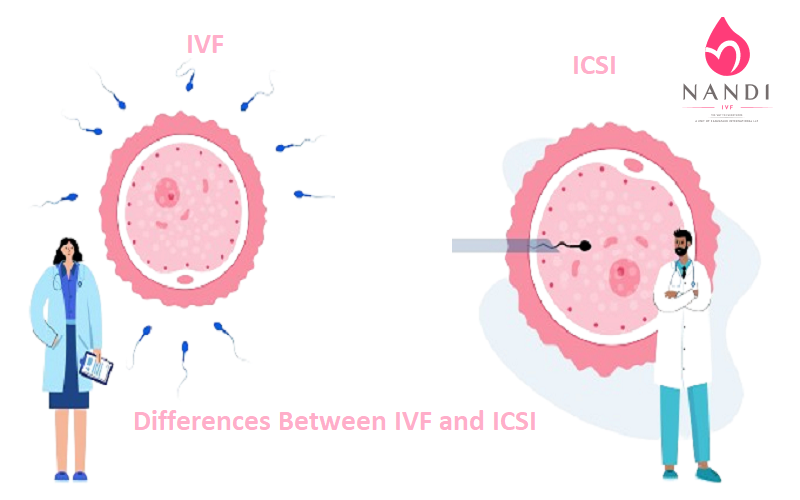
In vitro fertilization (IVF) is a type of assisted reproductive technology (ART) that fertilizes sperm and eggs outside the body. IVF is a complex process in which eggs are removed from the ovaries and manually combined with sperm in a laboratory for fertilization. The fertilized egg, which is now referred to as an embryo, is inserted into the uterus a few days following fertilization. Pregnancy occurs when this embryo implants in the uterine wall.

People at the best IVF centre In Delhi choose IVF for many reasons, including fertility issues or their partner’s health. IVF is an option if you or your partner have the following problems:

  • Fallopian tubes are blocked or damaged.
  • Endometriosis. 
  • Low sperm count or other sperm disorders. 
  • Polycystic ovary syndrome (PCOS) or other ovarian disease. 
  • Uterine fibroid. 
  • Problems with the uterus.
  • Risk of acquiring an inherited disease or disorder. 
  • Unexplained infertility. 
  • Want to use an egg donor or surrogate mother?

What is ICSI?

Another way to treat infertility is intracytoplasmic sperm injection (ICSI). This involves injecting live sperm into human eggs in a laboratory. This procedure helps in producing embryos (fertilized eggs). ICSI is another form of in vitro fertilization (IVF). IVF Doctors In Delhi often use ICSI when male infertility affects a man’s ability to conceive.

ICSI is very useful for men with male infertility. Your healthcare provider at the best IVF centre In Delhi will suggest ICSI if:

  • There is no ejaculation. 
  • There is a blockage of the male reproductive system. 
  • There is a Low sperm count. 
  • The sperm quality is poor. 
  • There is retrograde ejaculation (semen flowing back into the bladder).

Key differences of IVF vs ICSI

Here is the list demonstrating the key differences between IVF and ICSI by the best IVF In Delhi:

Factors IVF ICSI
Time taken IVF is a complex process consisting of several stages. On average, you can expect this process to take 4 to 6 weeks. On the other hand, ICSI treatment is divided into five main stages, which usually take 10 to 12 days.
Suitability IVF can be suitable for various causes of infertility, including female infertility factors such as blocked fallopian tubes or ovulation disorders.  ICSI is recommended for male infertility problems such as low sperm count, low sperm motility, and abnormal sperm morphology.
Success rate IVF and ICSI generally have similar success rates. However, ICSI has demonstrated a high success rate in cases of severe male factor infertility. The success of any procedure depends on many factors, including the age of the woman, the quality of the eggs and sperm, and the expertise of the fertility clinic.
Cost ICSI is generally more expensive than IVF due to additional laboratory techniques. IVF and ICSI costs may vary depending on geographic location, clinic reputation, and any additional treatments or procedures required. 
Risk of a genetic disorder The risk of genetic diseases during conventional IVF is similar to natural fertilization.  ICSI carries a slightly higher risk of genetic abnormalities due to the possibility of carrying abnormal sperm. 
Number of embryos transferred With IVF, more embryos are transferred into the uterus, increasing the chances of pregnancy but also increasing the risk of multiple pregnancies. ICSI often involves single embryo transfer to reduce the likelihood of multiple pregnancies while maintaining the likelihood of success.

IVF or ICSI: Which treatment should you choose?

The results of your fertility assessment and consultation with one of our IVF specialists in Delhi will help you decide which fertility treatment is right for you. Our specialists will always work with you to provide detailed information about your treatment plan, process, and pricing before you begin your treatment of choice.

Whether IVF or ICSI is your fertility treatment of choice, our team of IVF specialists at the Best Ivf Clinic In Delhi will always provide personalized, patient-centred care and support throughout your journey.

Conclusion,

Both IVF and ICSI are valuable tools in assisted reproductive technology, helping couples with fertility problems realize their dreams of becoming parents. While IVF treatment in Delhi is a common and widely used method, ICSI offers a solution to the specific problem of male infertility. 

Choosing between these two methods requires consultation with an IVF specialist in Delhi, taking into account the specific circumstances and needs of the individuals involved. Ultimately, the goal is to choose the approach that offers the best chance of success and the greatest hope of starting a family. 

Choosing between many fertility treatments and confused about which one is best for you? Take a step forward towards Nandi IVF.

Male Infertility: Symptoms, Causes, and Treatment

Infertility can be a distressing issue for many couples who wish to start a family. While both male and female fertility issues contribute to this problem, it’s estimated that male infertility is the primary or contributing cause in around 30-50% of cases. 

With the advancements in reproductive technologies, facilities like the Best IVF in Delhi have become beacons of hope for countless individuals. This article delves into the symptoms, causes, and treatments of male infertility, providing a guiding light for those navigating this complex path.

What is Male Infertility? 

Male infertility refers to a male’s inability to lead to a pregnancy in a fertile female. It is commonly diagnosed when abnormal semen quality, function, or production impairs the probability of sperm fertilizing the egg. It’s a condition that impacts an estimated one in every six couples, with male factors accounting for about 50% of all infertility cases

Common Symptoms

There are no obvious signs of male infertility other than the inability to conceive a child. Some subtle signs pointing to potential male fertility problems include:

– Changes in sexual desire

– Erectile dysfunction  

– Issues with ejaculation, including painful ejaculation or blood in the semen

– Testicular pain or swelling

– Recurrent respiratory infections

– Decreased facial or body hair 

Paying attention to such symptoms and seeking timely medical assistance can help identify and address the underlying conditions early.

Causes of Male Infertility

Male infertility has numerous possible causes, spanning lifestyle factors, anatomical problems, genetic conditions, hormonal imbalances, and environmental exposures.

Hormonal disorders like low testosterone, estrogen imbalance, and pituitary or thyroid diseases account for some fertility hurdles. Physical causes range from varicocele, cystic fibrosis, infections, obstructions in the reproductive tracts, medications to prior surgeries.

Lifestyle habits like heavy alcohol consumption, smoking, use of anabolic steroids, stress, and obesity also deteriorate sperm quality and fertility rates. Environmental toxins, including pesticides, lead, radiation, or heat exposure too, can lead to reduced sperm production and mobility.

In some cases, genetic causes like chromosomal defects, Y chromosome deletion, or issues like Klinefelter syndrome are responsible. Identifying the cause is crucial for effective treatment, necessitating a visit to a reputed Ivf Specialist In Delhi.

Diagnosis

Diagnosing male infertility involves examinations of one’s medical history, genetic conditions, and infection status, as well as assessments like:  

– Physical examination

– Semen analysis 

– Blood tests to evaluate hormone levels

– Imaging tests like scrotal ultrasound

– Genetic testing  

Treatment Options

Treatments vary based on the underlying cause but often include:

  • Medical Treatments: Hormone replacements or medications to address specific deficiencies or issues like gonadotropin shots.
  • Surgical Treatments: Procedures to rectify physical impediments like varicocele.
  • Assisted Reproductive Technologies (ART): ART, which includes In vitro fertilization (IVF) and intracytoplasmic sperm injection (ICSI), has markedly improved fertility success rates nowadays by enabling ways for sperm to fertilize the egg outside the body in a lab environment.
  • Lifestyle Adjustments: Lifestyle modifications regarding diet, exercise, stress reduction, and avoiding smoking or alcohol abuse also help boost natural fertility.

Facilities offering IVF treatment In Delhi play a pivotal role in providing these advanced treatment options.

Coping with Infertility 

Battling male infertility and coping with unsuccessful attempts can negatively impact one’s emotional, psychological, and relational well-being. 

Seeking supportive communities, couples counseling, stress management through meditation/yoga, transparency with one’s partner, focusing inward on health gains made so far, and maintaining a hopeful stance also assuage some of the frustrations.

Preventive Care

While several factors causing male infertility might be out of hand, adopting some proactive steps goes a long way:

– Maintaining proper weight and fitness levels

– Avoiding smoking/excessive alcohol consumption

– Reducing exposure to workplace toxins  

– Stress management and restful sleep  

– Regular health check-ups to monitor hormonal levels and sperm quality

By promptly recognizing symptoms and risks early on, many male-linked fertility problems can be managed or reversed successfully.

The Final Thoughts

Our expanding understanding of male reproductive health has brought infertility treatments a long way. Male factor infertility is a complex problem, but seeking timely assistance from fertility specialists regarding suitable diagnosis procedures and customized treatment plans, including ART options, improves one’s likelihood of fathering their own biological child.   

If you and your partner have been struggling to conceive or have any of the symptoms/risk factors discussed here, consult expert doctors specializing in male infertility evaluation and care. 

Healthcare providers like Nandi IVF have extensive experience in fertility treatments, including IVF, ICSI, surgical procedures, and holistic health management based on the underlying infertility causes. Reach out to us at Nandi IVF for comprehensive assistance in diagnosing and overcoming this challenge.

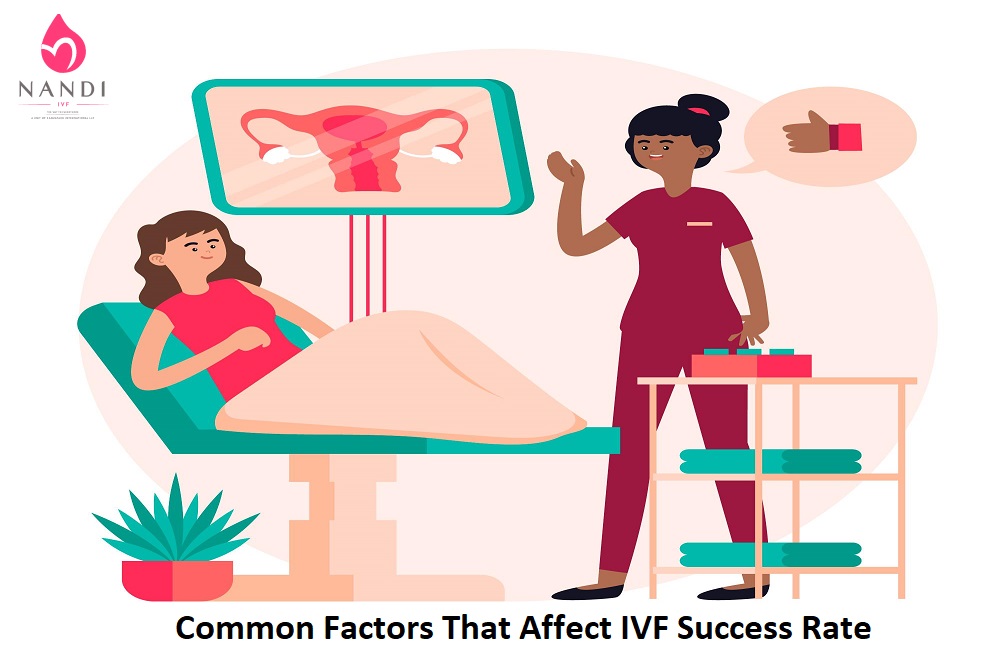
Common Factors That Affect IVF Success Rate

For many couples struggling with infertility, in vitro fertilisation (IVF) offers a lifeline and hope for building their family. However, going through the physical rigours and emotional rollercoaster of IVF treatment is daunting. The financial costs associated with IVF can also be burdensome for some. 

Naturally, patients invest tremendous expectations into each IVF cycle for it to result in the ultimate joy of parenthood. But success rates do vary. As you embark on your IVF journey with Nandi IVF, India’s foremost IVF specialist clinic, it is important to have realistic expectations and understand what common factors can impact IVF success. This blog delves into the crucial elements affecting IVF outcomes and how specialists in Delhi are making a difference.

Factors Influencing IVF Success Rates

Many interlinked factors, ranging from medical to lifestyle issues of both partners, can affect the outcomes in an IVF cycle. Some key parameters are:

Maternal Age 

A woman’s age is the dominant factor determining IVF success. As a woman grows older, especially after 35 years, her ovarian reserve declines, which leads to poorer egg quantity and quality. This directly impacts embryo development and lowers implantation chances. At Nandi IVF, we have achieved high success rates in older patients through optimal protocols.

Cause of Infertility

Issues like damaged fallopian tubes, endometriosis, etc., can decrease IVF success rates compared to unexplained infertility. Our world-class fertility experts are experienced in tackling even complex fertility issues through a customized treatment plan.

Lifestyle Factors

Good lifestyle habits like maintaining a healthy BMI through proper diet and exercise, reducing stress levels, and eliminating smoking/ alcohol improve IVF outcomes.

Protocol and Medications

The type of IVF protocol and medications tailored to suit each patient’s profile by fertility specialists have a major effect on results. At Nandi IVF, our globally trained doctors follow evidence-based practice to design customized regimens for the best chance of IVF success for every patient.

Sperm Health and Morphology

Along with egg quality, the quality of sperm also equally determines IVF success. Low sperm count, inadequate motility, and high DNA fragmentation negatively impact results.

Embryo Quality and Number

A higher number of good-quality embryos available for transfer directly relates to better success odds. Our embryologists are experts in selecting embryos with maximum implantation potential using advanced technologies.

IVF Lab Conditions

World-class infrastructure and strict protocols followed by our lab provide the optimal nurturing environment for embryos outside the body to boost IVF success.

Transfer Technique

A smooth embryo transfer process adhering to precision techniques leads to higher implantation rates. Our clinical team specializes in both simple and complex transfer processes.

Previous Reproductive History and IVF Success

Your past reproductive history, including previous pregnancies or IVF attempts, can offer insights into future IVF success. The Best Ivf In Delhi uses this information to tailor treatment plans, enhancing the likelihood of a positive outcome.

Addressing Medical Conditions

Certain medical conditions can hinder IVF success. The Best IVF Center in Delhi is equipped to manage issues like uterine abnormalities and ovarian dysfunction, utilizing advanced techniques like pre-implantation genetic diagnosis (PGD) to improve success rates.

Fertility Clinic Expertise Matters

Beyond these individual factors related to patients, the expertise and experience of the IVF clinic play a pivotal role in shaping success in this advanced Assisted Reproductive Technology procedure. IVF treatment in Delhi has seen remarkable advancements, with clinics adopting state-of-the-art technologies to improve outcomes. At Nandi IVF, our outstanding success rates across all age groups vouch for our clinical excellence honed over 5500+ IVF procedures:

  • 80% success rate in women below 35 years
  • 60-65% rate for 35-37-year-olds 
  • 50-55% rate in patients above 40 years

Choose the Best IVF Specialist in Delhi NCR

Becoming a parent is an unmatched emotional high. For those struggling with infertility, Nandi IVF offers the best chance at successful conception through IVF. As Delhi NCR’s top-ranked IVF centre, we have consistently delivered high IVF success rates through our patient-centric treatment approach.

To know more about our IVF success rate or fix an appointment, visit us today! Our patient facilitators will be happy to address all your queries regarding your IVF treatment plan or connect you to our fertility specialists.

Bring A Baby Into Your Home With Nandi IVF

    Call Now Whatsapp Email
    //