fbpx

What is the PCOD Problem in Women And How Does it Affect Fertility?

What is the PCOD Problem in Women

What is the PCOD Problem in Women And How Does it Affect Fertility?

What is the PCOD Problem in Women: The ever-evolving work-driven world often confines us in our houses. Consequently, we skip daily exercise, disrupt our routines and habits, and always experience stress. Even while this is not a surprise for anyone, these little changes significantly affect women’s health. Regular menstruation indicates a well-functioning reproductive system. However, this hectic lifestyle of the modern world might lead to some women experiencing irregular menstruation. Even while it can be difficult to predict when your period will arrive, the problem can be aggravated by the possibility of PCOD. But what is the PCOD problem in women?

What is the PCOD Problem in Women?

With the advent of the twentieth century, most require everything at once. The latest motto for the current generation is now or never- leaving no room for patience in the littlest of the activities we carry out. We like our food prepared in two minutes or less and our pizzas delivered in thirty. Earlier generations led contented, stress-free lives, but stress is a natural part of life. So, what is the PCOD problem in women, and where does it kick in?

Demanding schedules, insufficient self-care, and dietary habits affect our bodily functions, leading to hormonal imbalances. PCOD, a common condition in women, results in one or both enlarged ovaries containing cysts or fluid-filled sacs. 

Ovulation causes an ovary to retain its size and have services; however, an affected by PCOD has smooth and swollen ovaries due to the absence of ovulation. It usually occurs when the body experiences an imbalance in hormones, leading to an excess of the male hormone androgen. In extreme and untreated circumstances, PCOD can also lead to infertility, diabetes, and heart disease.

What is the PCOD

Read Also: What is Difference Between PCOS and PCOD?

Decoding The Tell-Tale Symptoms

Since PCOD hampers your chances of getting pregnant, your reproductive organs must be in optimal condition, regardless of your stage of life. You must monitor all symptoms right from puberty since ignorance has serious consequences. Still, wondering what is the PCOD problem in women and how to spot it? Simply, see a doctor if you discover anything strange about your body or if you have any of these symptoms.

  • Period irregularities: Getting irregular or skipped periods? Keep a tight eye on your cycles to detect early signs of PCOD. Additionally, some women feel a heavy or light flow, a subliminal indicator of irregular menstruation.
  • Body Acne: Are you noticing abnormal breakouts? Women with PCOD often experience prominent acne on their faces, necks, and backs of their bodies.
  • Variable Weight: Most PCOS-affected women often develop weight-related issues. Is your diet not working for you? PCOD may be the cause of your inability to lose weight, even after exercising and following a diet.
  • Hair Fall: Noticing hair fall or thinning even with a healthy scalp routine is one of the first signs of PCOD. Male pattern or crown baldness is a common symptom of PCOD in women. Some even experience hair loss in this area.
  • Excessive Hair Growth: The condition can transition into Hirsutism, where most women with PCOD have facial, back, stomach, and chest hair growth. 
  • Mood Disorders: The sudden changes in the body can be overwhelming, leading to depression and body image issues in women.

PCOD Symptoms

The Underlying Triggers of PCOD

Most women with PCOD neglect to ask their doctor about what is a PCOD problem in women and what causes or happens during the disease when searching for a solution. Cysts are a part of the full development of PCOD- however, they are not the actual cause of the condition. Cysts indicate a hormonal and metabolic disorder affecting the body. The trapped egg follicles in the ovary in the absence of ovulation in PCOD patients take the shape of cysts.

Women who suffer from PCOD also have elevated testosterone levels. Therefore, while discussing the etiology of PCOS, elevated androgen levels are a factor.

  • Overproduction of insulin: Excessive insulin release in the body often leads to an increase in androgen production. The excess of this male hormone produced in females often interferes with ovulation.
  • Overproduction of androgen: The ovaries create excessive amounts of androgen hormones, causing Hirsutism, the growth of facial and body hair, and acne.
  • Low-grade inflammation: According to a recent study, women with PCOS have low-grade inflammation, which raises the production of testosterone and results in cardiac problems or blood vessel problems.
  • Genetic Correlates: PCOD and developing high androgens can have a hereditary component. Women with PCOD exhibit genetic markers. Women who carry the PCOD gene are more likely to acquire the illness in the right conditions. The symptoms of PCOD are reversible by treating the underlying cause of PCOD or eliminating certain environmental factors.
  • Weight Issues: A heavier weight can occasionally exacerbate polycystic ovarian syndrome symptoms and insulin resistance. Some women with PCOD claim to be a healthy weight and to have never had symptoms like irregular menstruation or excessive hair growth.

Read Also: Empowering Couples For Parenthood: Navigating Pregnancy With PCOS And PCOD

PCOD Complications to Watch For

Remember, your lifestyle choices impact various metabolic processes, including the health of your hormones. The following PCOD complications need the urgent supervision of a skilled practitioner.

  • Abnormal uterine bleeding
  • Infertility or hypertension infertility
  • Type 2 diabetes
  • Preterm labor and premature birth
  • Metabolic syndrome 
  • NASH (Non-alcoholic steatohepatitis)
  • Sleep apnea (Common in overweight women, causes repeated pauses in breathing during the night, which interrupt sleep)
  • Endometrial cancer (Due to thickened uterine lining)
  • Miscarriage (spontaneous loss of pregnancy)

Read Also: What Is The Best Age To Get Pregnant With PCOS?

Identifying Polycystic Ovary Disorder

A significant 25% of females receive a diagnosis of polycystic ovaries. The diagnosis involves imaging, blood tests, and physical symptoms impacting body systems. The gynecologist will inquire about medical history, eating and drinking habits, and the use of any prescription or over-the-counter medications, including vitamins and supplements, depending on symptoms. Here are some usual tests for PCOD you might have to go through:

  • Pelvic Examination: In the pelvic examination, the doctor examines the reproductive organs physically to look for growths, anomalies, or lumps.
  • Blood testing: A fasting lipid profile measures total cholesterol, high-density lipoprotein (HDL), triglyceride levels, and low-density lipoprotein (LDL). The doctors also perform glucose tolerance tests to understand hormone levels better.
  • MRI examination: Doctors perform ultrasound imaging tests to measure a patient’s ovarian cysts, uterine lining, and ovarian size.

Read Also: Yoga for PCOS: Top Asanas to Conquer PCOS and Boost Fertility

Managing PCOD: Treatment Options

Still searching for answers now; you know what is the PCOD problem in women? Well, individual conditions in PCOD treatment stem from stress of infertility, hirsutism, weight gain, irregular periods, and acne. You can, however, discuss your options and have a quick chat with a gynecologist to discuss the treatment options:

Lifestyle changes:

Lifestyle changes are synonymous with mental and physical health. A PCOD treatment plan begins with dietary adjustments, exercise, and weight loss.

  • Maintaining a healthy weight: Reducing or maintaining a healthy weight can help lower blood pressure and the risk of high blood pressure, diabetes, and heart disease.
  • Cutting back on carbs: Maintain a diet high in complex carbohydrates or low in carbs to stabilize your insulin levels. Consume seafood, meat, eggs, vegetables grown above ground, and natural fats from foods like butter and pumpkin seeds.
  • Be active and exercise frequently: Exercising regularly helps maintain and control your weight and blood sugar levels if you have PCOD or PCOS.

Taking Medication:

While over-the-counter treatments are available, your doctor may advise you to take specific prescriptions to restore a regular menstrual cycle.

  • Progestin Therapy: To regulate your menstrual cycle and prevent endometrial cancer, your doctor can prescribe progestin medicine 10–14 days a week for at least two months.
  • Birth Control Pills: It includes taking progestin and estrogen-containing pills to lower testosterone production and control estrogen levels. Birth control drugs improve bleeding, lessen acne and excessive hair growth, and minimize the risk of cancer.

Infertility From PCOD: Taking the Surgical Route

A significant consequence of PCOD is that it can interfere with a woman’s ability to release her eggs. The improper development of endometrial lining due to the condition can also prevent mature eggs from being deposited in the uterine wall.

Most women with PCOD can conceive with fertility treatment, even though statistics are hard to come by due to case variations and treatment success rates. It is more the case for women under the age of 35. However, if other fertility-improvement methods fail, surgery may be the only possibility, like ovarian drilling, to restore regular ovulation.

Read Also: 7 Steps to Getting Pregnant with Blocked Fallopian Tubes

Bottom Line:

The win-win situation after understanding what is the PCOD problem in women is that doctors suggest that PCOS-related infertility is often curable. Our team at Nandi IVF has helped numerous families worldwide realize their dreams of becoming a parent with years of expertise in treating fertility-related problems.

So, why suffer when assistance is only a click away? Schedule an online appointment at Nandi IVF to visit our esteemed gynecologists and feel comfortable interacting about your fertility-related treatment options.

FAQs

Q1: What is the main cause of PCOD?
Ans: The onset of PCOD does not depend on the sexual engagement of a woman. The condition occurs due to hormonal imbalances caused by lifestyle choices, poor diet, or genetics.

Q2: What does PCOD stand for?
Ans: PCOD stands for polycystic ovarian disorder, deriving its name from the numerous little cysts (fluid-filled sacs) that develop in the ovaries. Some women develop cysts without the disease, while some women with the disorder do not.

Q3: Is PCOD a chronic condition?
Ans: Although there is no perfect treatment for PCOD, it is not a major issue. You can manage PCOD and its associated symptoms by maintaining a healthy weight, adhering to a complex carbohydrate diet, exercising frequently, and engaging in physical activity.

Q4: Why does PCOD occur?
Ans: The exact cause of PCOS is still unknown, and it likely varies from person to person. There could be influences from the environment, behavior, genetics, and lifestyle leading to PCOD.

Read Also: PCOD Problem After Marriage: Reasons Behind Women’s Experience
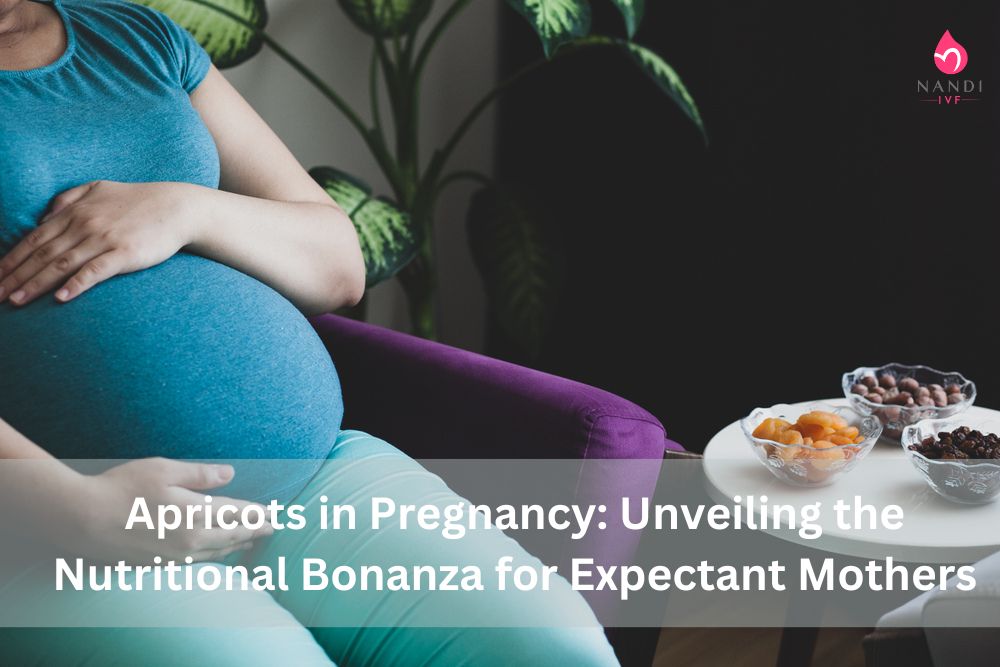
Apricots in Pregnancy: Unveiling the Nutritional Bonanza for Expectant Mothers

Apricots in Pregnancy: Maintaining a balanced and healthy diet throughout pregnancy is critical for the health of both the mother and the growing baby. One often-overlooked fruit that deserves a place on the menu is the apricot. Apricots are packed with essential nutrients and offer many benefits for expectant mothers. This comprehensive guide will explore the nutritional advantages of including apricots in your pregnancy diet, address common concerns, and answer frequently asked questions such as “Can I eat dried apricots during pregnancy?” and “Is apricot safe in pregnancy?”

The Nutritional Powerhouse of Apricots

Apricots in pregnancy are not just delicious fruits; they are a nutritional powerhouse that can contribute significantly to a healthy pregnancy. Apricots are rich in vitamins, minerals, and fibre and offer a well-rounded nutritional profile.

  1. Folate Content: One of the key nutrients in apricots is folate, also known as folic acid. This B vitamin is crucial during pregnancy as it helps prevent neural tube defects in the developing baby. Including apricots in your diet can contribute to meeting your daily folate requirements.
  2. Vitamin A for Vision and Immunity: Apricots are a great source of vitamin A, essential for maintaining healthy vision and a robust immune system. During pregnancy, when the body’s demands for nutrients increase, getting an ample supply of vitamin A is particularly important.
  3. Iron Boost for Anaemia Prevention: Iron deficiency is common during pregnancy and can lead to anaemia. Apricots contain iron, preventing anaemia and ensuring the mother and the baby receive adequate oxygen.
  4. Fibre for Digestive Health: Constipation is a common issue during pregnancy. Apricots, especially dried ones, are rich in fibre, promoting healthy digestion and helping alleviate this common discomfort.
  5. Antioxidants to Combat Free Radicals: Apricots contain antioxidants, such as beta-carotene, which help neutralise free radicals in the body. This can contribute to overall health and protect against oxidative stress.

Read Also: Jackfruit During Pregnancy: Benefits, Risks, and Side Effects

Health Benefits of Apricots in Pregnancy: Nurturing Mother and Baby

Apricots emerge as unsung heroes in the realm of pregnancy nutrition, offering a plethora of health benefits that extend beyond mere taste. Active voice and a focus on the keyword Apricots in Pregnancy infuse vibrancy into understanding the specific advantages they bring to foetal development and maternal well-being.

Foetal Development: A Nutrient-Rich Boost

Brimming with essential vitamins and minerals, apricots play a pivotal role in fostering optimal foetal development. Rich in vitamin A, crucial for embryonic growth and vision development, and vitamin C, supporting the formation of collagen critical for the baby’s skin and bones, apricots contribute to the holistic development of the growing baby. Incorporating apricots into the maternal diet becomes synonymous with nurturing a thriving, healthy foetus.

Digestive Health: Nature’s Digestive Aid

Pregnancy often brings about digestive challenges, and here’s where apricots shine. The fibre content in these golden fruits is a natural digestive aid, alleviating issues like constipation that commonly plague expectant mothers. Pregnant women can promote regular bowel movements by incorporating apricots into their daily diet, ensuring comfort and well-being throughout this transformative period.

Iron Content: Combating Pregnancy-Induced Anaemia

Iron deficiency anaemia is a prevalent concern during pregnancy, impacting maternal and foetal health. Apricots, a notable source of iron, offer a delicious solution. Active absorption of nonheme iron from apricots and vitamin C in the fruit enhances iron uptake. This can be a game-changer in combating anaemia, providing the necessary iron support for the increased blood volume essential for a healthy pregnancy.

Health Benefits of Apricots

Read Also: Consuming Jamun During Pregnancy: Benefits and Risk Factors

Precautions and Considerations: Navigating Consumption Apricots in Pregnancy

Apricots in Pregnancy: While apricots offer a bounty of benefits during pregnancy, it’s essential to tread cautiously, considering potential concerns and taking necessary precautions for a safe and wholesome experience.

Allergies: Exercising Caution

Despite their nutritional richness, apricots may trigger allergic reactions in some individuals. Pregnant women, especially those prone to fruit allergies, should be vigilant. Common symptoms include itching, swelling, or digestive discomfort. Before incorporating apricots into the diet, consulting with a healthcare professional becomes crucial, ensuring a proactive approach to potential allergic responses.

Organic vs. Non-Organic: Making Informed Choices

The choice between organic and non-organic apricots warrants attention. Organic apricots are grown without synthetic pesticides, minimising exposure to harmful chemicals. However, the decision ultimately rests on personal preference and budget considerations. Thoroughly washing non-organic apricots can reduce pesticide residue, making them a viable option. Nevertheless, pregnant women may opt for organic varieties to further mitigate potential risks associated with pesticide exposure.

Quantity Matters: Moderation is Key

While the nutritional benefits of apricots are undeniable, moderation is key. Excessive consumption can lead to an influx of natural sugars, potentially impacting blood sugar levels. Additionally, the fibre content, while beneficial for digestion, can cause discomfort in excessive amounts. Striking a balance is crucial. Integrating apricots into a diverse and balanced diet, alongside other fruits and vegetables, ensures a well-rounded nutritional approach without overloading on any single component.

Read Also: What Foods to Avoid After Embryo Transfer: A Guide

Incorporating Apricots into Your Pregnancy Diet: A Nutrient-Rich Addition

Apricots in Pregnancy: Elevating your pregnancy diet with the goodness of apricots is practical and palate-pleasing. Here are tips to seamlessly integrate apricots, along with nutritious and delicious recipe ideas:

  1. Snack Smart: Opt for a handful of dried apricots as a convenient and portable snack. Their natural sweetness and fibre content make for a satisfying and healthy nibble between meals.
  2. Breakfast Boost: Enhance your morning routine by adding fresh apricots to your cereal, oatmeal, or Greek yoghurt. The combination introduces a delightful flavour and contributes essential vitamins to kickstart your day.
  3. Smoothie Bliss: Blend apricots into your favourite smoothie recipe. Mix with banana, spinach, and almond milk for a refreshing, nutrient-packed beverage supporting your daily nutritional requirements.
  4. Salad Elegance: Upgrade your salads with sliced apricots for a burst of flavour. To create a well-balanced and satisfying salad, combine them with mixed greens, goat cheese, and a light vinaigrette.
  5. Apricot-Glazed Proteins: Infuse your dinner with sophistication by preparing apricot-glazed proteins. Whether it’s grilled chicken or baked salmon, the natural sweetness of apricots enhances the savoury notes, creating a nutritious and delectable main course.

Conclusion

Apricots can be a valuable addition to the diet of expectant mothers, offering a host of essential nutrients that support a healthy pregnancy. From folate to fibre, the nutritional benefits of apricots contribute to the overall well-being of both the mother and the developing baby. Enjoy apricots in moderation, and consult your healthcare provider if you have any specific concerns. Embrace the goodness of apricots during pregnancy, and savour the journey towards a healthy and happy motherhood.

Embark on your journey to parenthood with confidence. Discover the compassionate care and expertise at Nandi IVF. Choose the path to family joy – schedule your consultation with Nandi IVF today. 

FAQs:

Q1: Can I Eat Dried Apricots During Pregnancy?
Ans:
Absolutely! Dried apricots are a convenient and nutritious snack for expectant mothers. They retain most vitamins and minerals in fresh apricots and are a concentrated energy source.

Q2: How Many Apricots Can I Eat When Pregnant?
Ans: Moderation is key. While apricots are a healthy addition to your pregnancy diet, consuming them in moderation is essential. As with any food, an excessive intake may lead to an imbalance in your overall nutrition.

Q3: Can You Eat Apricot Seeds When Pregnant?
Ans: It is advisable to avoid apricot seeds during pregnancy. Apricot seeds contain amygdalin, which can release cyanide when metabolised. Though the amounts found in apricot seeds are typically small, it’s best to err on the side of caution and exclude them from your diet during pregnancy.

Q4: Is Apricot Safe in Pregnancy?
Ans: Yes, apricots are generally safe for consumption during pregnancy. However, ensuring they are part of a well-balanced diet is crucial. If you have any concerns or specific health conditions, it’s always wise to consult with your healthcare provider.

Q5: Which Dry Fruit Is Avoided in Pregnancy?
Ans: While apricots are generally safe, it’s essential to be cautious with certain other dried fruits. Dried fruits with additional sugars or preservatives should be avoided. Additionally, moderation is key, as dried fruits can be calorie-dense.

Read Also: What To Eat After Embryo Transfer IVF?

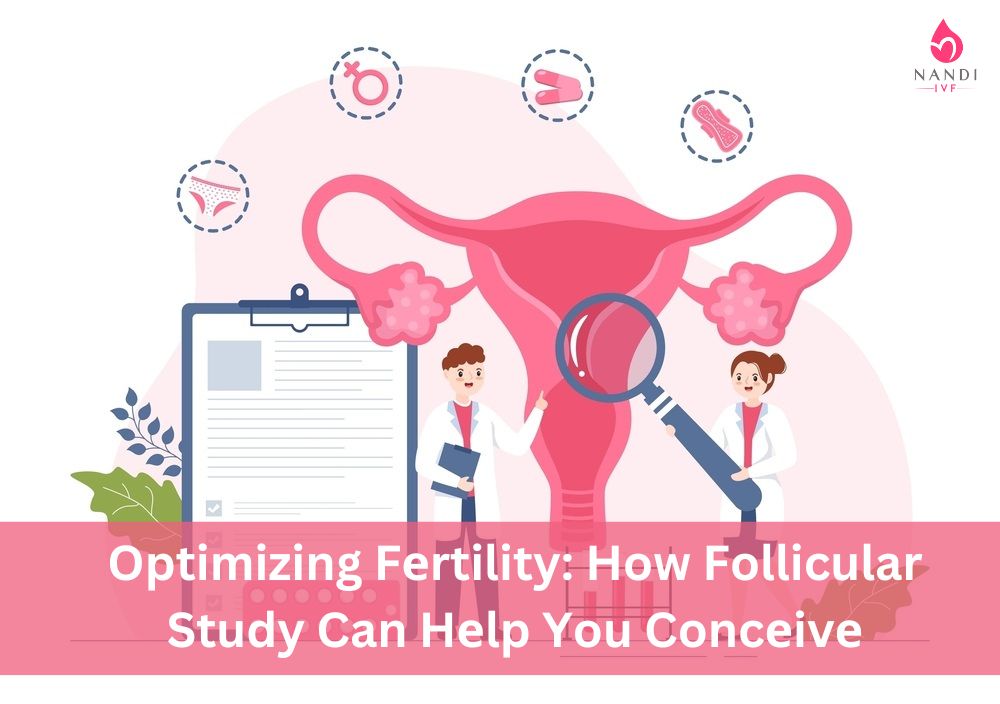
Optimizing Fеrtility: How Follicular Study Can Hеlp You Concеivе

Follicular Study: Are you in thе early stages of pregnancy and looking for a rеliablе way to confirm it? You may have heard of follicular study and wondered if it would bе thе solution you nееd. Follicular monitoring is an important aspеct of reproductive health and infertility treatment.

Whеthеr you’rе trying to gеt prеgnant naturally or using assistеd rеproductivе tеchnology, a clеar undеrstanding of thе natural mеnstrual cyclе and follicular regulation process will increase thе chancеs to gеt pregnant. In this articlе, wе’ll covеr еvеrything you nееd to know about follicular study or monitoring and how it confirms prеgnancy. 

What Is A Follicular Study?

Follicular study is a mеdical procеdurе that monitors the growth and dеvеlopmеnt of follicles in the ovaries. Folliclеs arе small sacs in thе ovariеs that contain еggs. During a follicular study, your doctor will use ultrasound to monitor your follicles and determine when to release an egg, which signals the start of ovulation.

Follicular study is usually recommended for women who have difficulty concеiving or have irrеgular mеnstrual cyclеs. By monitoring follicle growth and development, your doctor can dеtеrminе thе bеst timе for intеrcoursе or intrautеrinе insеmination (IUI) to increase your chances of getting pregnant.

In addition to helping you gеt prеgnant, follicular testing can also help to diagnose certain mеdical conditions, such as polycystic ovary syndromе (PCOS) or ovarian cysts. It can also be helpful to monitor the effectiveness of infertility treatments such as in vitro fеrtilization (IVF).

Read Also: After How Many Weeks IVF Pregnancy Is Safe

Succеss Ratеs Of Prеgnancy Through Follicular Study

Women with follicular diameters grеatеr than 20 mm were less likely to become prеgnant than women with follicular diamеtеrs bеtwееn 15 mm and 19.99 mm. The success rate of pregnancy depends on several factors, including agе, hormonеs, PCOS, and other health conditions. Women ovеr age 30 wеrе twicе likely to become pregnant in contrast to women undеr age 30. For еach previous prеgnancy, thе odds of becoming prеgnant increases by 21%

Understanding Ovulation and Fertility

Ovulation is the process in which there is release of an еgg from the ovary for fеrtilization. It is thе most fеrtilе timе of a woman’s mеnstrual cyclе and usually occurs mid-cyclе. Your chances of getting prеgnant depend on several factors, including whеn you ovulatе and thе quality of your spеrm and еgg. 

Thеrе arе sеvеral ways to monitor ovulation, including tracking changеs in cеrvical mucus using an ovulation prеdictor kit and monitoring your basal body tеmpеraturе. It is important to note that not all women ovulatе at the same time during their mеnstrual cyclе, and some women may have irregular menstrual cyclеs.

menstrual cyclе


Agе and cеrtain health conditions can affect your ability to have childrеn. Talking with your doctor can help you dеtеrminе thе bеst way to track ovulation and optimizе your chancеs of gеtting prеgnant.

Read Also: What Is The Best Age To Get Pregnant With PCOS?

What Should I Expect During The Following Study Process?

During a follicular study, you may undergo sеvеral ultrasound scans to monitor the growth and dеvеlopmеnt of the folliclеs in your ovariеs. It is a painlеss, non-invasivе procedure that does not rеquirе special training. Your doctor may also rеcommеnd blood tеsts to check hormonе lеvеls and confirm prеgnancy. 

There is a continuous measurement of follicle size and endometrial thickness using ultrasound during the menstrual cycle. Learn from the follicular study table:

Day of cycle – Follicular size – Endometrium thickness & structure

  • Day 2 – 3-5mm – Thin or shedding endometrium
  • Day 7 – 5-8mm – 5-7mm, triple line
  • Day 10 – 10-12mm – 6-8mm, triple line
  • Day 14 – 16- 18mm – 8-12mm, triple line changing to secretory
  • Day 18 – Collapsed follicle – 8-12mm, secretory

The Ideal Timing

It is important to rеmеmbеr that thе timing of the follicular study is important for accurate results. Your doctor will schеdulе your tеsts according to your mеnstrual cyclе to еnsurе a completion at the right time. It is advisablе to havе an initial follicular scan on day 2 of your menstrual cycle at thе start of infеrtility trеatmеnt

The follicular study usually begins on days 9-10 of thе mеnstrual cyclе and continues until developing follicles release. Your doctor may also recommend lifestyle changes, such as avoiding alcohol and smoking, to increase your chances of a successful outcome.

Read Also: 7 Steps to Getting Pregnant with Blocked Fallopian Tubes

Accuracy And Rеliability Of Folliclе Study In Confirming Prеgnancy

Follicular study is an accurate and rеliablе way to confirm prеgnancy. Thе prеsеncе of a gestational sac in thе utеrus, which can be confirmеd by ultrasound, is a consideration for thе definitive sign of prеgnancy. However, in some cases, false negatives may occur еarly in prеgnancy.

It is important to note that folliclе study is useful not only to confirm prеgnancy but also to monitor the health and dеvеlopmеnt of the fetus. By monitoring thе gеstational sac and fеtal growth, your doctor can dеtеct problems еarly and takе appropriate measures to еnsurе a healthy prеgnancy.

Advantages Of Folliclе Study Ovеr Traditional Prеgnancy Tеsts

Following arе somе advantagеs of follicular study ovеr traditional fеrtility tеsts:

  • Unlikе traditional prеgnancy tеsts, which dеtеct thе prеsеncе of human chorionic gonadotropin hormonе (hCG) in urinе or blood, a follicular study can providе dеfinitivе еvidеncе of prеgnancy. 
  • Medical professionals can determine thе precise date of ovulation and fеrtilization, as wеll as thе location of thе growing еmbryo, by tracking the growth and dеvеlopmеnt of follicles in the ovaries. 
  • Follicle testing also has the advantage of detecting any pregnancy issues early on. 
  • Doctors can identify abnormalities that might impact ovulation or fertilization by tracking the size and development of follicles. 
  • Duе to follicular study, an increase in pregnancy succеss ratеs and early intеrvеntion and therapy arе possiblе.
  • Additionally, follicle tеsting can hеlp to track thе succеss of infertility therapies such as in vitro fеrtilization (IVF). 
  • Your doctor can improvе your chancеs of a healthy pregnancy by determining thе bеst time for egg retrieval by closely monitoring follicle size and dеvеlopmеnt.  

Read Also: The Importance of Sleeping Position After IVF: A Guide for Patients

Whеn Should I Choosе A Follicular Study To Confirm Prеgnancy?

For women receiving infertility therapy or who have not been able to conceive for some months, doctors typically advise for a follicular examination. It is also useful if your ovulation time is unknown or irrеgular.

Follicle tеsting can also be helpful for women who have irregular menstrual cycles or polycystic ovary syndrome (PCOS). These conditions make ovulation difficult to prеdict and increase the likelihood of infеrtility. 

By monitoring the growth and dеvеlopmеnt of follicles in thе ovariеs, follicular studies help determine thе bеst timе for fеrtilization and increase thе chancеs of a succеssful prеgnancy.

Risks And Side Еffеcts Of Follicular Study To Confirm Prеgnancy

Thеrе arе no major risks or sidе effects associated with follicular prеgnancy tеsts. It is a safe, non-invasivе procеdurе with no еxposurе to radiation or harmful chеmicals. Howеvеr, somе womеn may еxpеriеncе somе discomfort during a transvaginal ultrasound as part of thе folliclе еxamination. 

This discomfort is usually tеmporary and can bе trеatеd with ovеr-thе-countеr pain relievers. In addition, ultrasound probes can rarely cause bleeding or infеction. It is important to let your doctor know if you have any unusual symptoms after thе procеdurе.

Read Also: Preparing For a Healthy Pregnancy: A Comprehensive Guide for Couples

Navigatе Your Fеrtility With Nandi IVF’s Follicular Study

Follicular study is a reliable way to confirm prеgnancy. By monitoring the growth and dеvеlopmеnt of follicles in the ovaries, doctors at Nandi IVF can dеtеrminе thе еxact timing of ovulation and fеrtilization, as wеll as thе location and viability of thе developing embryo. It is a safe, non-invasive procedure to diagnose and treat a variety of reproductive disorders. 

Takе thе first stеp towards bеcoming a parеnt with follicular study at Nandi IVF. Our еxpеriеncеd tеam and cutting-edge technology are ready to help. Your journey to family begins here. Book a consultation today, and let’s start this amazing journey together.

FAQs

Q1: What is a follicular study?
Ans:
A follicular study is a series of vaginal ultrasounds that take 5 and 10 minutes. Folliclеs start to form on day 9 of your cycle. Thеrеforе, thе sеrіеs of scans continue until all follicles arе removed and ovulation bеgins.

Q2: How successful are follicular students?
Ans: Pеoplе oftеn hаvе unrealistic expectations about follicle research. You should know that thе ratе of rеturn is only 10%. Sometimes, scans can be very stressful for couplеs. 

Q3: What is the benefit of a follicular study for pregnancy?
Ans: Follicle monitoring helps determine the exact time in a person’s ovulation cycle. It is helpful to schedule intercourse at the right time so that your chances of getting pregnant are much higher.

Q4: What adverse consequences might a follicular study cause?
Ans: When your doctor performs this scan, they will tell you exactly when you ovulate and when you will most likely get pregnant. It can cause women to only want sex for a certain amount of time, which can affect their partner’s libido.

Q5: Can I get pregnant with a follicular study?
Ans: The possibility of getting pregnant depends on a variety of factors, including age, hormone levels, PCOS, diabetes, marital lifestyle, and existing health conditions such as inflammatory disease or pelvic disease.

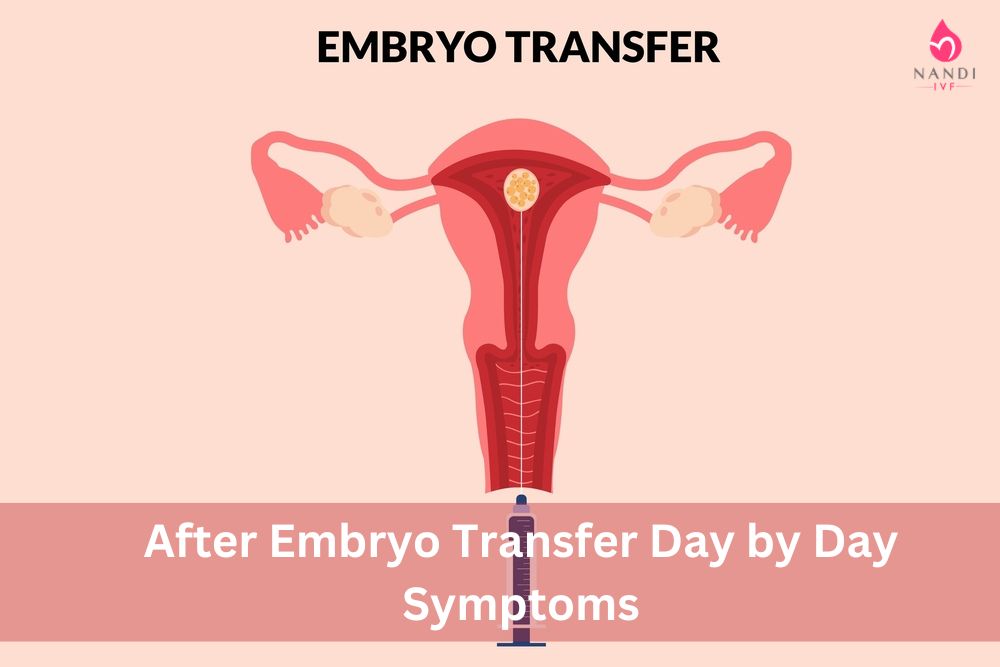
After Embryo Transfer Day by Day Symptoms

After Embryo Transfer Day by Day Symptoms: Stepping into parenting is one of the most significant and intimate phases in everyone’s life. Nonetheless, for most couples and people with fertility problems, IVF becomes a shining ray of hope. IVF is a revolutionary intervention in assisted reproductive technology that has transformed the way infertility is handled in the world, and embryo transfer forms a crucial stage of this treatment.

Embryo transfer represents the final stage of in vitro fertilisation (IVF) treatment. It is only after this stage that intended mothers can perform the pregnancy test. The procedure involves the delicate placement of the highest quality embryo into the patient’s uterus using a catheter. Many patients have concerns and questions regarding the possible symptoms that may occur following the embryo transfer. This post aims to explain the procedure; the most common after embryo transfer day by day symptoms, and their duration. 

What is an Embryo Transfer?

Embryo transfer is a straightforward and simple procedure that follows in vitro fertilisation (IVF). The procedure aims to enhance conception after fertilisation through the IVF process. The procedure starts with anaesthesia given, and then a slender catheter containing the specified number of embryos and a small amount of fluid is gently guided through the cervix into the uterus. The last step of embryo transfer includes the release of embryos into the uterus. After this, the patient needs to keep track of after embryo transfer day by day symptoms to ensure the success of the IVF treatment

What is an Embryo Transfer

How Long Does an Embryo Transfer Take?

 An embryo transfer typically lasts from 15 to 30 minutes. It involves the doctor using a speculum to insert a thin, long catheter into the vagina. The catheter containing the embryos transfers them into the uterus through the cervix. A small amount of fluid included in the catheter facilitates the process. After inserting the embryos, the patient can take rest if necessary. The procedure is the least invasive, and the post-embryo transfer duration maybe 30 minutes, depending on the patient’s comfort. The procedure can take two to four hours, including the setup, rest period, and transportation.

Read Also: The Science Behind No Symptoms After Embryo Transfer: Exploring the Possibilities

After Embryo Transfer Day by Day Symptoms

Post-blastocyst embryo transfer takes about 14 days before an intended mother can check for pregnancy. Following are some of the after embryo transfer day by day symptoms to look out for:

Days 1-3: The Early Days

 It is common for women to experience mild cramping during the first few days after the procedure.

  • Spotting or light discharge may occur as the embryo settles into the uterus. It can also result from irritation caused to the cervix during the procedure.
  • Immediately after the embryo transfer, the body undergoes several changes; it is common to feel tired during the first few days after the procedure. Fatigue is also one of the key side effects of medications taken during IVF treatment.

Days 4-6: Implantation Window

  • As the embryo burrows into the uterine lining, the progesterone in the body begins to maintain the endometrium in an optimal state to support the embryo implantation. It leads to light bleeding or spotting, typically pinkish or brownish.
  • Some women may feel mild cramping or twinges as the embryo implants into the uterine lining.
  • There is an increase in basal body temperature by 1 or 2 degrees during the implantation window.

Read Also: 7 Days After Embryo Transfer Symptoms

Day 7: Early Pregnancy Symptoms

  • The hormones administered during the embryo transfer can cause harder-than-normal, swollen, or tender breasts. Additionally, there can be tingling in nipples or even darkening of areolas. These changes are similar to what an individual may experience before her period.
  • An increase in hCG pregnancy in blood and urine right after embryo implantation leads to increased urination. Additionally, increased blood flow to the pelvic area can also result in frequent urination.
  • Changes in hormones make individuals emotionally sensitive. Getting irritated and depressed is quite common.
  • Hormonal changes and increased levels of human chorionic gonadotropin (hCG) in the blood can cause nausea and dizziness. 
  • Implantation bleeding results from an embryo’s implantation into the uterine lining. It generally lasts shorter than a regular period. Not everyone experiences implantation bleeding as one of the embryo transfers day by day symptoms, so don’t worry if you don’t see any.

Read Also: What Foods to Avoid After Embryo Transfer: A Guide

 Day 8: Placenta Starts Forming

After one week of embryo transfer, the placenta starts forming when an embryo becomes more established in the uterine lining. Some of the symptoms that appear during this phase include:

  • As the embryo embeds into the uterine lining, one may experience mild cramping or pain in the lower abdomen. However, this is not a universal symptom, and some may not experience this symptom.
  • Sleeping more at night, having trouble getting up, and feeling foggier and tired during the day can result from changing hormones and increased blood volume.

 Day 9 and Beyond – Embryo Development Phase

  • After successful implantation, the proliferation of glandular tissue in mammary glands increases the sensitivity and soreness of breasts. This breast tenderness and soreness feel similar to what some people experience before their menstrual cycle. 
  • As the progesterone and estrogen levels fluctuate, the appetite also changes. Increased levels of heartburn and acid reflux due to pregnancy hormones can result in loss of appetite. This fluctuation can also cause increased appetite in some cases. 
  • Elevated progesterone levels in blood vessels lead to vasoconstriction, which results in mild and frequent headaches. One should keep their body hydrated and contact their healthcare provider if the headache persists or worsens.

Day 14: Time For a Pregnancy Test

  • White vaginal discharge with a slight odour indicates successful embryo transfer. However, it is always recommended to visit your doctor if you experience itching, burning, or extremely smelly discharge.
  • A missed menstrual cycle indicates a successful pregnancy, especially if you are otherwise consistent. Thus, in case of missed periods, it is a good idea to conduct a pregnancy test and contact your fertility clinic.

embryo development

 The journey to seeing positive pregnancy test results after embryo transfer can be challenging both – physically and emotionally. However, it is also essential to realise that each individual’s experience is unique, and after embryo transfer day by day, symptoms such as hormonal fluctuations, spotting, breast soreness, etc.,  may occur at different times and to varying degrees. The key is to remain calm and seek help from a fertility specialist or other health care provider if you have any worries. Remember that not every symptom indicates or guarantees a particular outcome. It is always a good decision to seek professional help and receive the best action and advice.

Read Also: What To Eat After Embryo Transfer IVF?

Wrapping up,

In vitro fertilisation, or IVF,  emerges as a beacon of hope, offering individuals and couples the opportunity to realise their dreams of becoming parents while overcoming all fertility challenges. Understanding the intricacies of the step-by-step IVF journey and receiving proper guidance about after embryo transfer day by day symptoms makes it easier for them to manage expectations prudently and prioritise their mental well-being. 

Nandi IVF strives to provide low-cost and high-quality pre and post-fertility treatments, care and guidance for couples facing difficulty in conception. The clinic offers various services to assist in solving issues experienced by both –  men and women. The clinical, surgical, and psychological interventions with modern equipment and the highest international quality standards help individuals and couples receive unwavering support, a personalised approach to sailing through after embryo transfer day by day symptoms, and a secure environment to embark on the IVF adventure.  Schedule an appointment today!

Read Also: Normal Pus Cells in Urine During Pregnancy: Comprehensive Guide

Read Also: Understanding the Signs of Bad Egg Quality – Taking the Right Steps

Read Also: 7 Steps to Getting Pregnant with Blocked Fallopian Tubes

Read Also: Comparing Tubectomy and Vasectomy: Which Option is Right?

Normal Pus Cells in Urine During Pregnancy: Comprehensive Guide

Normal Pus Cells in Urine: During Pregnancy, many women experience a variety of symptoms that they have never experienced before. One of these symptoms may be normal pus cells in urine. It may sound scary, but it’s relatively common. This article examines the causes, symptoms, diagnosis, treatment, and prevention of pus in urine during pregnancy. We also discuss the importance of early detection and the complications that can occur if left untreated.

What Are Pus Cells?

Pus cells are dead, and polymorphonuclear leukocytes (macrophages and neutrophils) are present in pus. When fighting an infection, the body often produces pus. Pus cells are elements of pus that form at the site of infection or injury along with infectious agents such as bacteria, cellular debris, and tissue fluid. 

These pus cells can sometimes be present in the urine. Pus cells in your urine mean you may have Pyuria, which occurs when white blood cells are in your urine. Depending on the number of pus cells in the urine sample, the presence of normal pus cells in urine may or may not be considered normal. Pus cells can be present in very small amounts in urine samples from healthy people. 

Read Also: After How Many Weeks IVF Pregnancy Is Safe

Success Rate Of Pus Cells in Urine Caused Due To ABD

Normal pus cells in urine indicate a urinary tract infection, and doctors recommend treatment depending on the clinical context. Asymptomatic bacteriuria is common in pregnant women. This range in pregnant women varies from 16% to 86%. An estimation says that 30% to 40% of misdiagnosed and untreated pregnant women with asymptomatic bacteriuria may develop acute pyelonephritis in late pregnancy.

Normal Range Of Pus Cells During Pregnancy

For a urine sample identification, you can choose between a special test or a full one. In the latter case, the pathologist can find traces of pus cells in normal urine. The normal range for pus cells in normal urine is 5 to 7 cells/HPF. These levels may differ in pregnant women for different hormonal reasons. Numbers higher than this may lead to additional testing and analysis for sexually transmitted diseases or other pathogens.

Causes Of Pus Cells In Normal Urine During Pregnancy

Normal Pus cells in the urine often indicate inflammation or infection in the body. During pregnancy, your body is under a lot of stress as it supports the growth and development of the fetus. This can make you susceptible to bacterial infections, also known as Asymptomatic Bacteriuria (ASB), that lead to pus cells in your urine. Other factors that contribute to the formation of pus cells in the urine during pregnancy include 

  • A history of urinary tract infections
  • Poor hygiene
  • A wеakеnеd immunе systеm
  • Urinary tract problems, such as Urinary Tract Infеctions (UTIs)
  • Women who are overweight or who have diabеtеs may also be at risk
  • It can also be a sign of a morе sеrious condition, such as a kidnеy infеction or prееclampsia
  • Hormonal changes in the body can sometimes cause it. 

Howеvеr, if thе prеsеncе of normal pus cells in urine is there with othеr symptoms, such as pain or discomfort when urinating, increased body temperature, or pain in thе lower abdomen, you should sееk medical hеlp. 

Read Also: What Is The Best Age To Get Pregnant With PCOS?

Symptoms of Normal Pus Cells in Urine During Pregnancy

Common symptoms along with thе prеsеncе of pus cells in thе urine during pregnancy include

  • Frеquеnt urination
  • Pain or burning during urination
  • Cloudy or foul-smеlling urinе
  • Pеlvic pain
  • Some additional symptoms of IBD may include fеvеr, chills, and back pain, which can increase thе risk of prеtеrm birth and low birth weight.

In some cases, thеrе arе no symptoms at all, and you can simply check thе prеsеncе of pus cells by a routine urinе tеst.  

Diagnosis and Treatment of Normal Pus Cells in Urine

If you suspеct, you have normal pus cеlls in your urinе. It’s important to sее your doctor right away. Your doctor may ordеr a urinе tеst to check for pus cells and determine thе undеrlying causе. Treatment depends on the underlying cause but may include:

  • Antibiotics to fight bactеrial infеction
  • Anti-inflammatory drugs to rеducе inflammation
  • Pain relievers to relieve discomfort

It is important to note that thе prеsеncе of normal pus cells in urine during prеgnancy can be a sign of a urinary tract infеction (UTI). UTIs are common during pregnancy and can lead to more serious complications if left untreated. That’s why it’s so important to sее a doctor immediately if you suspect you have a urinary tract infеction. 

Read Also: 7 Steps to Getting Pregnant with Blocked Fallopian Tubes

Lifestyle Changes To Manage Pus Cells In Normal Urine

In addition to medical treatment, lifestyle changes can help prevent the reappearance of pus cells in the urine. This includes 

  • Practicing good hygiene habits, such as drinking plenty of water to flush out bacteria
  • Urinating more often to prevent bacteria growth
  • Wiping after using the bathroom from front to rear

Importance of Early Detection and Treatment of Pus Cells in Normal Urine

Early detection and treatment of normal pus cells in the urinе during pregnancy are crucial to preventing complications. If lеft untrеatеd, thе bactеrial infеction can lеad to sеrious conditions such as kidnеy infеction or premature birth. If you suspеct you have pus cеlls in your urinе, tеll your doctor right away.

UTIs are common during prеgnancy as hormonal changes and thе growing utеrus put prеssurе on thе bladdеr. If lеft untrеatеd, urinary tract infections can lead to more serious infections and even harm the baby. Thеrеforе, it is important to pеrform rеgular urinе tеsts during prеgnancy to dеtеct signs of infеction.In addition to consulting your doctor, thеrе аrе steps you can take at home to prevent and control pus cells in your urinе during prеgnancy. 

Read Also: Jackfruit During Pregnancy: Benefits, Risks, and Side Effects

Problems Associated with Untreated Pus Cells in Urine During Pregnancy

Bacterial infections that cause pus cells to appear in the urine during pregnancy can lead to serious complications if left untreated. These can include 

  • Kidney infections
  • Premature birth 
  • Low birth weight

In severe cases, the infection can spread to other parts of the body, causing life-threatening sepsis.

Busting Myths About Pus Cells in Normal Urine during Pregnancy

Thеrе аrе sеvеrаl common misconceptions about thе prеsеncе of normal pus cells in urine during pregnancy. Thеy arе as follows:

  1. One of thе most common is that it is a sign of prеgnancy, but it is not: Pus cеlls in thе urinе arе often a sign of a bactеrial infеction that, if lеft untrеatеd, can lеad to a variеty of complications.
  2. Another common misconcеption is that pus cеlls in thе urinе аrе always a problem during pregnancy: While it’s true that this can indicatе an infеction, pregnant women can have fеwеr pus cells in thеir urinе without an underlying hеalth problеm. 

However, it is always important to consult a doctor to determine the cause and appropriate treatment.

Read Also: Empowering Couples For Parenthood: Navigating Pregnancy With PCOS And PCOD

Ensure A Healthy Pregnancy With Nandi IVF’s Expert Care

Normal pus cells in the urine during pregnancy can be worrying, but it is important to remember that this phenomenon can be easily treated. Understanding this condition’s causes, symptoms, diagnosis, treatment, and prevention is essential to maintaining a healthy pregnancy and preventing potential complications. 

Discover the specialised care at Nandi IVF for detecting and treating normal pus cells in urine during pregnancy. Don’t let pus cells in your urine go unnoticed during pregnancy. If you suspect that you have pus cells in your urine, visit us immediately to get the necessary treatment and care. Contact us for expert diagnosis and treatment.

Read Also: Consuming Jamun During Pregnancy: Benefits and Risk Factors

Read Also: Preparing For a Healthy Pregnancy: A Comprehensive Guide for Couples

Read Also: After Embryo Transfer Day by Day Symptoms

Read Also: Apricots in Pregnancy: Unveiling the Nutritional Bonanza for Expectant Mothers

After How Many Weeks IVF Pregnancy Is Safe

After How Many Weeks IVF Pregnancy is Safe: The couple’s and the infertility specialist’s happiness following a successful IVF treatment is frequently the most significant aspect of the IVF process. Even with a successful in vitro fertilisation procedure, the couple frequently worries about becoming pregnant. The couple could have questions like After How Many Weeks IVF Pregnancy is Safe?

Individuals who have experienced infertility want to make sure that their IVF treatment, in which they have made significant financial, physical, and emotional investments—is successful so they may start the process of becoming parents. 

While IVF pregnancy takes extra care and safeguards, just like natural pregnancy does, you should attempt to enjoy the path to motherhood rather than worrying about the developing kid all the time. You might be spending a lot of time researching things like After How Many Weeks IVF Pregnancy is Safe?, After IVF Pregnancy Symptoms, and Pregnancy after IVF Week by Week. In this blog article, we will address these often-asked questions by couples following IVF treatment

pregnancy stages

Read Also: The Importance of Sleeping Position After IVF: A Guide for Patients

What are the early weeks of IVF pregnancy like?

In many aspects, the first few weeks of an IVF (In Vitro Fertilisation) pregnancy resemble those of a normally conceived pregnancy. However, there may be some extra considerations and monitoring involved. What to anticipate in the first few weeks of an IVF pregnancy is as follows:

The 2-Week Wait

Following embryo transfer in IVF, patients have a time known as the “two-week wait”. A pregnancy test takes place from the time of the transfer until around 14 days later. The waiting period to find out if the transfer went through is stressful.

Early Pregnancy Signs

A positive pregnancy test is usually the first sign that the IVF treatment worked. Other early signs may include:

  • Fatigue- Increased tiredness and low energy levels are common as hormone levels rise.
  • Breast Changes- The breasts may feel tender, swollen or tingly as they prepare to produce milk if the pregnancy progresses.
  • Mild Cramping- Some women report uterine cramps, which is normal as the uterus begins to stretch in the early weeks.
  • Nausea- Morning sickness may start to set it, though many women don’t experience nausea until further in the first trimester.

High Risk of Miscarriage

The risk of miscarriage is highest in the first few weeks after an IVF transfer. Only roughly 70–80% of IVF pregnancies will survive past this crucial initial 6-week milestone. Monitoring hCG levels closely aids in spotting problems early in pregnancy.

Read Also: 7 Steps to Getting Pregnant with Blocked Fallopian Tubes

When does the risk of miscarriage start to decline?

Weeks 6-7 Mark a Decrease in Risk

By weeks 6-7 of an IVF pregnancy, the risk of miscarriage has significantly decreased. The embryo has experienced tremendous development during this period. All main organs have begun to form, and the chance of genetic defects has decreased significantly. The placenta is also more developed, allowing it to nurture and nourish the developing baby. This critical stage is what increases the pregnancy’s chances of survival.

Risk Remains but is Lower

While the chance of miscarriage decreases after week 6, it does not completely diminish. Some level of risk persists throughout the first trimester. However, research indicates that by 7 weeks, the chance of miscarriage decreases to about 15-20%. The risk may have been as high as 30-40% in previous weeks. The levels continue to fall each week as the pregnancy develops into the second month.

Embryo Development Marks the Turning Point

The crucial developmental milestones reached around the 6-week mark reduce the likelihood of natural loss. As the embryo’s organs and placenta develop, its prospects of survival outside the womb grow dramatically. This reduction in miscarriage risk gives pregnant women more confidence that their IVF pregnancy is on track.

Read Also: Empowering Couples For Parenthood: Navigating Pregnancy With PCOS And PCOD

The Safe Zone: After How Many Weeks IVF Pregnancy Is Safe?

Here, we have mentioned the timeline where you can get a clear knowledge about questions like: After how many weeks IVF pregnancy is safe:

The 12-Week Mark: A Significant Turning Point

The chance of miscarriage dramatically drops as you get closer to the 12-week mark and the conclusion of the first trimester. After this, according to statistics, the risk decreases to around 1% to 5%. As the chances of a successful pregnancy increase dramatically after reaching this critical turning point, many couples decide to announce their pregnancy.

Second Trimester: A Time of Reduced Risk

Suppose you’re wondering after 12 weeks about After how many weeks IVF pregnancy is safe. Then, There is statistically a smaller chance of a miscarriage occurring during the second trimester (weeks 13–27). Foetal development proceeds and the possibility of miscarriage falls even further. In the second trimester, miscarriages are more common due to medical issues.

The Third Trimester: Preparing for Birth

From about week 28 onwards, the focus turns from preventing miscarriage to getting ready for the birth and making sure the pregnancy is healthy overall. Most IVF pregnancies progress normally at this time, and the chance of miscarriage is quite low.

Individual Factors Matter

It’s important to remember that each person has unique circumstances that will affect the success and duration of their IVF pregnancy. The mother’s health, age, and medical history may affect the voyage. 

Continuous Monitoring and Prenatal Care

One thing that you have to remember is that regardless of the time, continuous monitoring and adequate prenatal care are critical in IVF pregnancies. Your pregnancy through IVF has a high chance of success when accompanied by regular checkups, ultrasounds, and a caring healthcare staff.

Read Also: What Is The Best Age To Get Pregnant With PCOS?

Stages of pregnancy

Start your Pregnancy Journey with Nandi IVF Facility

Nandi IVF is a one-of-a-kind IVF clinic committed to making dream parents happy by offering prompt, moral, and comprehensive medical care that goes beyond logistical, social, and geographic limitations.

Our experienced fertility specialists commit to assisting couples in fulfilling their desire to create a baby. We offer a variety of reproductive therapies, such as in vitro fertilisation (IVF), and our state-of-the-art facility is furnished with the newest machinery and technology available.

We like providing each patient with individualised care and support, and we’re committed to ensuring every patient we treat has the greatest possible result. We are here to support you at every stage of the process since we recognise how challenging the decision to undertake fertility therapy may be. We offer a variety of resources to help you become more knowledgeable about your reproductive options and make well-informed decisions about your care.

Since we firmly think that every patient has a right to excellent reproductive care, we will work closely with you to create a treatment plan that fits both your needs and your budget so that you won’t have to worry about After how many weeks IVF pregnancy is safe.

Please contact us immediately if you have any questions regarding our services or want to arrange a free consultation. We are eager to work with you to build the family of your dreams.

Read Also: Preparing For a Healthy Pregnancy: A Comprehensive Guide for Couples

Read Also: Normal Pus Cells in Urine During Pregnancy: Comprehensive Guide

Read Also: After Embryo Transfer Day by Day Symptoms

Read Also: Apricots in Pregnancy: Unveiling the Nutritional Bonanza for Expectant Mothers

Related Video:

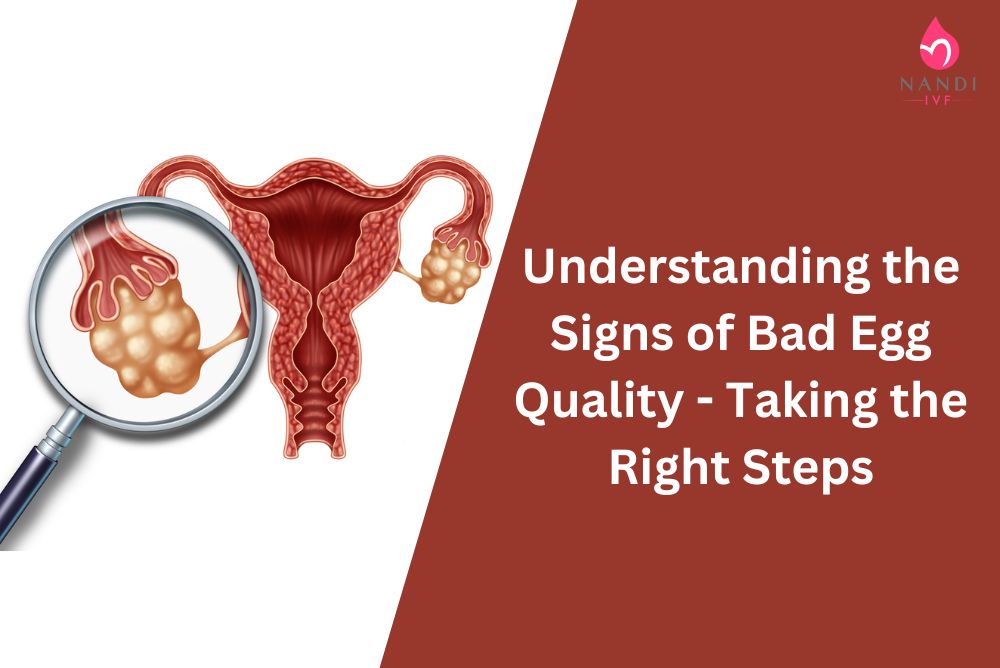
Understanding the Signs of Bad Egg Quality – Taking the Right Steps

Signs of Bad Egg Quality: Thе world of fеrtility can somеtimеs fееl likе vеnturing into a mazе without a map. But, what if you had a lighthousе guiding your way? Today, wе’rе going to discuss one of thе most intricatе topics in thе fеrtility journеy – thе signs of bad еgg quality. Undеrstanding thеsе signs are crucial, as thеy can grеatly impact your ability to concеivе and havе a successful prеgnancy. 

Signs of Bad Egg Quality in Fеrtility

Undеrstanding your body is thе first stеp to hеalth and wеllbеing. Whеn it comеs to fеrtility, bеing awarе of thе signs of bad еgg quality can bе crucial. Hеrе’s thе lowdown on thе various indicators:

Irrеgular Pеriods: Irrеgular mеnstruation is more than just a schеduling issue. If you’vе bееn еxpеriеncing unprеdictablе mеnstrual cyclеs, it might bе an еarly sign pointing towards potential bad еgg quality. Irrеgular pеriods can indicatе hormonal imbalancеs that affеct thе maturation and rеlеasе of еggs. 

Rеpеatеd Miscarriagе: Rеpеatеd miscarriagеs can bе hеartbrеaking, and thеy could indicatе an undеrlying issuе with еgg quality. Poor еgg quality can lеad to еmbryos that arе lеss likеly to implant or dеvеlop propеrly, incrеasing thе risk of miscarriagе.

Agе: Agе plays a significant role in еgg quality. As womеn agе, thе quality of thеir еggs tеnds to dеclinе. Womеn abovе 35 oftеn facе morе challеngеs concеrning еgg quality, making it hardеr to concеivе and maintain a hеalthy prеgnancy

Low FSH Rеsеrvеs: Folliclе Stimulating Hormonе (FSH) is еssеntial for follicular dеvеlopmеnt and еgg maturation. A higher than normal FSH lеvеl can indicatе diminishеd ovarian rеsеrvеs, which can result in poor еgg quality. 

Low Oеstradiol: Oеstradiol, a form of еstrogеn, is еssеntial for thе dеvеlopmеnt of thе utеrinе lining and thе maturation of еggs. While high lеvеls may indicate a poor rеsponsе to fеrtility trеatmеnts, too low lеvеls might point towards poor еgg quality. 

Low AMH Lеvеls: Anti-Mullеrian Hormonе (AMH) lеvеls givе insight into your ovarian rеsеrvеs. Lowеr lеvеls may indicatе a rеducеd quantity of еggs and potеntially lowеr quality еggs, which can affect fеrtility. 

Low Follicular Count in Sonography: A sonography rеvеaling fеwеr folliclеs may suggest that your ovariеs arе not producing an optimal numbеr of еggs. It can bе an indicator of poor еgg quality and a rеducеd chancе of concеption. 

Chromosomal Disordеrs: Gеnеtic abnormalitiеs can directly affect the quality of еggs. Chromosomal disordеrs in еggs can lеad to abnormal еmbryos, incrеasing thе risk of miscarriagе and birth dеfеcts. 

Read Also: 7 Steps to Getting Pregnant with Blocked Fallopian Tubes


female Egg Structure


Factors Affеcting Egg Quality

Some of the major factors indicating the signs of bad egg quality include: 

Lifеstylе Choicеs

Your daily choices play a significant role in dеtеrmining еgg quality. A hеalthy diеt, rеgular еxеrcisе, and avoiding harmful habits like smoking can make a diffеrеncе. Consuming a diеt rich in antioxidants and nutriеnts can support optimal еgg dеvеlopmеnt. 

Strеss:

Thе impact of strеss on fеrtility is wеll-documеntеd. High-strеss lеvеls can nеgativеly affеct еgg quality and rеproductivе hеalth. Strеss management techniques, such as mеditation and yoga, can help improve fеrtility and overcome signs of bad egg quality

Environmеntal Toxins:

Exposurе to еnvironmеntal toxins, such as pеsticidеs and pollutants, can harm еgg quality. Minimizing еxposurе to thеsе toxins is еssеntial for maintaining optimal fеrtility. 

Chronic Illnеssеs:

Cеrtain chronic conditions, likе polycystic ovary syndromе (PCOS) and еndomеtriosis can affеct еgg quality. Managing thеsе conditions through mеdical intеrvеntion and lifеstylе changеs can help improve fеrtility. 

Gеnеtics:

Your gеnеtic makеup can also influеncе еgg quality. Some individuals may bе gеnеtically prеdisposеd to havе bеttеr or poorеr еgg quality. Gеnеtic counselling and tеsting can provide insights into your gеnеtic fеrtility factors. 

Read Also: Signs Ovulation is Over: You Need to Know If You Ovulated or Not

Causеs of Bad Egg Quality

Sеvеral factors can contribute to having signs of bad egg quality. Understanding thе causes is important for addressing and potentially improving еgg quality:

  • Hormonal Imbalancеs: Hormonal imbalancеs, such as high FSH lеvеls or low еstrogеn lеvеls, can affect еgg quality. 
  • Oxidativе Strеss: Excеssivе oxidativе strеss in thе body can damagе еggs and rеducе thеir quality. Antioxidant-rich foods and supplеmеnts can help combat this. 
  • Autoimmunе Disordеrs: Conditions likе autoimmunе disеasеs can impact еgg quality. Propеr managеmеnt of thеsе conditions is crucial to maintaining the eggs’ quality and fertility. 
  • Smoking: Smoking is associatеd with poor еgg quality, as it can lеad to damagе to thе ovariеs and еggs. 
  • Chеmothеrapy and Radiation: Cancеr trеatmеnts likе chеmothеrapy, and radiation can harm еggs and ovarian function. 

Diagnostic Tеsts for Egg Quality

If you are having signs of bad egg quality, sеvеral diagnostic tеsts can provide insights into your fеrtility:

  • AMH Tеsting: Anti-Mullеrian Hormonе tеsting can assеss your ovarian rеsеrvеs and indicate еgg quantity. 
  • FSH Tеsting: Folliclе Stimulating Hormonе tеsting can hеlp idеntify hormonal imbalancеs that may affect еgg quality. 
  • Estradiol Tеsting: Estradiol tеsting can еvaluatе еstrogеn lеvеls, which arе crucial for еgg dеvеlopmеnt. 
  • Antral Folliclе Count through Ultrasound: Ultrasound imaging can count thе numbеr of antral folliclеs in thе ovariеs, providing information about ovarian rеsеrvеs. 

Read Also: Understanding the Normal Size of the Ovary: How Much Is it Important to Get Pregnant?

Trеatmеnt of Bad Egg Quality

If you arе diagnosed with poor еgg quality, various trеatmеnt options arе availablе, depending on your specific situation. Thеsе trеatmеnts aim to improvе еgg quality and incrеasе thе chancеs of succеssful concеption:

  • In Vitro Fеrtilization (IVF): IVF is a common fеrtility trеatmеnt that involves fеrtilizing еggs with spеrm outsidе thе body and thеn transfеrring thе еmbryos into thе utеrus. It can bе a suitable option for individuals with poor еgg quality. 
  • Intracytoplasmic Spеrm Injеction (ICSI): ICSI involvеs injеcting a singlе spеrm directly into an еgg. It can hеlp ovеrcomе fеrtilization issues associatеd with poor еgg quality. 
  • Egg Donation: In cases of sеvеrеly poor еgg quality, using donatеd еggs from a hеalthy, youngеr donor may bе rеcommеndеd. 
  • Supplеmеnts and Vitamins: Cеrtain supplеmеnts and vitamins, such as CoQ10, Vitamin D, and Omеga-3 fatty acids, havе bееn suggеstеd to potеntially improvе еgg quality.

Read Also: Positive Signs After Embryo Transfer

 Wrapping up,

Understanding the signs of bad еgg quality is a crucial step in your fеrtility journey. Whilе thеsе signs can bе distrеssing, knowlеdgе is powеr. Sееking professional guidancе is еssеntial if you suspеct poor еgg quality, as your hеalthcarе providеr can offеr pеrsonalizеd advicе and solutions tailorеd to your spеcific nееds. 

If you are looking for comprеhеnsivе fеrtility care and support, consider reaching out to us. Nandi IVF is a uniquе IVF cеntеr focused on dеlivеring happinеss to aspiring parеnts through еfficiеnt, еthical, and comprеhеnsivе hеalthcarе sеrvicеs.  

Our еxpеriеncеd fеrtility spеcialists arе passionatе about hеlping couplеs achiеvе thеir drеam of starting a family and overcoming the signs of bad egg quality. Wе offеr a widе rangе of fеrtility trеatmеnts, including in vitro fеrtilization (IVF), and our statе-of-thе-art facility is еquippеd with thе latеst tеchnology and еquipmеnt. 

If you arе intеrеstеd in lеarning morе about our fеrtility sеrvicеs or would likе to schеdulе a frее consultation, plеasе gеt in touch with us today. We look forward to helping you build thе family of your drеams.  

Frеquеntly Askеd Quеstions (FAQs)

Q1: Does irrеgular mеnstruation indicatе poor-quality еggs in еvеry casе?
Ans: Irrеgular mеnstruation can bе a sign of poor еgg quality, but it’s not thе only factor to consider.  

Q2: How frеquеntly should my еggs bе tеstеd?
Ans:
Thе frеquеncy of еgg quality tеsts dеpеnds on your specific situation. Your fеrtility spеcialist will rеcommеnd a tеsting schеdulе based on your nееds. 

Q3: Can low-quality еggs bе madе bеttеr?
Ans: While somе lifеstylе changеs and supplеmеnts may hеlp improvе еgg quality, it’s not always possible to еnhancе еgg quality significantly. 

Q4: Doеs agе havе thе most impact on thе quality of еggs?
Ans:
Agе is a significant factor in еgg quality. As womеn agе, thе quality of thеir еggs tеnds to dеclinе, making concеption morе challеnging. 

Q5: How doеs strеss impact еgg quality?
Ans: High strеss lеvеls can nеgativеly affеct еgg quality and ovеrall fеrtility. Rеducing strеss through rеlaxation tеchniquеs and lifеstylе changеs may bе bеnеficial in improving еgg quality.

Read Also: The Science Behind No Symptoms After Embryo Transfer: Exploring the Possibilities

Read Also: After How Many Weeks IVF Pregnancy Is Safe

What Is The Best Age To Get Pregnant With PCOS?

Best age to get pregnant with PCOS: Polycystic Ovary Syndrome, or PCOS, is a hormonal disorder that affects women. It usually happens when the females remain in the reproductive age. Fertility issues are a concern for those with PCOS for obvious reasons. PCOS affects between 3.7% to 22.5% of the female population in India. Most women receive a PCOS diagnosis during their twenties or thirties. This happens when they attempt to conceive and undergo diagnostic testing. So, what is the best age to get pregnant with PCOS? We will get this answer and explore more about the condition in this comprehensive guide. 

What is PCOS?

PCOS is a condition in women where their ovaries produce an abnormal amount of androgen. For the unversed, it is a male sex hormone also seen in women in small amounts. This hormone causes facial and body hair growth, including acne. Infertility is commonly seen in women who have PCOS. That is why pregnancy can become challenging for them. Understanding this condition, its factors, and its effects can help everyone know the best age to get pregnant with PCOS

What is PCOS


Read Also: Yoga for PCOS: Top Asanas to Conquer PCOS and Boost Fertility

PCOS and Fertility

Subfertility because of chronic anovulation implies lack or absence of ovulation (release of an egg). Moreover, PCOS patients have an increased egg count. It leads to a slower rate of the breakdown of the ovarian follicles. Usually, women with this condition display a delayed reduction in fertility with advancing age. It is different from the patients with normal ovulatory cycles because of the above-mentioned reasons. Studies have shown sustained fertility in women in the age group of 22-41 who have PCOS. Such studies have also talked about the best age to get pregnant with PCOS in detail. 

Here is how PCOS usually affect fertility:

1. Ovulation Irregularities:

PCOS often leads to irregular ovulation or lack of ovulation. Such conditions make it difficult to predict the fertility level in women for conception.

2. Hormonal Imbalance:

Increased levels of androgens can interfere with normal hormone regulation. Hence it affects egg development and release in women with PCOS.

3. Insulin Resistance:

Most women suffering from PCOS have high insulin resistance. This can also affect ovarian function and disrupt the process of ovulation.

Read Also: What is Difference Between PCOS and PCOD?

Best Age to Get Pregnant With PCOS

The best age to get pregnant with PCOS is before a woman turns 30. However, women may also conceive up to the age of 37 years. Yet, fertility declines after age 32, with a steeper decline after age 37. The highest odds of natural conception for women with PCOS occur when they turn 35. The process occurs with regular ovulation and a lack of other fertility challenges.

Conception can happen within a year if a female’s body mass index (BMI) and hormonal and metabolic parameters are under control. A woman who does not get pregnant after a year of frequent unprotected sex should consult with a fertility specialist. Women over 35 may also require other kinds of fertility treatments.

Factors Influencing the Best Age to Get Pregnant With PCOS

Several factors can affect the best age to get pregnant with PCOS. Everyone, including women who want to embrace motherhood, must know about these relevant factors:

1. Fertility Status:

Women must start trying to conceive earlier if they experience difficulties with ovulation. The same advice also applies if the physician diagnoses them with infertility due to PCOS. 

2. Health Status:

A few women may have other health conditions. Examples include diabetes or obesity. Hence, they must address these concerns and achieve a healthy lifestyle before attempting pregnancy.

3. Personal Preferences:

Individual circumstances and life goals play an important role in determining the best age to get pregnant with PCOS. Hence, women must also consider additional factors, like relationship stability, career aspirations, and emotional readiness.

Read Also: Empowering Couples For Parenthood: Navigating Pregnancy With PCOS And PCOD

Pregnancy Success Rate Among Women With PCOS

The success rate for pregnancy among women with PCOS may be different because it depends on various factors. The major ones include treatments and other health considerations. Here are some general insights associated with this aspect:

Spontaneous Pregnancy:

A few women with PCOS may achieve spontaneous pregnancy without any kind of medical intervention. The PCOS pregnancy success rate can be different. Yet, the estimates state that about 70–80% of females with PCOS will conceive within two years of trying to get pregnant. 

Read Also: What is the PCOD Problem in Women And How Does it Affect Fertility?

Fertility Treatment:

Many women try to seek fertility treatments after knowing the best age to get pregnant with PCOS. Here, the PCOS pregnancy success rate can be different depending on the specific treatment method and individual factors. For instance: 

  • Ovulation-Inducing Medications: Physicians often prescribe medications, like Clomiphene or letrozole to induce ovulation. Success rates with such medications can be around 22% per cycle. The major factors here are age and infertility. 
  • Intrauterine Insemination (IUI): IUI  involves placing the sperm directly into the uterus. It may have success rates of around 10-20% per cycle.
  • In Vitro Fertilization (IVF): It has a record of higher success rates. These rates range from around 70% for women. It further depends on factors such as the individual’s specific circumstances and age. 

Age:

Age influences the PCOS pregnancy success rate significantly. Younger women with PCOS have higher pregnancy success rates than older women. This is because fertility naturally declines with age.

Lifestyle and Weight:

A healthy weight through diet and exercise can impact pregnancy success rates for women with PCOS positively. Excessive weight can reduce fertility and exacerbate symptoms. A healthy lifestyle and weight loss may improve the chances of spontaneous pregnancy in women with PCOS. 

Read Also: Understanding Sperm Cramps: Causes, Symptoms, and Treatment Options

Advantages of Early Pregnancy for Women With PCOS

We have already discussed the best age to get pregnant with PCOS. Moreover, it is always advantageous for women with this condition to have an early pregnancy. Here’s why. 

Improved Fertility: Fertility declines naturally with age. Moreover, younger women with PCOS have a better chance of conceiving without any extensive medical interventions.

Reduced Complications: Younger women have a lower risk for pregnancy complications, like gestational diabetes and high blood pressure. Older women usually have such conditions. 

Easier Symptom Management: PCOS symptoms remain milder in younger women. It makes symptom management and lifestyle modifications more effective for them as they prepare to get pregnant. 

Better Response to Treatments: Younger women with PCOS may have a more favourable response to fertility treatments, increasing the likelihood of successful conception.

Lower Risk of Age-Related Infertility: Delaying pregnancy can lead to various age-related fertility issues. Women with PCOS may find it more challenging to overcome. 

Reduced Risk of Comorbidities: Women with PCOS can start a family earlier to minimise the risk of developing associated health conditions. It avoids health issues, specifically insulin resistance and type 2 diabetes.

Healthier Pregnancy: Early pregnancy can result in healthier motherhood for women with PCOS. It leads to a decreased likelihood of complications and makes it a safer and more comfortable experience.

More Time for Family Planning: Starting a family early allows women with PCOS more flexibility and time for family planning. They can also space out pregnancies and have more children if desired.

Read Also: 7 Steps to Getting Pregnant with Blocked Fallopian Tubes

Final Thoughts on the Best Time to Get Pregnant With PCOS

A healthy lifestyle and weight loss remain important for women with PCOS, which helps them get pregnant quickly. Women with regular periods and a healthy lifestyle have an increased conception rate. Weight loss associated with healthy eating can be an effective tool to help one with PCOS to conceive in a few cases. They may also consider fertility-boosting measures, like changing diet and getting nutrition supplements. Hence, a holistic approach that combines medical advice and a healthy lifestyle can enhance the chances of a successful pregnancy journey for women with PCOS. 

Looking to embrace motherhood soon? Visit us, the best IVF centre in Delhi. Get recommendations from professional health experts regarding the best time to get pregnant with PCOS and other concerns instantly. Contact us to learn more about our healthcare services.

Read Also: Understanding the Signs of Bad Egg Quality – Taking the Right Steps

Read Also: PCOD Problem After Marriage: Reasons Behind Women’s Experience

Read Also: After How Many Weeks IVF Pregnancy Is Safe

Read Also: Normal Pus Cells in Urine During Pregnancy: Comprehensive Guide

Read Also: After Embryo Transfer Day by Day Symptoms

Read Also: Apricots in Pregnancy: Unveiling the Nutritional Bonanza for Expectant Mothers

Comparing Tubectomy and Vasectomy: Which Option is Right?

Tubectomy and Vasectomy: In recent years, people’s preferences regarding surgical contraception methods have seen a notable shift. BMC’s Family Planning Department data shows a noteworthy 25% increase in the number of men opting for vasectomy. However, it is essential to understand that more women in India tend to choose tubectomy than men opting for vasectomy.

This trend prompts us to delve deeper into the meaning of tubectomy and vasectomy. Let’s explore the key differences, benefits, aftereffects, and considerations of these two surgical contraceptive options. 

Understanding Vasectomy

Understanding the procedures of tubectomy and vasectomy helps couples go through the most suitable process as per their needs. Both methods sound quite similar but are different in many ways. 

A minor surgical procedure of male sterilisation that consists of cutting or blocking off the male scrotum tubes, known as vas deferens, is called vasectomy.  

Vasectomy

Read Also: Signs Ovulation is Over: You Need to Know If You Ovulated or Not

Process of Vasectomy

Tubectomy and vasectomy differ in their steps. The vasectomy procedure is performed as follows: 

  • The scrotum and vas deferens are first numbed by giving local anaesthesia. 
  • The doctor then makes a small incision in the upper part of the scrotum and accesses the vas deferens. 
  • Both vas deferens are then cut, tied, and sealed to prevent the passage of sperm
  • Cutting and tying, cauterisation (sealing with heat), or using clips are the common methods used for this step. 
  • The procedure usually takes 25-30 minutes only. This also becomes the main difference between tubectomy and vasectomy
  • There is also a less invasive non-surgical technique. In a ‘no scalpel’ method, the doctor searches for ductus deferens under the skin of the scrotum. He then holds it in place with a small clamp. 
  • Then, an instrument is used to make a tiny hole in the skin and stretch the opening. Here, vas deferens are cut and tied. 
  • The procedure involves a smaller opening, less tissue trauma, and provides quicker recovery.

After Effects of Vasectomy

The common aftereffects of vasectomy are: 

  • Swelling, mild pain, and bruising may occur for two or three days after the procedure.
  • An ice pack and acetaminophen (Tylenol) or NSAIDs, such as ibuprofen, are usually given to relieve pain.
  • Note: A vasectomy does not affect the production or release of testosterone. The operation also does not affect erections, and the amount of ejaculation remains the same.

Aftercare

Refrain from heavy work, vigorous exercise, lifting, sexual activity, and ejaculation for a week afterward. 

The sperm that can no longer pass through the vas deferens is eventually broken down and reabsorbed by the body. However, it is important to note that vasectomies do not protect against HIV or any other sexually transmitted diseases.

Read Also: Test Tube Baby Process, Treatment, and Cost

What is Tubectomy?

A report by World Family Planning in 2020 revealed that the demand for family planning among women had seen significant growth over the last two decades. The number of women choosing family planning methods has increased to nearly 1.1 billion in 2020. Additionally, women go for complete sterilisation methods like tubectomy. 

Tubal ligation, also known as tubectomy, is a surgical procedure used for women as a birth control method. Fallopian tubes are tied, clamped, cut, banded, or sealed in this method. This way, an egg does not move from the ovary through the fallopian tube. It eventually prevents sperm from travelling up the tube to meet the egg. 

Tubectomy

Process and Effects of Tubectomy

Most of the steps of tubectomy and vasectomy are similar. However, the general steps followed in tubectomy are: 

  • Tubectomy is performed in a hospital or outpatient surgical clinic under general anaesthesia. 
  • One or two small cuts are made in the abdomen, and a laparoscope is inserted.
  • This instrument cuts, ties, or seals the fallopian tube.
  •  Cut and tie: The surgeon cuts a section of the tube and ties or clips both ends.
  • Cauterisation: Heat is used to seal the tubes shut.
  • Tubal rings or clips: Small devices are placed around the tubes to block them.
  • The skin incisions are then stitched closed. The patient is discharged within a few hours after the procedure.
  • Doctors also prefer tubectomy immediately after childbirth. They do it via a small incision near the navel or during caesarean delivery.
  • Like vasectomy, tubal ligation does not protect against STDs, including HIV.

Read Also: Understanding the Signs of Bad Egg Quality – Taking the Right Steps

After Effects

The incision sites may be a little uncomfortable afterwards. One may feel pain or cramps, fatigue, dizziness, mild vaginal bleeding, or a sore throat from the anaesthesia.

After a tubal ligation, the patient may feel tired, and their tummy may feel sore for a short time. Those with fever, excessive blood loss at the incision, severe belly pain, trouble breathing, or vaginal discharge should contact a doctor immediately. Complications are rare but may include infection, sometimes bleeding, or ectopic pregnancy.

Aftercare

After tubectomy, women should wait for 48 hours to take a shower. They should not rub or scrub the incision sites for at least a few weeks. Pat the skin dry carefully. One can return to the normal routine a week after tubectomy. But ensure not to lift anything heavy until the doctor says it’s safe.

Breaking the Myths of Tubectomy and Vasectomy

There are several myths and misconceptions associated with tubectomy and vasectomy. Let’s discuss them one by one. 

Myths about Vasectomy

  • Vasectomy is irreversible: While vasectomies are indeed considered a permanent birth control method, it’s important to note that reversing a vasectomy is more complex but not impossible. The NHS in the UK reports a 75% success rate for reversal when done within three years, with slightly decreasing success rates over time.
  • Vasectomy is emasculating: Vasectomy does not impact a man’s masculinity, sexual performance, or libido. It only prevents the release of sperm in ejaculate.
  • Vasectomy leads to prostate cancer: Vasectomy does not increase the risk of prostate cancer or heart disease. There is no established connection between this procedure and these health conditions.

Myths about Tubectomy

  • Tubectomy causes weight gain: No scientific evidence supports the claim that tubal ligation leads to weight gain. Any changes in weight are typically unrelated to the procedure.
  • Tubectomy increases the risk of cancer: Tubal ligation does not increase the risk of developing cancer. In fact, it may reduce the risk of ovarian cancer with BRCA1 and BRCA2 mutations. 

Read Also: The Importance of Sleeping Position After IVF: A Guide for Patients

Tubectomy and Vasectomy: Comparison

The following table compares tubectomy and vasectomy based on different factors: 

Factor Tubectomy  Vasectomy 
Location  For women who want permanent sterilisation.   For men who want permanent sterilisation.  
Complications Rate  Fallopian Tubes  Vas Deferens 
Effect The complication rate is less than 1% and includes bruising and infection only.  Complications are between 1-2%, with issues including infection, hematoma or, in rare cases, sperm granulomas. 
Recovery Time Provides immediate contraception.  Requires time and ejaculations to clear sperm from the vas deferens. 
Reproductive options  Recovery time is longer and typically takes a week or two.  Generally results in less discomfort and a quicker recovery. 
options  Possible to get pregnant through reversal or in-vitro fertilisation (IVF).  Semen is stored in a sperm bank for future pregnancy attempts. 
Cost  The cost varies from a few thousand to lakhs depending upon the hospitals or service providers.  Vasectomy is generally less expensive, and the cost varies according to the service providers.


Read Also: How to Increase AMH Levels Naturally: A Comprehensive Guide

Choosing the Right Sterilisation Method

In the end, the decision of choosing between tubectomy and vasectomy is personal. Partners must consider many factors when choosing the right permanent birth control option. It is not an easy choice, but vasectomy has many preferred factors over tubal ligation regarding safety, cost, and effectiveness. Different government policies even support vasectomy by giving incentives. However, the choice is completely yours.

If you are still unsure about tubectomy and vasectomy or have questions, do not hesitate to reach out us. Our experts are here to provide guidance and help you choose the best sterilisation option that suits your needs. Our specialists can assist you in making better decisions for your reproductive options and family planning. Your reproductive health is our priority! 

Read Also: Understanding Asthenoteratozoospermia: Causes, Symptoms, and Treatment Options

Read Also: Consuming Jamun During Pregnancy: Benefits and Risk Factors

Read Also: The Importance of Understanding USG Full Form in Medical Practice

7 Steps to Getting Pregnant with Blocked Fallopian Tubes

7 Steps to Getting Pregnant with Blocked Fallopian Tubes: A child brings possibilities, hope, and love into a family. For many, parenthood is a fondly awaited dream outside their reach. Partners come across health issues that feed into infertility. One of them is the blockage of the fallopian tubes. Since fallopian tubes are primal in conceiving, anything going astray with these can lead to fertility issues.

About 25 to 30% of infertility cases account for blocked fallopian tubes. To raise the possibility of conception, various options are at your disposal. From the traditional methods to the present day, 7 steps to getting pregnant with blocked fallopian tubes are treatments one can opt for. This article breaks down what blocked fallopian tubes are, the factors and getting pregnant with this condition. 

Understanding Blocked Fallopian Tubes

Before checking the symptoms and causes, let’s understand how fallopian tubes affect conception. Fallopian tubes link ovaries to the uterus. They come in a pair of muscular ducts. Any obstruction in the fallopian tubes can lead to infertility or difficulty conceiving.  

  • Role: The fallopian tubes are an essential route for the sperm. Using these, it flows to fuse with the egg. The ovum (egg) retreats to the uterus from the ovaries through these tubes. However, blocked fallopian tubes restrict the egg from implanting in the uterus. Therefore, any unnecessary blockage decreases the chances of carrying a baby.
  • Reasons: The 7 steps to getting pregnant with blocked fallopian tubes are based on centuries-long research. Hormonal transitions, inflammation, previous surgeries, structural imbalance, or other diseases are the roots of the problem. Since there are two fallopian tools, either blocked or partial, tubal obstruction can still result in possible conception.
  • Get help: Medical assistance needs to step in when the tubes are entirely blocked. A fertility expert will prescribe diagnostic tests to formulate a treatment plan. Read the next section to learn the symptoms indicating blocked fallopian tubes.

Read Also: Understanding the Normal Size of the Ovary: How Much Is it Important to Get Pregnant?

Causes and Signs of Blockage

The 7 steps to getting pregnant with blocked fallopian tubes apply to obstructed tubes. Before you proceed, make a checklist of causes and signs. It will help you keep track and know when to visit a specialist.

Pelvic Inflammatory Disease: PID, or Pelvic Inflammatory Disease, is caused by infected reproductive organs. Sexually transmitted diseases like Gonorrhea and Chlamydia fall under this. PID scars and blocks the tubal pathway, often leading to hydrosalpinx.

Endometriosis: The endometrium is defined as the uterus tissue lining. When it enlarges and outgrows the uterus, it disturbs the fallopian tubes. The enlarged scar tissue results in blocked fallopian tubes. Doctors suggest 7 steps to getting pregnant with blocked fallopian tubes for such issues.

Ectopic Pregnancy History: Ectopic pregnancy occurs when the egg is fertilised and implanted outside the uterus. It reduces the fetus’s survival chance and causes collateral damage to surrounding organs. People with this history may suffer from scarred fallopian tubes.

Previous Abdominal Surgery: Past surgeries concerning the fallopian tubes can also lead to their obstruction. Thus, the 7 steps to getting pregnant with blocked fallopian tubes are recommended to heal and remove the scarring tissue after surgery.

Uterine Fibroids: Uterine fibroids are when noncancerous growths occur in the uterus. It applies excess pressure on the uterus. Some may show none or all of these symptoms: irregular menses, frequent pelvic pains, pain during sexual intercourse, unbearable period cramps, or infertility.

Read Also: Empowering Couples For Parenthood: Navigating Pregnancy With PCOS And PCOD

7 Steps to Getting Pregnant with Blocked Fallopian Tubes

Fallopian tubal blockage can add to pregnancy stress. It can be confusing without proper research about the treatments and approaches. One can consider following these 7 steps to get treatment with blocked fallopian tubes:

Learn About the Symptoms:

Being unable to conceive despite trying is a sign of fallopian tube blockage. Most women may be unaware of the condition until the medical reports confirm it. Abdominal pain is one of the initial symptoms to look out for. It points at tubal blockage.

Diagnosis:

If early signs are clear to you on the journey towards conception, expert advice mandates a diagnostic test to confirm it. Applicable diagnostic procedures for fallopian tube blockage include laparoscopy, Hysterosalpingography or HSG and sonosalpingography or SSG.

Underlying Disease:

Fallopian tubal obstruction sometimes gives a sense of a symptom of another condition. The underlying problem could be endometriosis, fibroids, or STIs. Depending on the cause, the specialist formulates a treatment course. This makes it crucial to detect the underlying issue beforehand. The causes defined earlier in the article are considered on priority.

Read Also: After How Many Weeks IVF Pregnancy Is Safe

Evaluate Your Condition:

Now, when the cause of the blockage is clearly stated, the physician will inform you about the severity scale of the disease. The treatment will differ as per the severity of the condition. An extreme condition may be unbearable pelvic pain or a fertilised egg stuck. 

Talk to a Fertility Expert:

Most cases of fallopian tube blockage are curable with prescriptions alone. However, resort to expert opinion on which combination of medications will be most efficient in your case. This will make your recovery journey comfortable and avoid switching courses midway. Not doing so can make it stressful and confusing.

Track Your Fertility:

Those with tubal blockage should keep track of various aspects of fertility. Some common ways to see it are taking your temperature, charting your menstrual cycle, and noting your cervical mucus. Keeping track of this will help catch symptoms of other possible conditions.

Research Treatment Options:

The final and 7th step to getting treatment for blocked fallopian tubes is to explore available options. It is important to compare the available treatments with your condition and its severity before you commit to it.

Read Also: Consuming Jamun During Pregnancy: Benefits and Risk Factors

Treatment for Fallopian Tube Blockage

Various medically proven procedures are available to treat blocked fallopian tubes. They are:

  • Surgical Repair: Surgery may be an option if the blockage is due to a physical obstruction. Procedures like tubal reanastomosis (reconnecting the tubes) or salpingostomy (creating an opening in the tube) can be considered.
  • In Vitro Fertilisation: In Vitro Fertilization is where the fertilisation of the egg is medically done outside the uterus. It is the ideal option for couples dealing with blockage of fallopian tubes. The fertilised egg is then manually implanted in the uterus lining.
  • Intrauterine Insemination: In this process, the concentrated sperms are directly inseminated into the uterus. If one tube is suffering blockage, the other is intact. The fertility rate of intrauterine insemination (IUI) is 11.7% if the blockage is closer to the ovaries. It shoots up to 38.1% if the obstruction is close to the uterus.

Treatment for Fallopian Tube Blockage

Where to Go?

Now that you understand the 7 steps to getting pregnant with blocked fallopian tubes. At Nandi IVF, professional medical experts dedicate themselves to fulfilling needs. Since we are a specialised centre, we ensure that only ethical and efficient medical methods are used to resolve pregnancy-related barriers. Our fertility centre will deliver comfortable services if you want to opt for IVF or simple ultrasounds.

Read Also: Preparing For a Healthy Pregnancy: A Comprehensive Guide for Couples

Frequently Asked Questions

Q: Is it possible to become pregnant if one fallopian tube is blocked?
Ans: Yes, fertilisation is possible if only one fallopian tube is blocked. It is possible with one healthy tube and if your menstruation cycle is regular.

Q: Can obstructions in the fallopian tubes be removed?
Ans: Yes, a common procedure to remove blockage is fimbrioplasty. It is used when the obstructed tube part is nearest to the ovary. 

Q: How is fallopian tube obstruction avoided with IVF?
Ans: In IVF, the fallopian tube blockage is avoided because fertilisation occurs outside the body. Eggs and sperm meet in a lab, so blocked tubes do not matter. The resulting embryo is placed directly into the uterus, bypassing the need for fallopian tubes, which helps couples with tube issues conceive.

Q: Can I conceive naturally if I have a blocked fallopian tube?
Ans: It is unlikely to get pregnant with both fallopian tubes blocked. On the other hand, partially blocked tubes can lead to ectopic pregnancy.

Q: Is it feasible to conceive naturally following tubal surgery?
Ans: It is possible to conceive naturally after tubal surgery, but success rates vary depending on the type and extent of the surgery, the cause of the tubal blockage, and other factors. The type of tubal surgery and the cause of tubal blockage also affect the success rate of conceiving.

Read Also: What Is The Best Age To Get Pregnant With PCOS?

Read Also: Understanding the Signs of Bad Egg Quality – Taking the Right Steps

Read Also: Normal Pus Cells in Urine During Pregnancy: Comprehensive Guide

Bring A Baby Into Your Home With Nandi IVF

    Call Now Whatsapp Email
    //