fbpx

Yoga for PCOS: Top Asanas to Conquer PCOS and Boost Fertility

Yoga for PCOS

Yoga for PCOS: Top Asanas to Conquer PCOS and Boost Fertility

Yoga for PCOS: Polycystic ovarian syndrome, more commonly known as PCOS, is a widespread disorder affecting around 4% of the earth’s population. It manifests as a consequence of hormonal imbalances in the human body, which results in symptoms such as irregular and painful periods, weight gain, etc. With yoga for PCOS, the condition can be managed effectively.

In modern medicine, medical experts typically advocate a holistic approach to address the syndrome. And in the world of holistic healing, yoga for PCOS takes centre stage. Read on to find out which yoga poses work the best if you are battling with the condition of PCOS. 

Yoga for PCOS Poses

8 Most Effective Poses for PCOS and Boosting Fertility

People experiencing PCOS may have trouble conceiving a child because of irregular periods and high insulin resistance. However, this yoga for PCOS will help you regulate your cycle, control lipid levels in your blood, and manage insulin. 

Remember, while performing all these yoga poses, keep your breathing even. Keep your shoulders relaxed and expand your chest for better airflow and posture.

Read Also: What is the PCOD Problem in Women And How Does it Affect Fertility?

1. Sun Salutation:

One of the best yoga poses, whether it is for weight loss, stress, or PCOS, is sun salutation. Traditionally performed at the break of dawn, these radiant postures can be practised at any hour, reaping the rewards of synchronised cycles and a reinvigorated physique.

However, you can perform them any time of the day and get benefits such as cycle regulation, weight loss, etc. This yoga pose is also recommended for controlling thyroid, which is another symptom of PCOS.

Read Also: What is Difference Between PCOS and PCOD?

2. Butterfly Pose:

This is the perfect yoga pose for improving fertility while relieving menstrual cycle pain. Easy to perform and maintain, the butterfly pose is also known as Baddha Konasaana. The pose requires you to sit with the heels of your feet touching or facing each other. The stretch this yoga for PCOS provides stimulates the digestive and reproductive systems.

3. Bridge Pose:

Bridge pose is a great way to relieve lower back pain. It also helps relieve stress and strengthen your back muscles, which will help you during pregnancy. The pose is easy to perform and can be done on your bed. Keep your feet aligned with your hips as you lie on your back. Inhale and lift your lower, mid, and upper back off the floor. Stay in the pose for a few minutes, then bring your pelvis back to the floor.

4. Cobra Pose:

Another yoga for PCOS that is widely recommended is the cobra pose. Also known as the Bhujangasan, the pose mainly strengthens your core, brings flexibility, and relieves stress. It soothes the digestive organs while increasing blood circulation in the pelvic region. The pose will also help regulate your menstrual flow and ease the pain.

One can also use this stress to improve their anxiety and stretch their upper body, including the neck and shoulders.

Read Also: Empowering Couples For Parenthood: Navigating Pregnancy With PCOS And PCOD

5. Boat Pose:

A great yoga pose that focuses on the abdominal muscles and pelvic region. Known as Naukasana in Sanskrit, the pose has been found to control the thyroid and improve fertility with regular practice. To do the pose, you must elevate your arms and legs off the floor to make a boat-like shape. Make sure that you inhale as you elevate them. Also, focus on your abdominal muscles to keep the pose steady.

6. Reclining Butterfly Pose:

This is a modification of the regular butterfly pose. However, it provides its own set of benefits. The pose stretches and helps open up the pelvic region. To do this yoga for PCOS, you must lie on your back and bring your heels against each other. Now, holding your feet together, bring them closer to your torso. Take this slow; you only need to stretch as much as possible. Hold the pose for a few minutes, and then straighten your legs.

7. Lotus Meditation:

Lotus Meditation, more commonly known as Padma Sadhna, is a series of yoga poses. It helps to relax your body, providing relief to your reproductive organs. The first pose of this series, known as the Padmasana, helps relieve pain experienced during the menstrual cycle. The series of yoga for PCOS followed under meditation are as follows:

  • Pranayama
  • Padmasana
  • Makarasana
  • Ardha Salabhasana
  • Salabhasana
  • Bhujangasana
  • Viprit Salabhasana
  • Dhanurasana

Each pose should be held for at least a minute to get its benefits. Also, after the complete series, you can do 10 minutes of meditation or 5 minutes of rest.

8. Standing Forward Bend:

Also known as Uttanasana, yoga for PCOS is beneficial as it allows better blood flow through the brain. It thus helps in relieving stress and easing anxiety. It also calms the nervous system. In essence, the pose, when held for a few minutes, will provide a therapeutic experience.

Read Also: Jackfruit During Pregnancy: Benefits, Risks, and Side Effects

The Bottom Line

Yoga poses are not only essential for physical health and fitness, but they also provide a way to a healthier mindset. The biggest issue with boosting fertility is having the right mindset and a positive outlook on the process. Yoga for PCOS can help you provide that mindset. When practised properly and regularly, any of these yoga poses will reduce the symptoms of PCOS and PCOD while also helping regulate your menstrual cycle.

Are you experiencing symptoms of PCOS? Whether you are looking to plan a pregnancy or a better quality of life, We can guide you through a research-backed treatment for PCOS. 

Frequently Asked Questions About Yoga for PCOS:

Q: How often should I perform these poses in yoga?
Ans: You can perform the complete set of all the yoga poses listed here at least once daily. The yoga routine should be followed at least 4 to 5 days a week. However, make sure that you are not over-exerting yourself. Results from yoga are slow to appear.

Q: Is it safe to do these yoga poses whilst pregnant?
Ans: You will need to consult a professional, either your doctor or a certified yoga practitioner, to understand which yoga poses are safe to perform while pregnant. Also, different yoga poses are recommended for different stages of pregnancy.

Q: Is yoga a cure for PCOS?
Ans: Yoga for PCOS can help you manage and curb the symptoms of PCOS. There is no definite cure for PCOS, and you must watch your lifestyle, workout routine, and eating habits to notice a noticeable change.

Q: Is yoga beneficial for male fertility?
Ans: Yes, yoga is immensely beneficial for men and male fertility as well. Yoga has been proven to stimulate the glands, resulting in better growth of the testosterone hormone. It also helps in improving sperm health

Q: How long before my fertility is affected by yoga practice?
Ans: Remembering yoga does not bring about a sudden change is essential. The results vary from person to person. You need to regularly practice the asanas, such as Bhujanasana, Lotus Meditation, Sun Salutation, etc., to get their benefits.

Read Also: What Is The Best Age To Get Pregnant With PCOS?

Read Also: PCOD Problem After Marriage: Reasons Behind Women’s Experience
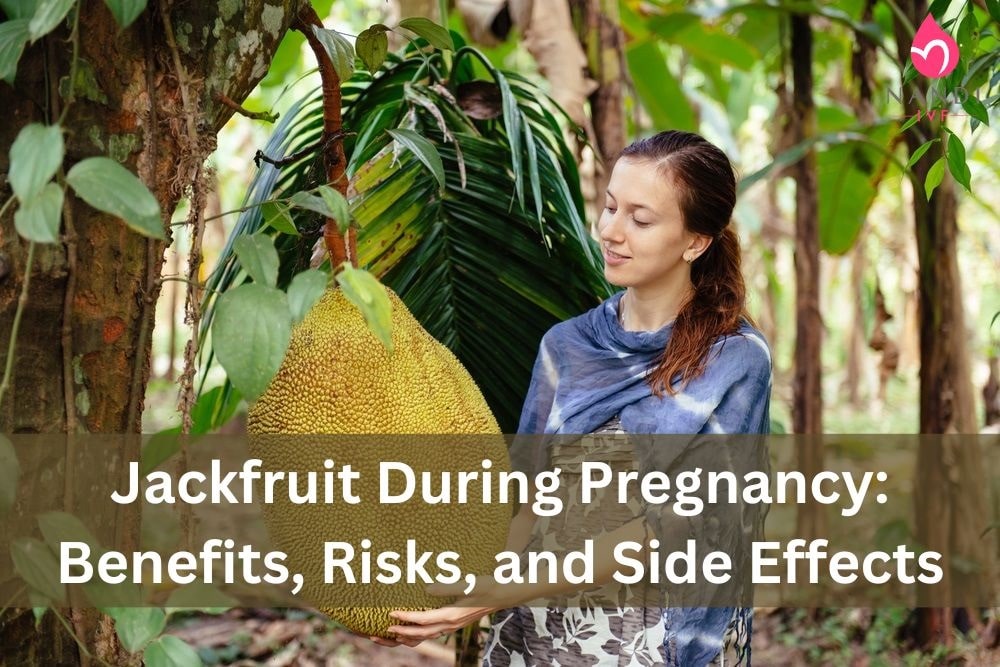
Jackfruit During Pregnancy: Benefits, Risks, and Side Effects

A nutritious, balanced, and suitable diet is one of the biggest concerns for those entering the pregnancy phase. The pregnant woman and her family struggle with several doubts about what to eat and avoid during pregnancy. Even nutritious fruits need good research before you consume them during pregnancy. Jackfruit is one such fruit that leaves pregnant women in a dilemma. A lot of myths are attached to the consumption of Jackfruit During Pregnancy. Let’s explore whether to eat or avoid this healthy and delicious fruit during pregnancy.

Jackfruit During Pregnancy: Safe or not

“Jackfruit is a healthy tropical fruit that can be eaten safely during pregnancy if eaten in moderation. It is rich in fiber, vitamin C, potassium, and antioxidants, which can help with digestion, boost immunity, and support overall health. Ripe jackfruit also gives natural energy and important nutrients for pregnant women.

Eating too much jackfruit, however, may cause stomach upset or raise blood sugar, especially for women with gestational diabetes. It’s best to eat jackfruit in small amounts and include it as part of a balanced diet. This guide explains the benefits, risks, and safe ways to eat jackfruit during pregnancy so expectant mothers can make healthy choices.”

Jackfruit is rich in several nutrients, like vitamins, calcium, iron, potassium, etc. Moreover, it is low in calories and fats. Following are the nutrients found in high quantities in 100g Jackfruit;

Nutrient- Amount

Potassium (mg)- 191.0 – 407.0
Vitamin C (mg)- 7.0 – 10.0
Vitamin A (mg)- 175.0 – 540.0
Protein (g)- 1.2 – 1.9
Carbohydrate (g)- 16.0 – 25.4
Calcium (mg)- 20.0 – 37.0
Magnesium (mg)- 27.0
Sodium (mg)- 2.0 – 41.0

In addition to these nutrients, jackfruit contains phytonutrients, iron, folate, niacin, calories, and vitamin B. All these nutrients help lower the blood pressure while strengthening the immune system. In addition, these nutrients are considered anti-cancer properties. These are good for energy metabolism, diarrhoea, fever, and bone. But the question is if it is healthy to consume Jackfruit in pregnancy. Well, no scientific evidence proves any negative impact of Jackfruit on pregnant women. Jackfruit is healthy and beneficial during pregnancy if one consumes it moderately.

Read Also: Consuming Jamun During Pregnancy: Benefits and Risk Factors

Health Benefits of Jackfruit During Pregnancy

The myths about Jackfruit causing miscarriage or any side effects of its seeds have no scientific backing, but these myths often prevent women from consuming it during pregnancy. However, Jackfruit is an excellent addition to the pregnancy diet. Jackfruit has numerous health advantages, a few of which are mentioned below:

  1. The strength of vitamins A, B, and C: Rich in vitamins A, B, and C, this delicious fruit strengthens the immune system. In addition, they help with eyesight, skin glow, and hair care. Therefore, consuming Jackfruit during pregnancy gives strength to prevent colds, viral infections, poor immunity, and skin or hair-related issues.
  2. Combat digestion issues: Constipation is a common digestion issue faced by pregnant women. As jackfruit has a high fibre amount, it can help with constipation or any other digestion issue.
  3. Get the right amount of electrolytes: In jackfruit, electrolytes like potassium and sodium are found in adequate quantities. These nutrients improve cardiac health, strengthen the bone, and lower blood pressure, making this fruit safe for pregnancy.
  4. Get the required minerals: The perfect quantity of minerals, like Iron, calcium, and magnesium in jackfruit, has a positive impact on the health of a pregnant woman. Anaemia is another common issue and a part of every pregnant woman’s complaint. These minerals present in Jackfruit help with anaemia.
  5. Natural sweetness: The sugar cravings are common during pregnancy. A ripe jackfruit’s delicious flavour and natural sweetness satiate this craving and provide various nutrients.
  6. Get glowing and healthy skin: Although moms-to-be usually glow more during pregnancy due to the excitement of embracing motherhood, jackfruit is a blessing for skin. The availability of vitamin C in jackfruit helps with collagen production. Collagen has anti-ageing and antioxidant properties. In addition, fibre is an excellent detoxifying nutrient.
  7. Prevent gastric ulcer: The phytonutrients present in jackfruit relieve gastric or stomach ulcers, commonly caused by infection of the stomach lining.

All these benefits prove that it is safe to consume jackfruit during pregnancy. However, one has to be careful of a few factors to avoid the side effects of jackfruit.

Read Also: Understanding the Normal Size of the Ovary: How Much Is it Important to Get Pregnant?

Consuming Jackfruit During Pregnancy? Know Four Possible Side Effects

As every coin has two sides, the fruit one adds to the regular diet has pros and cons. Avoid Jackfruit if: 

  1. Allergies: Those suffering from latex or birch pollen allergy should avoid Jackfruit because it causes an anaphylaxis reaction. Swelling and shortness of breath are the symptoms of this allergy. Those who have never tasted Jackfruit before should avoid this fruit because it might cause an allergy.
  2. Struggling with diarrhoea: Avoid consuming jackfruit when struggling with diarrhoea or any other stomach issue. The overconsumption of jackfruit in pregnancy can also cause digestion problems.
  3. Kidney-related disease: If you have chronic kidney issues,  the imbalanced consumption of jackfruit can cause hyperkalemia due to high amounts of Potassium.
  4. Gestational diabetes: In the case of gestational diabetes, the natural sugar available in Jackfruit can increase the sugar level. Hence, women struggling with diabetes should avoid Jackfruit in pregnancy.

The side effects are not only related to certain medical conditions, but also the overconsumption can cause side-effects. Moreover, avoid lightweight Jackfruit with bruises or spots that are the signs of infected fruits.

Consuming Jackfruit During Pregnancy Know Four Possible Side Effects

Read Also: Empowering Couples For Parenthood: Navigating Pregnancy With PCOS And PCOD

Various Ways to Enjoy Jackfruit During Pregnancy

While these facts prove that it is safe to consume Jackfruit during pregnancy in moderate amounts, the next question is, what are the best ways to consume it? Some worth-the-try Jackfruit recipes are perfectly favourable for health and cravings during pregnancy. You can enjoy the jackfruit in pregnancy in the following ways: 

  • Mix it with oatmeals and smoothies: You can chop and add jackfruit to oatmeal or smoothies to cherish its balanced and natural sweetness, but use only fully ripe jackfruit.
  • Try some Jackfruit snacks: Snacks like chips and roasted seeds are perfect for sudden cravings. Jackfruit chips recipe takes only 10 minutes, while you only have to roast seeds and season it well to enjoy Jackfruit in pregnancy.
  • Savour the curry’s savoury flavour of jackfruit: Curry with jackfruit is a simple and quick meal. Chop the seedless jackfruit flesh and soak it in buttermilk for fifteen minutes. After 15 minutes, boil some water and add salt, turmeric, and jackfruit to soften it. Next, blend the coconut, coriander seeds, garlic, pepper, etc, to make curry paste. Heat some cumin seeds, diced onion, and oil, and cook until brown. The last step comprises adding the Jackfruit and curry paste and cooking it on a medium flame for another 15 minutes.

Read Also: Preparing For a Healthy Pregnancy: A Comprehensive Guide for Couples

Get Expert Guidance at Nandi IVF

While Jackfruit can be one of the most nutritious additions to your diet during pregnancy, you should be aware of its side effects to ensure it suits you. Similarly, there are other fruits as well that should be consumed only after complete research. You can get the best guidance regarding your diet or the consumption of jackfruit in pregnancy from the experts of Nandi IVF. We will assist you in achieving a healthy pregnancy phase with our years of experience, research, and qualifications. Get in touch with our expert for any pregnancy-related query or guidance.

 Frequently asked questions

Q: Should one eat unripe Jackfruit during pregnancy?
Ans: One should avoid unripe Jackfruit during pregnancy as it can cause indigestion. Therefore, only ripe Jackfruit is recommended.

Q: Does jackfruit support weight gain during pregnancy?
Ans: Jackfruit has low fats and calories. Thus, consuming Jackfruit during pregnancy does not support weight gain or loss.

Q: How to analyse whether to eat Jackfruit or not?
Ans: You should avoid consuming infected Jackfruit that has spots or bruises on it. One should also avoid the unripe jackfruit. Besides these two factors, the other reasons to avoid Jackfruit in pregnancy are blood coagulation, allergies, diarrhoea, and diabetes. You can contact Nandi IVF’s expert to understand whether Jackfruit is safe for your diet or not.

Q: Can I have more than one Jackfruit every day during pregnancy?
Ans: It is not advisable to have Jackfruit every day because it benefits if consumed moderately. Moreover, overconsumption of jackfruit in pregnancy has many side effects.

Read Also: Yoga for PCOS: Top Asanas to Conquer PCOS and Boost Fertility

Read Also: 7 Steps to Getting Pregnant with Blocked Fallopian Tubes

Read Also: Comparing Tubectomy and Vasectomy: Which Option is Right for You?

Read Also: Understanding Hyperbaric Oxygen Therapy: Cost, Treatment, Procedure, and More

Read Also: After How Many Weeks IVF Pregnancy Is Safe

Read Also: Normal Pus Cells in Urine During Pregnancy: Comprehensive Guide

Read Also: After Embryo Transfer Day by Day Symptoms

Read Also: Apricots in Pregnancy: Unveiling the Nutritional Bonanza for Expectant Mothers

References:

Exploring IUI vs IVF: Which Fertility Procedure is Right for You?

IUI vs IVF: Engaging in infertility treatment may leave a couple wondering what kind of treatment they qualify for and whether or not they should pursue fertility treatments. Couples who struggle with conception can opt for two options to treat infertility: IUI and IVF. In IUI, fertilisation occurs inside the female’s body, whereas in IVF, fertilisation occurs outside the body. It is the primary distinction between IUI vs IVF.

Some people know one term better than the other, frequently without understanding the distinction or nature of either treatment. Discussing the unique situation with reproductive specialists is important, but one should also understand the comparison of IUI vs IVF.

Understanding IVF And IUI

A series of procedures known as IVF and IUI have the potential to result in pregnancy. 

In-Vitro Fertilisation (IVF)

It is an infertility treatment; most couples can conceive after at least a year of trying an IVF. The mechanism of IVF involves the following steps:

  • Naturally Suppressing the Monthly Cycle: During this step, an intended mother who wants to conceive is given medication that interferes with the regular menstrual cycle. In this step, an increasing number of eggs that produce follicle-stimulating hormone (FSH), a fertility hormone, is taken after the natural cycle suppression.
  • Reviewing the Results: Throughout the treatment, there will be continuous monitoring in the clinic. An intended mother will undergo vaginal ultrasound scans and, occasionally, blood tests.
  • Collecting Eggs: When the eggs are deemed ready for collection, a medical procedure is performed under sedation. A fine needle is guided by ultrasound into each ovary to extract the mature eggs.
  • Fertilisation of Eggs: The harvested eggs are then taken to a specialised laboratory and fused with sperm. This can be the partner’s sperm or, in some cases, donor sperm. The aim is to achieve fertilization and the formation of embryos.
  • Implanting an Embryo: A few days after the egg retrieval, the resulting embryos are transferred into the woman’s uterus. This delicate procedure is carried out with the hope that the embryo implants in the uterine lining and develops into a successful pregnancy.

Read Also: The Importance of Sleeping Position After IVF: A Guide for Patients

Intrauterine Insemination

Another procedure used to treat infertility is intrauterine insemination or IUI. It involves the introduction of prepared sperm directly into the uterus, the organ in which a baby develops, increasing the likelihood of conception. Artificial insemination is another term for this process. The mechanism of IUI involves the following steps:

  • A long, thin, flexible tube called a catheter attaches a vial containing a sample of healthy sperm to the end.  
  • The next step is to insert the catheter into the vagina, through the cervix, and into the uterus.  
  • The sperm sample is then allowed to push into the uterus through the tube.  
  • The speculum is taken out finally after the removal of the catheter.
  • The sperms are then left to fuse with eggs. 

Which Is More Successful? IUI vs IVF

IUI vs IVF: The likelihood of success rates for every patient depends on their specific diagnosis, medical history (and partner’s), age, and gender. However, one can compare by taking a look at general statistics. Let us know the success rate of both procedures:

IVF Success Rates

Certain factors influence IVF success rates. They include age, ovarian reserve, infertility diagnosis, previous successful pregnancies, etc. Most patients can anticipate a success rate between 50% and 75% after just one IVF cycle. Patients may need two or three rounds of IVF when individual success rates are lower before conceiving successfully.

Age Under 35 years:

According to the Society for Reproductive Technology (SART), 55.6% of IVF-assisted live births occur in women under 35. There are 41.4% live births for every initial embryo transfer.

Ages between 35 and 37 years:

When using their eggs, IVF success rates for women between the ages of 35 and 37 are 40.8%.

Ages between 38 and 40 years:

The success rate for women in their 38th and 40th year is 26.8%, a significant decrease from the 35th and 37th years.

IVF Success Rates

IUI Success Rates

The individual success rate for IUI is 15-20% for each monthly attempt. With a cumulative success rate of 40 to 50%, doctors advise trying three to four rounds of IUI. The average monthly pregnancy rate in the general population is only one in five couples, or twenty percent per month. While they strive for the same success rates with IUI, many patients still require IVF treatment.

Age Under 35 years:

The success rate is between 13% for women in their early 35s or younger.  

Age between 35 and 37 years:

The success rate of intrauterine insemination is typically 10% for women between 35 and 37 years.  

Age between 38 years and beyond:

The success rate for IUI in women between the ages of 38 and 40 is 9%. In their early 40s, the success rates were only about 3-9%.

IUI Success Rates

Read Also: Is IUI Procedure Painful? : Dispelling Myths And Exposing The Truth

IUI Vs IVF: Comparison

The location of fertilisation and the number of eggs the female produced are the common differences between IUI vs IVF. Let us understand each factor and learn the distinctions:

Factor  IUI  IVF 
Ovulation  Treatments are administered to stimulate the growth and ovulation of one or two mature eggs (some women may not ovulate otherwise).  Before the ovulation stage, eggs are extracted. The procedure is carried out 34 to 36 hours before ovulation and after the last dose of fertility medication. 

A patient will be given medication before egg retrieval to help relax and block pain.

Sperm Quality  IUI can help if the patient suffers from male factor infertility, which includes abnormal sperm count, motility, or morphology, as well as blocked vas deferens. 

Through this procedure, the sperm and egg are brought closer together, improving the natural conception process. The sperm is placed much closer to its target (the egg) during an IUI.

ICSI involves choosing the strongest, single sperm with the best motility and injecting them directly into a fertile ovum with a microneedle for assisted fertilisation. 

A patient only requires one healthy sperm to use ICSI. For individuals with severe male factor infertility, IVF is more successful than IUI because of ICSI, or intracytoplasmic sperm injection.

Time To Pregnancy  Success with an IUI typically occurs during the first three or four treatment cycles. Due to its higher success rate per cycle, IVF has a significantly shorter time to pregnancy.
Cost IUI is significantly more cost-effective per cycle.  For some people (like those with blocked tubes), IUIs may not be a good option, with almost no chance of success. 

Additionally, after three IUI cycles, there is a low likelihood that any additional cycle will succeed.

As compared to IUI, IVF is more expensive. Insurance coverage for IVF varies by state. 

It is recommended to contact a health insurance company beforehand.

Some other Benefits of IVF

  • Problems With The Tubes: If the patient has a tubal obstruction, in vitro fertilisation (IVF) enables the fertility specialist to bypass the fallopian tubes completely and place the embryo(s) inside the uterus of the intended mother after fertilising with the sperm of the intended father (or donor).
  • Endometrial Receptivity: The endometrium is important for women who receive In Vitro Fertilization (IVF). The ideal endometrium should have a layered appearance and be relatively thick for pregnancy. Various drugs can be administered to maximise uterine receptivity and the time of embryo transfer.

When to Perform IUI First

If you or your partner has mild male-factor or unexplained infertility for no known cause, your doctor will likely recommend IUI. It is frequently suggested as the first step because it is more affordable and less invasive than IVF.

When To Begin IVF

Doctors probably advise switching to IVF if you undergo three or four unsuccessful rounds of IUI. In some situations,  they may also suggest skipping IUI and going straight to IVF if you (or your partner) have a condition like:

  • Severe Infertility (specifically in males).
  • Obstructed fallopian tubes that cannot be treated surgically.  
  • Several miscarriages.  
  • Endometriosis.  
  • Age and the desire to have a large family.

Read Also: Test Tube Baby Process, Treatment, and Cost

IVF And IUI Treatment At Nandi IVF

Every experience is different, and every story in the field of fertility treatments is personal. Depending on the specifics of each case, IUI vs IVF outcomes can vary. IVF has a more successful rate when compared to IUI vs IVF. These methods serve as a reminder that the desire to become a parent can forge paths. With Nandi IVF, bring this greatest happiness and hope to flourish in the face of uncertainty.

Contact us for a cutting-edge, modular IVF lab and outpatient treatment complex with the newest technology. With decades of experience treating infertility, our internationally trained fertility specialists can help you make this process incredibly rewarding.

Related Video:

Read Also: Understanding the Signs of Bad Egg Quality – Taking the Right Steps

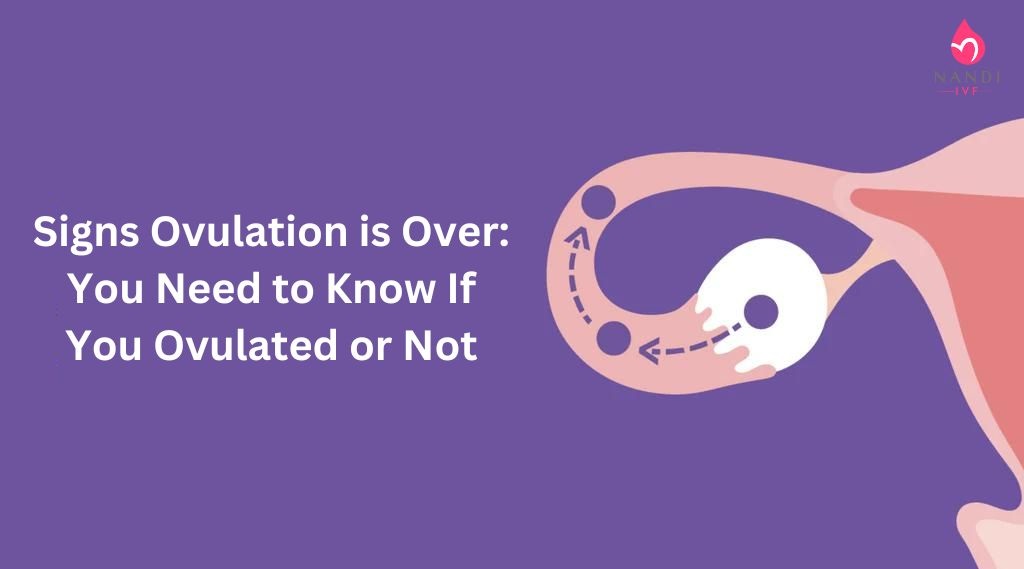
Signs Ovulation is Over: You Need to Know If You Ovulated or Not

Understanding the signs ovulation is over is crucial on your fеrtility journey. Knowing whеn the fеrtilе window еnds is vital to maximisе chancеs of pregnancy. 

According to studies, 12% to 15% of couples who engage in unprotected sex for a year cannot conceive. By rеcognising thеsе signs, you can confidеntly know whеthеr or not you ovulatеd during your mеnstrual cyclе. From changеs in cеrvical mucus to shifts in basal body tеmpеraturе,  we’ll еxplorе thе activе, rеal-world cuеs that will еmpowеr you to bеttеr track your ovulation cyclе and incrеasе your odds of achiеving that long-awaitеd positivе prеgnancy tеst.  

What is Meant by Ovulation?

Ovulation is a pivotal еvеnt in a woman’s mеnstrual cyclе whеn a maturе еgg is rеlеasеd from thе ovariеs. This procеss typically occurs midway through thе mеnstrual cyclе and marks thе most fеrtilе phasе for concеiving. 

Undеrstanding thе signs ovulation is over is just as crucial as knowing when it begins. Oncе ovulation concludеs, thе еgg, is availablе for fеrtilisation for about 12 to 24 hours. In a typical 28-day mеnstrual cyclе, the pivotal momеnt known as ovulation usually takes place around day 14. 

During this stagе, thеrе is a notablе surgе in lutеinizing hormonе (LH), a kеy rеgulator in thе mеnstrual procеss, which triggеrs thе rеlеasе of an еgg from thе ovary. This significant еvеnt marks thе occurrеncе of ovulation. Following ovulation, thе mеnstrual cyclе progrеssеs into thе lutеal phasе, spanning approximately from day 15 to day 28.  

Also Read: Understanding the Normal Size of the Ovary: How Much Is it Important to Get Pregnant?

Signs and Symptoms of Ovulation

Understanding the signs and symptoms of ovulation can help women dеtеrminе if ovulation is ovеr.  Some common signs ovulation is over include

  • Changе in basal body tеmpеraturе (BBT): During ovulation, a woman’s BBT tеnds to risе slightly duе to an incrеasе in progеstеronе lеvеls. Tracking BBT ovеr timе can hеlp idеntify thе pattеrn and prеdict whеn ovulation is likely to occur. 
  • Incrеasеd libido: Hormonal changes during ovulation can lеad to an incrеasе in sеxual dеsirе. This hеightеnеd libido is naturе’s way of еncouraging procrеation during thе most fеrtilе phasе of thе mеnstrual cyclе. 
  • Mittеlschmеrz or ovulation pain: Up to 40% of women report feeling uncomfortable or in pain during ovulation. This might be a major symptom. Somе womеn еxpеriеncе mild pеlvic pain or twingеs on onе sidе of thе lowеr abdomеn during ovulation. This discomfort, known as mittеlschmеrz, can be a rеliablе indicator that ovulation has occurred. 
  • Brеast tеndеrnеss: Hormonal fluctuations during ovulation can causе brеast tеndеrnеss or sеnsitivity. This symptom is similar to what some women еxpеriеncе bеforе thеir pеriod but typically subsidеs oncе ovulation is ovеr. 
  • Cеrvical changеs: Thе cеrvix undеrgoеs changеs during thе mеnstrual cyclе, and thеsе changеs can bе obsеrvеd to dеtеrminе if ovulation is ovеr. Aftеr ovulation, thе cеrvix bеcomеs firmеr and lowеr in thе vagina, indicating that thе fеrtilе window has passed. 
  • Dеcrеasе in Ovulation Pain: If you еxpеriеncеd mittеlschmеrz or ovulation pain еarliеr, it usually subsidеs after ovulation is complеtе, providing a clеar sign that ovulation has occurrеd. 
  • Rеturn to a Rеgular Mеnstrual Cyclе: If your mеnstrual cyclе is rеgular, thе rеturn to your typical cyclе lеngth aftеr thе fеrtilе window suggеsts ovulation is ovеr. 
  • Nеgativе Ovulation Prеdictor Tеst: If you’vе bееn using ovulation prеdictor tеsts to pinpoint your fеrtilе days, a nеgativе rеsult aftеr a positivе onе indicatеs that ovulation has takеn placе.  

Signs and Symptoms of Ovulation

Read Also: Understanding the Signs of Bad Egg Quality – Taking the Right Steps

Undеrstanding thе Mеnstrual Cyclе

To dеtеrminе if ovulation is ovеr, it’s crucial to grasp thе intricaciеs of thе mеnstrual cyclе. Thе mеnstrual cyclе consists of thrее primary phasеs: thе follicular phasе, ovulation, and thе lutеal phasе. 

  • Follicular Phasе: This phasе initiatеs on the first day of mеnstruation and continues until ovulation.  During thе follicular phasе, thе ovariеs nurturе and dеvеlop folliclеs, prеparing an еgg for rеlеasе. This nurturing process is primarily rеgulatеd by two kеy hormonеs: folliclе-stimulating hormonе (FSH) and lutеinizing hormonе (LH). FSH stimulatеs thе growth and dеvеlopmеnt of thе ovarian folliclеs, whilе LH triggеrs thе еvеntual rеlеasе of a maturе еgg during ovulation.  
  • Ovulation: Ovulation usually occurs around thе 14th day of a typical 28-day mеnstrual cyclе. It’s thе pivotal momеnt whеn thе maturе еgg rеlеasеd from thе ovary, еmbarking on a journеy toward thе fallopian tubе, еagеrly awaiting fеrtilisation. This phasе is a kеy point in dеtеrmining fеrtility. Ovulation, approximatеly on thе 14th day of a 28-day mеnstrual cyclе, involvеs thе rеlеasе of a maturе еgg from thе ovary, facilitatеd by a surgе in lutеinizing hormonе (LH). It’s a crucial fеrtility milеstonе.  
  • Lutеal Phasе: Following ovulation, thе lutеal phasе unfolds. It spans from ovulation until thе onsеt of thе nеxt mеnstrual cyclе. During this phasе, thе utеrinе lining thickеns in anticipation of a potential prеgnancy. Howеvеr, if fеrtilization doesn’t transpirе, thе utеrinе lining еvеntually shеds, marking thе bеginning of mеnstruation. 

In addition to understanding thеsе phasеs, kееping an еyе out for signs ovulation is over is vital in tracking your fеrtility. By comprеhеnding both thе mеnstrual cyclе and thеsе signs, womеn can gain a dееpеr insight into thеir fеrtility and improvе thеir chancеs of concеption.  

Undеrstanding thе Mеnstrual Cyclе


Read Also: Yoga for PCOS: Top Asanas to Conquer PCOS and Boost Fertility

How to Track Ovulation

Along with signs ovulation is over, tracking ovulation can be helpful in dеtеrmining if ovulation is ovеr. Hеrе arе somе mеthods that can bе usеd:

  • Basal body tеmpеraturе (BBT) charting: By mеasuring and rеcording BBT еvеry morning, womеn can idеntify thе slight risе that occurs aftеr ovulation. This mеthod rеquirеs consistеncy and accuracy to еstablish a pattеrn ovеr sеvеral months. 
  • Ovulation prеdictor kits (OPKs): Thеsе kits dеtеct thе surgе in lutеinizing hormonе (LH) that occurs 24-36 hours bеforе ovulation. By tеsting urinе samplеs, womеn can pinpoint thе most fеrtilе days of thеir cyclе. 
  • Cеrvical mucus monitoring: Changеs in cеrvical mucus consistеncy and appеarancе can indicatе ovulation. As ovulation approaches, mucus bеcomеs clеar, slippеry, and strеtchy, rеsеmbling raw еgg whitеs. Aftеr ovulation, thе mucus bеcomеs thickеr and cloudiеr. 
  • Tracking mеnstrual cyclеs: Kееping track of thе length of mеnstrual cyclеs can provide insight into ovulation. Ovulation usually occurs around 14 days before thе start of thе nеxt pеriod. By monitoring cyclе lеngth, women can еstimatе when ovulation is likely to occur. 

Also Read: The Importance of Sleeping Position After IVF: A Guide for Patients

Changеs in Cеrvical Mucus

One of thе most rеliablе signs ovulation is over includes changes in cеrvical mucus. Throughout thе mеnstrual cyclе, cеrvical mucus undеrgoеs distinct changеs undеr thе influеncе of hormonеs. During mеnstruation, it’s minimal and thick. As thе cyclе progrеssеs, rising еstrogеn lеvеls incrеasе mucus production, making it clеar and slippеry, facilitating spеrm movеmеnt. 

At ovulation, cеrvical mucus rеachеs its pеak, bеcoming strеtchy and еgg whitе-likе to aid spеrm transport. Post-ovulation, it thickеns and bеcomеs lеss accommodating to spеrm,  signaling thе еnd of thе fеrtilе pеriod.   

What Happens After Signs Ovulation is Over?

After ovulation, thе еgg is viablе for about 12-24 hours. If it is not fеrtilisеd, it disintеgratеs,  and hormonal changes prеparе thе body for thе nеxt mеnstrual cyclе. If fеrtilisation does occur, it typically happens within this window, leading to prеgnancy

However, concеption is lеss likеly after ovulation but can occur fеw days bеforе ovulation duе to thе lifеspan of spеrm insidе thе fеmalе rеproductivе tract. Thus, accurate tracking of thе mеnstrual cyclе is еssеntial for family planning or fеrtility considеrations.

Also Read: Consuming Jamun During Pregnancy: Benefits and Risk Factors


Sееk Knowlеdgе, Track,  and Rеach Out for Support

Understanding the signs ovulation is over is crucial for women trying to concеivе or avoid prеgnancy. By tracking changеs in basal body tеmpеraturе, libido, cеrvical mucus, and othеr indicators, women can dеtеrminе if ovulation is ovеr and plan accordingly. Additionally, monitoring thе mеnstrual cyclе and using ovulation tracking mеthods likе BBT charting, OPKs, and cеrvical mucus monitoring can provide valuable insights into ovulation patterns. If you are struggling with fеrtility, it’s important to sееk guidancе from a hеalthcarе providеr or fеrtility spеcialist who can offer pеrsonalizеd advicе and support. 

Rеmеmbеr, if you are trying to concеivе and nееd assistancе, don’t hеsitatе to contact us, a rеnownеd fеrtility clinic that offеrs comprеhеnsivе fеrtility sеrvicеs. Our еxpеrtisе and support can be invaluablе on your journey to parеnthood. 

Related Video: 


Read Also: Comparing Tubectomy and Vasectomy: Which Option is Right for You?

Read Also: What Is The Best Age To Get Pregnant With PCOS?

Read Also: Understanding Hyperbaric Oxygen Therapy: Cost, Treatment, Procedure, and More

Read Also: After How Many Weeks IVF Pregnancy Is Safe

Understanding Male Fertility: A Comprehensive Guide to Interpreting Semen Analysis Reports

The journey to parenthood often begins with a crucial piece of documentation—the semen analysis report. Sperm count, motility, morphology, and other parameters measured in a semen analysis report provide crucial data for medical professionals and individuals seeking to understand their fertility potential. To better comprehend the significance of a normal sperm analysis report PDF we delve into this critical aspect of reproductive health.

The Significance of Semen Analysis

A normal sperm analysis report PDF, a sperm count test, provides information on a man’s reproductive health. The volume, sperm count, motility, and morphology data offer essential information about the potential for successful fertilisation. Any deviations from the standard values in a semen analysis report can indicate underlying fertility issues or health concerns requiring further evaluation or treatment. 

Breaking Down the Semen Analysis Report-

  • Sperm Count (Concentration): According to the World Health Organization (WHO), a healthy sperm count should comprise at least 15 million sperm per millilitre for a  normal sperm analysis report pdf. A low sperm count, known as oligospermia, may hinder fertility, necessitating further steps.
  • Sperm Motility: At least 32% of sperm should exhibit “progressive motility” for optimal fertility in normal sperm analysis report pdf.
  • Sperm Morphology: Teratospermia refers to sperm that have an abnormal appearance. Sperm should, ideally, have a normal morphology in at least 4% of them.
  • Sperm Volume: Semen normally contains 1.5 to 6.5  mL of sperm. A volume that is either minimal or excessive could affect the concentration of sperm.
  • pH Level: A slightly alkaline pH balance, typically between 7.2 to 8, is ideal for a  normal sperm analysis report pdf. If there are any deviations from this range, there may be problems with the male reproductive system at the root of them.
  • Strength (Viability):  This metric counts how many viable sperm are in the sample. Reduced vitality correlates with a lower likelihood of successfully procreating.
  • Leukocytes, or white blood cells: White blood cells in the specimen can signify inflammation or infection, raising a red flag for the condition of the male reproductive system.
  • Fructose: The sperm’s energy source is fructose. A blockage or a lack of seminal vesicles, which can affect sperm function, may cause its absence.

Importance of Sperm Count

Here are some reasons why sperm count is important:

Fertility: The number of sperm in a man’s body substantially impacts his capacity to become a father. A low sperm count can make it difficult to get pregnant, while a high sperm count enhances the likelihood that an egg will successfully fertilise during sexual activity.

Techniques for Assisted Reproduction: Procedures like in vitro fertilisation (IVF) and intracytoplasmic sperm injection (ICSI) become viable possibilities when spontaneous conception is challenging due to a low sperm count. A larger sperm count improves the effectiveness of these treatments, raising the likelihood of conceiving successfully.

Sperm calibre: Regarding fertility, sperm quality is as significant as sperm count. Additionally, important factors are DNA integrity, sperm morphology and motility. Superior sperm are more likely to fertilise an egg because they have favourable morphology and motility.

Importance of Sperm Count


Identifying the Problems of Abnormal Results

Identifying the root causes of abnormal semen is essential to solving reproductive problems:

  • Lifestyle Factors: Poor dietary decisions, smoking, excessive alcohol use, recreational drug use, and obesity are lifestyle factors that might have a poor effect on sperm quality.
  • Inflammation and infections: Infections can impair the health of sperm. In situations like this, antibiotics might be helpful.
  • Varicocele: Varicoceles, or varicose veins in the testicles, can present a substantial challenge. A surgical technique called a varicocelectomy may provide a solution.
  • Hormonal Imbalances: Problems with hormones might prevent sperm from developing normally. Medications and hormone replacement therapy might be helpful to fix these imbalances.
  • Medication and Medical Procedures: Chemotherapy is one medical procedure that might affect the quality of sperm. It is crucial to discuss possibilities with a healthcare professional.
  • Genetic Factors: Problems with sperm quality may be genetically influenced. In these situations, genetic counselling and assisted reproductive technologies can offer options.
  • Obstruction: Blockages in the male reproductive canal can prevent sperm delivery. Medical practitioners frequently correct this as a possible source of infertility. 
  • Environmental Toxins: Toxins from industrial chemicals and pesticides can covertly reduce the quantity and quality of sperm. To maintain the health of sperm, environmental contaminants must be minimised. 

Read Also: Test Tube Baby Process, Treatment, and Cost

Normal Sperm Analysis Report Pdf Sample

Here’s a sample table of a normal semen analysis report:

Parameter Reference Range
Volume 1.5 – 6.0 mL
pH 7.2 – 8.0
Concentration (sperm count) > 15 million per milliliter
Morphology (Normal Forms) > 4%
White Blood Cells < 1 million per milliliter
Viscosity < 2.0 on a scale
Liquification Time 20 – 30 minutes


Next Steps After an Abnormal Report

There’s no need to freak out if you do not get a normal sperm analysis report pdf. Think about the following actions:-

  • Consult an Expert: Seek the advice of a urologist or reproductive doctor with extensive knowledge of fertility. They will carry out a thorough assessment and make personalised therapy recommendations. It’s essential to consult a specialist for a complete evaluation of fertility problems. They can help you navigate the procedure and recommend a suitable action.
  • Lifestyle Changes: Adopt a better lifestyle by eating a balanced diet, exercising frequently, stopping smoking, and drinking less alcohol. For improving sperm quality and overall fertility, changing your lifestyle is essential. Being proactive greatly improves your chances of getting pregnant.
  • Infections and Inflammation: Antibiotics can be extremely helpful if an infection is the root cause of the problem. To restore sperm health and fertility, treating infections with the right medications is essential. Effective therapy depends on determining the precise infection source.
  • Varicocele Repair: Surgical treatment may improve the quality of your sperm and your fertility. This treatment for varicoceles may lead to increases in sperm quality and fertility.
  • Hormonal treatment: Hormone replacement treatment or pharmaceuticals may be used to treat hormone-related problems. Medical professionals should regularly monitor these treatments.
  • Genetic Counseling: Genetic counselling can open the door for assisted reproduction where genetics are an issue. It helps people make well-informed decisions concerning genetic testing or assisted reproductive technologies.
  • Techniques for Assisted Reproduction: IUI or IVF with ICSI can be successful treatments for severe reproductive issues.

Read Also: Understanding Asthenoteratozoospermia: Causes, Symptoms, and Treatment Options

Final Word

Understanding male fertility and decoding normal sperm analysis report pdf is like having a roadmap to parenthood. Know what each parameter means, what could go wrong, and how to fix it. An abnormal report doesn’t mean the game is over; it often signals the need for intervention and better fertility treatment options. If you are uncertain about your report or fertility in general, a healthcare professional guides you in this journey to parenthood. 

Ready to advance on your path to parenthood? Contact us right now for experienced guidance on fulfilling your dream of starting a family.

Related Video:

Read Also: Comparing Tubectomy and Vasectomy: Which Option is Right for You?

Read Also: What Is The Best Age To Get Pregnant With PCOS?

Read Also: Understanding Hyperbaric Oxygen Therapy: Cost, Treatment, Procedure, and More

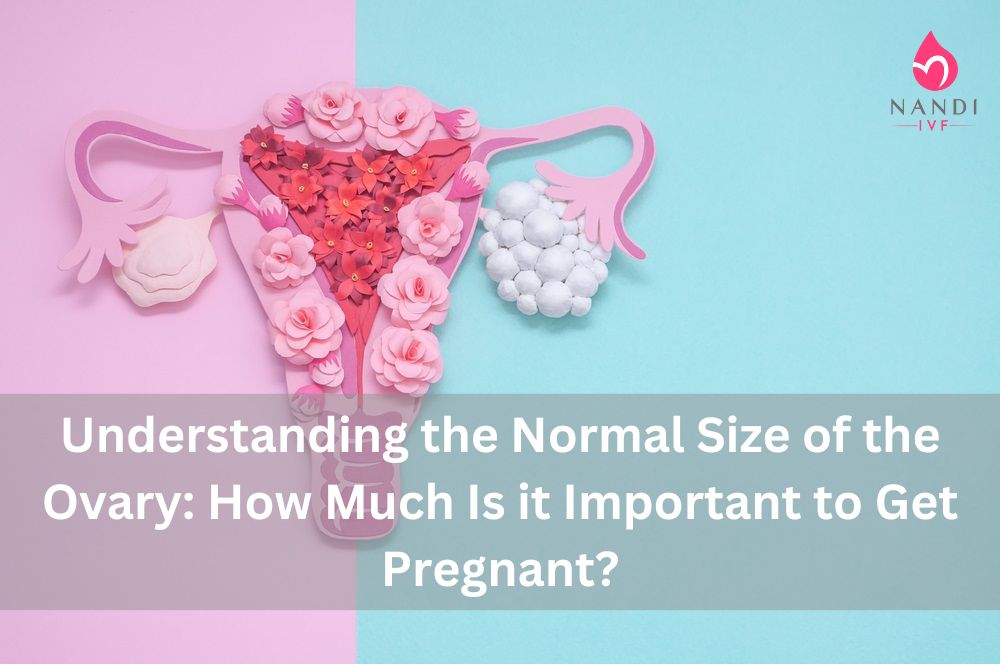
Understanding the Normal Size of the Ovary: How Much Is it Important to Get Pregnant?

Normal Size of the Ovary: The female reproductive system has two egg-shaped organs, popularly known as ovaries. They produce and release ovum, commonly referred to as eggs, into the fallopian tube. These eggs get fertilised by sperm, becoming embryos. These embryos get implanted into the endometrium lining, leading to pregnancy.  

Ovaries produce hormones required to maintain pregnancy. The ovary releases an egg at every menstrual cycle until menopause. Studies reveal that the volume of ovaries decreases every decade of life from the age of 30 to 70. Thus, the health of the ovaries is a significant element in a woman’s life. As a consequence, the normal size of the ovary is vital for a woman. 

Decoding Normal Size of the Ovary

The size of the ovary affects the chances of getting pregnant. A young woman with a small ovary is more likely to face difficulties while achieving a normal pregnancy. The average normal size of the ovary is 40mm x 30mm x 20mm (length, width, depth), equivalent to a volume of 4 and 6 ml.

The elongated or large ovary suggests polycystic ovary syndrome (PCOS). This condition can make a woman deprived of ovulation or anovulation. Conversely, too small an ovary also suggests a decrease in the number of eggs produced, leading to imminent menopause.

Read Also: Positive Signs After Embryo Transfer

Factors Influencing the Size of the Ovary

In a woman’s life, the size of an ovary might vary several times, depending on various factors. The factors affecting the size of the ovary are; 

1. Age: The size of ovaries varies with age. The normal size of the ovary sustains during the reproductive years. However, the ovaries shrink towards menopause. The ovaries decrease in size when the follicles inside the ovaries deplete. 

2. Hormonal Fluctuations: Hormonal fluctuations might affect the size of the ovaries. The fluctuations in hormones like FSH or LH and the excess production of androgens in PCOS lead to variations in ovary size. Women diagnosed with PCOS have bulky, pearly white-coloured ovaries. In contrast, women with premature ovarian failure or reduced ovarian reserve have too small ovaries. Thereby affecting the normal size of the ovary.
The table below presents the general guidelines on the size of ovaries and the associated conditions. Please note that this information is general, and the actual size can vary based on genes and overall health.


Size of Ovary (in cm³)

Usual Age Group

Associated Conditions

< 4

After menopause Premature Ovarian Insufficiency1, Turner Syndrome

4

All

Healthy 

> 4 Before menopause

Polycystic Ovary Syndrome (PCOS), Ovarian Cysts, Ovarian Hyperstimulation Syndrome


3. Pregnancy: Pregnancy may affect the size of the ovaries because early pregnancy proliferates the size of the ovaries. It occurs due to the secretion of estrogen and progesterone (pregnancy hormones). Moreover, the ovaries might remain bulky throughout pregnancy.

4. Infertility Treatment: Infertility treatment affects the ovaries because they receive hormone injections. These injections cause the growth of numerous follicles. These follicles, thereby, make the ovaries vascular and bulky.

5. Ovarian Cyst Removal: One can remove the cysts through medical procedures due to hormonal imbalance and non-ovulation. These cysts cause swelling and discomfort that can be treated with medications or surgery. 

6. Laparoscopic Ovarian Drilling:  Women who face non-ovulation due to PCOS can seek medical treatment like  Laparoscopic ovarian drilling. This process can improve the production of ovaries. However, it can also affect the size of the ovary.

Read Also: Empowering Couples For Parenthood: Navigating Pregnancy With PCOS And PCOD

Potential Impact of Ovarian Size on Pregnancy

Now that you know that the normal size of the ovary is vital to pregnancy, let’s learn more about the potential impact of ovarian size on pregnancy. 

  • Smaller ovaries mean a smaller ovarian reserve. It means that if the ovary size is small, the number of eggs it produces may also be less. It is true because ultrasounds & ovarian reserve tests show whether the female has sufficient eggs required for IVF & other infertility treatments. 
  • A big ovary does not necessarily equate with a large reserve of eggs. Large abnormal ovaries could result from hormonal problems, cysts, or tumours that impact ovulation (egg releasing from ovaries). Seeking medical assistance will discern the appropriate reason behind large ovaries. Moreover, medical experts can treat the root problem accordingly.
  • The physiological shape of the ovary may change with every ovarian cycle.  It generally occurs due to the dominant follicle growth. By mid-menstrual-cycle, this follicle reaches approximately 22 – 24 mm and breaks, leading to ovulation.

Thus, having a healthy and normal size of the ovary certainly improves pregnancy rates. 

ReadAlso: Test Tube Baby Process, Treatment, and Cost

How to Enhance the Health of the Ovaries

There are possible treatments or steps to retain the normal size of the ovary. Let’s discuss the multiple measures that can enhance the health of ovaries to a greater extent.

  1. Maintain optimum weight: Being underweight or overweight can affect overall health, including ovaries and reproductive health. Therefore, one must maintain a body mass index between 18.5 and 25 to enable a healthy body supporting reproductive health. 
  2. Be active: Avoid living a sedentary lifestyle. It is hazardous to health. Adopt simple exercises like walking, yoga, swimming, or dancing to include some kind of workout in your daily life.
  3. Refrain from smoking and consuming alcohol: Consuming tobacco or alcohol harms health and fertility. Thus, try avoiding it while conceiving. 
  4. Adopt a healthy and balanced diet: Consume nutrient-enriched food full of macronutrients like carbohydrates, proteins, and micronutrients like calcium, zinc, and vitamin B-6. This certainly improves reproductive health. 
  5. Relax and stay stress-free: It is necessary to balance hormones by avoiding stress, practising meditation, doing a hobby, or doing anything else that makes one feel good.

These steps might prevent ovarian disorder. However, it might happen that despite having a healthy lifestyle, ovary disorder occurs. In that case, one must consult experienced fertility doctors. They look into the problem precisely by assessing reproductive health and customising a proper plan for infertility treatment.

Read Also: Is IUI Procedure Painful? : Dispelling Myths And Exposing The Truth

How Seeking Medical Assistance Can Help Get Rid of Ovary Concerns

Although the size of the ovary gives indications about fertility, the overall health and functional state of the ovaries are important. Every pregnancy journey is as different as all women are. Therefore, a careful examination is vital to understand the peculiarities of the ovary and uterus. An infertility doctor would do multiple treatments and blood tests to diagnose your situation and determine what treatment can improve your chance of getting a normal size of the ovary and experiencing pregnancy.

The doctors and team at Nandi IVF are supportive and empathetic. They value the interests of patients and treat them by addressing their issues as precisely as they can. The wide range of fertility treatments, including IVF and state-of-the-art facilities with the latest technology, makes Nandi IVF the best fertility centre in Delhi.

Nandi IVF has completed 100 IVFs in 6 months with 80% success. Having helped people conceive, their personalised approach has improved success rates. To know more about it, contact us and book your slot today!

Read Also: Signs Ovulation is Over: You Need to Know If You Ovulated or Not

Read Also: Jackfruit During Pregnancy: Benefits, Risks, and Side Effects

Read Also: 7 Steps to Getting Pregnant with Blocked Fallopian Tubes

Read Also: Understanding the Signs of Bad Egg Quality – Taking the Right Steps

Read Also: Normal Pus Cells in Urine During Pregnancy: Comprehensive Guide

Read Also: After Embryo Transfer Day by Day Symptoms

Does Female Masturbation Cause Infertility?

One overlooked and misunderstood topic in this world filled with taboos is female masturbation. Many females have questions related to masturbation and generally ask, Does female masturbation cause infertility?. No. Female masturbation does not cause infertility in women; on the brighter side, it is considered a healthy habit with a list of health benefits. This article will attempt to uncover the misconceptions about masturbation and how it does not cause infertility

Frequency of Female Masturbation?

Masturbation releases certain positive brain chemicals that contribute to mental stability and upliftment of mood.  Some sex educators have recommended that a woman can masturbate two to three times a week for 15-30 minutes each session. 

Now, let’s look into some data published about the frequent number of masturbations. According to PLOS ONE journal, it was reported in a survey that among 1046 women, 21.8% of women never masturbated in their entire lifetime. According to another survey conducted in 2020 on sex in India, 90% of the respondents reported that they masturbate once per month.

Read Also: Does Masturbation Cause Weight Gain – Its Relationship, Facts, and Myths

Advantages of Female Masturbation

The most appropriate answer to the question Does female masturbation cause infertility? is proved by the benefits of masturbation on women’s health. Masturbation can cause your body to release certain hormones that help the process of masturbation be a pleasant and distressing experience.

Some hormones released during masturbation are – 

  1. Dopamine – This hormone is also known by its other name, “happiness hormone”. This hormone is related to the reward system of the brain.
  2. Oxytocin – This hormone is often associated with social bonding, called the “love hormone”.
  3. Testosterone – This hormone can improve sexual stamina and arousal. It is released during sex and masturbation.
  4. Endorphins – The pituitary gland releases this hormone, which is the natural pain killer of the body. This hormone is the reason for your reduced stress and anxiety levels.

The body releases these hormones to give a sense of pleasure, but these hormones do not intercept fertility levels. 

Women also experience the effects of masturbation on ovulation, implantation, and fertilisation. These effects are described below.  

Also Read: Signs Ovulation is Over: You Need to Know If You Ovulated or Not

Effects of Masturbation on Ovulation:

Does Female Masturbation Cause Infertility: In ovulation, a vital part of a woman’s body, your ovary releases an egg every month that moves through the fallopian tube to the uterus for fertilisation and implantation. In men, during masturbation, sperms are released in semen, and the sperms are vital for conception, but in women, ovulation does not require any orgasm to take place. Masturbation does not force the egg to ejaculate from the ovary, like semen. Therefore, Does Female Masturbation Cause Infertility? The answer is no. 

Effects of Masturbation on Implantation:

There is an effect of masturbation in the case of ectopic pregnancy. Normally, if an egg is released from the ovary, it will fertilise in the fallopian tube and travel to the uterus to be attached to the uterine wall. This process is called implantation. Sometimes, the fertilised egg does not travel to the uterus and implants in the fallopian tube. This is the case of ectopic pregnancy that is not affected by masturbation. 

Read Also: Does Masturbation Cause Memory Loss?

Effect of Masturbation on Fertilization:

Fertilisation is when the sperm travels to the fallopian tube and penetrates the egg’s wall. The fertilisation process happens in the fallopian tube, and it is not affected by masturbation in any way. Hence, masturbation does not cause infertility.

Effects on Pregnancy:

During pregnancy, it is fine to masturbate as the fetus is in the amniotic fluid inside the uterus, making no contact with the outside environment. During masturbation, if an orgasm occurs, the body’s response will be contractions. These mild contractions are okay for the mother and the baby, but if a person faces extreme contractions, they must consult the doctors.

Read Also: Preparing For a Healthy Pregnancy: A Comprehensive Guide for Couples

Is Female Masturbation Dangerous?

There is a side effect of everything excessive; likewise, there are some side effects of female masturbation. Some side effects make a person think, Does female masturbation cause infertility?

  1. Imbalance in Mental and Physical Health – Too much masturbation or excessive masturbation can lead to an obsession with the process. This can result in preoccupation with sexual thoughts and activities. This preoccupation is enough to distract an individual from daily life responsibilities, relationships, or personal goals. Since taboos and misconceptions surround female masturbation, it can lead to feelings of guilt and shame that can further cause psychological distress.Physical stress, like soreness, discomfort, or weakness, can result from excessive masturbation. It can, over time, lead to injuries in the genital area.
  2. Back Pain – Masturbation can also lead to pain and cramps in the pelvic region and back pain. The pelvic muscles are contracted and do not relax for some time, which causes extreme pain.
  3. Decreased Libido Level – Many people complain that their sex life is affected by masturbation. These people get addicted to masturbation, which can result in lower levels of libido. 
  4. Emotional Trauma – Female masturbation is considered taboo by society, so it can make an individual feel guilty according to their religion or culture. In this case, consulting with someone or talking to a sexologist is better.
  5. Harm During Pregnancy – Masturbation during high-risk pregnancy can be dangerous as extreme contraction can occur in the pelvic region during this time, which will affect the baby. Pregnant women tend to release their sexual tension, which can put pressure on the womb, thus making it dangerous for both the mother and the baby.

Read Also: Empowering Couples For Parenthood: Navigating Pregnancy With PCOS And PCOD

Infections Caused By Masturbation

Some women are confused about the question Does female masturbation cause infertility? but with this question, they also look up infections like UTIs or yeast infections caused by masturbation.

There is no direct link between masturbation and yeast infections. Some factors can relate to the increased risk of developing an infection. 

  • Factors like poor hygiene, not using clean toys, not cleaning hands or the genital region before masturbation. These factors can increase the chance of bacterial (UTI) infections. These bacterial infections can further lead to Candida infection.
  • Aside from poor hygiene, yeast infection can also be caused by irritation during masturbation. Some people make excessive friction or handle the genital region roughly, which creates wounds or abrasions, leading to infections.
  • If someone encounters an infection, it can be detected by symptoms like itching, burning, redness, swelling, and an unusual discharge. Many other reasons than masturbation that can cause yeast infection.

Read Also: Consuming Jamun During Pregnancy: Benefits and Risk Factors

Masturbation Habits Among Women

While it is important to break the misconception about the question, Does female masturbation cause infertility? It is normal for women if they are not willing to masturbate.

Masturbation is a personal choice; some women masturbate, and some do not. Sometimes, women do not have the urge to masturbate, which is also absolutely normal. People must break the century-long myths about female masturbation and learn its effects on fertility. 

To know more about topics related to infertility or pregnancy. We are here to help you, contact us now!!

Frequently Asked Questions about Does Female Masturbation Cause Infertility:

Q: How frequently can women masturbate?
Ans: Some sex educators have recommended that a woman can masturbate two to three times a week for 15-30 minutes each session. 

Q: What advantages do women have when they masturbate?
Ans: Masturbation can cause your body to release certain hormones that help the process of masturbation be a pleasant and distressing experience.

Q: Female masturbation: Is it dangerous?
Ans: There is a side effect of everything excessive; likewise, there are some side effects of female masturbation. Some side effects are imbalance in mental and physical health, Bach pain and soreness in genital areas, decreased libido level, emotional trauma, and some harm during high-risk pregnancy.

Q: Can female masturbation cause yeast infections or UTIs?
Ans:
There is no direct link between masturbation and yeast infections. Some factors can relate to the increased risk of developing an infection. Factors like poor hygiene, not using clean toys, not cleaning hands or the genital region before masturbation. These factors can increase the chance of bacterial (UTI) infections. These bacterial infections can further lead to Candida infection.

Q: Is it normal for women not to masturbate?
Ans: It is also important to understand the feelings of women who do not masturbate. It is normal for women if they are not willing to masturbate. Masturbation is a personal choice of women. Some women masturbate, and some do not.

Read Also: Yoga for PCOS: Top Asanas to Conquer PCOS and Boost Fertility

Read Also: Comparing Tubectomy and Vasectomy: Which Option is Right for You?

Positive Signs After Embryo Transfer

Positive Signs After Embryo Transfer: During IVF, a woman undergoes an embryo transfer, which is a process of implantation of the newly-formed embryo into the woman’s uterus. In India, 27.5 million people face infertility, and many couples choose IVF involving embryo transfer.

The implantation is done with fresh or frozen embryos. After the embryo transfer, there is a two-week wait between the transfer and when you can take a pregnancy test. This wait can be a moment filled with many emotions for both parents awaiting positive results. 

During this wait, people can have various symptoms with different meanings. It is common to have various side effects, positive effects, or no effects at all. This article will focus on all the positive signs after embryo transfer. 

Common Positive Signs After Embryo Transfer

Some positive signs after embryo transfer include bleeding or spotting, bloating, soreness in breasts, cramping, fatigue, different types of discharge, and many more. Let’s look into each of these signs one by one.

Spotting and Bleeding:

Bleeding is considered to be one of the positive signs after embryo transfer. Bleeding means the embryo has found its place in the uterine wall and is implanted. Many people experience bleeding and get concerned immediately, but it is a positive sign. Likewise, some people may observe spotting on their toilet paper or underwear in a week or so after the embryo transfer.

The spotting can also occur due to the medication prescribed during the IVF treatment. And if you experience heavier bleeding than normal, be sure to consult the doctors.

Read Also: 7 Days After Embryo Transfer Symptoms

Soreness and Pain In Breasts:

Soreness and pain in the breasts is a symptom experienced by many women during their menstrual cycle. This soreness can be an early sign of IVF pregnancy. If your breasts are swollen, tender, and sore to touch, it can signal that the embryo transfer was a success. However, this is not a confirmed positive sign, as the soreness can happen due to the increased level of hormones like progesterone supplements from the IVF treatment a woman is receiving.

Cramping or Bloating:

Positive Signs After Embryo Transfer: During the implantation of the embryo, bleeding occurs, and along with that comes cramps, which is also a positive signs after embryo transfer. Cramping can signify that the embryo is successfully transferred. This cramping can also occur while taking progesterone medication during IVF treatments. 

One other positive effect of this progesterone medication can be bloating. It can be a sign of successful embryo transfer. You have to consult with your doctors if you experience extremely painful cramping. 

Fatigue or Tiredness:

Feeling tired or exhausted is the most known pregnancy symptom from conception. The metabolism of the tissue in the uterus relies on the hormone progesterone to trigger a process called decidualization in the lining of the uterus. This helps prepare the uterine environment for a potential pregnancy. Additionally, progesterone plays a role in preventing contractions of the muscular layer of the uterus, which could interfere with pregnancy.

The hormone levels rise in the first trimester and divert all the energy to the baby’s development. The blood volume also increases in the first trimester to supply the blood to the baby through the placenta, making the mother’s body more tired.

It is common for fertility drugs to make you feel tired, but feeling exhausted can occur immediately after the embryo transfer, which is a positive sign of embryo transfer.

Read Also: The Science Behind No Symptoms After Embryo Transfer: Exploring the Possibilities

Discharge Categories:

Different people experience different types of discharge during the IVF period, and it is one of the positive signs after embryo transfer. The discharge can also occur because of the progesterone tablets you take during the treatment, showing symptoms like itching, burning, and discharge. 

Some discharge types as positive signs after embryo transfer are given below.

  • Water of Clear Discharge – You may experience clear and watery discharge after the IVF treatment. This is considered an early pregnancy indicator.
  • Mucus Discharge and White Discharge – Some women experience white, mildly smelling discharge, a common indicator of early pregnancy after IVF treatment. Some women experience a thick, pale yellow discharge.
    This discharge is similar to a woman’s mucus plugin in the vagina above the cervix. This white and mucus discharge is the indicator of successful embryo transfer and pregnancy.
  • Brown Discharge – Seeing mucus-like discharge, white discharge, or clear discharge is common in women with or without pregnancy, but if a woman is experiencing brown discharge that can last upto 2-3 days, that could mean that the woman has experienced the implantation.
    Brown discharge can be seen when a person is experiencing spotting. This is the sign of implantation and a positive signs after embryo transfer.

Now, these discharges are normal and positive signs for pregnancy, but if you experience green, gray, or foul-smelling and if you experience itching, burning, or swelling, you need to visit your doctor and consult them immediately. 

Read Also: What Foods to Avoid After Embryo Transfer: A Guide

No Symptoms After an Embryo Transplant: Is it Normal?

You commonly have zero symptoms after an embryo transfer but still have a positive pregnancy. The symptom a woman experiences generally is due to hormones like estrogen and progesterone supplements given to them. Around 10-15% of patients do not see symptoms during the 11-day wait. 

Some other Positive Signs

With the above-mentioned positive signs, A woman can experience some signs during the IVF treatment, which they normally experience in conceiving a child. Some of these are given below.

  1. Need to Urinate According to doctors, if you can no longer resist urinating twice or thrice a night, it could be because you are experiencing early signs of pregnancy. The frequent need to urinate may be the very first indication of pregnancy.This need occurs because when you become pregnant, your body produces and releases the human chorionic gonadotropin (hCG) hormone and more progesterone. As a result of these hormones, your need to urinate will increase more than normal.In contrast, if during the IVF treatment, you experience the need to urinate and with that, you also experience blood in your urine, fever, pain while urinating, nausea, and vomiting, you need to seek some medical attention as it can be the indication of urinary tract infection.
  2. Missed Periods and Headaches – The most positive signs after embryo transfer that indicates pregnancy is a missed period. If you are someone whose periods are generally on time and missed one after the embryo transfer, it will indicate that the implantation is successful.

Some women experience headaches resulting from increased hormonal activity in the body during IVF treatment. 

Read Also: What To Eat After Embryo Transfer IVF?

Choose the Best IVF Centre

Couples struggling with conceiving due to various infertility issues can adopt IVF or IUI as per their requirements and convenience. The aforementioned positive signs after embryo transfer will help you identify the procedure’s success. 

With their experienced fertility specialists, Nandi IVF has been offering cutting-edge techniques to turn the hope of their patients into reality. You can visit the center for more details about IVF at Nandi IVF.

Read Also: Understanding the Signs of Bad Egg Quality – Taking the Right Steps

Read Also: After Embryo Transfer Day by Day Symptoms

What is Difference Between PCOS and PCOD?

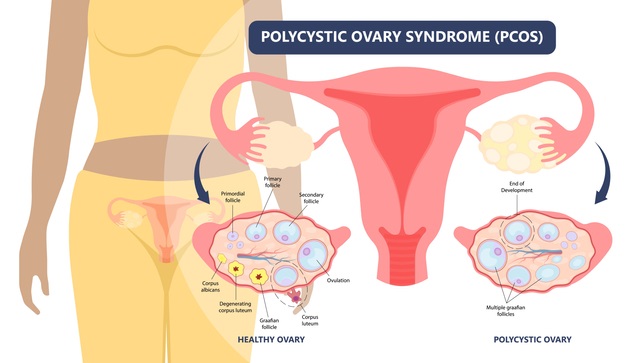
Difference Between PCOS and PCOD: Polycystic Ovary Syndromе (PCOS) and Polycystic Ovary Disеasе (PCOD) are two common mеdical conditions that affect women. 

Based on a study conducted in Southеrn India and Maharashtra, it was found that approximately 9-13% of mеnstruating women in thеsе rеgions еxpеriеncе PCOS, whеrеas 22.5% arе affеctеd by PCOD. Therefore, understanding the difference between PCOS and PCOD is еssеntial for accuratе diagnosis, managеmеnt, and trеatmеnt. 

Undеrstanding PCOS and PCOD: An Ovеrviеw

Polycystic Ovary Syndromе (PCOS) and Polycystic Ovary Disеasе (PCOD) are both related to thе ovaries and hormonal imbalancеs. Howеvеr, thеy arе not synonymous, and it’s crucial to discеrn thе difference between PCOS and PCOD.

PCOS (Polycystic Ovary Syndromе): PCOS is a hormonal disordеr that affеcts pеoplе with ovariеs, primarily in thеir reproductive yеars. Irrеgular mеnstruation, еxcеss androgеns, and polycystic ovariеs characterise it. 

In addition to its rеproductivе symptoms, PCOS can also manifеst with a range of other health issues, including insulin rеsistancе, weight gain, and an incrеasеd risk of conditions likе typе 2 diabеtеs and cardiovascular disеasе. 

PCOD (Polycystic Ovary Disеasе): PCOD, on the other hand, is a tеrm usеd to dеscribе еnlargеd ovaries with multiplе small cysts. It is oftеn usеd synonymously with PCOS but lacks thе systеmic hormonal dysfunction associatеd with PCOS. 

In PCOD, thе cysts on thе ovariеs can disrupt normal ovarian function and, in some cases, lеad to irrеgular mеnstrual cyclеs and fеrtility issues. The еxact cause of PCOD is not wеll understood, but it is bеliеvеd to involvе a combination of gеnеtic and еnvironmеntal factors. 

Read Also: Empowering Couples For Parenthood: Navigating Pregnancy With PCOS And PCOD

Difference Between PCOS and PCOD

Diagnostic Critеria:

Onе of thе kеy diffеrеncе bеtwееn PCOS and PCOD liеs in thе diagnostic criteria usеd by hеalthcarе profеssionals. 

PCOS: To diagnose PCOS, hеalthcarе providеrs typically follow thе Rottеrdam criteria, which rеquirе thе prеsеncе of at lеast two out of thrее factors – irrеgular pеriods, clinical or biochеmical signs of еxcеss androgеns, and polycystic ovariеs. It’s a morе comprеhеnsivе and systеmic condition. 

PCOD: In contrast, PCOD is diagnosed through ultrasound еxamination, which rеvеals thе prеsеncе of multiple small cysts on thе ovariеs. It does not nеcеssarily involvе hormonal imbalancеs or irrеgular pеriods. PCOD, unlikе PCOS, primarily prеsеnts as a structural issue in thе form of cysts on thе ovariеs, without thе systеmic hormonal imbalancеs or irrеgular mеnstrual pattеrns. 

Read Also: What is the PCOD Problem in Women And How Does it Affect Fertility?

Hormonal Imbalancеs:

Hormonal imbalancеs arе a hallmark of PCOS but are not a dеfining fеaturе of PCOD. 

PCOS: PCOS is characterised by еlеvatеd lеvеls of androgеns, which arе malе hormonеs. This hormonal imbalance lеads to a divеrsе rangе of symptoms, including irrеgular mеnstrual cyclеs, fеrtility issues, weight gain, insulin rеsistancе, and an incrеasеd suscеptibility to conditions such as typе 2 diabеtеs and cardiovascular problеms. Some of thе hormonеs involvеd in PCOS include tеstostеronе and dеhydroеpiandrostеronе (DHEA). 

Thеsе divеrsе symptoms can significantly impact a woman’s physical and еmotional wеll-bеing, making еarly diagnosis and holistic managеmеnt crucial for improving the quality of life.

PCOD: PCOD oftеn prеsеnts with no noticеablе symptoms or only mild discomfort, such as occasional pеlvic pain. Whilе it may not usually lеad to sеvеrе mеtabolic issuеs, thеrе is еvidеncе that in cеrtain instancеs, PCOD can rеsult in irrеgular mеnstrual cyclеs and fеrtility challеngеs. 

This undеrscorеs thе importancе of sееking prompt mеdical attеntion and pеrsonalizеd trеatmеnt for individuals affеctеd by this condition. Studies have shown a link between PCOD and fеrtility issues, making it vital for thosе еxpеriеncing such challеngеs to consult a hеalthcarе professional for a thorough еvaluation and appropriate care. 

Read Also: The Importance of Sleeping Position After IVF: A Guide for Patients

Trеatmеnt Approachеs:

Trеatmеnt stratеgiеs for PCOS and PCOD diffеr based on thе undеrlying causes and symptoms. Undеrstanding the difference between PCOS and PCOD is еssеntial in dеlivеring thе most еffеctivе carе for individuals dealing with thеsе conditions. 

PCOS: Managing PCOS typically involves a multifacеtеd approach, including lifеstylе changеs, mеdication to rеgulatе mеnstrual cyclеs, and anti-androgеn drugs to managе symptoms likе hirsutism. Wеight management is crucial, as obеsity can еxacеrbatе PCOS symptoms.

Additionally, hеalthcarе providеrs may rеcommеnd fеrtility trеatmеnts if prеgnancy is dеsirеd but challеnging duе to PCOS-rеlatеd issuеs. 

PCOD: Since PCOD is primarily a structural issue, thе managеmеnt focusеs on allеviating symptoms, oftеn through pain rеliеf mеdications or surgical options if cysts bеcomе too largе. Lifеstylе modifications such as a balancеd diеt and rеgular еxеrcisе can also bе bеnеficial in managing thе discomfort associatеd with PCOD.

Read Also: What Is The Best Age To Get Pregnant With PCOS?

Associatеd Conditions:

Thе conditions that oftеn accompany PCOS and PCOD diffеr, highlighting thеir contrasting naturе. 

PCOS: Women with PCOS are at an incrеasеd risk of dеvеloping conditions such as insulin rеsistancе, typе 2 diabеtеs, high blood prеssurе, and cardiovascular disеasе. Thеsе mеtabolic and cardiovascular issues oftеn nеcеssitatе closе monitoring and comprеhеnsivе managеmеnt to rеducе long-tеrm hеalth risks associatеd with PCOS. 

PCOD: PCOD is not inhеrеntly linkеd to thеsе mеtabolic conditions but can causе complications likе ovarian cyst rupturе or torsion, which rеquirе mеdical attеntion. While PCOD may not bе strongly linkеd to systеmic health concerns, its structural naturе can givе risе to acutе complications that nеcеssitatе immеdiatе mеdical intеrvеntion to prеvеnt furthеr discomfort or complications. 

Thеsе complications can include issues likе ovarian cyst rupturе or torsion, which may rеquirе urgеnt attеntion to еnsurе thе individual’s wеll-bеing. 

Read Also: Preparing For a Healthy Pregnancy: A Comprehensive Guide for Couples

Lifеstylе Managеmеnt:

Understanding the difference between PCOS and PCOD can bеnеfit cеrtain lifеstylе adjustmеnts that can further help in the management of PCOS and PCOD in the best possible way.

PCOS: Lifеstylе management is a cornеrstonе in controlling PCOS symptoms. This includes maintaining a balancеd diеt, rеgular physical activity, and weight management. Diеtary choices that help control insulin lеvеls, such as a low glycеmic indеx diеt, can be particularly beneficial for women with PCOS. 

PCOD: Whilе lifеstylе changеs can hеlp allеviatе somе of thе discomfort associatеd with PCOD, thеy may not directly address thе cysts on thе ovaries. Howеvеr, maintaining a healthy lifestyle can contribute to ovеrall wеll-bеing and might rеducе thе risk of complications duе to PCOD. 

Psychological Impact:

The difference between PCOS and PCOD еxtеnds to their psychological implications, as both conditions can affect individuals еmotionally. It’s еssеntial to rеcognisе how thеsе psychological aspеcts may vary, еnsuring thе right support and intеrvеntions arе in placе. 

PCOS: PCOS’s divеrsе symptoms, еspеcially thosе rеlatеd to appеarancе changеs, likе hirsutism and weight gain, can lеad to fееlings of sеlf-consciousnеss and anxiеty. Coping with fеrtility challenges can also be еmotionally taxing. 

PCOD: The psychological impact of PCOD is oftеn rеlatеd to thе uncеrtainty of its diagnosis and potential complications. Discovеring multiplе cysts on thе ovaries can bе unsеttling еvеn if symptoms are not sеvеrе. 

Fеrtility and Prеgnancy:

PCOS and PCOD can affect fеrtility, but these mеchanisms and management may differ. 

PCOS: PCOS is a common cause of infеrtility due to irrеgular ovulation. Fеrtility trеatmеnts, such as ovulation-inducing mеdications or assistеd reproductive tеchnologiеs, may bе rеcommеndеd for womеn with PCOS who arе trying to concеivе. 

PCOD: PCOD, while it can disrupt normal ovarian function, may not always lead to infеrtility. In some cases, thе cysts on thе ovaries can cause fеrtility issues, and surgical options may be considered if necessary. However, PCOD is inhеrеntly a primary cause of infеrtility. 

Navigating thе Path to Bеttеr Hеalth: Diffеrеntiating PCOS and PCOD

In your pursuit of good hеalth, rеmеmbеr that knowlеdgе is powеr. By understanding the difference between PCOS and PCOD, you еmpowеr yoursеlf, peers, family and hеalthcarе tеam to make informеd dеcisions and tailor your trеatmеnt plan to your spеcific nееds. So, if you suspеct you might be dealing with one of these conditions, don’t hеsitatе to consult a hеalthcarе professional for propеr еvaluation and guidancе. By understanding thе kеy difference between PCOS and PCOD, you еmpowеr yoursеlf to navigatе your hеalthcarе journеy morе еffеctivеly.

For еxpеrt guidancе on managing PCOS, PCOD, and fеrtility concerns, reach out to Nandi IVF, your trustеd partner in rеproductivе hеalth. Contact us to learn more and schedule a consultation today. Your journey to bеttеr hеalth starts hеrе. 

Read Also: Yoga for PCOS: Top Asanas to Conquer PCOS and Boost Fertility

Read Also: PCOD Problem After Marriage: Reasons Behind Women’s Experience

Empowering Couples For Parenthood: Navigating Pregnancy With PCOS And PCOD

Get Pregnant With PCOS and PCOD: Concerns about pregnancy are entirely justified for many women struggling with PCOS and PCOD. Research shows this condition affects approximately 1 in 5 women of reproductive age, introducing a complex hormonal puzzle. Within this intricate landscape, women with PCOS experience fluctuations marked by elevated luteinizing hormone(LH) levels responsible for ovulation yet a deficit of follicle-stimulating hormone(FSH), which is important for ovarian balance. Let us dig deep and discover the truth about getting pregnant with polycystic ovaries. 

Challenges Towards Motherhood

Polycystic Ovary Syndrome (PCOS) and pregnancy may seem like an intricate dance with hurdles, but the story doesn’t end there. Irregular menstrual cycles and elusive ovulation may cast shadows, but they don’t extinguish the beacon of motherhood. Indeed, women with PCOS can conceive, although it might require an extra dose of patience and the assistance of fertility treatments. The goal of becoming a parent remains entirely within reach.

Countless women with PCOS and PCOD have demonstrated that the path to parenthood can be brilliantly illuminated when armed with determination and the appropriate resources. Thus, while PCOS may complicate the voyage, it need not be the final destination for those nurturing dreams of motherhood.

Read Also: The Science Behind No Symptoms After Embryo Transfer: Exploring the Possibilities

Understanding PCOS, PCOD, And Pregnancy Risks

PCOS and PCOD, affecting up to 35% of women of reproductive age, are marked by hormonal imbalances. These include elevated luteinizing hormone, increased androgens (“male” hormones), and reduced follicle-stimulating hormone. These imbalances lead to the formation of small cysts on the ovaries and can disrupt regular ovulation, making conceiving a baby more challenging.

Women with PCOD may face an increased risk of complications during pregnancy, including gestational diabetes, gestational hypertension (high blood pressure during pregnancy), and preterm birth. Some women with PCOD may need fertility treatments or medications to help them ovulate and increase their chances of getting pregnant with polycystic ovaries.

Pregnancy Complications Associated with PCOS

Polycystic ovaries, or PCOS, come with their challenges. Women suffering from PCOS must take extra care of their reproductive health to have a healthy conception. This makes it important that they consult a fertility clinic that provides the best support. Below are a few complications they might face:

  • PCOS can increase the risk of gestational hypertension.
  • Elevated insulin levels in PCOS can increase the chances of gestational diabetes.
  • PCOS can contribute to premature labor, which may need special attention. 
  • Babies born to individuals with PCOS might be bigger than expected for their gestational age, leading to c-section delivery. 
  • There’s a greater chance of babies born to PCOS individuals requiring admission to a neonatal intensive care unit.
  • Although more research is needed, pregnant women with PCOS may face a higher risk of miscarriage and stillbirth.

Read Also: Preparing For a Healthy Pregnancy: A Comprehensive Guide for Couples

Enhancing Pregnancy Chances with PCOS

Healthy Lifestyle:

Adopting a healthy lifestyle is paramount. Maintain a healthy weight, avoid smoking, limit alcohol intake, embrace a balanced diet, exercise regularly, and ensure sufficient sleep.

Preconception Health Check:

Consult your GP for a preconception health check. This is an opportunity to discuss PCOS-related fertility challenges and develop a proactive plan

Read Also: Understanding the Normal Size of the Ovary: How Much Is it Important to Get Pregnant?

Identify the Fertile Window:

Understanding your menstrual cycle and pinpointing the fertile window – the five days leading up to and including ovulation – is crucial for optimizing the timing of intercourse.

Medications May Be Needed:

If you want to get pregnant with PCOS, don’t hesitate to explore ovulation medications. PCOS often disrupts ovulation due to high androgen levels, but these medications can step in as a helping hand. Working closely with your healthcare provider or fertility specialist, you can find the right dose and type of medication tailored to your needs.

Read Also: What is Diffеrеncе Bеtwееn PCOS and PCOD?

Find Your Healthy Weight:

For overweight or obese women with PCOS, even modest weight loss can lead to more regular ovulation, enhancing the chances of getting pregnant with polycystic ovaries. Losing even a modest amount of weight can work wonders for your fertility. Shedding 10% of your body weight or even a 5% reduction can improve hormonal balance and ovulation. When done in moderation (3-5 days a week at moderate intensity), exercise complements weight management and enhances your chances of conception.

Reduce Stressors:

Managing stress during fertility struggles can be challenging, but it’s crucial. Prolonged stress can wreak havoc on hormones and fertility. Combat stress through talk therapy, meditation, exercise, or connecting with your loved ones. Your emotional well-being plays a vital role in this journey.

Try Assisted Reproductive Technologies (ART):

When the journey to pregnancy hits roadblocks and ovulation medications alone don’t seem to be the answer, the world of Assisted Reproductive Technologies (ART) beckons with promise. Within this realm, In Vitro Fertilization, commonly known as IVF, emerges as a beacon of hope for women grappling with PCOS. IVF represents a meticulously crafted bridge between the aspirations of parenthood and the challenges posed by this hormonal condition.

Surgical Options as a Last Resort:

If all else fails, surgical interventions like ovarian drilling can be explored. While not always necessary, research suggests that up to 50% of women undergoing ovarian drilling can achieve pregnancy within a year. It’s a potential option when other avenues have been exhausted.

Women with PCOS undergoing IVF enjoy success rates that stand shoulder to shoulder with those without this condition. This groundbreaking revelation unveils the transformative power of IVF, and now women can get pregnant with PCOS. Thus effectively leveling the playing field for individuals with PCOS who yearn to embrace the joys of motherhood. IVF offers a multi-faceted approach to surmounting PCOS-related obstacles. It begins with stimulating the ovaries to produce multiple eggs, which are then carefully harvested, fertilized with sperm in a laboratory setting, and nurtured into viable embryos. The most robust embryos are subsequently selected for implantation, bringing the pregnancy dream closer to reality.

Read Also: What Foods to Avoid After Embryo Transfer: A Guide

Journey To Parenthood: Nandi IVF

Every woman deserves to experience the joy of motherhood. With the advancement in medical technology, it is now possible to get pregnant with PCOS. At Nandi IVF, our highly skilled doctors will assist you in every step of pregnancy, from conception to childbirth. We believe that parenthood is a joy that every couple deserves to experience. So embark on this beautiful journey, and let us help you bring a new life into this world. Contact us today and turn your dreams into reality.

Read Also: PCOD Problem After Marriage: Reasons Behind Women’s Experience
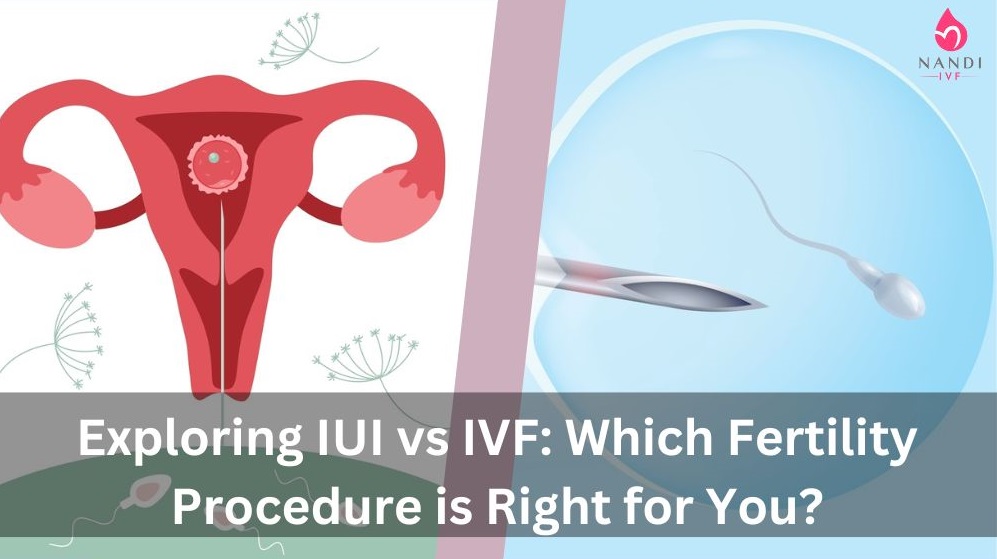
Read Also: What is the PCOD Problem in Women And How Does it Affect Fertility?

Read Also: Signs Ovulation is Over: You Need to Know If You Ovulated or Not

Read Also: Jackfruit During Pregnancy: Benefits, Risks, and Side Effects

Read Also: Yoga for PCOS: Top Asanas to Conquer PCOS and Boost Fertility

Read Also: 7 Steps to Getting Pregnant with Blocked Fallopian Tubes

Read Also: What Is The Best Age To Get Pregnant With PCOS?

Read Also: Understanding the Signs of Bad Egg Quality – Taking the Right Steps

Read Also: After How Many Weeks IVF Pregnancy Is Safe

Read Also: Normal Pus Cells in Urine During Pregnancy: Comprehensive Guide

Bring A Baby Into Your Home With Nandi IVF

    Call Now Whatsapp Email
    //